


Living in the Round
Germany's first high-rise to seamlessly blend work, living, and public space
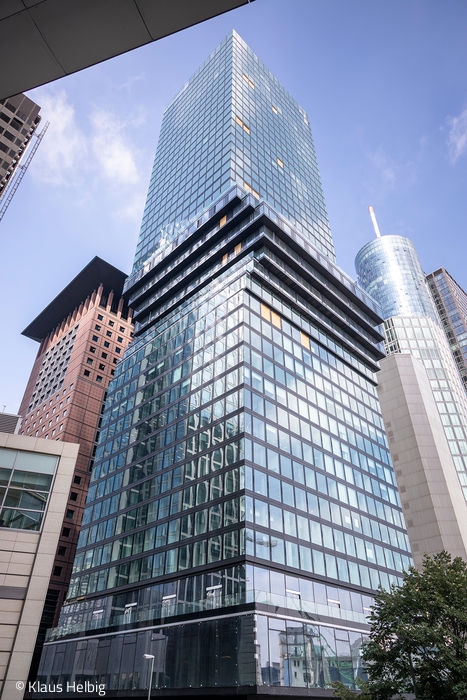
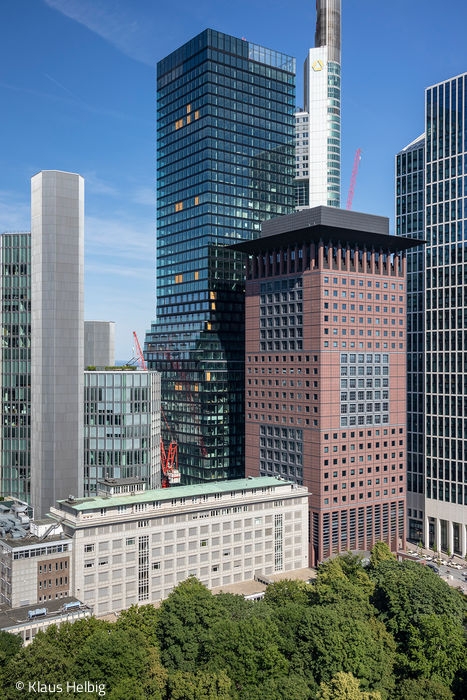
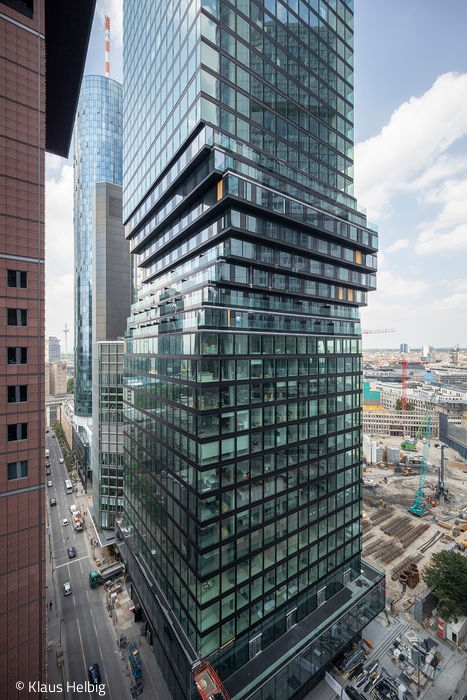
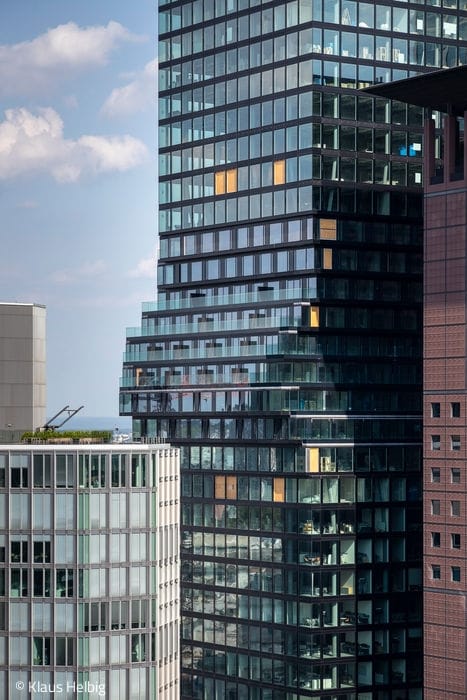
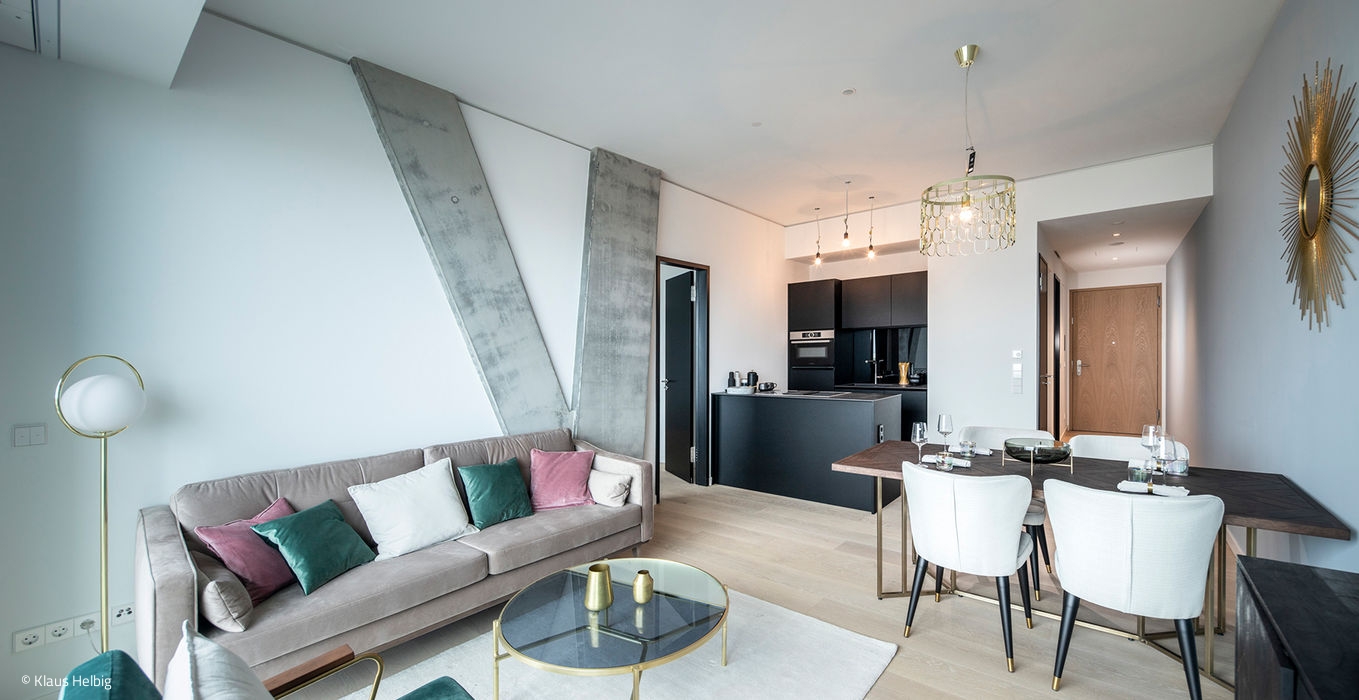
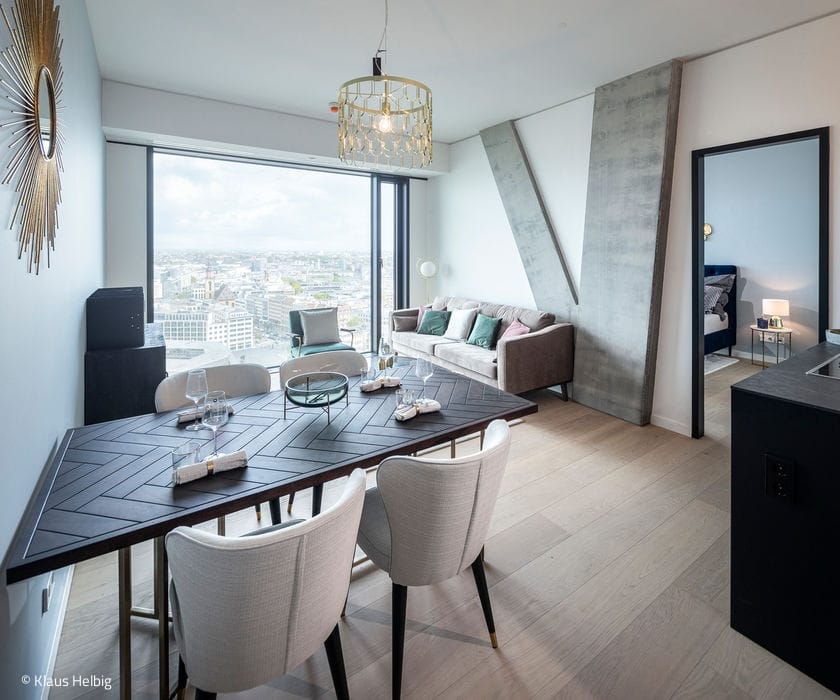
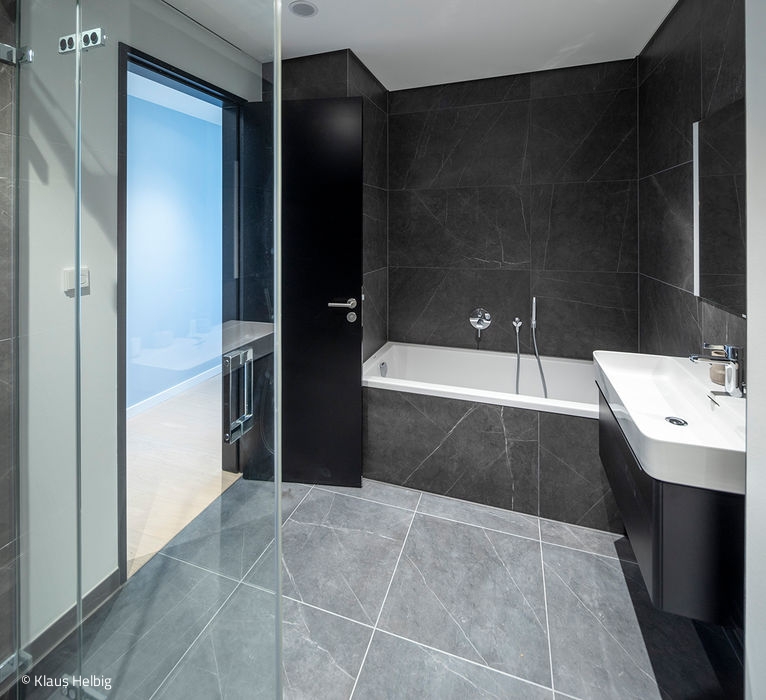
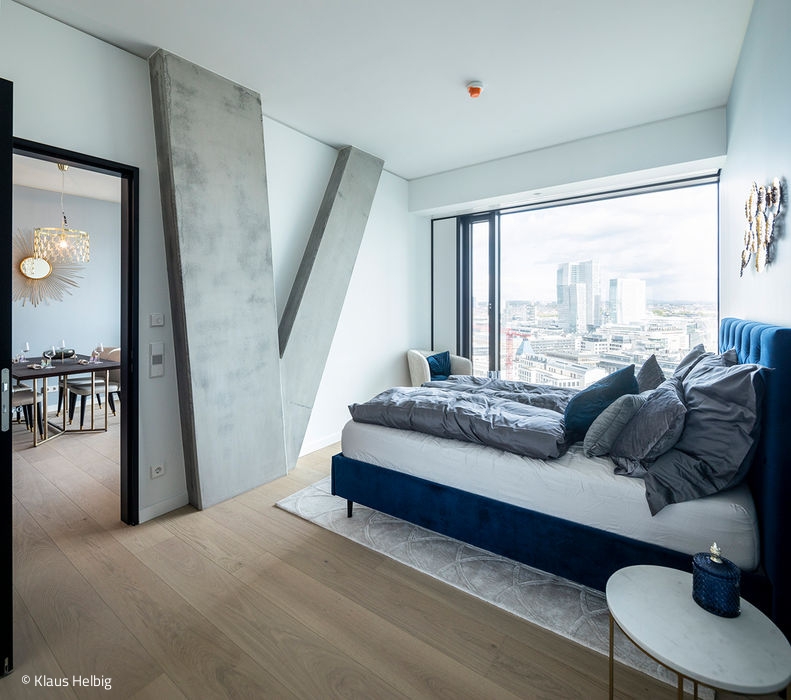
The vision to enliven Frankfurt's banking district beyond business hours is finally taking shape. The Omni Tower—strategically positioned alongside the Taunus Tower, Japan Centre, and Global Tower—marks a watershed moment: Germany's first high-rise to authentically unite work, living, and public life under one roof. Rising over 190 metres across 45 storeys, it accommodates 147 premium rental apartments alongside office, restaurant, and event venues. An underground garage provides 204 parking spaces, while the 45th-floor roof terrace offers breathtaking panoramic views of the Main metropolis. The visionary design comes from award-winning architect Bjarke Ingels, who also conceived the second tower of New York's new World Trade Center.
The first three floors are open to the public, creating an animated urban base. These stepped floors—marked by dynamic projections and recesses—house restaurants, flexible work environments, and shared community and event spaces within generous ceiling heights. Adjacent promenades and the forthcoming plaza introduce much-needed greenery within the forest of towers.
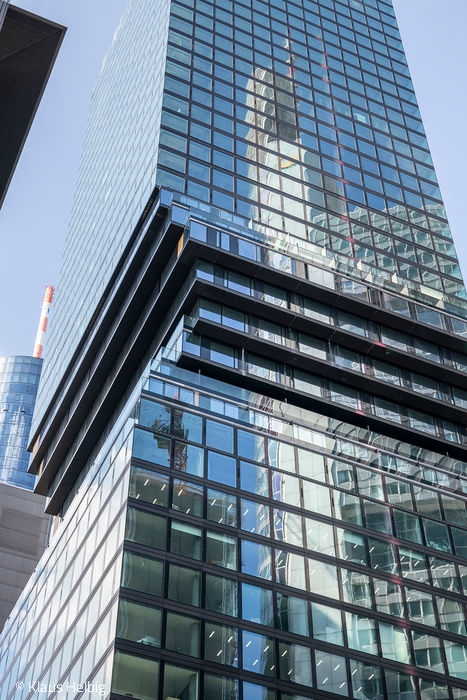
The residential section announces itself boldly: halfway up the metal and glass façade, the building's axis spirals outward in a fluid, organic motion. This distinctive twist—reminiscent of a natural hip swing—offsets the residential floors between the 15th and 22nd levels by up to four metres from the tower's base line, generating expansive terraces for residents. Above this sculptural gesture, the tower straightens to realign perfectly with its lower axis.
Sustainability runs deep in the design. The Omni Tower targets LEED Platinum certification (Leadership in Energy and Environmental Design) through intelligent climate systems with high-performance heating and cooling ceilings, individualized room and zone controls, operable window vents, advanced solar glazing, and rainwater harvesting—all working together to minimize environmental impact.
(Published in CUBE Frankfurt 04|19)
Flexible Reminiscence
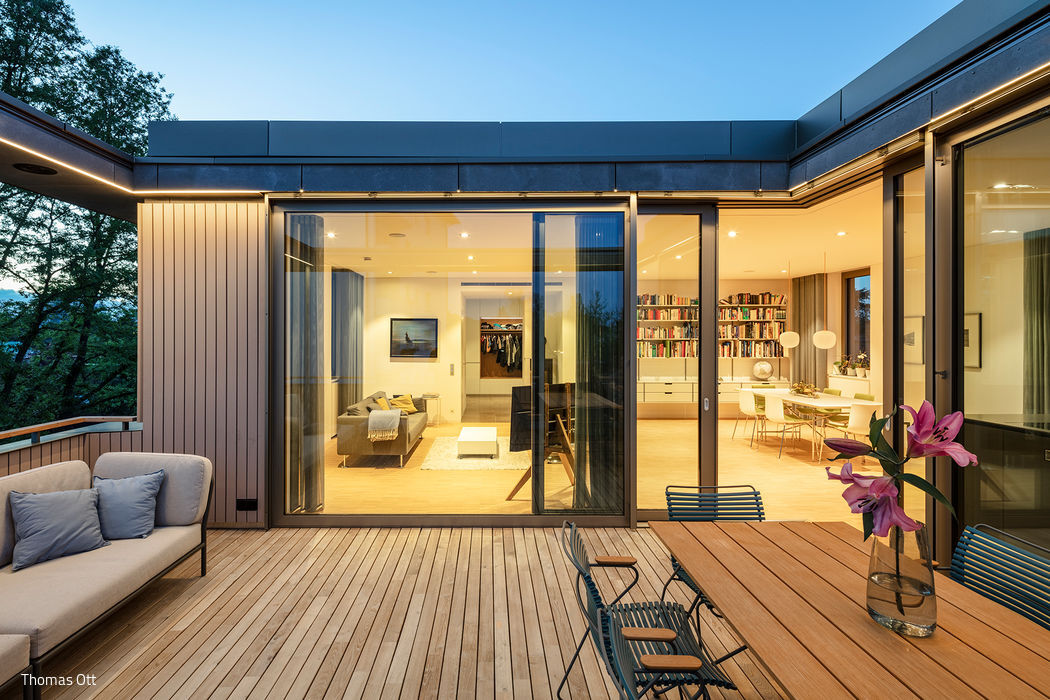
Vertical Extension of 1960s Apartment Buildings
Light-filled Security
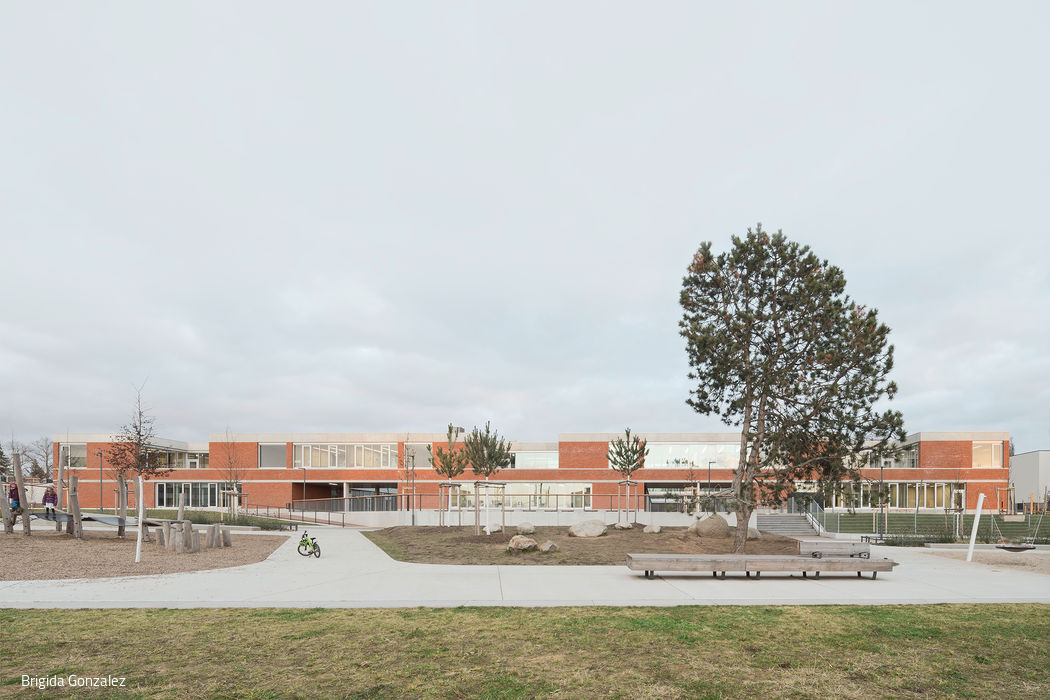
New Primary School and Nursery: Where Order Meets Vitality
"ARCHI-SCULPTURE"
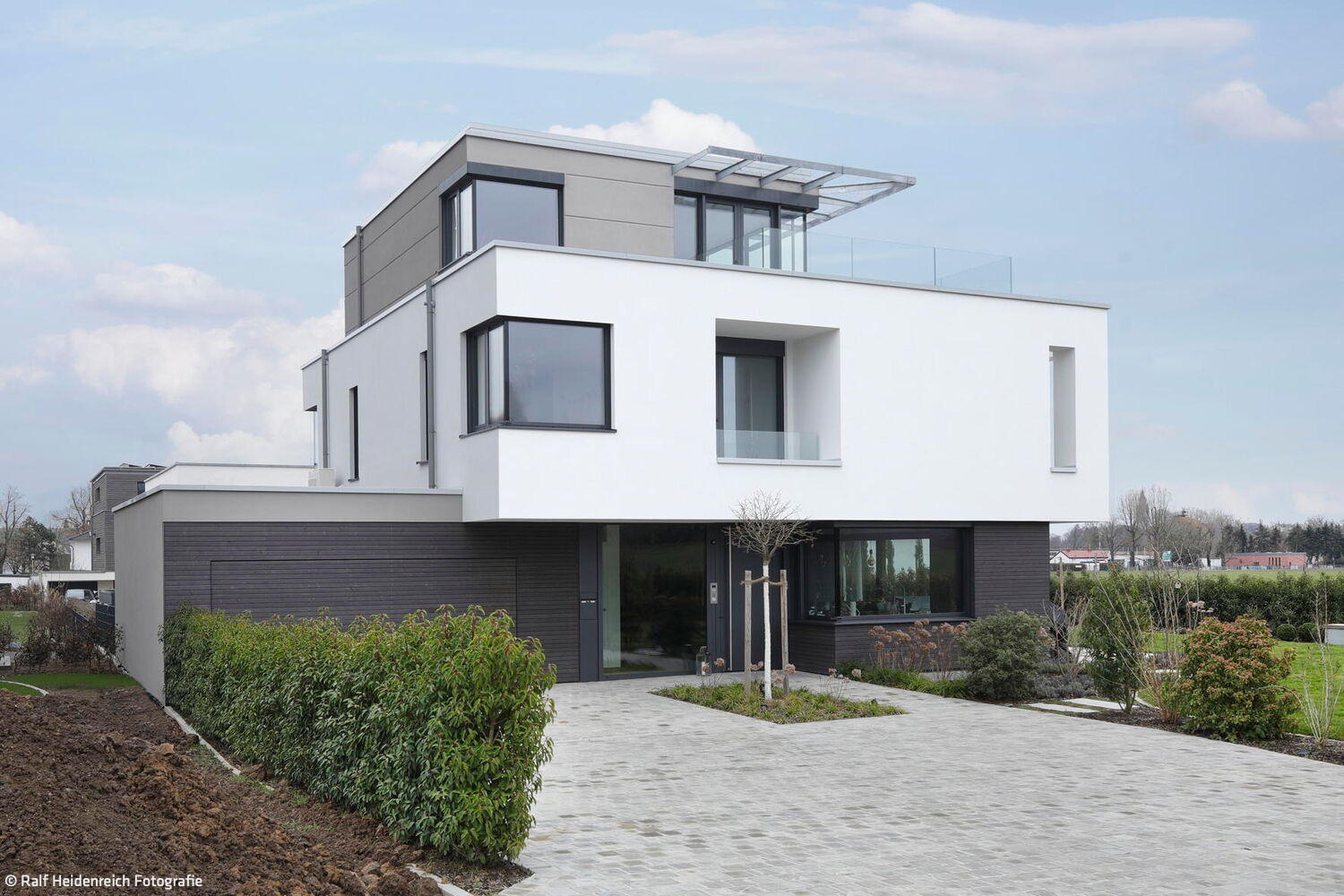
A Detached Home in Bad Nauheim: Design Through Precision
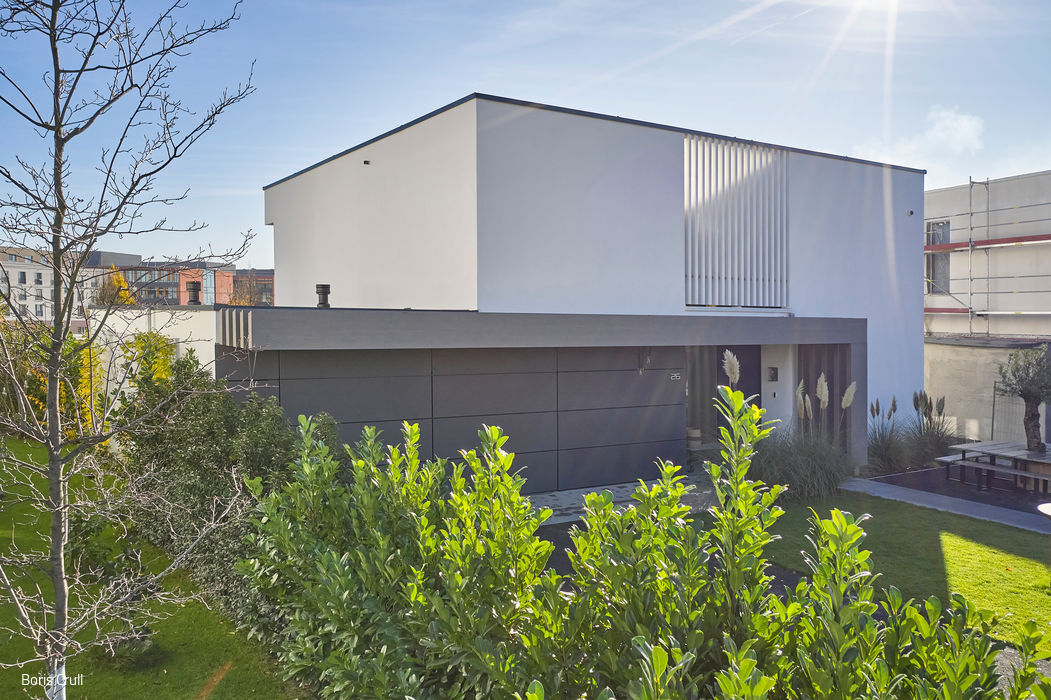
Clean, Calm, Minimalist
A Riedberg Villa: Distinct Volumes Unified in Harmony