


Education Replaces Industry
Ruhr West University transforms Parkstadt Mülheim into a hub for higher education


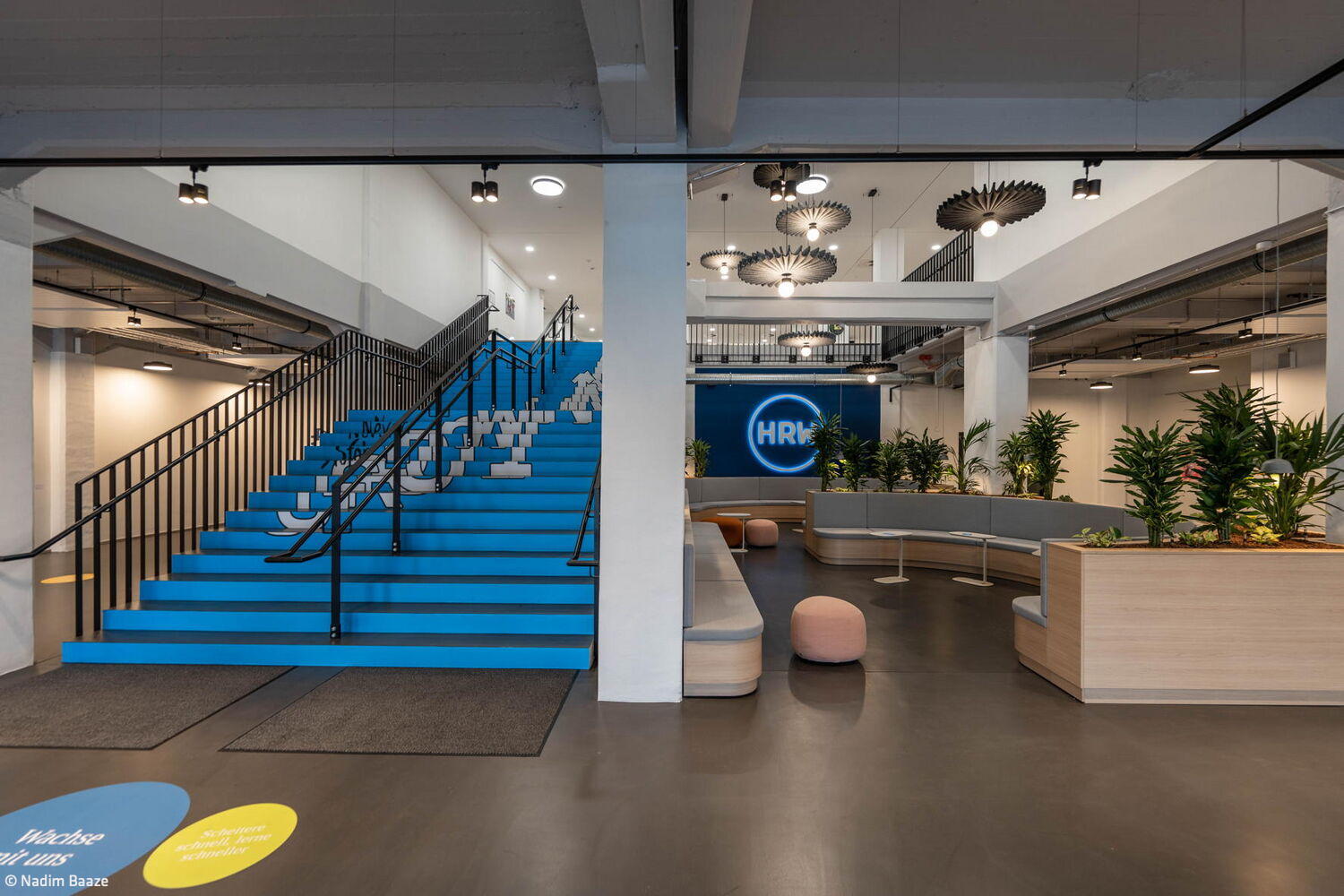


At approximately 130,000 m², Parkstadt Mülheim stands as one of the Rhine-Ruhr region's most significant urban regeneration projects. Built on the former Tengelmann industrial site, this transformation—spearheaded by developer Soravia—breathes new life into what was once a sealed-off industrial zone, creating an innovative, sustainable neighbourhood. The site, where Karl Schmitz-Scholl established a chocolate factory in 1912, has already attracted a diverse mix of modern tenants in recent years. In spring 2024, Ruhr West University of Applied Sciences (HRW) expanded its footprint here, establishing a secondary campus just 700 metres away. This new location accommodates around 800 students and solidifies Parkstadt Mülheim's emerging role as an educational destination.
The former confectionery factory complex spans multiple buildings totalling 65,000 m². The university occupies 6,200 m² across the ground and first floors. The building's distinctive clinker-clad perforated façade—which sheathes the original reinforced concrete skeletal structure—has been carefully preserved and restored. A generous, naturally lit foyer anchors the ground floor, constructed from post-and-beam framework with curved elements defining the barrier-free entrance zones. From this soaring eight-metre-high space, a new grand staircase ascends to the upper floor alongside accessible lifts. Suspended lights at varying heights create visual drama throughout the foyer. The original building's open-plan nature allowed for flexible interior organisation, with distinct zones—administration, innovation hub, and others—distinguished by strategic colour accents for intuitive wayfinding. New partitions are primarily drywall construction, supplemented by mineral wool walls where acoustic performance demands it. Learning spaces, offices, and corridors feature vinyl flooring with acoustic backing, while the foyer's floor is cast resin. "Aesthetically, we would have preferred to avoid suspended ceilings," notes Lorenz Tragatschnig, project manager for Parkstadt Mülheim at Soravia, "but since the existing structure has a bonded screed rather than a floating one, we needed the ceilings for sound isolation." A major constraint involved compliance with mandatory smoke extraction systems in assembly areas—requiring fire-safety ducting to run through adjacent leased spaces. While the neighbourhood currently relies on gas heating, sustainability strategies are progressively materialising. Rooftop areas are being greened, with photovoltaic systems slated for installation. The HRW cafeteria opens onto a expansive terrace overlooking a mature tree-lined park, soon to be complemented by a reflecting pond.
Photos:
Nadim Baaze
www.nadimbazze.de
(Published in CUBE Ruhrgebiet 01|25)

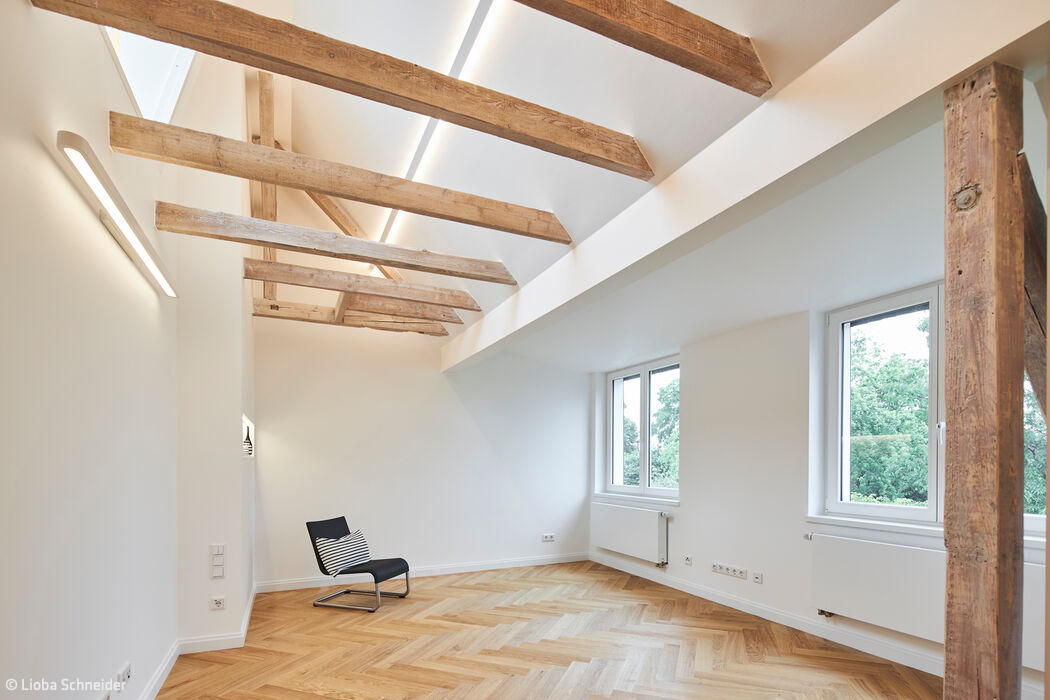
Nothing Stops the View
A historic villa's attic reimagined as a magnificent spatial experience.
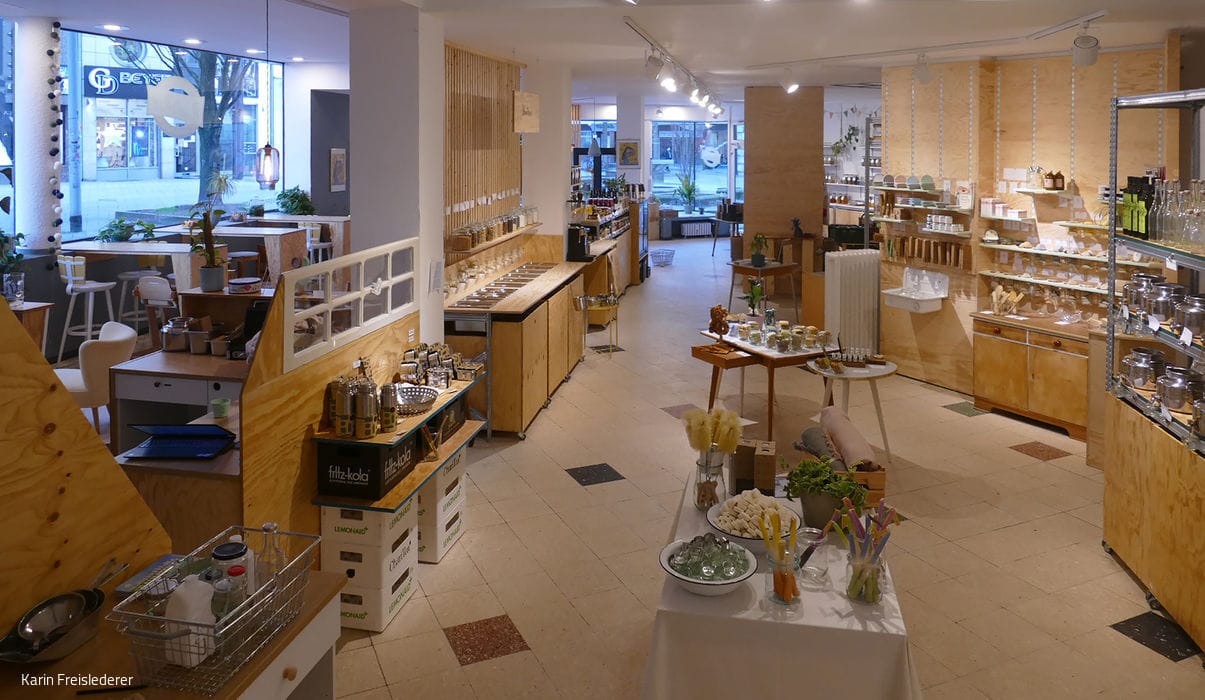
No Sacrifice—Just a Change of Direction
This zero-waste shop in Mülheim an der Ruhr inspires a more mindful approach to shopping
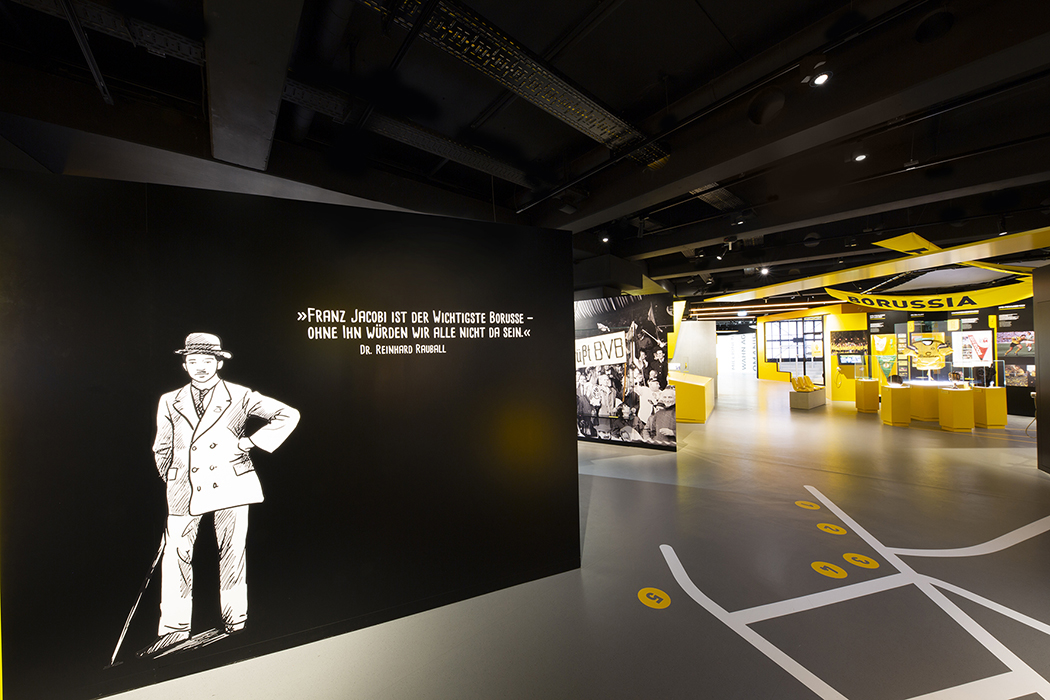
The BVB Yellow Challenge
The Borusseum Steps Into the Digital Age
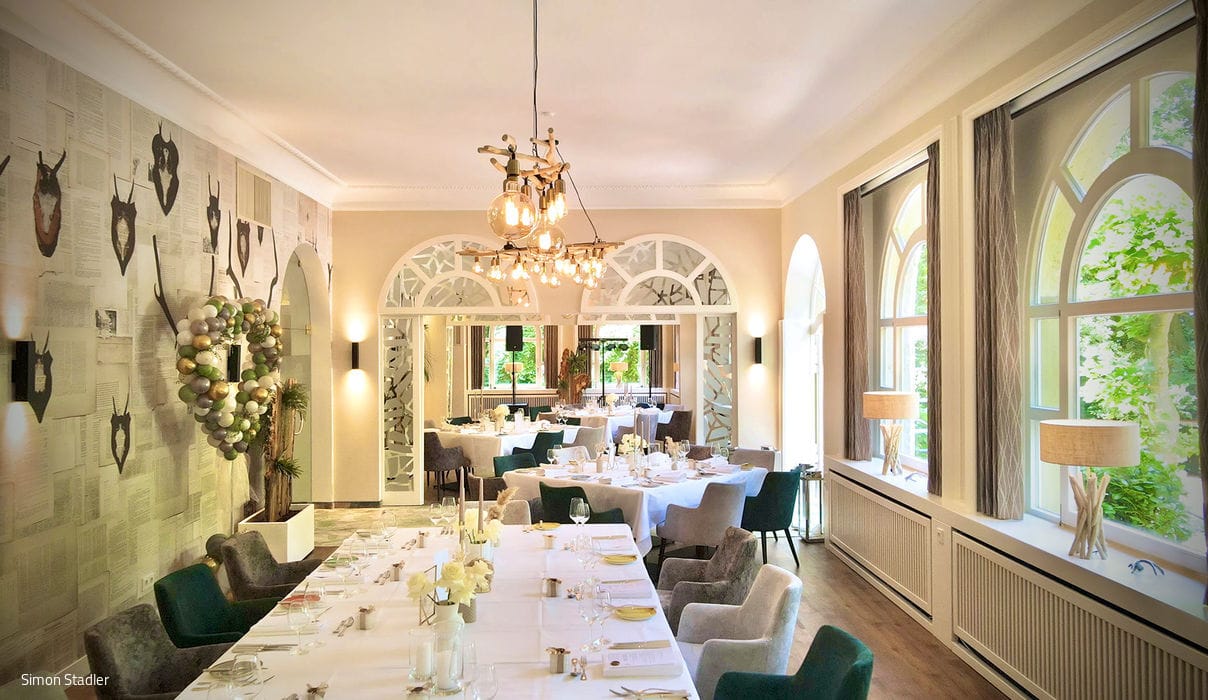
The Forest Takes Center Stage
Bringing nature indoors with style: Inside a Heiligenhaus hotel redesign