


Preserving Character
Thoughtful restoration and renovation of a vernacular village farmhouse

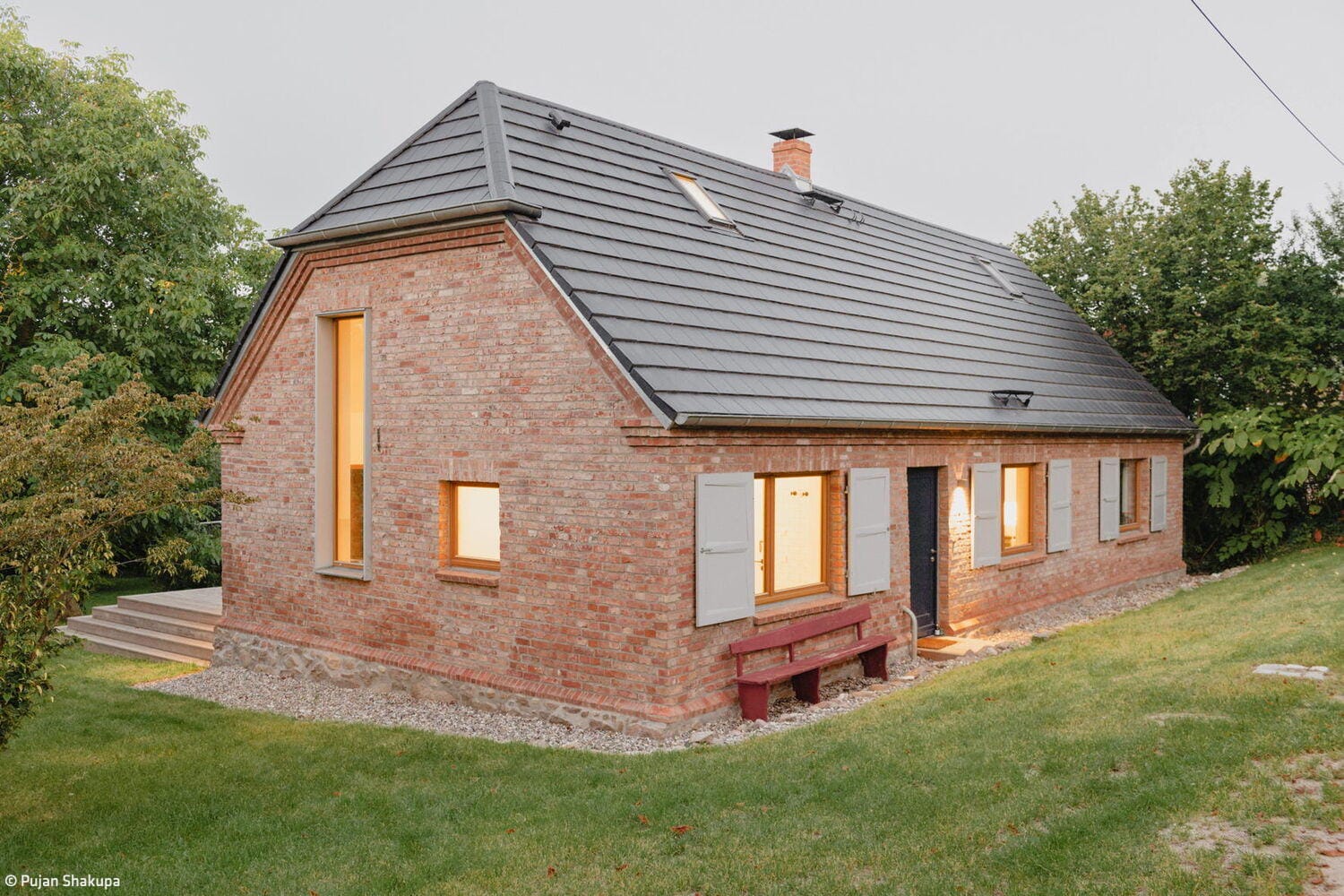
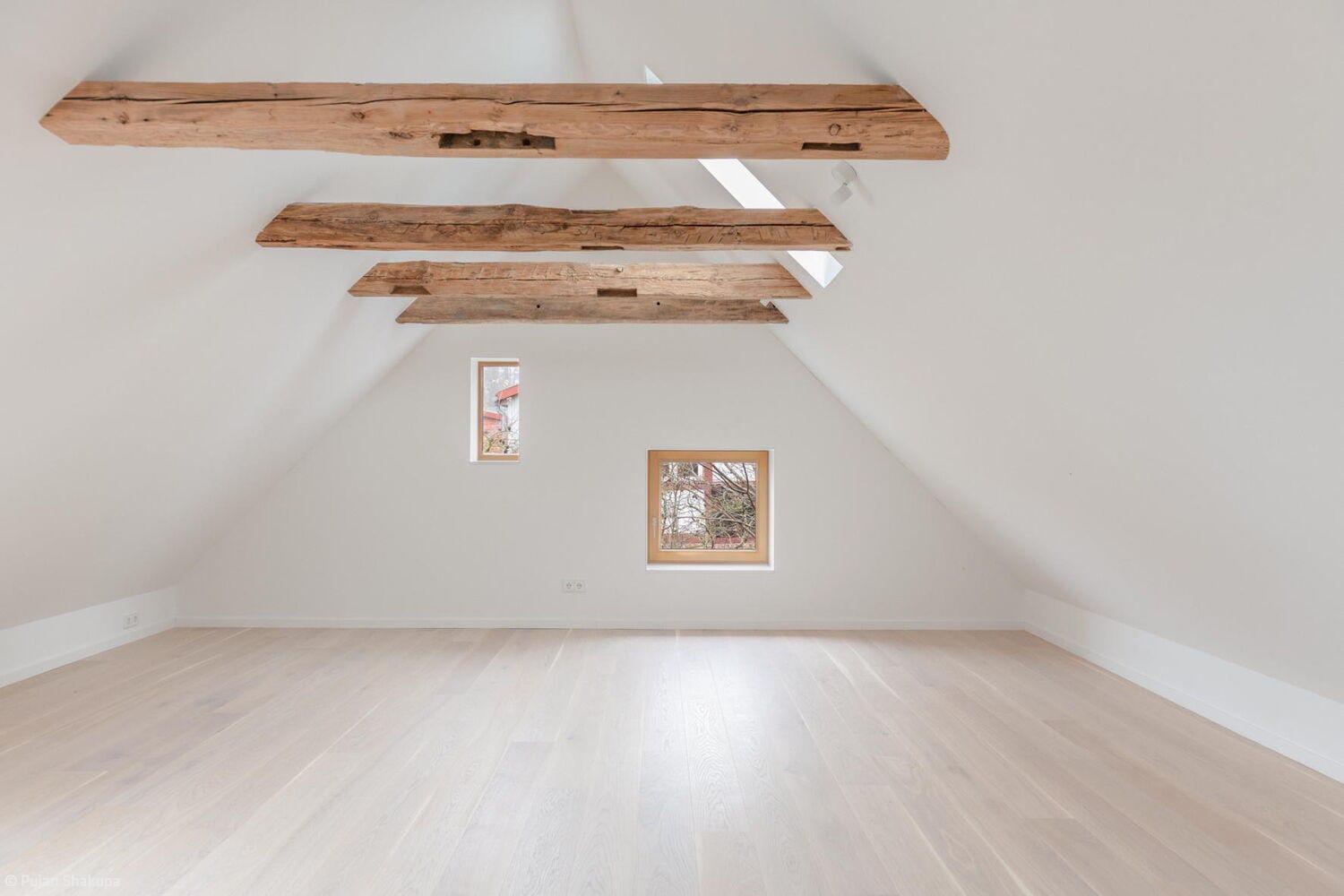
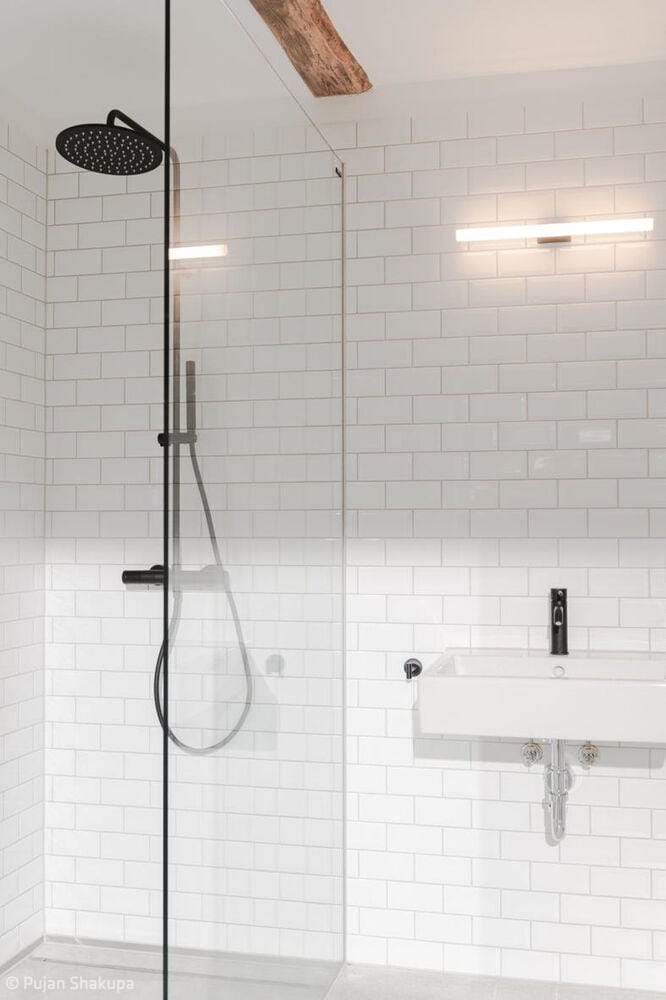
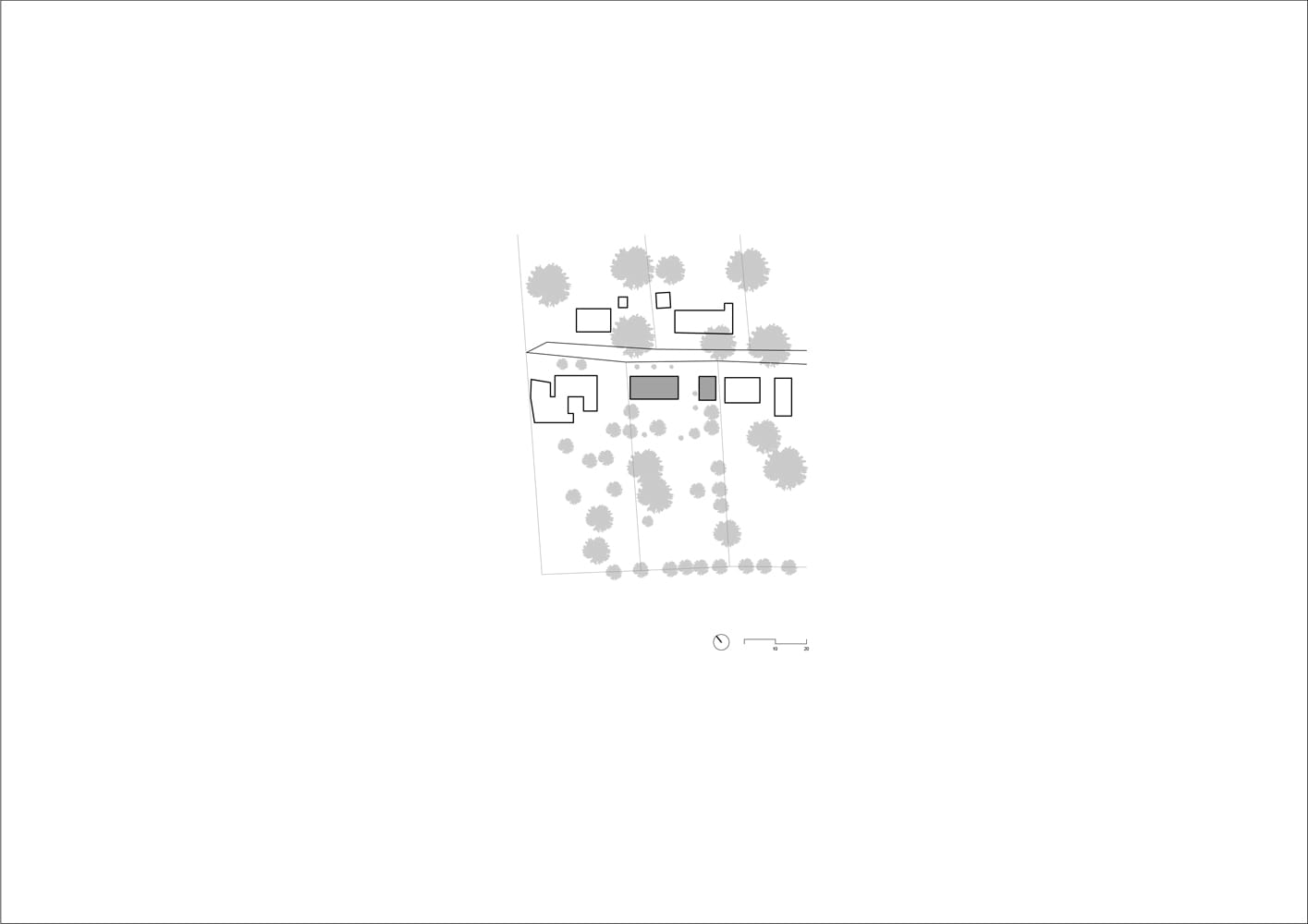
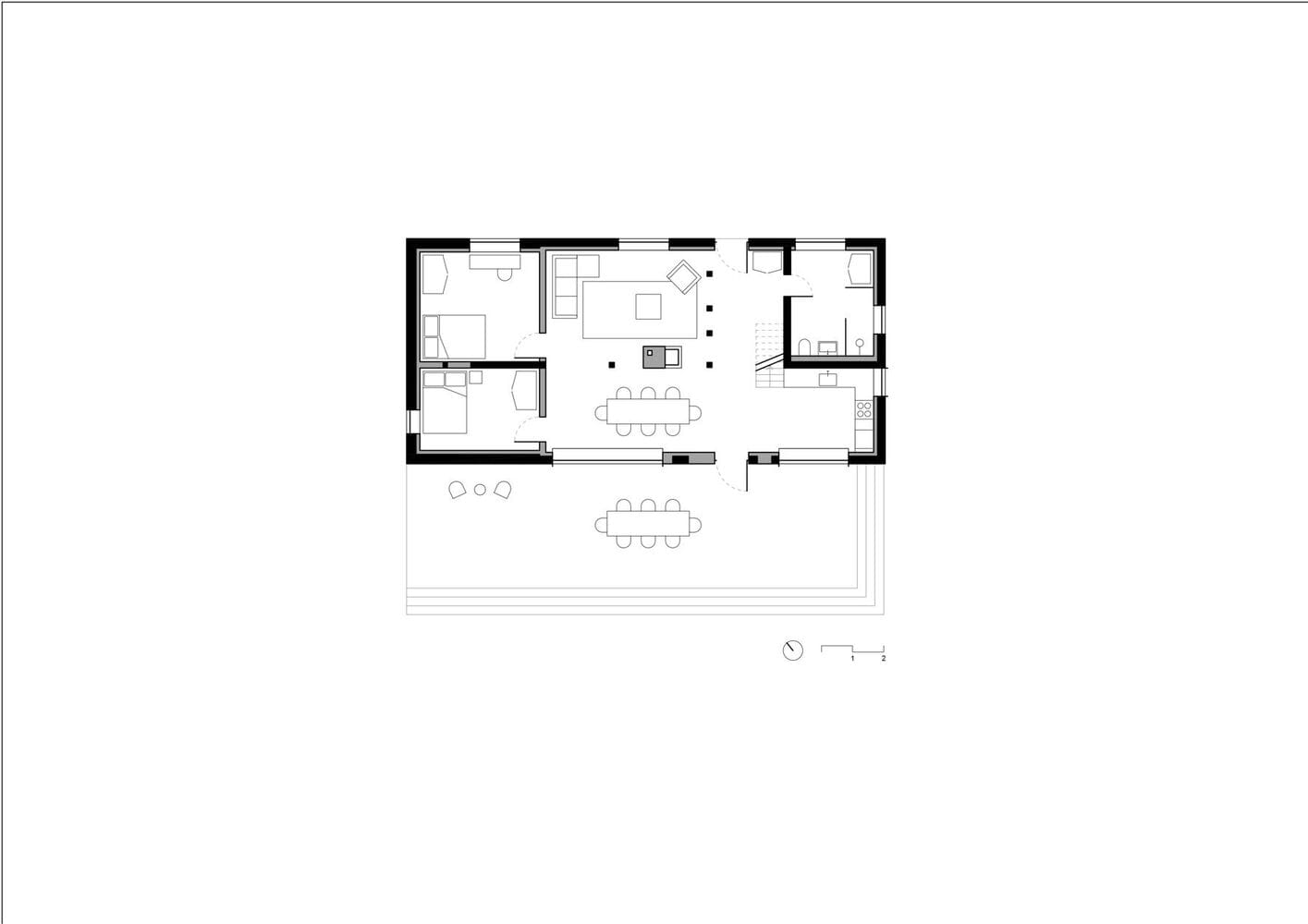
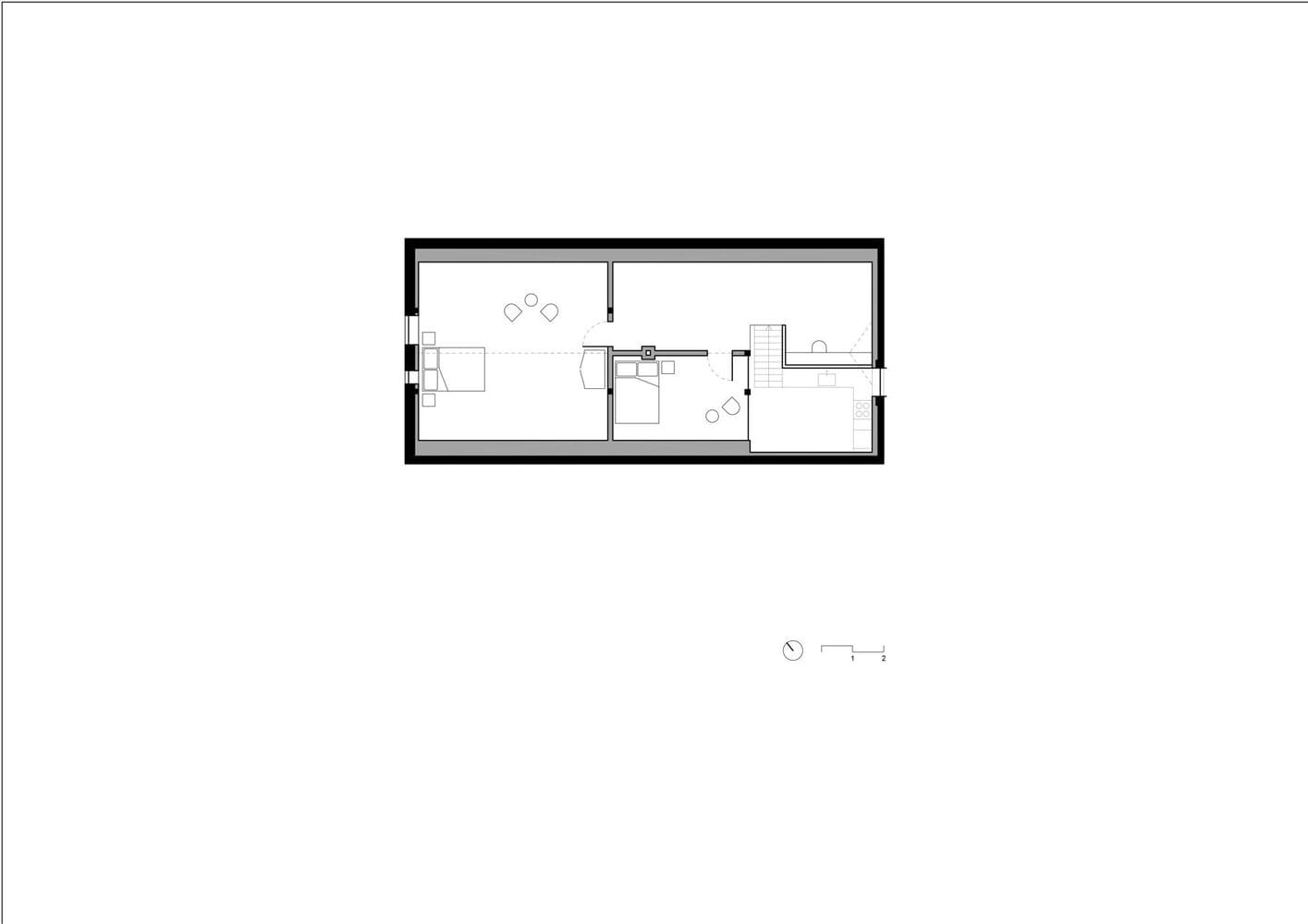
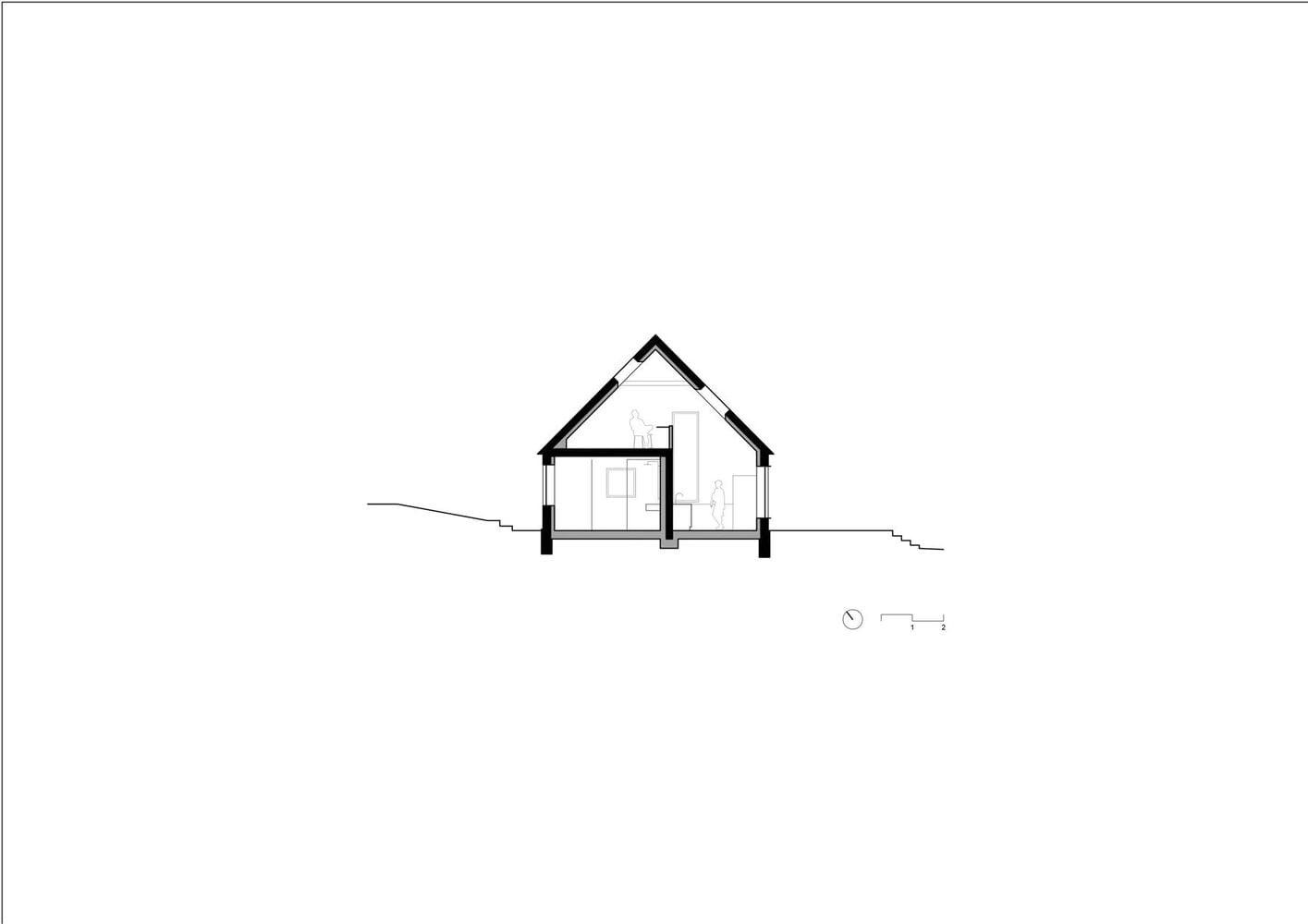
Architects Christine Lara Hoff and Sierra Boaz Cobb christened their imaginative transformation of a 19th-century farmhouse "No Man's Land" – a reference to its remote setting in the Mecklenburg Lake District, where the house sits among just a handful of dwellings. The phrase "imaginative transformation" proves particularly apt, as the renovation involved multiple interconnected processes.
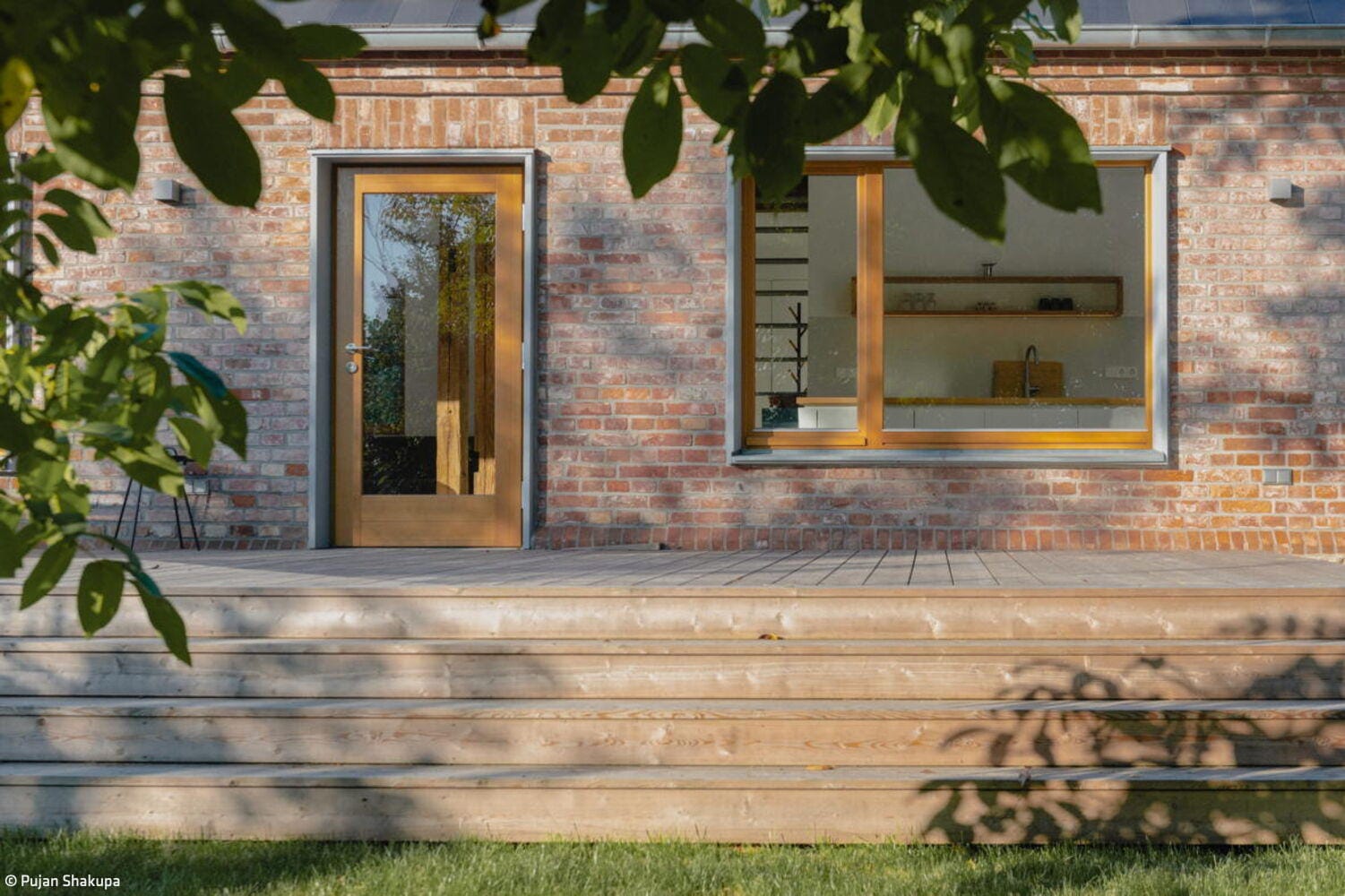
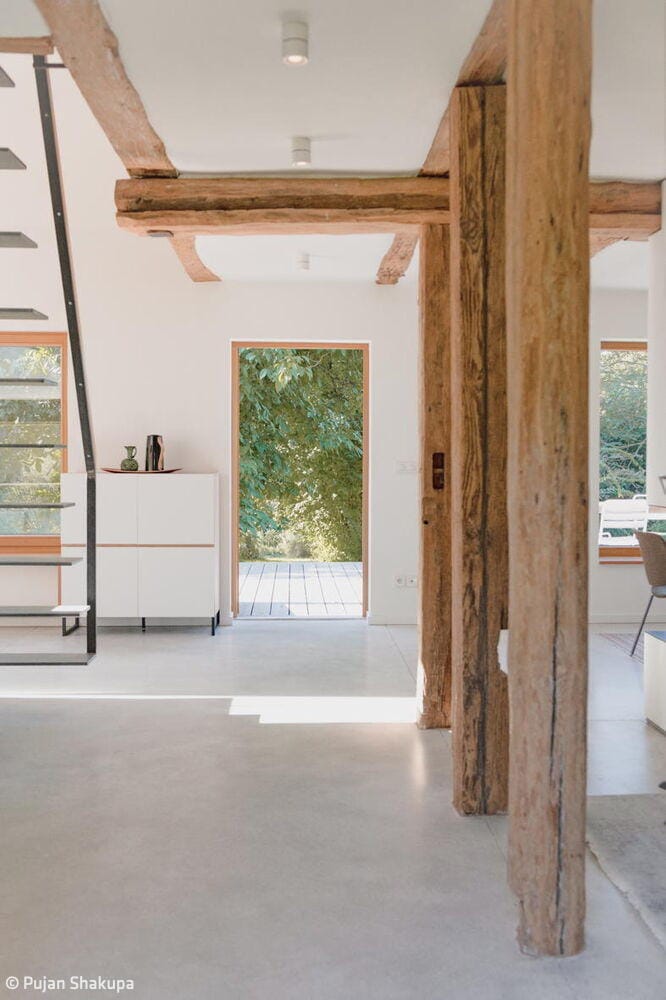
The work began by uncovering the original building fabric: removing alterations from the GDR era, reopening a bricked-in window and the sealed main entrance, stripping away plaster to reveal the underlying brickwork. Layer by layer, these interventions exposed the house's true skeleton—traditional timber framing with external masonry, a classic gable roof along the long sides, and hipped roofing with a sloped upper section at the front and rear. Only once these foundational steps were complete could the comprehensive restoration begin, bringing the building back to its original integrity. The street-facing masonry façade was carefully restored and preserved, allowing the house to settle back into the village's architectural fabric as if it had never left. At the rear, however, the architects made bold moves: large openings were cut into the masonry to accommodate expansive panoramic windows, flooding the interior with natural light. A platform-like terrace now connects the house to the garden via four modest steps.
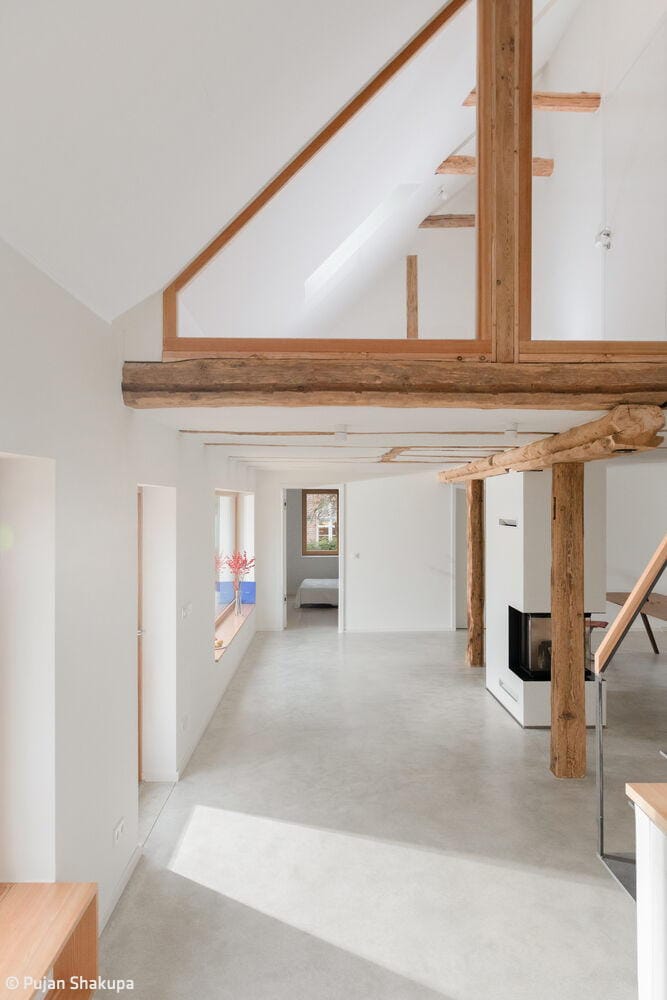
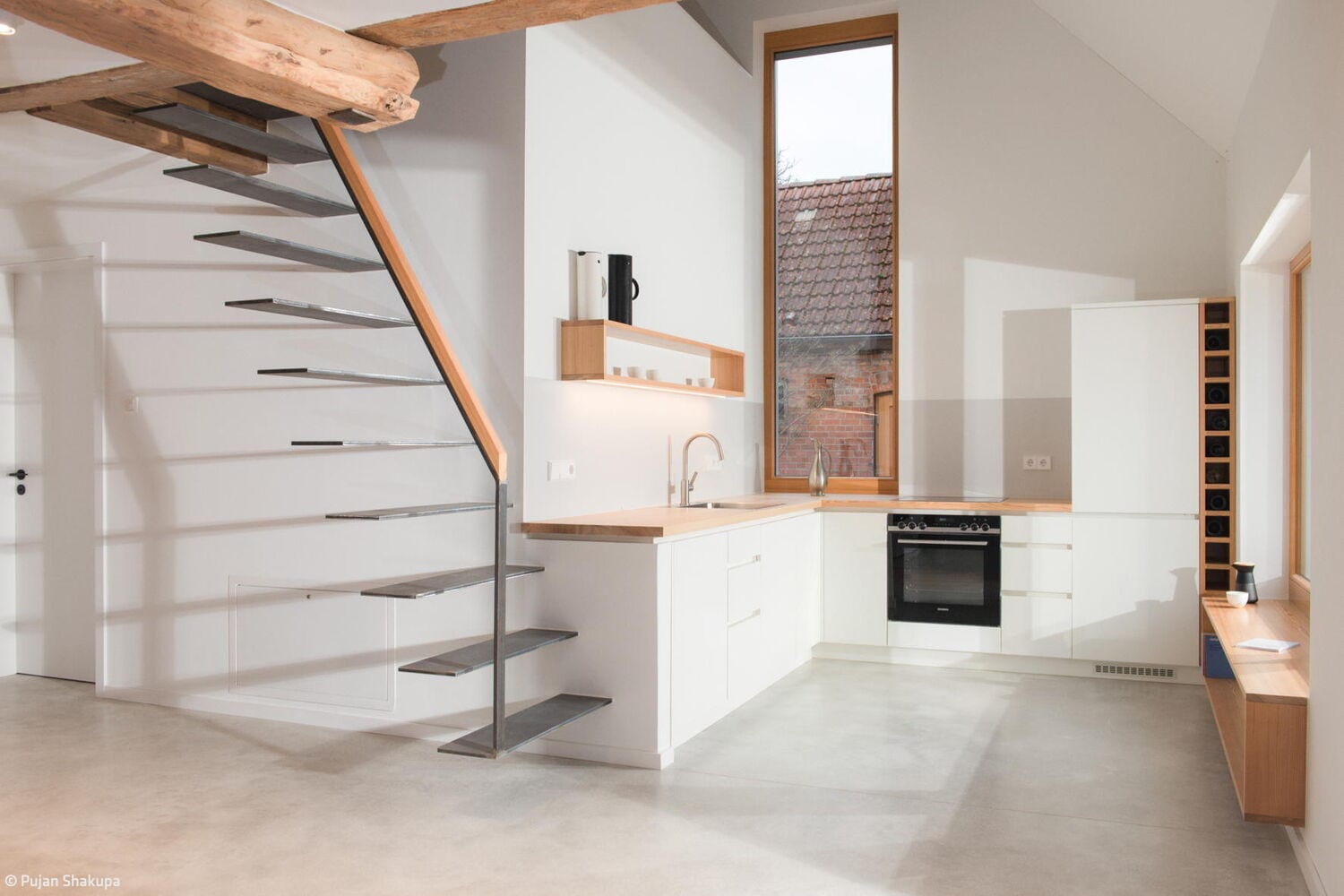
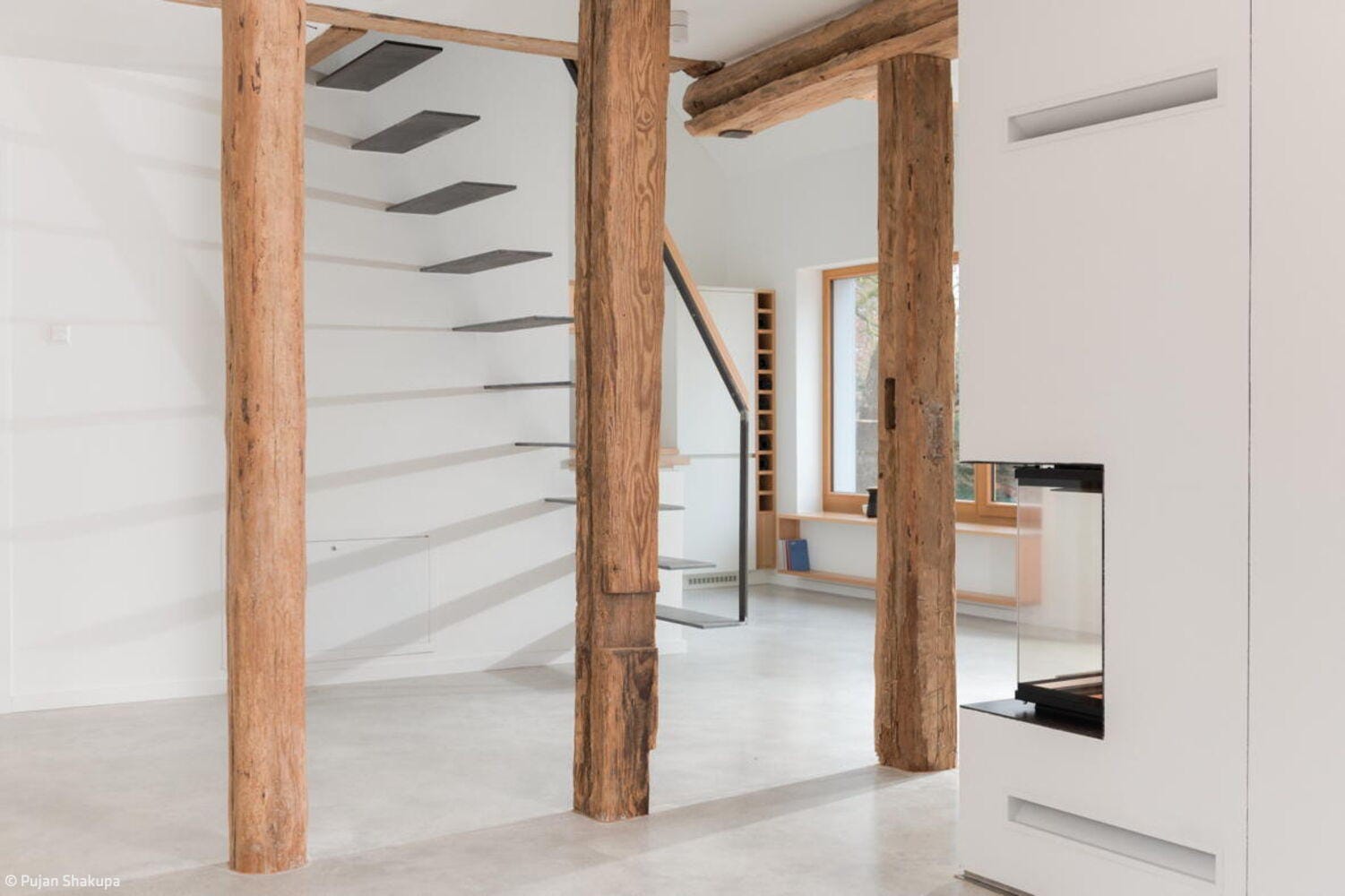
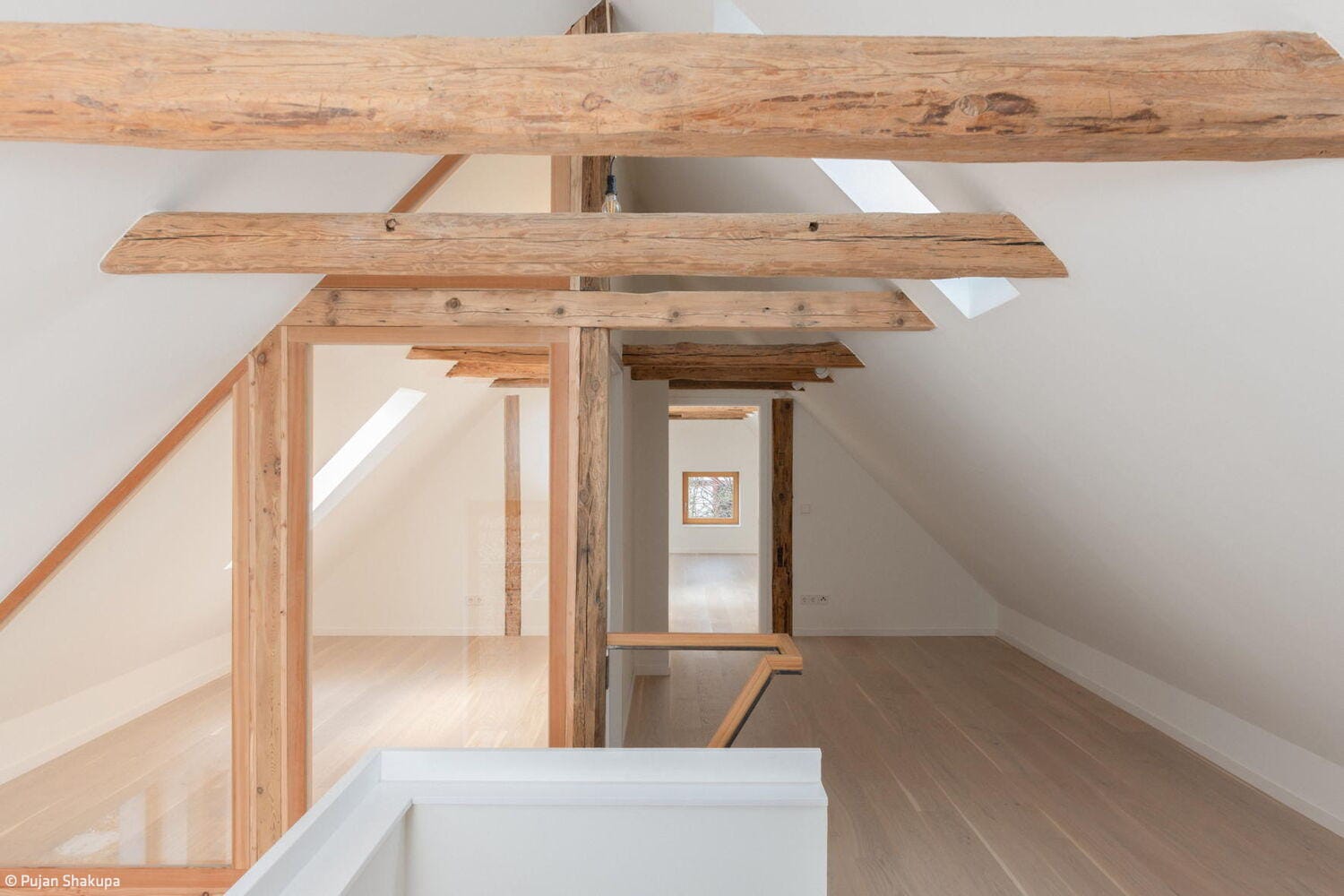
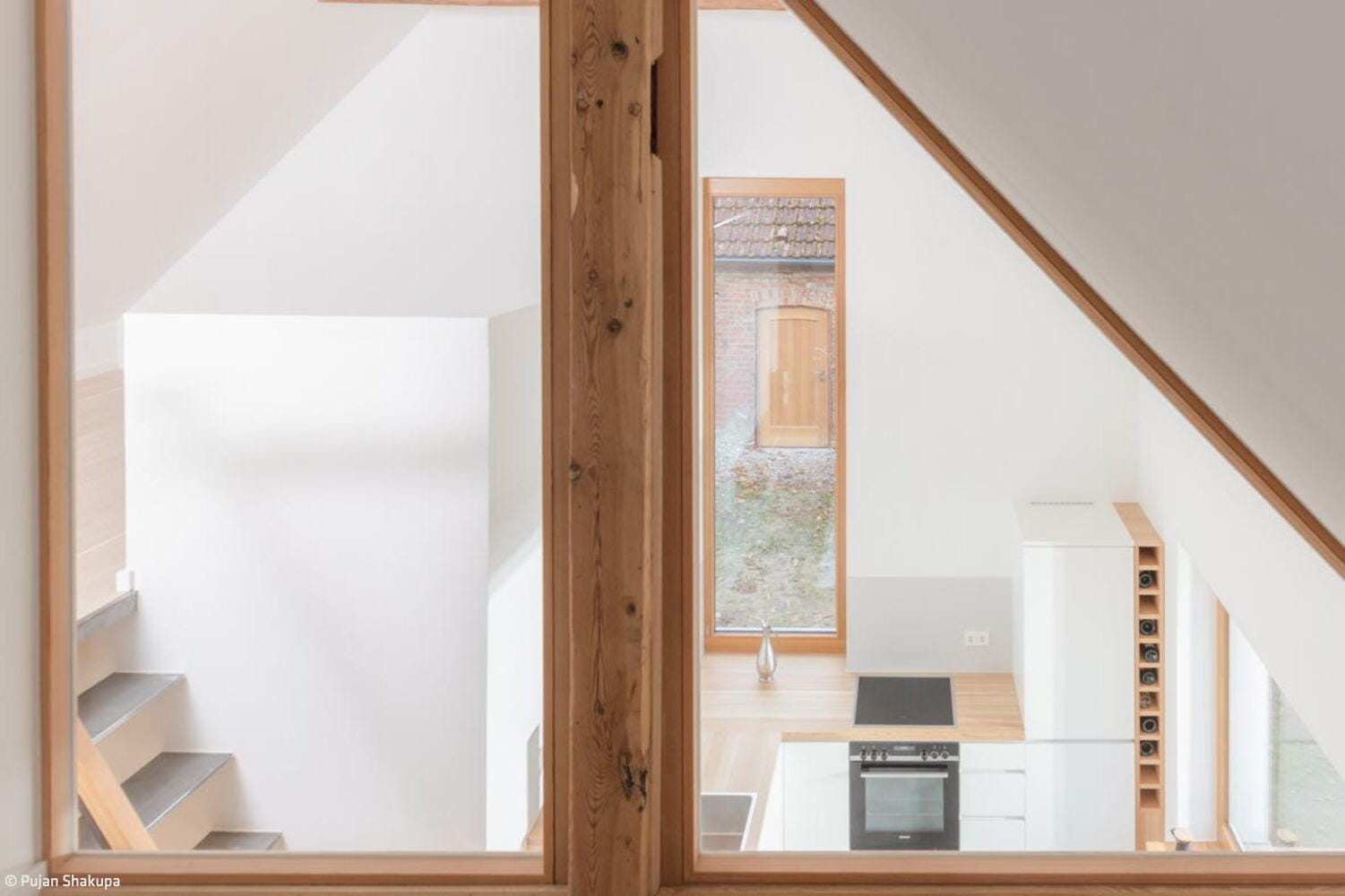
Inside, original timber beams were exposed and the ground floor opened up, creating a soaring double-height space that frames views all the way to the roof ridge. A minimalist, cantilevered steel staircase appears to float as it leads to the upper floor, while a narrow, generously proportioned window in the side wall accentuates the vertical volume. The concrete-brick pitched roof, clad with photovoltaic tiles, anchors the energy strategy. Coupled with a geothermal system, the home achieves net-zero energy performance. By carefully excavating the historical fabric and stripping away later alterations that had obscured its original identity, the architects created an architectural palimpsest – one brought fully into the present through contemporary materials and technology.
www.hoffarchitects.com
www.atelierboaz.com
Living area: 150 m²
Plot size: 1,923 m²
Construction period: 2019–2020
Construction method: Half-timbered, masonry, timber-frame
Energy concept: Geothermal energy & PV roof tiles
Photography:
Pujan Shakupa
stark.shakupa.com
(Published in CUBE Berlin 03|25)

Cube Pyramid
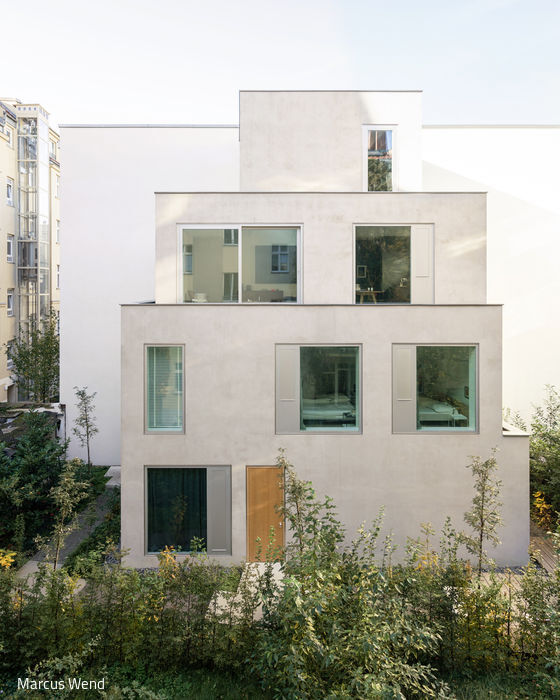
Three-facade townhouse RHE42 built against the shared party wall
Remise Reloaded
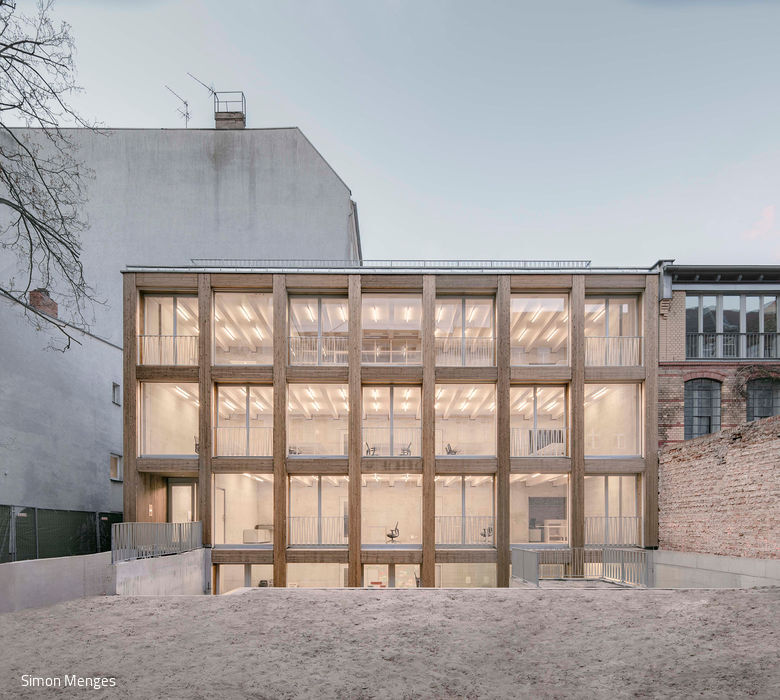
Once a workshop, now a workspace—and unmistakably striking
For Night Owls Only
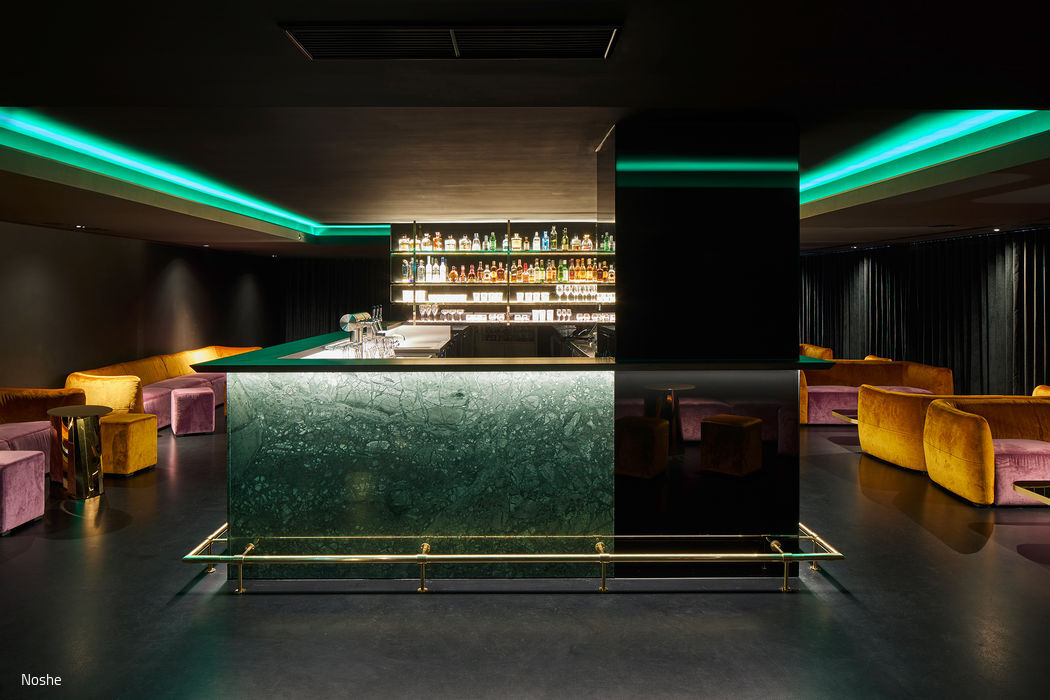
The New York Bar is every inch its name
Forward-Thinking Design
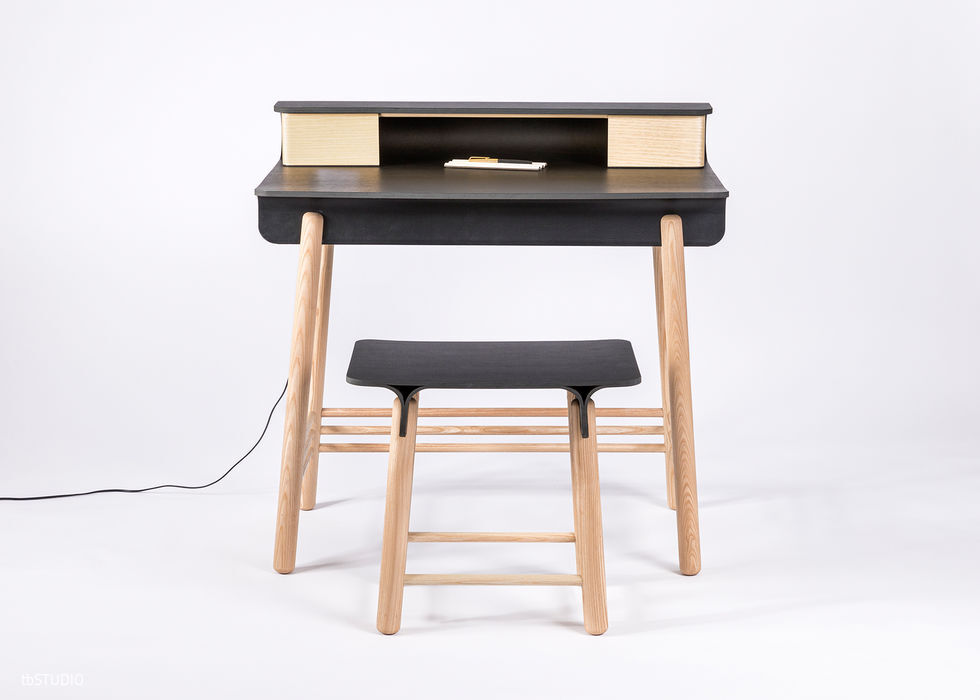
Thomas Beck Creates Furniture and Products Driven by Passion