


Transformation for Today
The flat in Westend is being opened up, brightened and refined
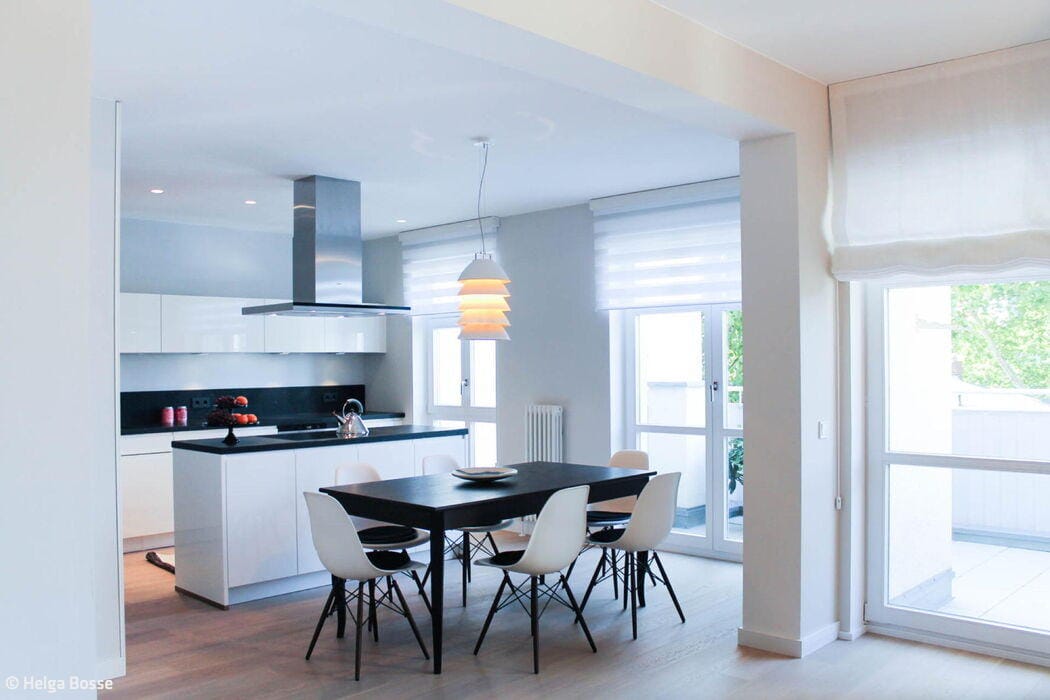
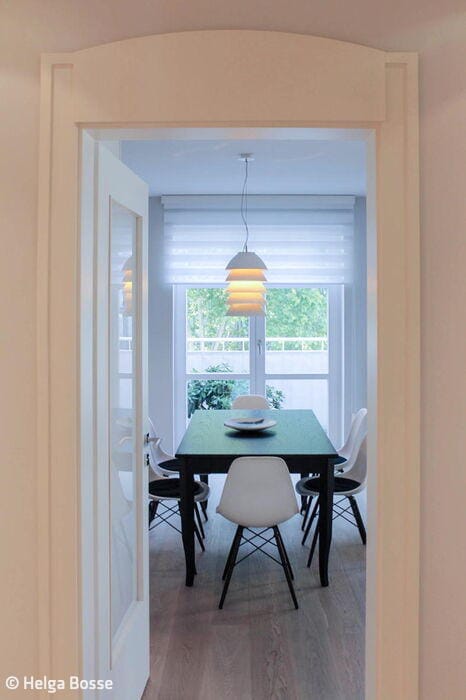
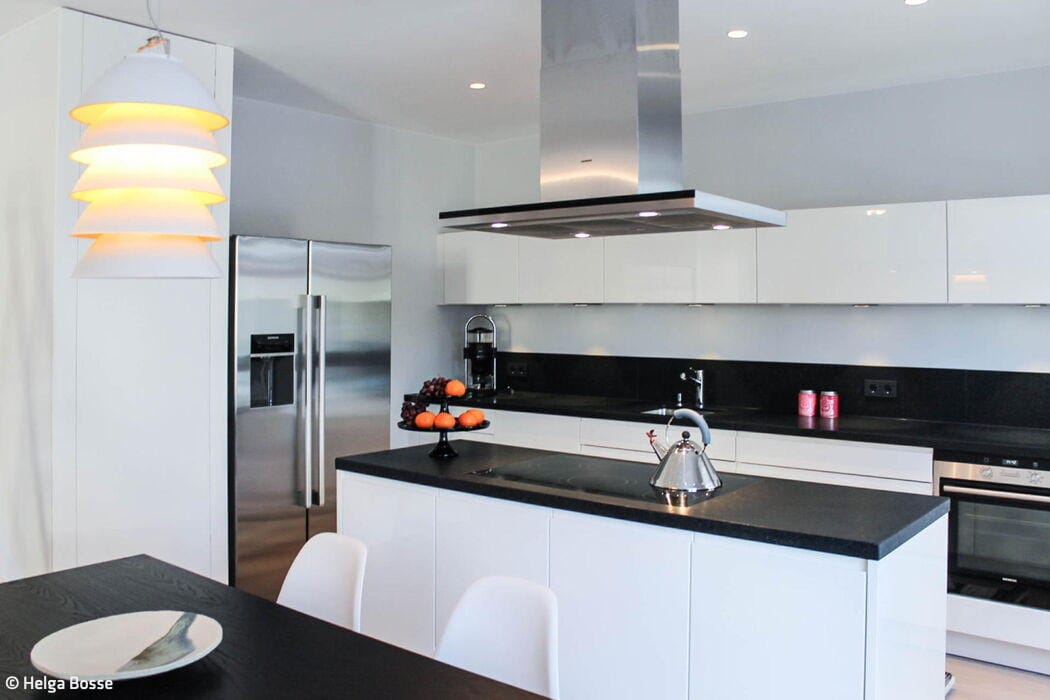
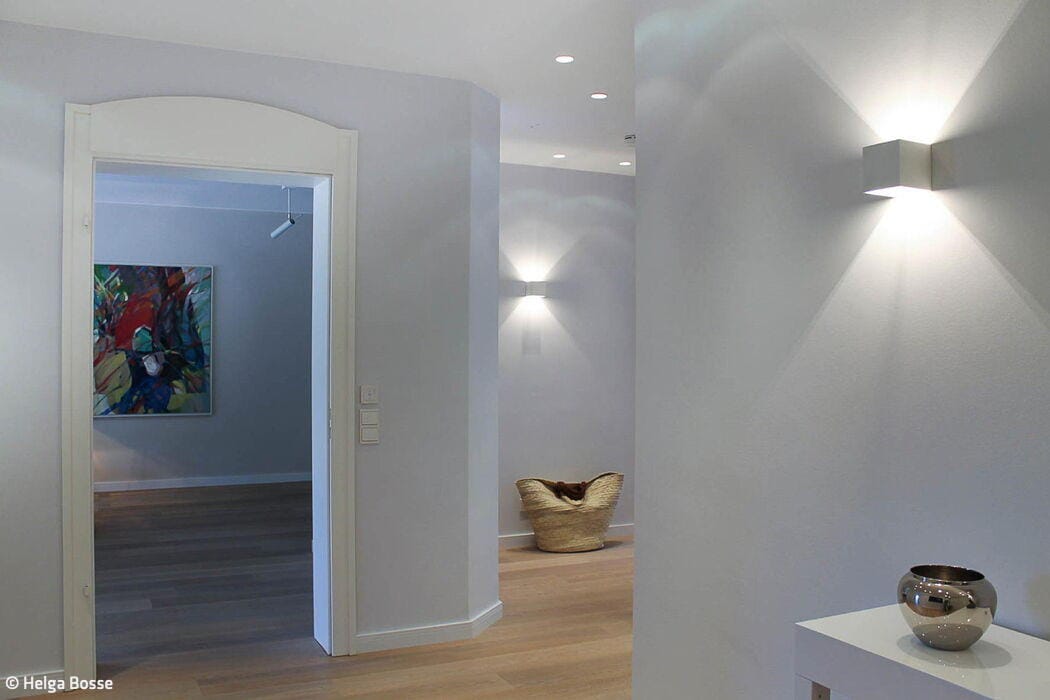
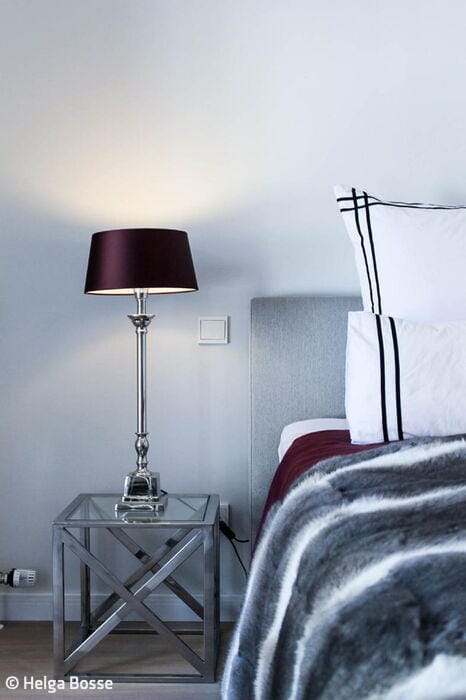
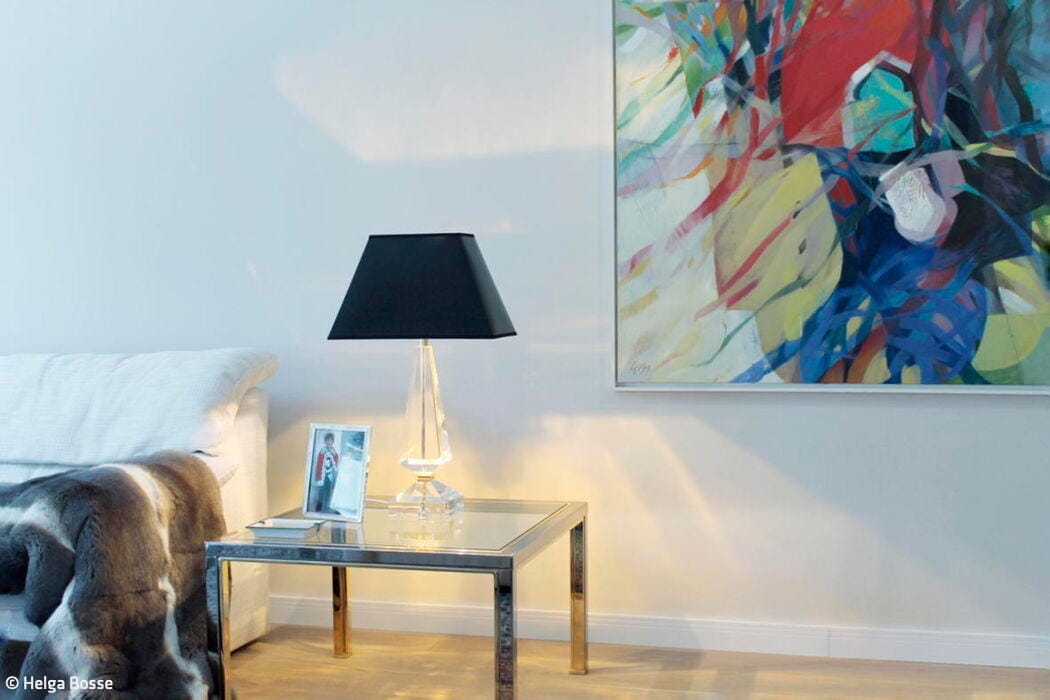
In Frankfurt’s Westend district, just a stone’s throw from Wilhelminian-style façades and old tree-lined avenues, the Bad Homburg-based firm Bosse Design has reimagined a 123 m² flat built in 1984. With its wooden lattice windows and classically structured façade, the building certainly has character – yet inside, brown-and-yellow tiled bathrooms, heavy mahogany doors and an overall subdued atmosphere dominated the space. Interior designer Helga Bosse recognised the potential behind the building’s structure and formulated a clear guiding principle: openness, light and precision.
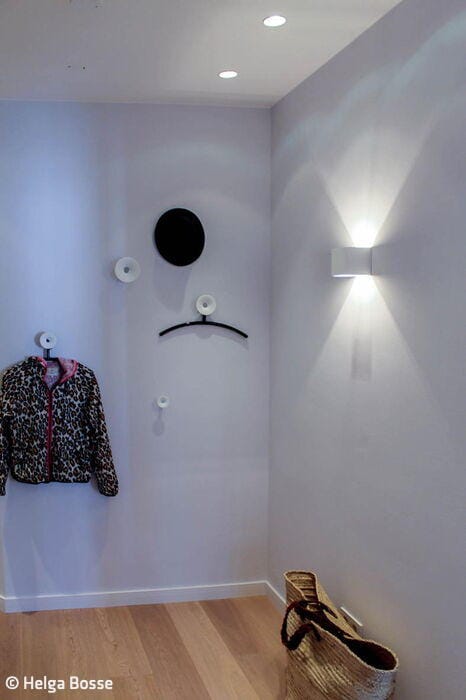
The key change was knocking through a wall to create a spacious kitchen, living and dining area. Where separate rooms once stood side by side, there is now an open-plan space that brings together everyday life and socialising. The new kitchen with its cooking island forms the heart of the home. This is a place not just for cooking, but for entertaining, chatting and living. The open-plan layout creates visual axes between the two balconies and allows light to flood deep into the flat. Even a dark, narrow and winding hallway has been given a new lease of life thanks to a modern lighting concept. The floor plan now feels natural – as if it had always been intended this way. The opening up of the space is accompanied by a radical renewal of all surfaces. The interior designer has replaced dark tones with light, nuanced layers of colour. This is particularly evident in the originally dark mahogany doors: their classic design has been retained, yet a new, light finish now allows them to blend seamlessly with the bright aesthetic. A whitewashed oak parquet floor brings additional calm and warmth to the space. New door and window handles add precise accents and demonstrate just how thoroughly the concept has been thought through down to the last detail. The intervention remains respectful of the existing architecture at all times – it does not overpower, but rather enhances.
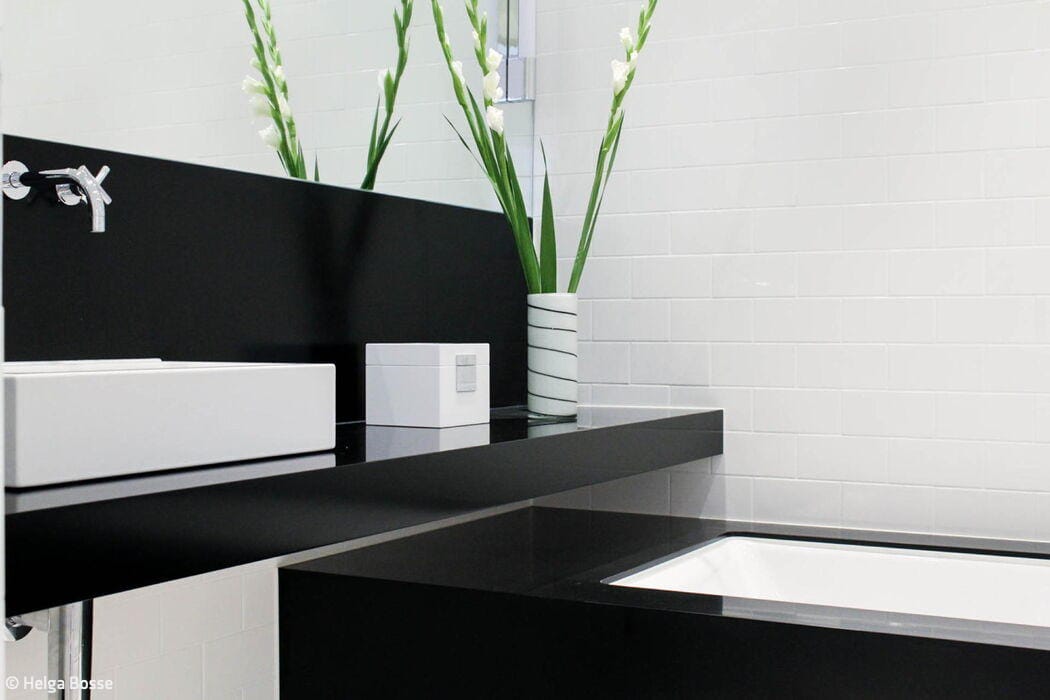
The bathrooms also received a great deal of attention. The complete refurbishment has transformed them from relics of the 1980s into contemporary sanctuaries. A sculptural washbasin made of black Corian and the bathtub are arranged in a space-saving corner layout. To create a contrast, the interior designers have chosen tiles in a classic metro style – a deliberate interplay between tradition and the present. Overall, the conversion and refurbishment have created a home with clean lines, robust materials, precise layouts and an integration of art and colour accents.
Photos:
Helga Bosse
(Published in CUBE Frankfurt 01|26)

Layered
A Modern Family Home: Open Spaces Meet Stunning Views
Separation & Connection
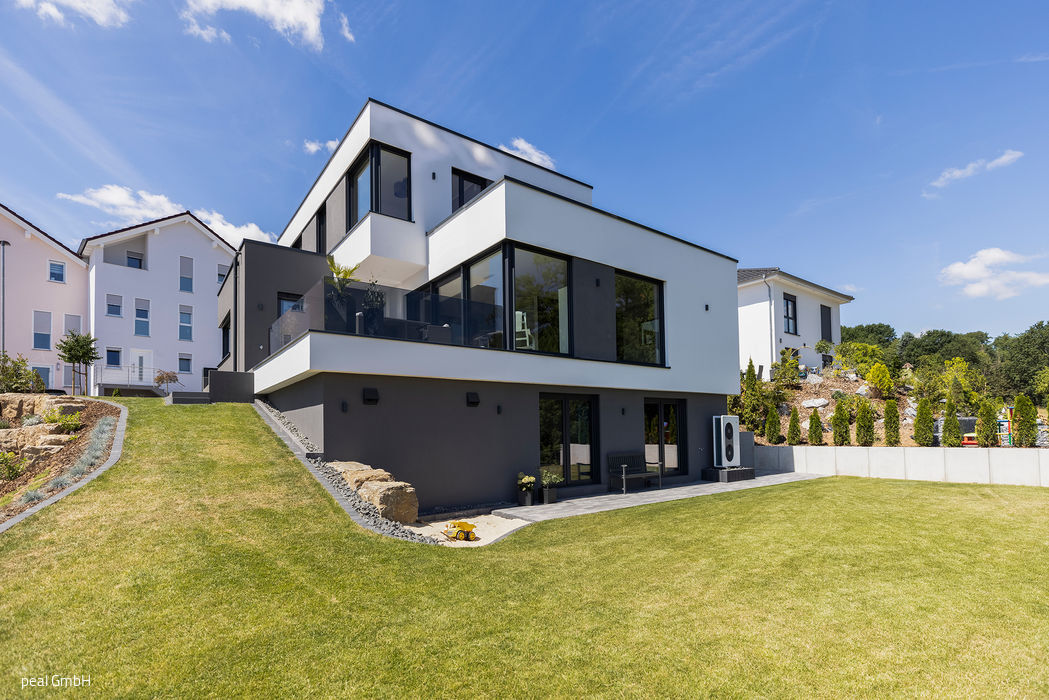
Even a challenging hillside site offers compelling possibilities for a unified residential design.
Grounded Individuality
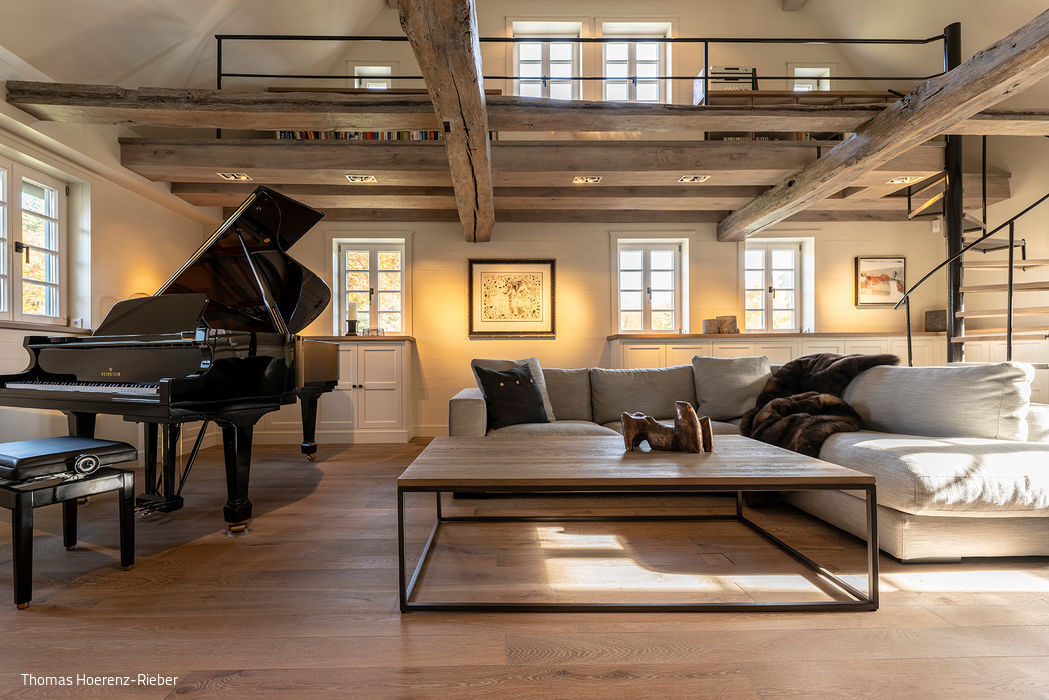
Reimagining a heritage property: where comfort, rural elegance, and luxury converge
Leben in Flusslandschaft
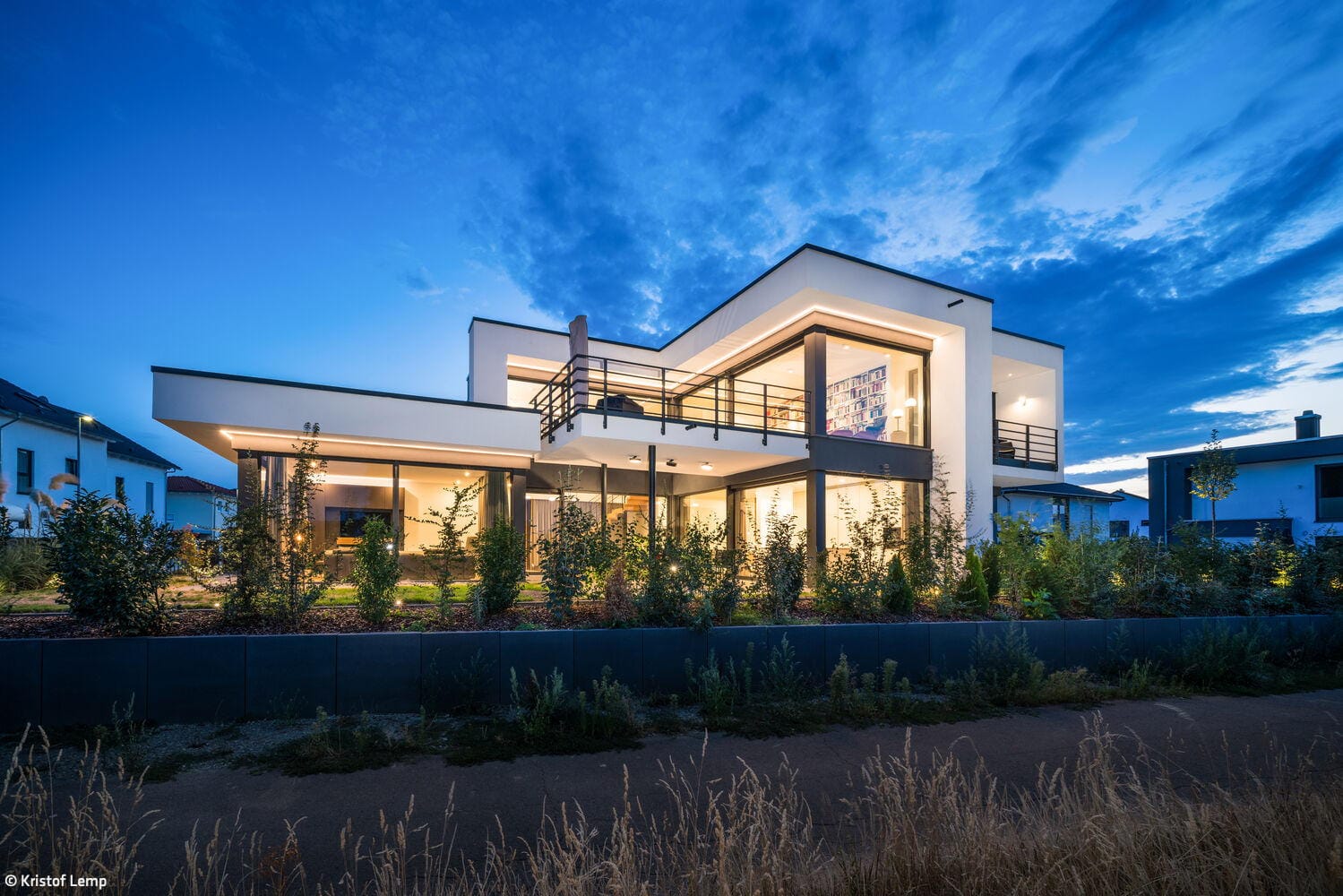
Gleichgewicht zwischen kommunikativem Wohnen und funktionaler Klarheit