


A Square's Ornament – Then and Now
Art Nouveau Ensemble at Harras Faithfully Restored to Its Original Glory
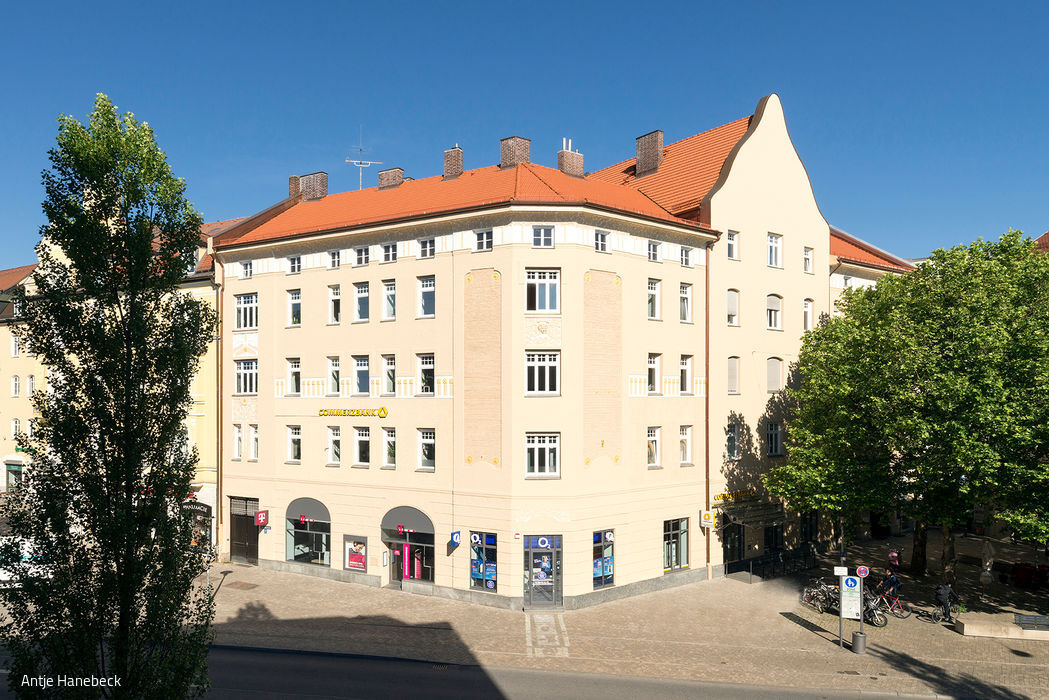
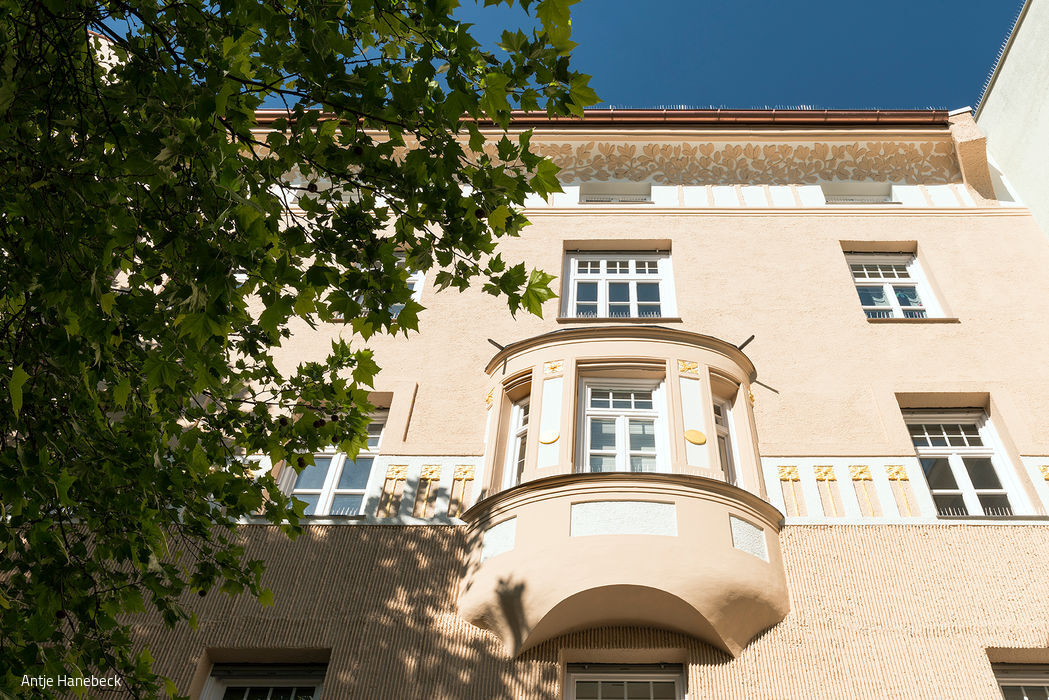
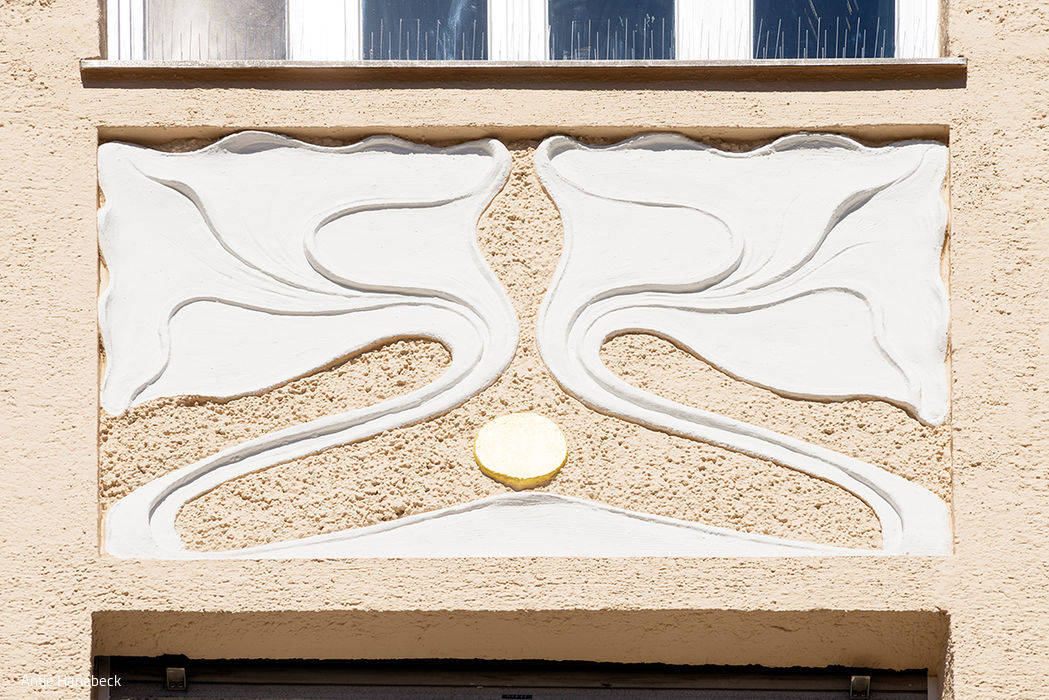
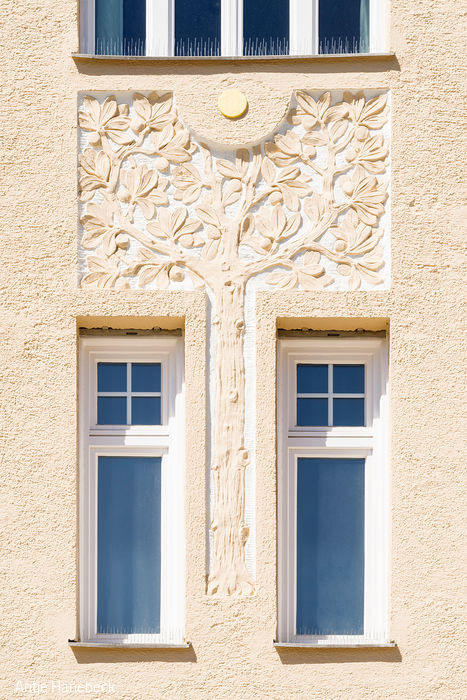
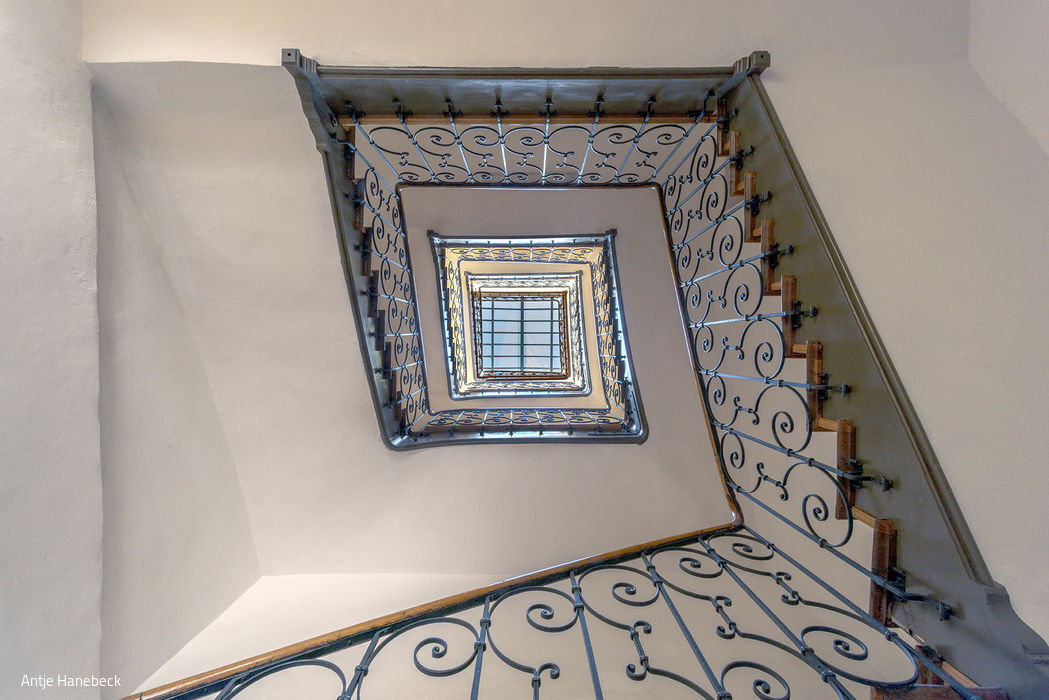
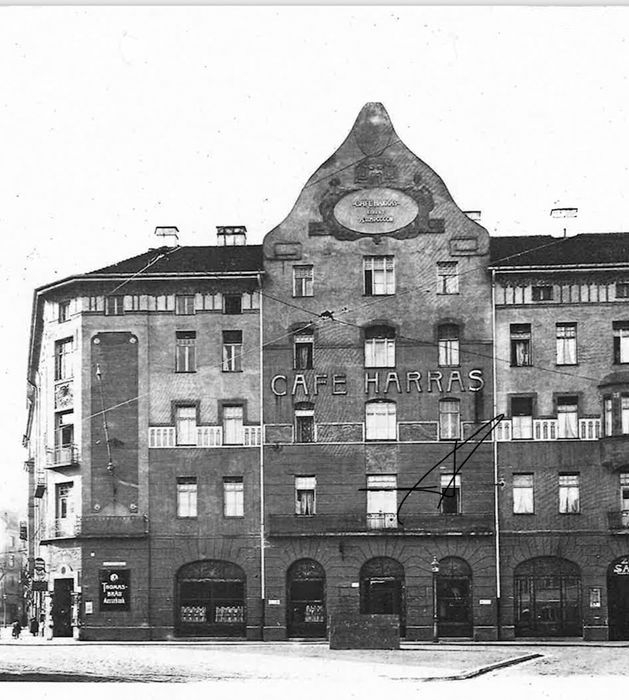
Art Nouveau once captivated Munich, the movement's birthplace. Today, these buildings are vanishingly rare in the city. After World War II, such ornamental florals fell from favor—what little remained was systematically stripped from façades, a loss we can only regard as tragic by today's standards.
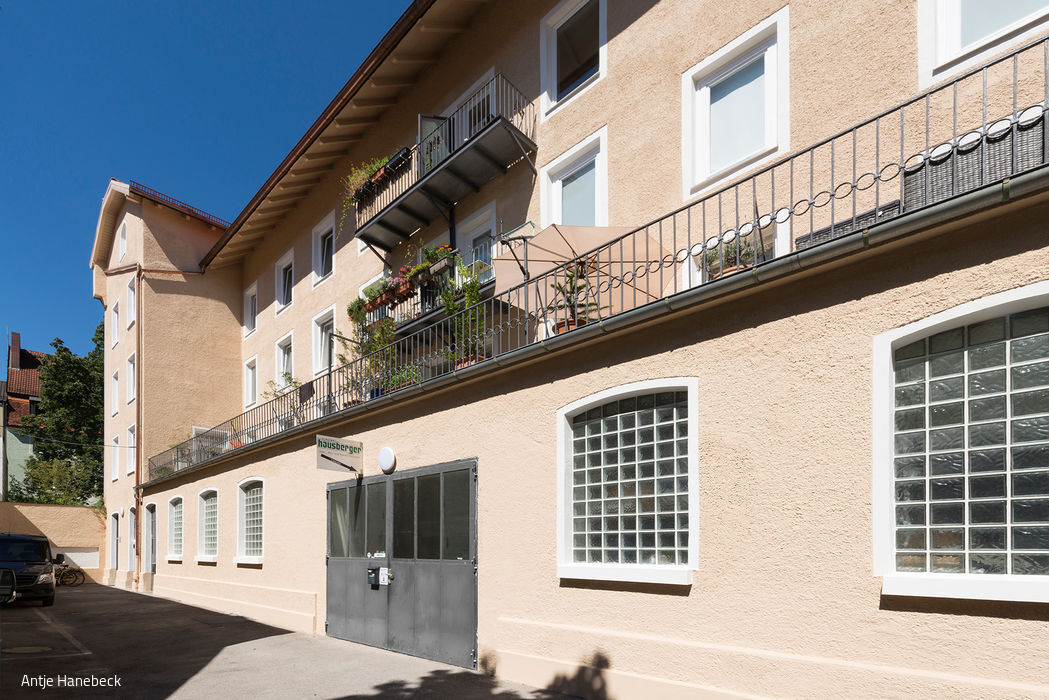
One such ensemble—a cluster of five buildings constructed in 1903 to Michael Utschneider's designs—has now undergone a masterful restoration. Originally home to Café Harras, the establishment that would lend its name to the entire square, this group earned protected monument status in 2008. The heirs were fortunate to engage Christian Sandweger of arcs architekten, whose dual expertise as both civil engineer and architect—specializing in heritage preservation and period renovation—proved invaluable. Having languished for decades, the buildings had become the square's eyesore. Sandweger conducted a comprehensive assessment, identified critical priorities, and convinced the heirs of the urgency required. Over five years, the team methodically worked through the restoration, advancing as budgets permitted. Capital was limited; the modest rents charged over decades had kept the building economically constrained. While the ground floor houses commercial tenants, the four upper stories contain residential apartments.
The scale of this undertaking—still ongoing—speaks for itself: 2,600 m² of roofing required complete renewal and re-covering. All façades totaling 3,200 m² were fully restored, with original Art Nouveau ornamentation painstakingly reconstructed. Working with Polish heritage specialists sourced by arcs architekten, the team restored the signature ornamental vocabulary in close coordination with Bavaria's State Heritage Office: stucco work featuring floral motifs, naturalistically rendered trees with leafy crowns, roses, and foliate patterns. Original combed plaster finishes were faithfully replicated across façade sections. A sophisticated color scheme highlighted each element distinctly. The historic iron entrance door—adorned with rose ornaments and leading to rear courtyard dwellings—received expert restoration. Deteriorating glass skylight assemblies above the central stairwells were replaced. The major phase of energy-efficient modernization, fully compliant with heritage and fire safety standards, is now complete.
Photography Credits:
Antje Hanebeck
www.antjehanebeck.de
(Published in CUBE Munich 04|20)

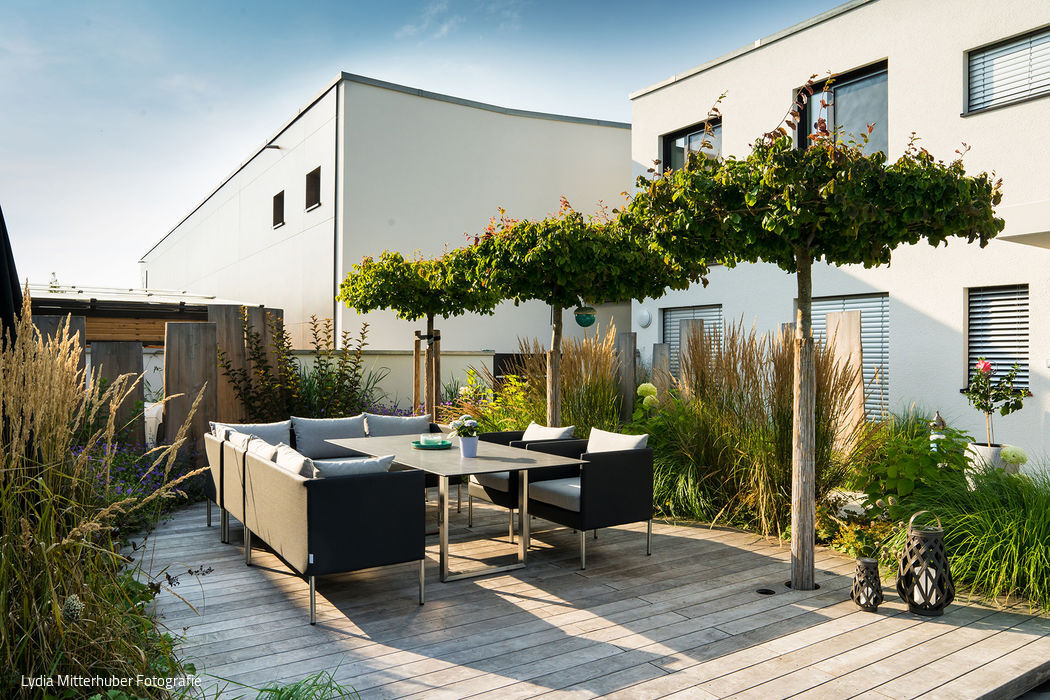
Pool Garden with Wooden Deck
On just 180 m², a functional dream garden takes shape—designed for the whole family to enjoy.
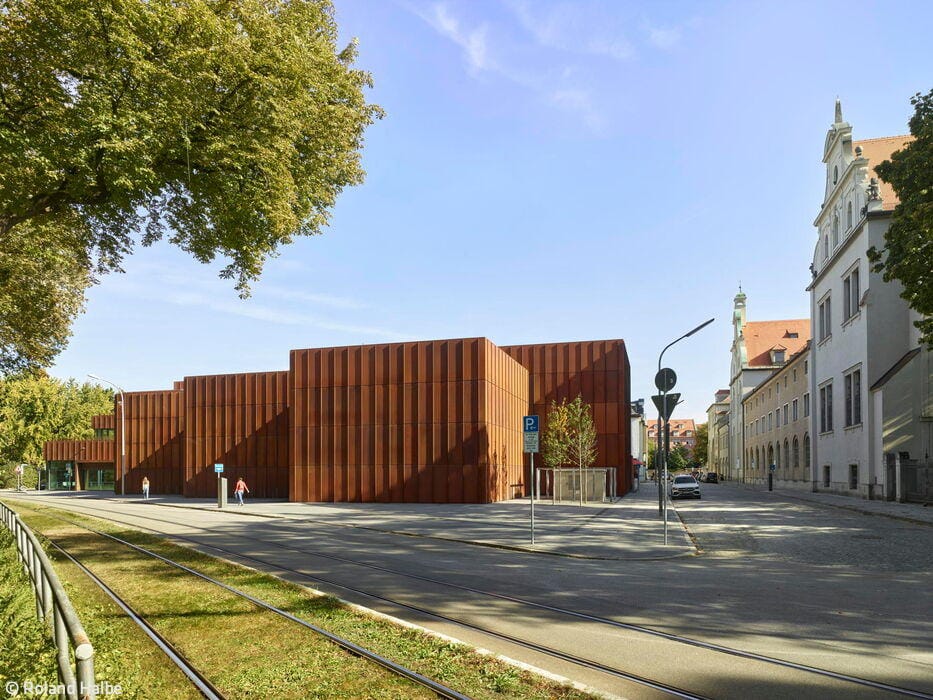
Preserve Rather Than Demolish
A historic collection finds new purpose: the renovated Archaeological Museum sets a new standard for heritage architecture.

Villa with Timeless Appeal
Exposed Concrete: Design and Atmosphere
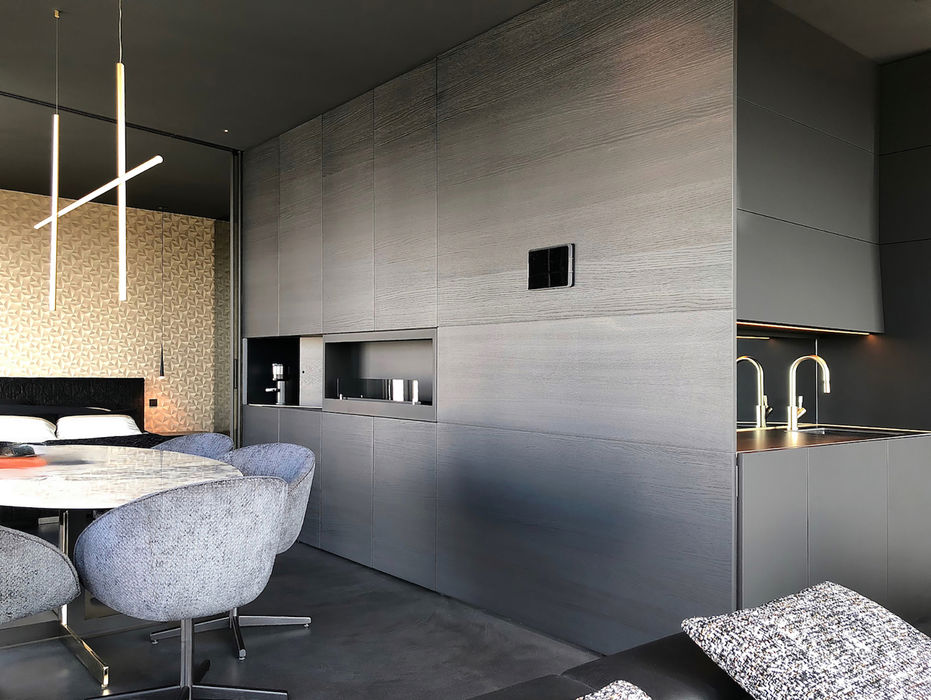
All in Black
A Penthouse in Black—Above the City Rooftops