


Discovering a hidden courtyard sanctuary
Smart infill development brings new homes to the city
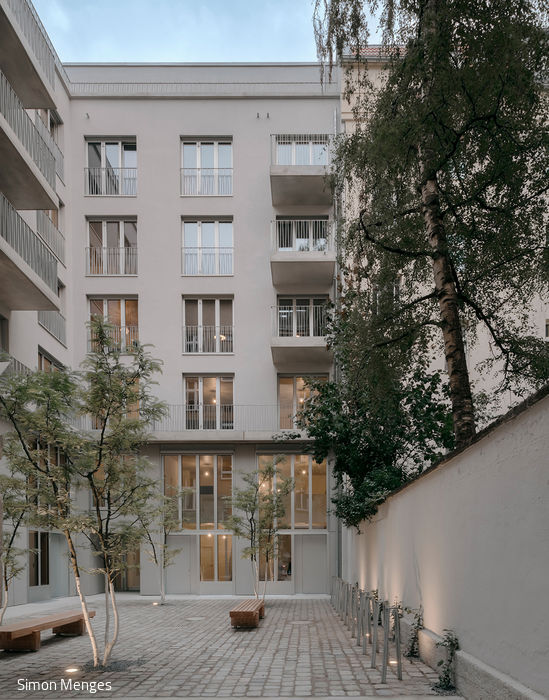



Berlin was once the capital of hidden courtyards – spaces that defined the city before its destruction in World War II. Back then, these were intimate neighborhoods and biotopes where city life truly happened. After the war, Berlin reinvented itself, and backyards fell out of favor, dismissed as relics of a poorer past. The transformation began with the restoration of the Hackesche Höfe, now a major tourist draw, which sparked a revival of interest in these neglected spaces. Today, the equation has shifted entirely. With Berlin facing an acute housing shortage and the city bursting at the seams, these courtyards have found new relevance. Historic rear buildings are being restored and rebuilt, but the real innovation lies in something bolder: redensifying courtyards through strategic new construction.
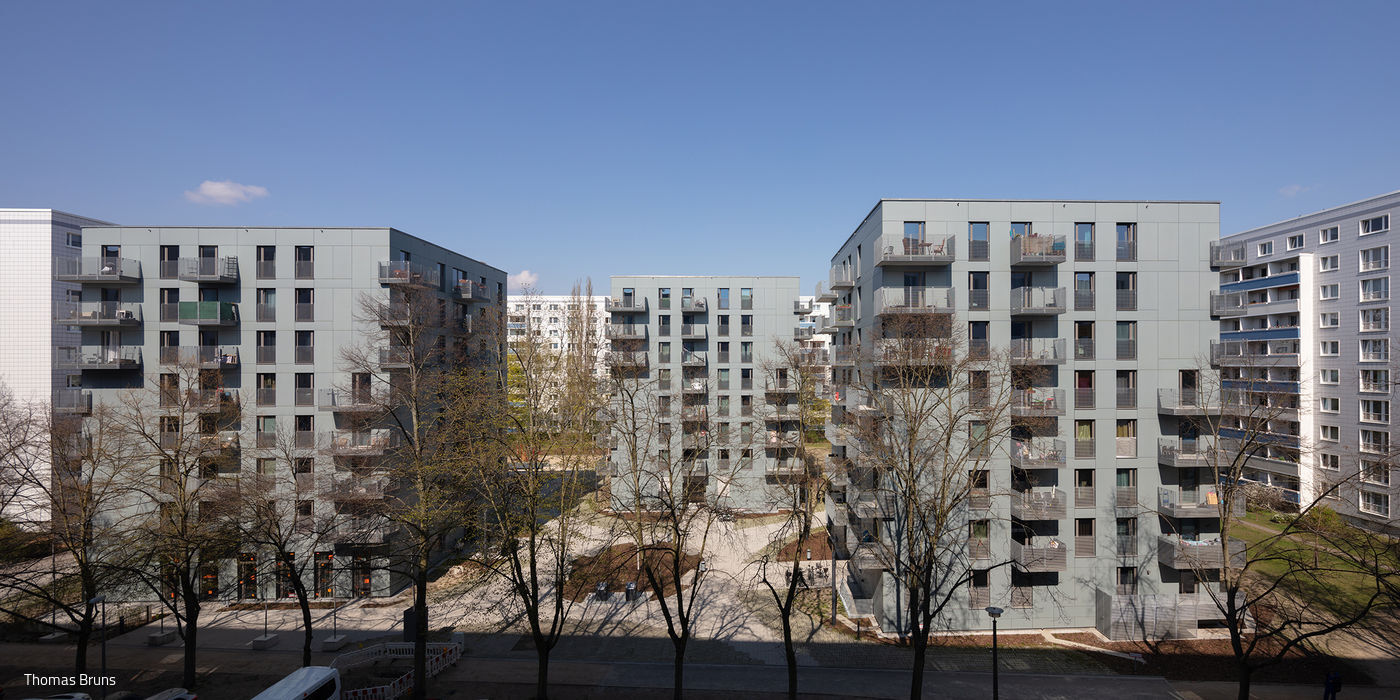
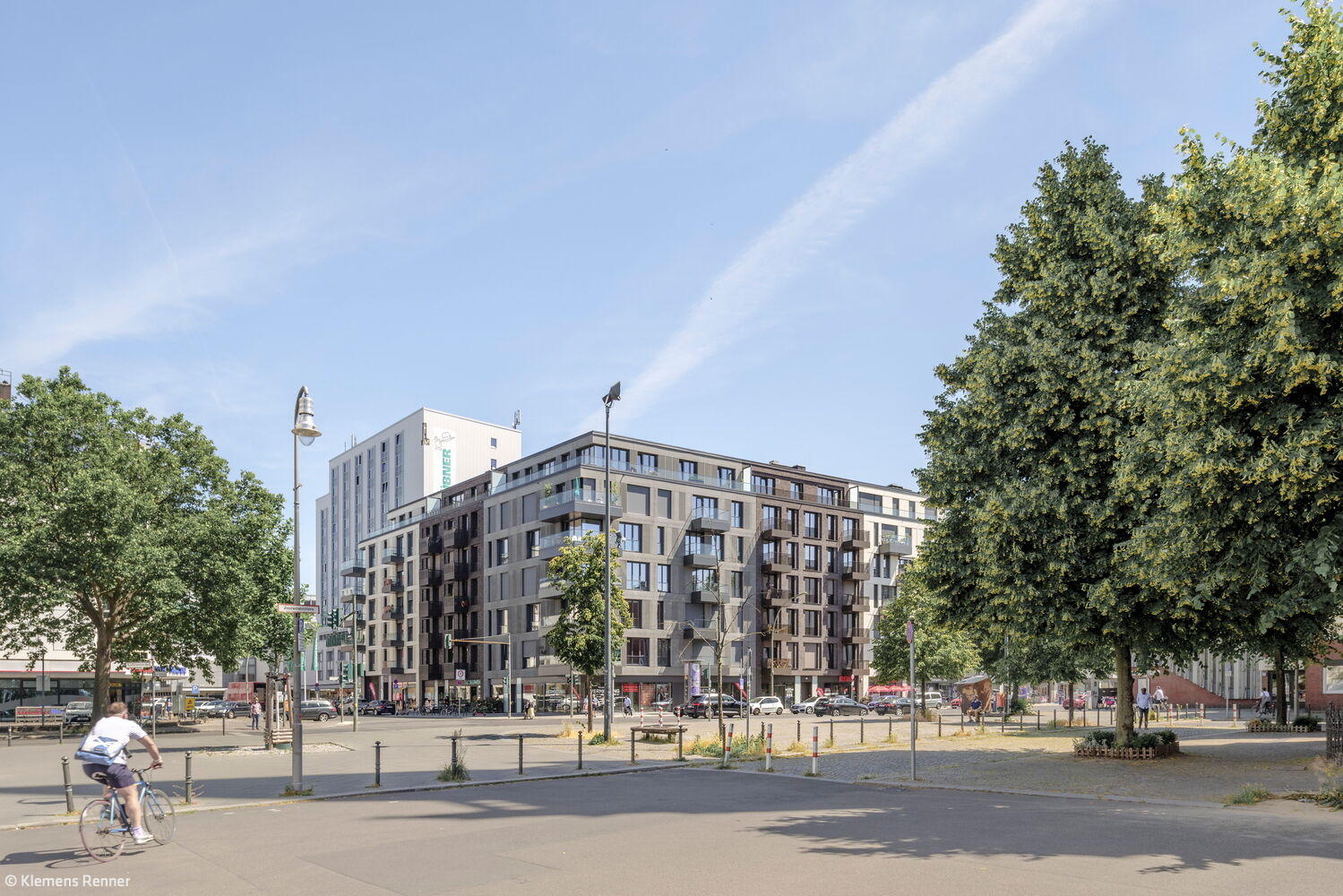
The young Zurich-based firm Appels has mastered this challenge, delivering an infill project near Bornholmer Strasse that eliminates a gap in the urban fabric, removes postwar scars, and creates both new homes and public spaces. The building's volume mirrors the original pre-war development, with its S-shaped form wrapping around two existing rear courtyards. The result: three distinct courtyards, each tailored to its function – a public street frontage, a central gathering space, and a quiet, verdant retreat. Surface materials and furnishings vary accordingly. These new structures deliberately depart from Berlin's traditional rear buildings – those austere, light-brown facades without balconies and uniform windows that felt so bleak. Here, there's an entirely different language at work.
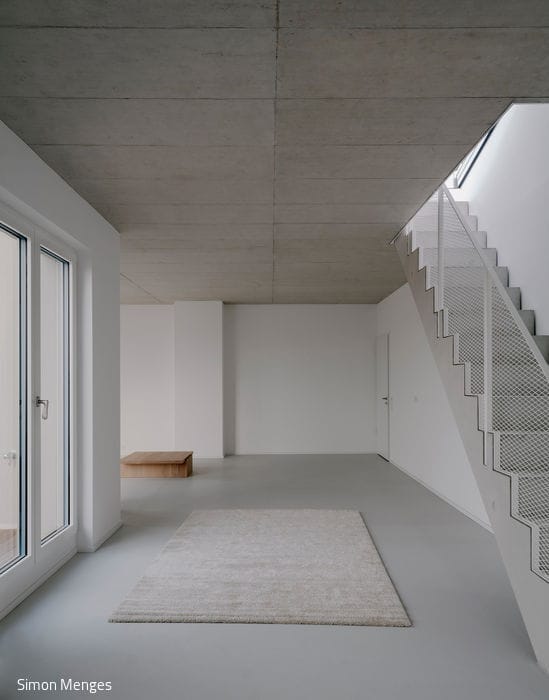
These new spaces establish their own identity while maintaining high spatial standards – proving that peaceful urban living is possible even in the city's heart. Grey facades with rough mineral textures and perforated screens echo neighboring buildings, while generous floor-to-ceiling windows and a double-height ground floor create a distinctly welcoming presence. Twenty-four units span from studios to family apartments, with all ground-floor units offering dual levels, private entrances, and generous privacy – a rarity in dense urban settings.
Photography Credits:
Simon Menges
(Published in CUBE Berlin 01|23)
Inverted Stack
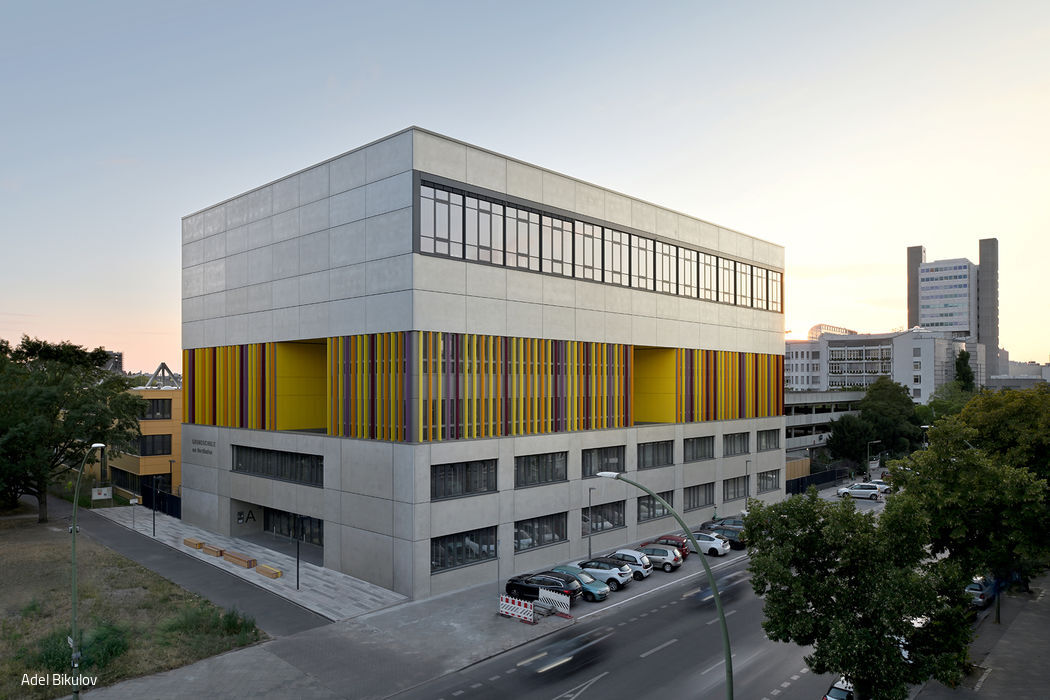
The primary school at Nordhafen – a cube with layered functions
Brilliantly Conceived
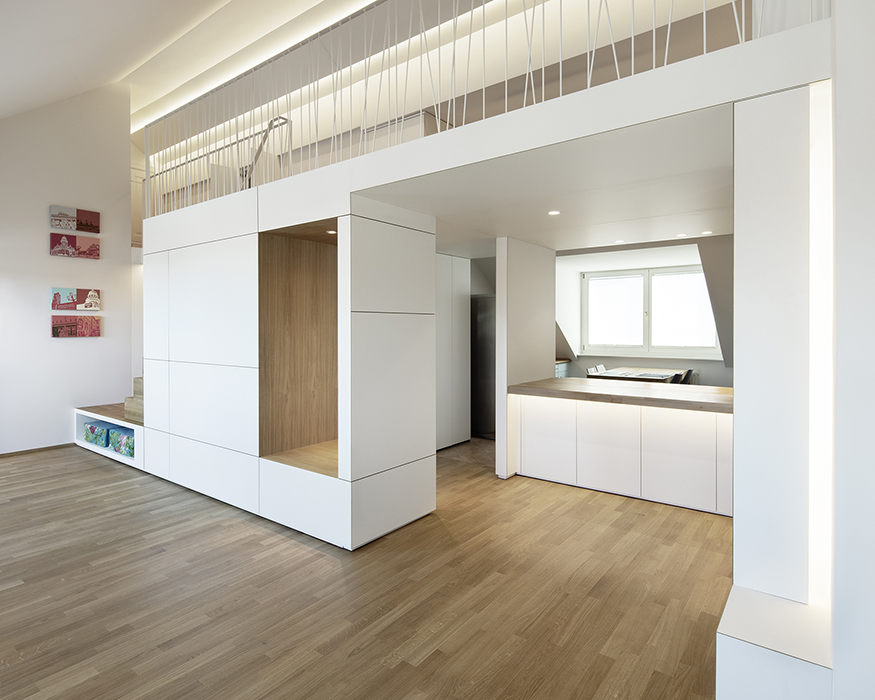
Add one smart piece of furniture, remove a few unnecessary walls—and the magic happens.
Full-Time and Part-Time Living
A Place of One's Own—At Last
Small-Town Living in the Big City
Schoenegarten: A Housing Project That Excels Through Thoughtful Design