


Bringing the past into the present
A classic residential home transformed for modern living
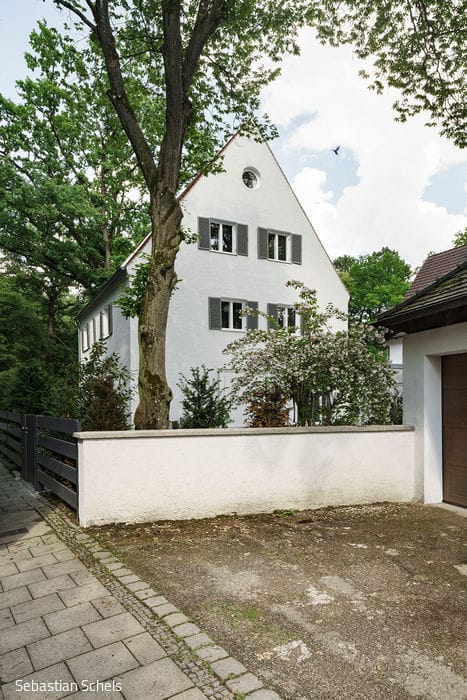
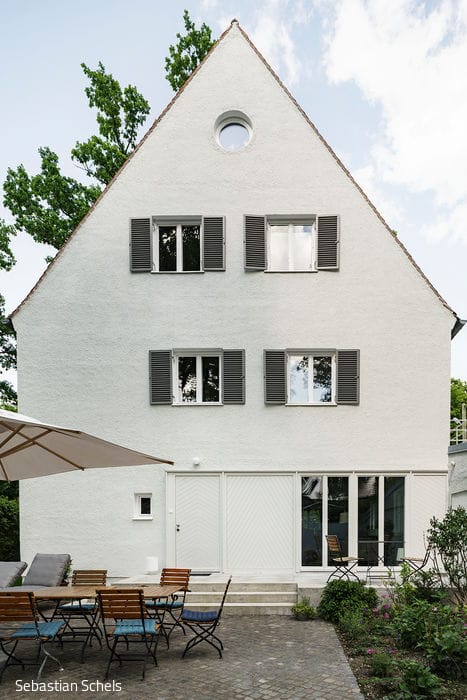
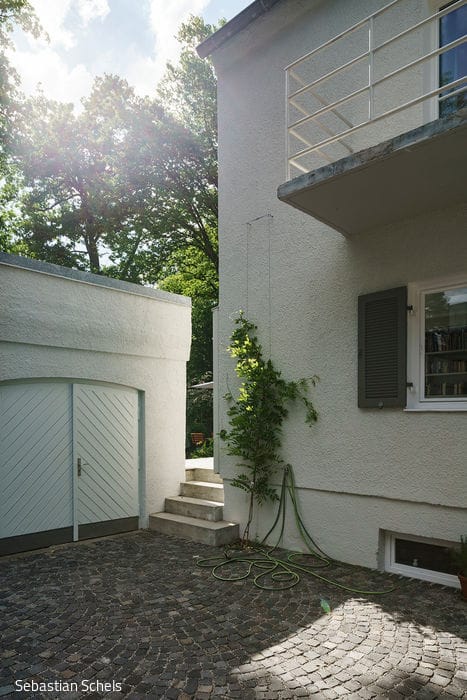
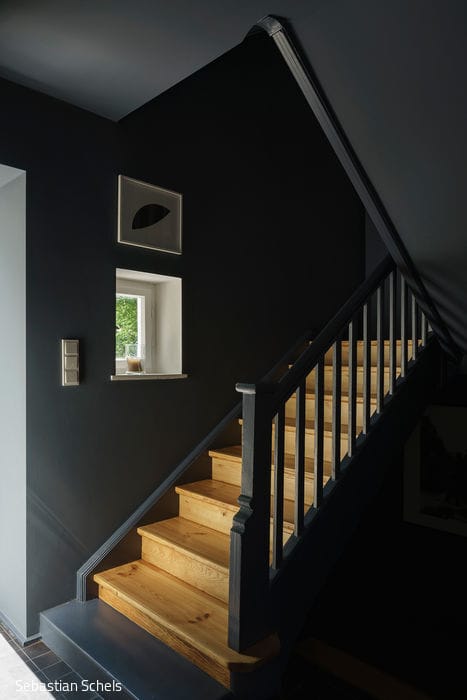
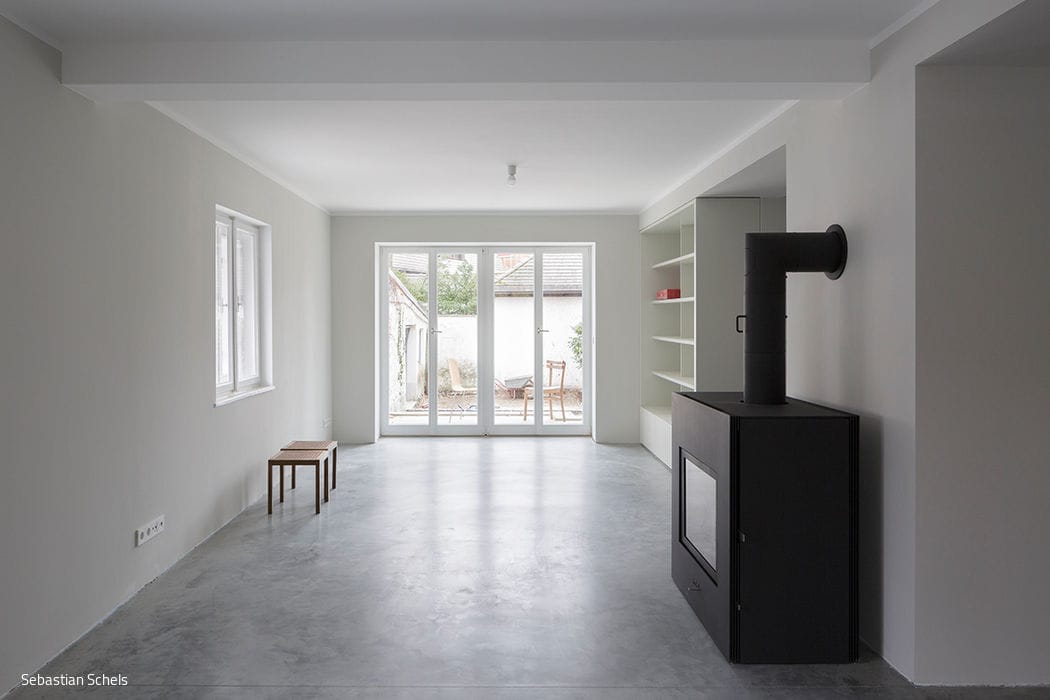
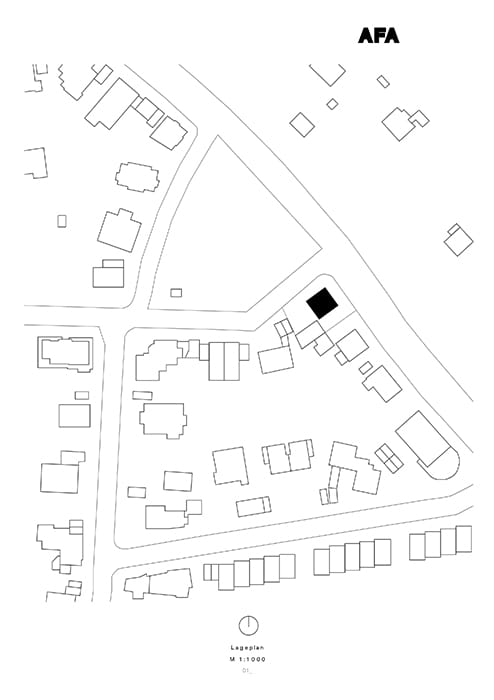
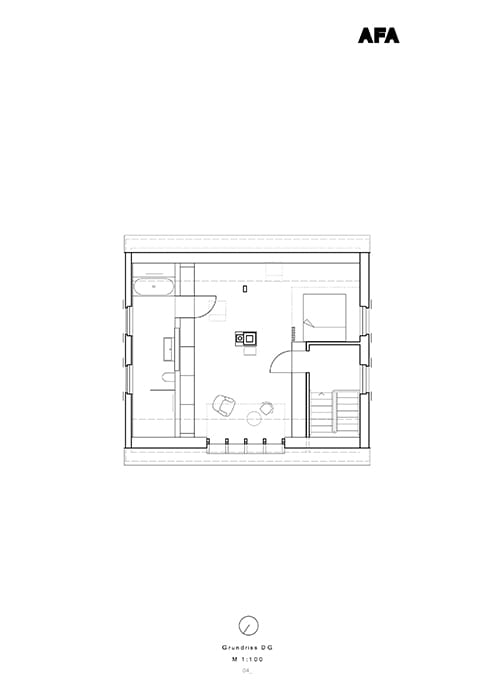
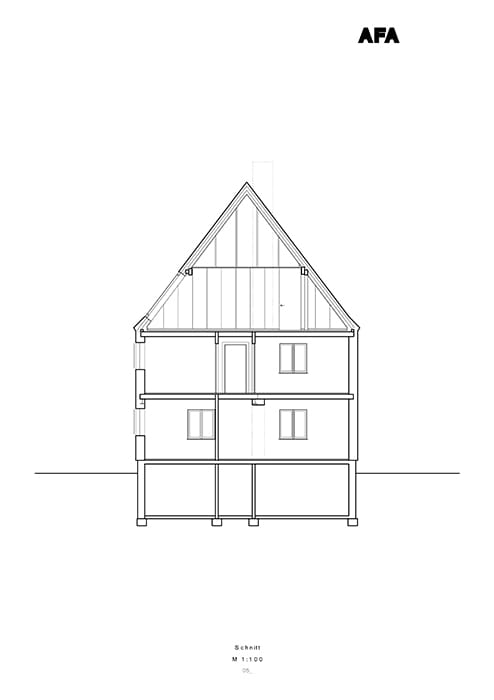
As you approach the house, a sense of nostalgia inevitably sets in. This quintessential postwar residential home in Obermenzing immediately transports the observer back to the 1950s, before the economic boom. Houses of that era were uniform, rendered with childlike simplicity—simple blocks topped with pitched roofs, a front door, small windows, and a chimney—that was all there was to it. The owners acquired this classic 1950s-era estate house with its attractive garden in a residential neighborhood characterized by similar housing, though interspersed with substantial villas boasting expansive grounds. When these homes were first built on the city's periphery, no one gave much thought to space constraints.
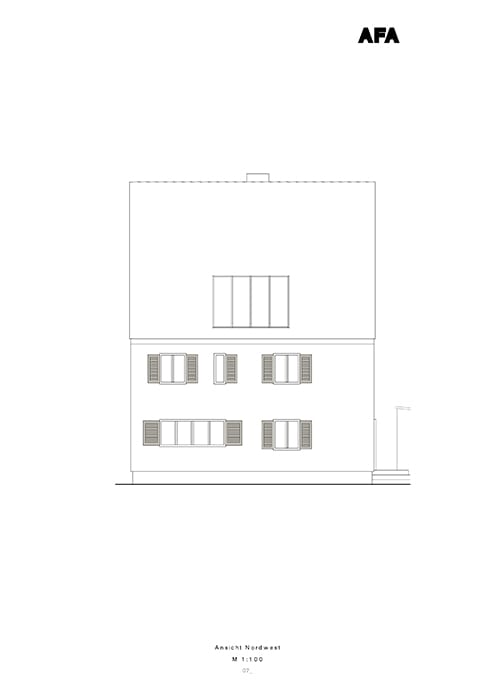
The new owners desired greater openness and spatial generosity indoors, with room to display their art collection. The Munich-based architecture firm Andreas Ferstl and his team realized these transformative wishes. The house's exterior character—its solid construction, steep roof, and strong gable walls—was to be preserved. The minor "imperfection" of asymmetrical windows on the main façade may seem slightly disconcerting, yet it lends the house an endearing distinctiveness and individual charm. Another unmistakable hallmark is the exceptionally steep roofline.
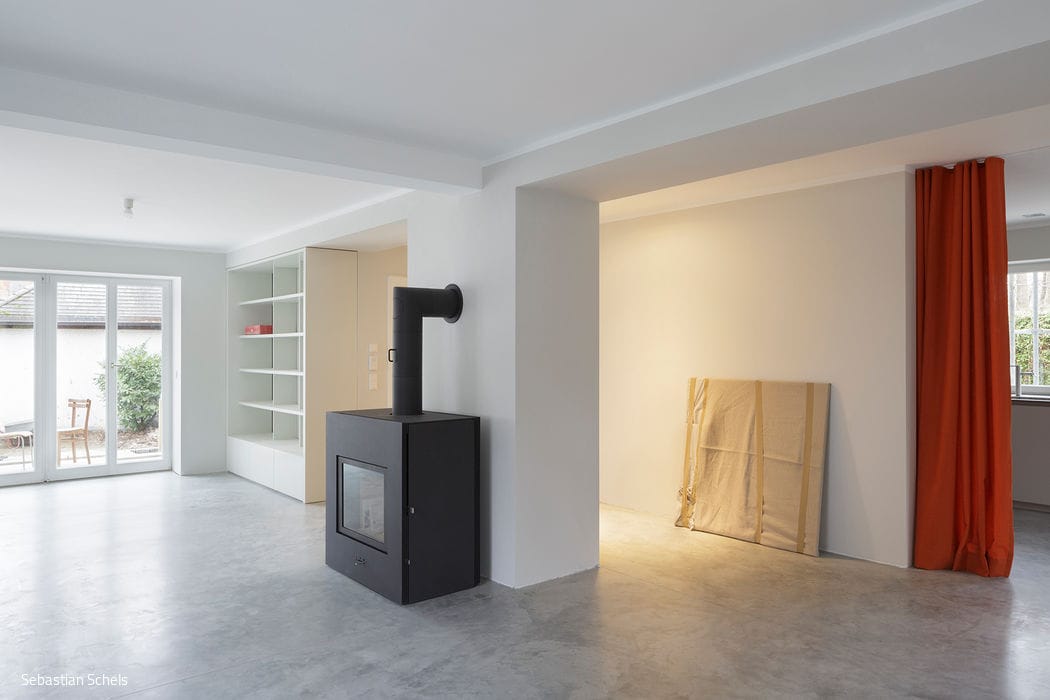
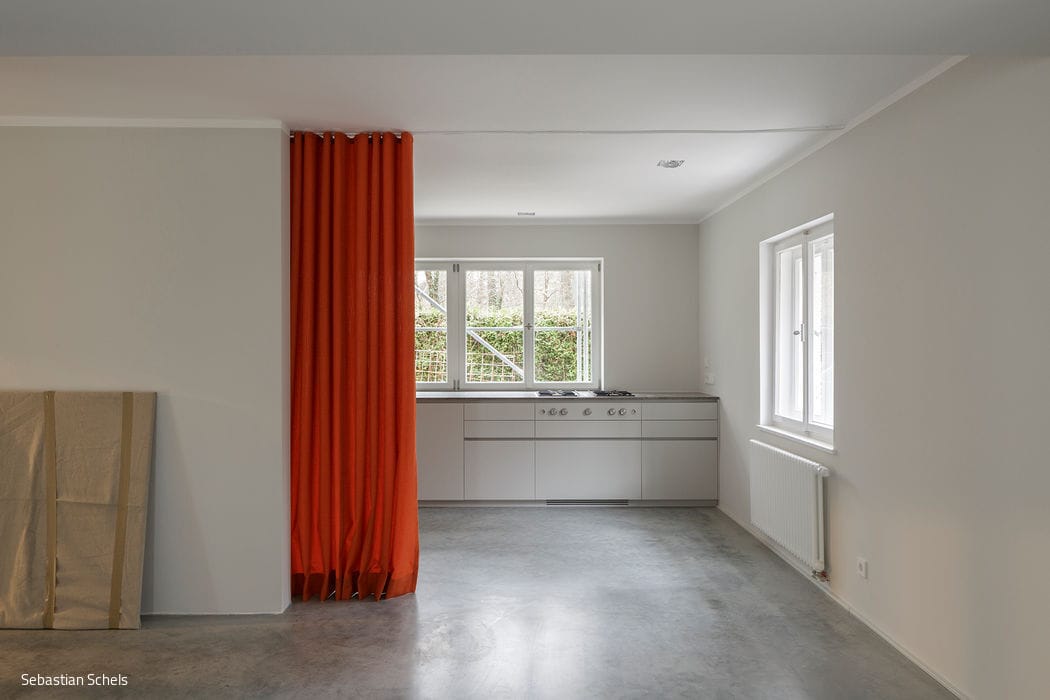
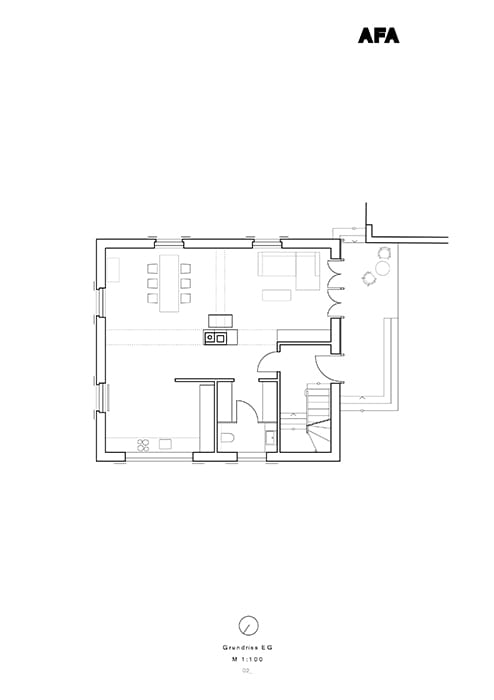
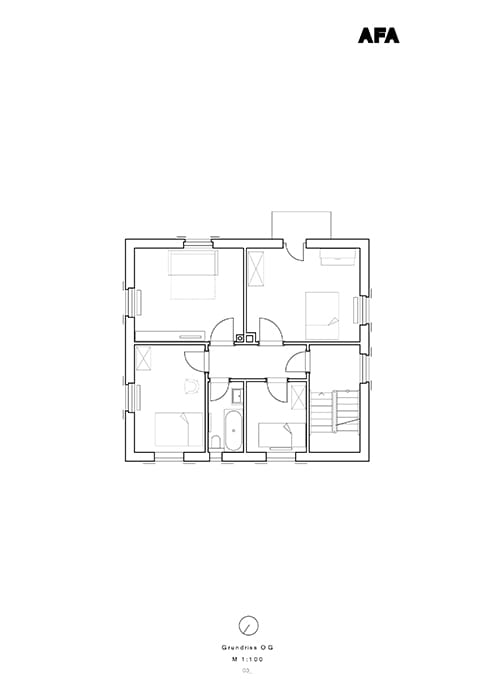
The ground floor was largely opened up and transformed into a generous, flowing living space that seamlessly integrates cooking and dining functions. A new floor-to-ceiling window connects the living area with the garden. The uniformly poured polished concrete screed throughout the ground floor emphasizes the spatial continuity of all zones. The upper floor remained largely unchanged, housing the children's bedrooms and providing ample guest accommodation.
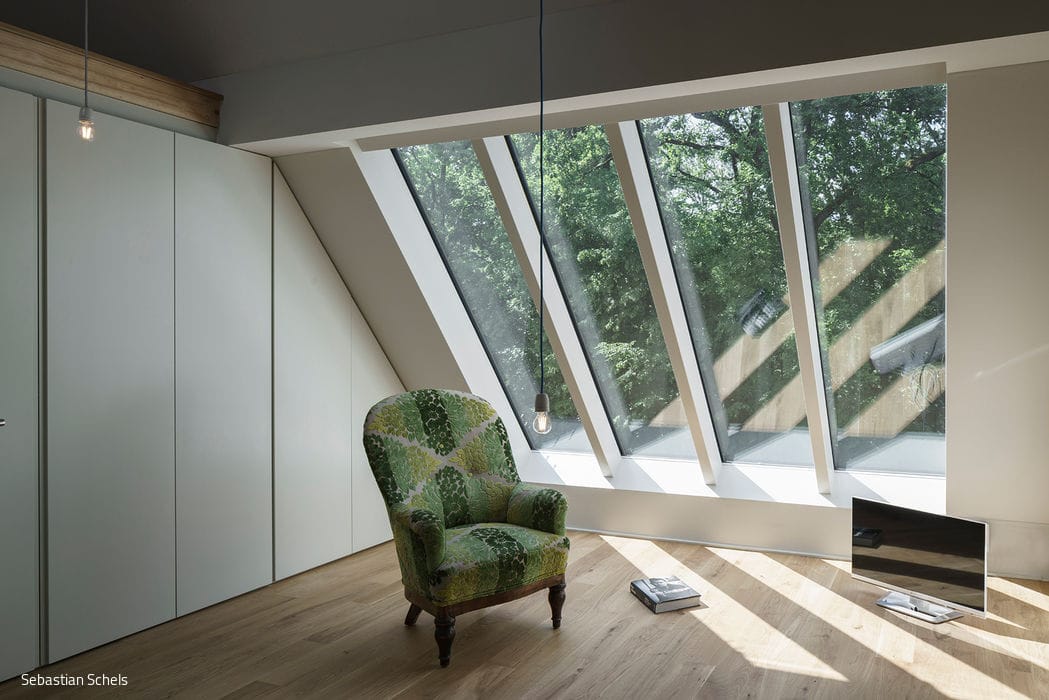
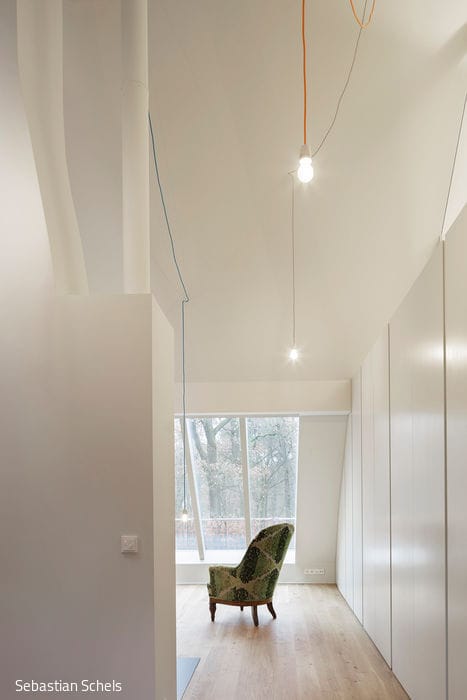
On the top floor, the architects removed an intermediate level, revealing an unexpectedly generous space: ample room for a bedroom and bathroom, dressing area, and living zone. From here, one's gaze travels through the new, oversized studio window—which floods the space with natural light—directly into the canopy of the park across the way. The original chimney remains standing freely in the space, sculptural in its presence. The exterior received only carefully considered modifications: round windows in the gable and a new window element positioned in front of the façade, which marks the entrance while echoing the asymmetry of the primary façade.
Photography Credits:
Sebastian Schels
www.schels.net
(Published in CUBE Munich 02|22)

Dogs Welcome at Work
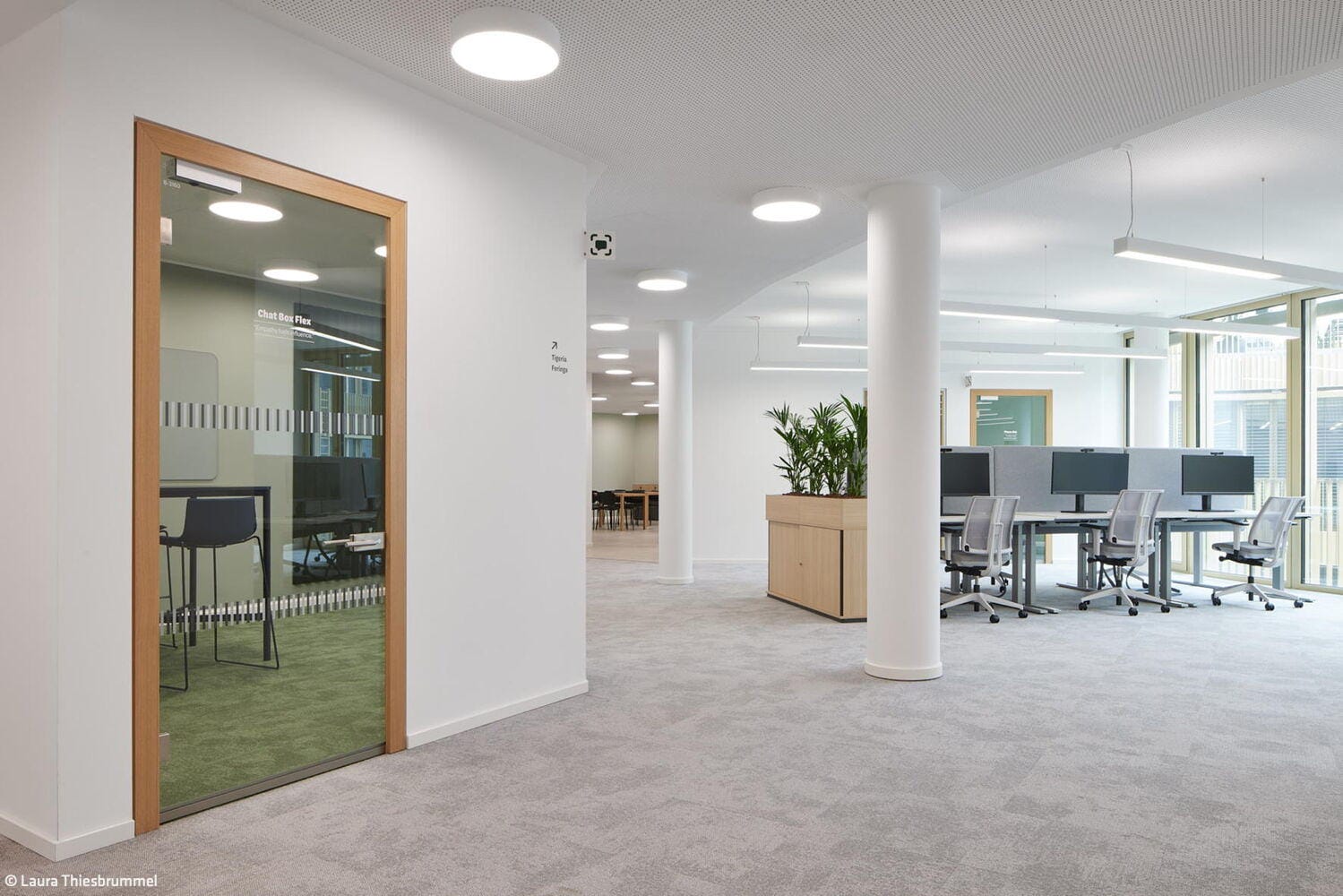
The new headquarters of a leading online retailer creates inspiring workspaces designed for both people and their four-legged friends
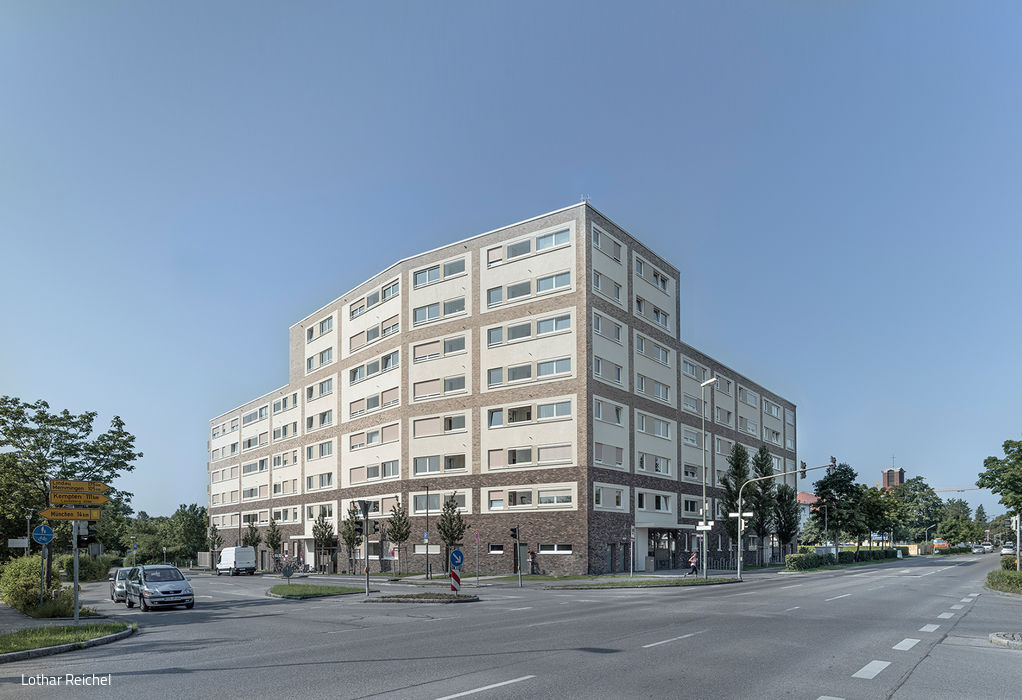
Germering's New Chapter
New residential complex with 126 apartments and integrated kindergarten
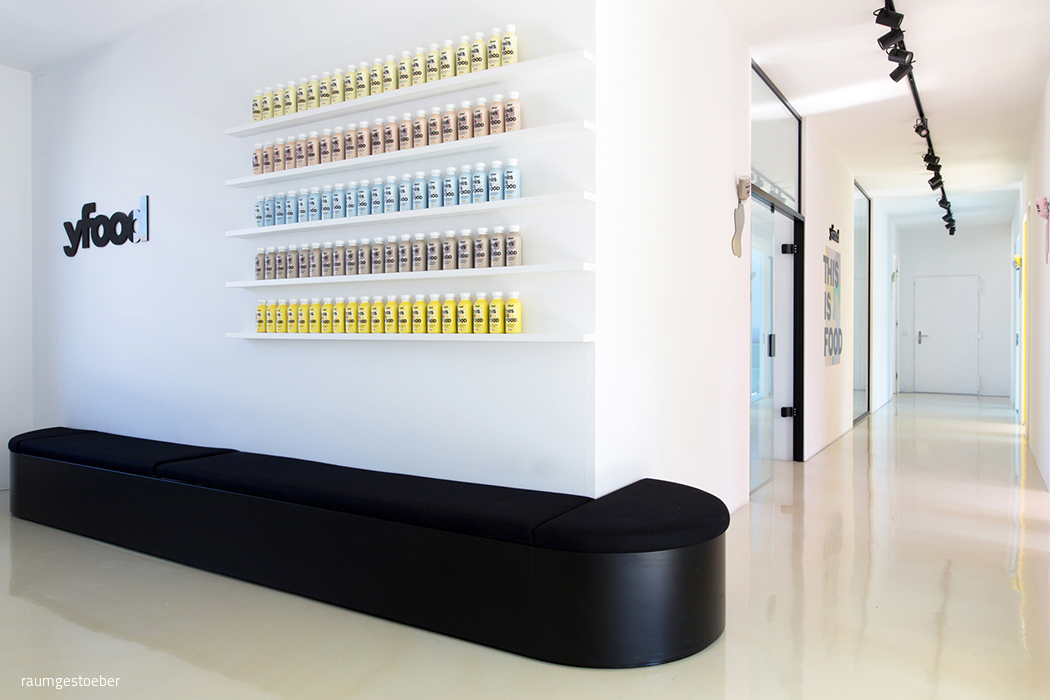
Simply stunning
A Munich food start-up reimagines workspace through creative design
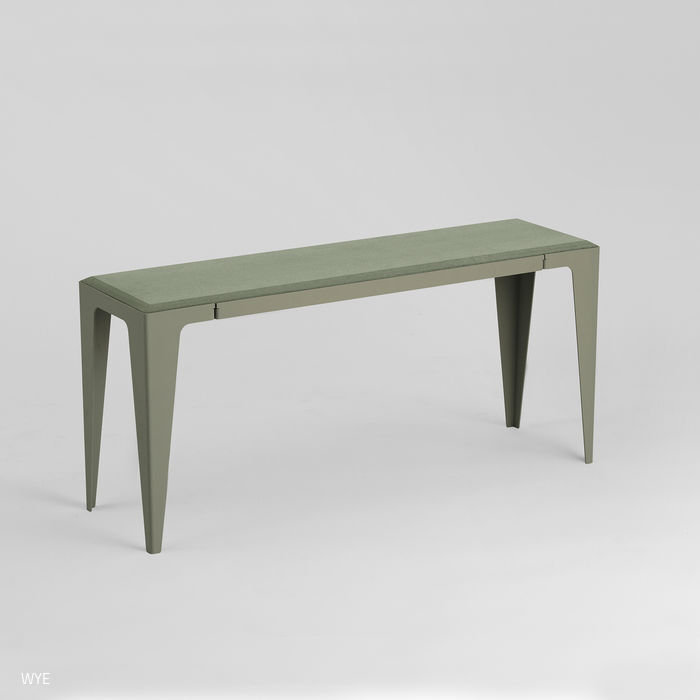
Innovative and Sustainable
Munich-based manufacturer WYE creates furniture from proprietary wood composite of their own design.