


Contemporary Spaces within Historic Walls
Comprehensive Restoration of a 1950s Hillside Villa
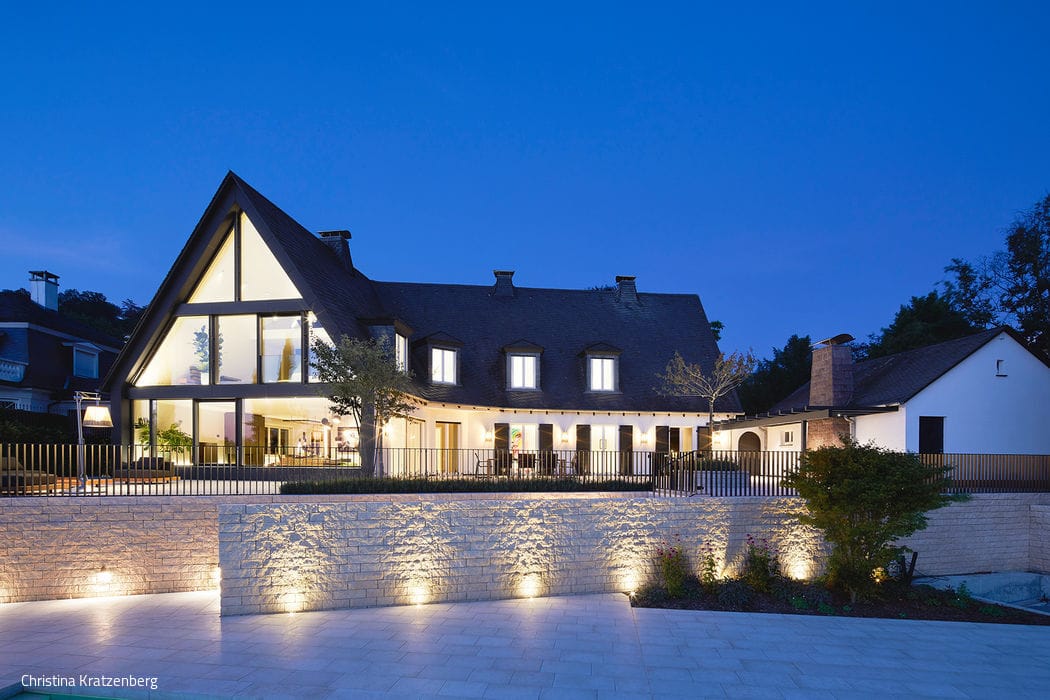
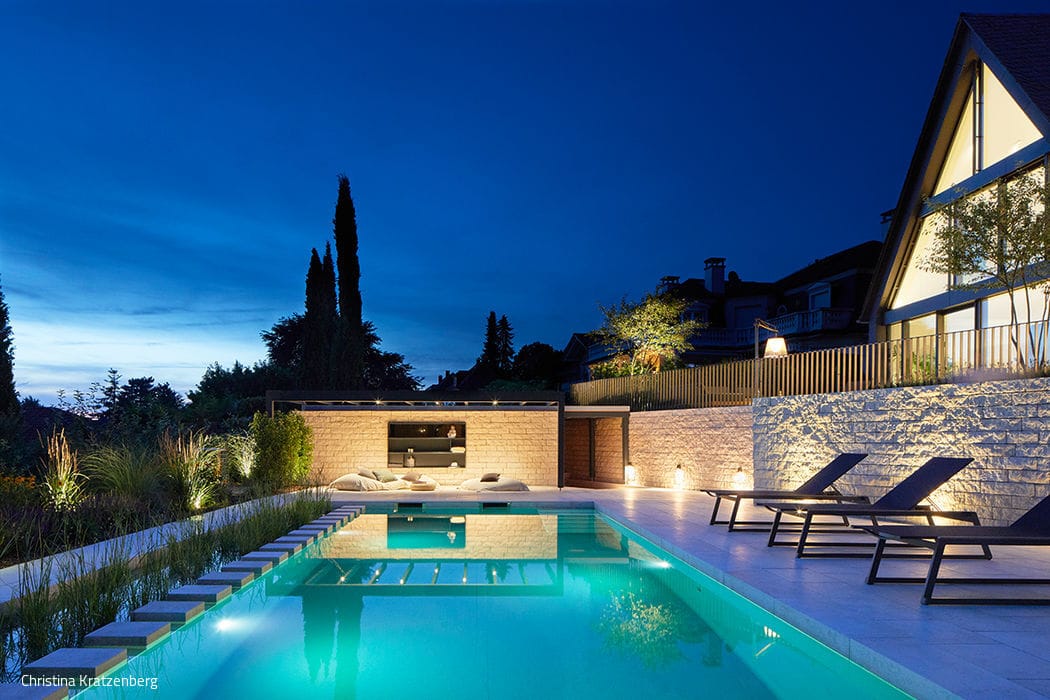

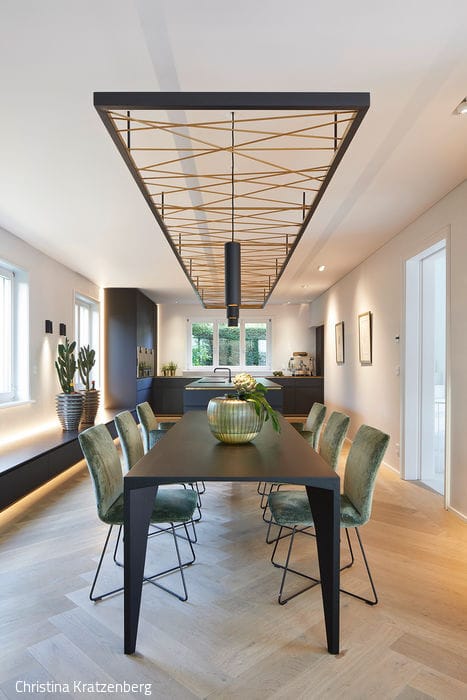


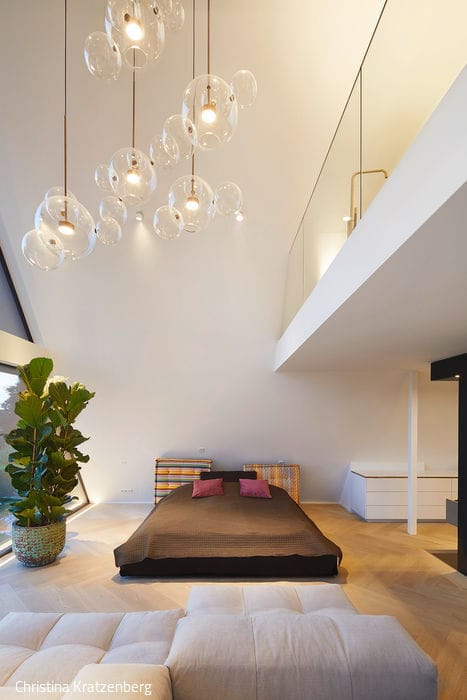
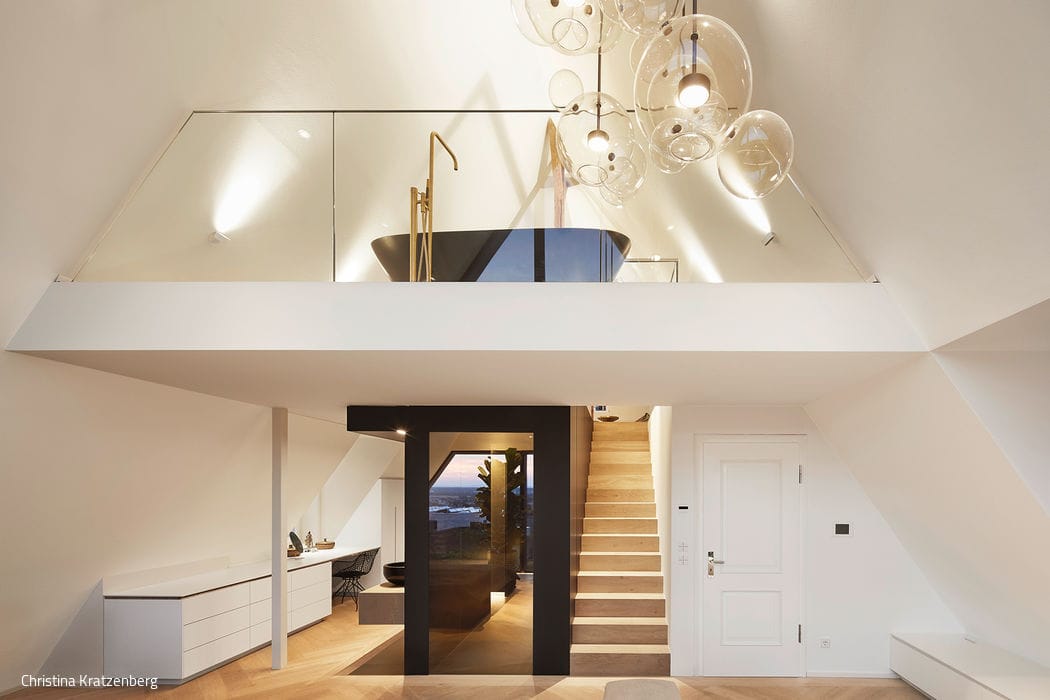

Schlicht, leicht und schlank – so könnte man kurz und knapp die Architektur der 1950er-Jahre beschreiben. Verbundmaterialien gab es noch kaum, man besann sich in der Nachkriegszeit vor allem auf vorhandene Materialien wie Klinker, Stein, Glas und Holz. Klare Vorteile für den Erhalt dieser Villa am Hang, die für eine vierköpfige Familie aufwendig saniert wurde. Sie wollten sowohl den besonderen Charme des Hauses bewahren als auch das Innenleben modern gestalten und optimal auf ihre Bedürfnisse zuschneiden lassen. Innerhalb von drei Jahren planten und realisierten 12:43 Architekten die Sanierung und den umfassenden Umbau. Mit den Büroinhabern Steffen Bucher als Architekt und Lars-Erik Prokop als Innenarchitekt konnte die außen- und innenräumliche Gestaltung wie aus einem Guss umgesetzt werden. Entstanden ist ein modernes und großzügiges Raumgefüge auf einer Wohnfläche von 400 m² verteilt auf drei Ebenen. Alt und Neu tritt in einen spannenden Kontrast aus original belassenen und neu eingebrachten Elementen. So ist das rund 70 Jahre alte Wohnhaus bestens auf seinen neuen Lebensabschnitt vorbereitet.
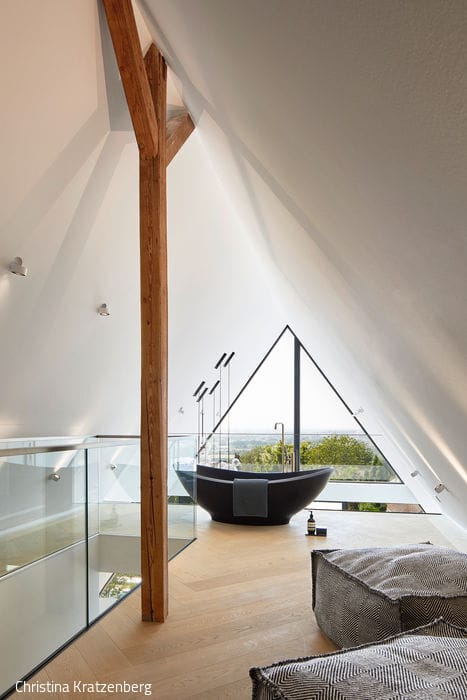
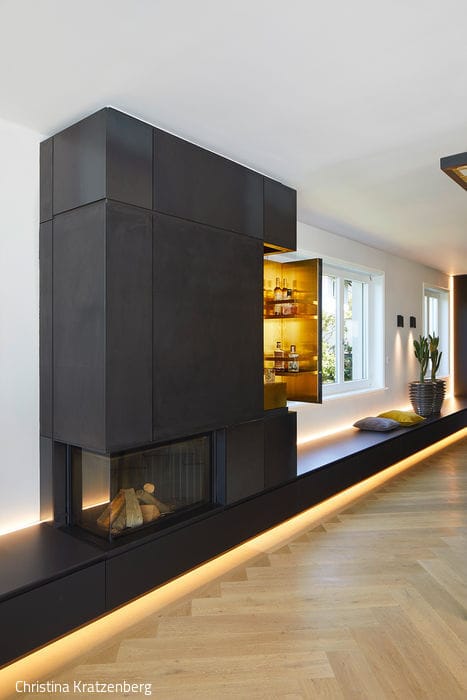
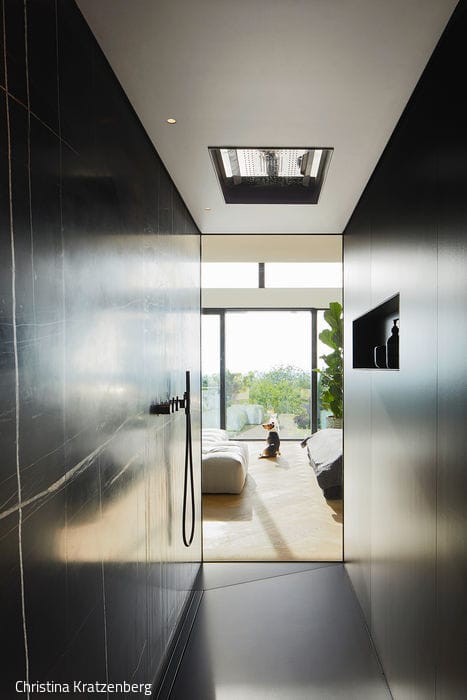
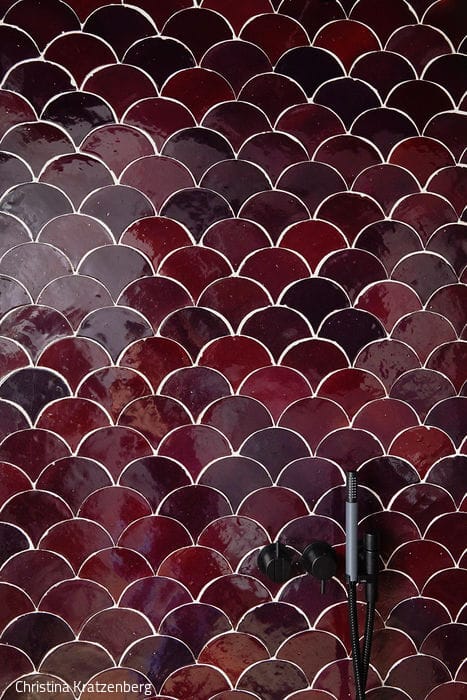
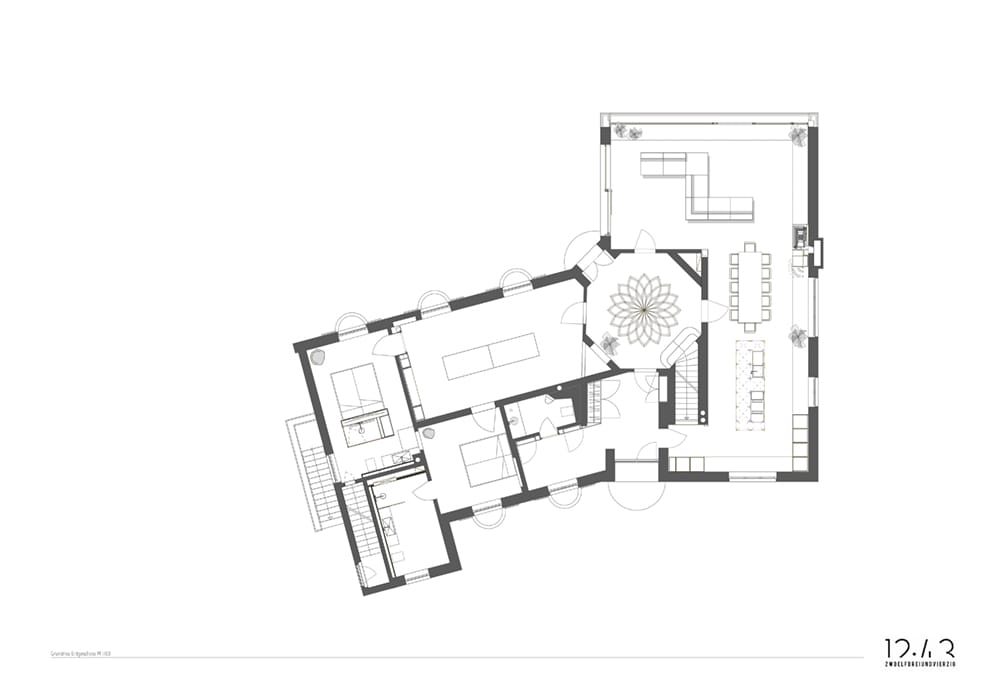
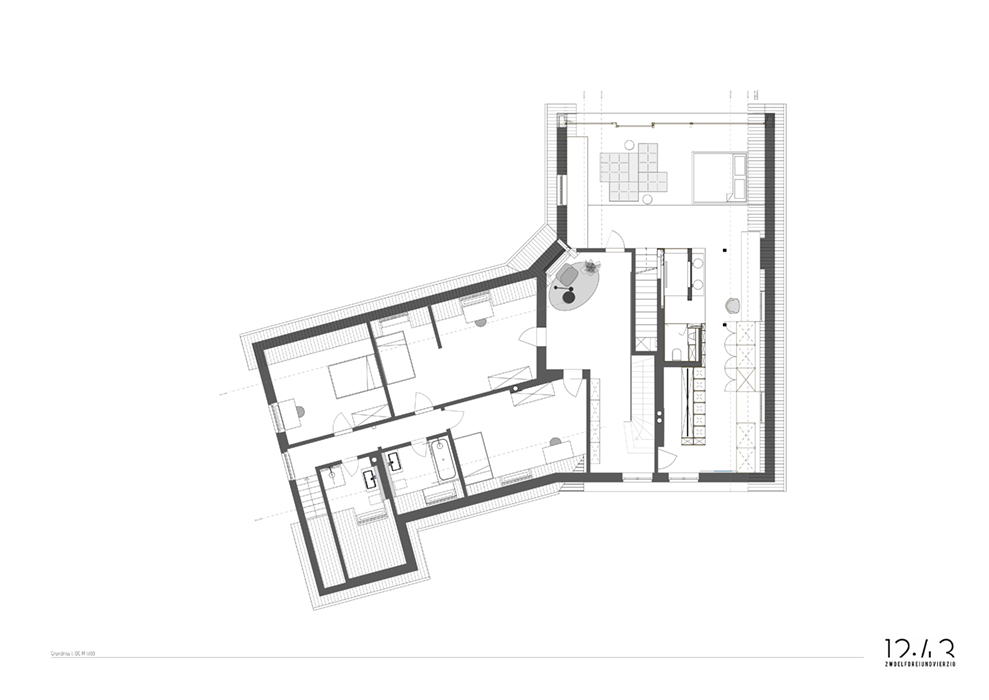
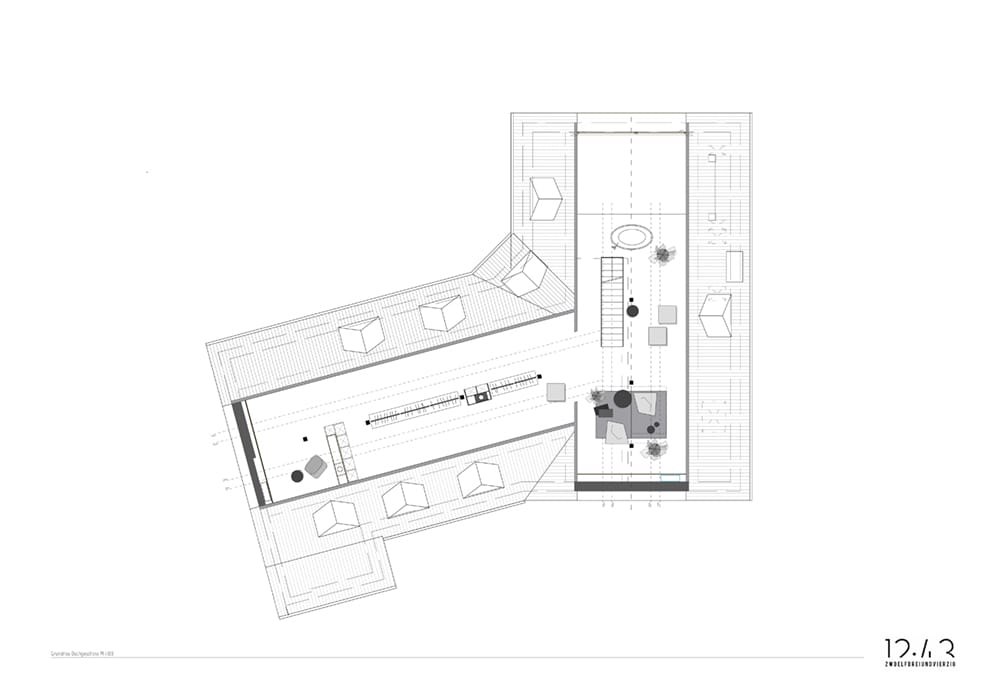
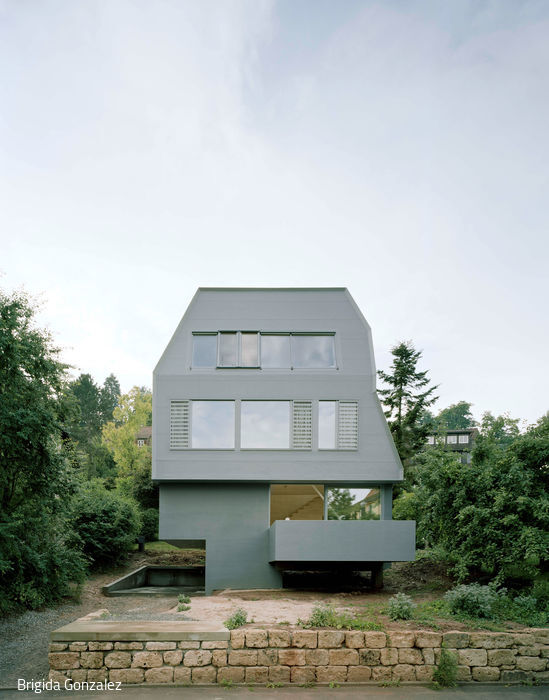
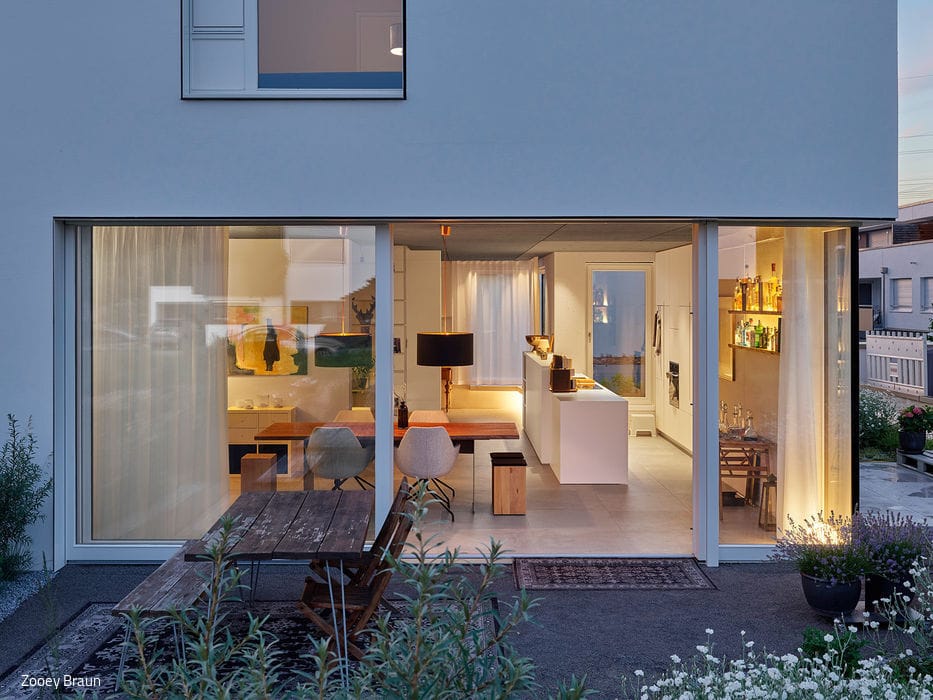
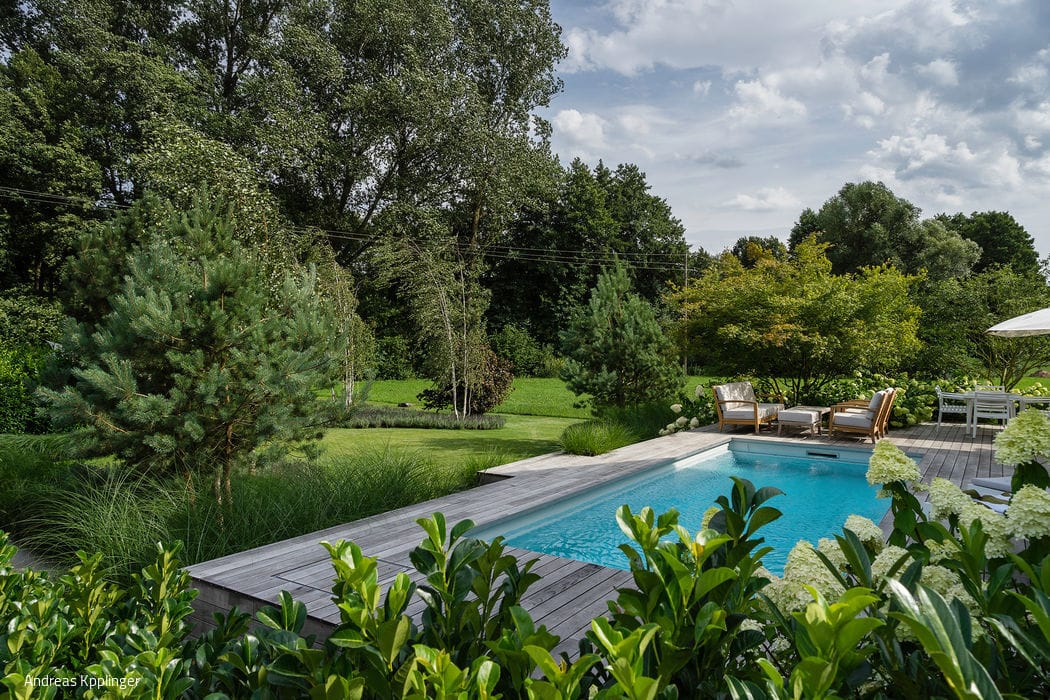
Von außen weithin sichtbar und der einzige Eingriff in die Gebäudehülle ist die vom Erdgeschoss bis in den First geöffnete Giebelseite. Sie ist nach Westen ausgerichtet und eröffnet mit ihrer kompletten Verglasung einen beeindruckenden Weitblick. Um eine zusätzliche Ebene zwischen Ober- und Dachgeschoss einzubringen, wurde das Dachgebälk zwischen den beiden Geschossen entfernt. Die Sparren der Dachkonstruktion wurden aufgedoppelt und dazwischen umfassend gedämmt. Alle tragenden und nicht tragenden Wände wichen, um ein offenes und der Gartenseite zugewandtes Wohnkonzept zu realisieren. Hier befindet sich im Erdgeschoss der offene Bereich zum Kochen, Essen und Wohnen. Im Obergeschoss sind das Elternschlafzimmer mit offenem Bad sowie eine Ankleide und die Galerie angeordnet. Im anderen Gebäudeteil befinden sich ein großer Arbeitsraum sowie die Kinder- und Gästezimmer. Materialien wie Holz, Marmor, Stahl, Keramikfliesen und matt schwarze Oberflächen mit integrierten Messingfugen sind fein aufeinander abgestimmt. Im Eingangsbereich empfängt ein Marmorboden mit einer grafisch-floralen Intarsie. In den Wohnräumen liegt ein geseiftes Eichenparkett in Fischgrätoptik. Alle Möbel und Einbauten haben die Architekten gemeinsam mit den Bauherren entworfen und vom Schreiner fertigen lassen. Mit ihren klar definierten Oberflächen und den Messingfugen entsteht ein schöner Kontrast zu den erhaltenen Türen und Rahmen, den Verkofferungen der Fensterlaibungen und den Heizkörpernischen. Der Kamin ist aus gezundertem Stahlblech und korrespondiert mit dem Kunstschmiede-Element über dem Küchenblock. In den Bädern wurden Keramikfliesen teils in Formaten von 1 x 2,50 m am Stück verlegt. Die Dusche des Masterbads wurde mit einem dunklen Marmor ausgekleidet. Der großzügige Außenbereich bietet auf zwei Ebenen Platz für einen Naturpool und neu angelegte Terrassenflächen. Das Lichtkonzept unterstreicht die Architektur und verbindet gekonnt den Innen- mit den Außenbereich.
(Featured in CUBE Stuttgart 03|20)

Character Revived
A 1920s Apartment Thoughtfully Restored
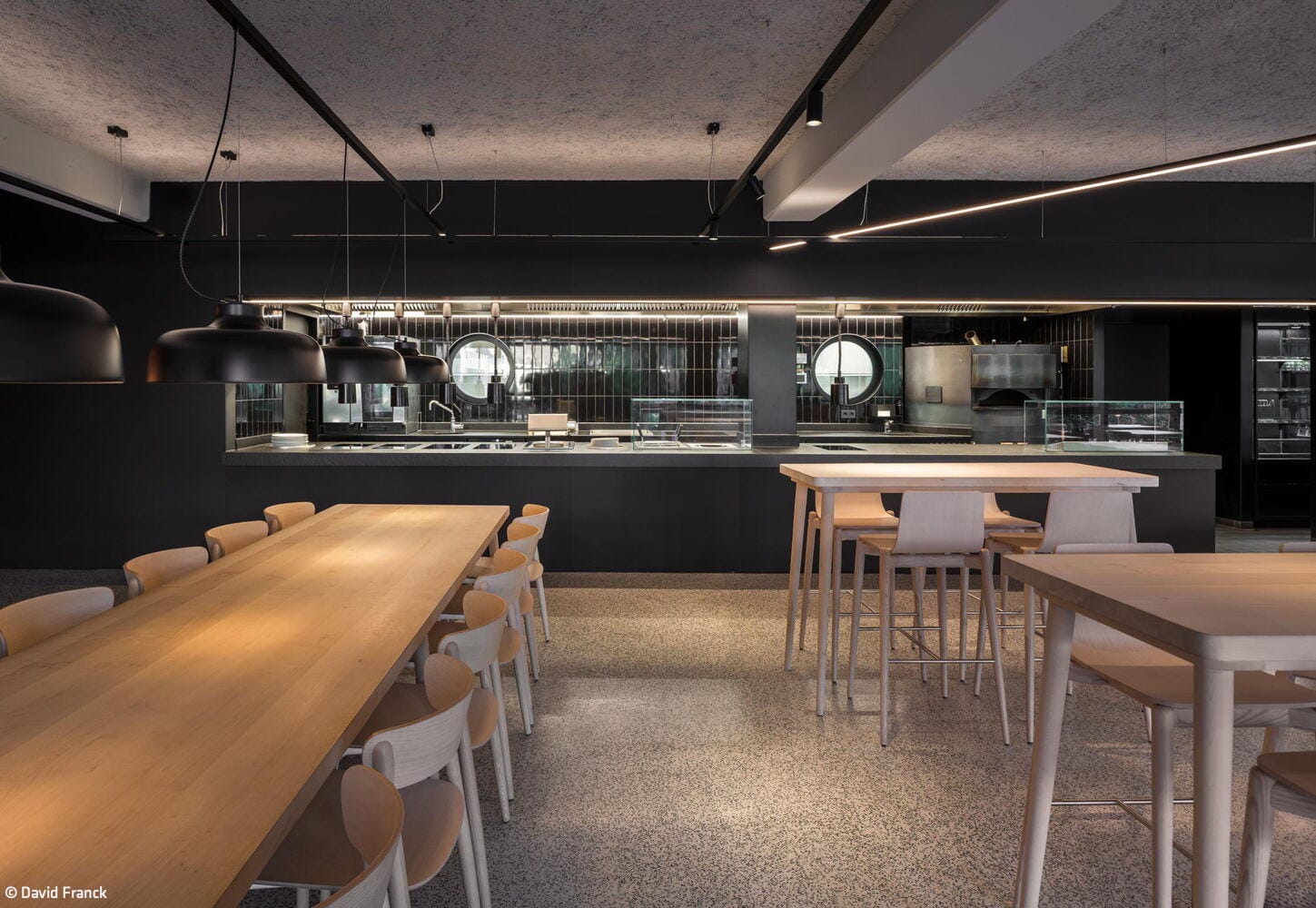
Between Production and Pause
The new canteen on the HAKRO Campus
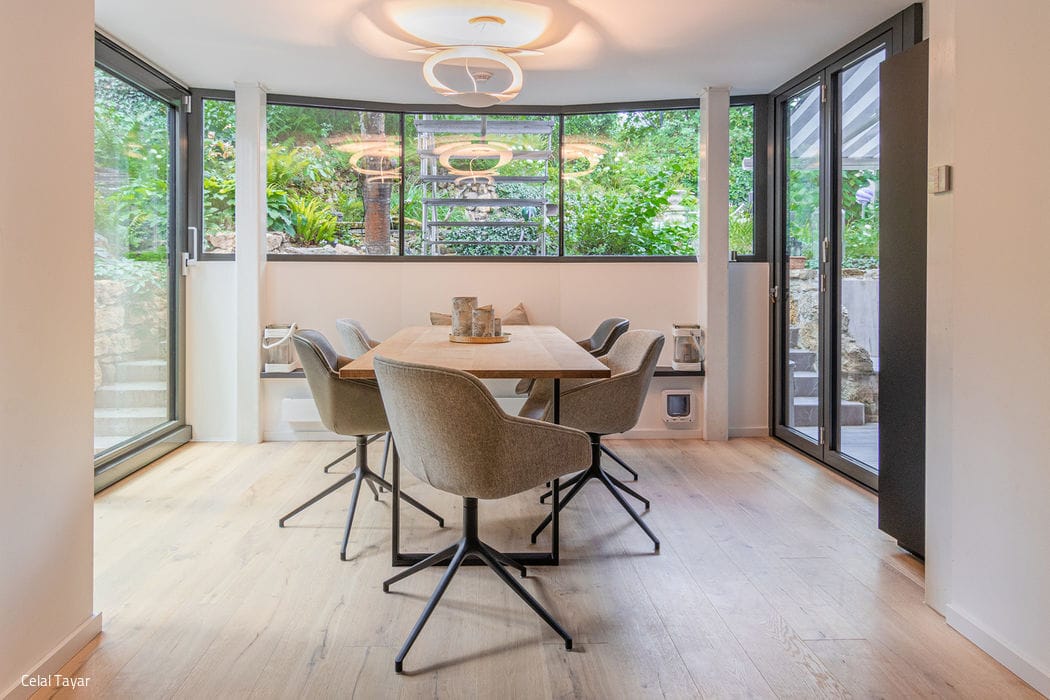
Seamless Transitions
The conservatory and open-plan living, kitchen, and dining areas elevate the quality of living
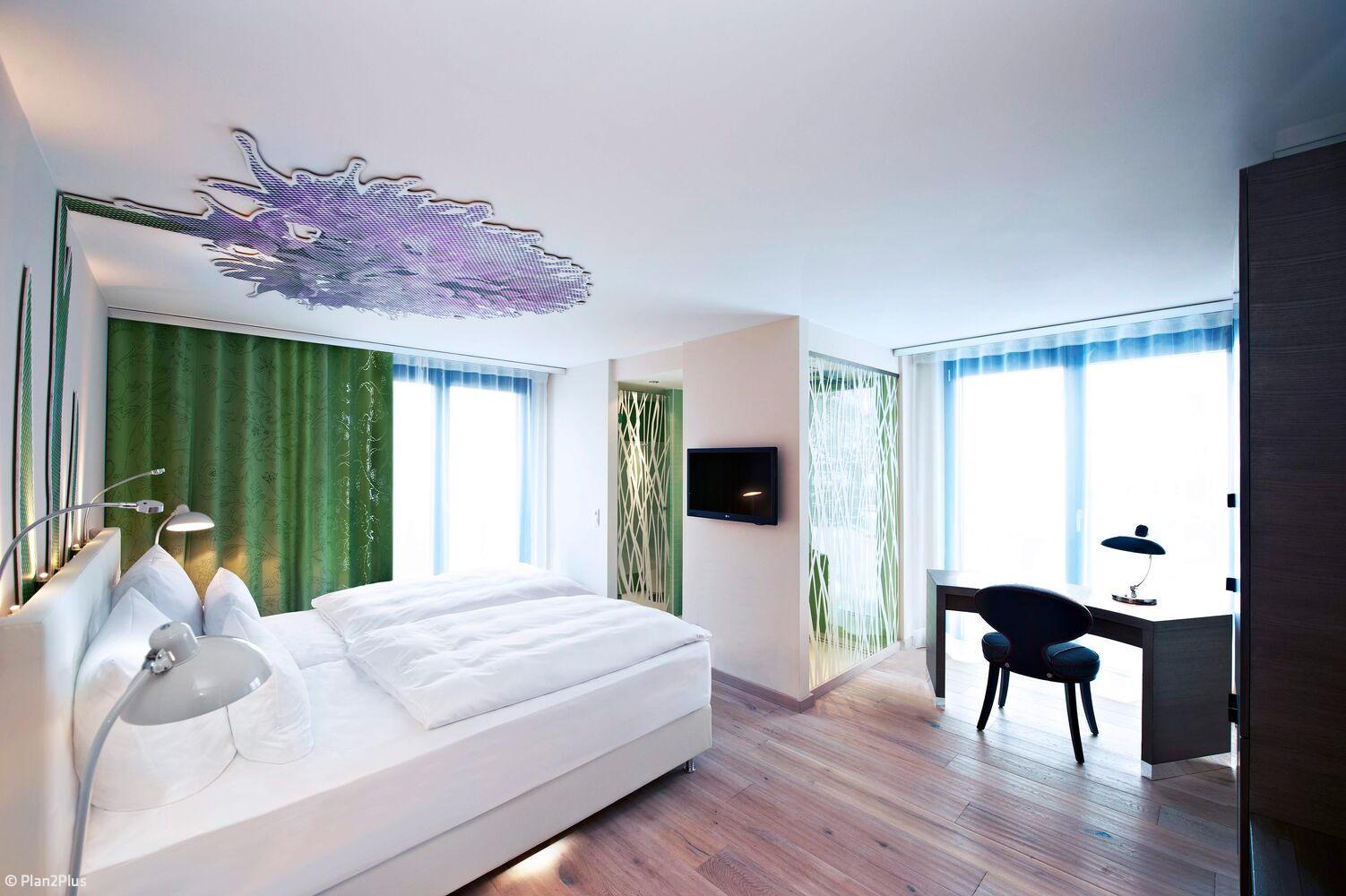
Flourishing "Garden House"
Architecture, interior design, and brand identity converge seamlessly within a distinctive design and boutique hotel.