


Landlord Responsibility: Preparation and Care

Energy costs have skyrocketed—and everyone is talking about it. The heating cost prepayments agreed between landlords and tenants will fall far short of covering actual heating and hot water expenses. Substantial additional charges are inevitable. Proactive landlords are already adjusting prepayment amounts upward—without waiting for the next billing cycle. But is this allowed? Should it be mandatory? When tenants bear heating costs (the typical arrangement), they're generally required under Section 556 II BGB to pay monthly prepayments. Section 560 IV BGB gives landlords the right to adjust these to reasonable levels through a formal written notice. Prepayments must reflect the anticipated heating costs.
Energy price increases are already here—or have been announced by utility providers. We're looking at least a doubling of costs in the near term, barring an effective price cap. A proportional increase in prepayments is therefore both justified and necessary. While the previous bill serves as reference, the law sets no deadline for notice—adjustments take effect upon receipt. Beyond this legal right, landlord obligations may actually go further. Landlords have a duty of care to avoid actions that could harm tenants or the property itself, and may even be required to take positive steps to protect tenants from potential hardship.
In most cases, only the landlord has reliable access to concrete information about rising energy costs. It's clear that current prepayments are insufficient—the next bill will likely demand additional payments that many tenants simply cannot afford. This creates not just a legal right but a genuine obligation for landlords to increase prepayments now, protecting tenants from financial hardship.


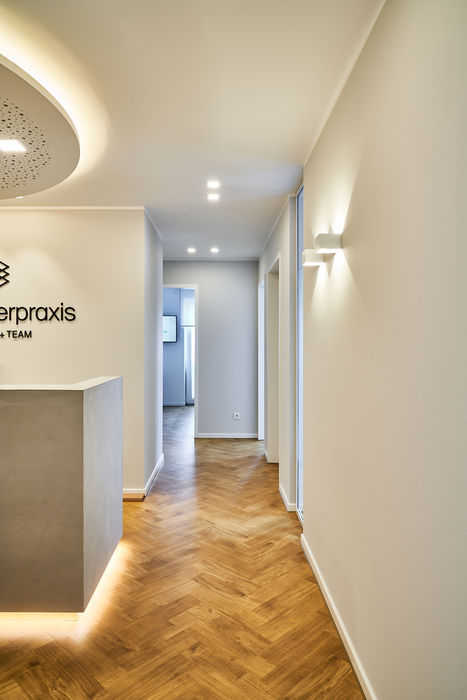


A Dignified Meeting Space
From funeral hall to beacon: A former Bochum landmark becomes a centre for democracy and human rights

A harmonious ensemble
A new rectory opens up the parish in Lütgendortmund
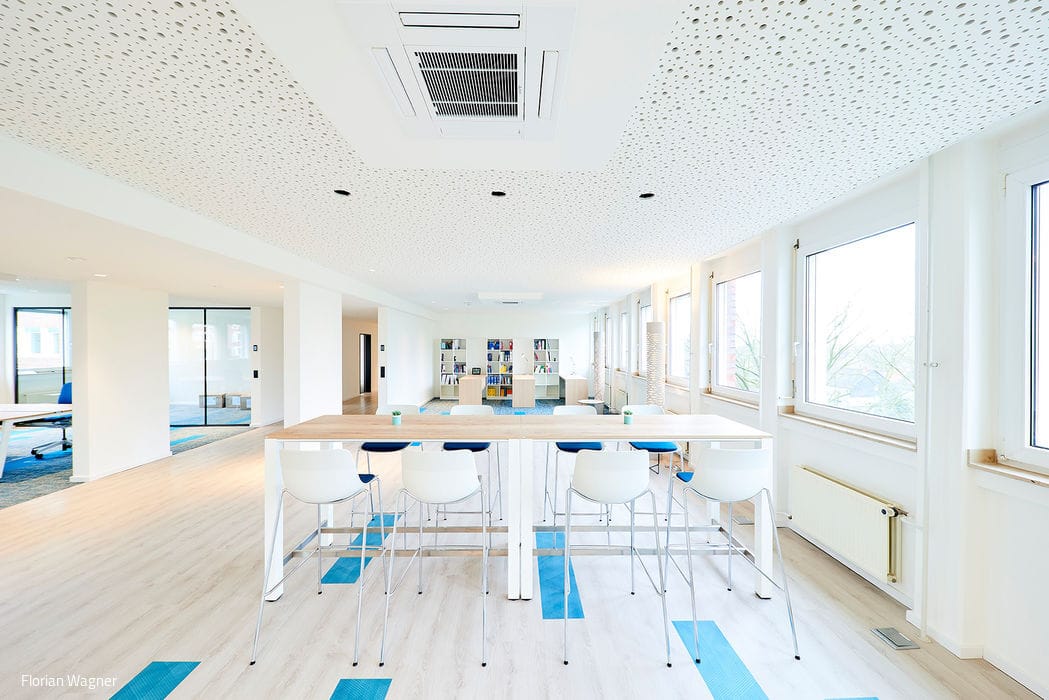
Four leaves flourish as one
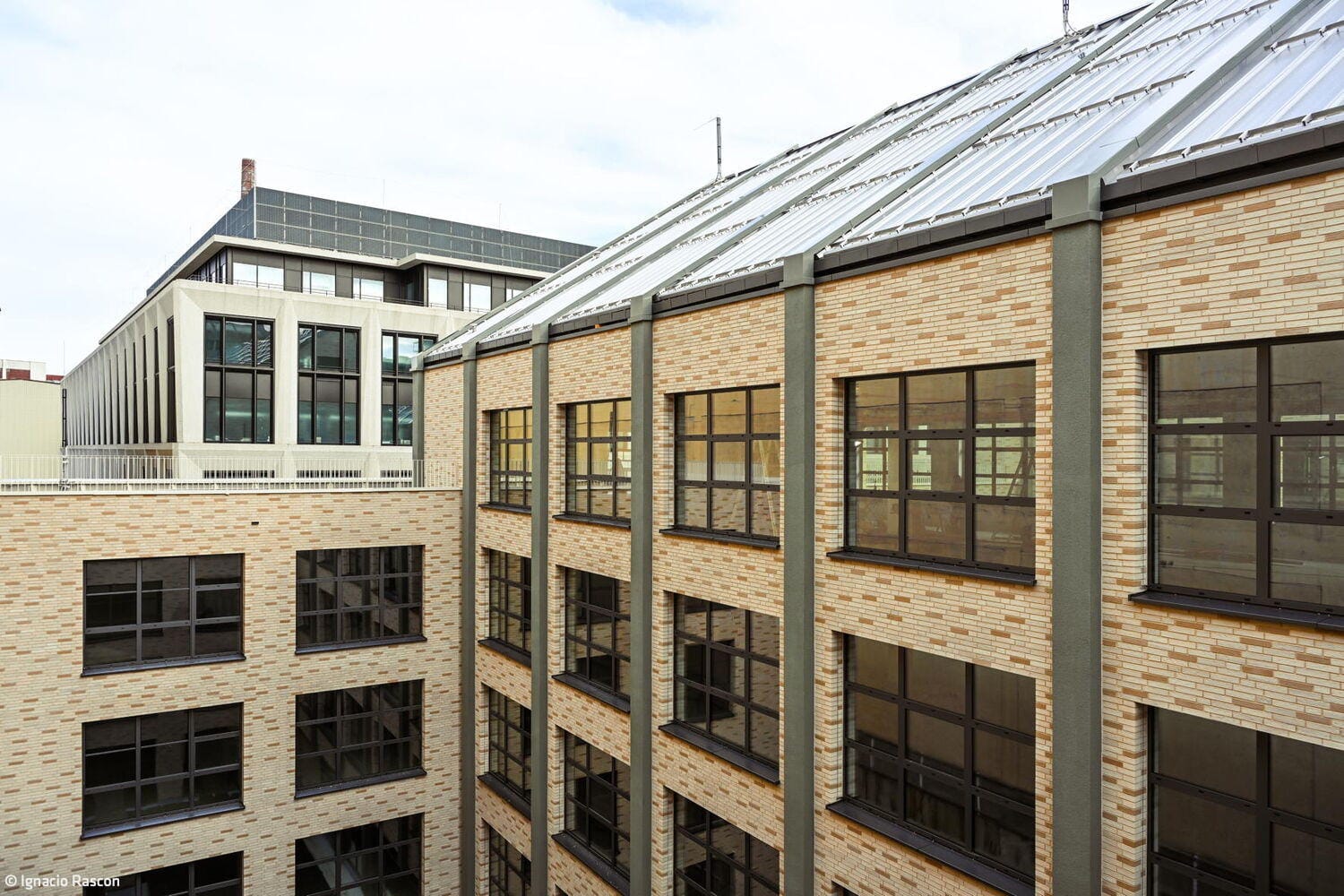
In Herne's Shamrock Park, an office building is being revitalized and reimagined for tomorrow.

The City's Living Room
The new library in Forum Velbert appeals to people of all ages.