


From Country Estate to Urban Park
The estate still bears its original name today: Landhausgarten Fraenkel.
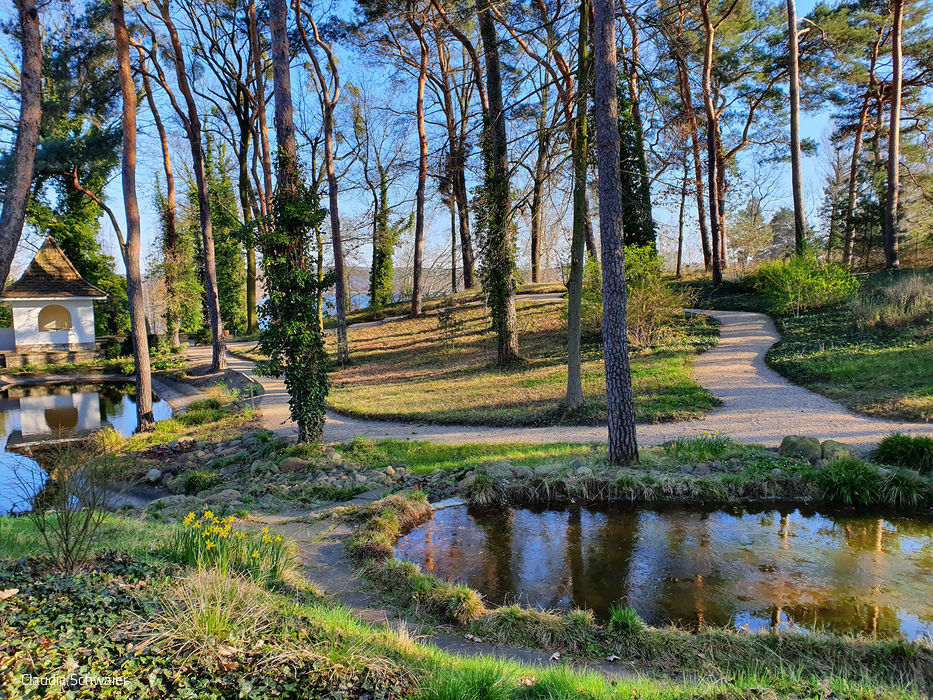


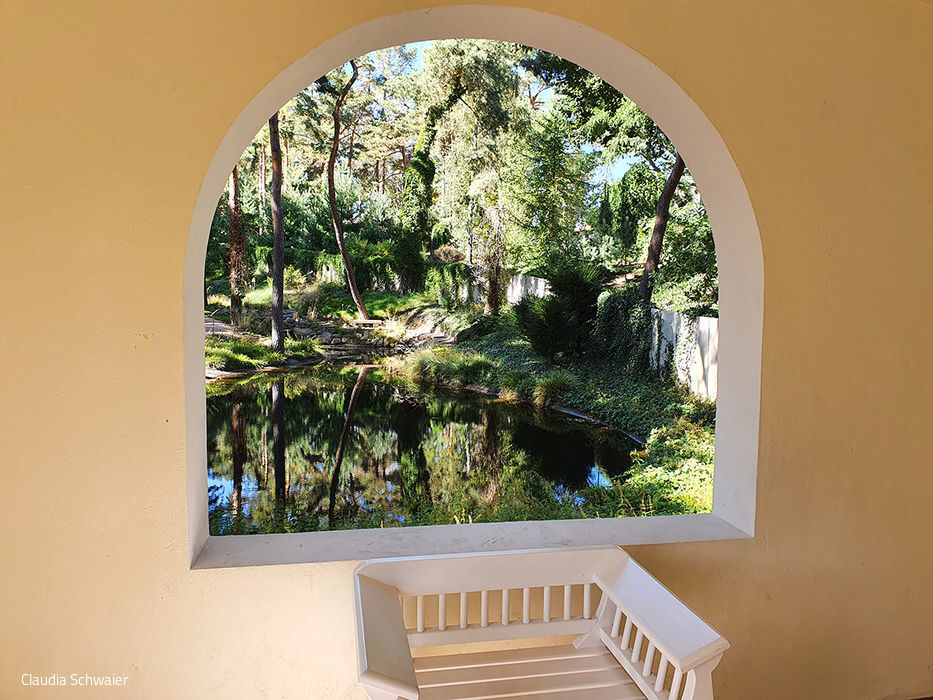
The Fraenkel Country House Garden ranks among Berlin's most beloved destinations. Dr. Max Fraenkel acquired the property in 1920, captivated by its commanding views of Peacock Island. Five years later, he commissioned the renowned garden architect and director of Berlin's public gardens, Erwin Barth, to design a landscape of distinct character. The project unfolded over many years, culminating in an ornamental garden with stone walls and terraces, a tea house overlooking a small lake, and perennials that still flourish today. Yet this creative chapter closed abruptly when Fraenkel emigrated in 1933 and Barth died by suicide that same year, halting the garden's development in its prime.
Following Nazi confiscation and postwar transfer to Berlin's state ownership, the gardens fell into decades of neglect. Only after reunification did restoration begin, faithfully following Barth's original designs. The final major renovation phase, completed in 2016, has since returned the garden to its former splendor—so completely that its complex history now feels invisible. Today, visitors encounter few reminders of the past beyond the founder's name on the gates. The sprawling three-hectare grounds invite leisurely exploration, with benches dotting the landscape and the most coveted spots overlooking the Havel River. Accessible via the Kladow exit and extending toward Sacrow, the garden welcomes the public during published hours.
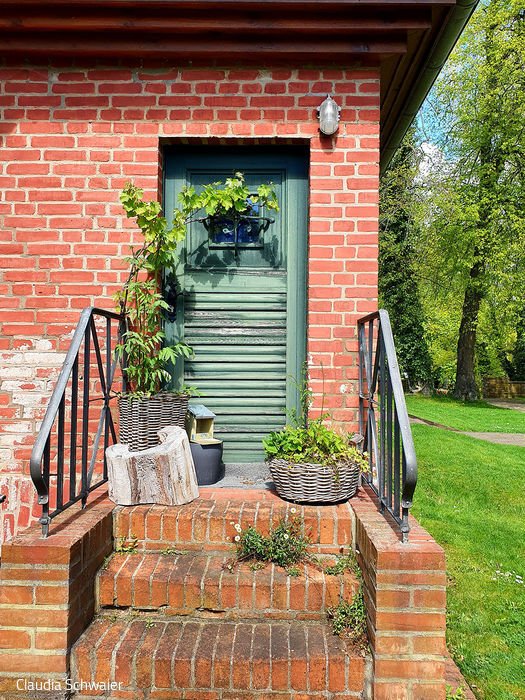
Located just thirty minutes southwest of Berlin's city center, the park is equally accessible by water from the nearby public pier. A café welcomes visitors with coffee, cake, and hearty fare—the perfect retreat for weary strollers. Housed in the restored stable building, the visitor center offers fascinating insights into the garden's rich history.
In the early 20th century, Berlin's wealthy embraced a fashionable trend: country estates complete with sprawling grounds. These typically featured stables for horses, chicken coops, orchards, and vegetable gardens—remnants of which still peek through the landscape today. What was once a productive kitchen garden has largely transformed into the verdant park visitors see now. Notably, Barth's vision extended far beyond this single project; Treptower Park, Savignyplatz, and numerous other Berlin landmarks bear his distinctive signature.
Photo:
Claudia Schwaier
(Published in CUBE Berlin 02|23)
Authentic and Unfiltered
Irina Kromayer crafts authentic film sets and timeless, elegant interiors

Perfectly Squared
Berliner Sparkasse's new home has arrived

Color: More Than Just Vibrancy
Atmosphere—whether in urban spaces, architectural design, or interior environments—profoundly influences human well-being.
Not Just for Princesses
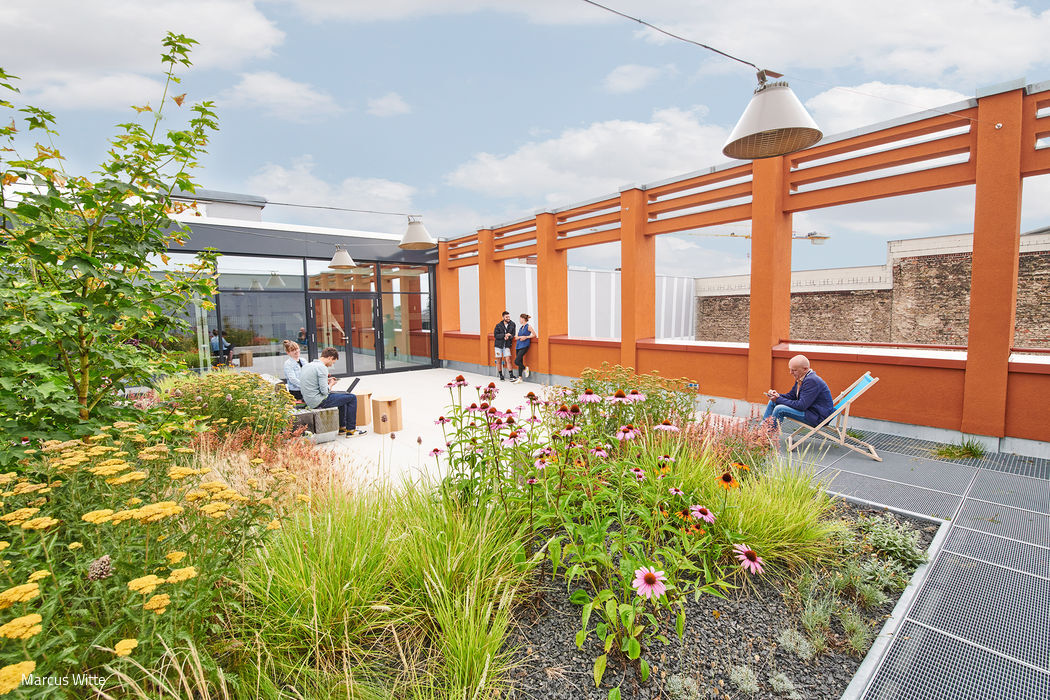
Sustainable Rooftop Garden: Balancing Green Space with Versatile Function