


Thoughtful Design
A 1930s settlement house expanded with precision and care
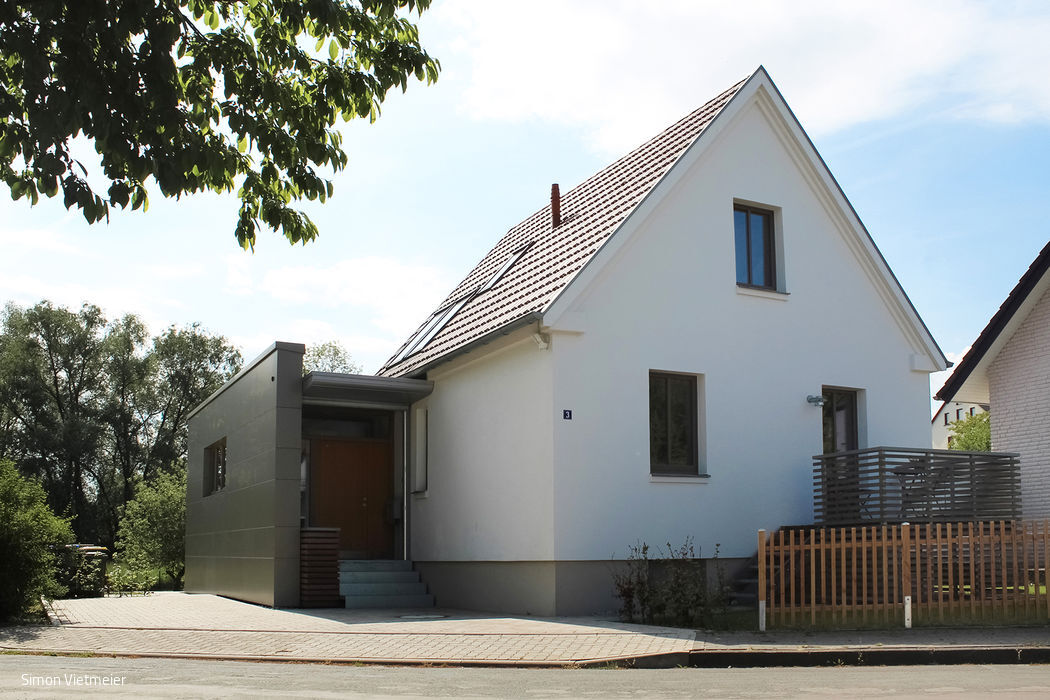
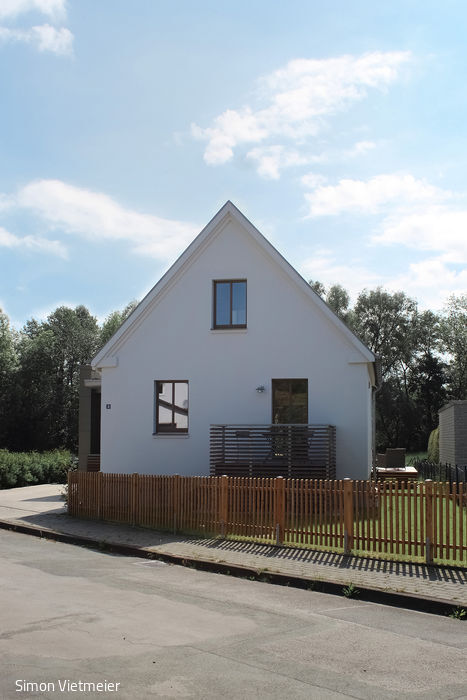
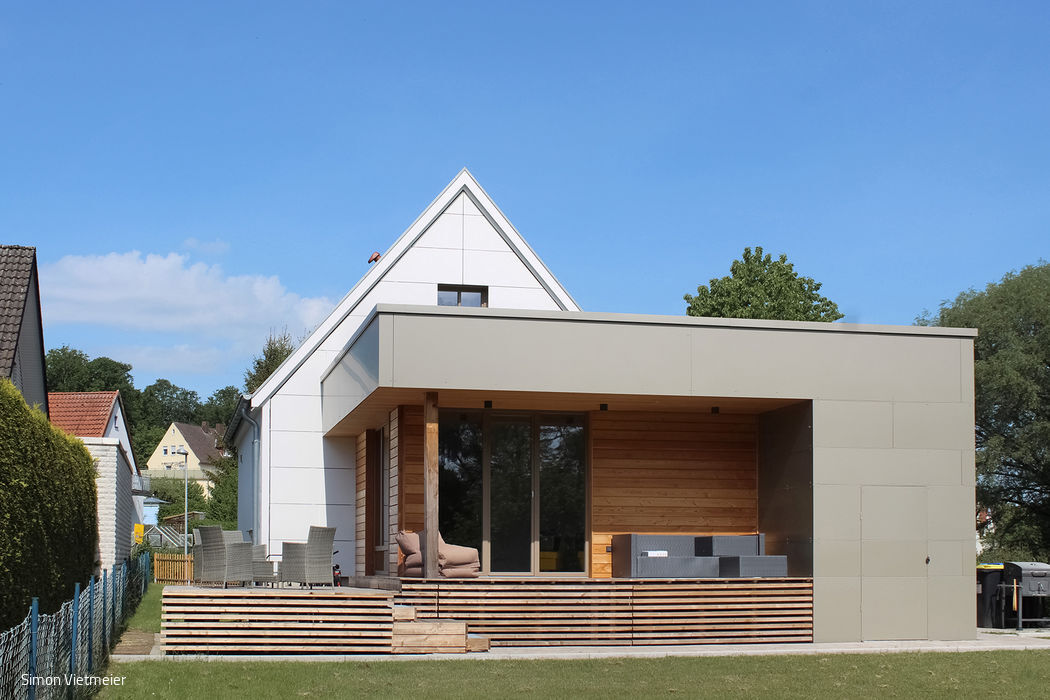
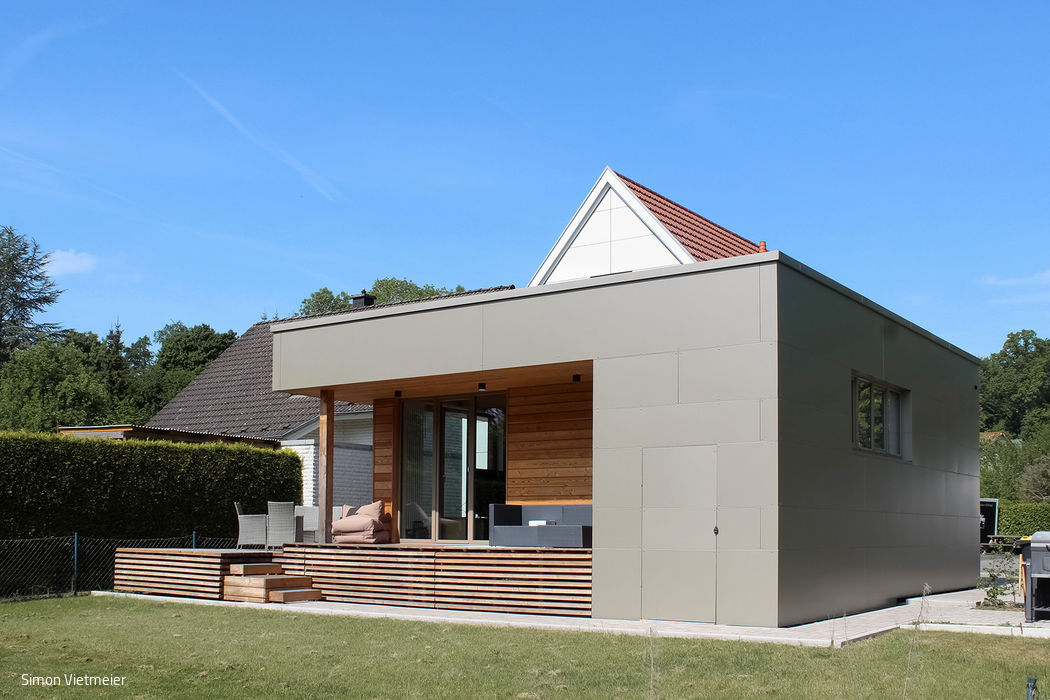
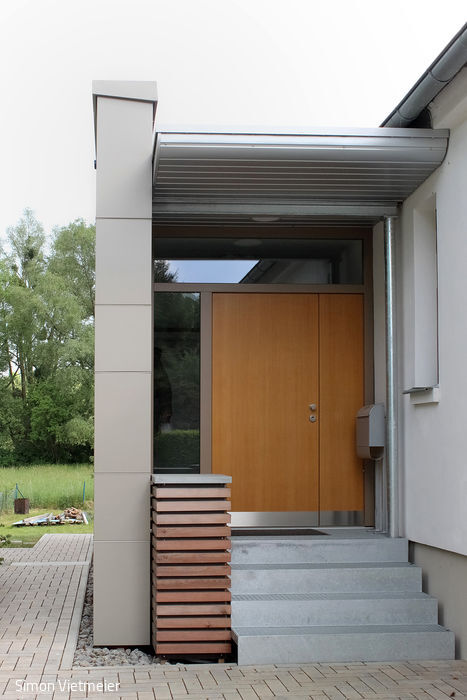
Good things take time – and this 1930s settlement house is no exception. When architect Simon Vietmeier acquired the 70 m² property on a 600 m² plot, he committed to a thoughtful, deliberate approach to its renovation and expansion. "What we originally planned as two and a half years became four," he reflects, "but that investment of time was transformative. It allowed us to deeply engage with the building's construction and materials in ways we couldn't have rushed."
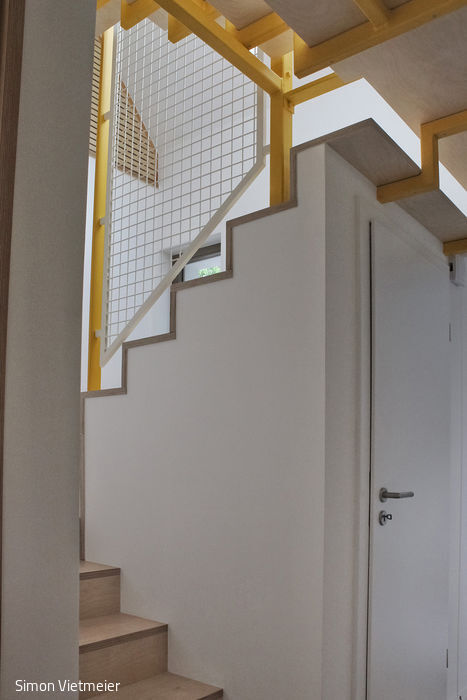
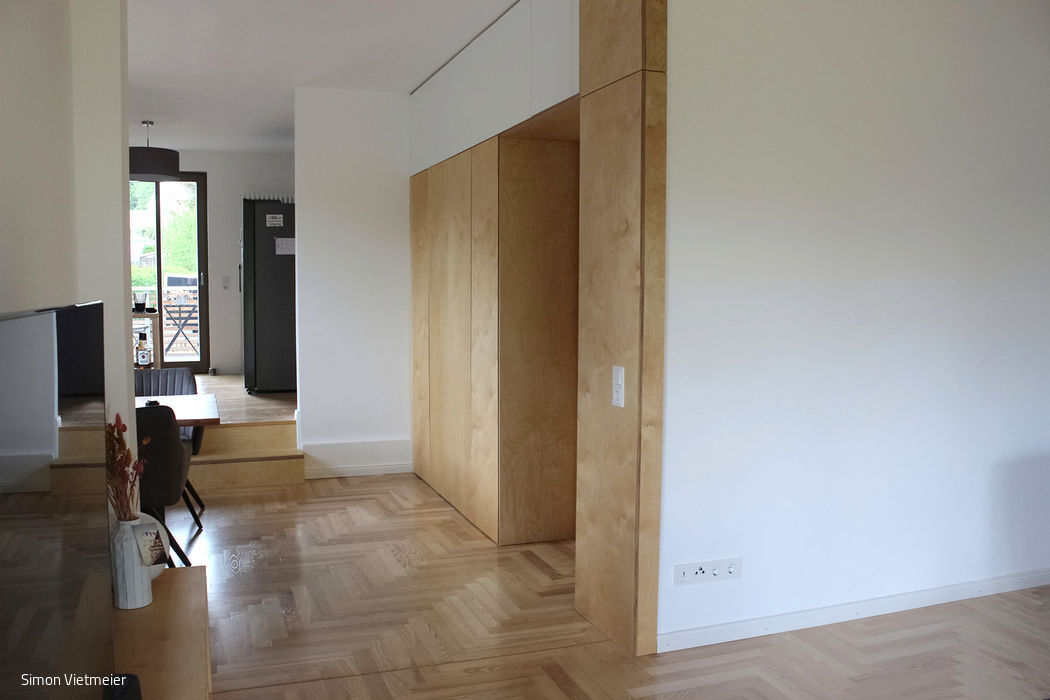
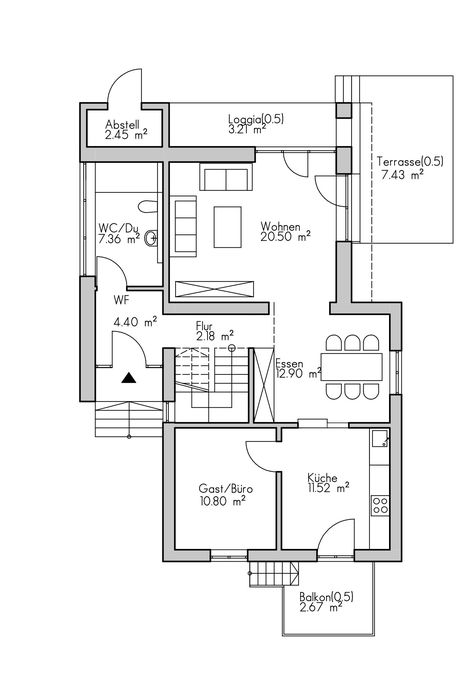
The first step was removing a 1960s addition and replacing it with a more substantial extension. Strategic repositioning of doorways preserved the original rooms while improving their function. Beneath one of the historic rooms lies a crawl space opening to the garden. Its timber ceiling was reinforced and reset lower, reducing the step difference between the floor and garden by two levels. A ground-floor extension would have been impractical given the location in a floodplain with variable water levels, so the new structure was built on pilings. The slightly recessed dining area now bridges the kitchen – at the original level – and the new 20 m² living space, which flows seamlessly onto a wooden deck terrace overlooking the garden. This south-facing arrangement creates a naturally integrated sequence of spaces. Deceptively simple in concept, the execution demanded meticulous problem-solving: a redesigned staircase fitting within tight confines, reinforcement of existing cracks, and careful planning of the L-shaped annex that accommodates a vestibule and bathroom. The extension's Alucobond facade complements rather than competes with the original structure. Throughout, preservation was prioritized: original spatial proportions maintained, new windows and wooden floors installed to period standards, wooden fixtures finished with natural oils, and low-emission materials specified – lime plaster and mineral paints inside, wood-fiber insulation above. The heating system, currently a gas condensing boiler, is designed for future adaptation: photovoltaic panels can be added, or the system upgraded to alternative energy sources.
simon.vietmeier@gmx.de
Photography Credits:
Simon Vietmeier
(Published in CUBE Ruhregebiet 02|22)


Where Inside Meets Outside
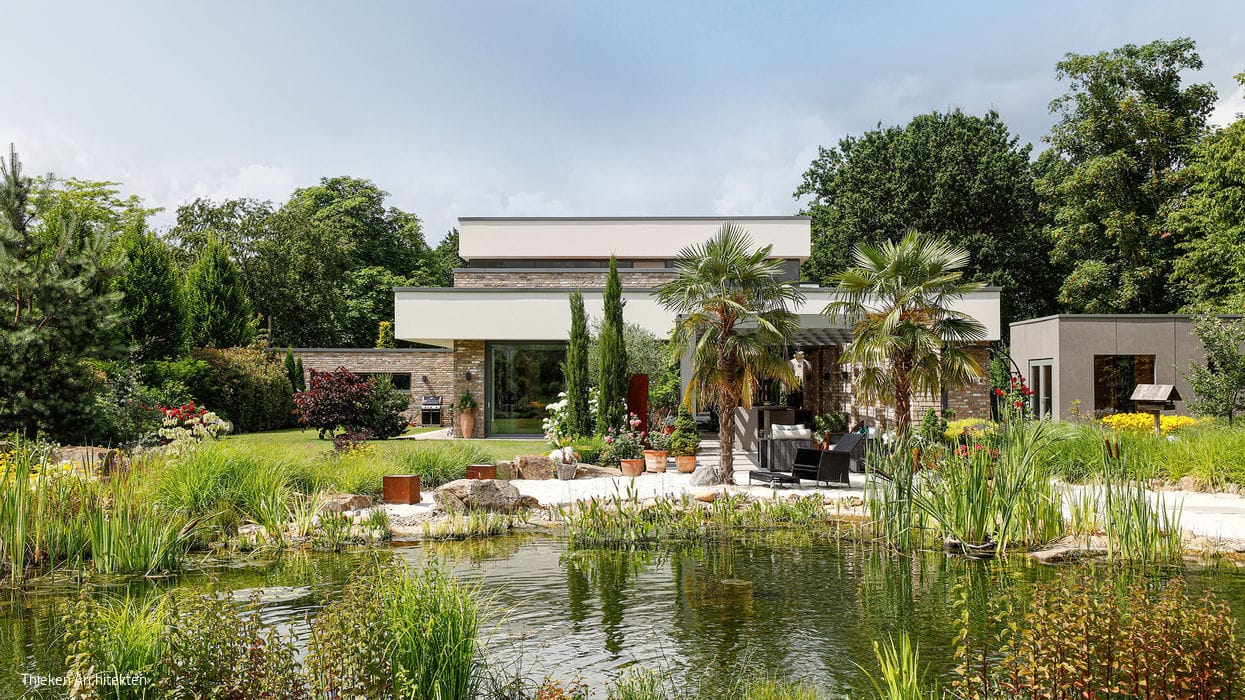
Mediterranean warmth paired with clarity of form
Agent Commission – Double or Nothing?
Sections 656b to 656d BGB
Striking Contrasts
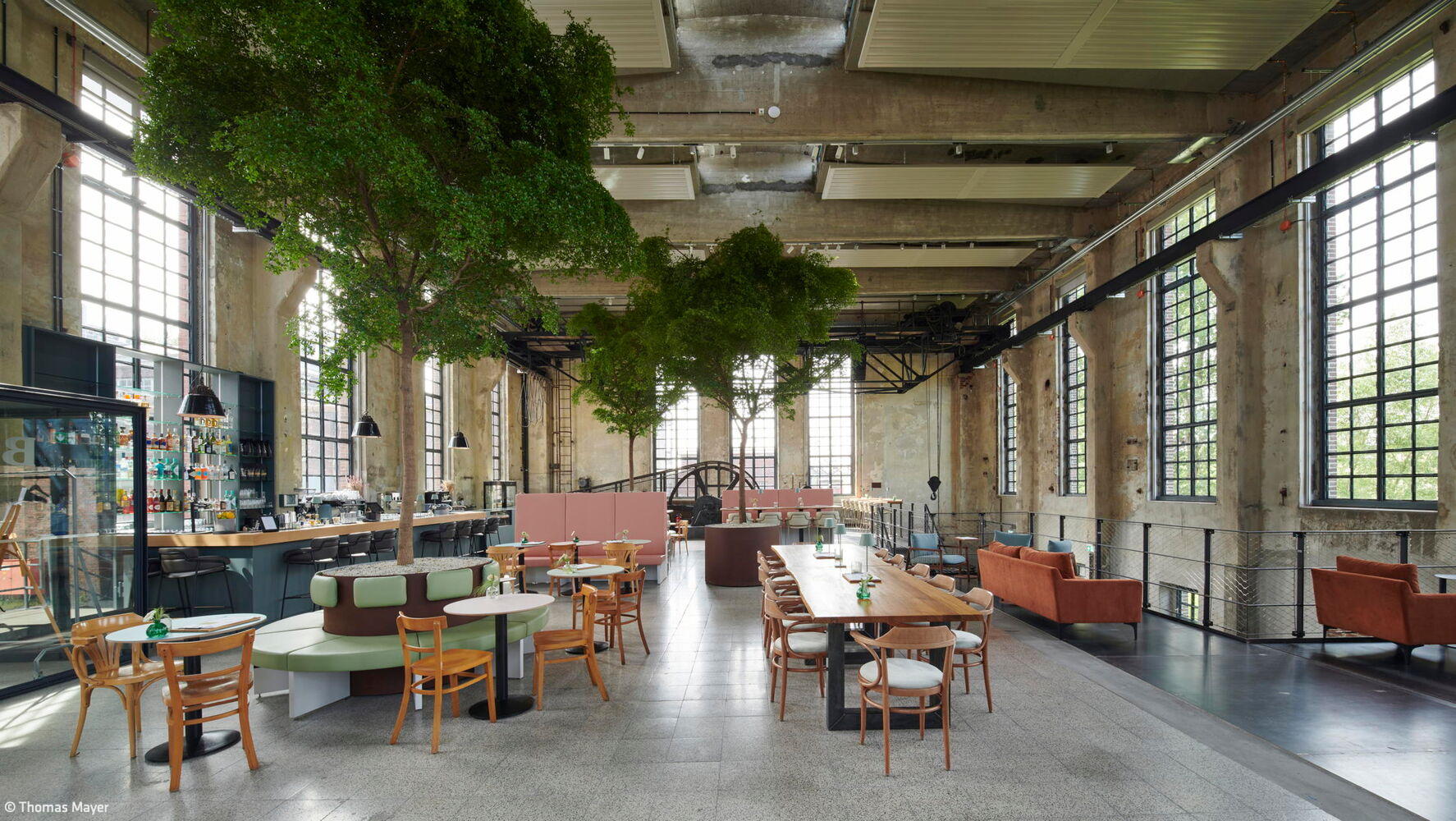
The former gas cooling plant of the Hansa coking works now hosts an exceptional culinary experience.
A Distinctive Collection
New Building Completes the Modern Urban Quarter "Duisburger Freiheit"