


Exposed wood instead of exposed concrete
Solid wood construction delivers faster timelines and dramatically lower carbon footprint for residential projects
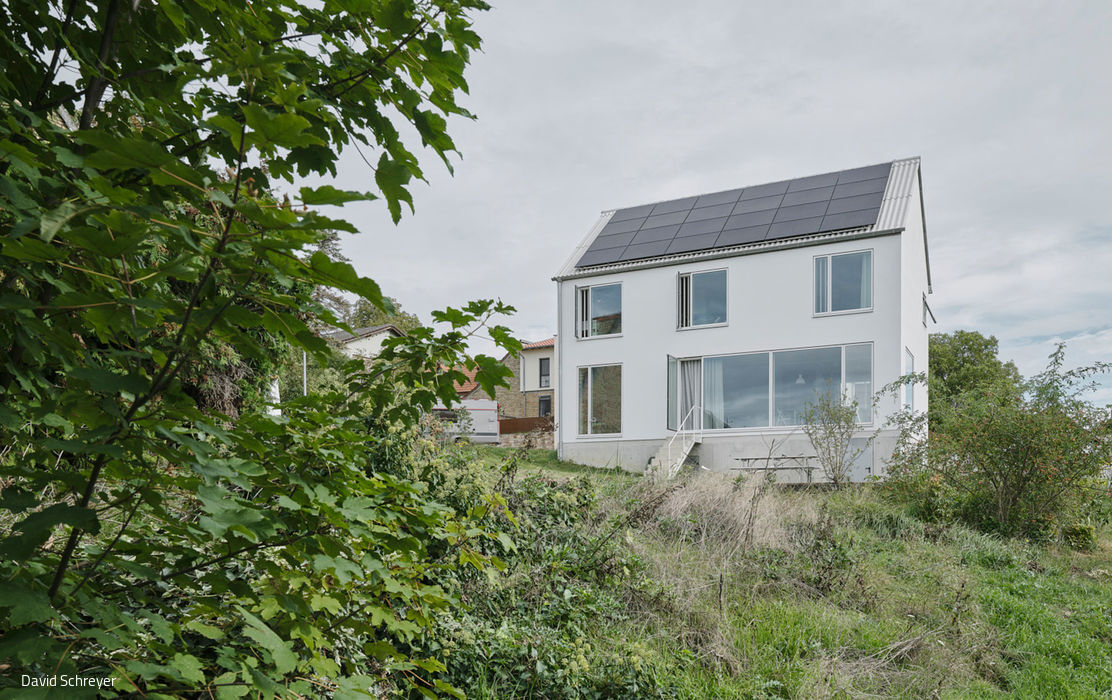
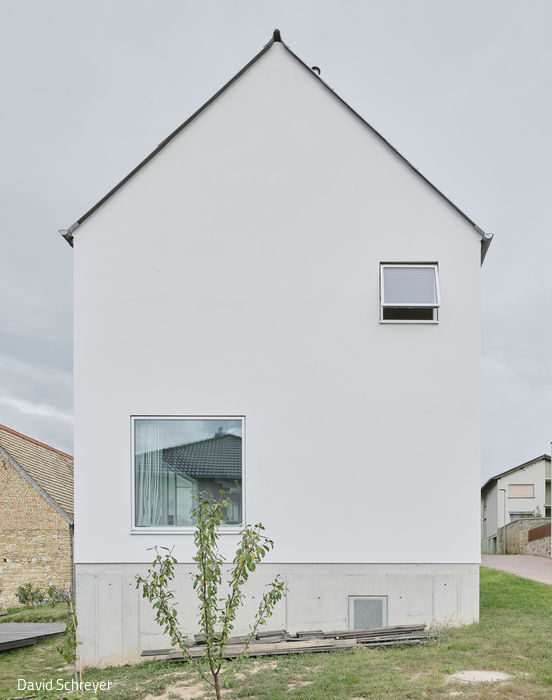
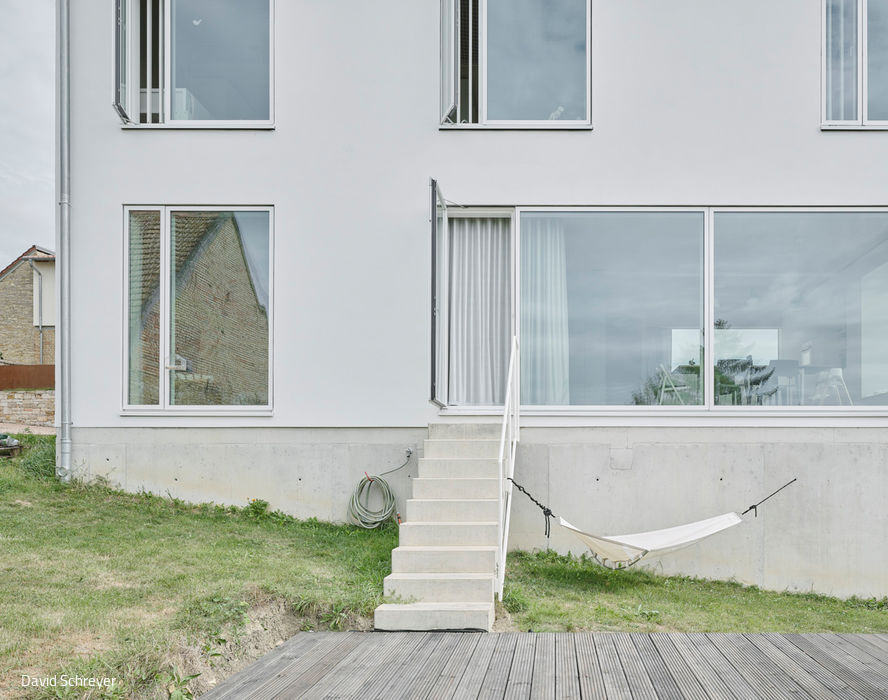

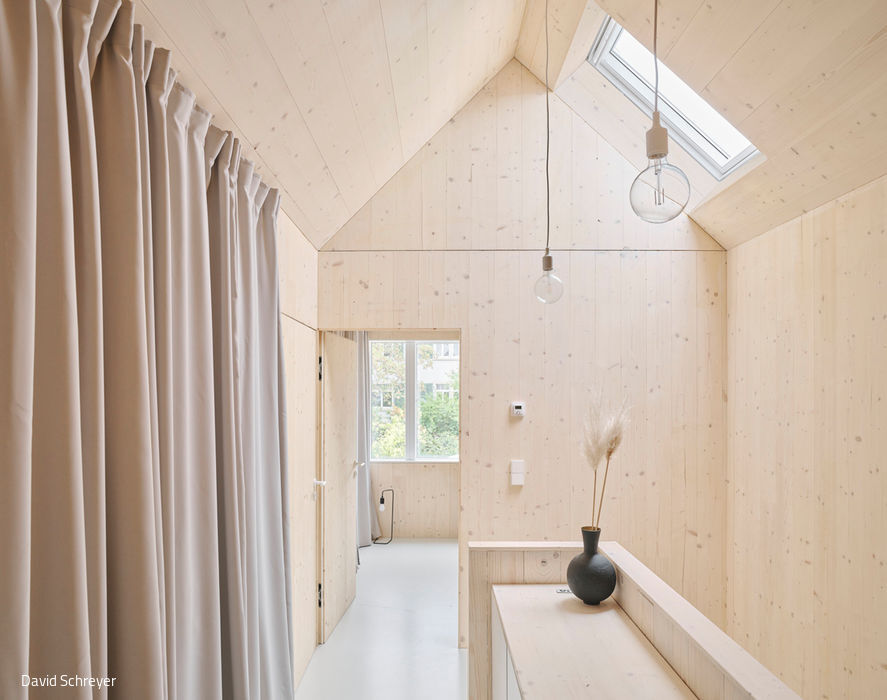

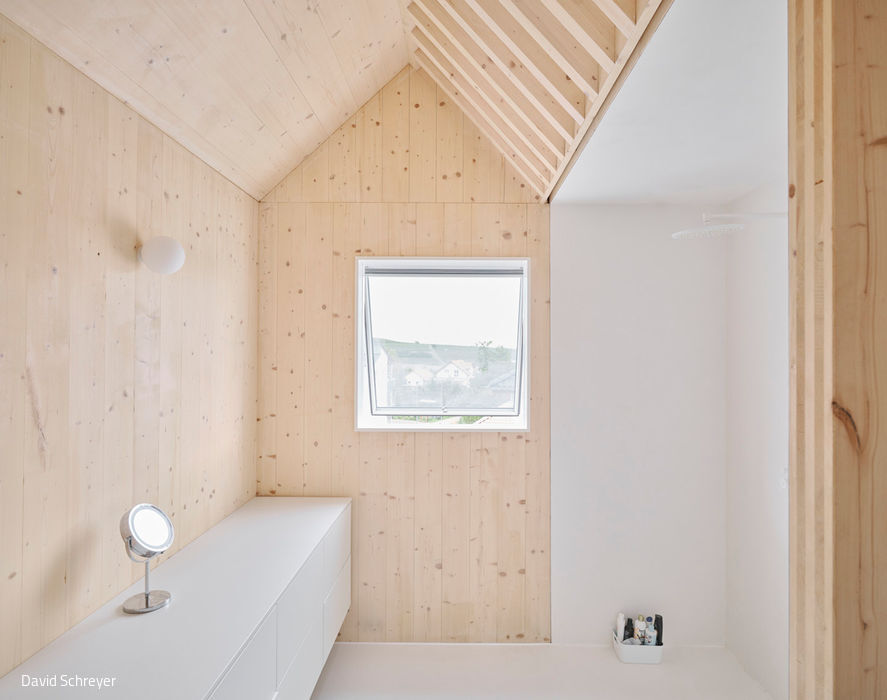


A family home for four near Mainz beautifully demonstrates how sustainability, cost efficiency, and aesthetic appeal work together. Perched on gently sloping land at the edge of a rural community, this timber-framed structure—crowned with a pitched roof of cross-laminated timber—rises above a robust concrete foundation. Its white felt plaster façade is punctuated by windows set nearly flush with the surface. The natural slope also created a sunken outdoor space, accessible from the living area by a concrete staircase.
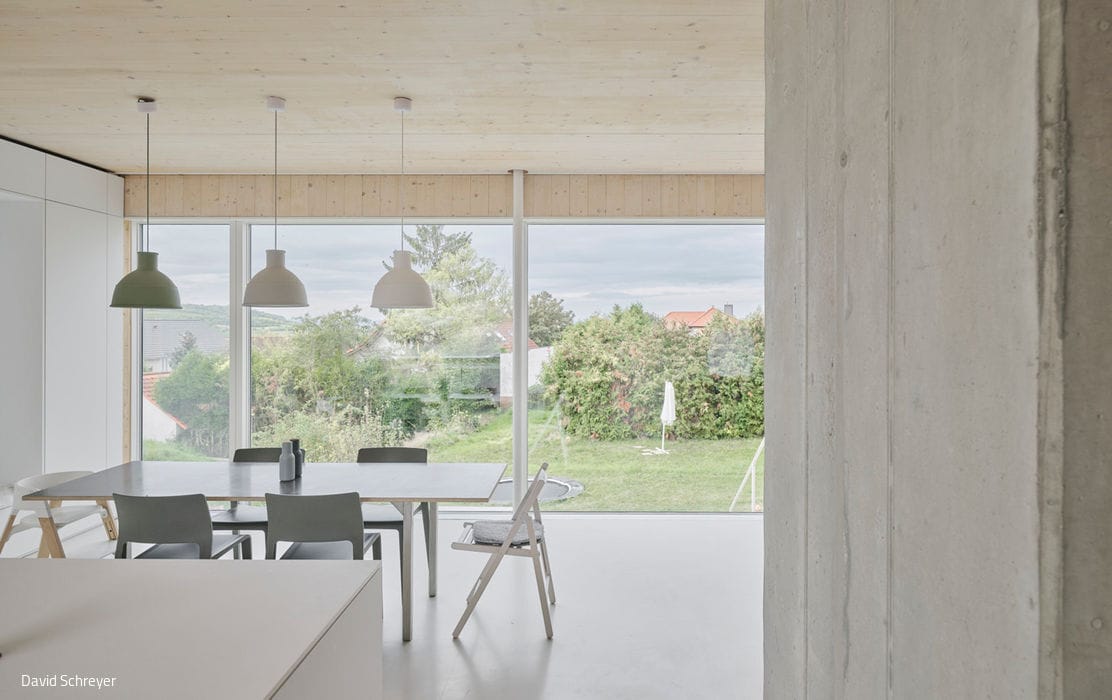
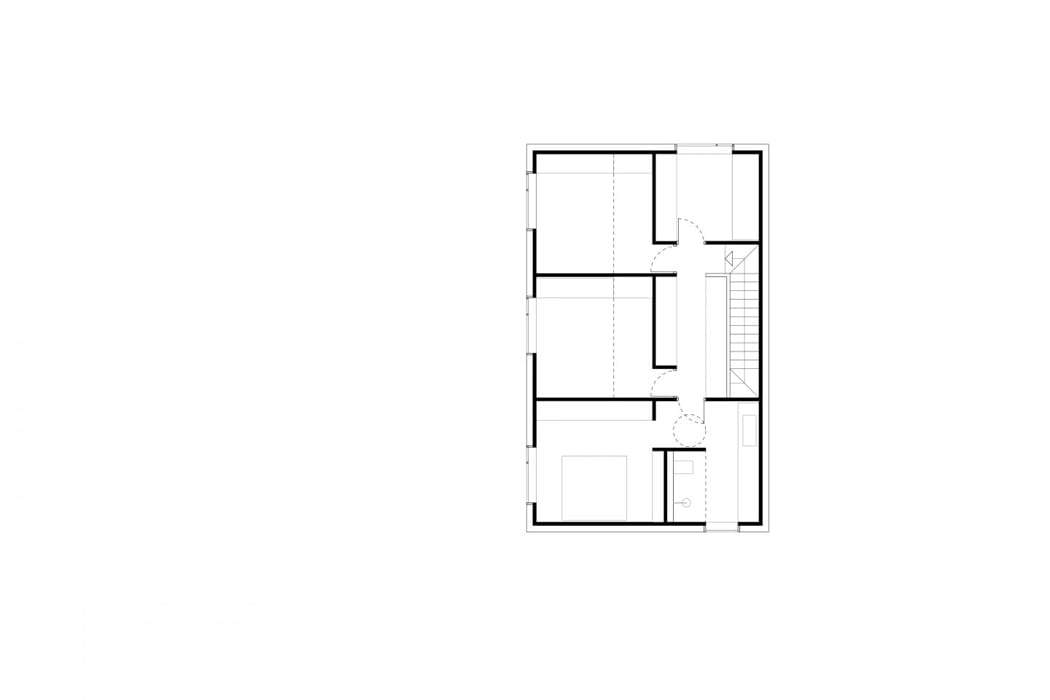
Initially, the clients envisioned a conventional concrete structure with exposed surfaces and a fully finished basement. However, architects Marc Flick and Fröhlich Gassner persuaded them to embrace solid wood construction instead—a decision that proved both faster to build and significantly more carbon-efficient. In place of exposed concrete came exposed wood, though one concrete element remained: a robust concrete core at the heart of the clearly organized floor plan, oriented toward the garden on the south and west sides. This core serves dual purposes—structurally essential and climatically intelligent. Its thermal mass absorbs heat during the day, naturally regulating interior temperatures. All walls and ceilings were constructed in solid wood and left in their raw, natural state, delivering multiple benefits: exceptional thermal performance, enhanced indoor air quality from the cross-laminated timber, and notable cost savings. The construction method itself is straightforward, with prefabricated surfaces arriving job-ready. The basement, consisting of concrete alone, remains unheated and functionally separate—a common approach for rural homes, accessible only from outside and not part of the thermal envelope.
The flooring is rubber. Smart, compact rooms feel generously proportioned—the windows and spatial geometry make all the difference. "Our core vision was designing a genuinely sustainable home," explains architect Marc Flick. "The timber frame and soft wood fiber insulation are key, but so is our commitment to leaving everything exposed and eliminating unnecessary layers."
www.marcflick.de
www.f-g-architekten.de
Photography Credits:
David Schreyer
www.schreyerdavid.com
(Published in CUBE Frankfurt 01|24)
Historic & contemporary
The Crespo House: Renovation and Expansion Reimagines a Landmark in Frankfurt
Modern Can Be Cozy Too
A single-storey home brimming with character

Vibrant as Life Itself
A model for sustainable, space-efficient housing in Nordend
Award-Winning
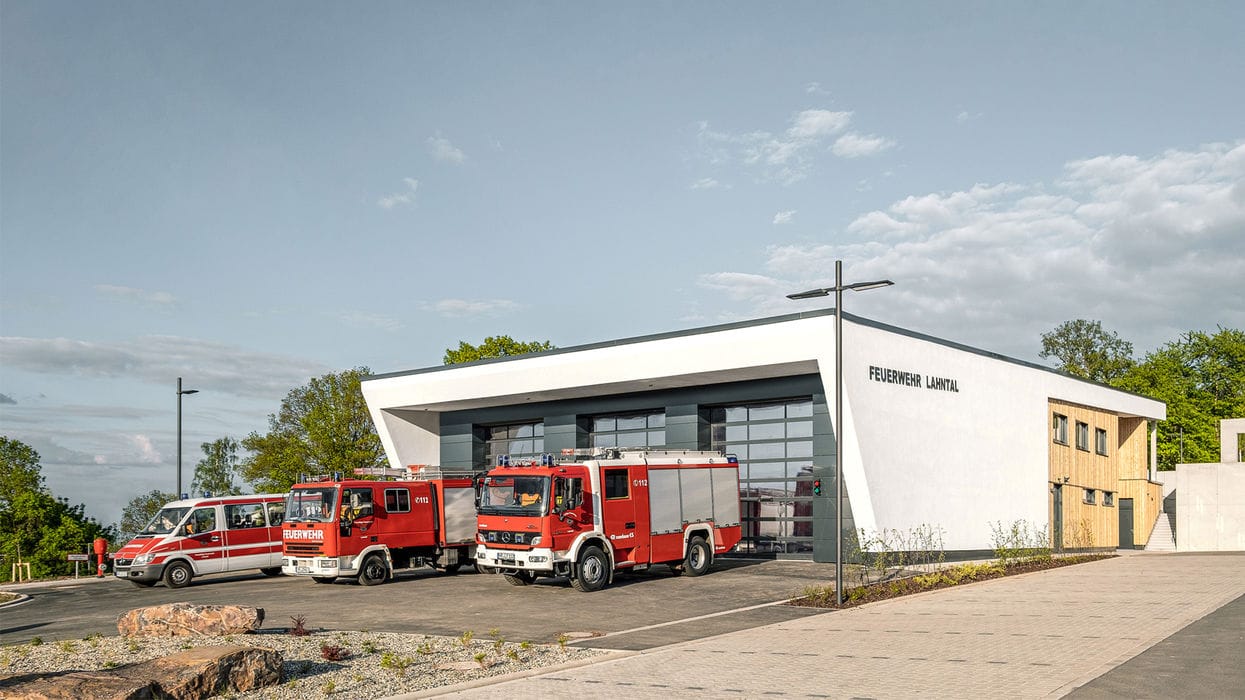
Germany's first DGNB-certified fire station rises in Hesse