


Serene & Harmonious
Classically modern architecture defined by clean lines and crisp forms, paired with a functional floor plan that embraces universal design principles.
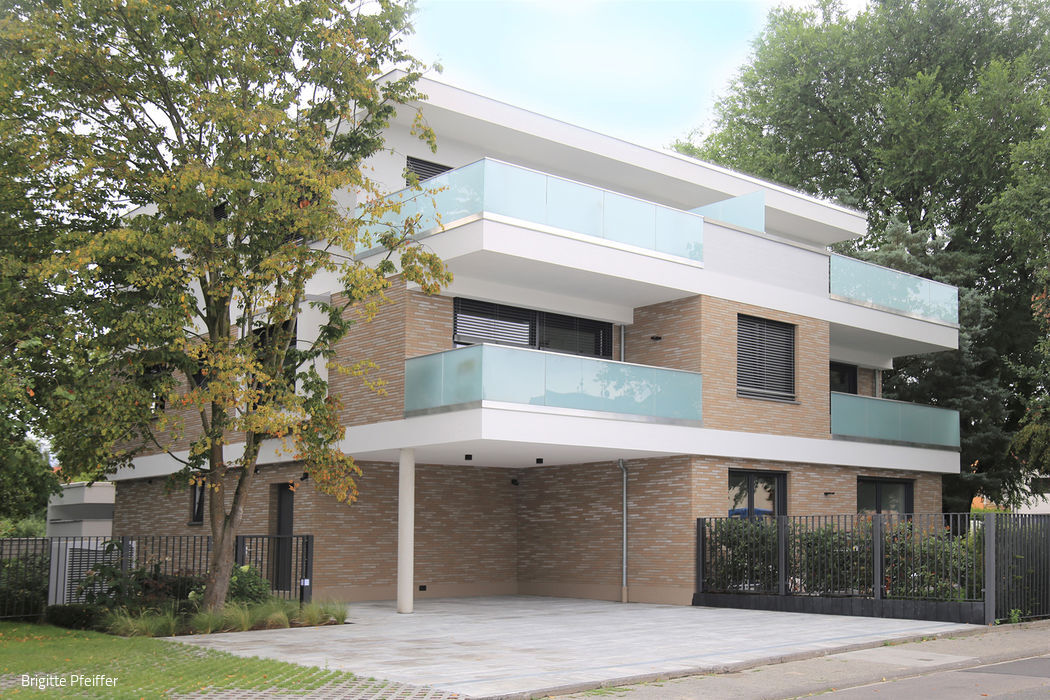
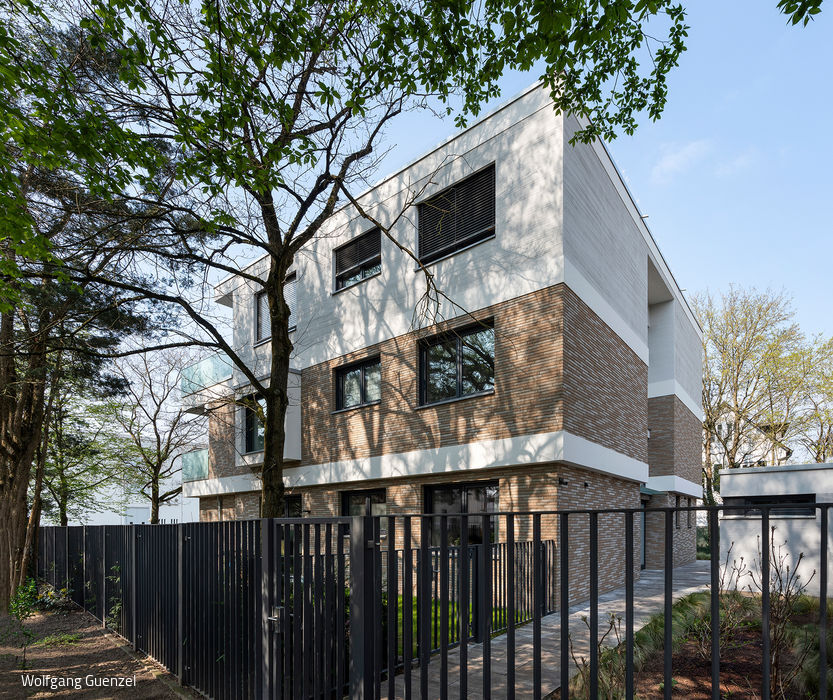
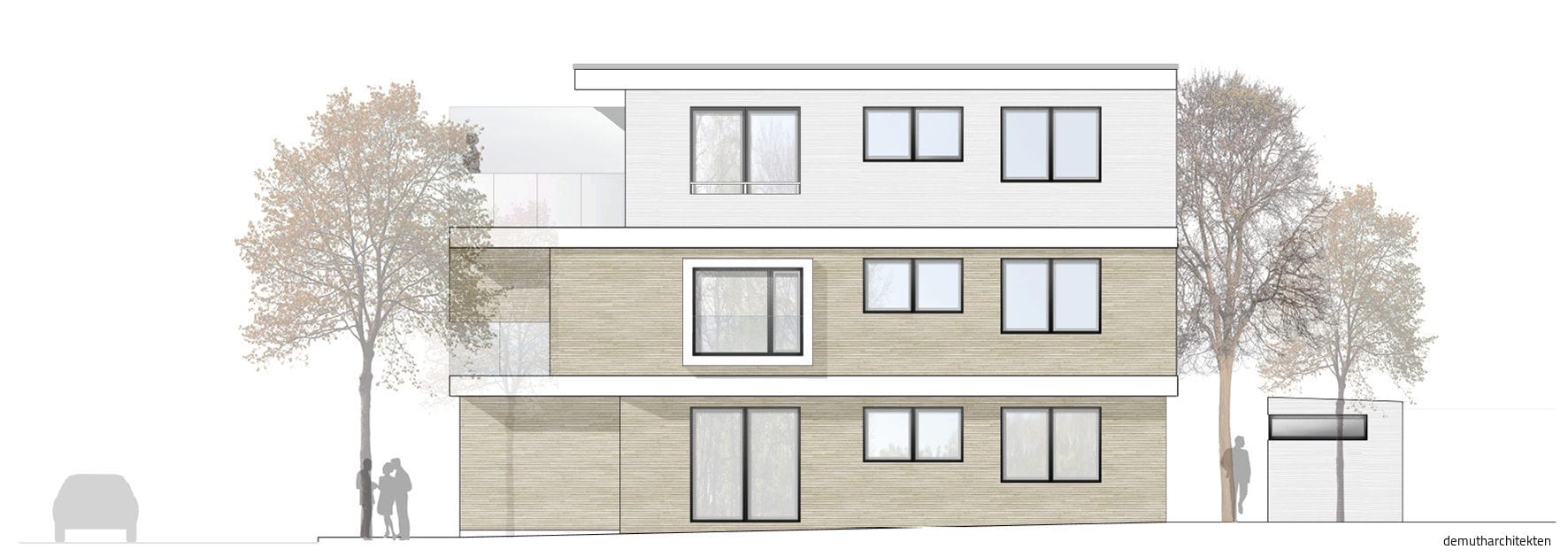
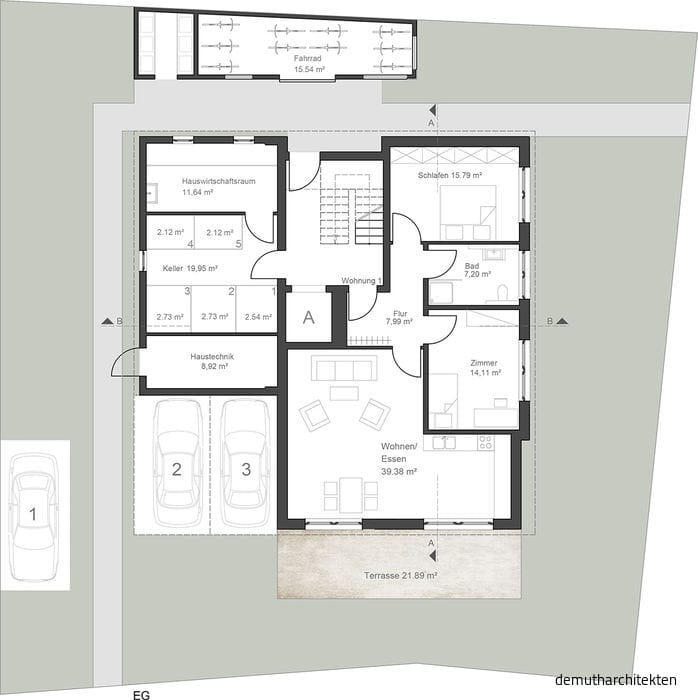
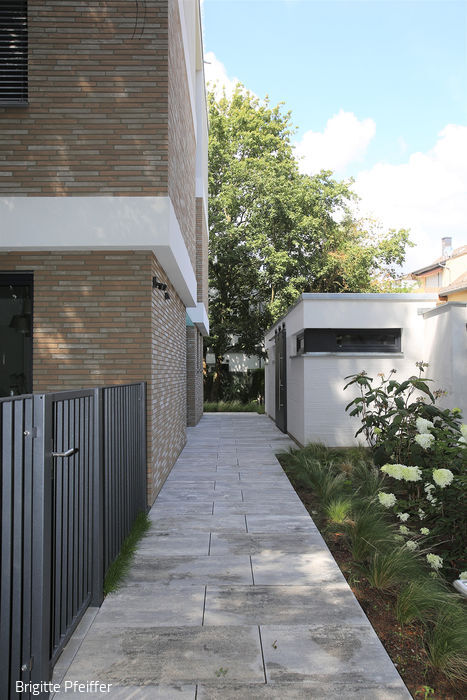
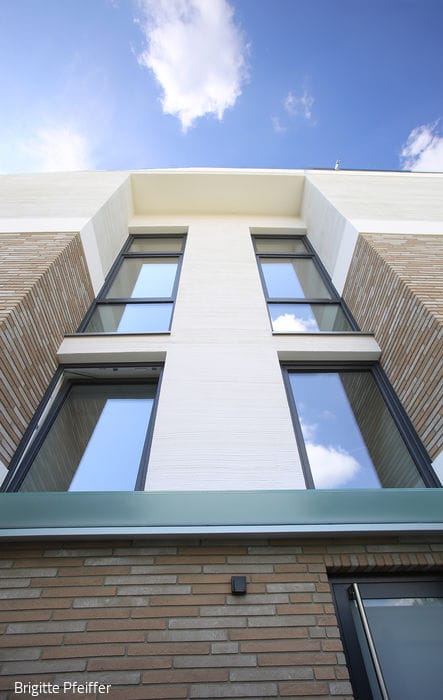
A building plot in Offenbach sits nestled against a park, with a one-way street on one side and established residential architecture that defines the neighborhood on the other. When the Offenbach-based firm demutharchitekten took on this multi-story project, they faced a clear brief: preserve the site's peaceful character for future residents while creating apartments that prioritize comfort without unnecessary square footage. The clients themselves envisioned classically modern architecture—clean lines, pure geometry—combined with a practical, accessible floor plan that would welcome residents of all abilities.
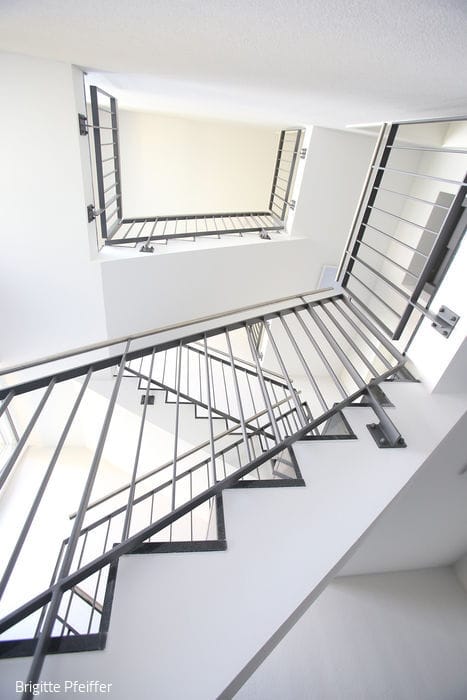
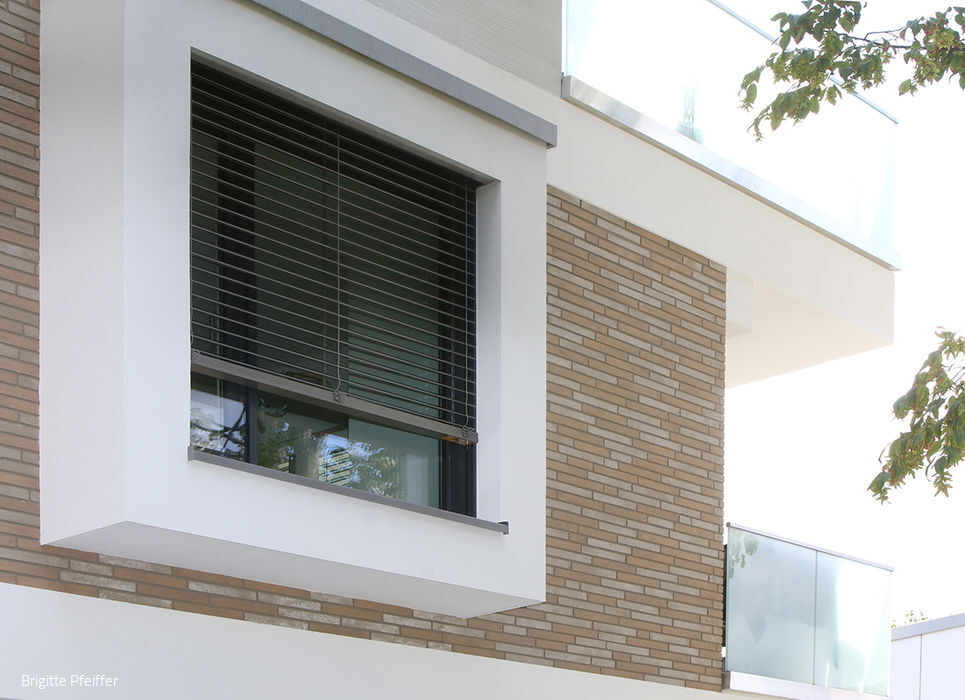
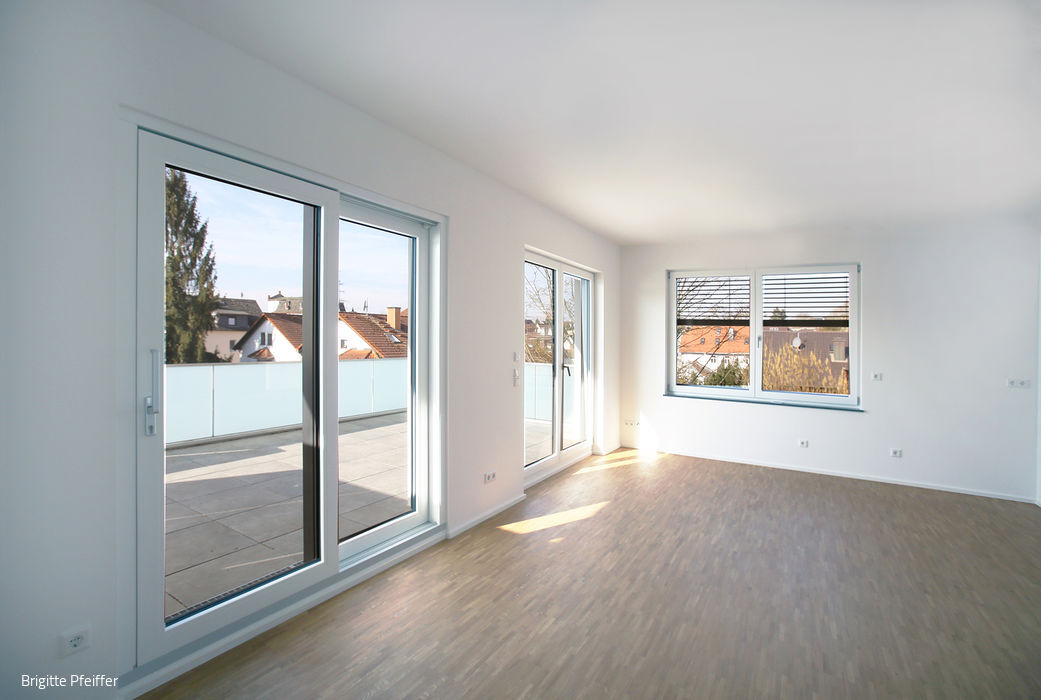
The result: a five-unit residential building with complete barrier-free access, including a wheelchair-accessible elevator. "Modern materials and refined finishes define the structure," notes Felix Demuth. "The surfaces create a harmonious palette in both color and texture, while bay windows on the east and west elevations frame views of the surrounding greenery." A stairwell clad in dark natural stone connects the living spaces. "Within a modest footprint, each unit delivers everything required of contemporary living. There are no bathtubs—instead, spacious accessible showers designed for residents with mobility considerations." The generous living-dining zone flows into an open kitchen. Added bonuses: south-facing balconies, expansive roof terraces, and private garden access from the ground floor unit. The street-facing façade reads as solid and private, shielding residents from the outside. Throughout the interiors, the architects selected natural stone and wood—dark tiles for the bathrooms, light oak parquet for the living spaces.
The project tested the architects' problem-solving skills: the developers had acquired the land from the city of Offenbach, which retained approval rights over the design in the purchase agreement. This required careful coordination with the city planning department, though the final result earned their enthusiastic endorsement. Because the historic course of the Bieber river runs immediately adjacent to the site, groundwater considerations eliminated basements from the plan.
Rejecting composite thermal insulation systems altogether, the team settled on Poroton masonry with reinforced concrete slabs. Underfloor heating powered by an air-to-water heat pump keeps the building efficiently warm.
Photography Credits:
Brigitte Pfeiffer
www.fotostudio-pfeiffer.de
Wolfgang Günzel
www.guenzel-rademacher.de
(Published in CUBE Frankfurt 02|21)

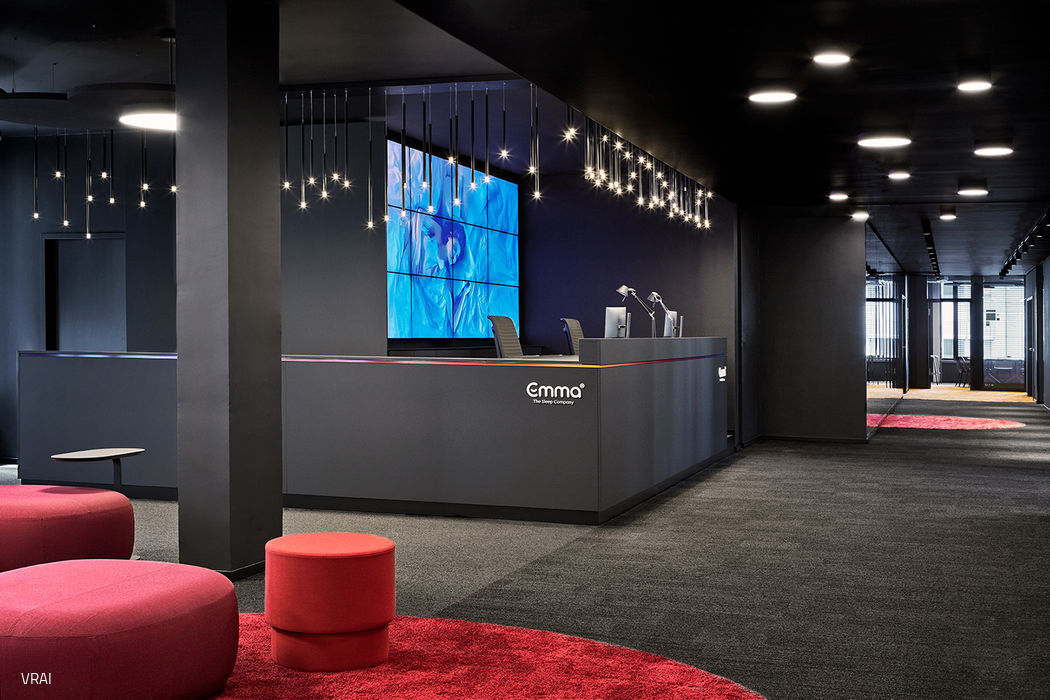
Reaching for the Stars
How a Mattress Maker's Office Design Mirrors the Rhythm of a Perfect Night

Shift in Atmosphere
A 1970s villa transformed into a warm, intimate home in record time.

Ciao Milano
Italian elegance takes flight: new offices on upper floors bring Milan's spirit to Frankfurt
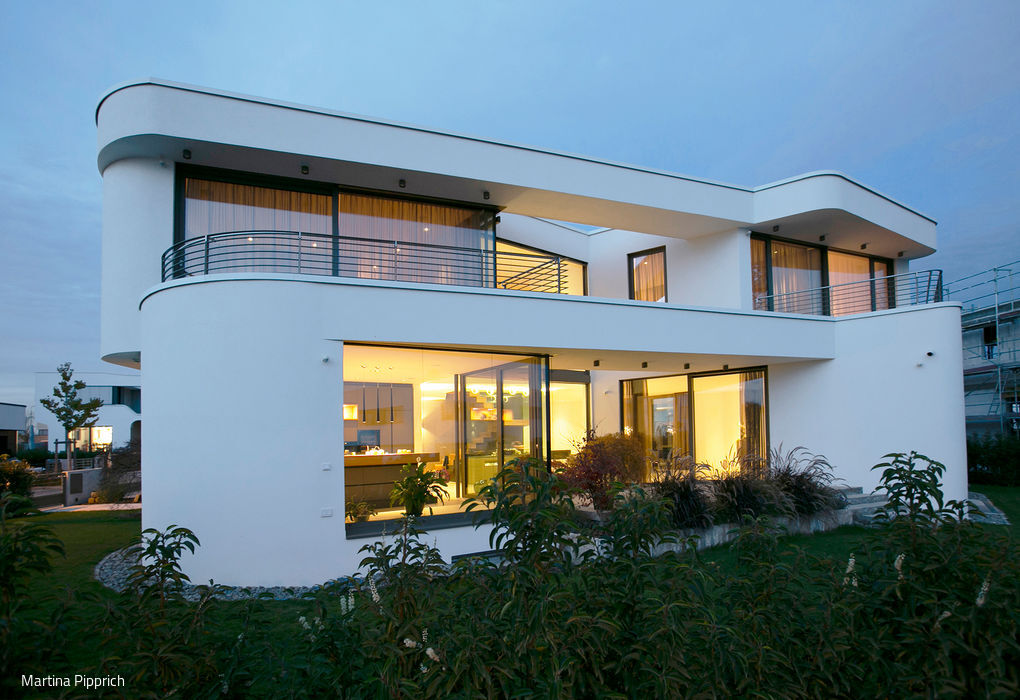
The Curve Miracle
Following these design principles, a villa exemplifying "organic design" took shape on Riedberg.