


Curves Meet Edges
A research centre cafeteria that brings clarity and opens space for fresh thinking
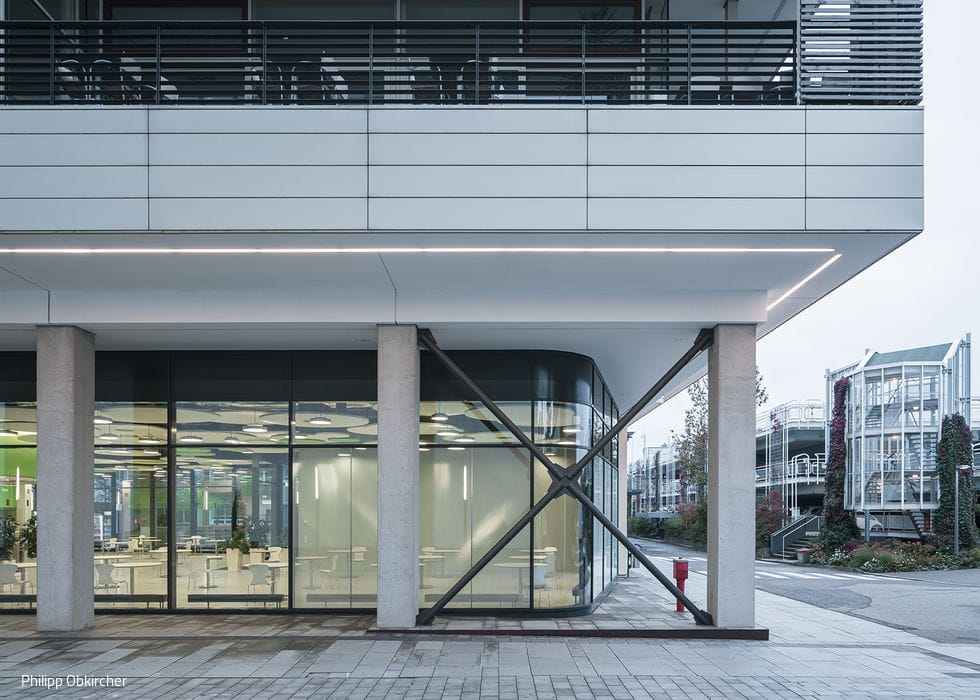
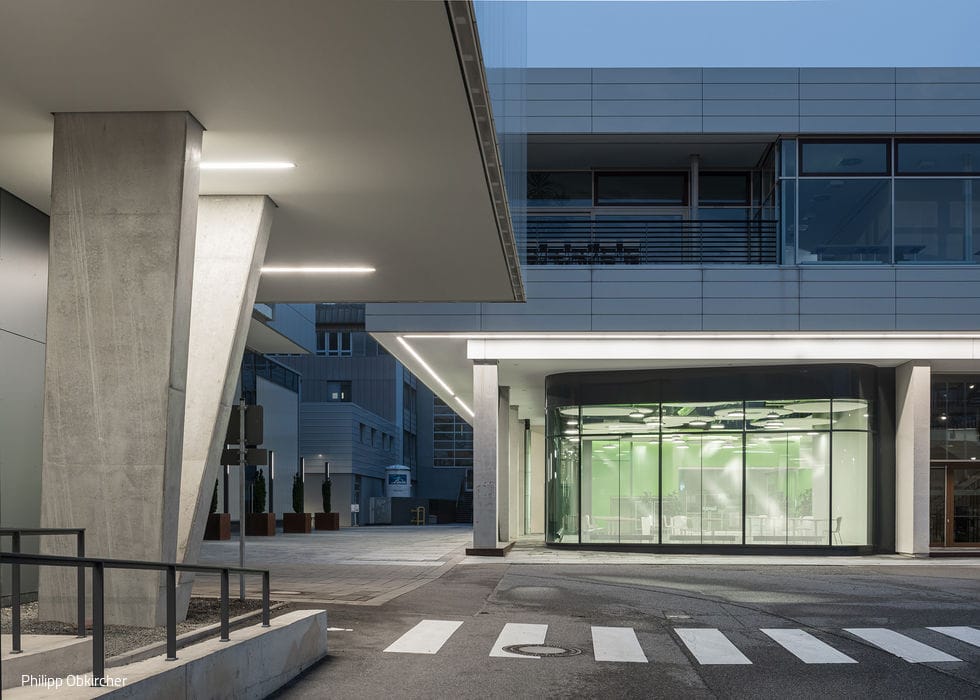
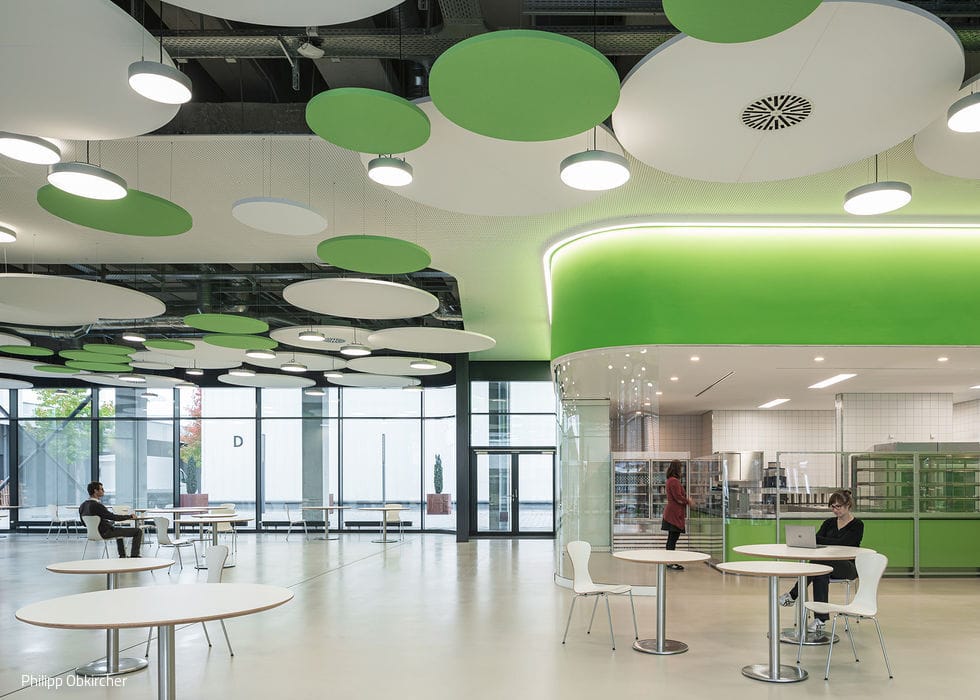
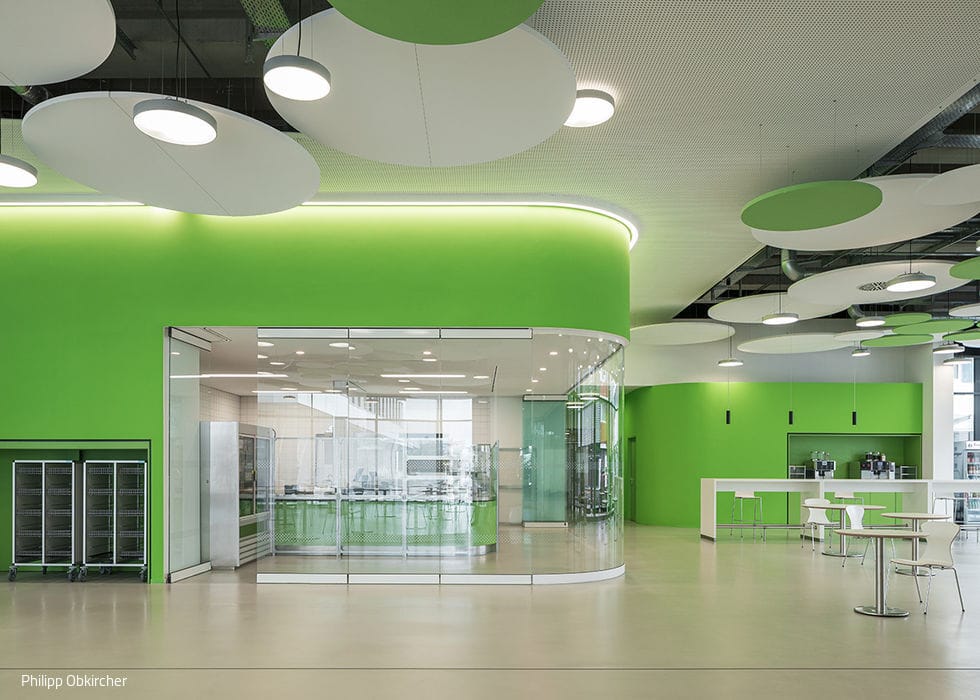
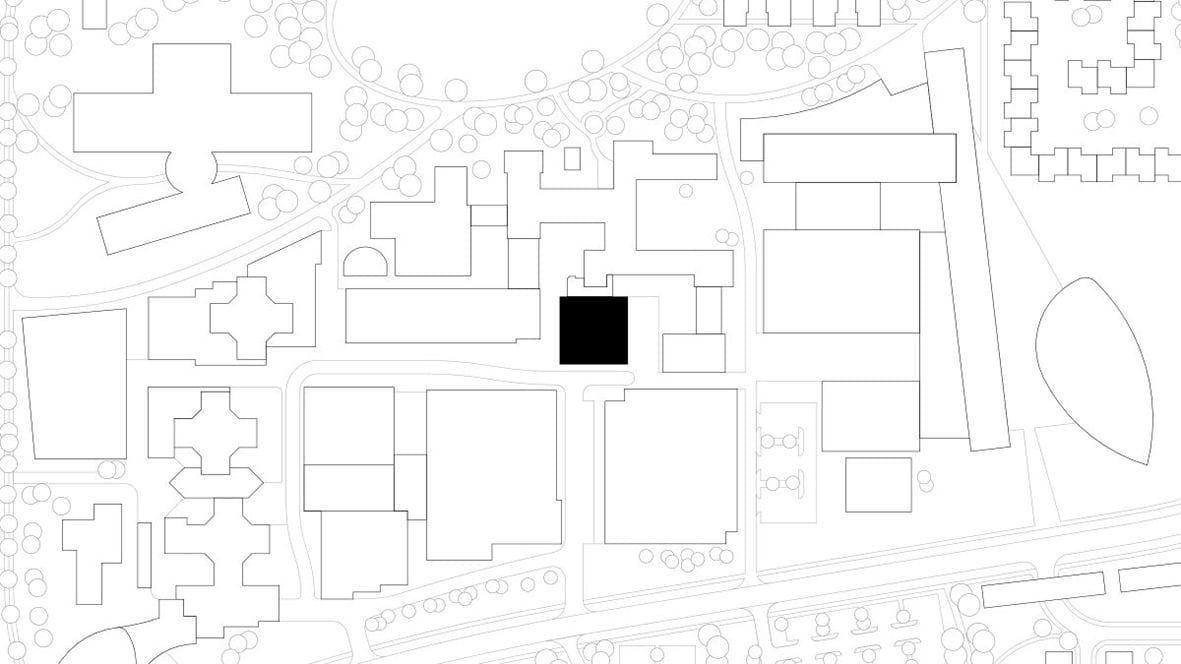
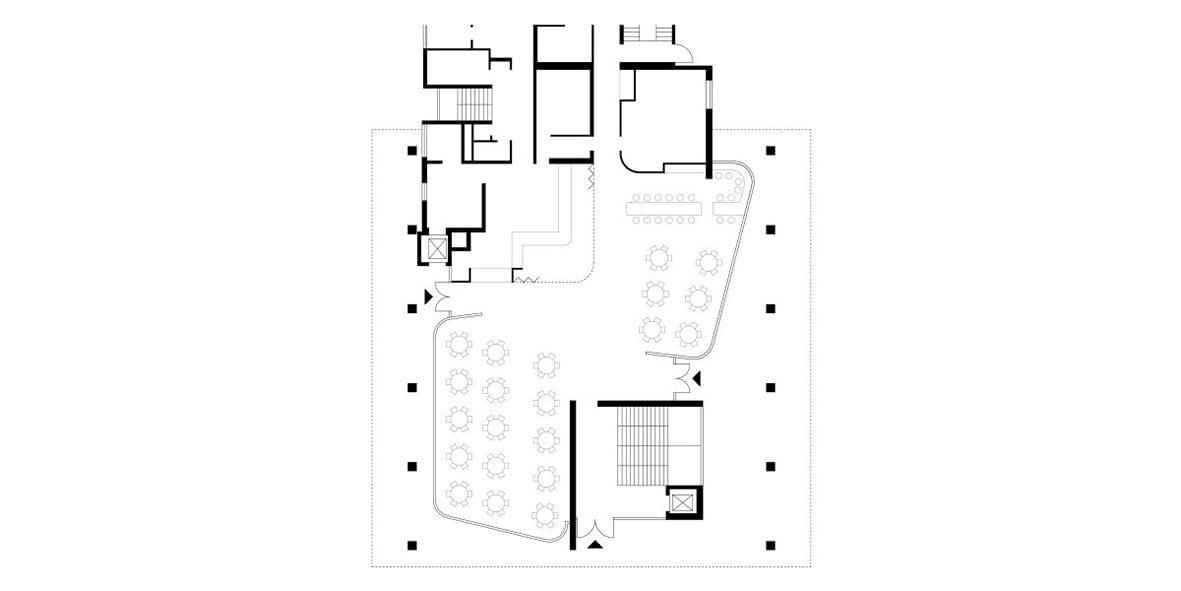
The Fraunhofer Institute Centre ranks among Germany's largest research facilities. With its workforce having quadrupled, the cafeteria demanded urgent expansion. Sehw Architektur completely reimagined the guest area—a building that had grown dated in both function and aesthetics—to provide more seating and greater operational flexibility. The old ground-floor cafeteria was demolished and replaced with an open-plan café landscape whose curved lines create a distinctive break from the existing architecture.
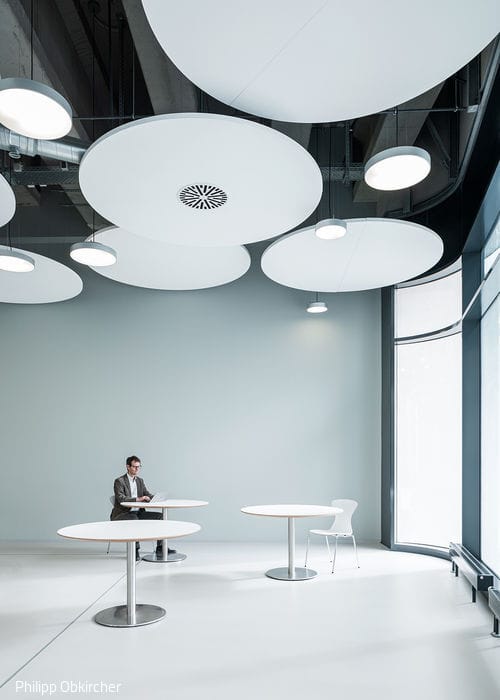
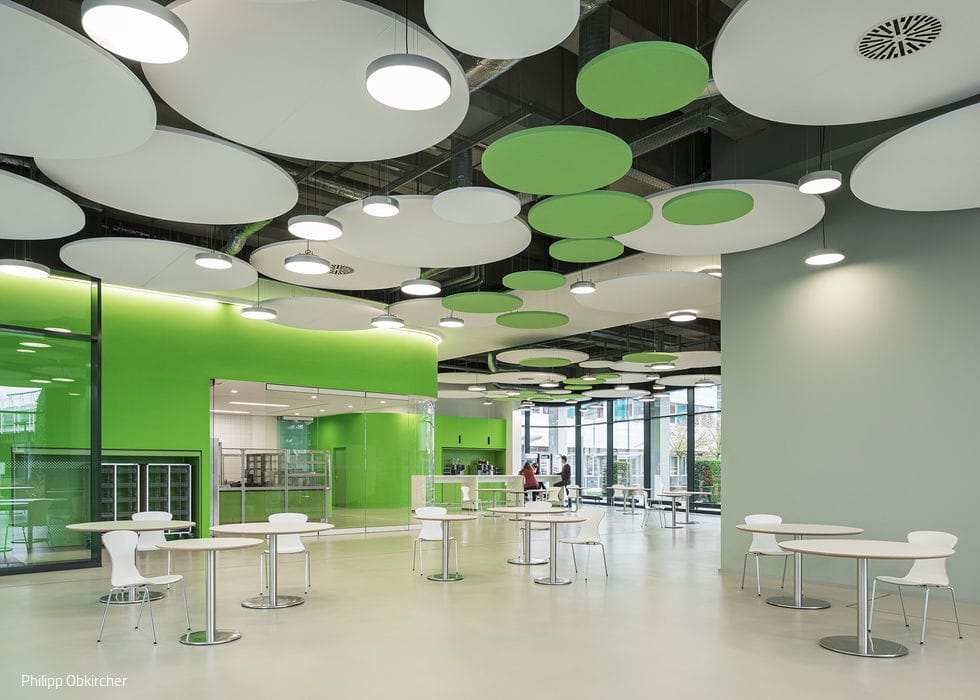
The renovation presented an unusual starting point: the original single-storey cafeteria from the 1980s had later been built over by a canteen structure. From day one, the architects decided to demolish both original buildings and create an entirely new space using a post-and-beam façade, with the existing canteen serving as the ceiling and the basement as the base slab. The ceiling structure with its striking prestressed concrete beams was deliberately left exposed to preserve the spatial experience of the room's 6+ metre height. However, freely suspended ceiling panels of varying diameters and heights allow the beams to recede visually. The generous volume, generous use of vibrant green, carefully placed lighting, and flowing forms consciously distance visitors from the workplace environment—creating breathing room for creative thinking.
The cafeteria's rounded forms establish its distinct identity, contrasting sharply with both the surrounding buildings and the geometric language of the canteen above. Their purposes diverge equally: the upper level must efficiently serve over 1,000 people daily, while the ground-floor cafeteria functions as an inviting space for lingering and spontaneous exchange. Different zones establish distinct atmospheres: a coffee counter area stands apart from ceiling-sail-framed seating zones and circulation corridors, where acoustic perforated ceilings enhance sound quality.
"Structurally, the project presented significant challenges," notes Hendrik Rieger, managing director of Sehw Architektur. "We had to account for differential settling and vibration in the components, with no direct fastening possible on the prestressed concrete beams. Installing the systems and ceiling panels within these constraints required considerable ingenuity." Despite these complexities, the result achieves a refined architectural language throughout—one that generates a fresh spatial quality while the rounded geometry and deliberate colour palette lend character and a strong sense of identity.
Photography Credits:
Philipp Obkircher
www.philippobkircher.de
(Published in CUBE Stuttgart 01|21)


Spatial Versatility and Function
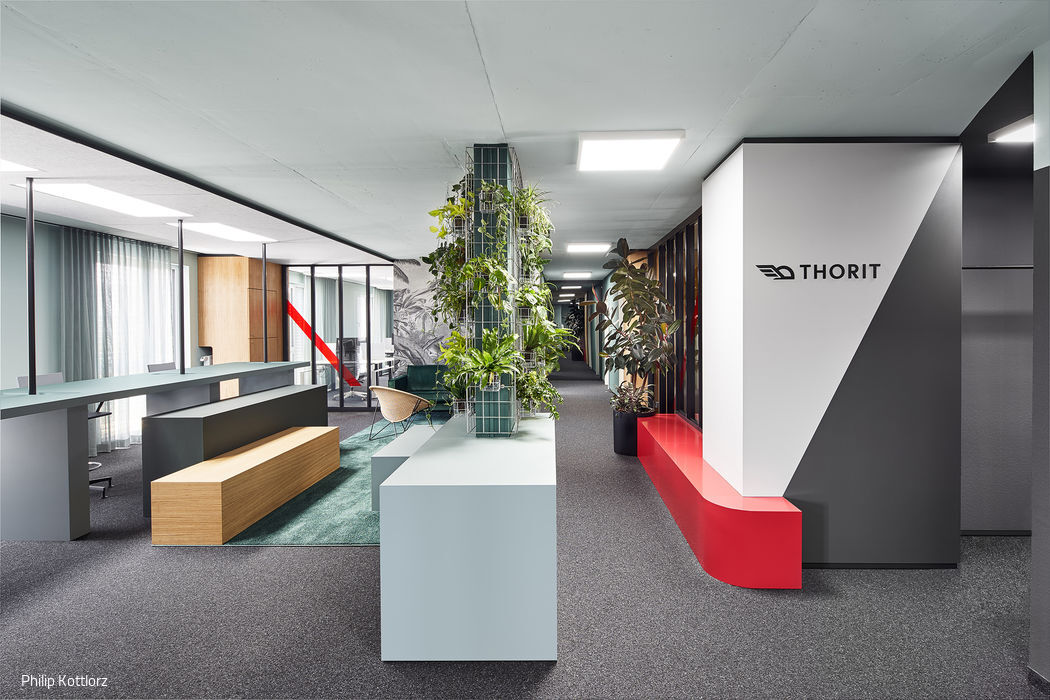
A Custom-Built New Work Environment for a Technology Agency
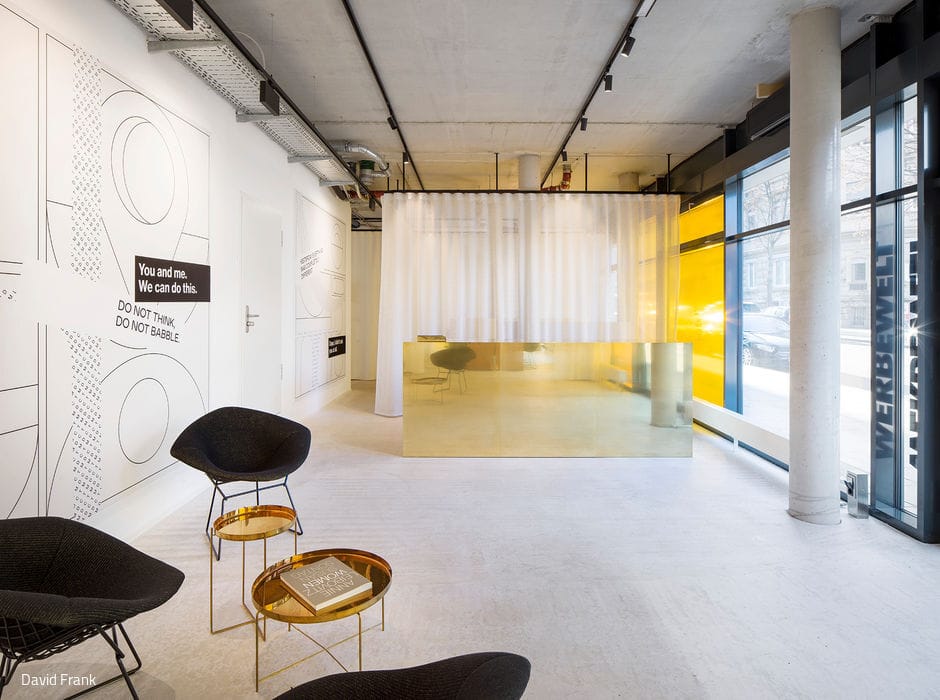
Multifunctional and Flexible
An advertising agency designed to transform—from urban workspace to inspiring event venue
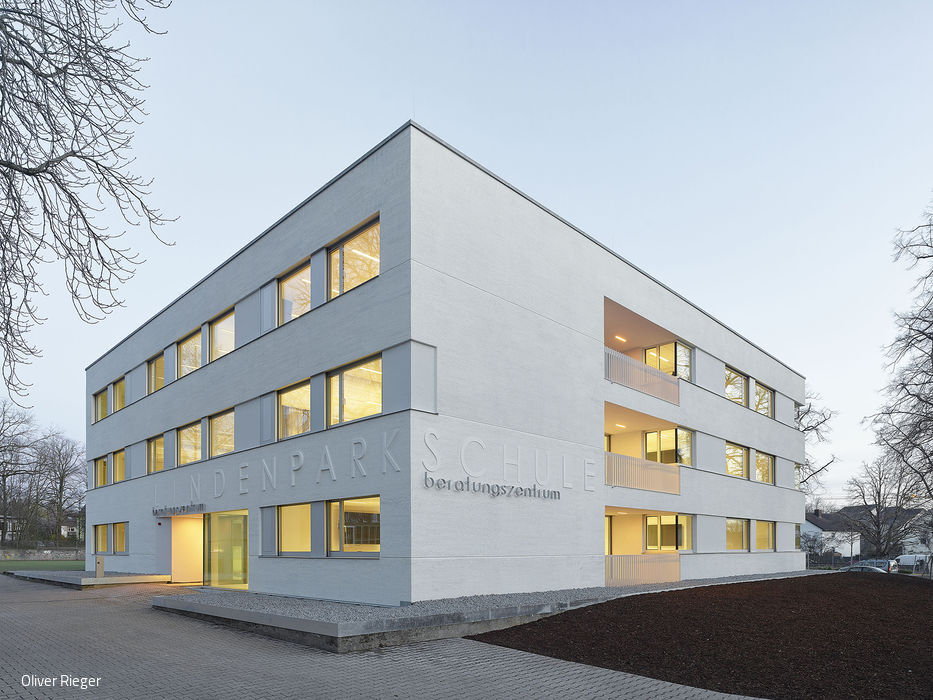
Preserve and Illuminate
A compartmentalized 1975 boarding school transforms into a dynamic hub for counselling and learning
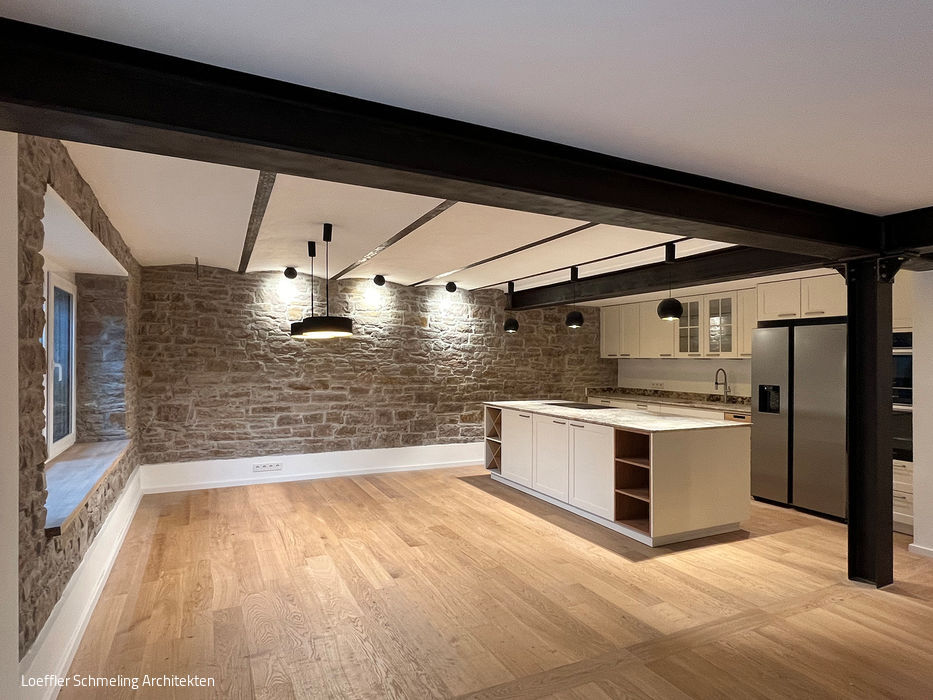
Valued and Cherished
Breathing new life into a heritage structure while preserving its essential character