


Acoustic Planning from Day One
How strategic design decisions can dramatically enhance acoustic performance in built spaces

CUBE: Why is improving room acoustics so important? Put differently – does modern architecture inevitably create acoustic challenges?
Steffen Riedmann: I'd like to broaden the perspective here. Looking back at human evolution, we developed our hearing in open environments – steppes, forests – with no walls to bounce sound back to us. Our ears evolved to process direct sound without reflections. That's precisely what we're trying to recreate in interior spaces: using technical solutions to prevent the sound I produce from returning to me as reverberation. We're essentially simulating the acoustic environment in which human hearing developed over millennia – the conditions where our auditory system performs best. Throughout our evolutionary history, we simply never adapted to managing reflected sound.
So it's more comfortable when we don't hear that reflected sound?
Exactly. While our ears haven't biologically adapted to it, we've definitely grown accustomed to it. You notice this when you walk into a room and sense something's off – but can't quite identify what. Odds are, it's the acoustics.
Can acoustics be improved after a space is built? Or should it be factored in during construction?
Building acoustics into the planning phase from the start offers distinct advantages – both cost-wise and in terms of available solutions. You certainly can retrofit acoustic improvements later, though some situations – limited room geometry or specific uses – make meaningful improvements challenging. The takeaway? It's always smarter to integrate acoustic design from the beginning.
What determines whether a room feels acoustically comfortable? Should I prioritize material selection or spatial design?
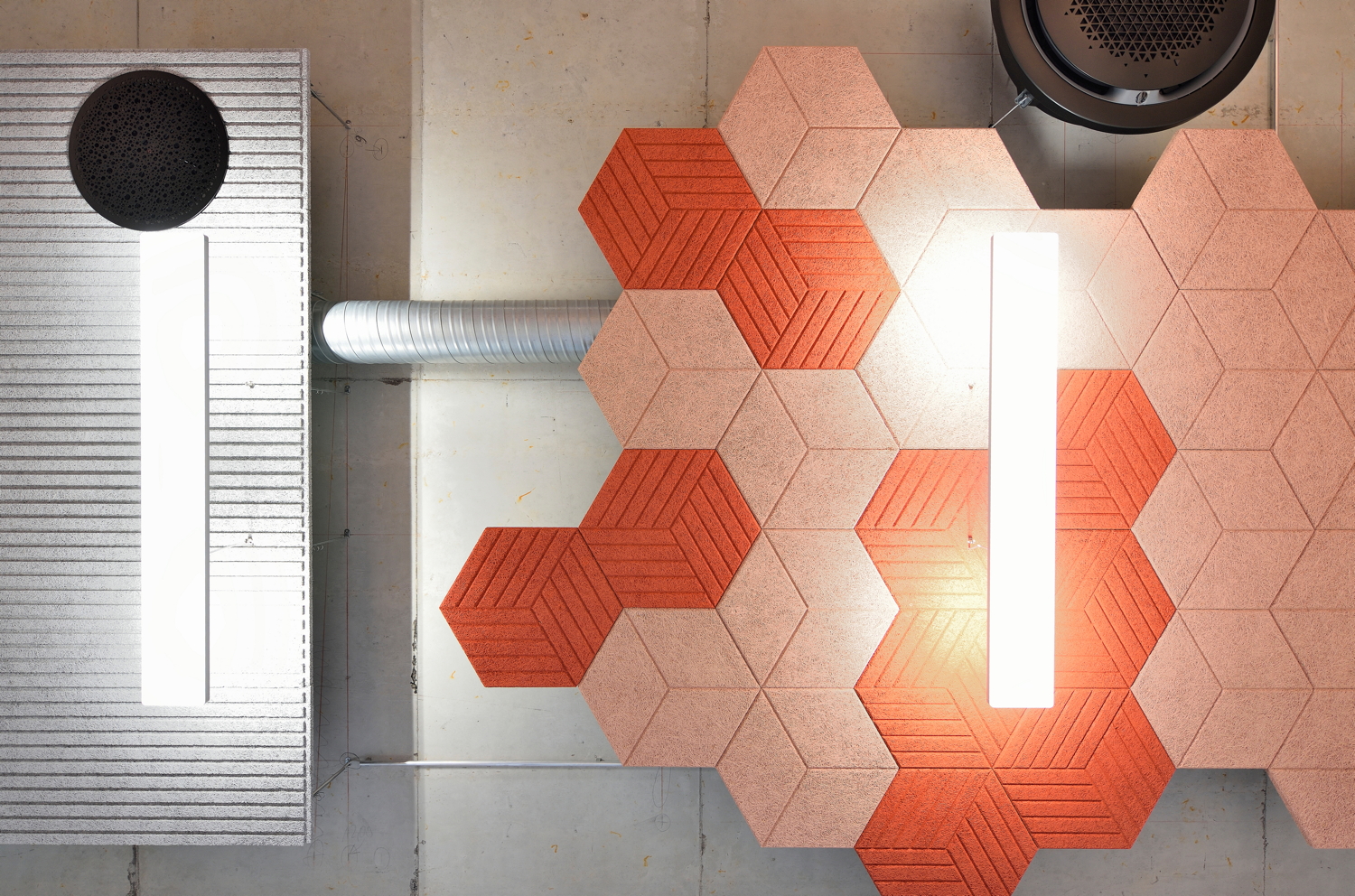
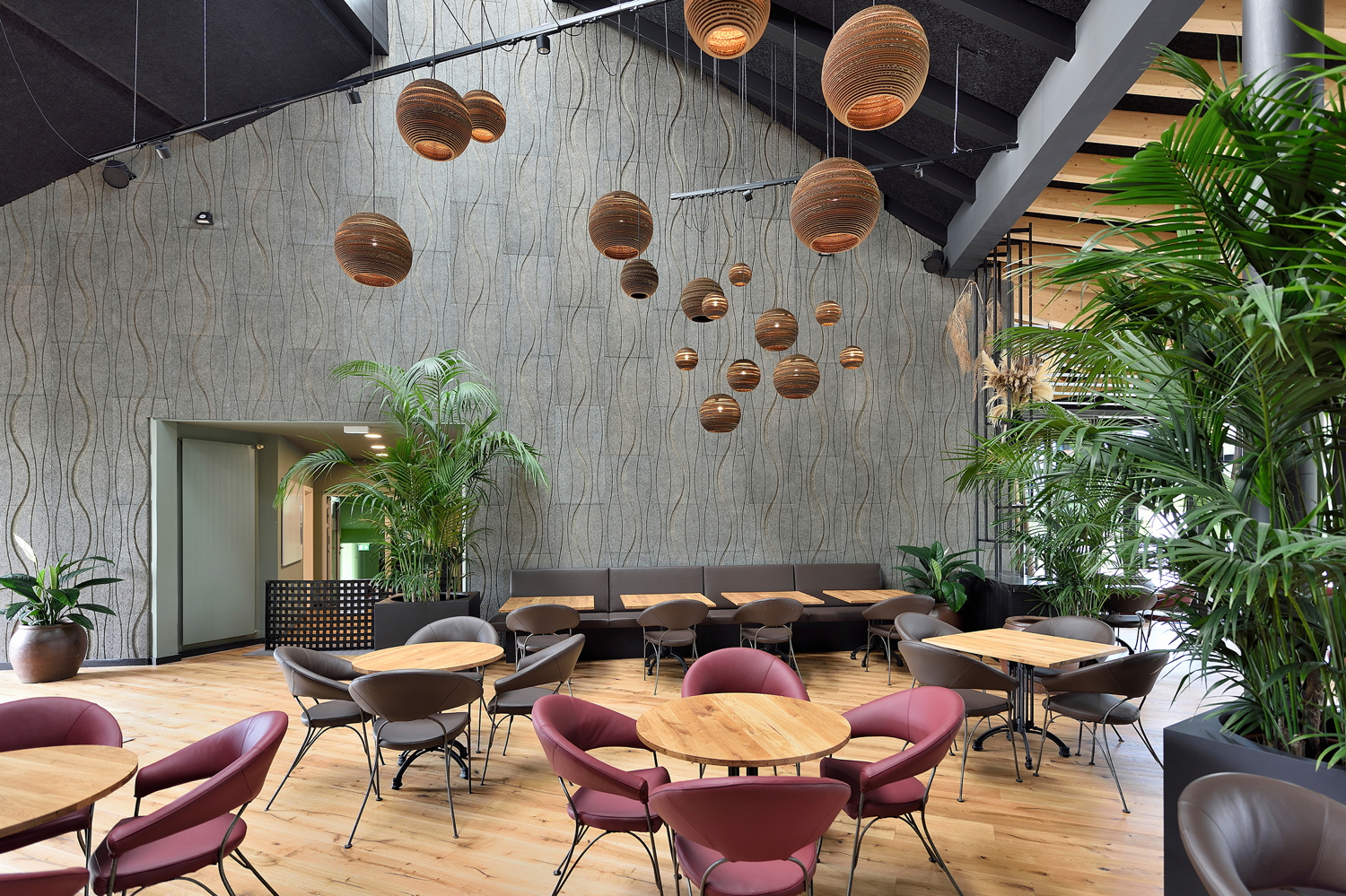
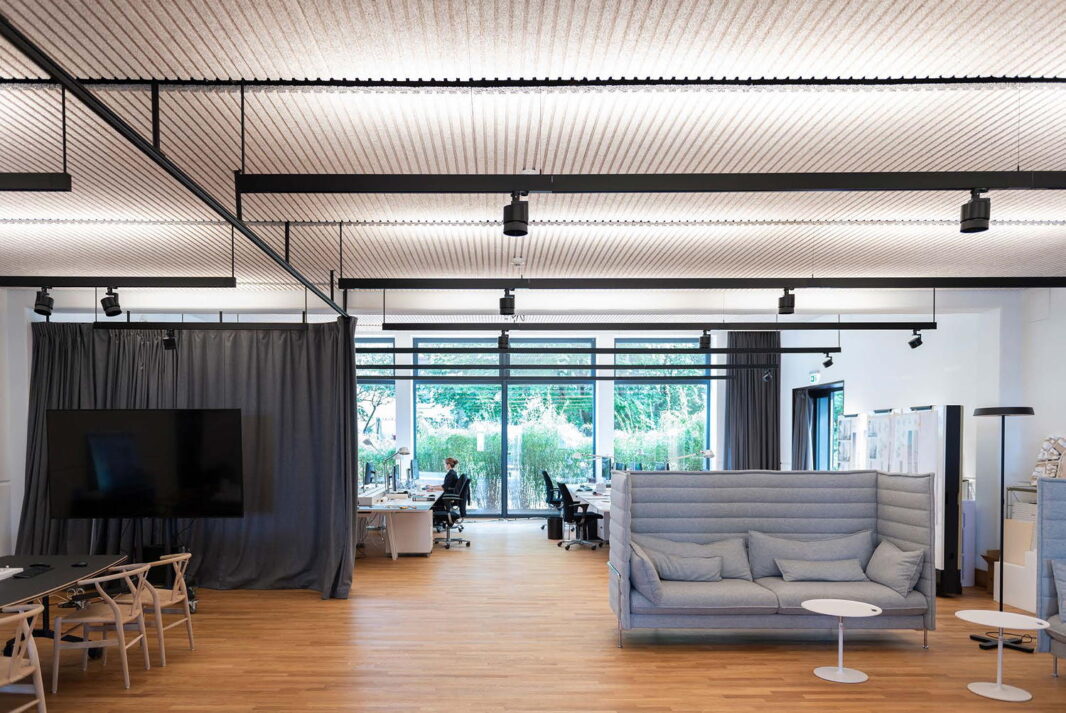
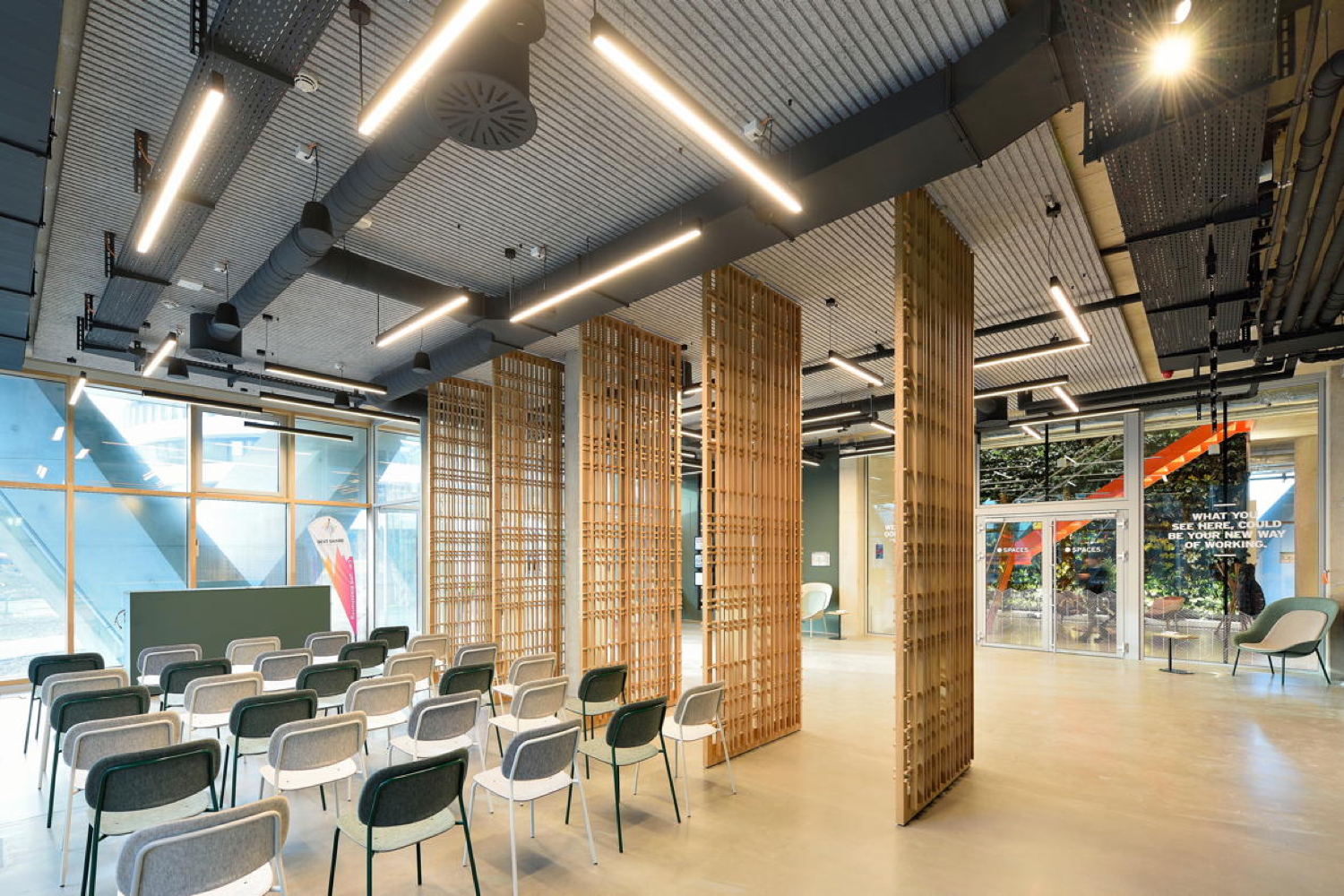
It's complex, yet straightforward. The goal is minimizing reverberation – the sound bouncing back to you. There are two levers: material and geometry. Material matters because the right choice controls how much sound gets absorbed versus reflected. But geometry is equally critical. Take flutter echo – that unsettling fluttering sensation you get in certain rooms. It happens when parallel, hard surfaces bounce sound back and forth repeatedly. Both factors – the materials you choose and how you shape the space – are essential to acoustic success.
Sustainability is clearly central to your parent company's mission. What sustainability initiatives are already underway at Troldtekt? What's on the horizon? Notably, Troldtekt has championed sustainability for decades – long before it became industry standard.
We spearheaded Cradle to Cradle certification back in 2011, when sustainability barely registered in construction. We were pioneers. Our commitment goes further: we're not just reducing our carbon footprint – we're working to flip it positive. Two years ago, we introduced our first acoustic panel using FUTURECEM™, which cuts CO₂ emissions significantly compared to conventional cement-based panels.
Listen to the full interview on our podcast:
https://www.cube-magazin.de/podcast/steffen-riedmann-country-manager-deutschland-bei-troldtekt-ueber-akkustik-im-gebauten-raum/
Mr. Riedmann, thank you for your insights.
Interview conducted by Eva Bodenmüller.



Salutecare – The Penthouse ICU
A masterwork in luxury
Cradle to Cradle in Architecture
Building with Purpose: Ecological, Economic, and Social Impact

Guest house in Ibiza – refined with Dekton
Cosentino's ultra-compact stone surface runs throughout the home, creating visual continuity and design character
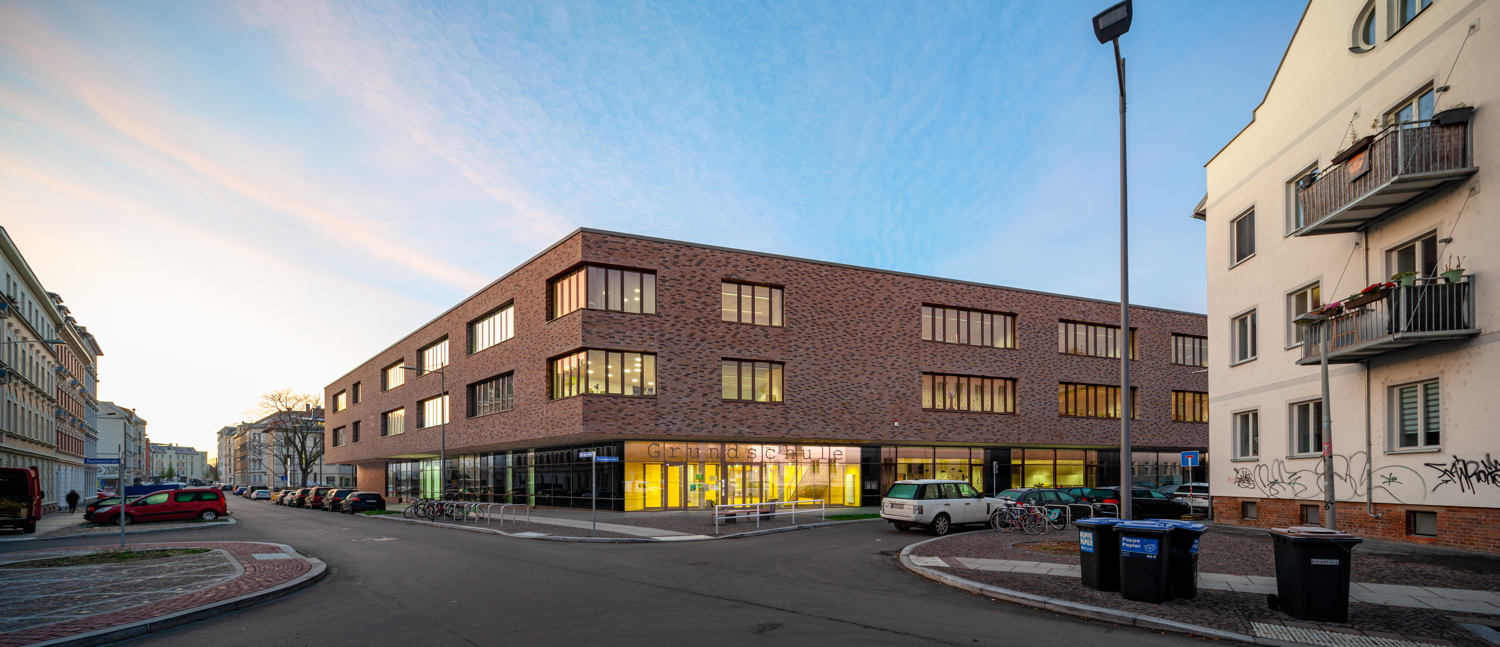
Modern, Vibrant, Dynamic
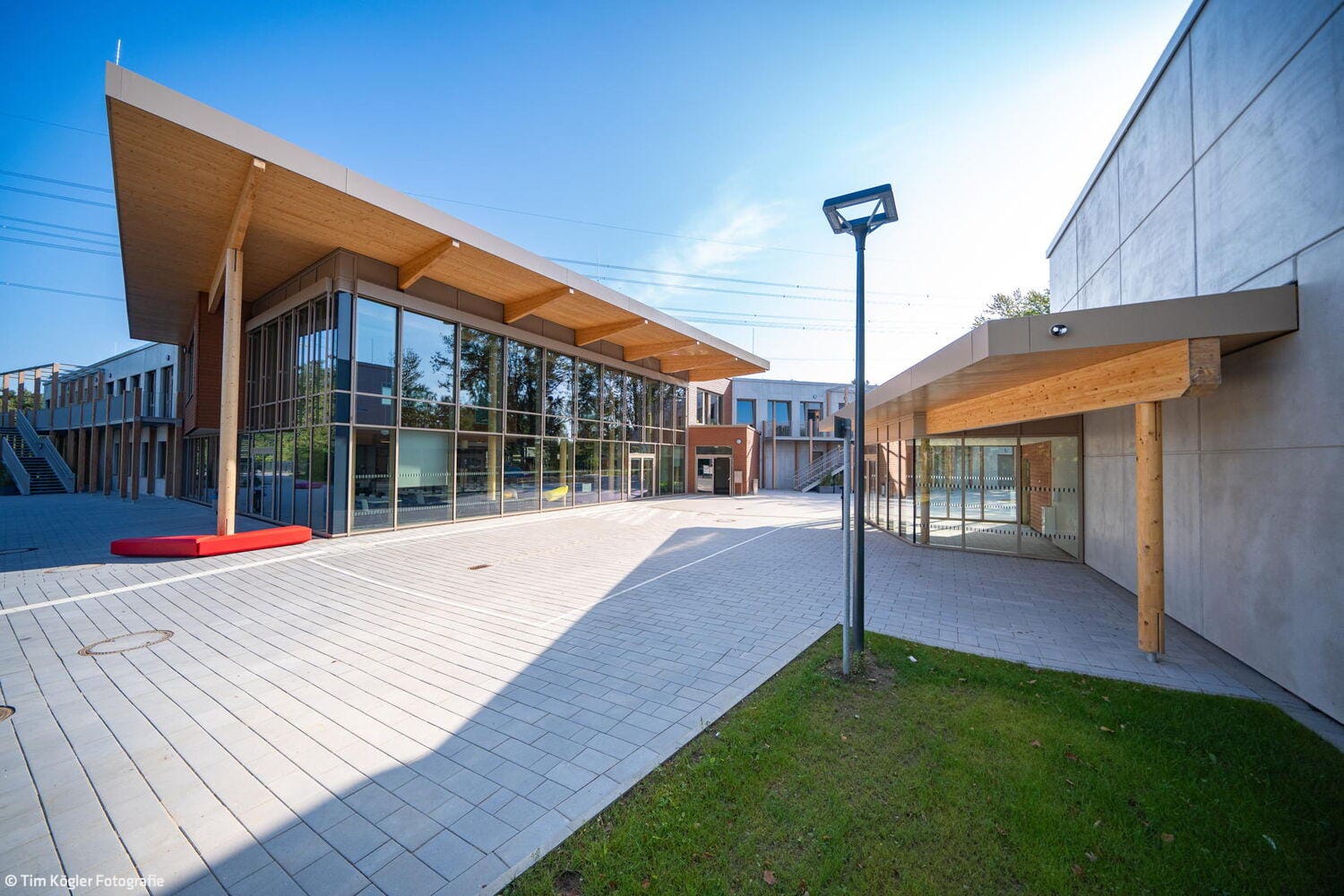
"Grundschule am Grünen Gleis": Where Vibrant Acoustics Inspire Learning