


Large shared living community
A distinctive new hotel in Metzingen explores forest and fawn as its central design narrative.
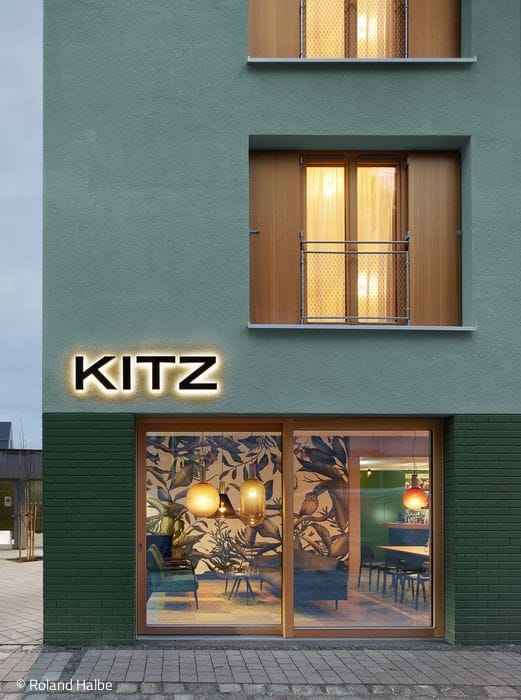
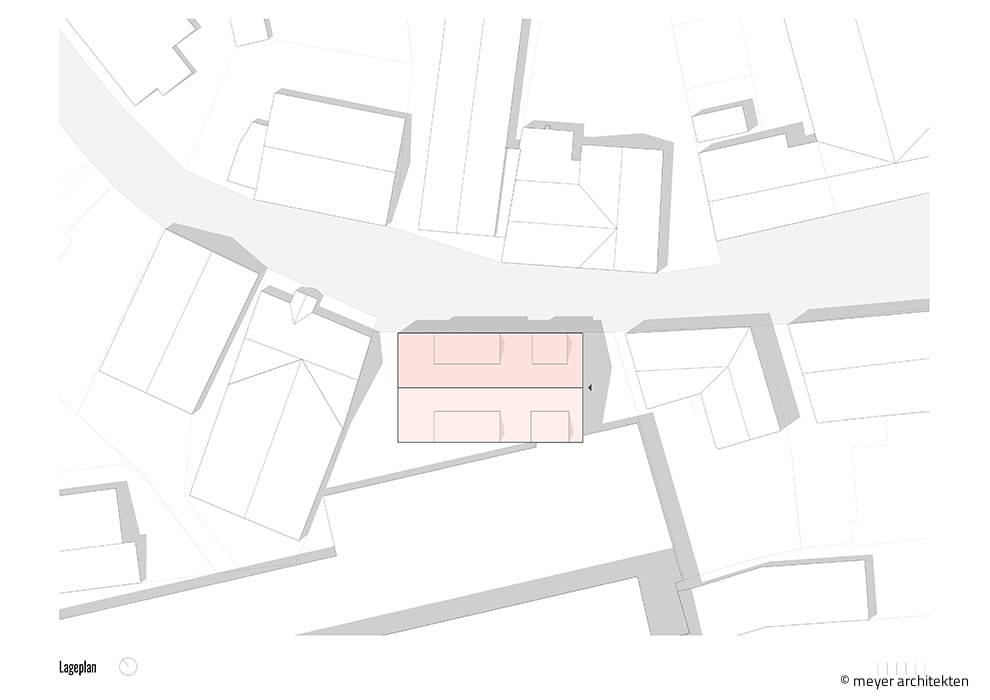
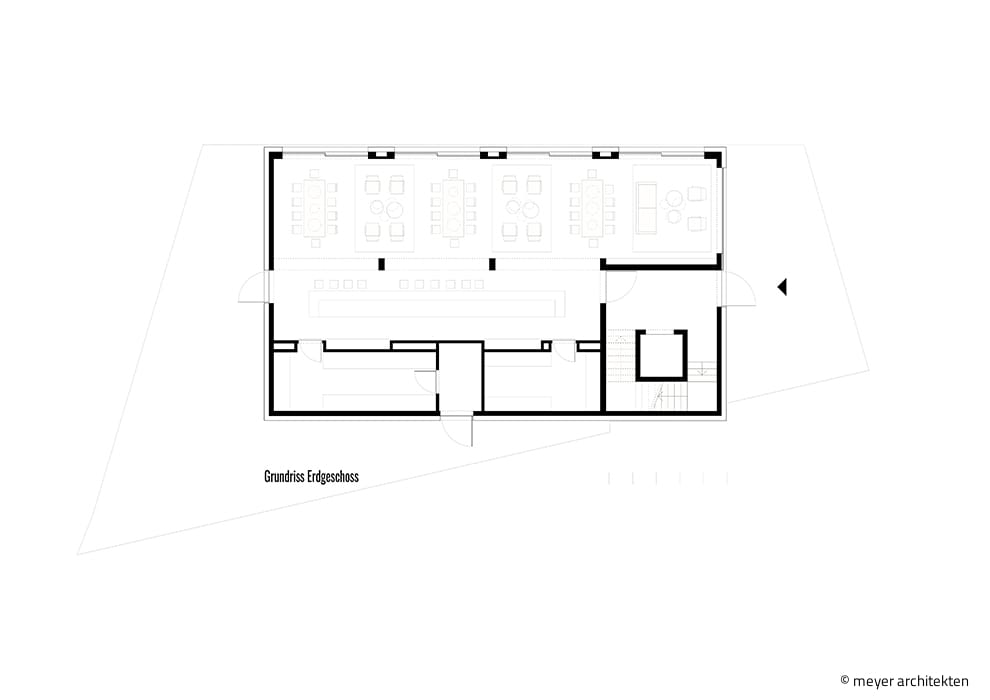
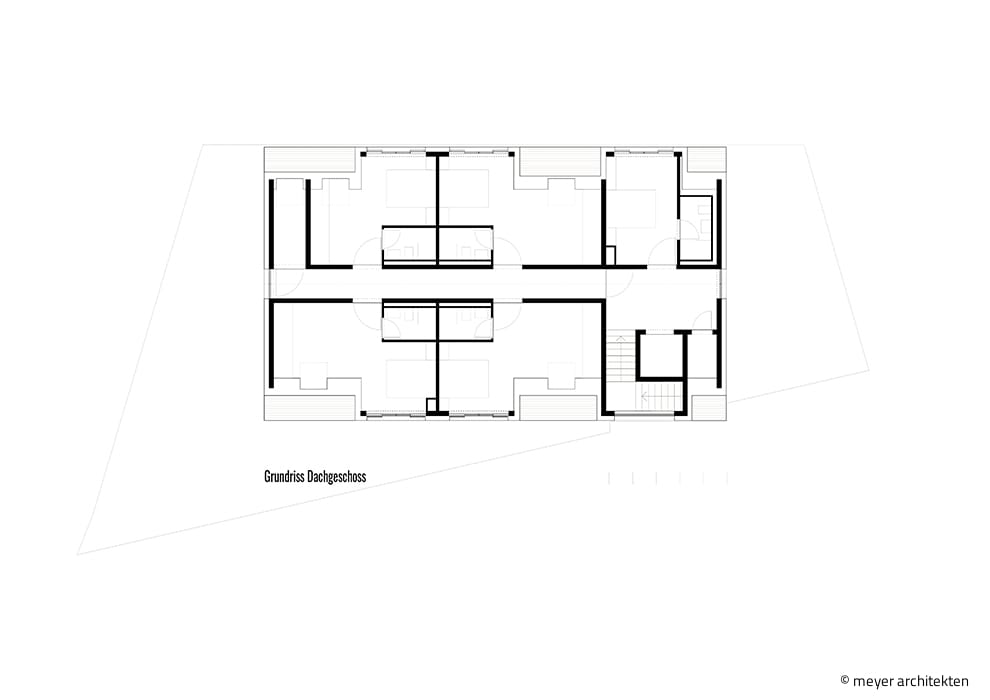
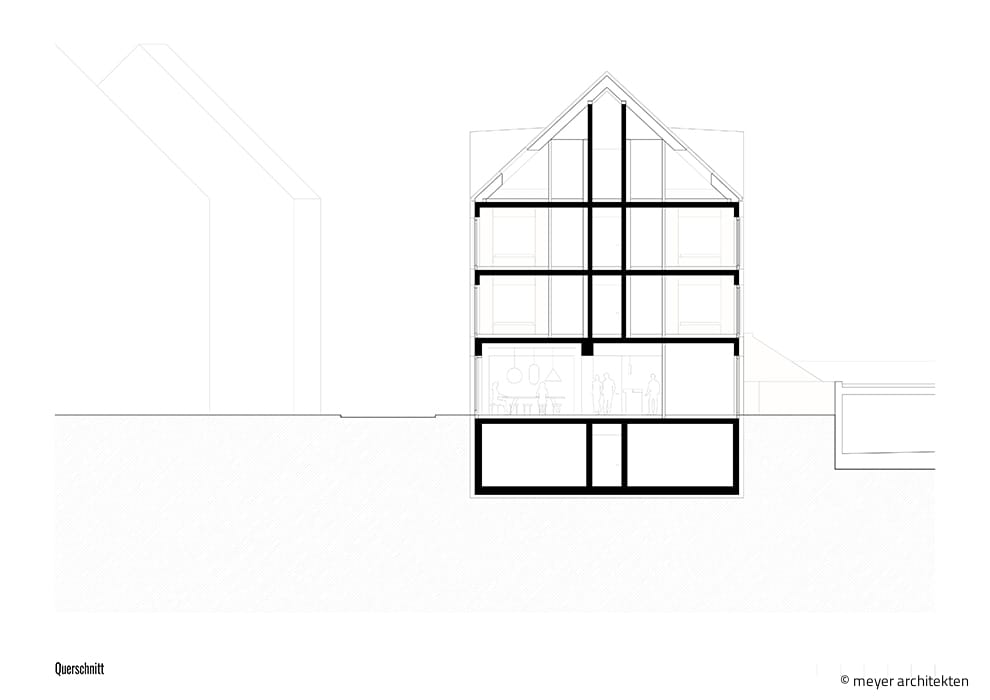
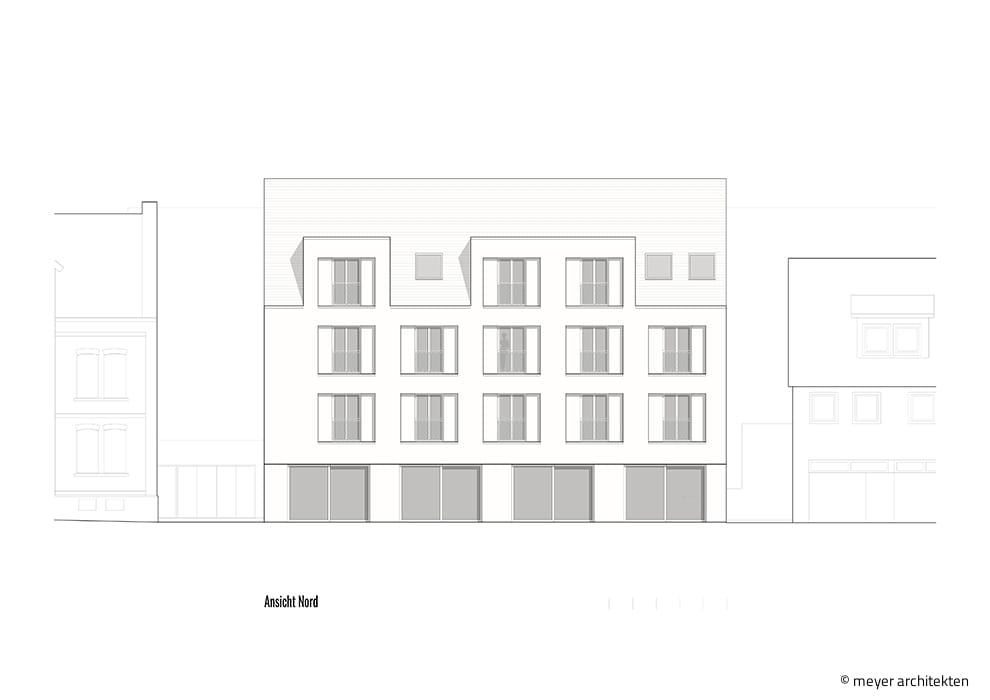
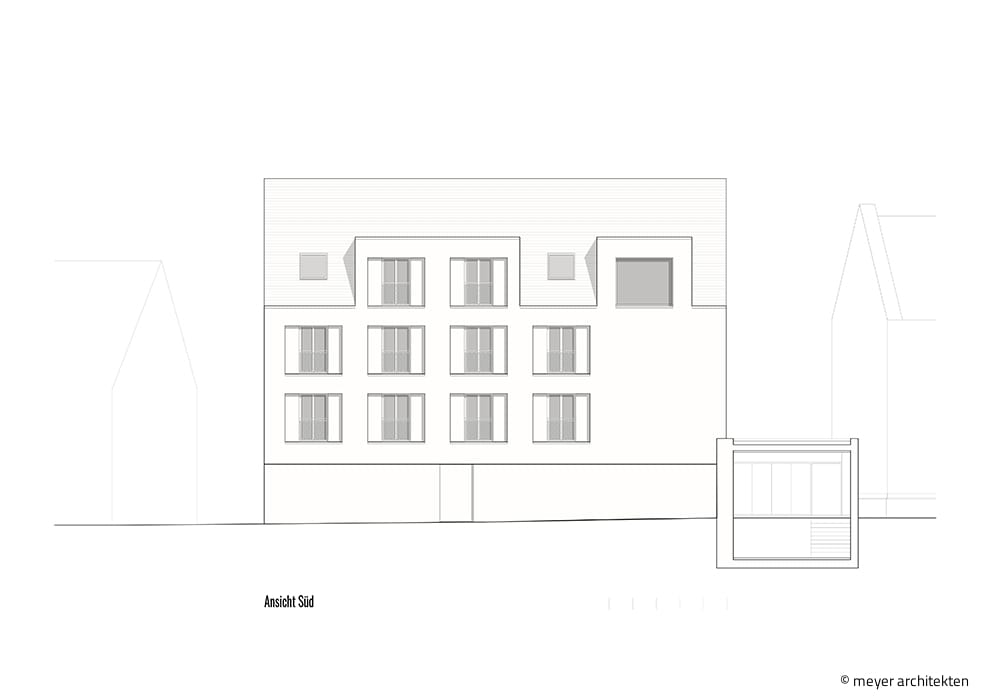
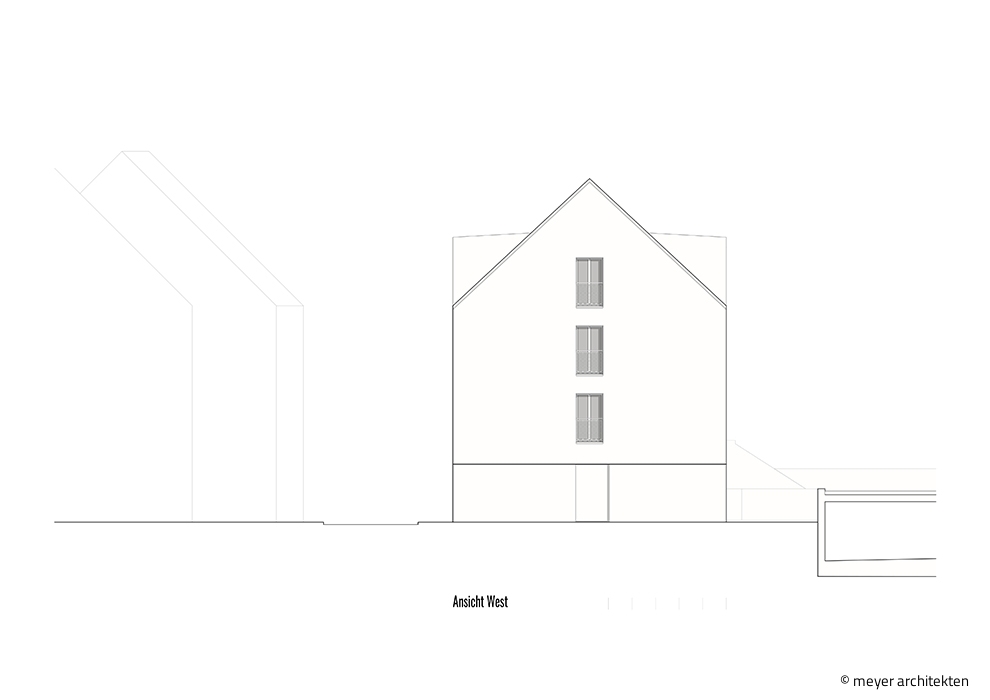
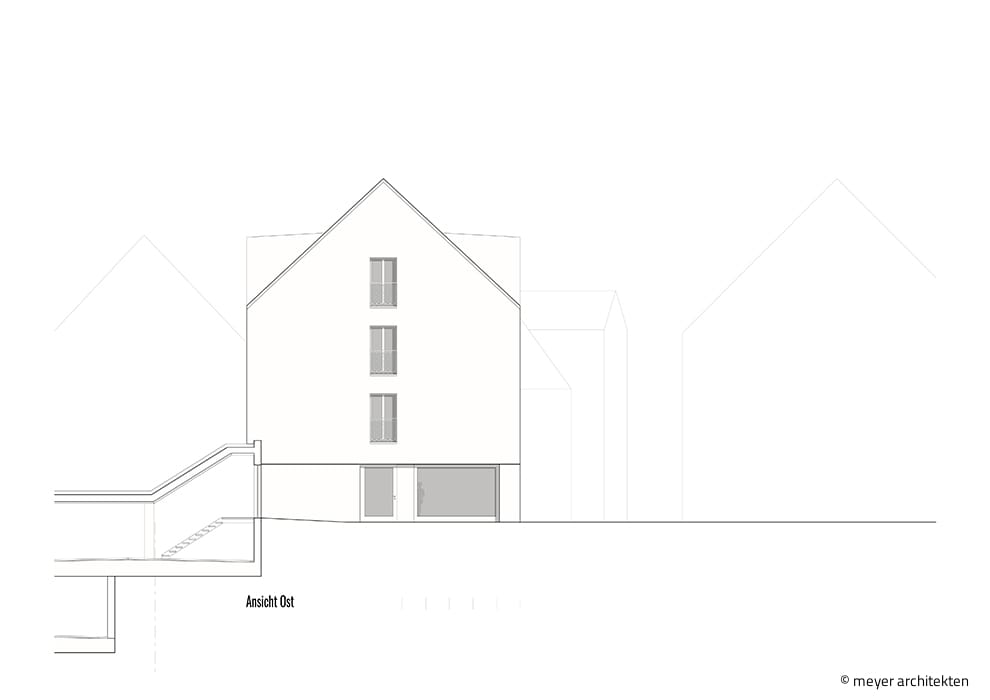
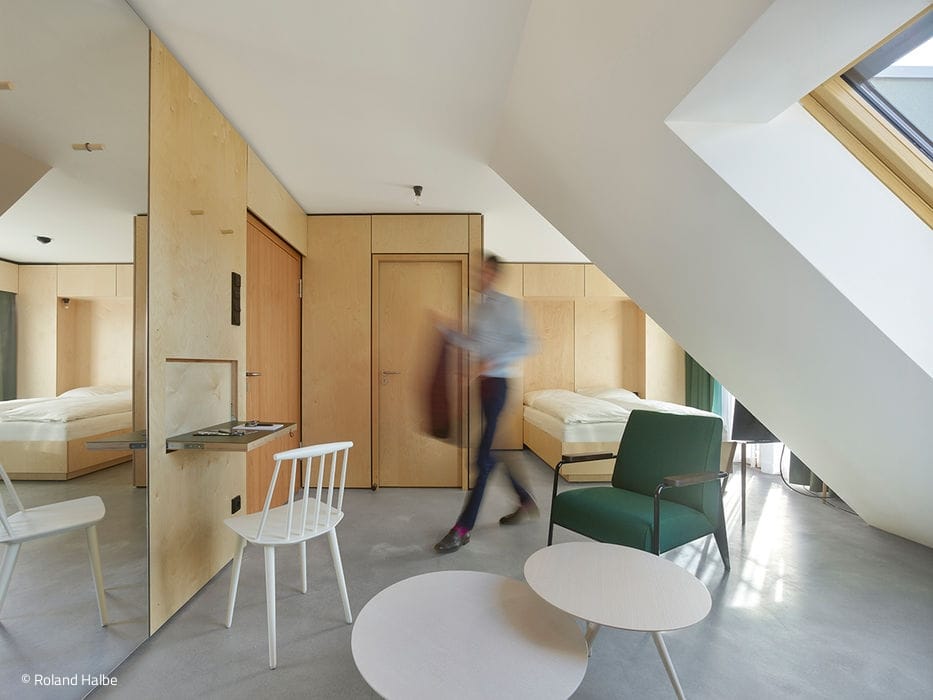
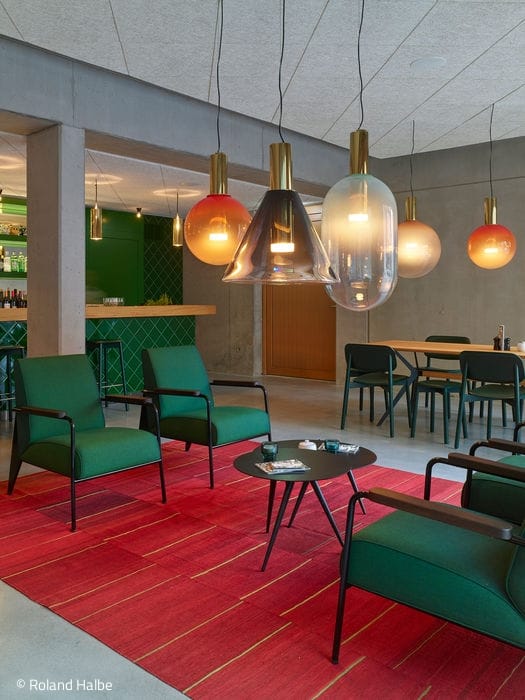
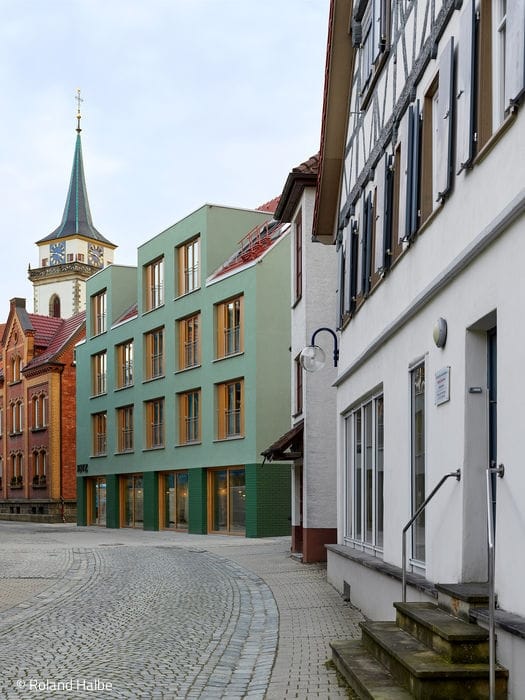
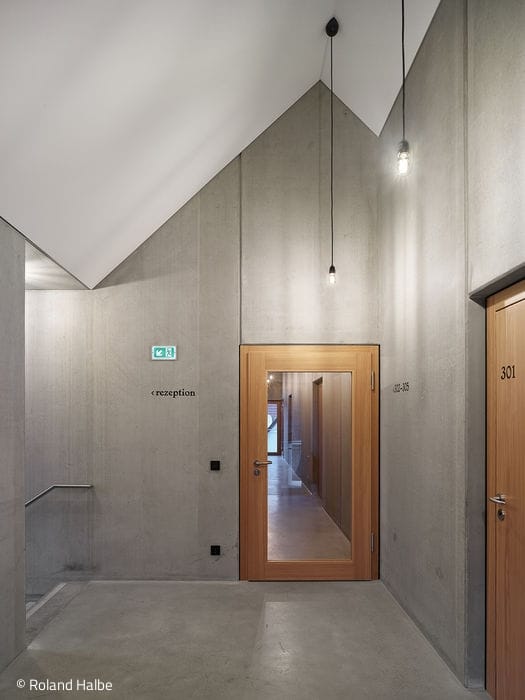
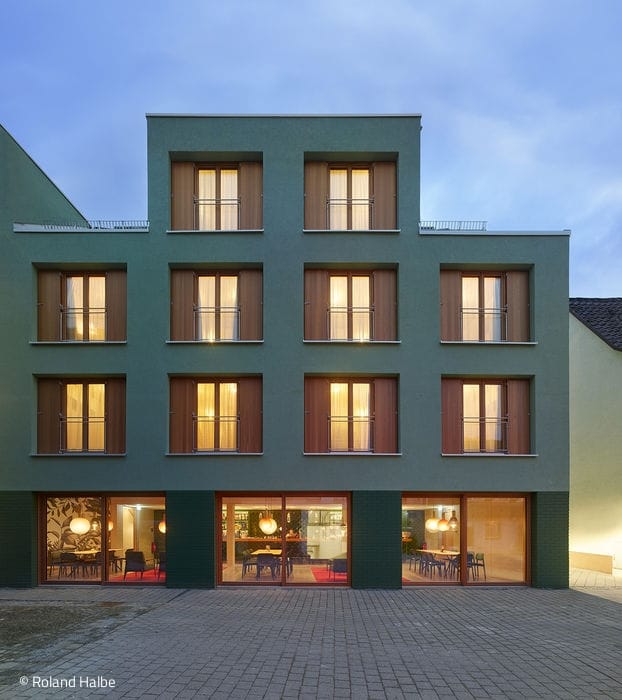
Charakteristika der umgebenden Bebauung sensibel aufnehmen, neu interpretieren und mit modernen Elementen kombinieren – so lautet das Gestaltungsrezept des Hotels in der Altstadt von Metzingen. Das betonte Sockelgeschoss spiegelt dies ebenso wie die Holzfensterelemente mit Klappläden, das reduzierte Satteldach ohne Dachüberstand, die klassischen Grüntöne und überstrichenen Klinkerriemchen an der Fassade. Das Hotel möchte nicht nur eine Möglichkeit zum Übernachten sein, sondern vielmehr ein moderner Aufenthaltsort, der wie eine große Wohngemeinschaft funktioniert mit einem barrierefreien Wohnzimmer als Herzstück.
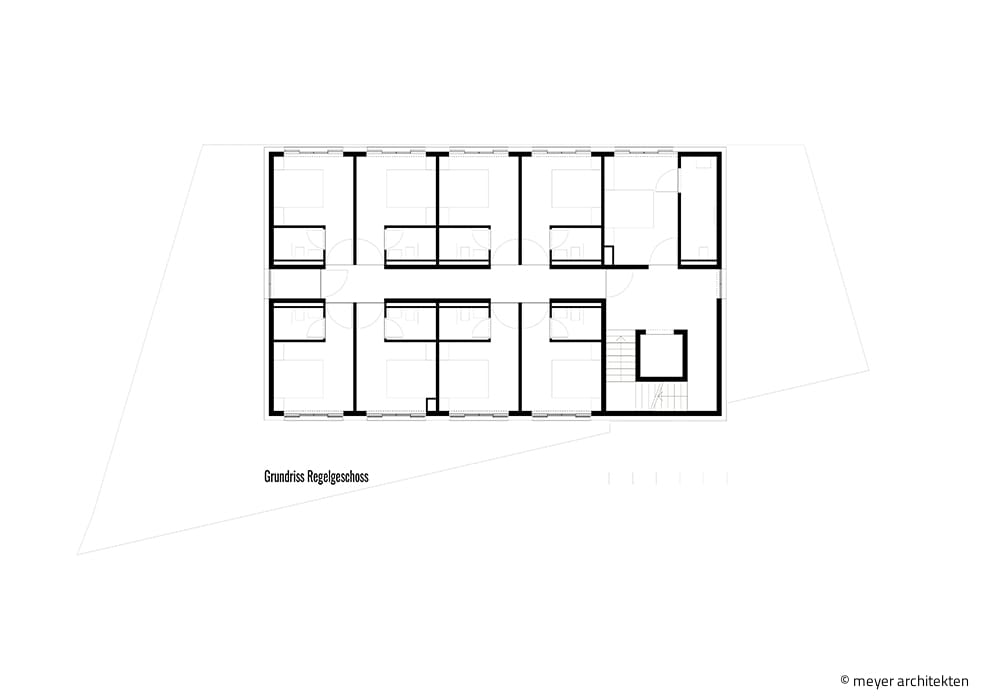
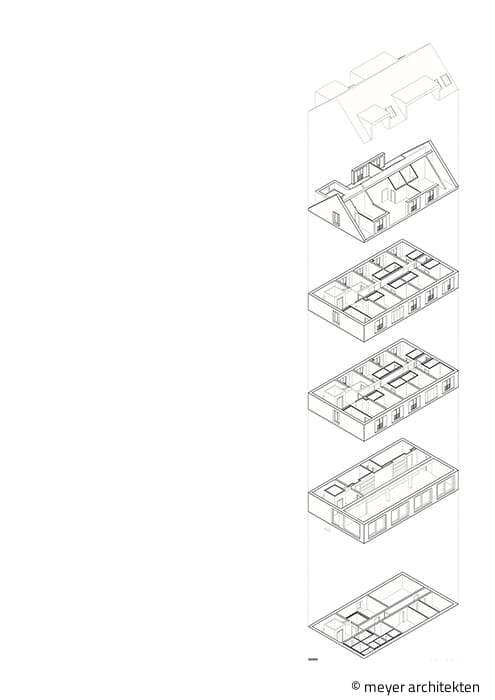
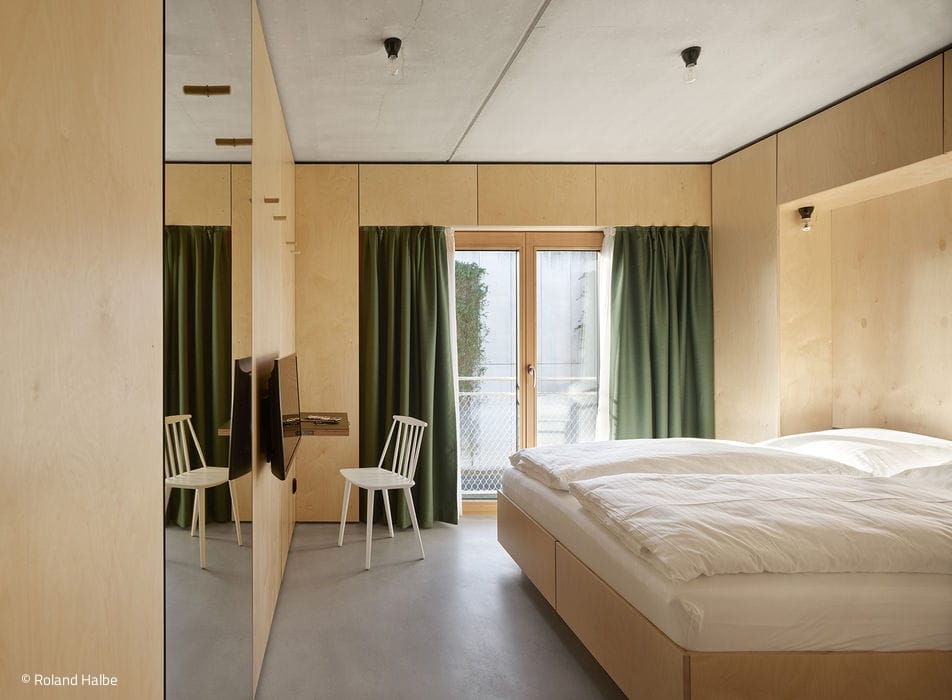
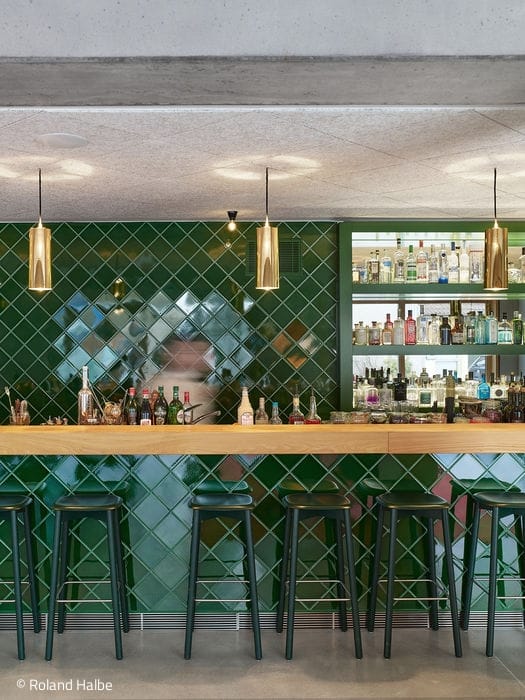
Das offene Raumgefüge integriert die kombinierte Bar-Rezeption, den Frühstücksbereich und die Lobby. 23 Individualzimmer – zwei davon ebenfalls barrierefrei – und vier Suiten im Dachgeschoss für bis zu vier Personen bietet das Haus. Eine Symbiose aus Funktionalität und Atmosphäre ist das Leitmotiv, das die Themen Wald und Kitz als Namensgeber aufnimmt. Dazu gehören natürliche Materialien wie Sichtbeton, Sichtestrich, Fliesen und Holz sowie Möbeloberflächen aus Holz, Metall und Textil. Drei Arten von Leuchten sorgen für die passende Raumstimmung: die Grundbeleuchtung über eine einfache Duroplastdeckenfassung, goldene, die Bar fassende Pendelleuchten und Kristallglasleuchten im Lounge- und Frühstücksbereich. Mit ihrer Form, Farbe und Anmutung erinnern sie an Tautropfen.
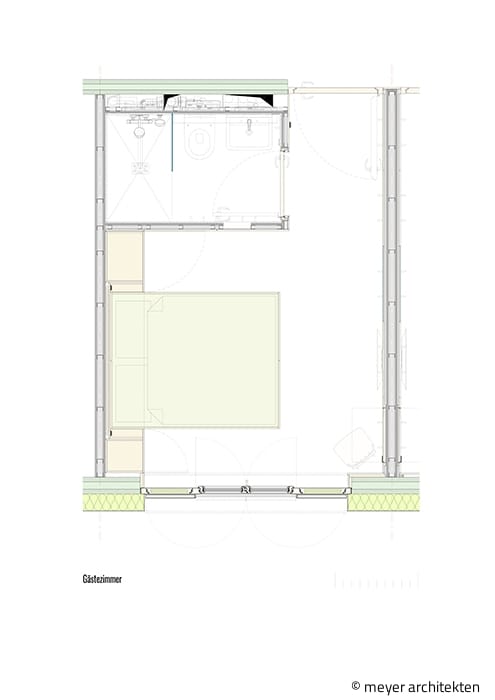
Die Wände der Gästezimmer sind mit Birkensperrholzplatten ausgekleidet und schaffen in Anlehnung an alte holzvertäfelte Stuben eine behagliche Atmosphäre. Schränke, Bett und Garderobenelemente sind in die Holzstruktur integriert. Das Rautenthema, das an ein Rehgehege erinnert, findet sich sowohl in den Absturzsicherungen, den diagonal verlegten Fliesen, in den Bädern und dem Barbereich, den diagonal montierten Akustikplatten an den Decken des Gemeinschaftsbereichs und als Verband des Pflasterbelags im Außenbereich. Für das Projekt kooperierten die Architekten Michael Meyer (Projektleitung), Benjamin Krampulz und die Innenarchitektin Monika Hesprich als krampulz meyer architekten.
Photography Credits:
Roland Halbe
www.rolandhalbe.eu
(Featured in CUBE Stuttgart 01|20)

Minimalism With Color
A Family Home: Generous Storage Meets Modern Art
Exceptional Design
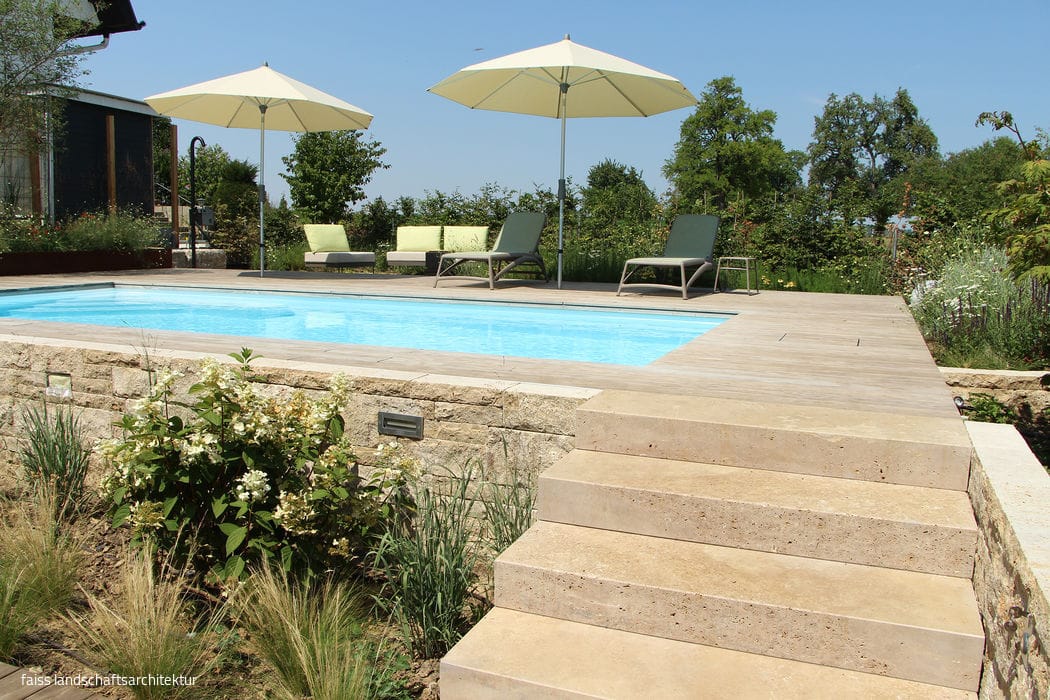
A complete garden transformation: pool, walkways, and endless discovery around every corner.
Inspiring Work Environments
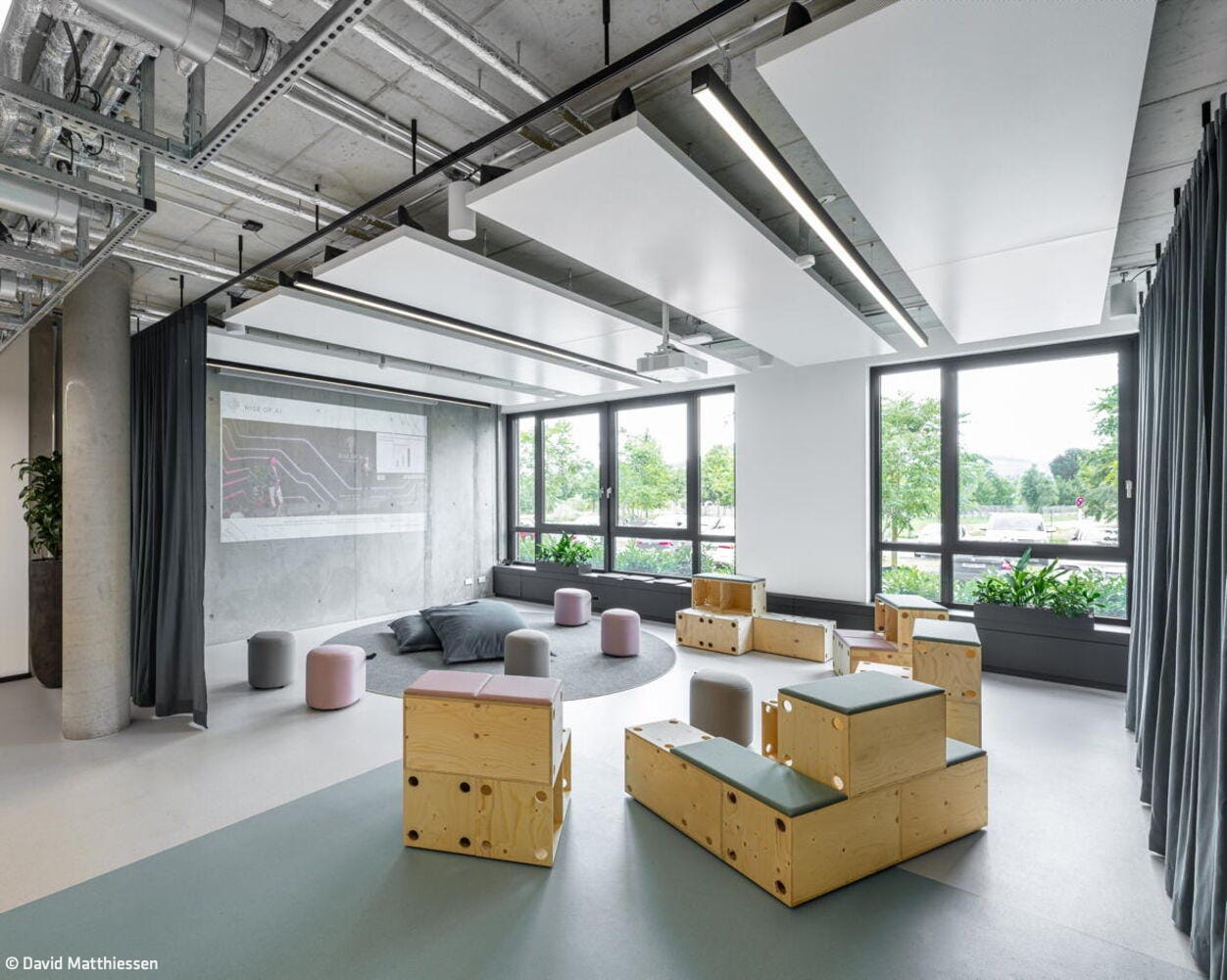
Innovative Co-Working at the AI Campus
Where All Things Converge
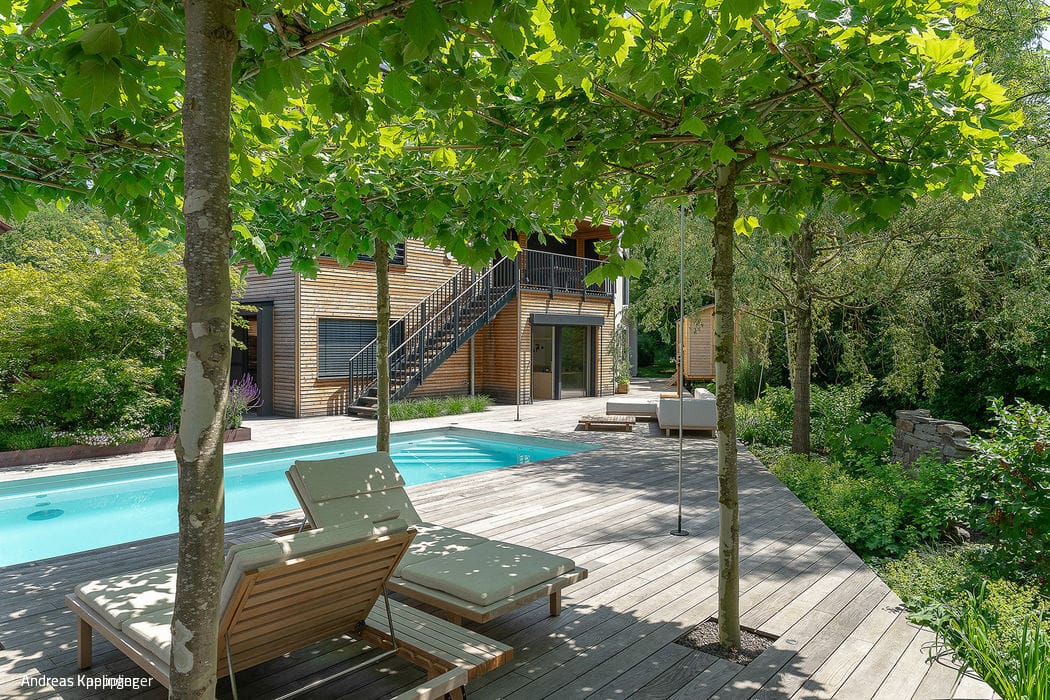
A vibrant garden sanctuary with pool, thoughtfully designed to complement the ecological timber house