


Respectful Balance
A residential renovation at Gärtnerplatz masterfully honors tradition while embracing contemporary design


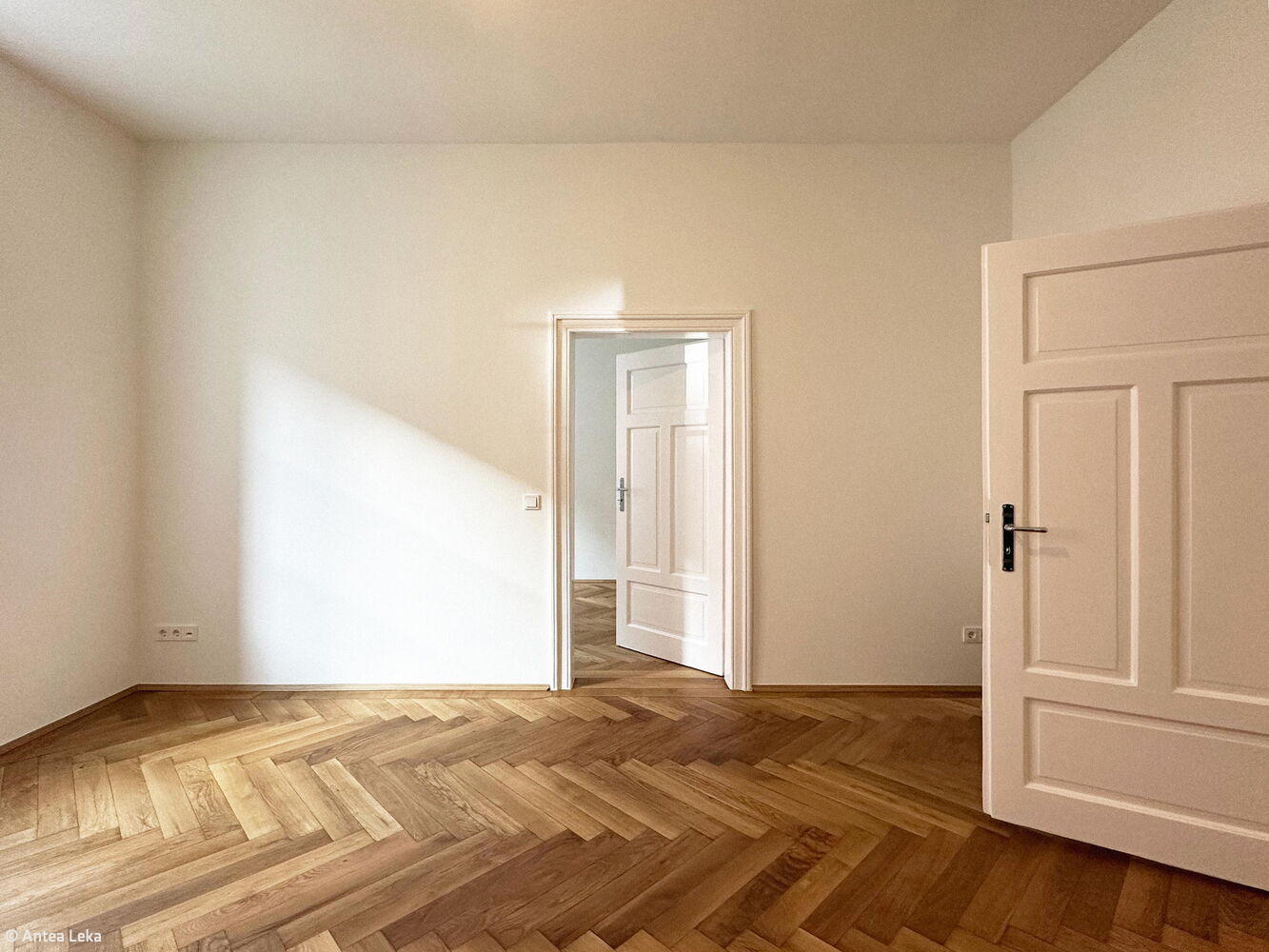
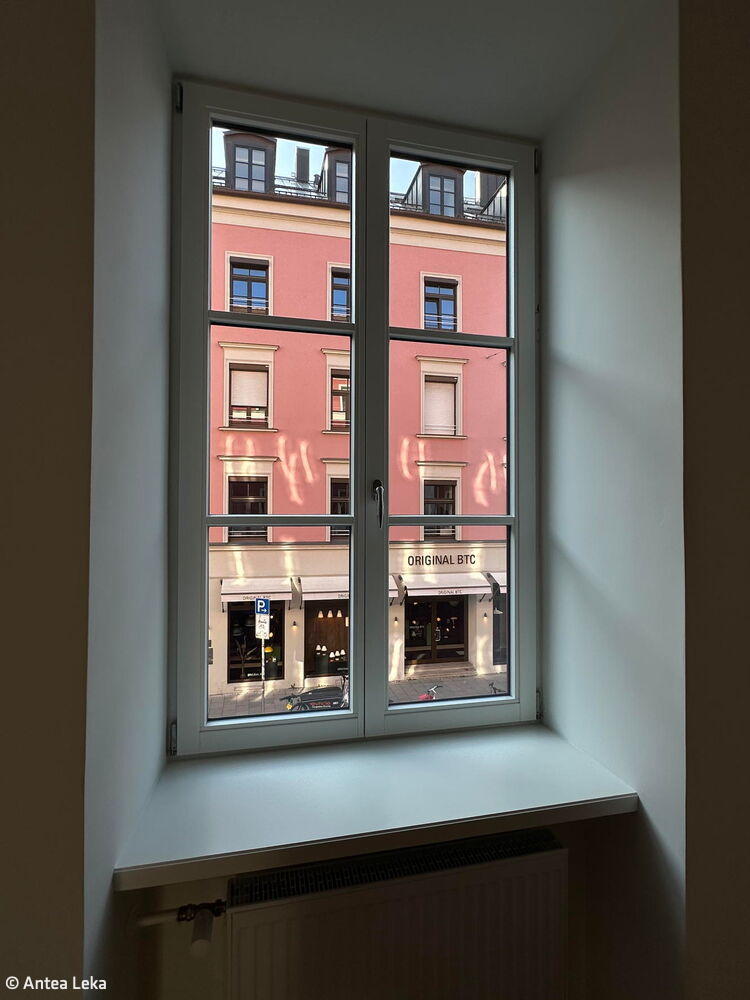

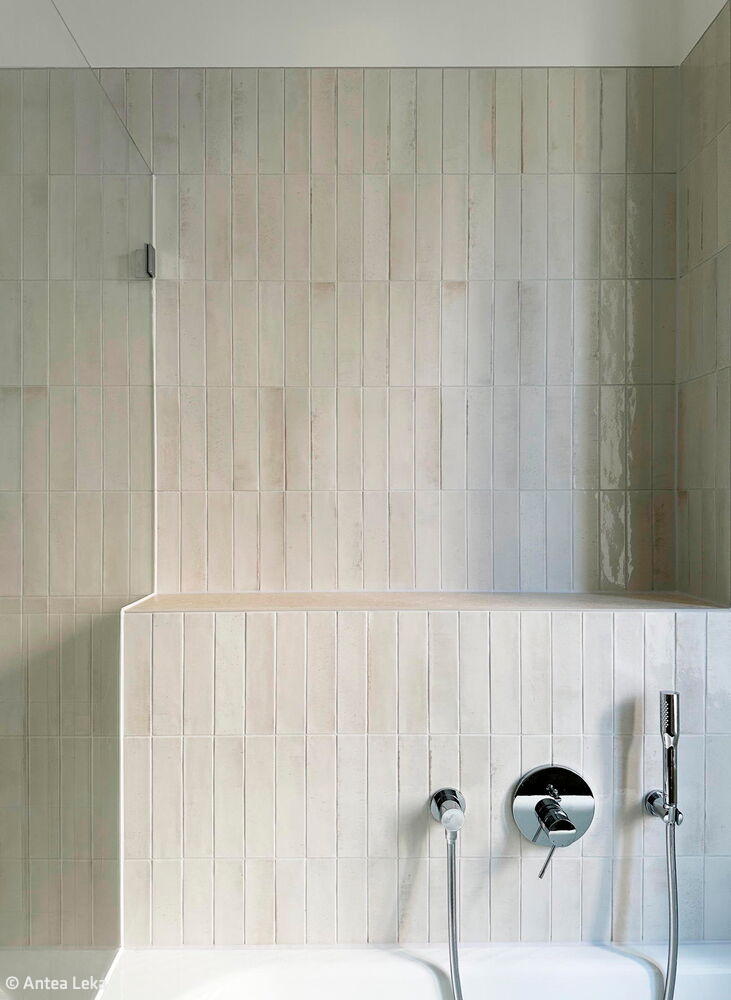
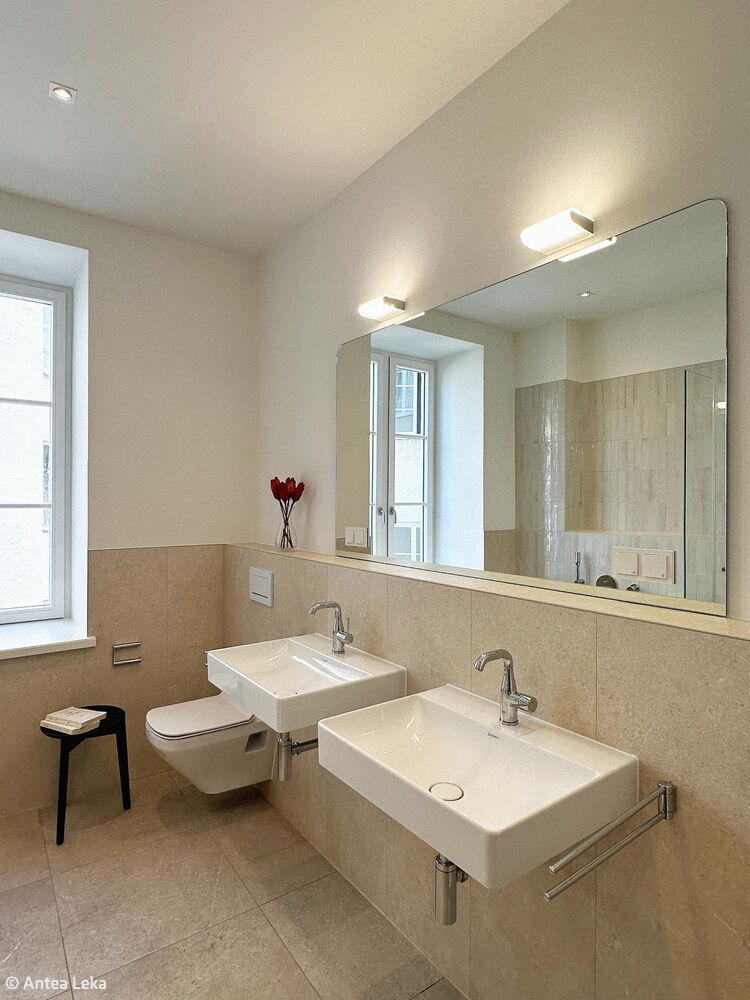

At Gärtnerplatz, nestled in Munich's vibrant heart, what began as a modest renovation evolved into a remarkable study in thoughtful, meticulous stewardship. A classical pre-war apartment—part of a historic, protected ensemble from 1863—was approached not as a simple refresh, but as a considered restoration. Munich architects Rainer Pohl and Antea Leka treated the apartment as the essential building block of urban life: a single piece in a larger mosaic that defines not just the structure itself, but the character of the entire neighbourhood.
The interior design needed to honor the apartment's coveted location while remaining sensitively rooted in its historical setting. The guiding principle was straightforward: preserve what matters. Original elements—oak herringbone flooring, period floorboards, historic doors, and glass transoms—were not merely retained but painstakingly restored. Yet sustainability influenced certain decisions too: rather than remove the 1960s natural stone window ledges, they were topped with custom white wood panels. This same layering strategy appears throughout: existing floorboards received fine finishing before new herringbone parquet was installed above. An interior door was restored to its original state rather than replaced with a replica. The apartment's showpiece is the bathroom, where understated elegance reigns. "We drew inspiration from the timeless sophistication of South Tyrolean hotel design," explain Antea Leka and Rainer Pohl. "The palette is refined, restrained, and decidedly classic—yet entirely contemporary." This effect emerges from the interplay of large-format limestone tiles wrapping halfway up the walls, paired with smaller, artisanal-looking tiles in the shower and bathing zones. The tiles' colour and materiality were carefully sampled and considered, since their impact depends entirely on the room's proportions, height, and light.
Photography:
Antea Leka
(Published in CUBE Munich 03|25)
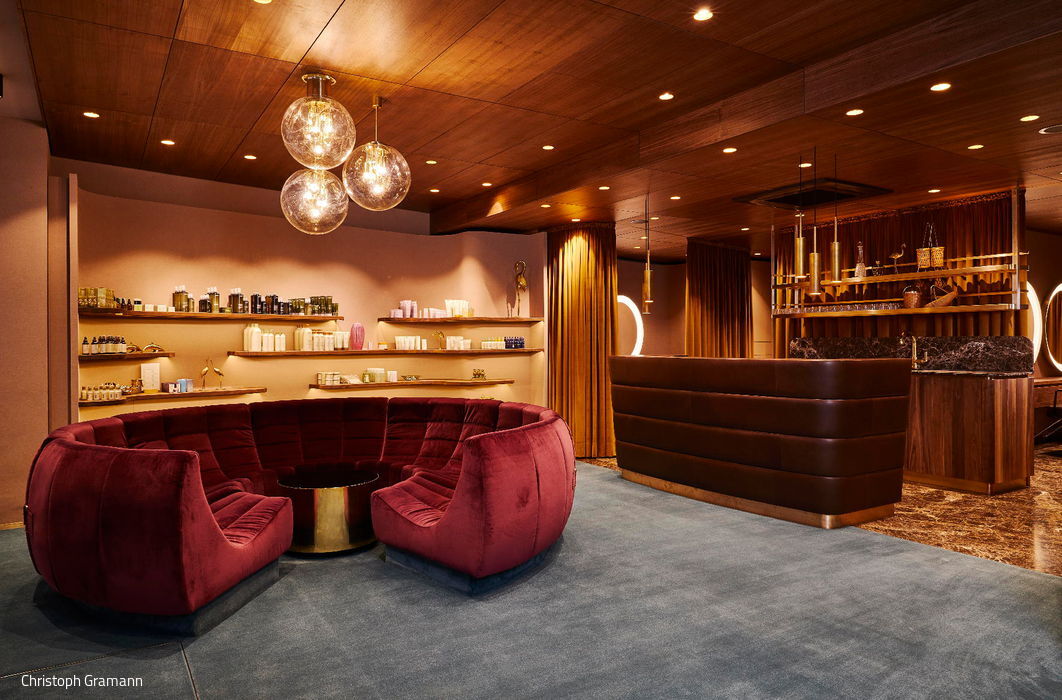
Club Atmosphere
A Schwabing salon transformed into an experience through thoughtful interior design
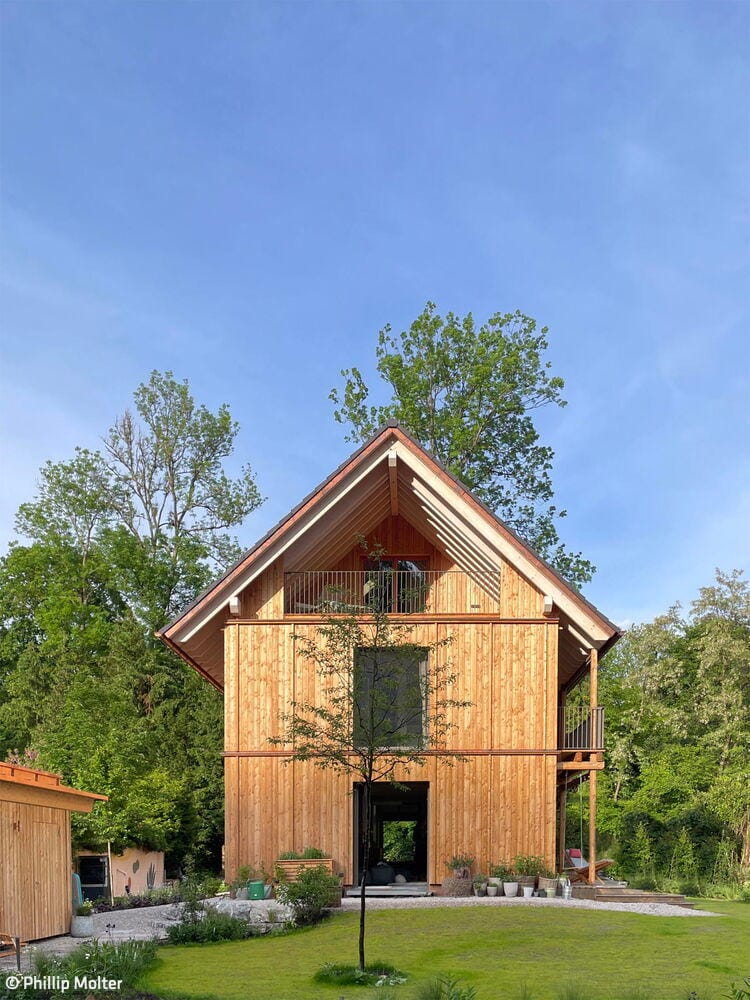
Craftsmanship at Its Finest
Timber construction as a statement for responsible, sustainable building
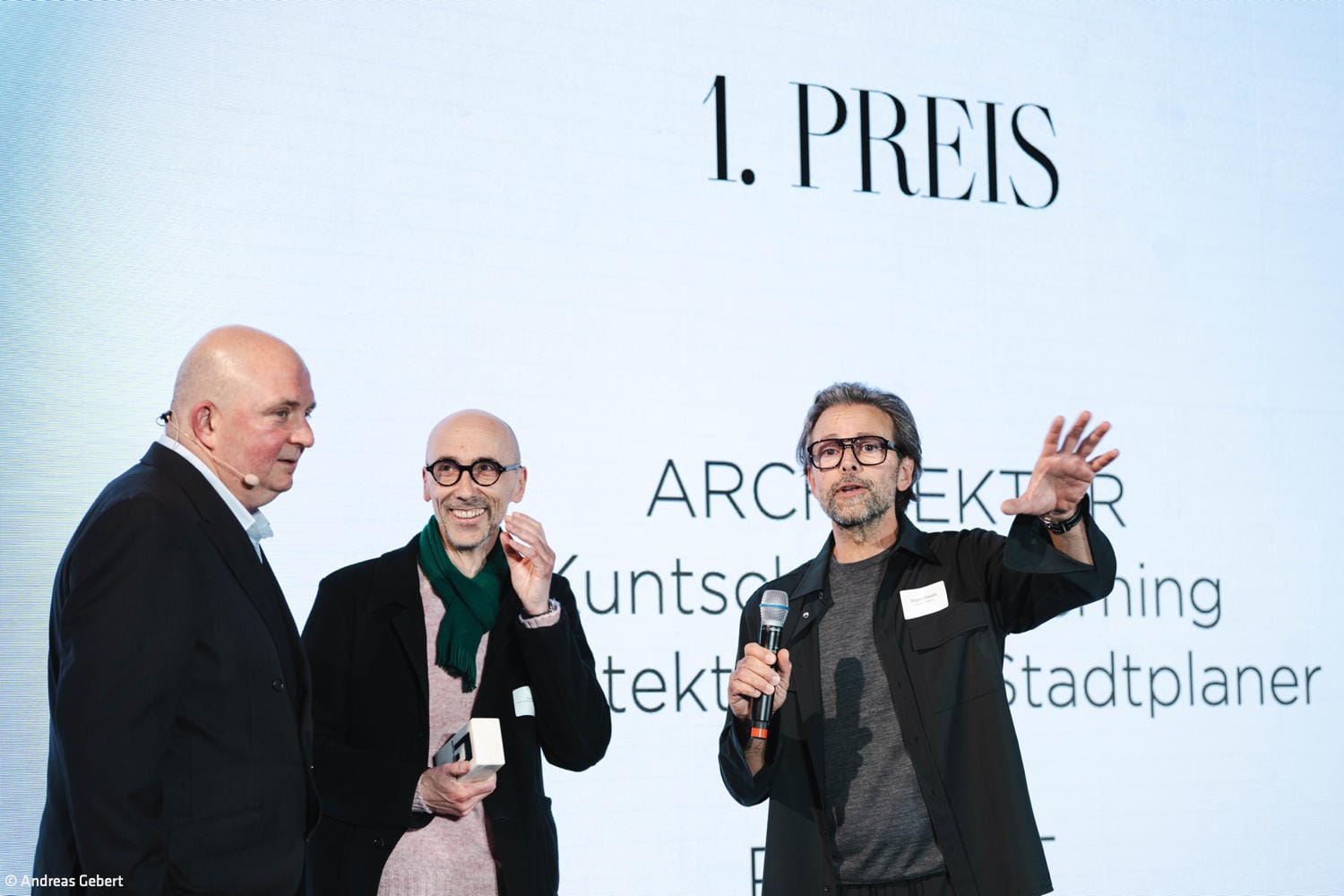
Callwey Best of Architecture Summit 2025
An inspiring celebration of excellence in architecture and design
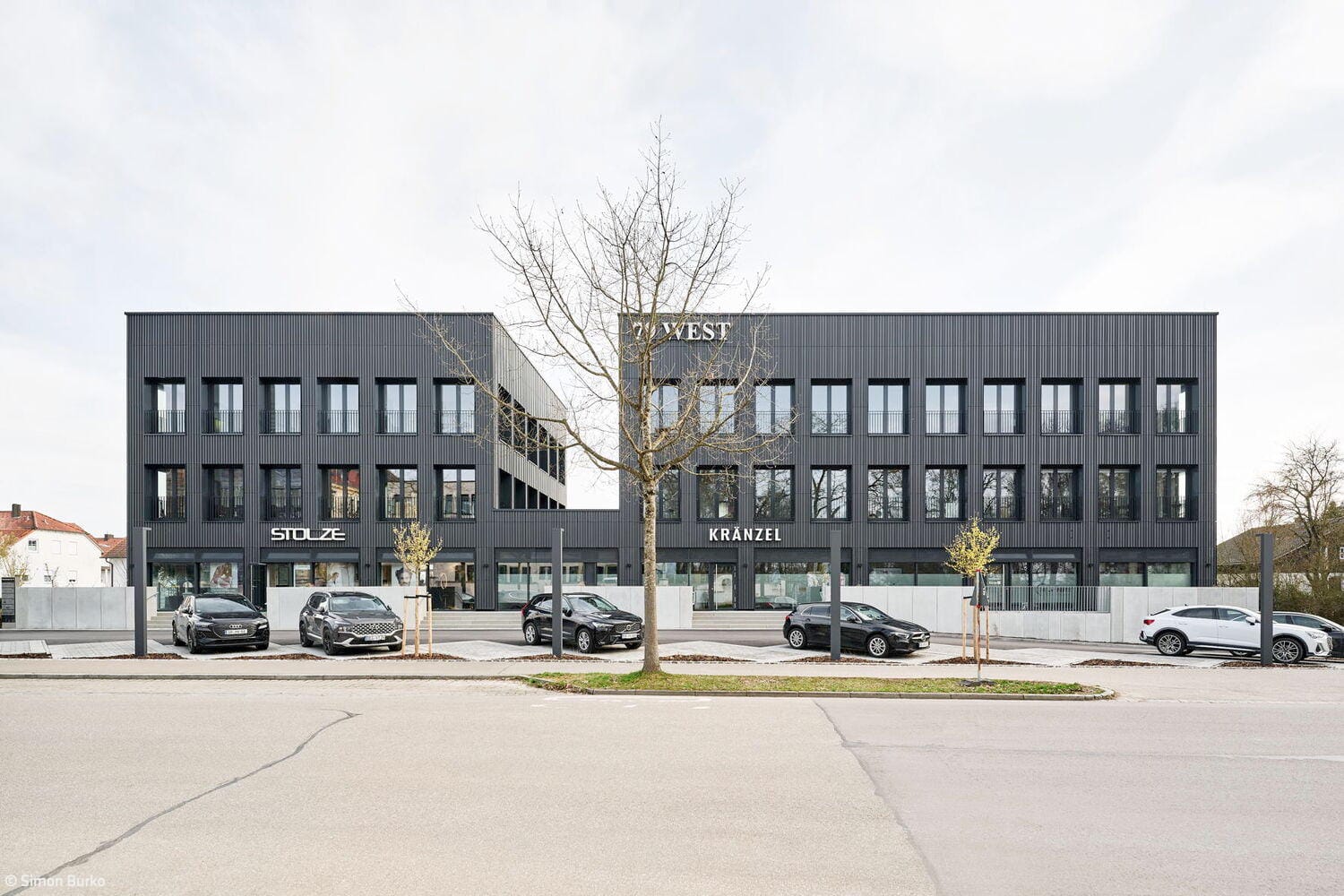
Skeleton preserved, terrain unsealed
Transfer of a car dealership to a multi-commercial property