


Japandi Style
A medical practice in Starnberg discovers its distinctive character through a minimalist design approach
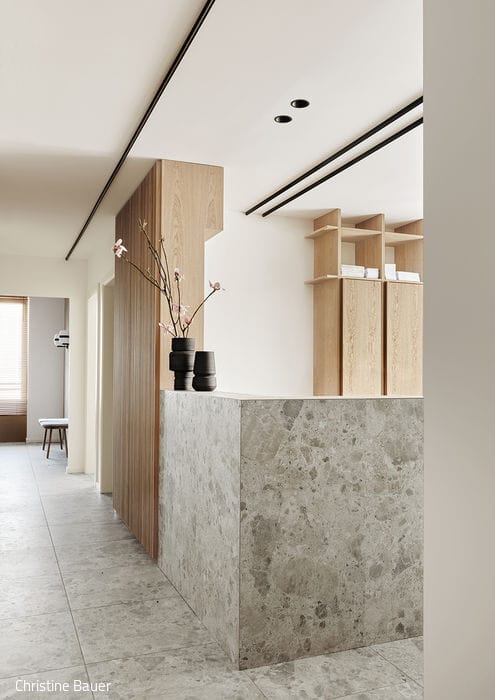
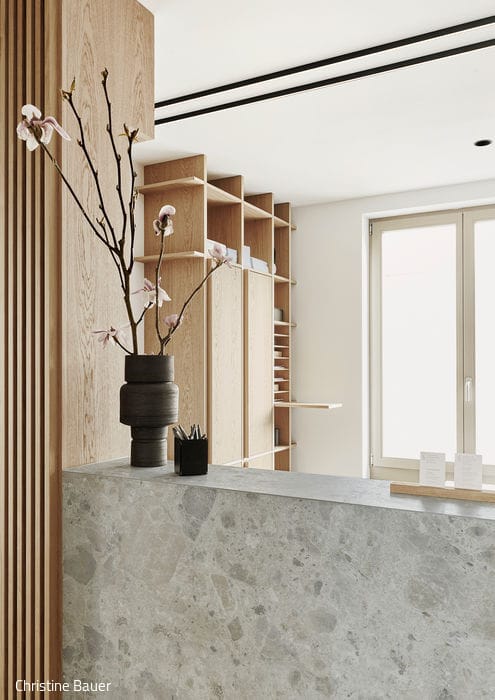
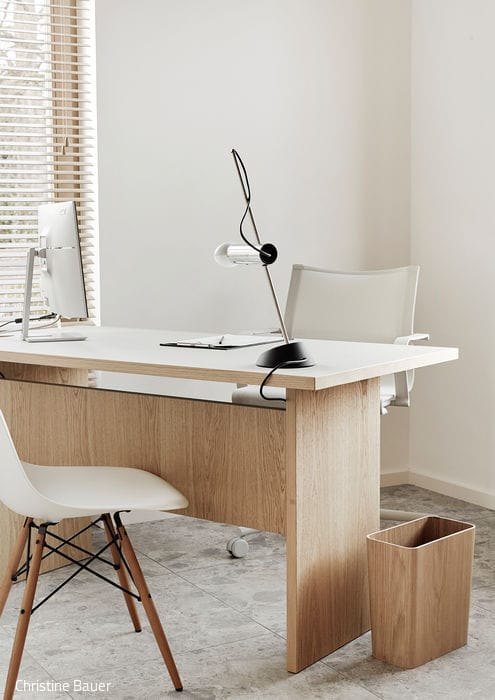
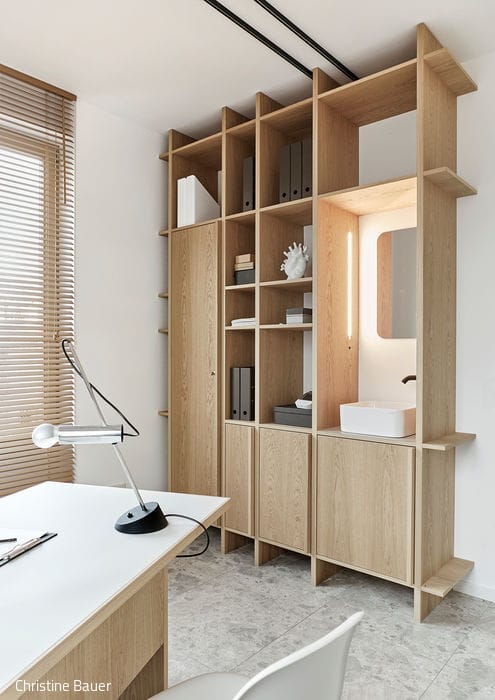
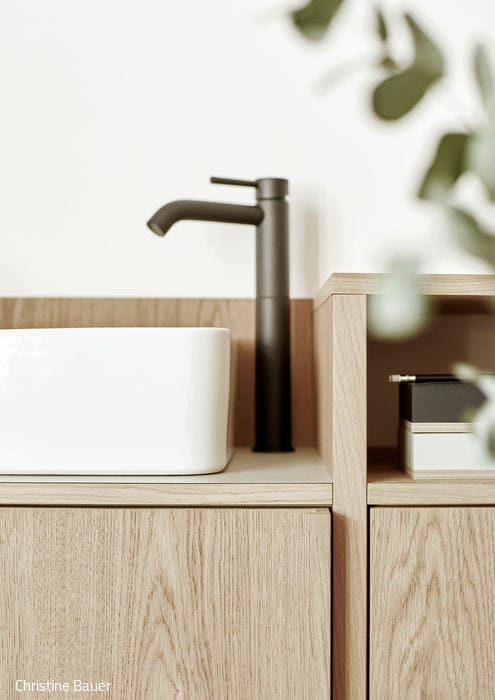
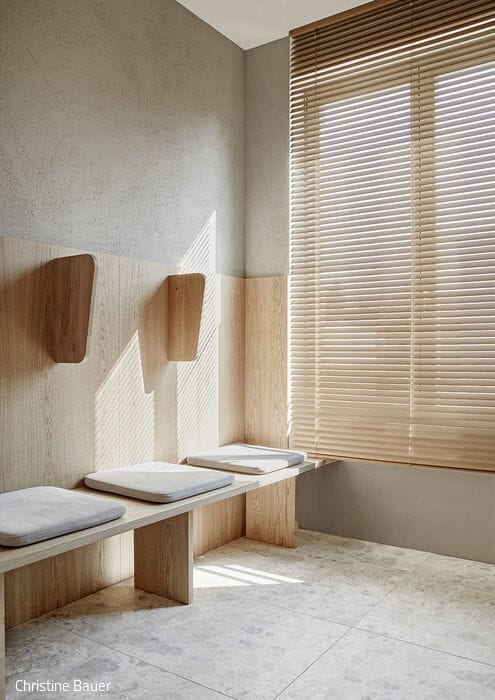
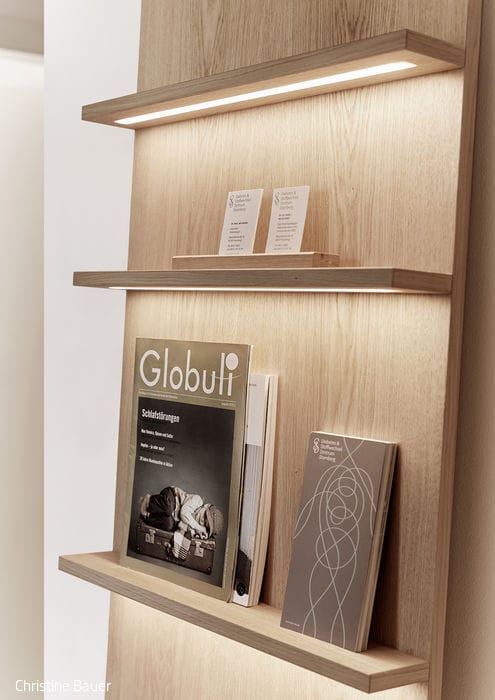
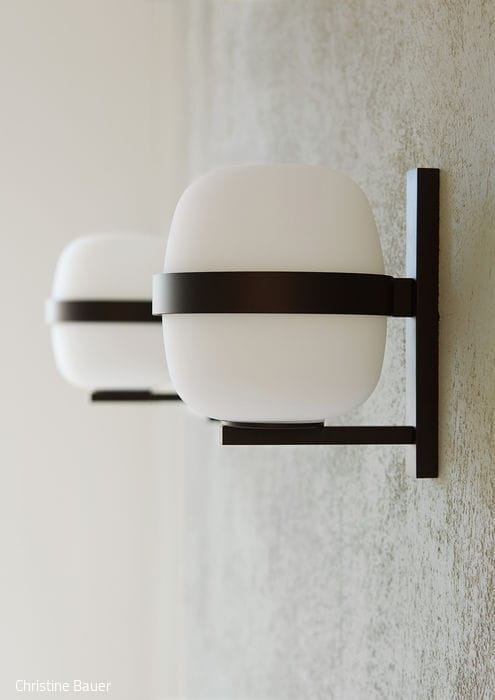
Minimalist yet luminous and welcoming, this medical practice in the heart of Starnberg showcases a truly distinctive interior vision. Interior designer Andrea Harbeck has masterfully blended two aesthetic worlds: the clarity of Japanese design with Scandinavian warmth—creating what's known as "Japandi." South Tyrolean oak, natural stone, and carefully selected details—from custom-designed cabinetry to mid-century design classics—fill these light-drenched spaces with purpose and beauty.
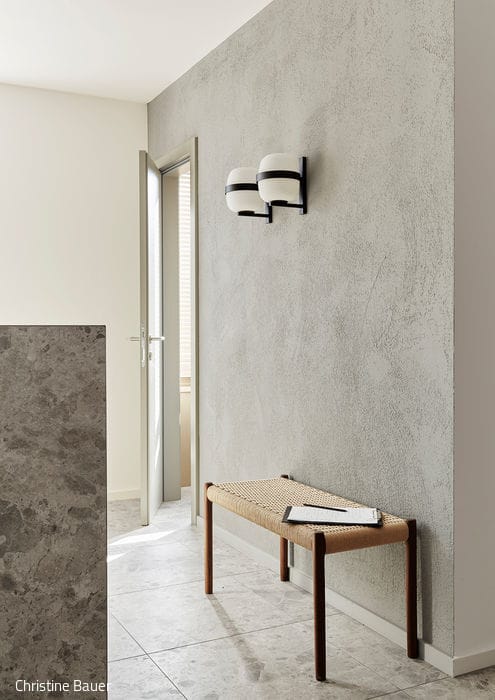
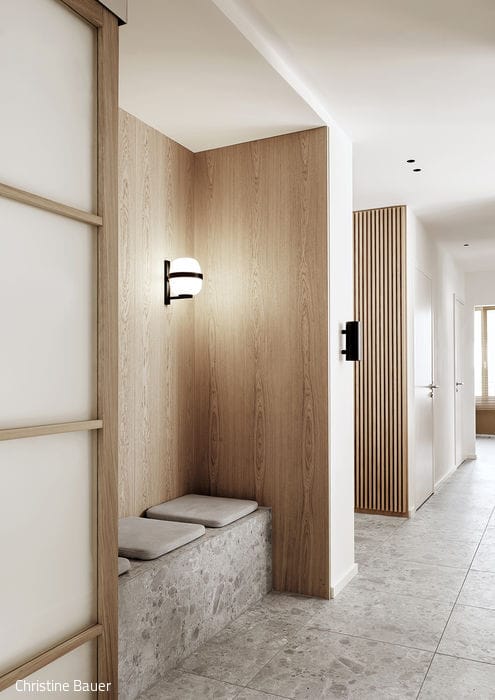
"After meeting with Dr. Julia Radtke, it was immediately apparent this isn't your typical practice," explains Harbeck, owner of the Starnberg-based interior and product design studio .Peam. "Her diabetes and metabolic centre treats sensitive matters, not acute emergencies. Patients spend considerable time here in extended consultations, so the environment needed to feel genuinely special." Harbeck's passion for Japanese aesthetics and Scandinavian design proved the perfect fit. What strikes visitors most is the remarkable brightness throughout—and how the modestly scaled rooms feel surprisingly expansive. "That's partly thanks to streamlined clinic operations and thoughtful spatial planning," Harbeck notes, "but equally important is our restrained, almost monochromatic colour palette." Light grey floor tiles—used consistently across the reception counter and seating areas—create visual continuity, as if emerging organically from the floor. They harmonize beautifully with the pale, naturally oiled oak: from the Japanese sliding door frames to the slatted wooden elements and bespoke cabinetry, forming a serene, cohesive whole. A custom lighting scheme featuring recessed spotlights, track systems, and vintage-style 1960s wall and desk lamps—paired with warm wooden blinds—adds another layer of refinement to the spaces.
The textured grey walls function as living artwork—so visually engaging they require no additional decoration or paintings. They also absorb sound effectively. The waiting room's distinctive light-wood headboards, reminiscent of modernist railway design, serve a dual purpose: "Visually striking, yes, but designed during the pandemic to offer patients a bit more privacy while waiting," explains the designer. Simple, sculpted benches with grey upholstery reinforce the Japanese aesthetic, while a genuine Danish design classic—a hand-woven wooden and rattan bench—welcomes visitors in the corridor with understated Scandinavian charm.
Photography Credits:
Christine Bauer
www.christinebauer.com
(Published in CUBE Munich 02|22)
Elegant Castle Companion
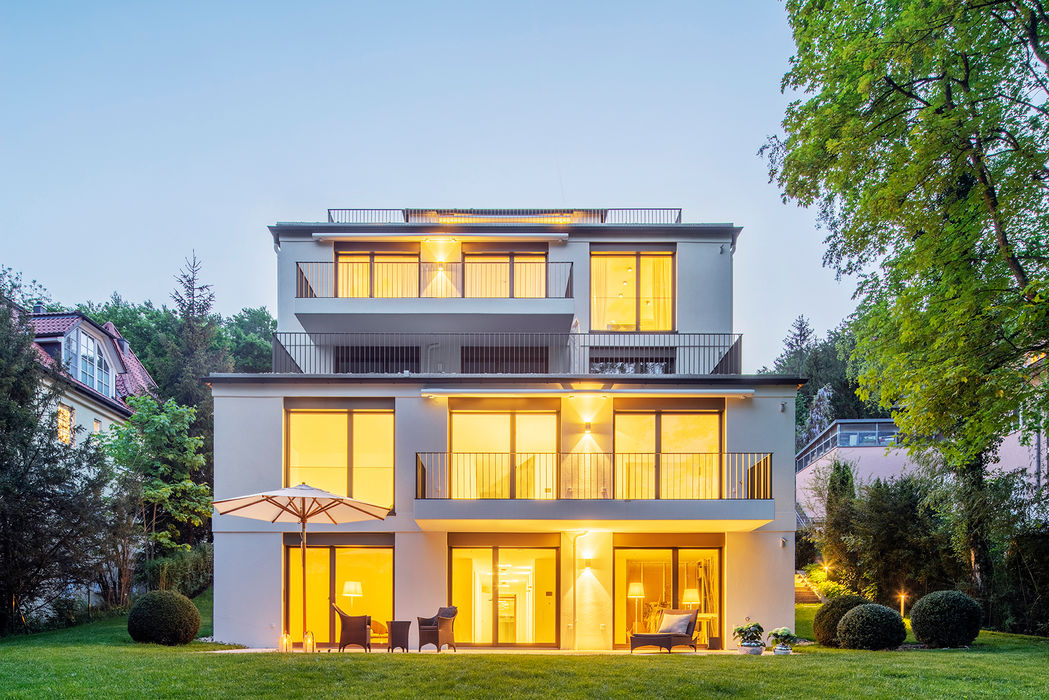
A Private Sanctuary in Possenhofen on Lake Starnberg
Smart Roof Conversion
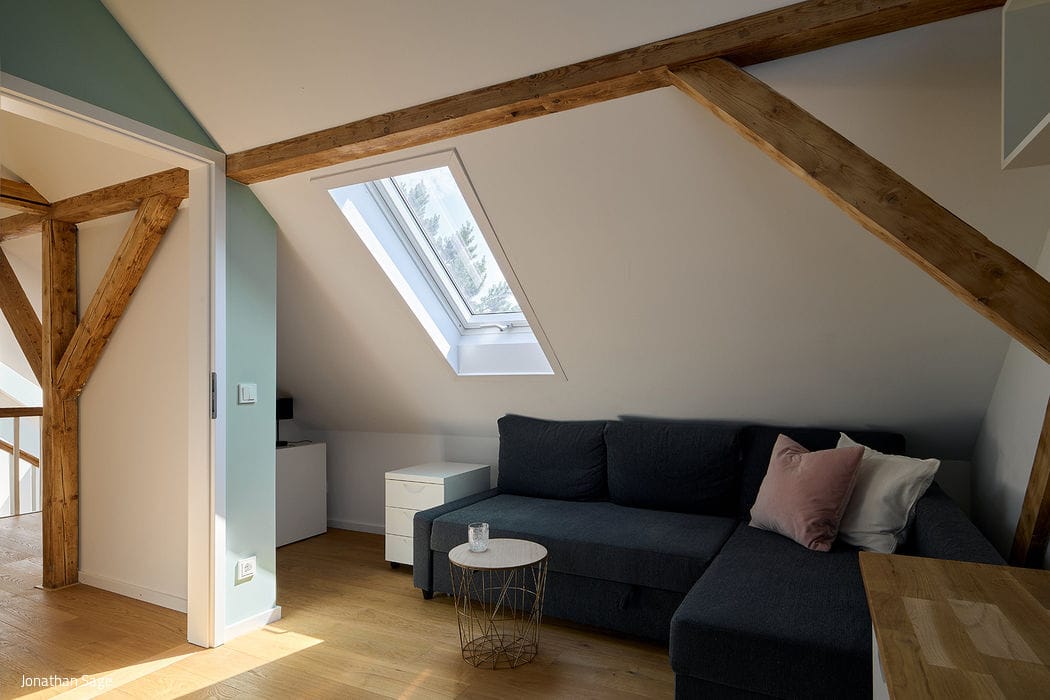
Two bedrooms, a redesigned bathroom, and exposed timber beams—the essential elements of this attic's transformation.
Wine. Design. Pleasure.
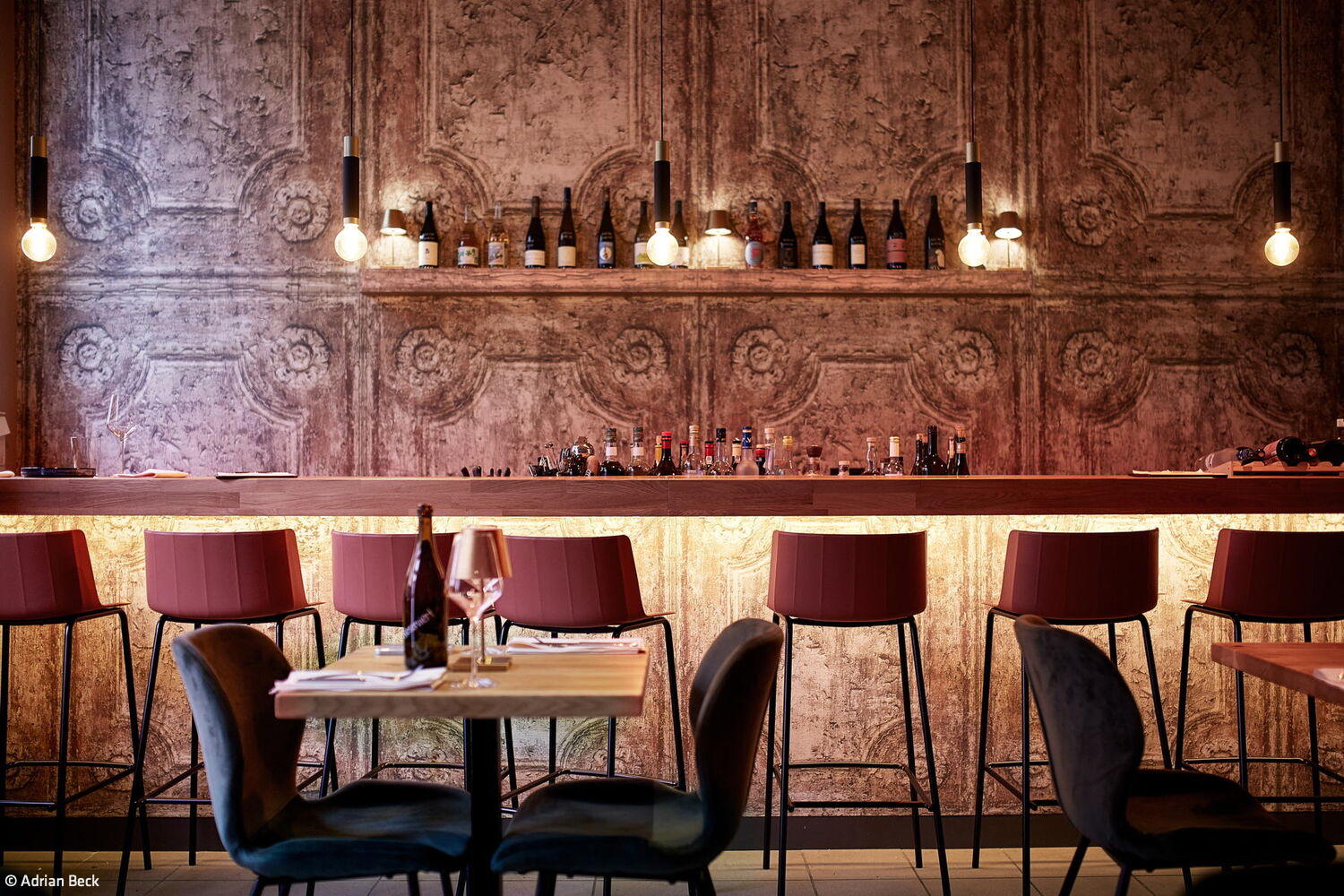
A new Schwabing restaurant where wine culture and exceptional design converge
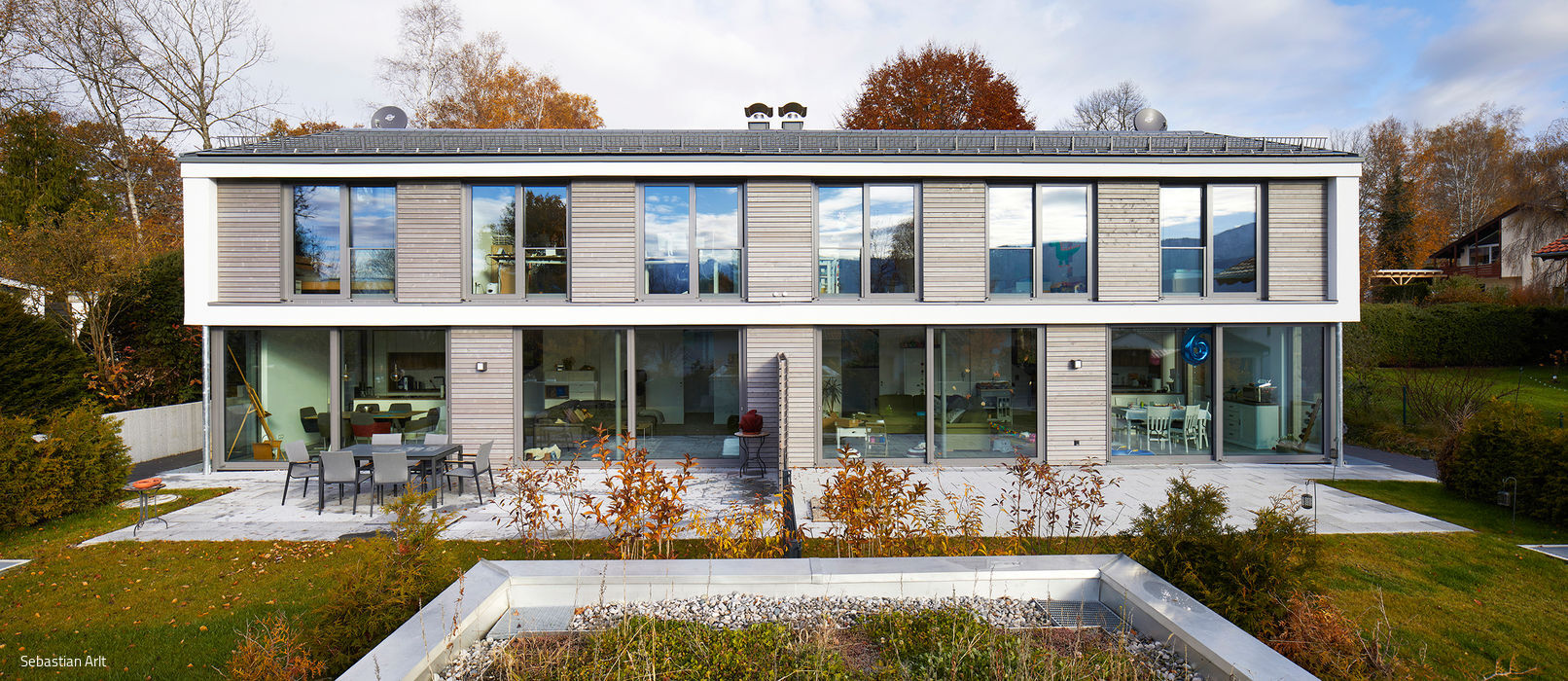
Semi-Detached House with Alpine Views
Murnau welcomes two luminous new homes