


Transparent and respectful
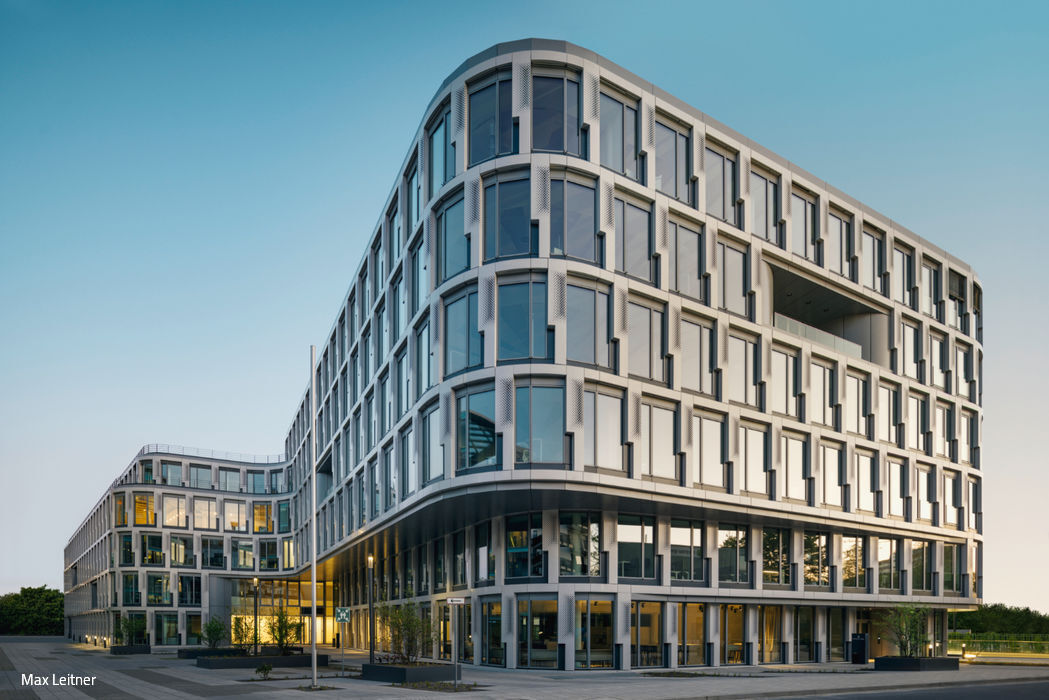
The new town hall in Ratingen thoughtfully preserves and integrates the historic structure with sustainable design.
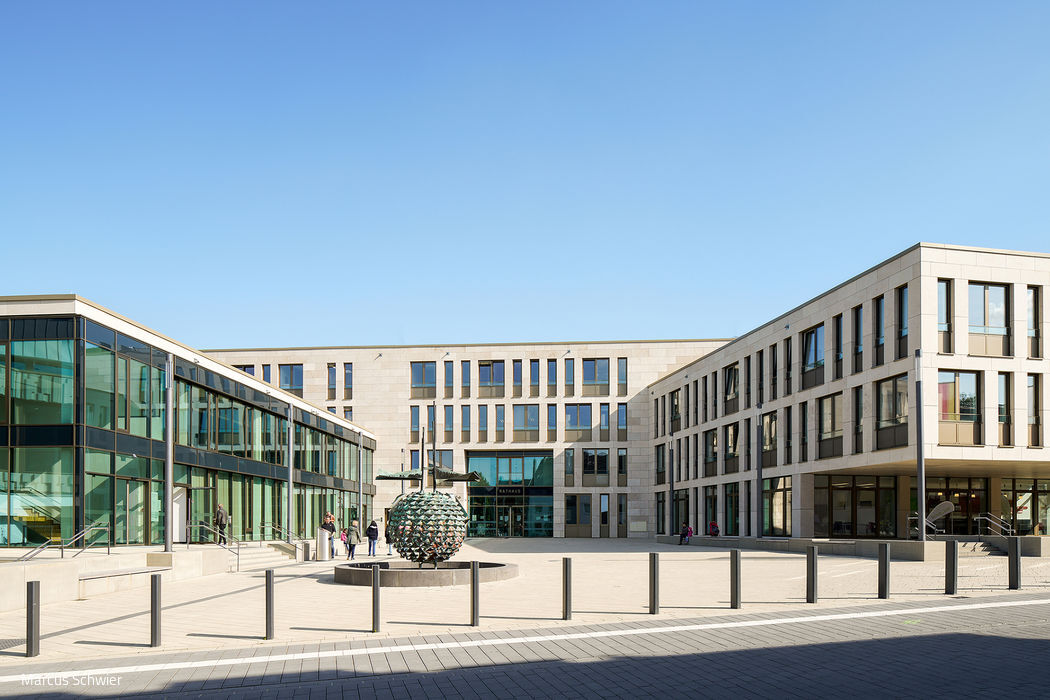
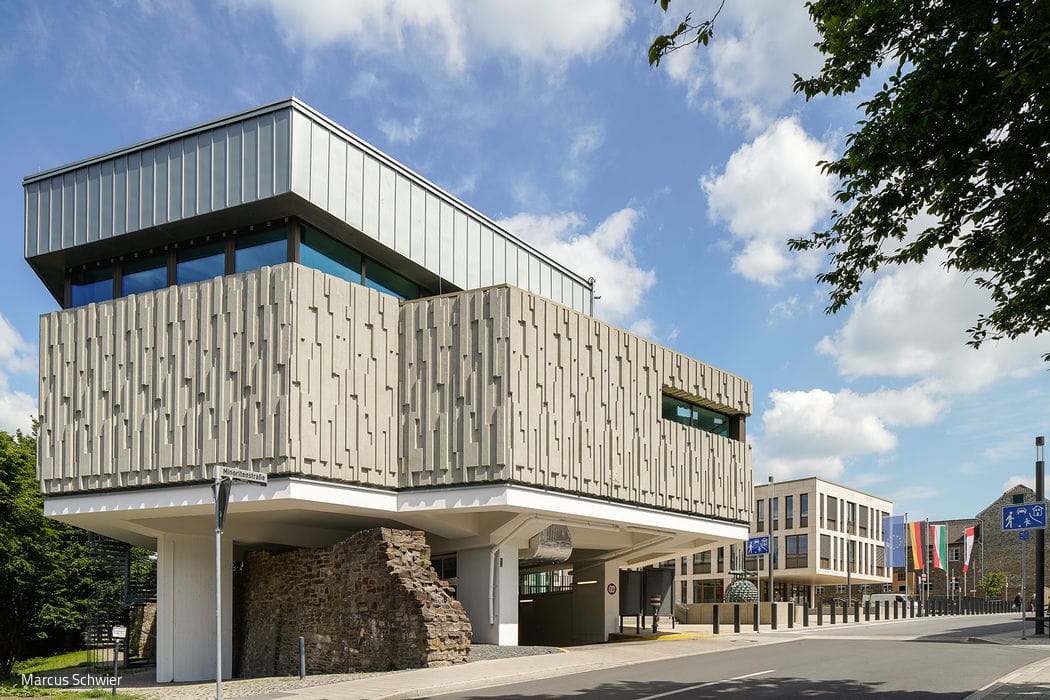
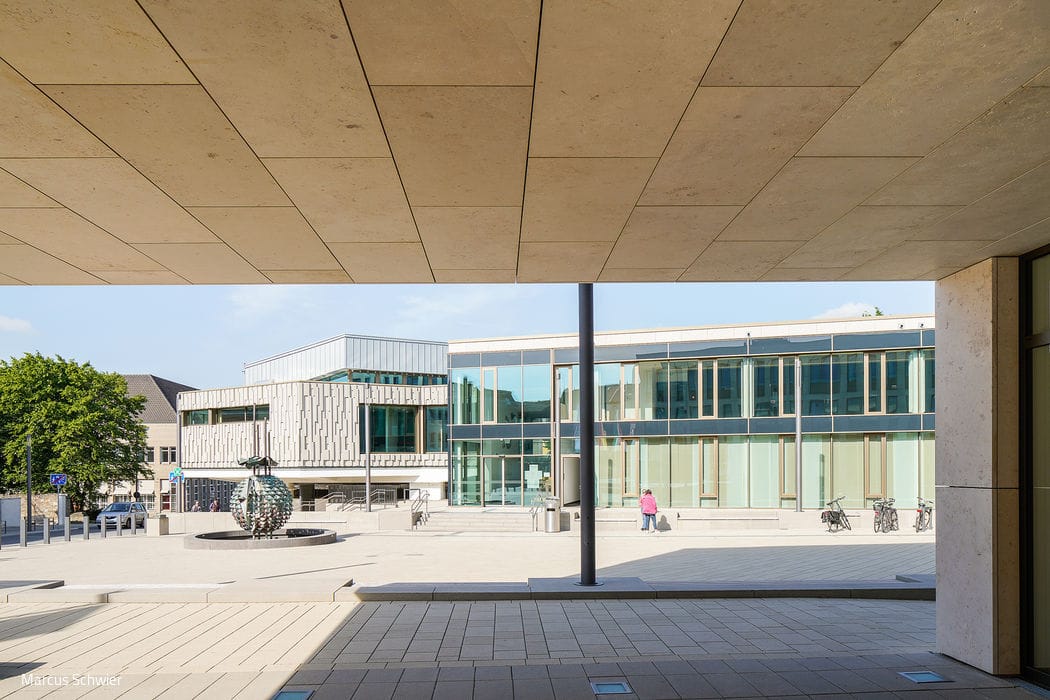
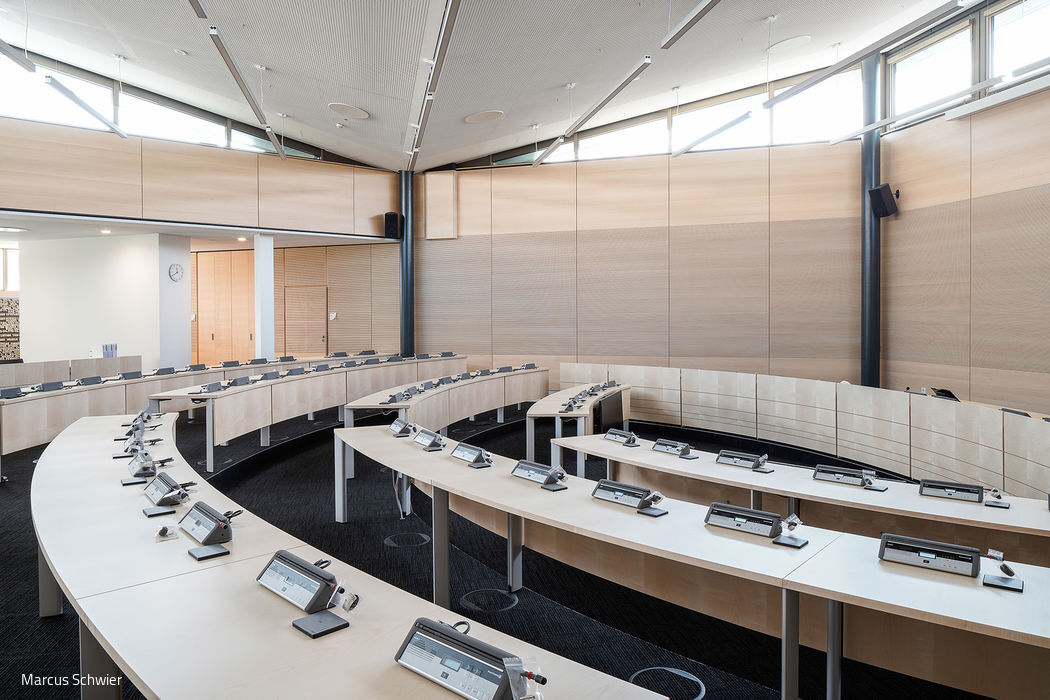
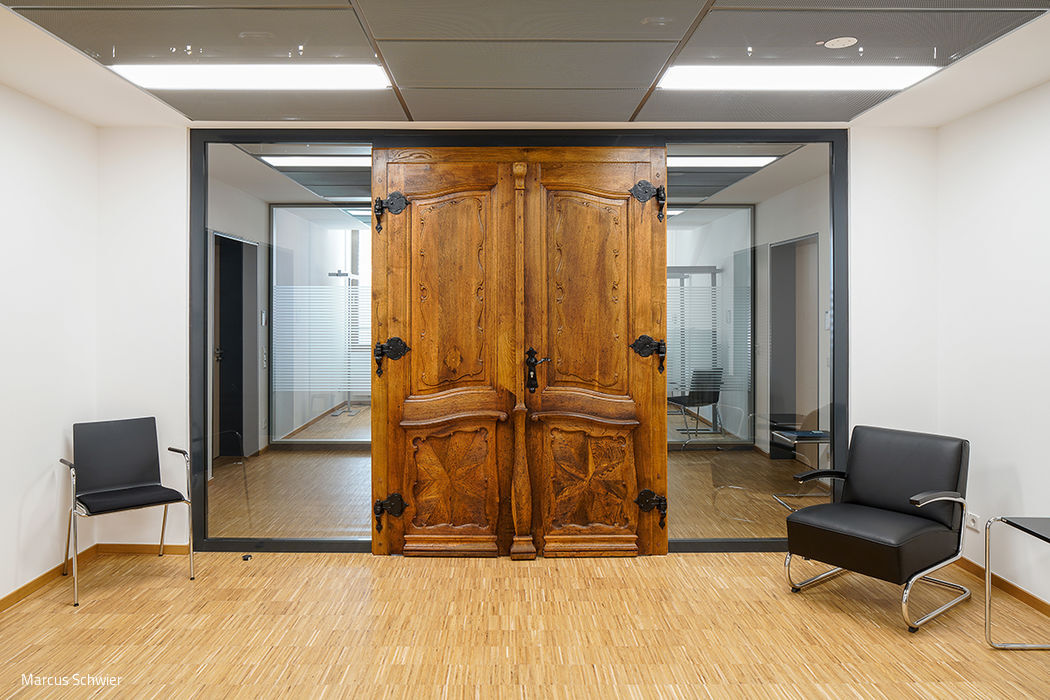
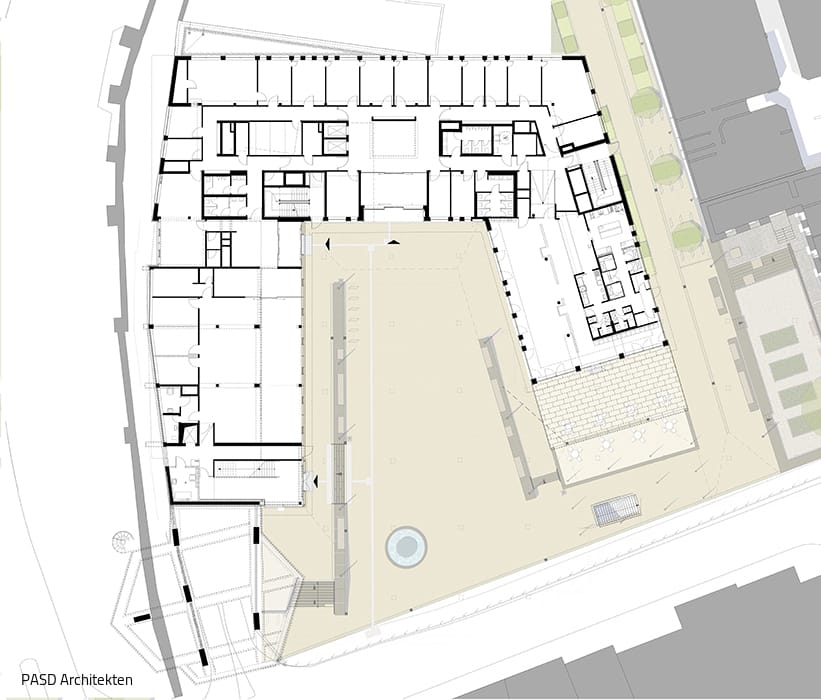
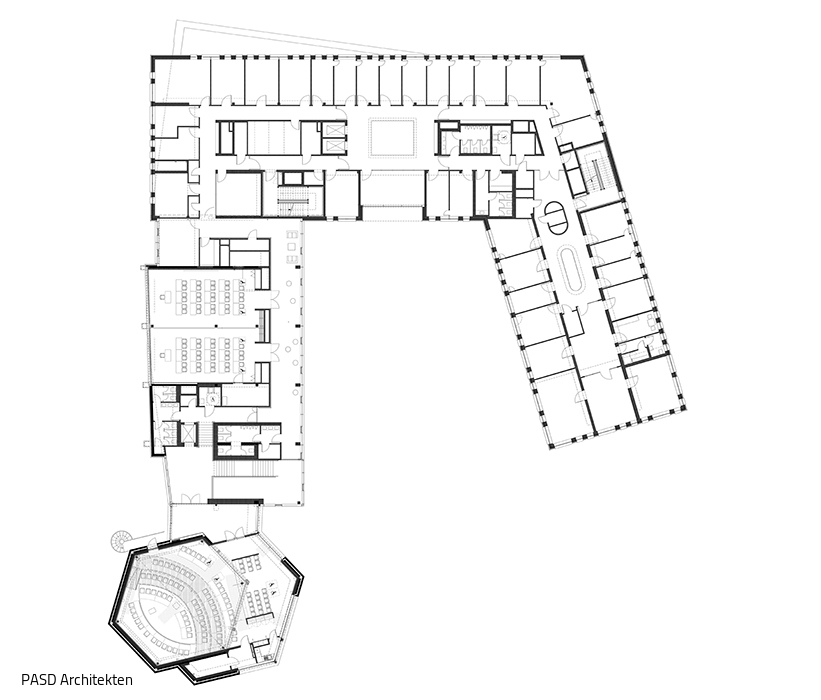
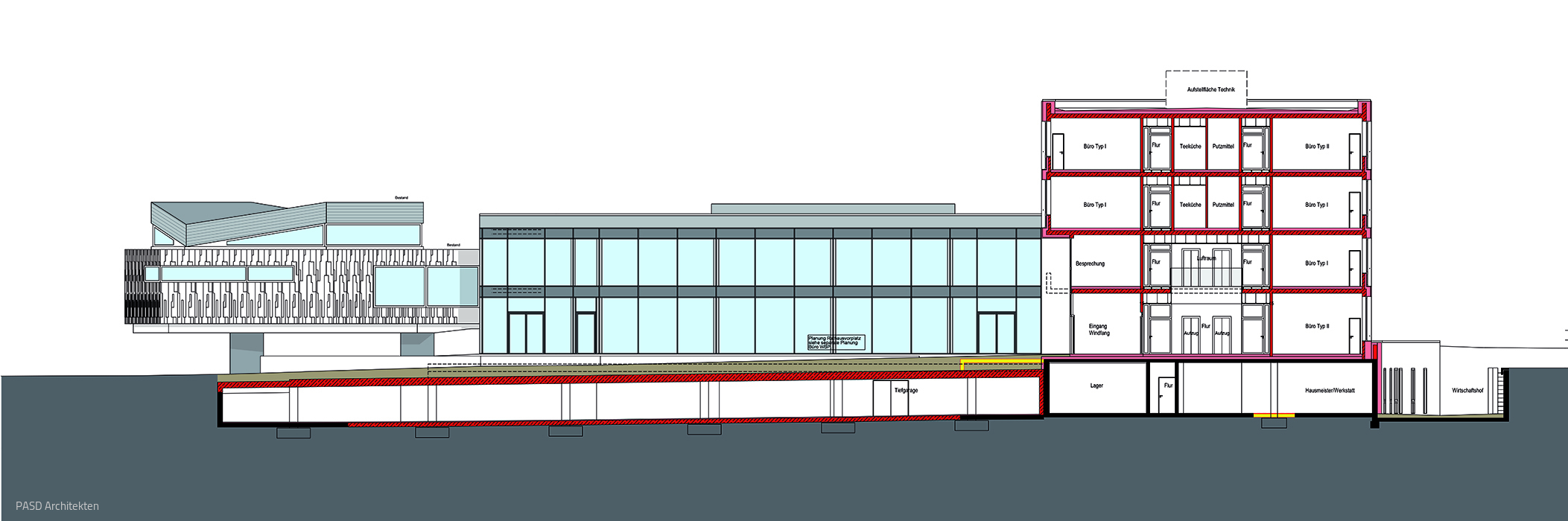
Ratingen's town hall, originally designed by architects Ekkehard Jatzlau and Jörg Schuler and built between 1968 and 1972, had deteriorated beyond repair following decades of deferred maintenance. The city council opted for a partial reconstruction that would demolish the brutalist complex while preserving the west wing and its distinctive polygonal council chamber. Completed by PASD Architects from Hagen, the new structure combines with the retained historic fabric to create an asymmetrical U-shaped ensemble, anchoring a generously scaled town hall plaza. Unlike its predecessor, the new building finally demonstrates historical sensitivity toward the adjacent Minorite monastery to the east: a newly opened monastery lane maintains respectful distance from the existing structure, while the new east wing is carefully limited to three stories. Similarly, the adjoining new construction on the west wing—which stands above the remains of the protected city fortifications—is restricted to four stories, with the surrounding context serving as the key design reference.
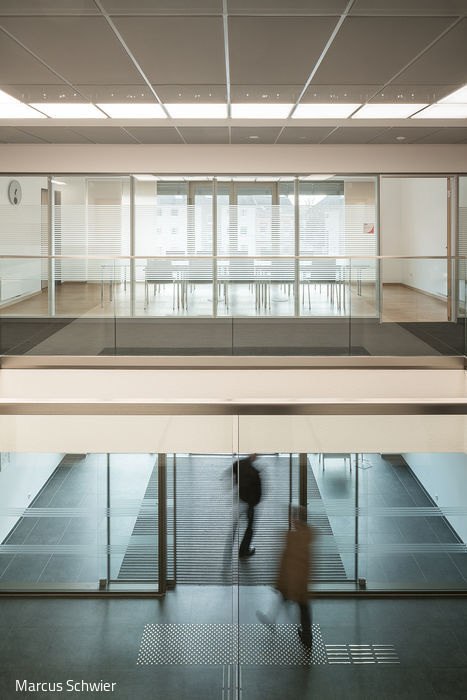
The west wing and council section maintain the solid, fortress-like character of their facade elements, echoing the historic defensive wall. However, the dated concrete curtain wall facing the town hall plaza has been replaced with an energy-efficient glass layer, creating a compelling contrast. The solid west wing now reads as open and accessible through the transparency of the glass hall before it. The existing concrete facade, windows, and roof of the historic structure—together with the council chamber and conference spaces on the first floor—underwent comprehensive renovation and energy upgrades, bringing the entire complex to contemporary new-build standards with full accessibility. The elegantly proportioned, ventilated natural stone facade offers visitors a warm welcome. Every aspect of the exterior wall assembly rigorously addresses thermal performance, energy code compliance, fire safety, and acoustic protection. The fenestration strategy thoughtfully breaks the underlying grid with varied apertures, animating the facade and preventing visual monotony despite its cubic clarity. Beneath both the historic structure and the new plaza sits a 90-space underground parking garage. The building achieved PreCheck certification status for DGNB and, given the preservation constraints of valuable existing components, qualifies for "Silver" certification.
Photography Credits:
Marcus Schwier
www.marcus-schwier.de
(Published in CUBE Düsseldorf 03|20)
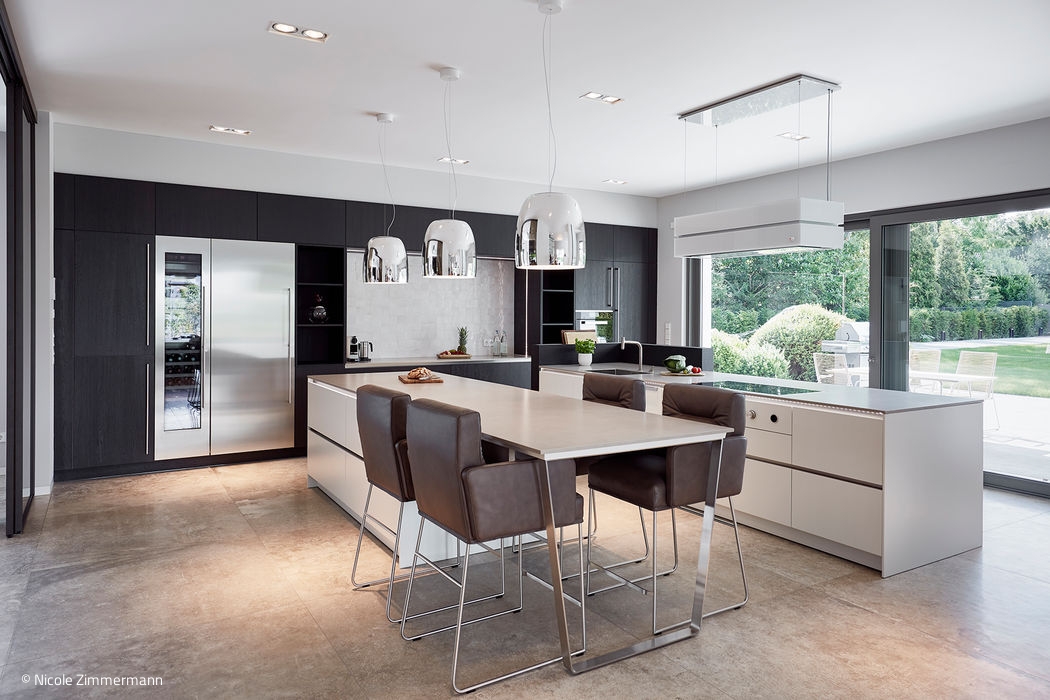
Elegantly Comfortable
Contemporary Design with Warmth and Soul
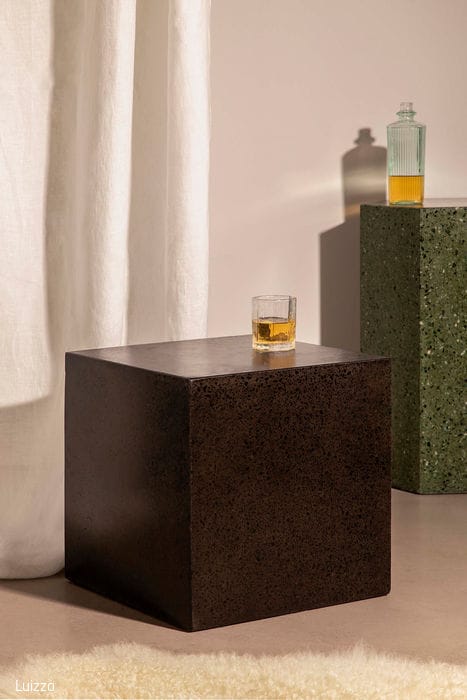
Handcrafted unique pieces
Luisa Scheu designs timeless terrazzo furniture and accessories.
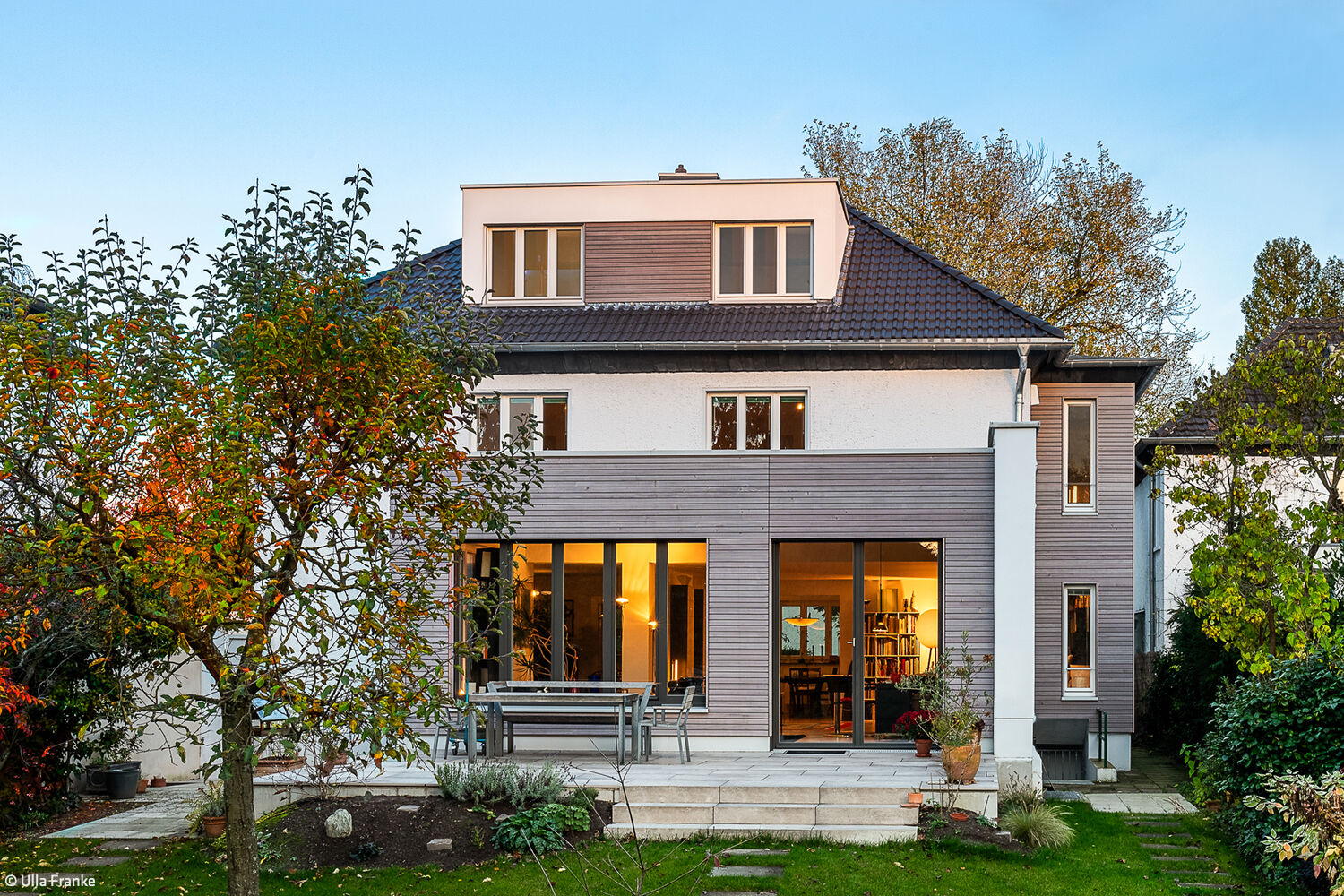
Building with Restraint
Two Semi-Detached Homes Unified into One Family Residence
Dynamic and Transformative
A training centre distinguished by thoughtfully curated spaces—each uniquely designed