


Palmenwald at Gänsemarkt
Deutschlandhaus reimagined: Hamburg's iconic Kontorhaus enters a new era


Completed in 1929 to designs by Block & Hochfeld, the Deutschlandhaus originally served as a commercial building. Its layered, continuous ribbon windows embodied the International Style, boldly departing from Hamburg's traditional Kontorhaus conventions—though its red brick façade nodded respectfully to local heritage. The building gained fame primarily through the integrated Ufa-Palast cinema, which boasted 2,700 seats and was Europe's largest at the time. Following wartime damage, sections were reconstructed in 1949, and a comprehensive renovation between 1979 and 1981 meant the building never received protected monument status. The new Deutschlandhaus design respectfully integrates into its urban context while maintaining visual harmony with Fritz Schumacher's Finanzdeputation across the way. It draws inspiration from the site's rich history to forge a distinctive new identity—a testament to Hadi Teherani's intuitive grasp of genius loci. Rooted in Hamburg's Kontorhaus tradition, this contemporary structure rises to meet present-day demands. Red clinker brick—the material that defines the original aesthetic—dominates the exterior façade. Flat, elongated brick units are arranged vertically in an open bond pattern, flowing into the window reveals and framing horizontal parapets and lintels. Progressive increases in glazing toward the top create a refined, carefully calibrated elegance. Inside, a soaring ellipsoidal atrium floods the space with natural light, its pristine white interior accessible to the public and enclosed by a transparent roof structure. Interior terraces rising above 35 meters and intersecting in space generate a compelling atmosphere and diverse possibilities for the surrounding office areas. Circulating water features and a lush palm forest define the building's heart, deliberately contrasting with the urban landscape beyond. Developed for ABG Real Estate Group, the new building accommodates office space, ground-floor retail and dining venues, 30 residential units, and an underground parking facility.
Photography:
HG Esch
www.hgesch.de
(Published in CUBE Hamburg 04|24)
Sky Band
Loft conversion into a handle-free apartment
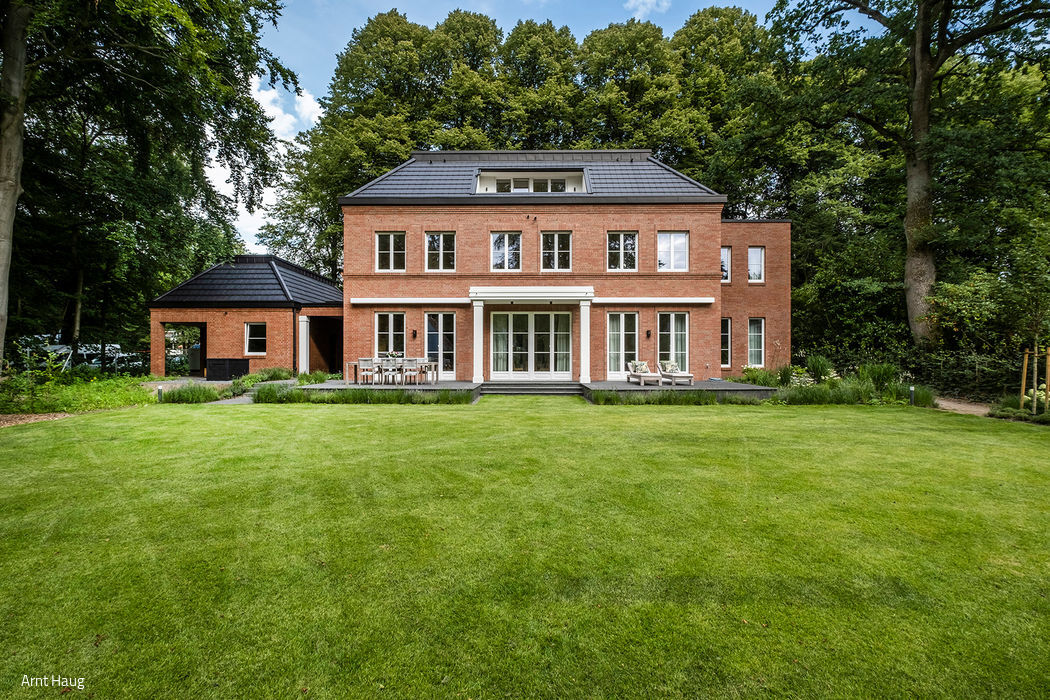
Living well
This Volksdorf villa provides generous space for family living and gracious entertaining.
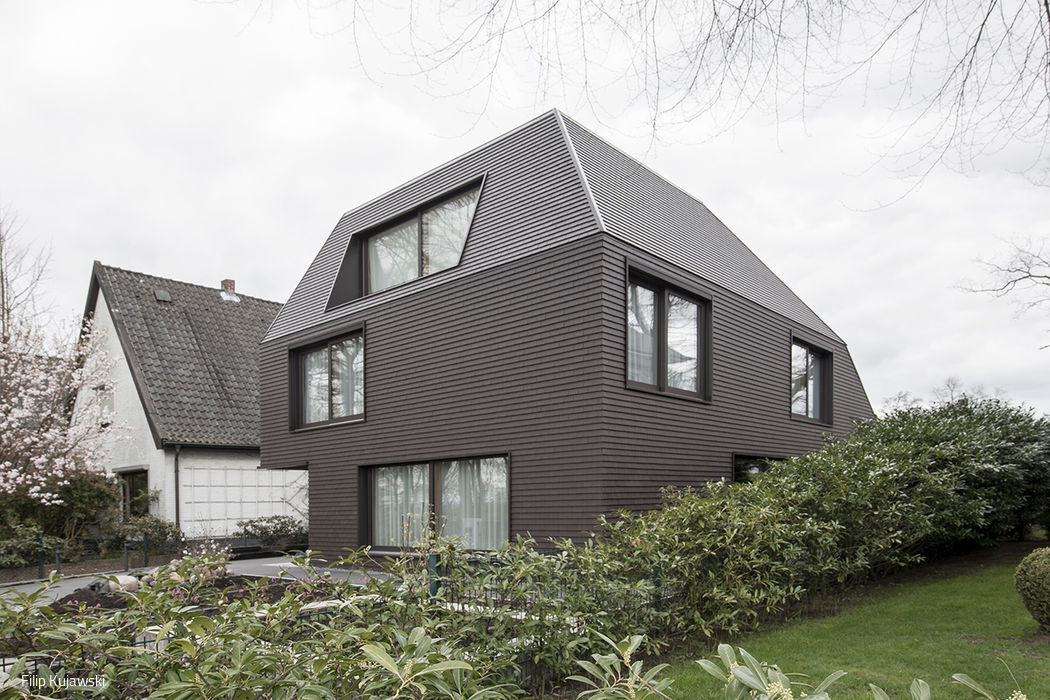
Three plus three equals one
Family Rituals Define a Home Built to Purpose
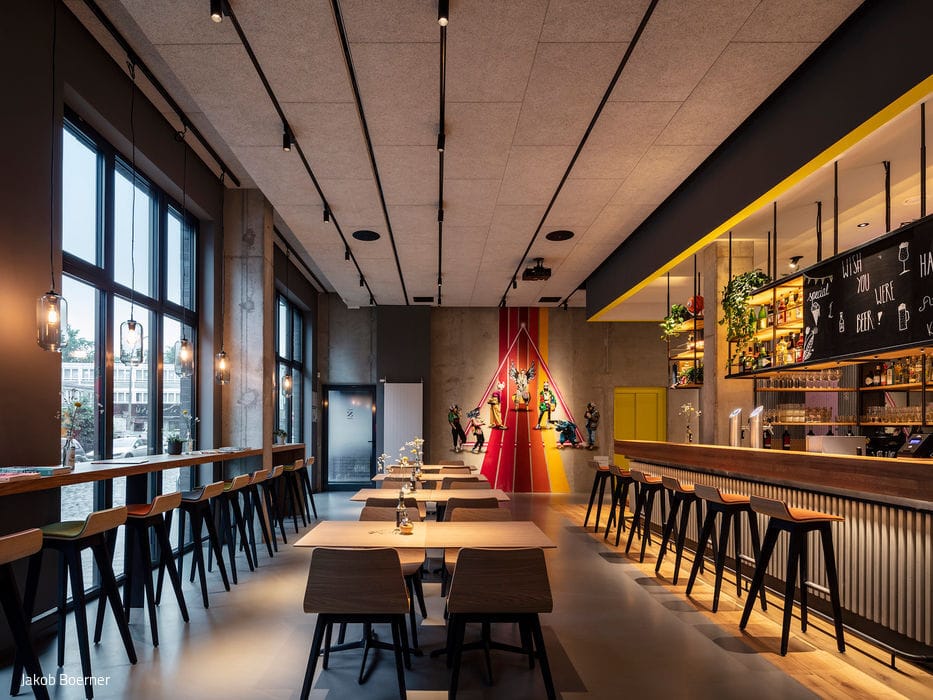
Less Is More
A cabin hotel in St. Georg that delivers privacy and community spirit—without breaking the bank.