


Family-Friendly University
Childcare and Coworking Space in a New Building at Beuth University of Applied Sciences
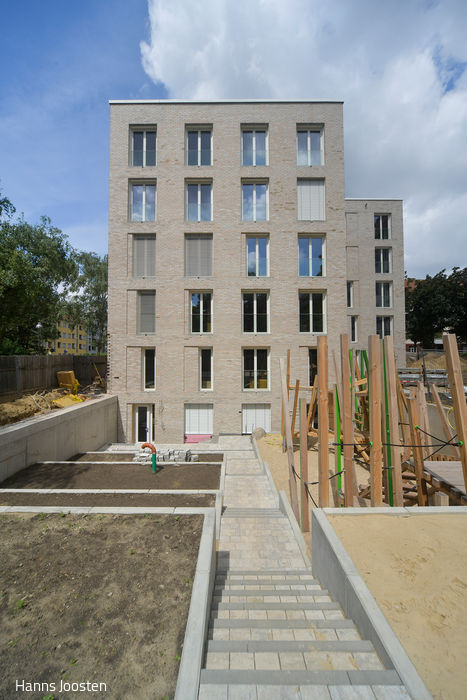
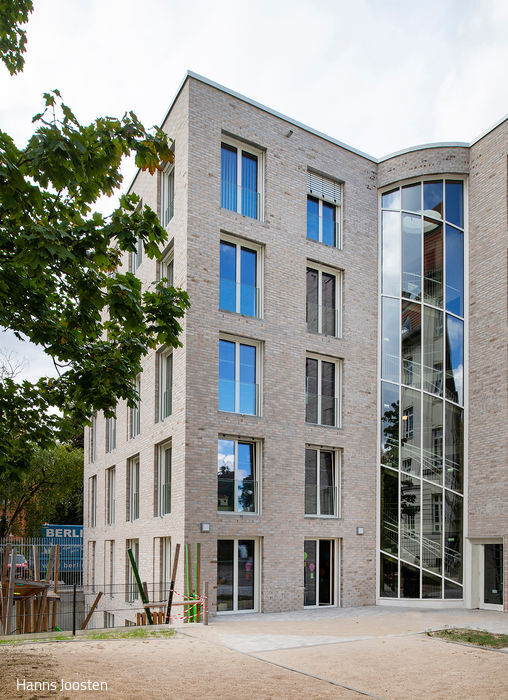
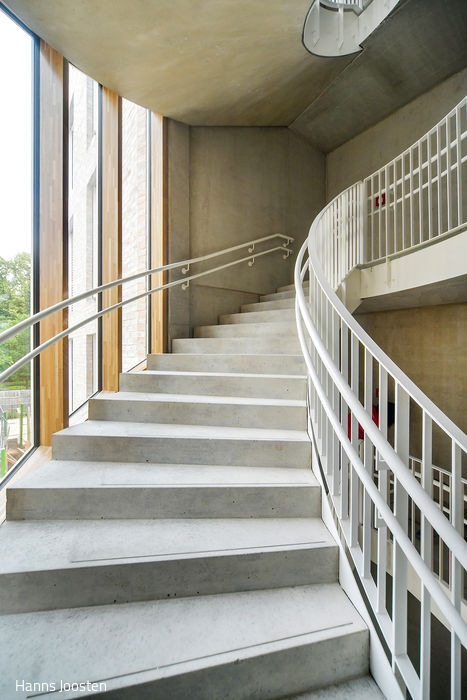
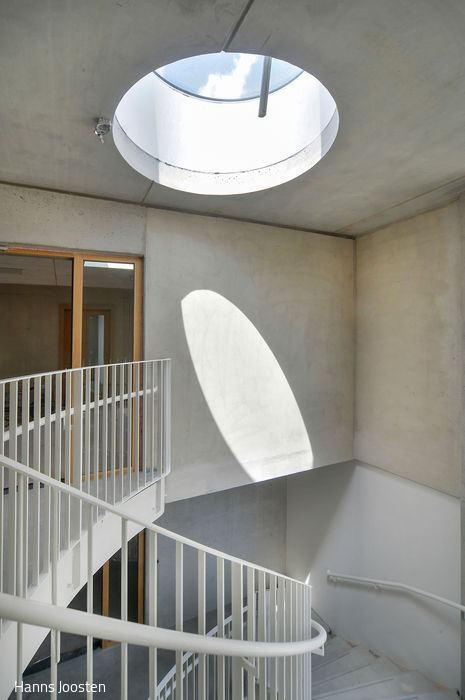
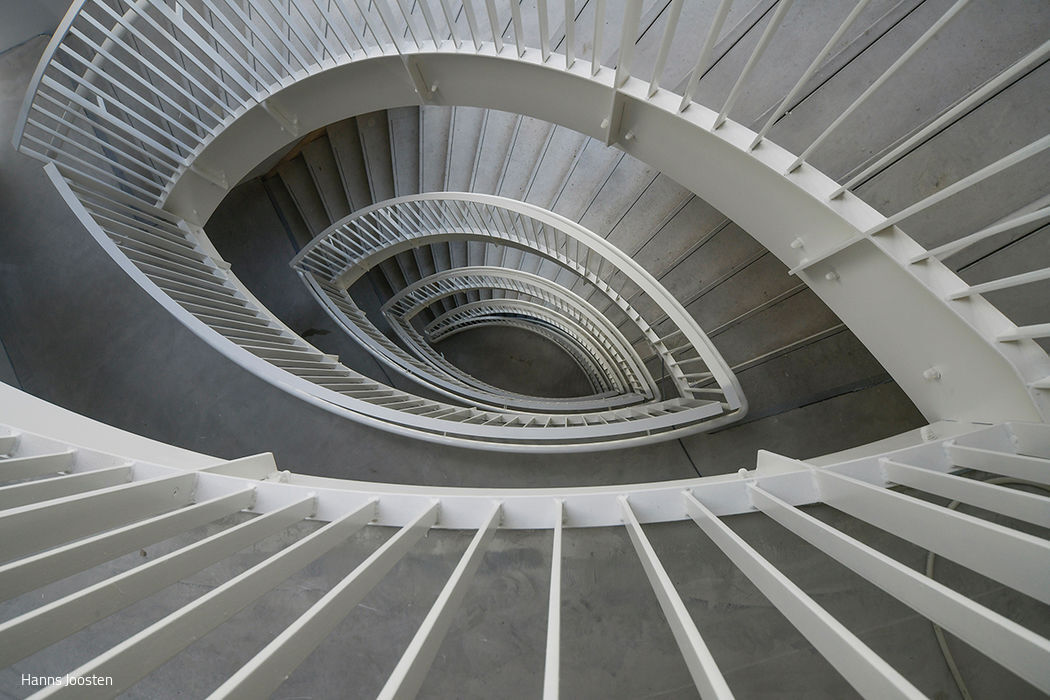
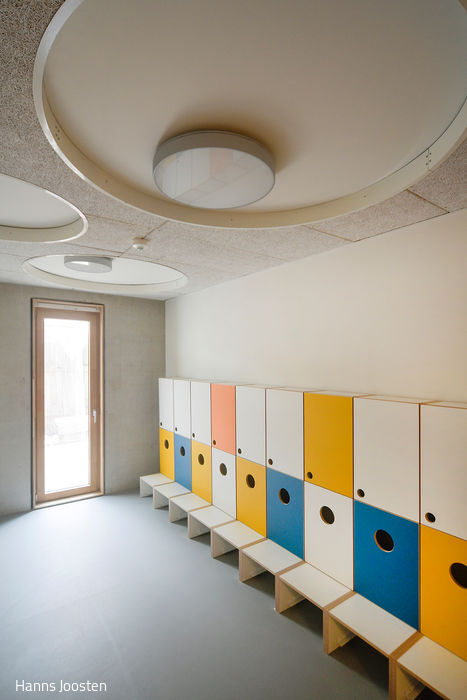
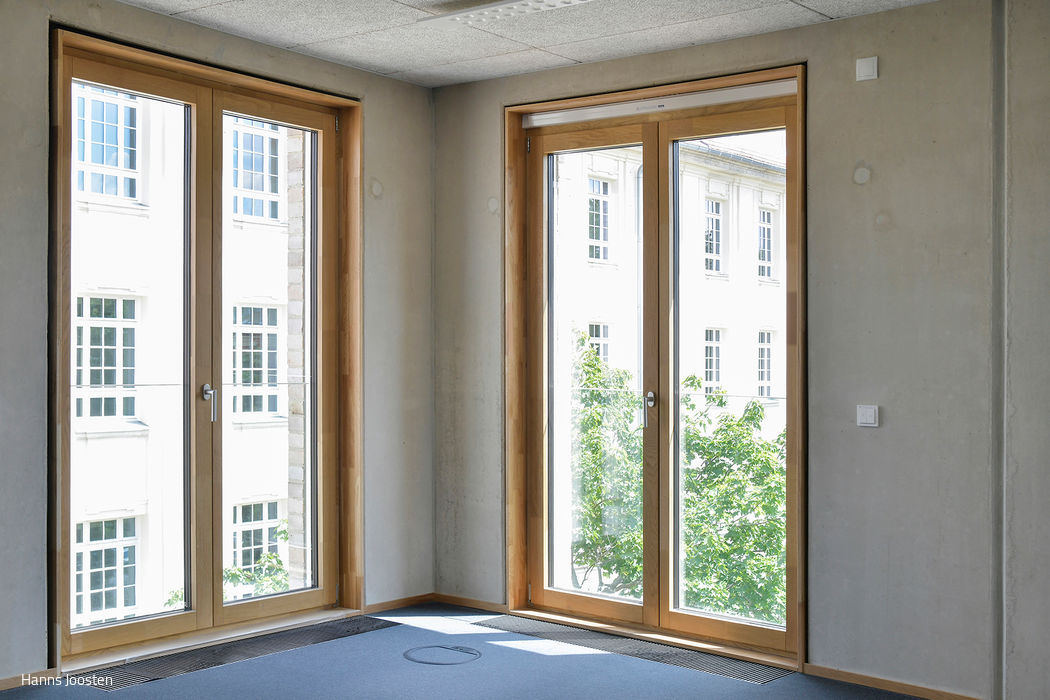
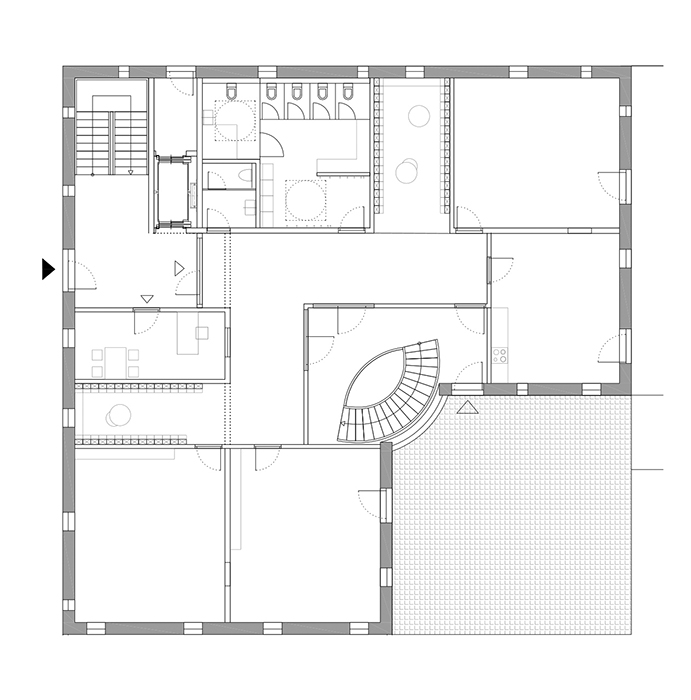

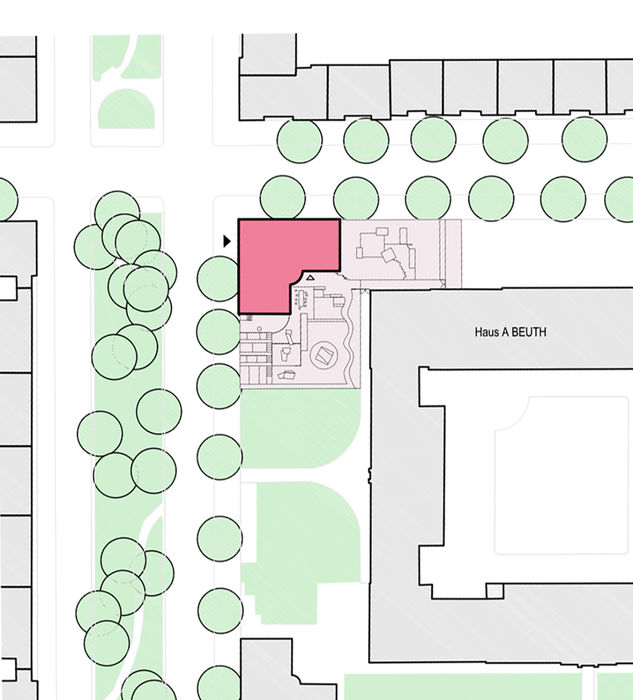
Designed by Ludwig Hoffmann and completed between 1908 and 1910, the Beuth House sits at Zeppelinplatz in Berlin's Wedding district, serving as the heart of the BHT – a university with 13,000 students. The building's distinctive square footprint is anchored by two gate structures—former teachers' residences—positioned at the southern and western corners. One of these pavilions was destroyed during World War II, leaving the ensemble visibly incomplete. KRP Architects has now restored this missing corner building, reuniting the composition. The project is a collaborative effort between the BHT and Studierendenwerk Berlin, the latter operating this facility alongside several other childcare centers across the city.
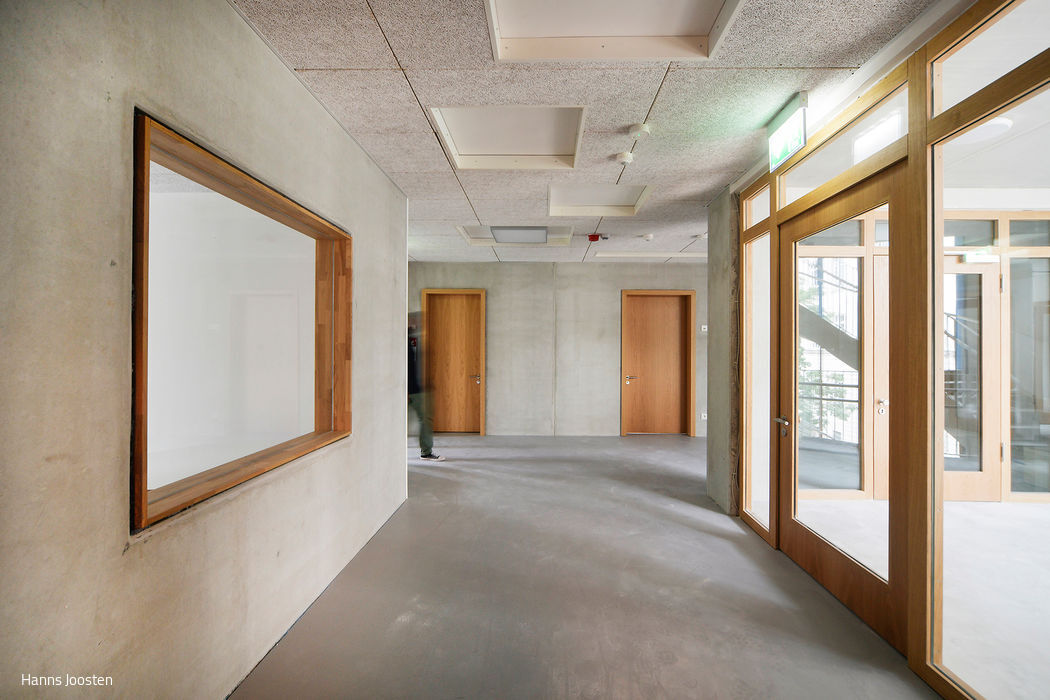
Spread across 2,279 m² of floor space over five stories, the new building provides 130 childcare places on three upper floors and in the basement—more than double the 48 places in the original facility. The spaces welcome children of university students and employees, as well as families from the surrounding neighborhood. The ground floor anchors the transition between the university and Studierendenwerk Berlin, with dedicated play and care spaces for the youngest children on the remaining levels. Older children occupy the first and second floors, while the top two stories comprise 52 flexible coworking spaces designed for university staff and students. Opened in summer 2021—delayed a year due to pandemic circumstances—the building now restores the wartime-damaged ensemble to its original architectural integrity.
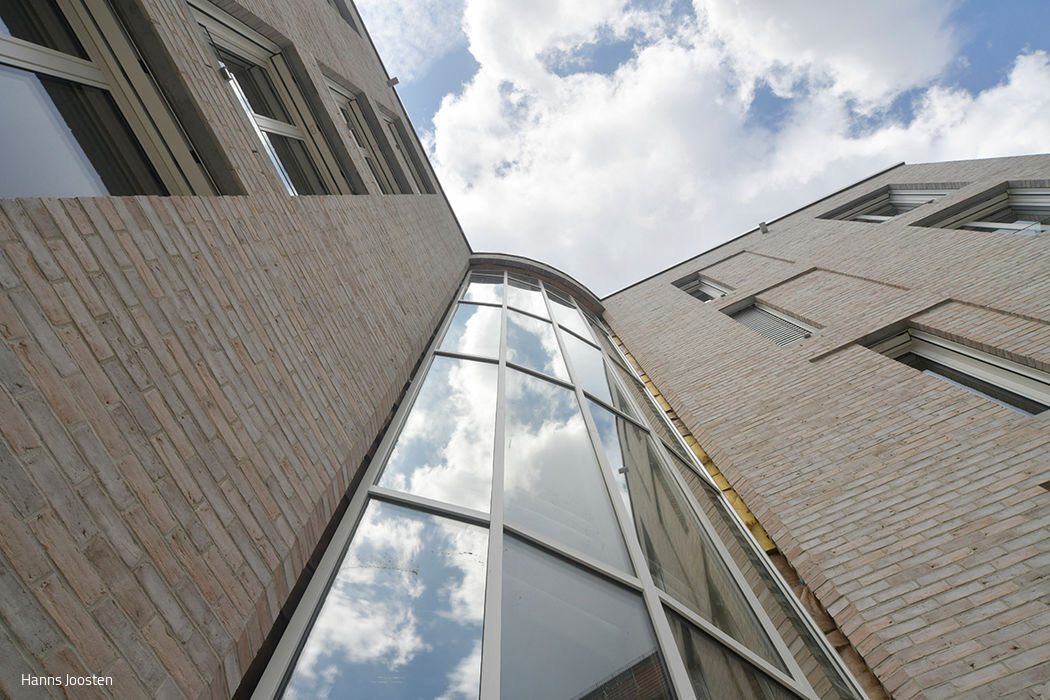
The landscape architecture firm Dr. Gabriele Holst designed extensive outdoor play areas that integrate the building into its surroundings. Unlike the historic main building's pitched roof, the new structure features a clean flat roofline. The façade composition echoes the main building's proportional grid through thoughtfully varied window openings—ranging from narrow to medium to expansive—creating visual rhythm and light play across the elevation. The construction combines a 3 x 3 meter semi-precast concrete grid with a curtain wall of lime-washed brick. Its L-shaped floor plan mirrors the opposite corner pavilion, with a convex, fully glazed corner reaching toward the main building, establishing visual continuity. As a whole, the building stands as a powerful statement of institutional commitment to family-centered design.
Photography Credits:
Hanns Joosten
www.hannsjoosten.de
(Published in CUBE Berlin 01|22)

Living Instead of Parking
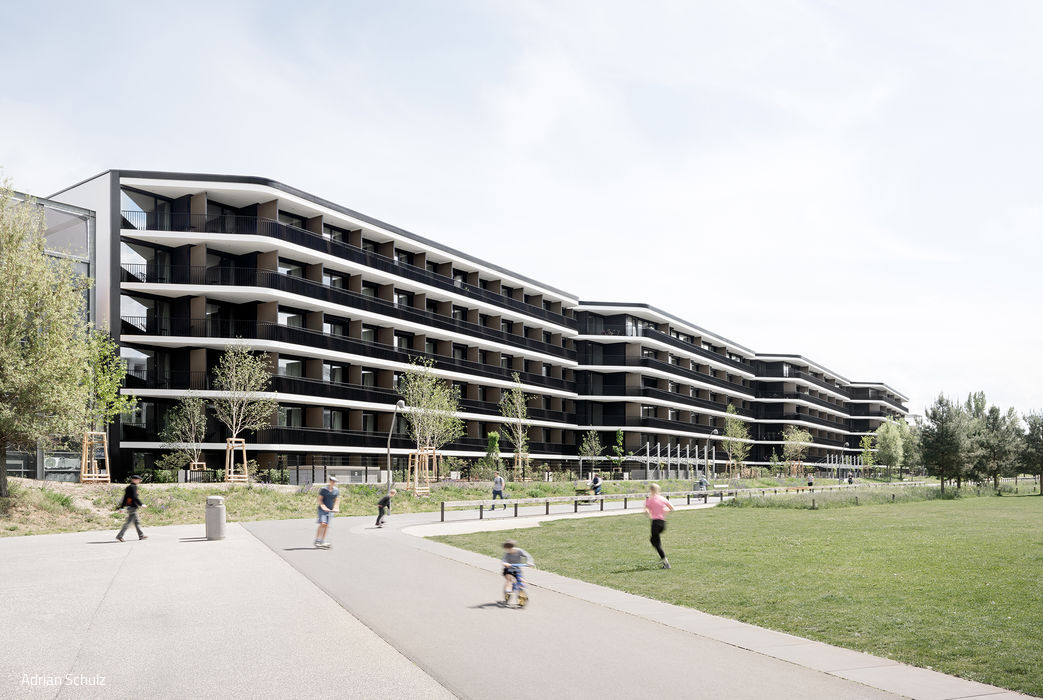
Halving a parking garage to make room for four residential buildings at Gleispark
The Flamboyant House
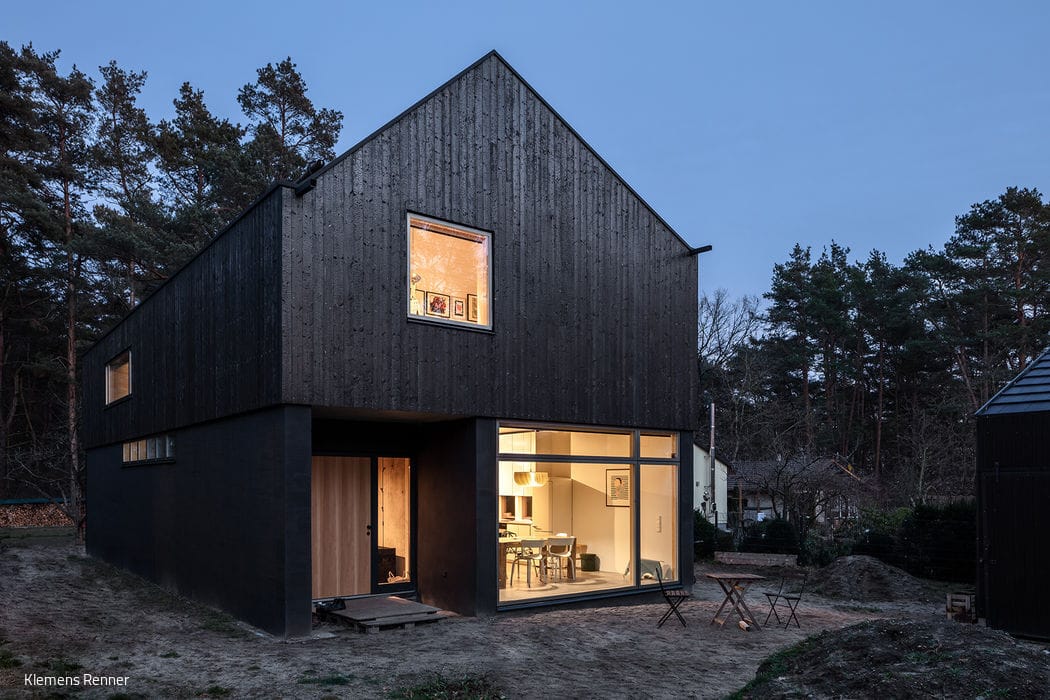
A hybrid structure that combines a solid masonry ground floor with a lightweight timber-frame upper story built atop a concrete deck – the...
Making It Your Own
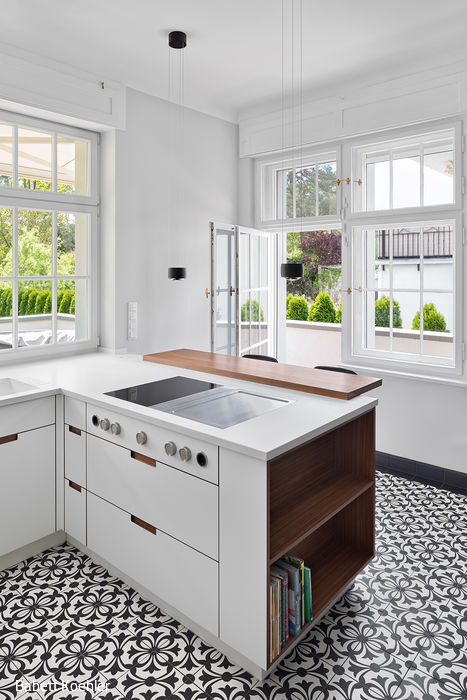
Interior Redesign of a Country House Villa
Distinctive Keepsakes
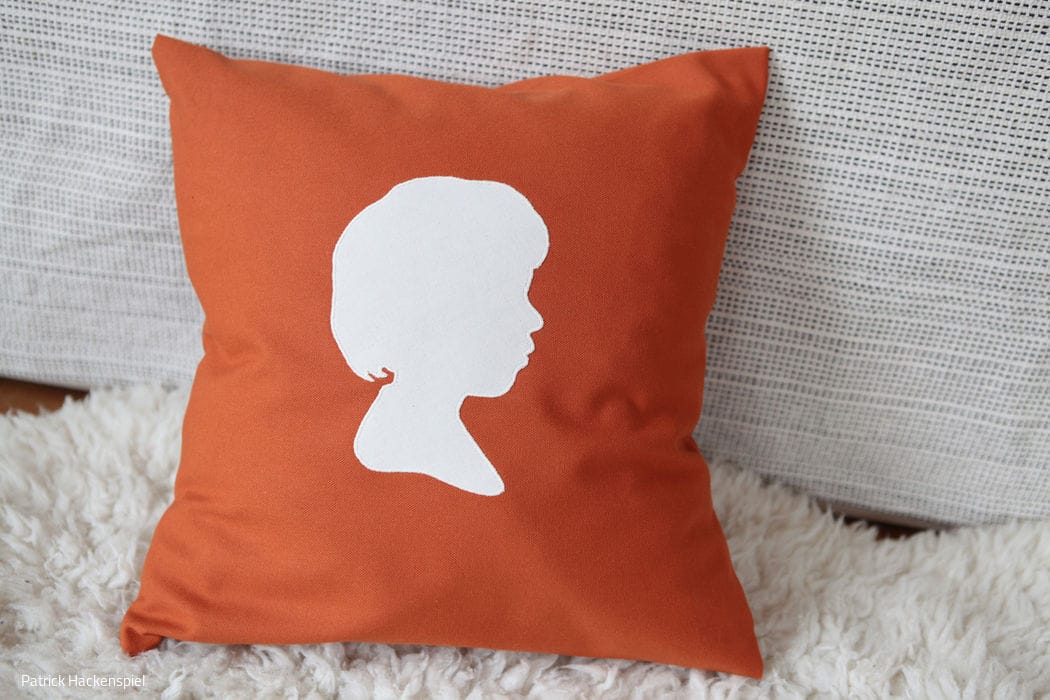
Cornelia Bohnen crafts home textiles and jewelry from paper cut-out silhouettes.