


Thoughtfully Inclusive
The LVR-LandesMuseum Bonn Reimagined as a Fully Accessible Space
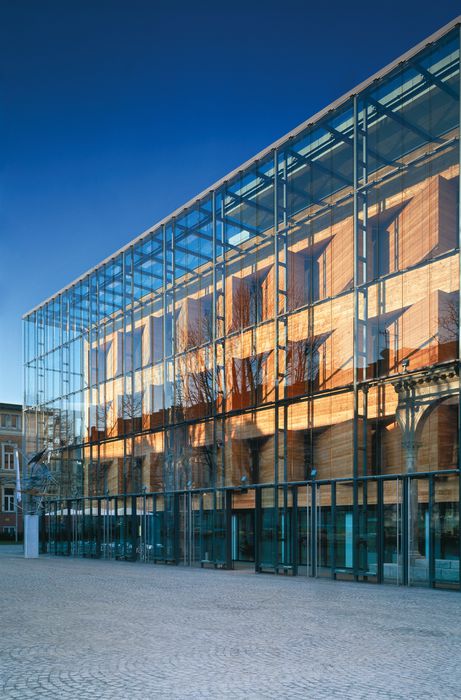
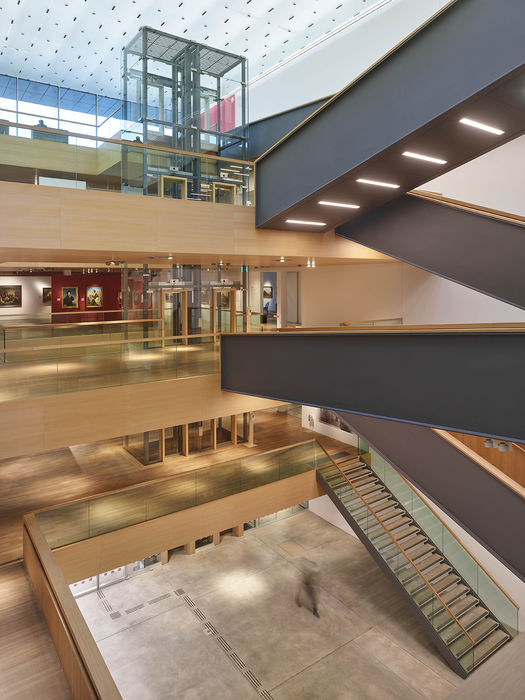
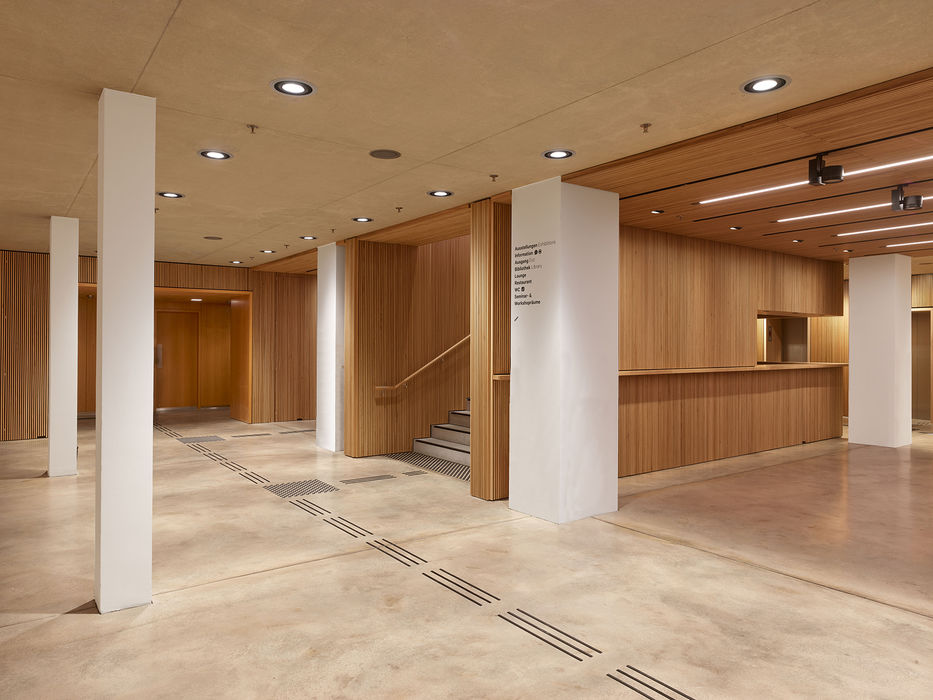
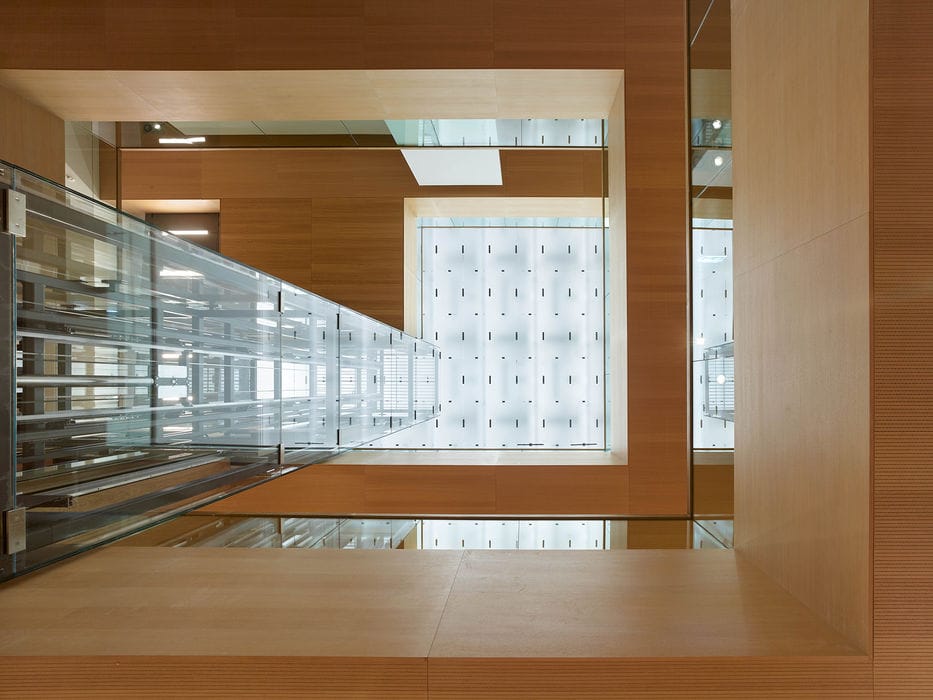
In 2003, the Stuttgart-based firm Herrmann+Bosch Architekten, working alongside Atelier Lohrer and Atelier 77, completed a landmark renovation and expansion of the LVR-LandesMuseum Bonn. Their spatial strategy—threading ramps, walkways, and stairs through all exhibition levels—unified the museum into a cohesive whole while introducing flexible exhibition spaces. When the museum celebrated its 200th anniversary in 2020, Herrmann+Bosch Architekten returned to the project with a new mandate: the Rhineland Regional Council sought to reimagine the institution as genuinely inclusive, reconfigure the ground floor and basement, and better integrate the forecourt with its dining facilities.
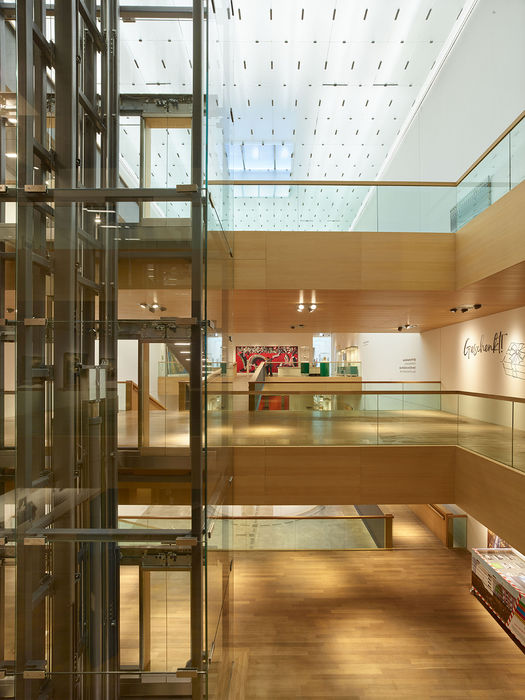
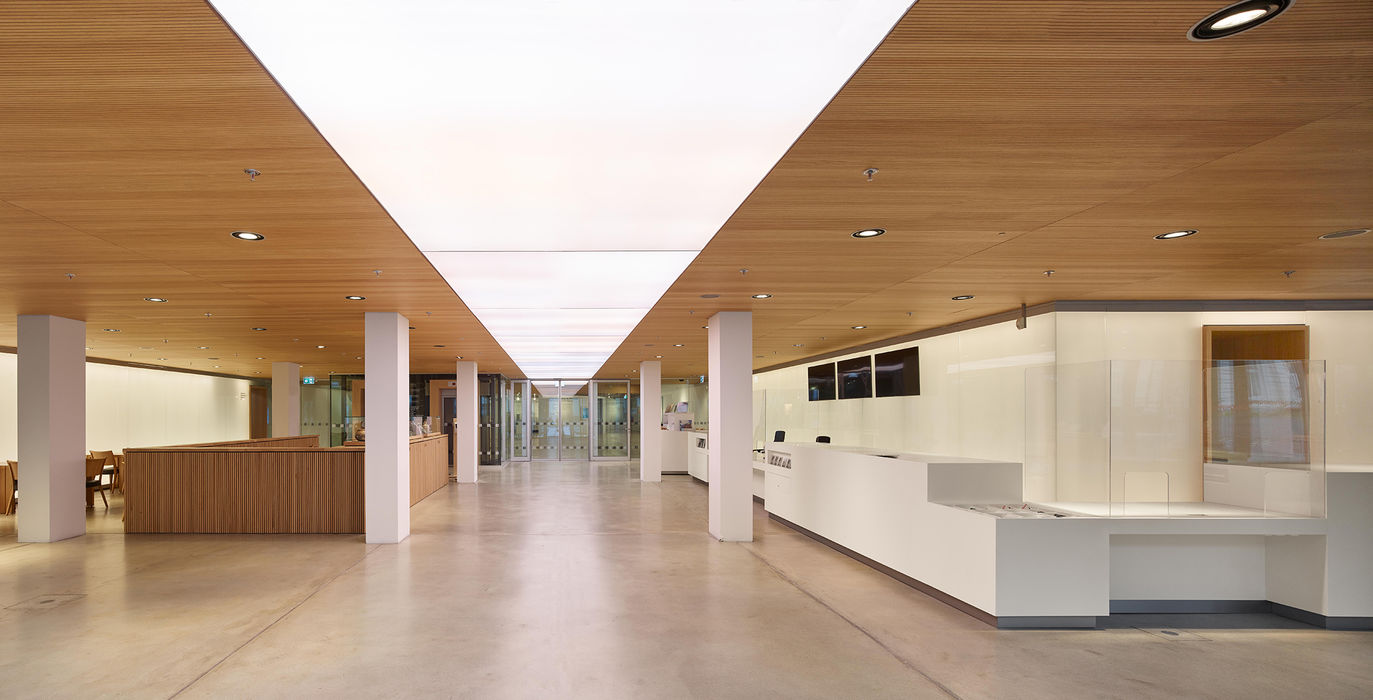
The architects' guiding principle was to resolve every design challenge in conversation with the existing structure—making interventions feel intuitive rather than imposed. Only key transition points between old and new were highlighted. Central to their accessibility strategy was a glass-enclosed elevator that silently carries visitors through all levels, from entry to rooftop terrace. This transparent lift becomes a sculptural element, impossible to miss. Beyond mobility access, the team pioneered inclusive design for visitors with visual impairments: a comprehensive wayfinding system incorporates tactile door labels, lift buttons, stair handrails, and textured floor indicators. Strategic lighting—an illuminated wooden band recessed into the ground floor ceiling—guides guests intuitively from the main entrance through the foyer into the galleries. Throughout the building, wheelchair-accessible doors, restrooms, and lowered counters ensure equal access at every touchpoint.
Beyond accessibility, the redesign addressed the museum's spatial flow. The entrance was completely reconceived as a generous, unified volume that naturally channels visitors toward ticketing and into the galleries. Below, the basement foyer underwent a similar transformation: relocating the cloakroom upstairs freed up expansive, flexible event space. Warm wooden slat cladding wraps the walls, harmonizing with exposed concrete ceilings and polished floors to create an inviting environment. Carefully placed beneath the staircase, a new bar counter anchors this welcoming atmosphere. Yet these refinements came with an exceptional constraint: the entire project unfolded while the museum remained fully operational. Protecting the institution's irreplaceable cultural collections—particularly from fire hazard—during active construction demanded meticulous coordination at every phase.
Photography Credits:
Roland Halbe
www.rolandhalbe.eu
(Featured in CUBE Cologne Bonn 01|22)
Old and New in Dialogue
Two townhouses in Bonn's Nordstadt district undergo sensitive historic restoration
Suspended on the Hillside
A 1964 Bungalow Renewed: This Bad Honnef Home Feels as Fresh as New Construction
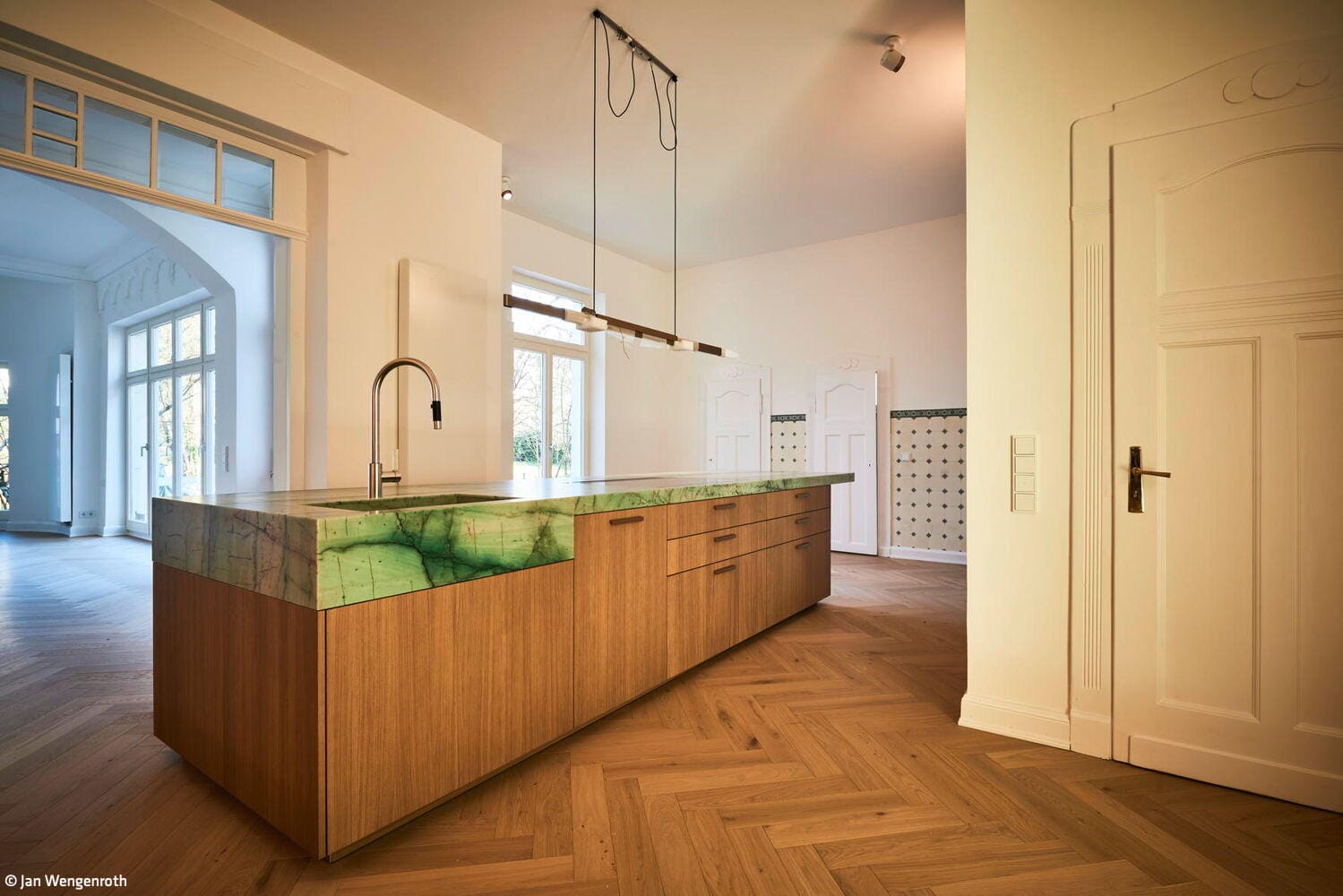
Back to the beginning
Gründerzeit villa transformed back into a single-family home
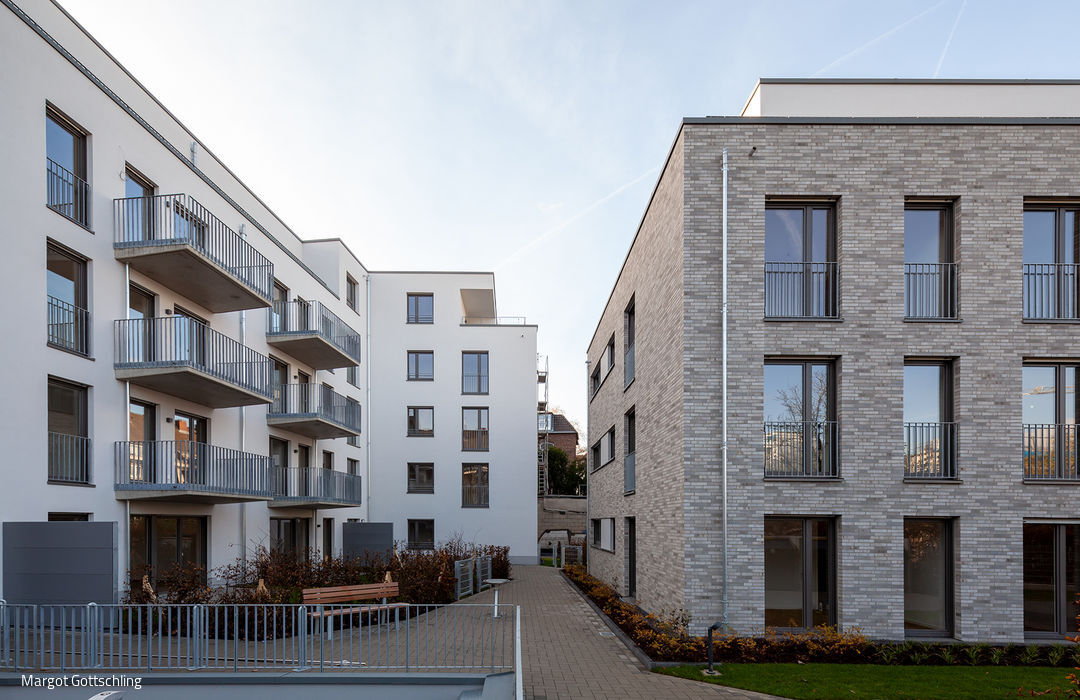
Adapted on All Sides
Filling Gaps, Building Density: Creating Homes in Established Neighbourhoods