


Beyond Visual Categorization
A new building in Dorsten that embraces mixed-use design
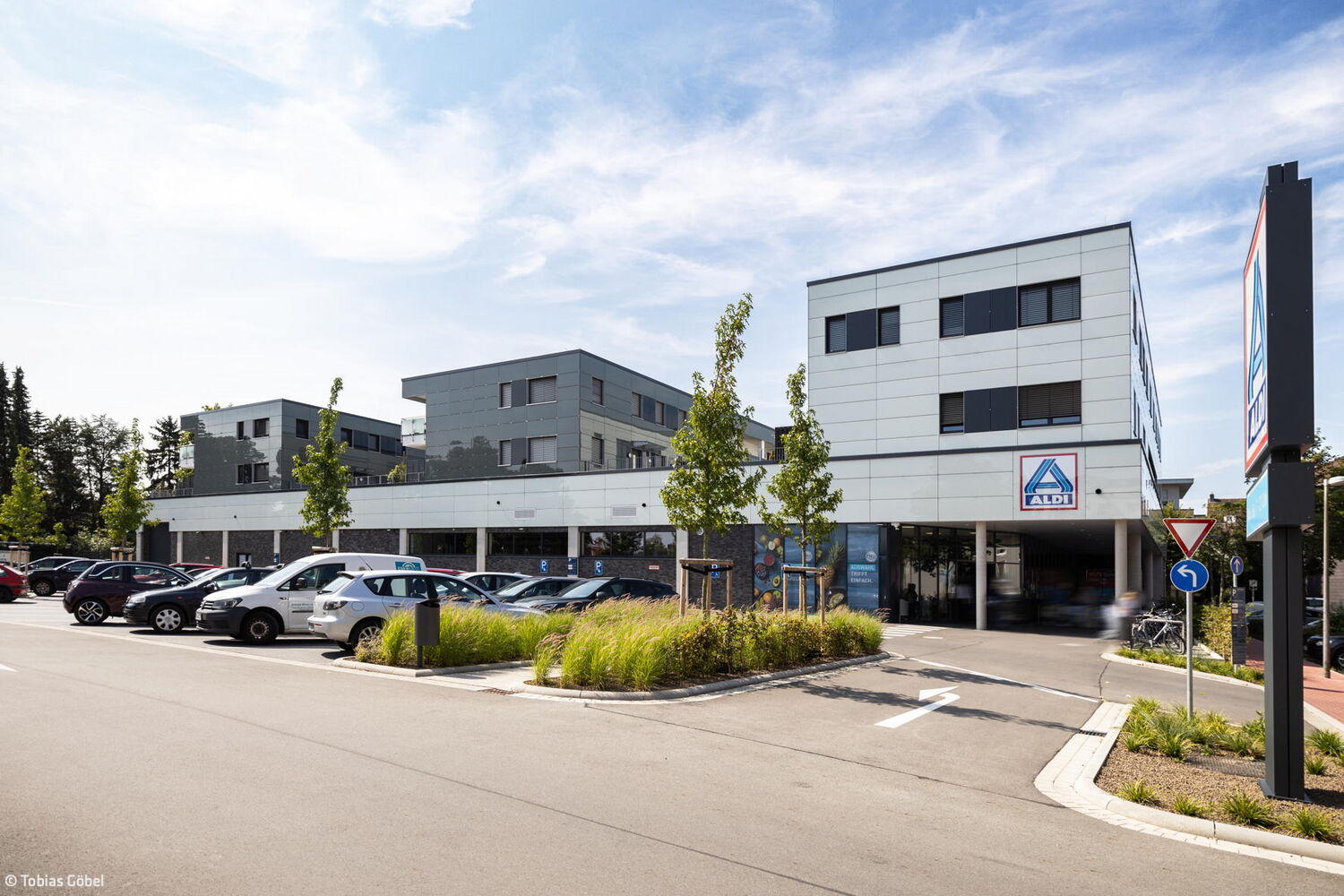
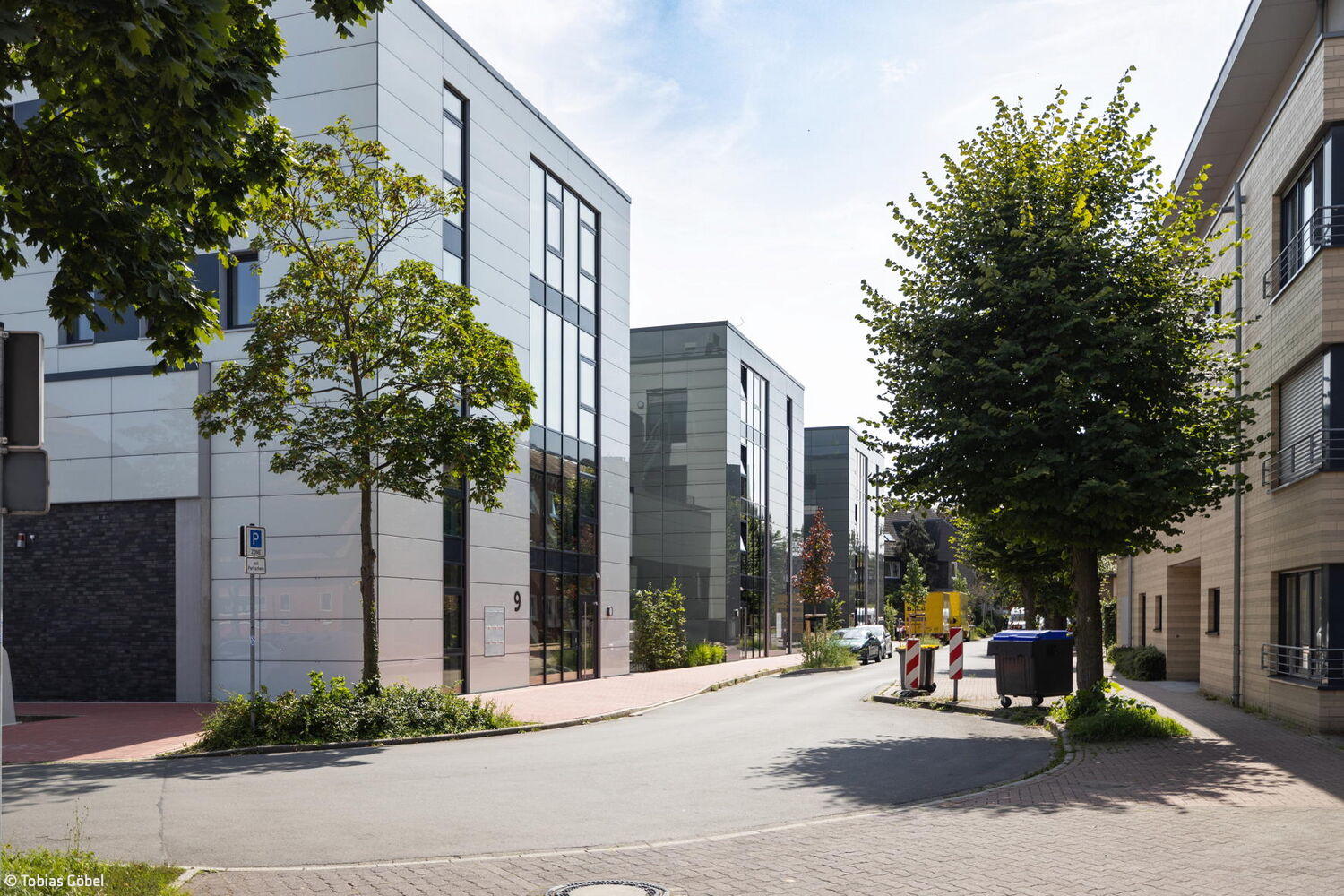


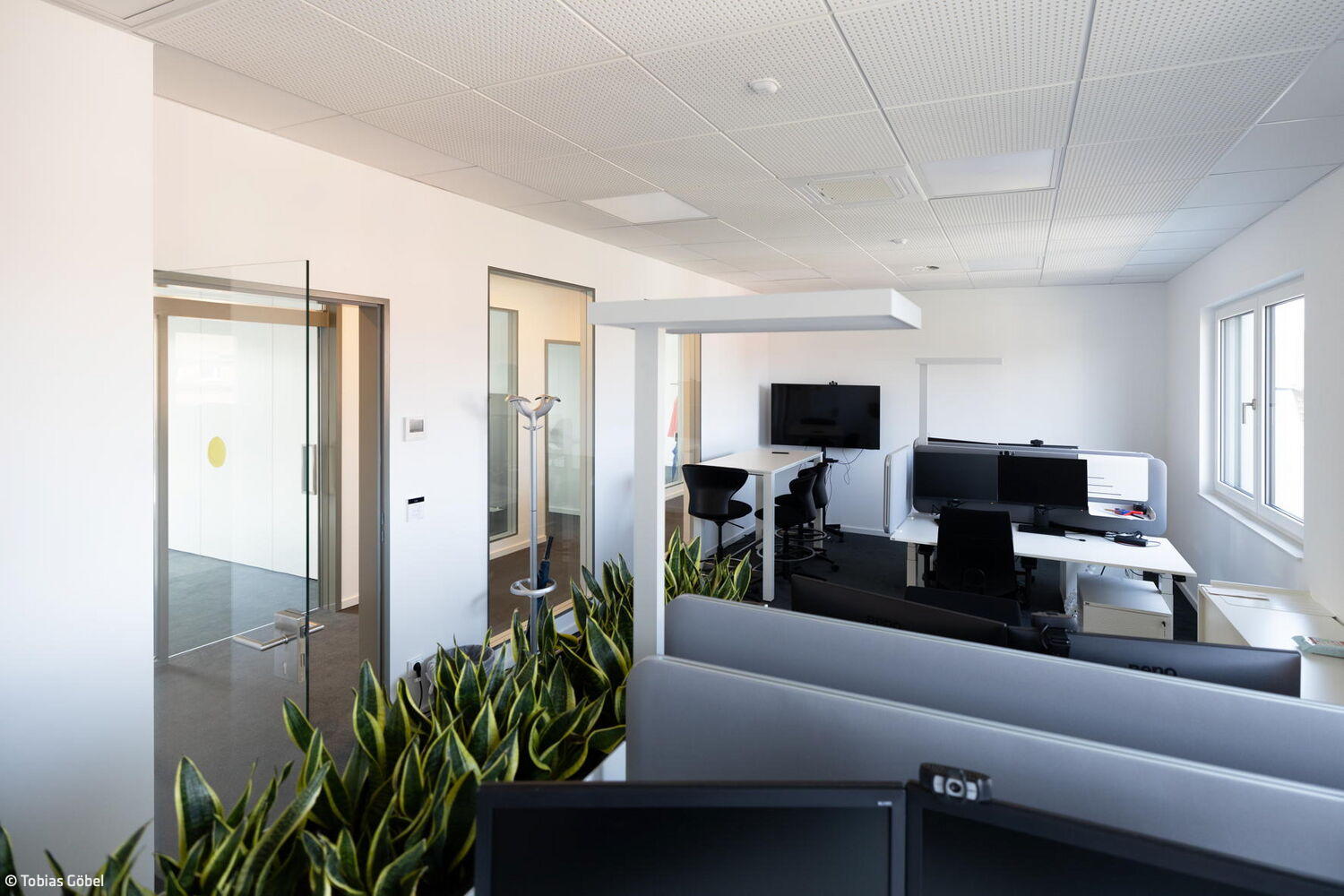
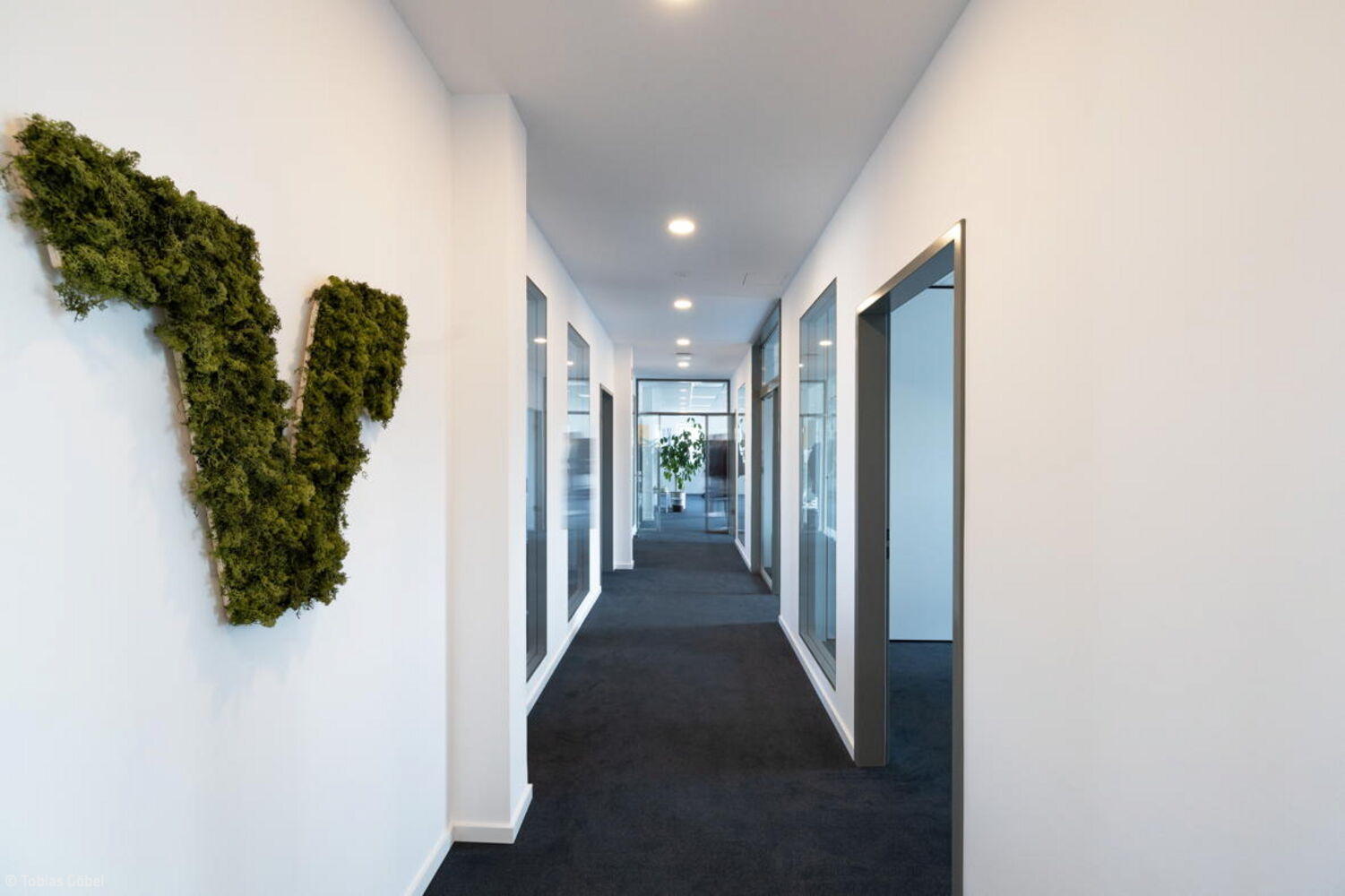
The Agatha Quartier—a new development in downtown Dorsten designed and realized by Thieken Architects + Engineers—integrates seamlessly into its surroundings. To the untrained eye, this elongated structure with three stacked building blocks reveals nothing of the diverse functions it houses beneath a single roof: retail, residential, and office space. This multifunctional approach was precisely what the client, Vereinigte Volksbank eG, requested—and what the Dorsten-based architectural team delivered. As design lead Tobias Göbel explains: "The building's contemporary formal language distinctly shapes the neighborhood's character. Yet within the architecture itself, the diversity of uses—spanning food retail, living, and working—remains virtually imperceptible."
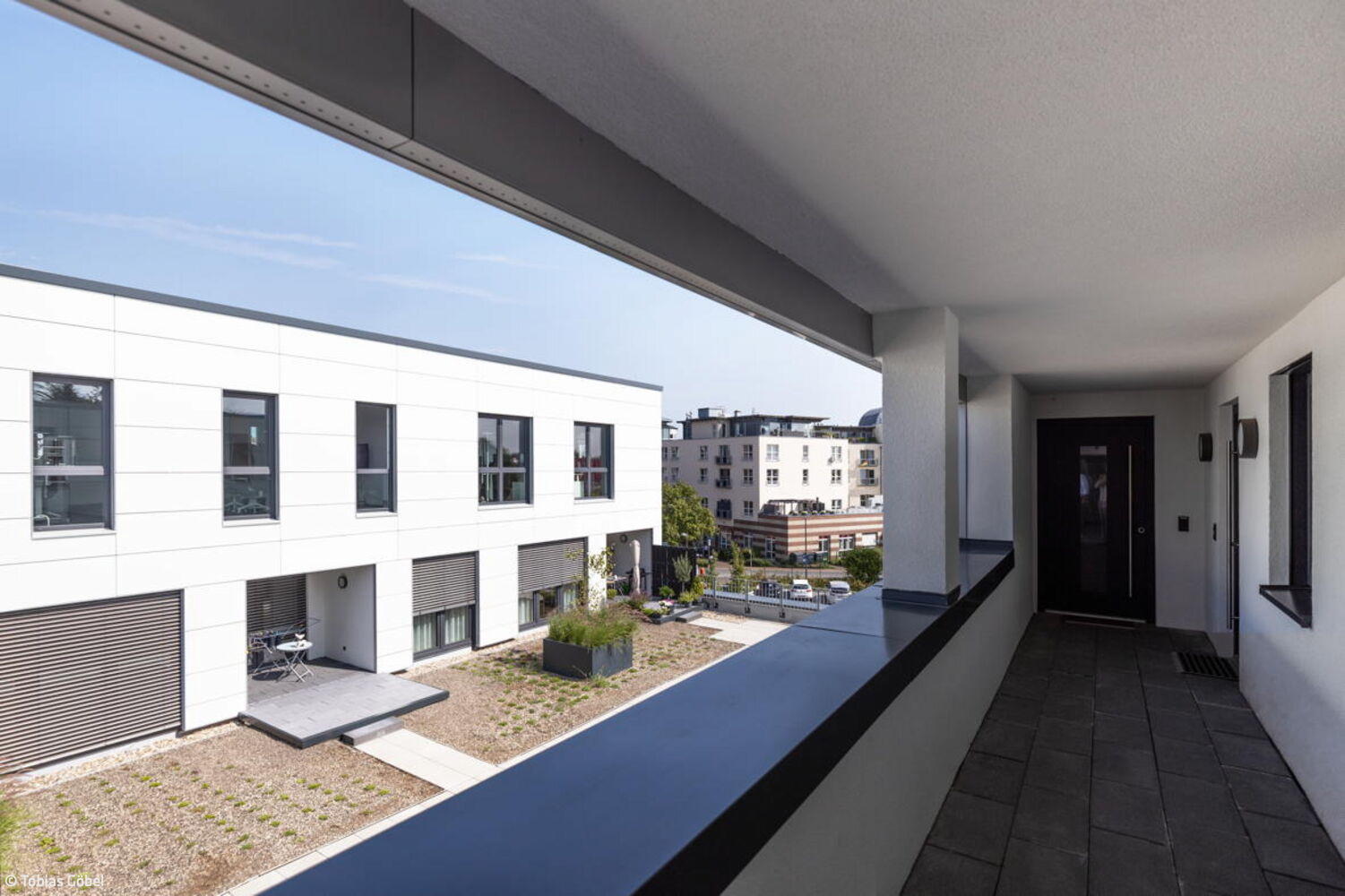
The ground floor's commercial tenants are accessed from the east façade, while residential entries line the west side, integrated into stacked building volumes clad in striking ventilated glass. The 19 apartments—totaling 1,633 m²—range from 74 to 106 m² each. These two- and three-bedroom units all feature balconies or terraces and deliver modern living standards. Each apartment combines living, kitchen, and dining into one generous open space, complemented by full bathrooms, a guest toilet, and ample storage. Practical vinyl flooring and tile finishes throughout. The building sits on a full basement and includes a 43-space underground garage; four spaces feature charging stations for electric vehicles, while 19 are dedicated to residents.
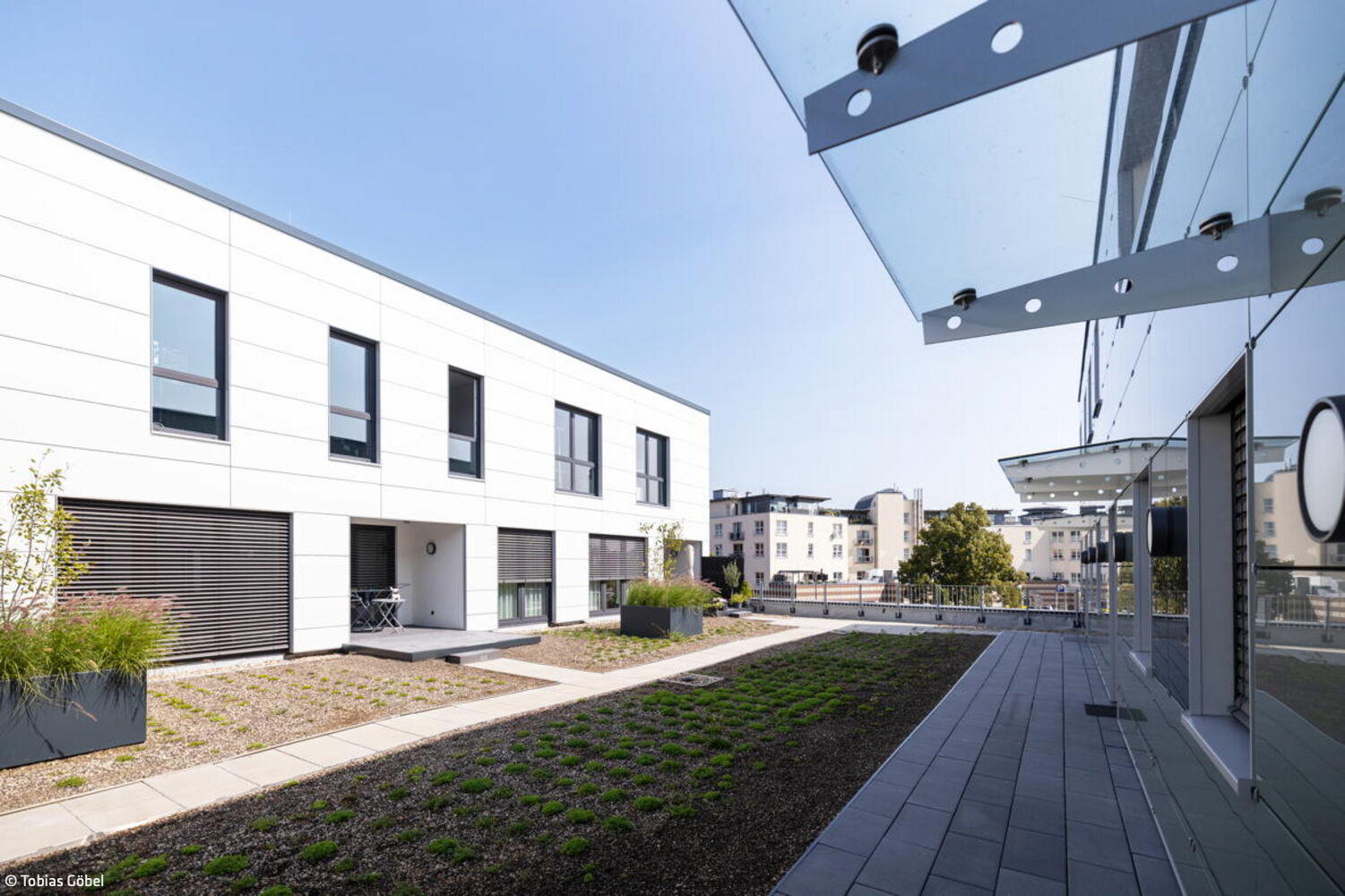
Sustainability was built in from the start. The building achieves KfW 40 efficiency standards and incorporates both photovoltaic panels and extensive green roofs. As engineer Ralf Pyszny notes: "Green roofs enhance the microclimate in dense urban centers—a benefit worth prioritizing during design." These planted surfaces absorb CO₂ while providing critical stormwater management and flood mitigation. The green roof system captures substantial rainfall, and gradual water release eases pressure on municipal drainage infrastructure, significantly reducing flooding risk.
Photography:
Tobias Göbel
(Published in CUBE Ruhrgebiet 04|24)
Rural Garden Park
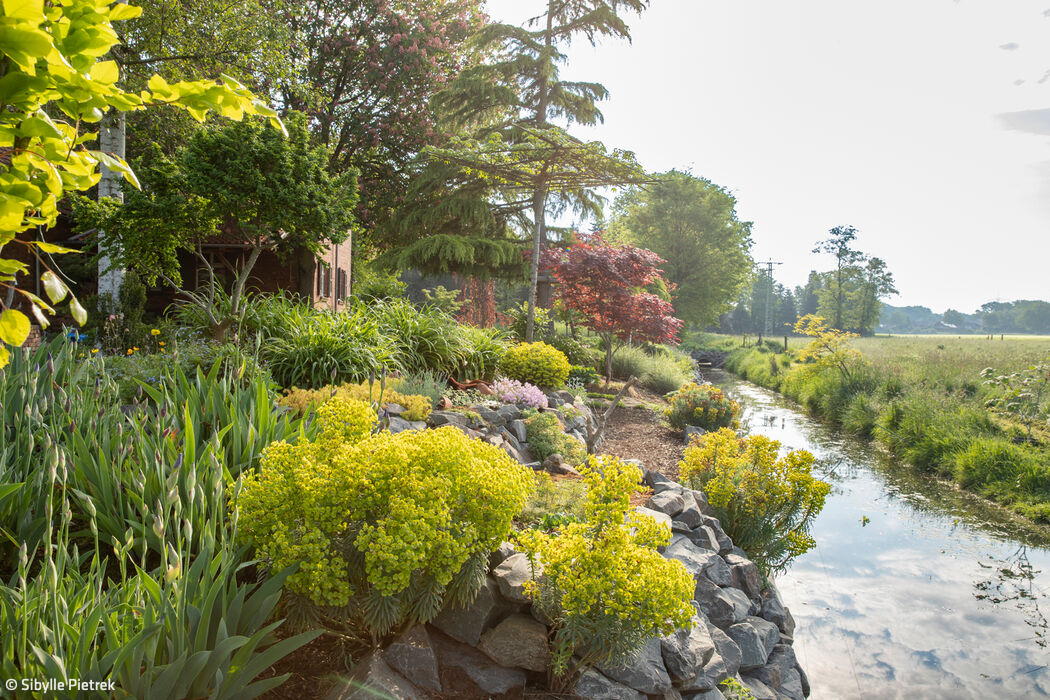
An unadorned area surrounding an old farmstead is transformed into a natural garden paradise.
The Training Facility Continues to Expand
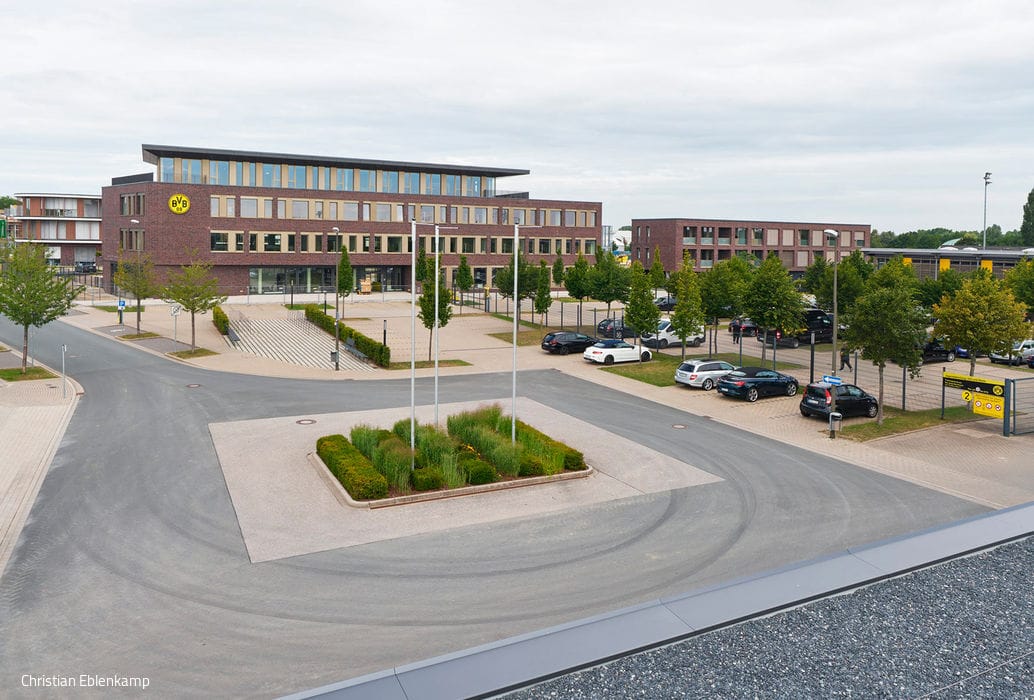
Sports Office and Multipurpose Facility for BVB

Where Heritage Meets Innovation
Modern office space has emerged within a historic Essen landmark.
Timeless Harmony
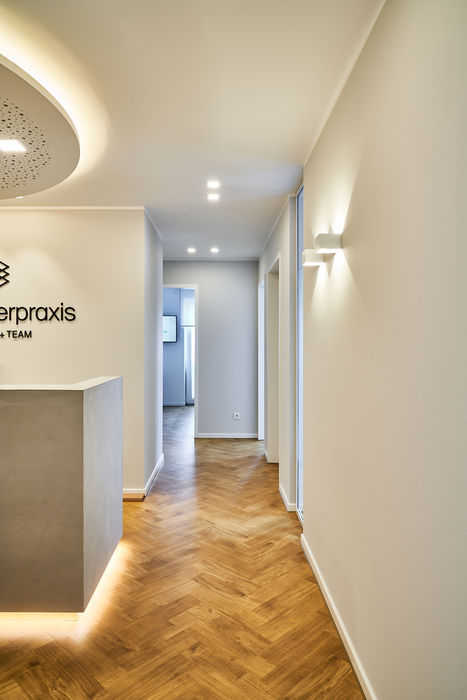
A dermatology practice built on minimalist design and strategic lighting