


New Brand Identity
New buildings and a high-rise tower complete the corporate campus, creating an iconic architectural ensemble


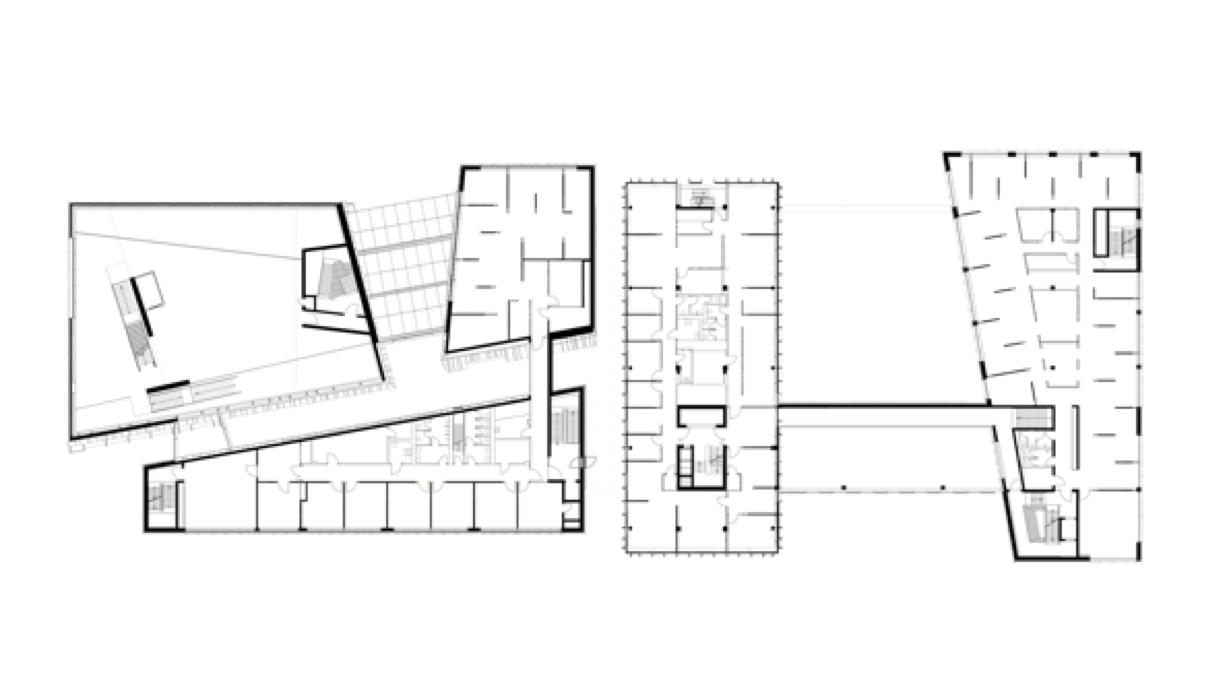


The design concept for this new brand world at Stihl's global headquarters reimagines the space by uniting exhibition, conference, and office functions within distinct, legible architectural forms. Positioned west of the existing high-rise, the structure builds upon the basement of the former product demonstration centre. Diagonal cuts symbolically "saw" through the building—a sculptural gesture that subtly references the company's iconic product. A dramatic longitudinal section establishes a central circulation spine that draws visitors into the exhibition. The exhibition spaces float across three levels, suspended from three load-bearing concrete elements with no visible supports. Strategic sightlines between themed exhibition areas create intuitive wayfinding while establishing the interior's distinctive, dynamic character.
The fully glazed ground floor dissolves the boundary between interior and landscape, creating an immediate dialogue with the riverbank and meadow beyond. In the café and shop areas, the cascading spatial levels that follow the topography of the Rems River enhance this sense of flowing landscape. A ventilated brass façade—finished to a natural patina—anchors the building within the natural landscape of this narrow valley. This architectural language extends to the opposite side of the high-rise, where a second new structure houses offices above and the new staff restaurant below. The building's form widens toward the riverbank, creating additional office space on this coveted riverside location.
Completing this ensemble is the 1970s high-rise, which has undergone comprehensive renovation across six floors now housing modern workstations, meeting rooms, and break spaces. A striking foyer welcomes both employees and visitors. Vertical aluminium slats define the façade, echoing the material and colour palette of the new brand world buildings. Spaced approximately 140 centimetres apart with depths of 20–40 centimetres, these slats create a unified surface when viewed in perspective, visually tying the tower into the broader architectural composition. The use of electrochromic glass eliminates the need for external solar shading, while maintaining the façade's visual coherence.
Photography:
Brigida González
www.brigidagonzalez.de
(Published in CUBE Stuttgart 03|24)

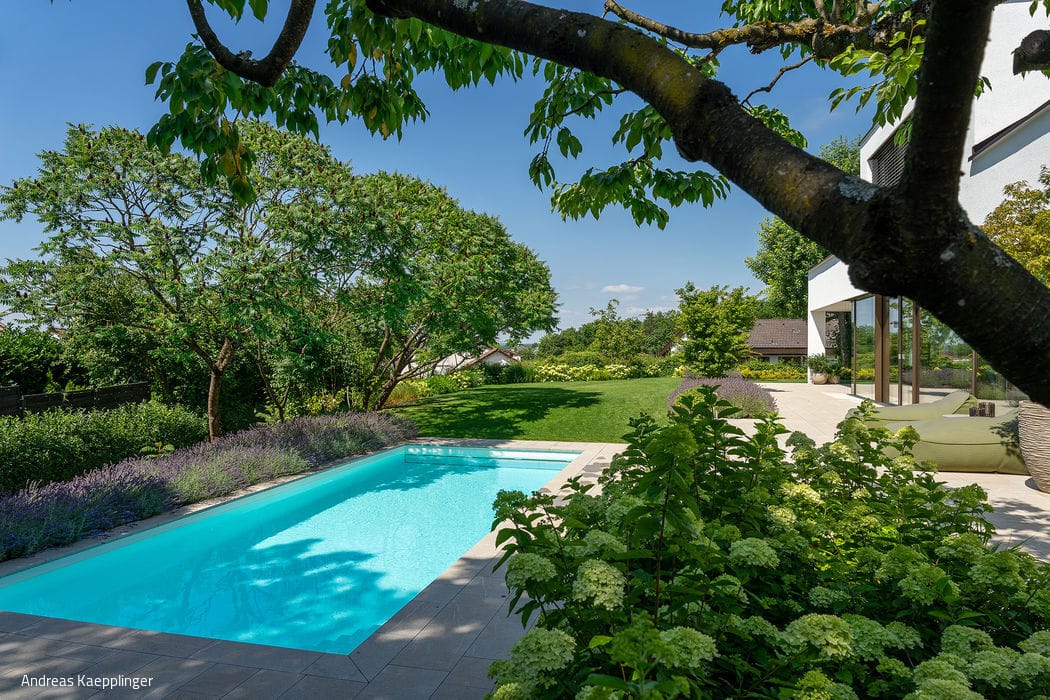
Swimming under old trees
A Family Garden for Modern Living: Productive Planting, Play Spaces, and a Swimming Pool
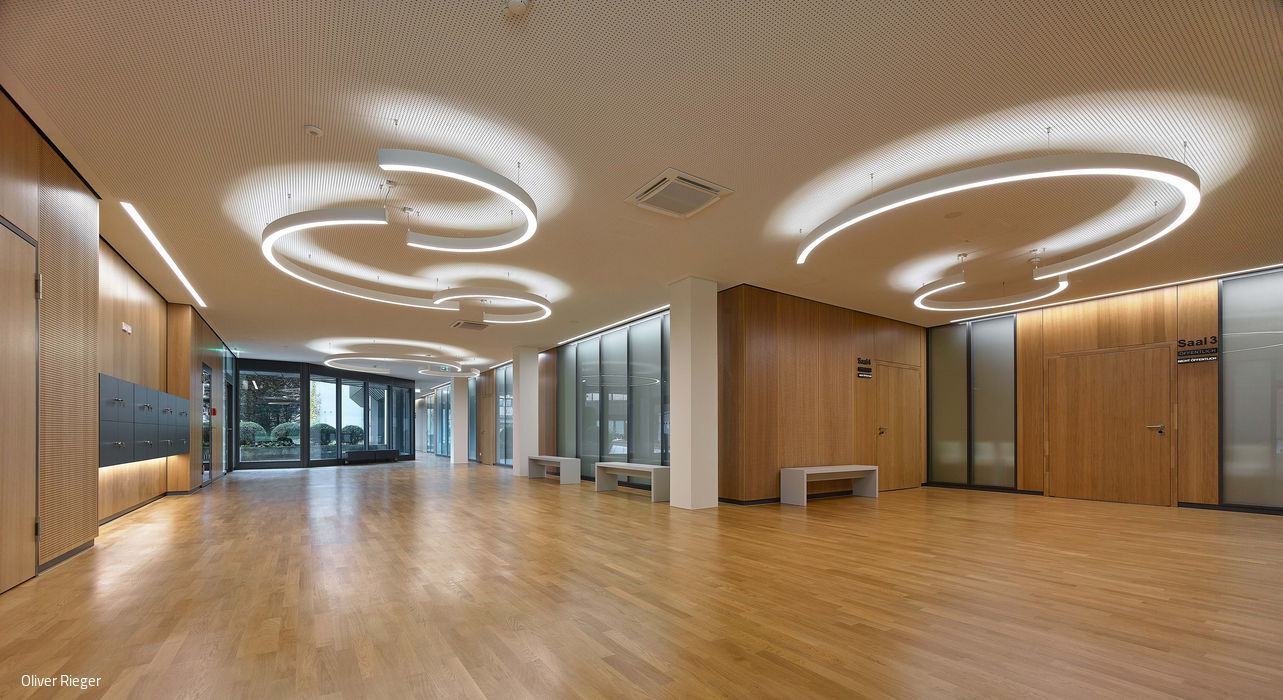
Warmly welcomed
Family court moves into newly designed, bright, and fully accessible spaces featuring an innovative lighting design
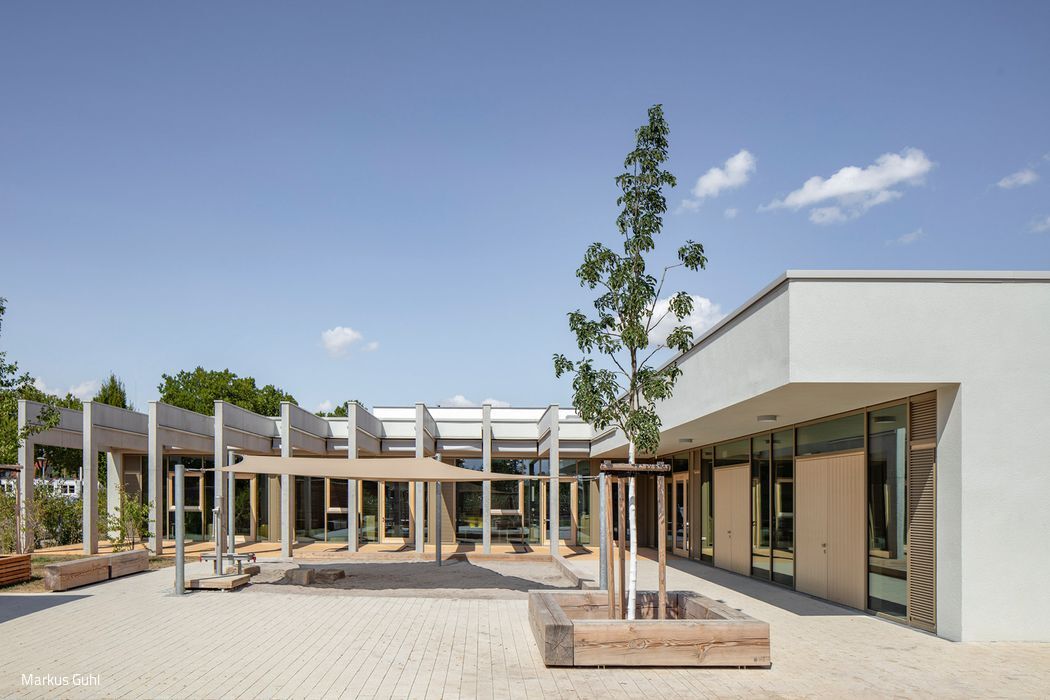
A Stage for Childhood
Filling the Gap in the "Kindergarten Mile"
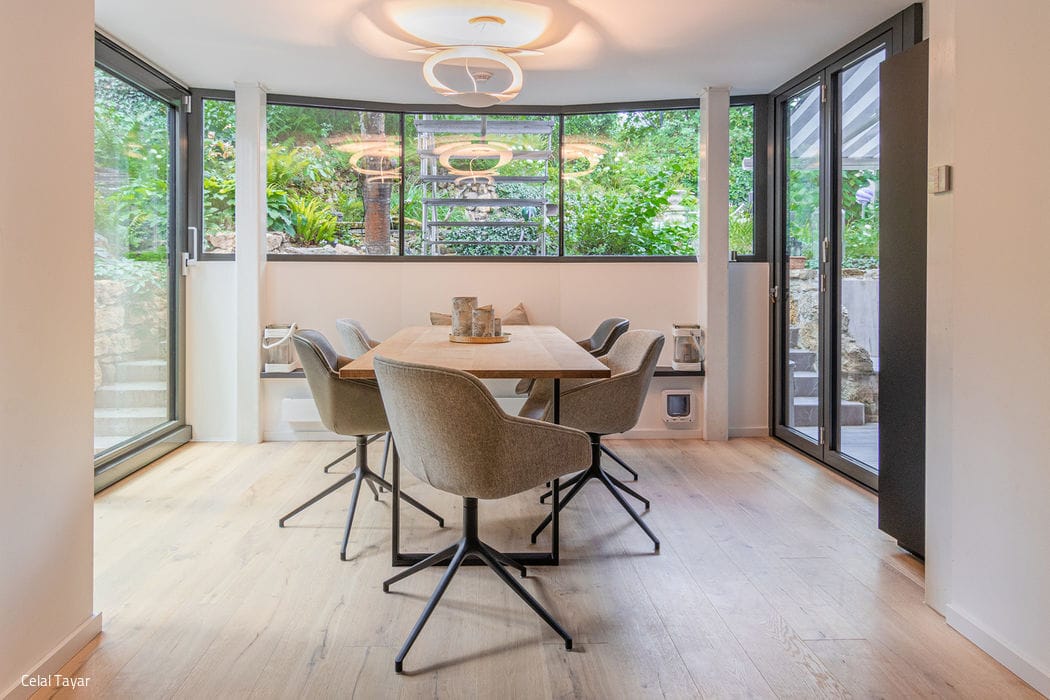
Smooth transitions
The conservatory and open-plan living, kitchen, and dining areas elevate the quality of living