


New façade delivers energy savings
Renovation of Heilbronn Technical College now complete


A new façade with clinker brick slips has recently given the C building of the Technical School Centre in Heilbronn not only a completely new look – the modernisation carried out by Heilbronn-based architects Müller Architekten for the City of Heilbronn as the client has also halved its energy consumption. The last renovation was quite some time ago: the school centre, built in the early 1950s and home to the Wilhelm Maybach and Johann Jakob Widmann schools, was last expanded in several construction phases between 1977 and 1983 and partially renovated due to growing student numbers. The existing window and façade elements of the technical school centre no longer met today's thermal and sound insulation requirements. In addition, the old vertical sliding windows required high maintenance costs.
The team led by Matthias Müller, Benjamin Brötzler and Nadine Müller carried out IT refurbishment and fire protection upgrades at the same time as the façade renovation. Due to the large façade area, the renovation work was divided into two construction phases. In order to maintain normal school operations, the individual construction phases were again combined into two storeys each. After dismantling the existing curtain-type rear-ventilated metal façade, the remaining façades were inspected for damage with plaster and paint and prepared for the installation of the new façade. Due to static calculations and the low load-bearing capacity of the supports, a new lightweight façade was essential. Therefore, as in the existing building, it was designed as a curtain-type rear-ventilated façade – but with grey clinker brick slips as façade cladding. These now form the new shell of the C building on all four sides. On the east side, the existing vertical sliding windows with integrated parapet were completely dismantled and replaced with a parapet panel with infill and aluminium mullion window elements. Due to the low load-bearing capacity of the existing supporting structure in the façade area, the parapets were also constructed using lightweight materials. The modernisation of the approximately 140-metre-long façade is expected to halve the consumption of gas for heating. This will save between 50 and 75 tonnes of climate-damaging carbon dioxide and around £20,000 to £50,000 in heating costs per year. In this respect, the measure also contributes to the climate protection goals that Heilbronn has set itself in its climate protection master plan. The city aims to become greenhouse gas neutral by 2035.
Photography:
Dietmar Strauß
www.dietmar-strauss.de
(Published in CUBE Stuttgart 03|24)
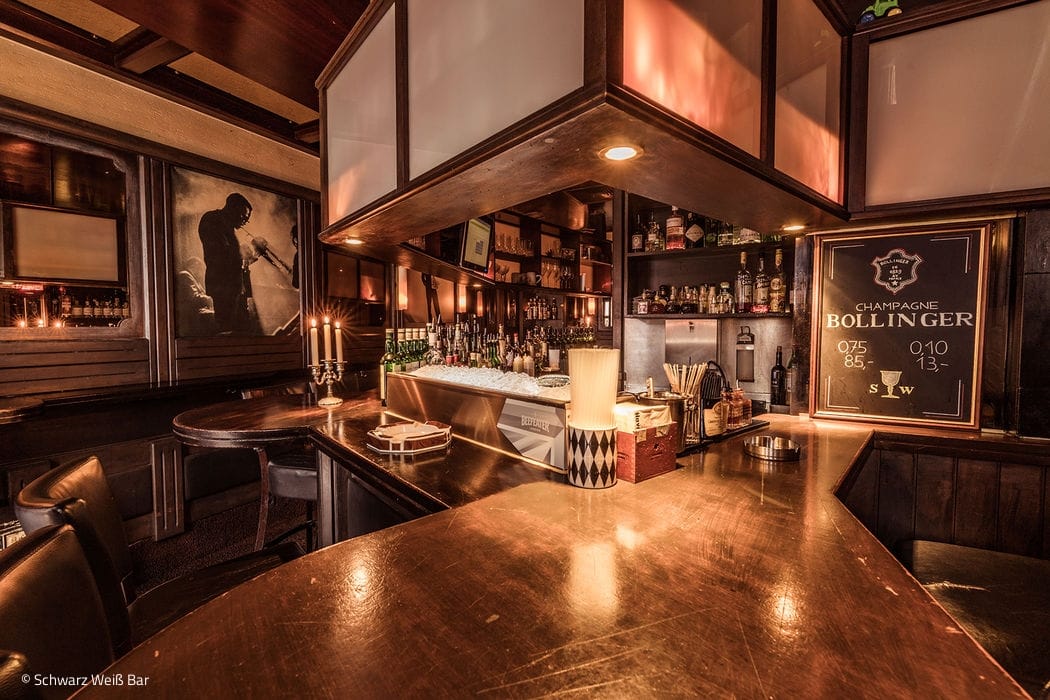
Where the Magic Happens
The Schwarz Weiß Bar ranks among Stuttgart's most sought-after destinations for night owls.
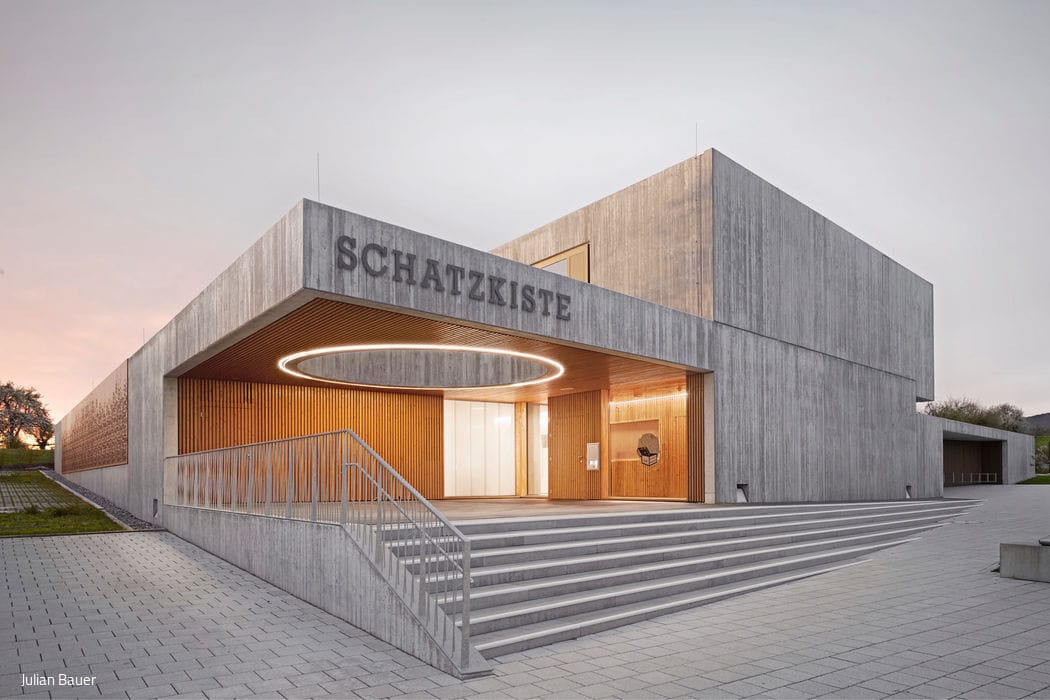
Hard shell, soft core
A Sculptural Nursery Becomes the Neighbourhood's New Heart
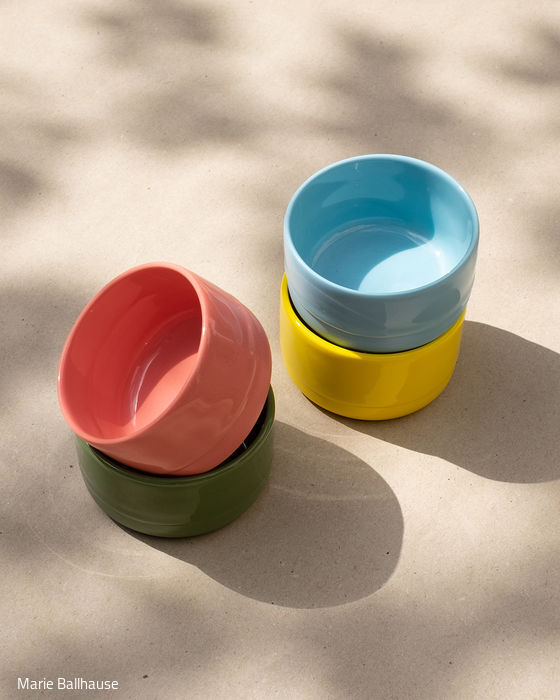
A Passion for Porcelain
Marie Ballhause pairs striking colors with restrained forms
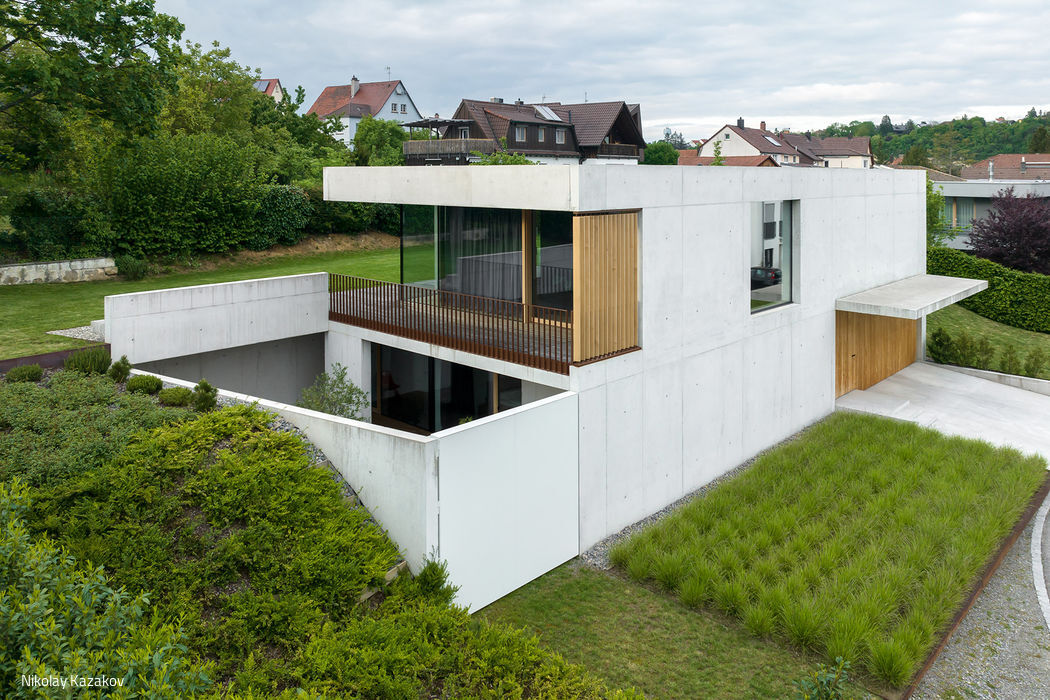
Sustainably Revitalized
Building land emerged on former commercial sites in the city center