


Adaptive Spaces in Historic Buildings
A former 1824 barn transformed into a vibrant conference venue—with minimal architectural intervention
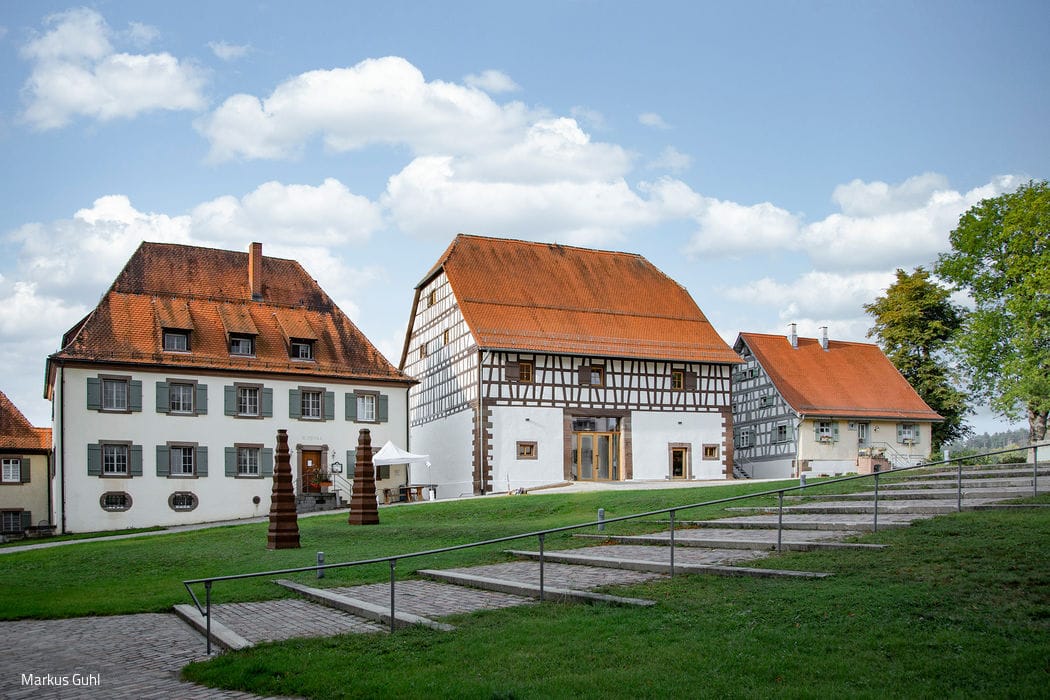

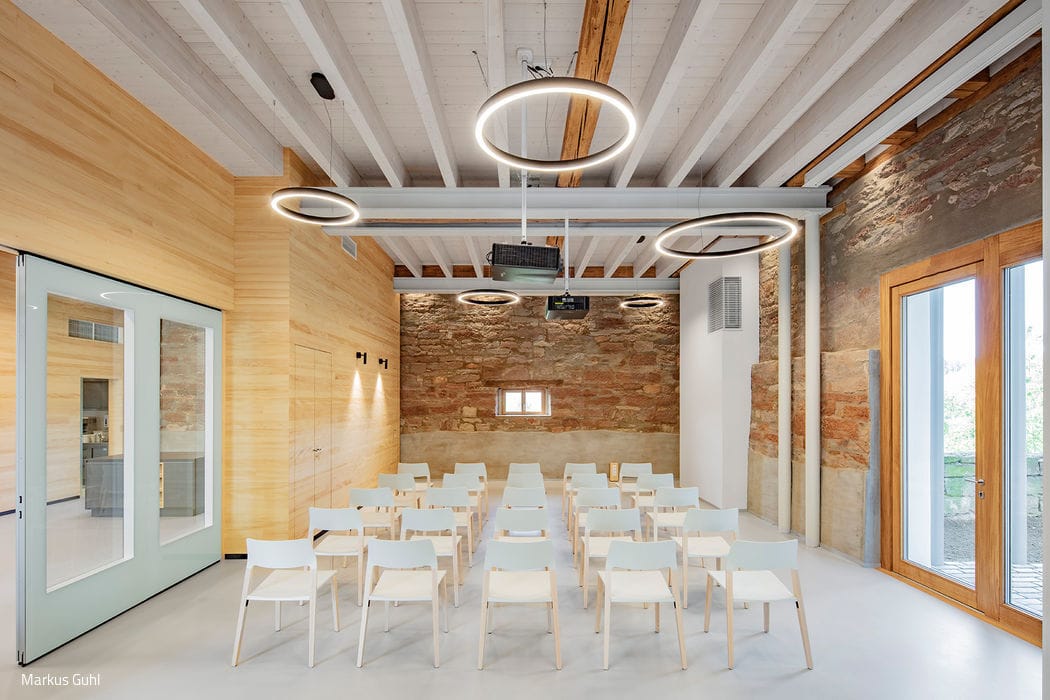


The Upper Barn is the centerpiece of Kirchberg Monastery near Sulz am Neckar. Once the heart of the monastery's harvest operations, this structure was centuries old when Kuner Architects took on its conversion in 2016. The building had sat largely unused for years. The mission: transform it into a vibrant gathering space for the Berneuchen communities while breathing new life into the entire Kirchberg site. The challenge was clear—the rooms needed to flex between different configurations to serve multiple event types, all while honoring the building's distinctive character and heritage.
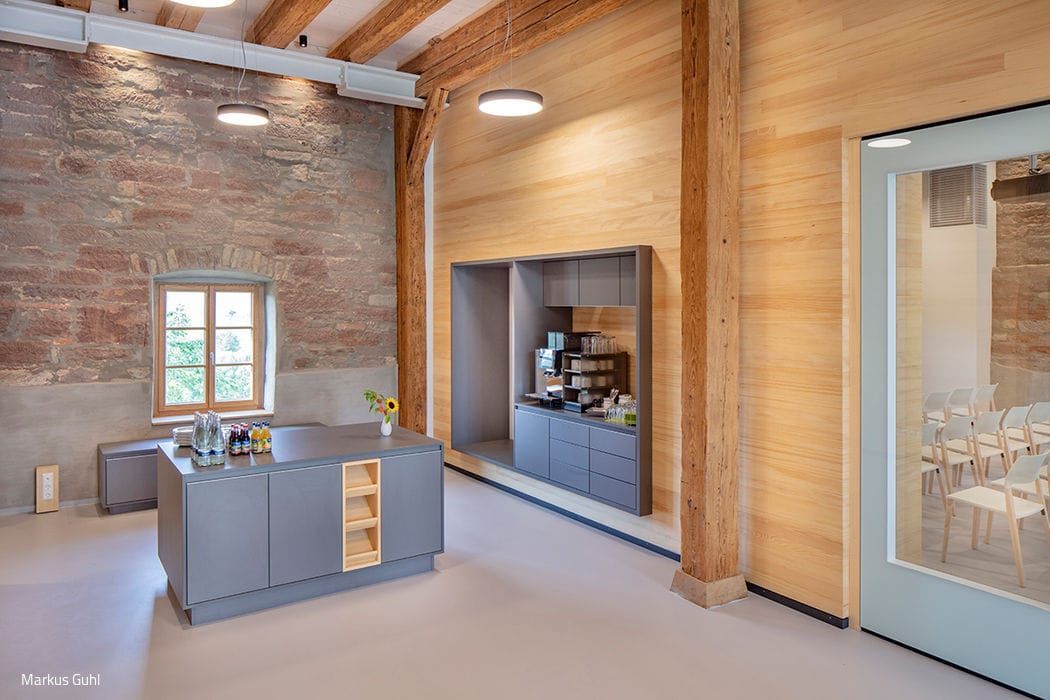
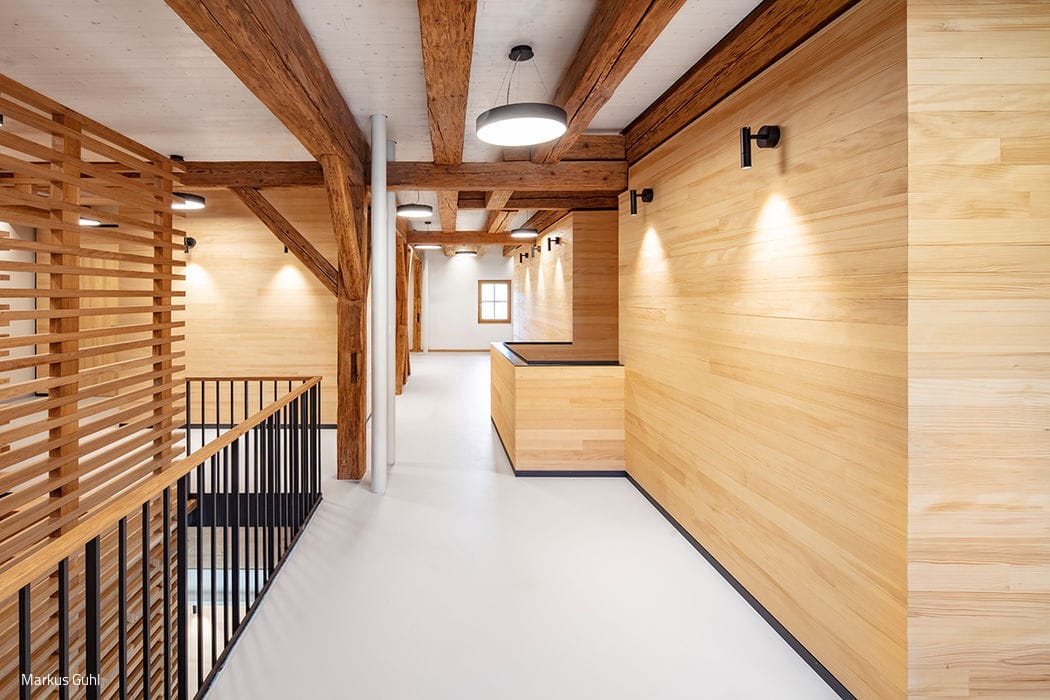
The architects' approach merged aesthetics with practical functionality, resulting in a two-story, fully accessible seminar facility. Inside, flexible modular walls divide the space into conference rooms of varying sizes, a generous entrance foyer, and a dedicated meditation and gathering space. Strategic replacements of traditional timber infill with glass panels flood the interiors with natural light while preserving the building's historic presence. Every intervention was carefully minimized in consultation with the heritage authority. The material palette—wood, clay plaster, and naturalized surfaces—creates an inviting, healthful environment. The structural demands of modern building codes required new steel and reinforced concrete support systems, yet timber was favored wherever possible. The original timber framing was meticulously restored and reinforced; once exposed, the stone masonry was carefully preserved and left visible. New interior elements showcase silver fir throughout, while wooden and composite ceilings sport a soft white finish that freshens the spatial experience. Oak appears in the windows and flooring, and makes a particularly striking statement as the sculptural wooden staircase—a functional work of art that anchors the interior.
Photography Credits:
Markus Guhl
www.architekturfotograf-markus-guhl.com
(Published in CUBE Stuttgart 01|22)
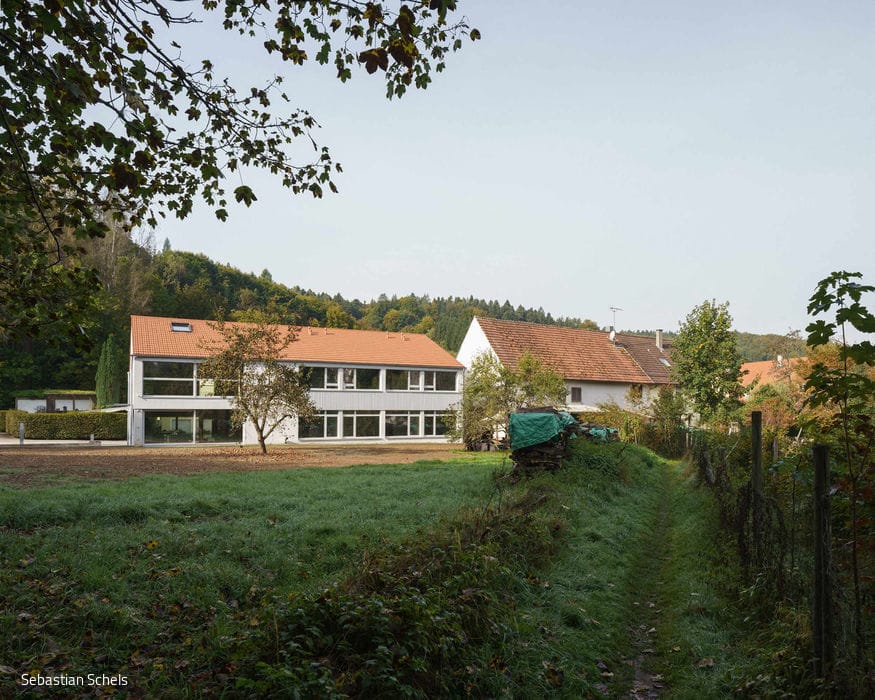
Breaking the Grid
A Multifaceted Sanctuary for Creative Thinking
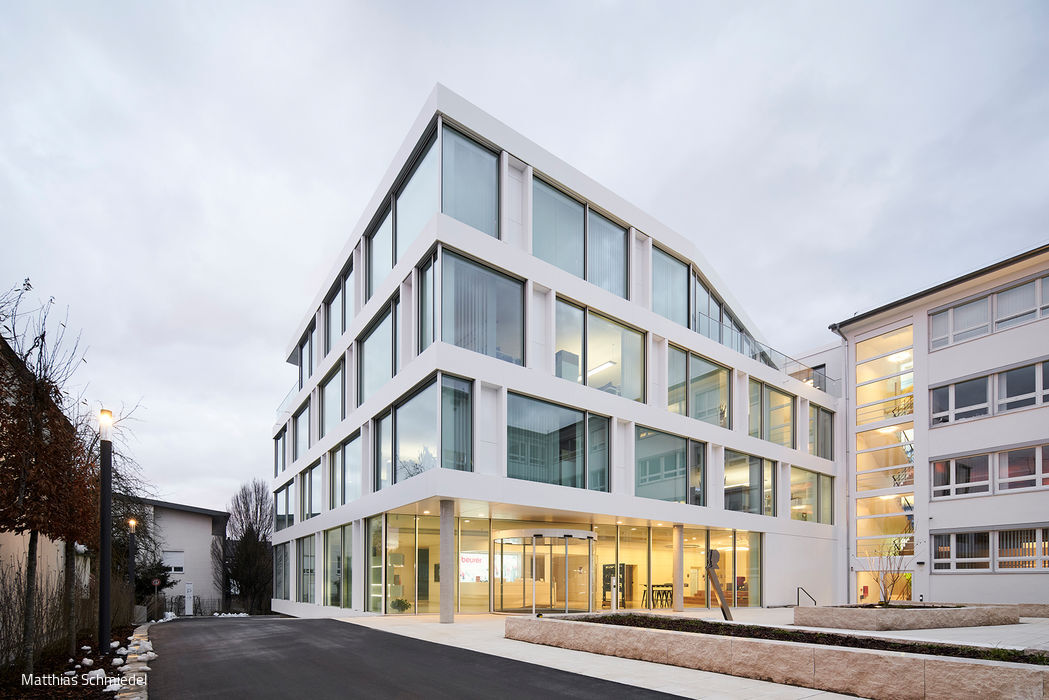
Strengthening the Urban Location
A legacy company reimagines its future—anchored by location, elevated by vision
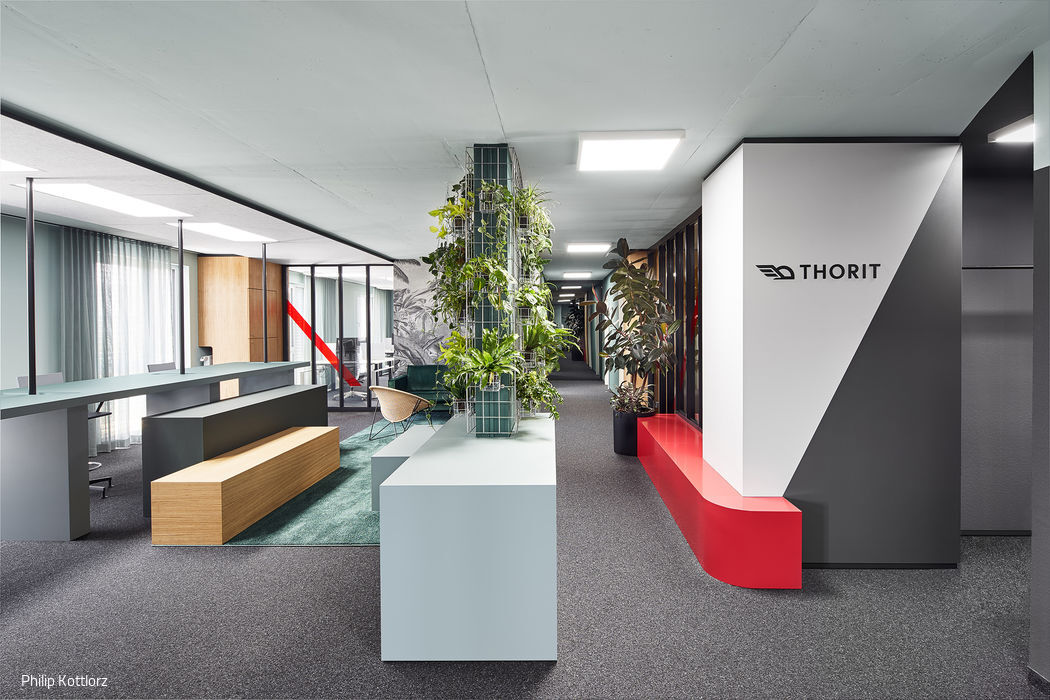
Diversity in Space and Function
A Custom-Built New Work Environment for a Technology Agency
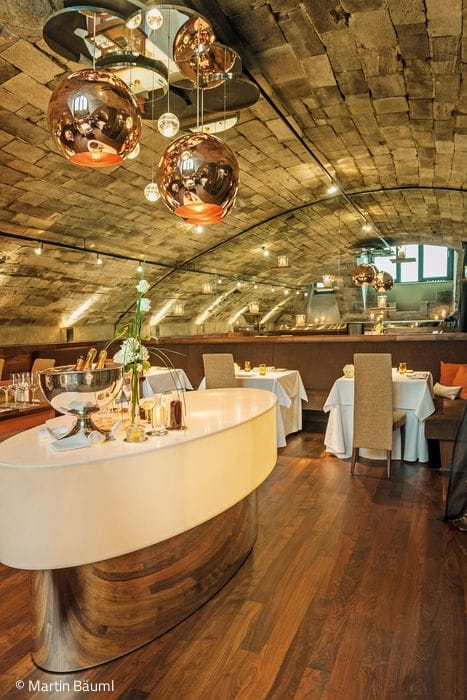
Experiences That Engage All the Senses
Hotel Zum Hirschen in Fellbach houses the Michelin-starred restaurant "avui"