


Campus of Tomorrow
New Building for the Interfaculty Institute of Biochemistry (IFIB), University of Tübingen
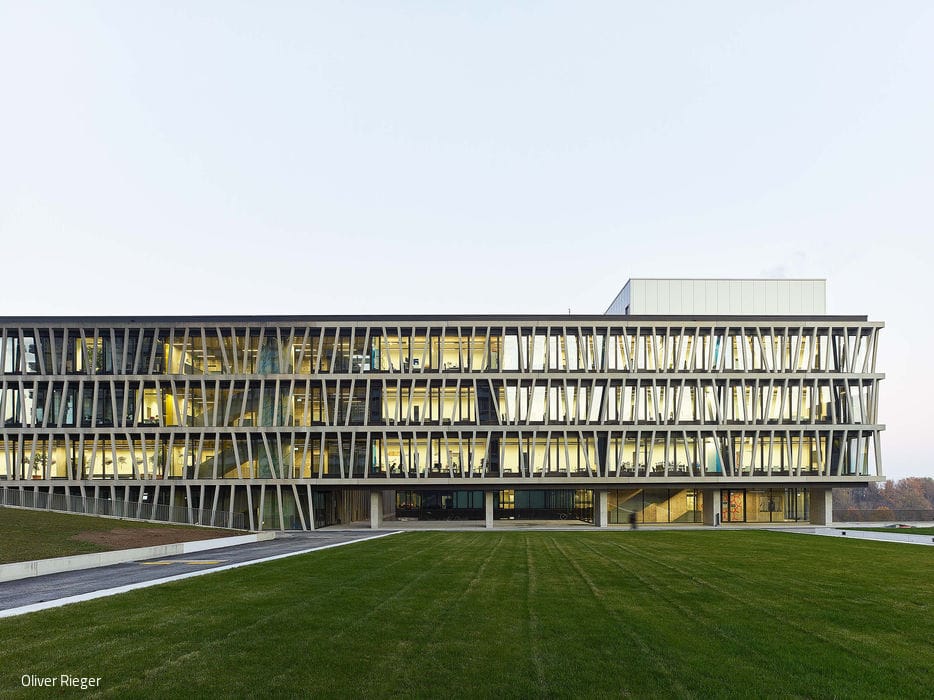
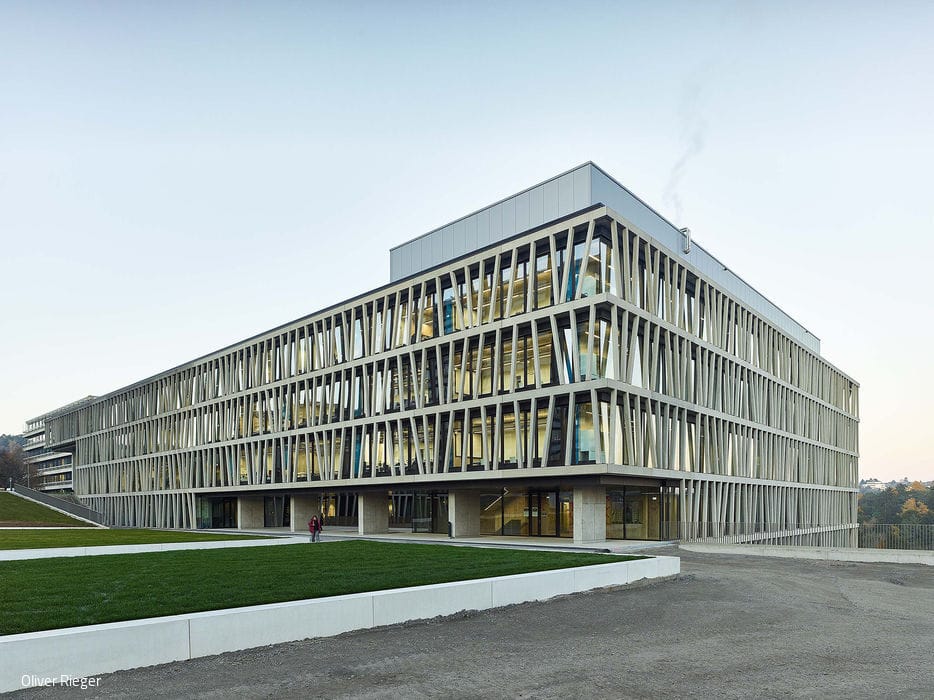

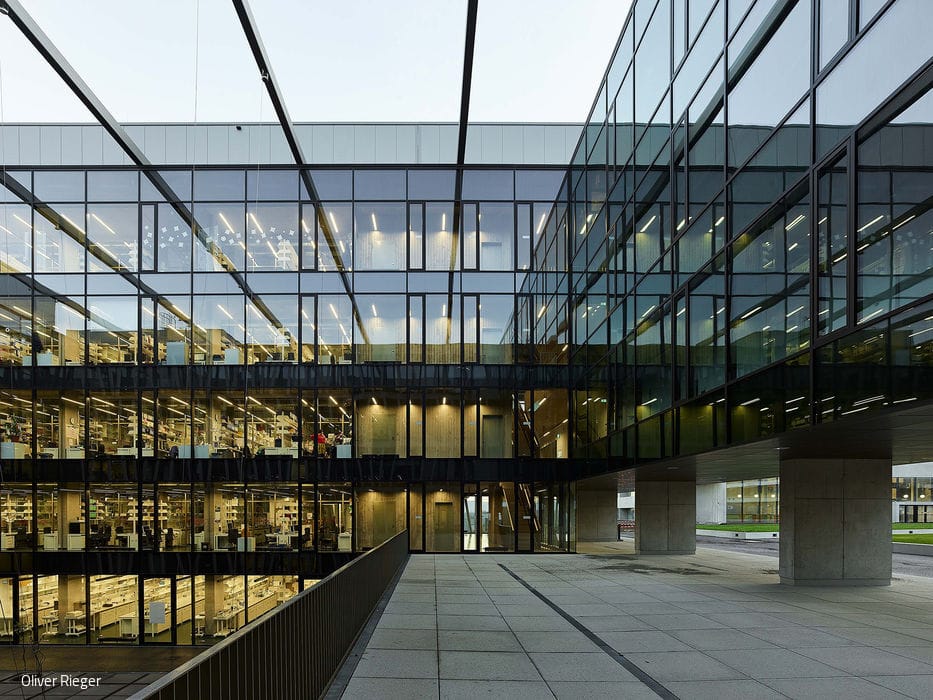
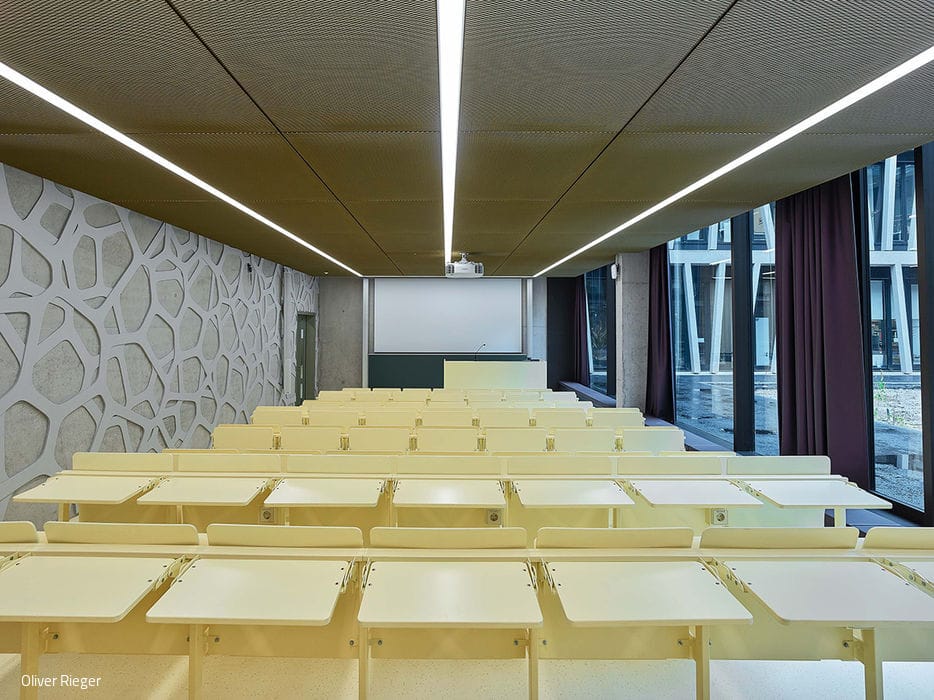
A significant step toward Tübingen's "Campus of Tomorrow": a striking new institute building that replaces its aging predecessor. The design emerged from a collaboration between the Tübingen Office for Property and Construction Baden-Württemberg and Arge Wenzel+Wenzel/RDS Partner (phases 5–8), building on development work with the university dating back to 2008. Positioned directly adjacent to the Centre for Plant Molecular Biology (ZMBP), completed in 2013, this project establishes a robust network that strengthens scientific exchange between research groups while enhancing the shared technical infrastructure. The campus expansion southward introduced a vibrant central plaza—flanked by the lecture hall complex and canteen—complete with outdoor seating areas.
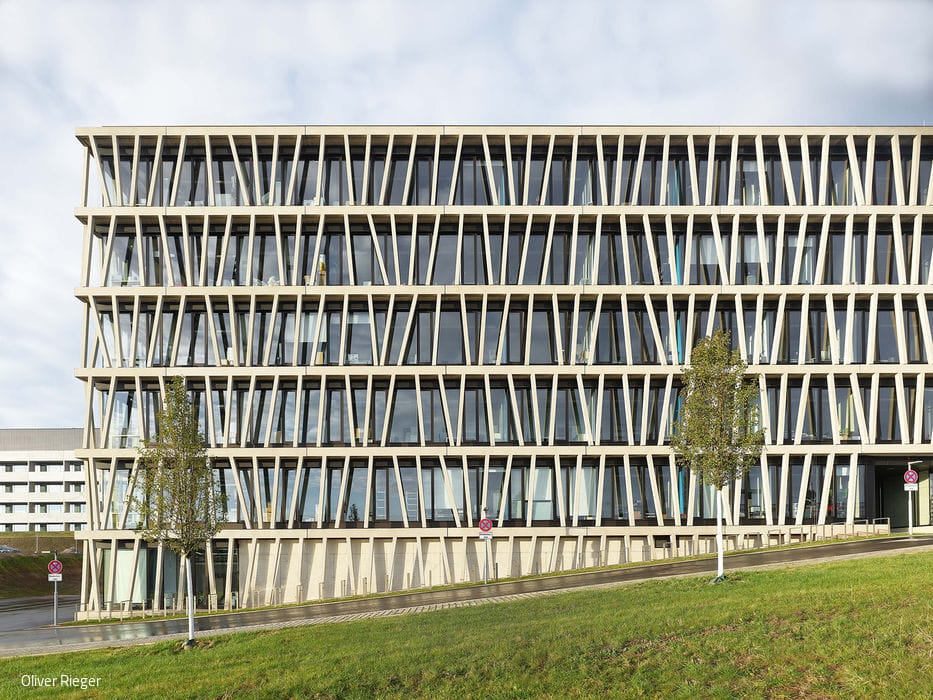
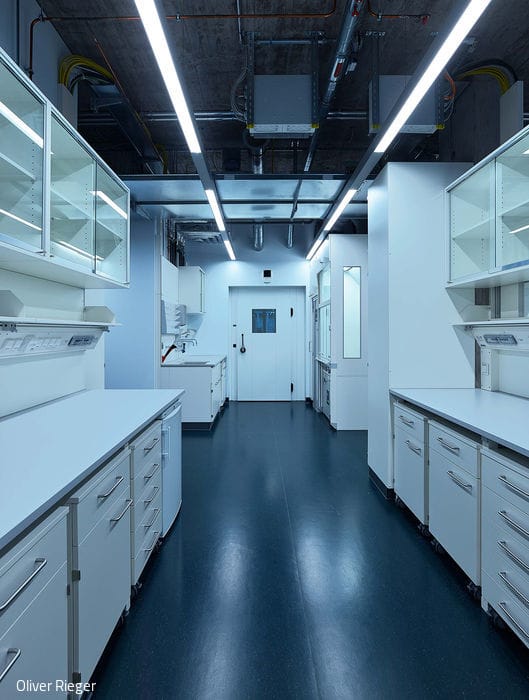
The IFIB's façade pays homage to its research mission through delicate vertical concrete ribs evoking bamboo's organic geometry. Large glazed surfaces, executed as a mullion-transom system, maximize visual transparency. Spanning six floors, the 5,400 m² of usable space wraps around the ZMBP in a U-configuration, creating a unified 98 x 55 m complex. The laboratory wing—arranged around a generous central courtyard—anchors the design. This layout balances flexibility for evolving lab infrastructure with adaptability for future programmatic shifts. Bored pile foundations support a reinforced concrete skeleton with flat slabs and individual columns in the lab zones, and self-bracing wall panels in office areas. The columns enable optimal routing of technical systems, while the wall panels address seismic demands and furnishing efficiency. A 2.30 x 2.30 m structural grid accommodates both research and administrative needs economically. Extensive glazing fosters transparency and spatial quality, while corridors extending to the perimeter orient users and frame views of the surrounding landscape. Natural ventilation serves office and seminar spaces, with thermally activated exposed concrete ceilings. Night-flush cooling prevents summer overheating in the courtyard offices, while a multifunctional closed-loop heat and cold recovery system—integrated with the university's expanded cooling network—provides essential redundancy across the campus.
www.vba-tuebingen.de
www.w-w.de
www.rdspartner.com
Photography Credits:
Oliver Rieger
www.oliverrieger.com
(Published in CUBE Stuttgart 03|21)

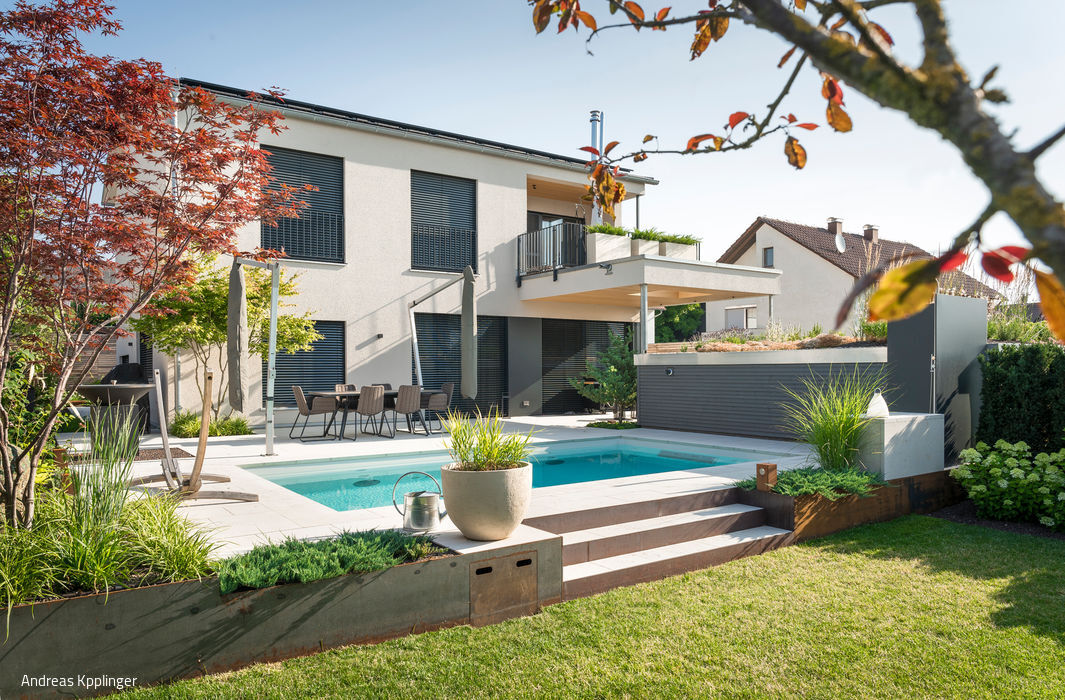
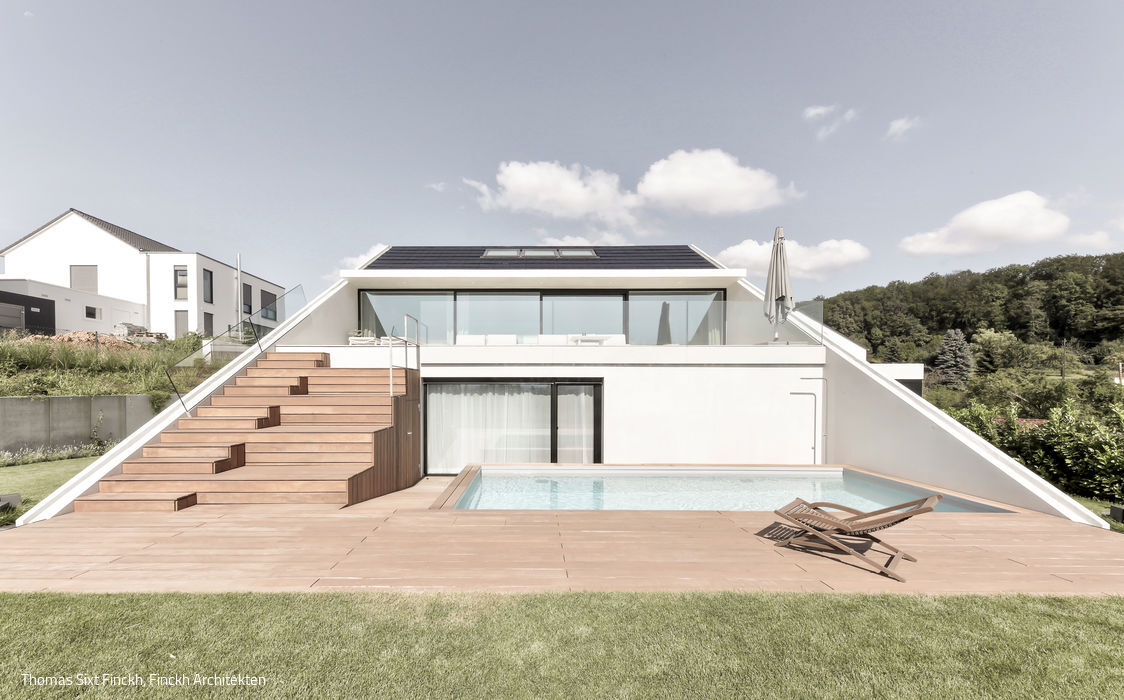
Space and Warmth
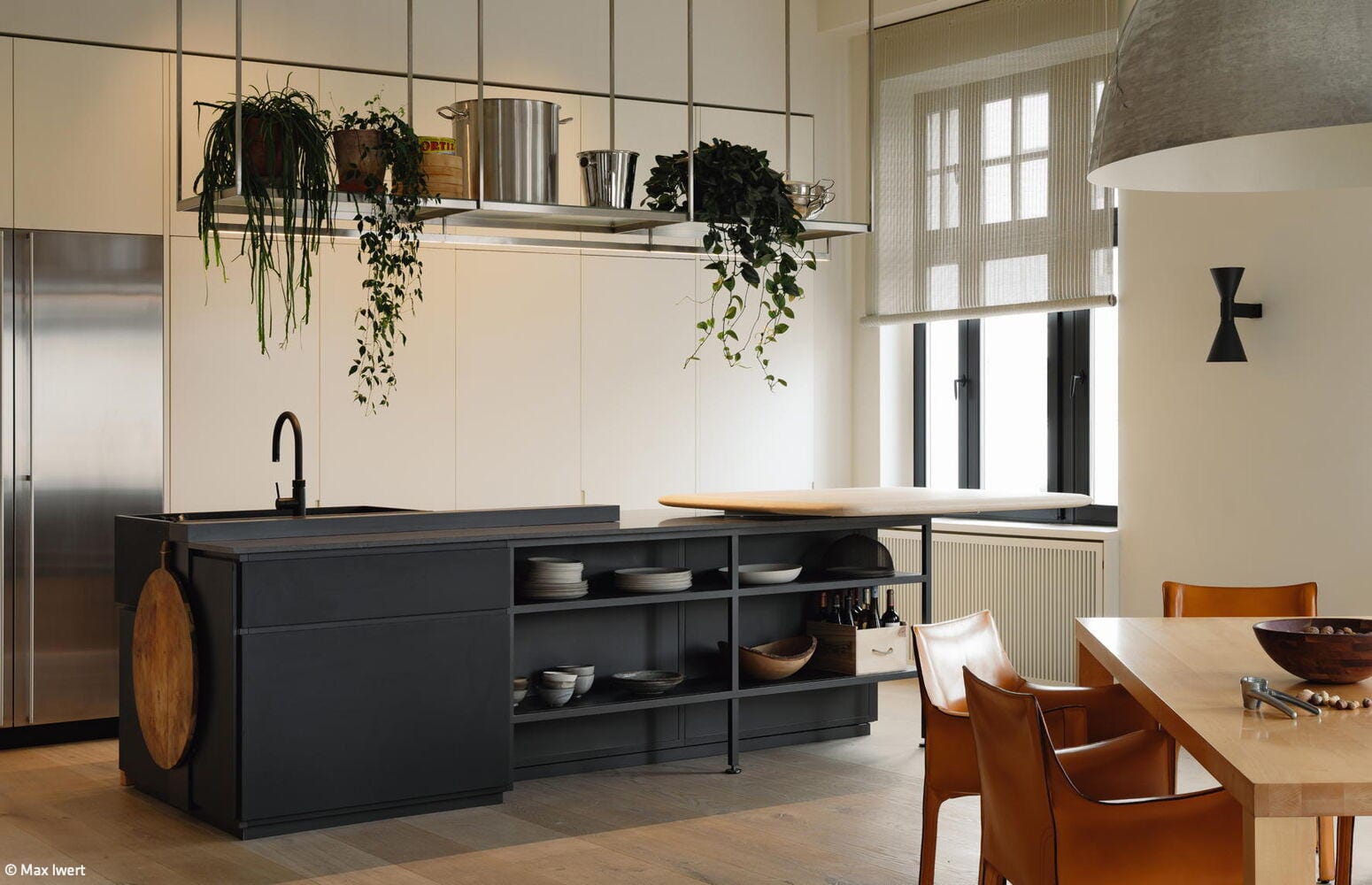
This house pulses with energy.
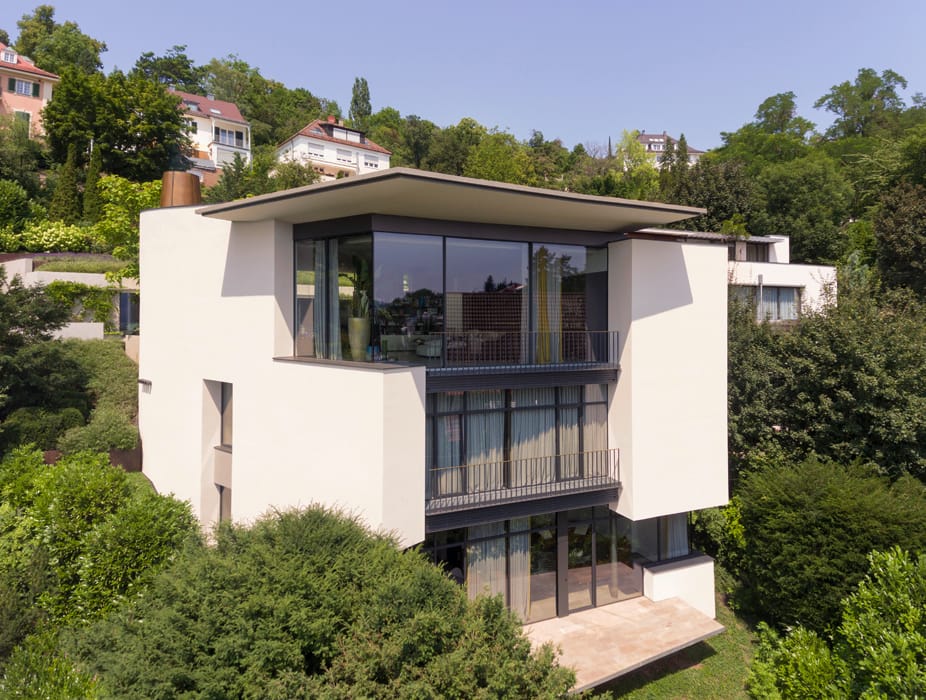
Perfected Beauty
A Timeless Masterpiece for Living

Distinctive Rhythm
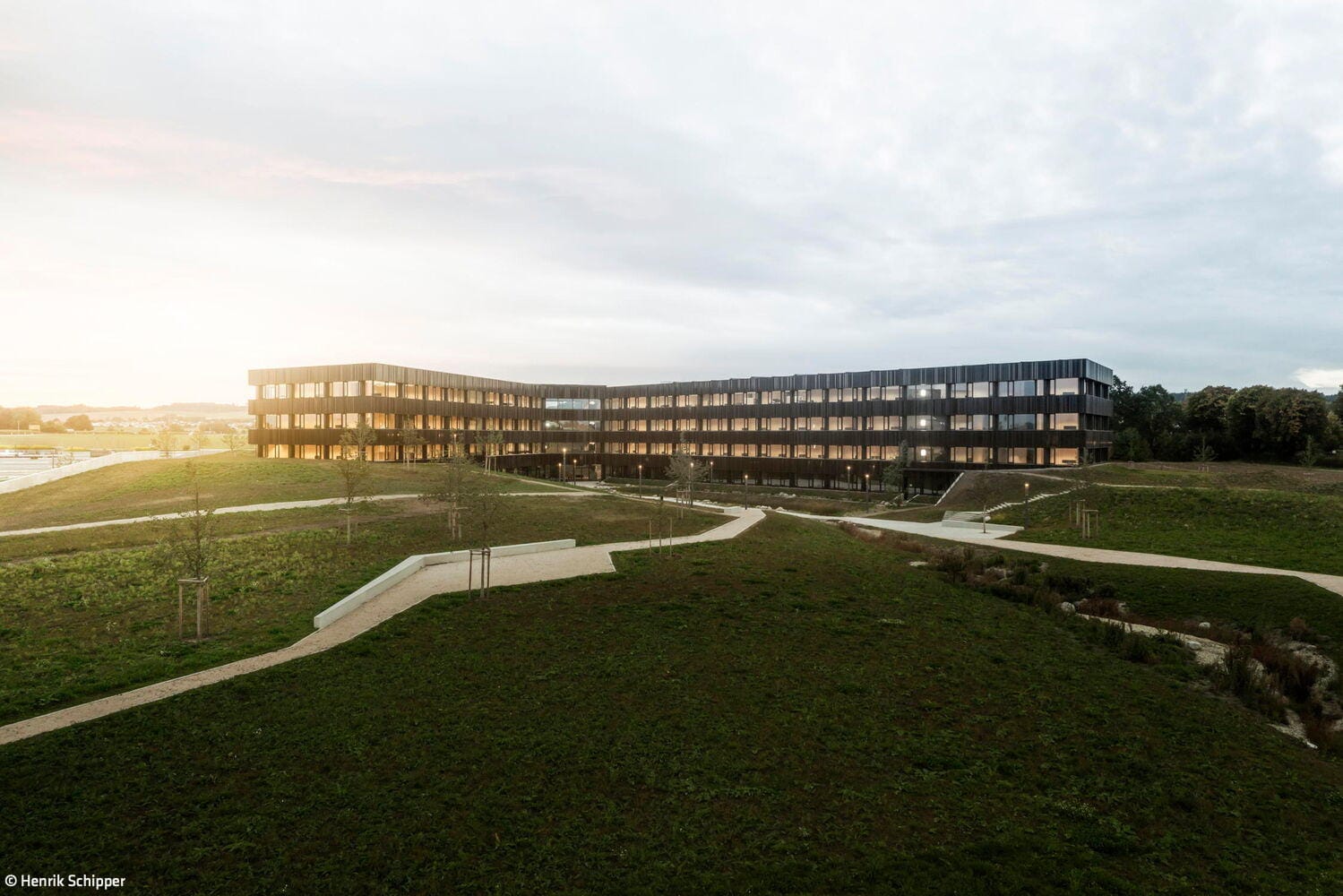
An extension for human genetic research, clinics, and laboratories—designed to welcome and inspire
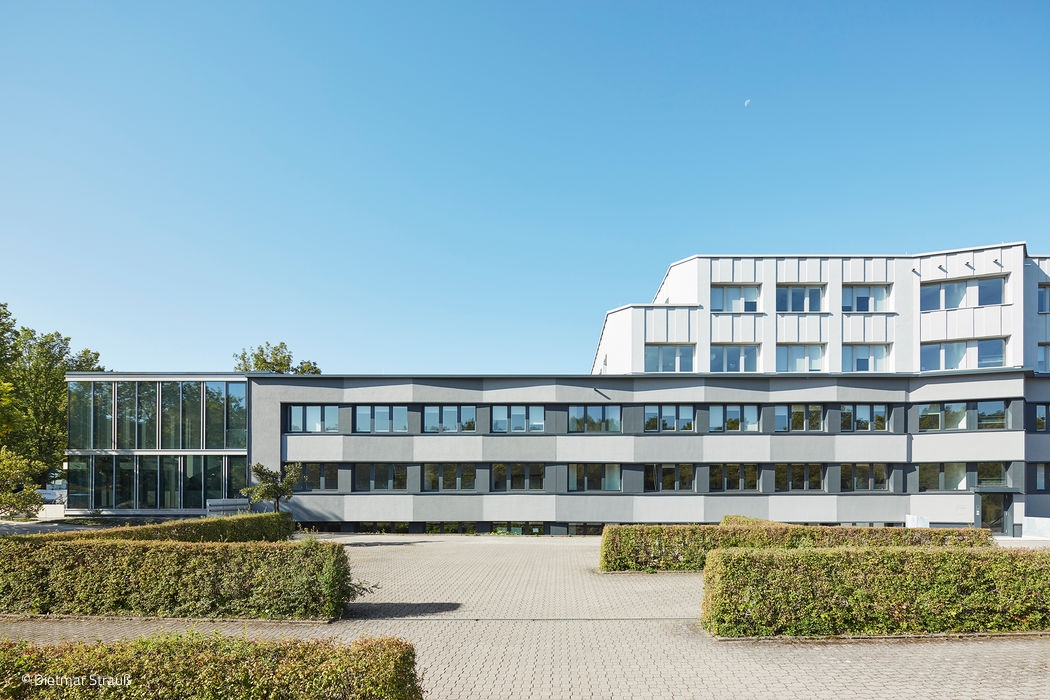
From Complex to Clear
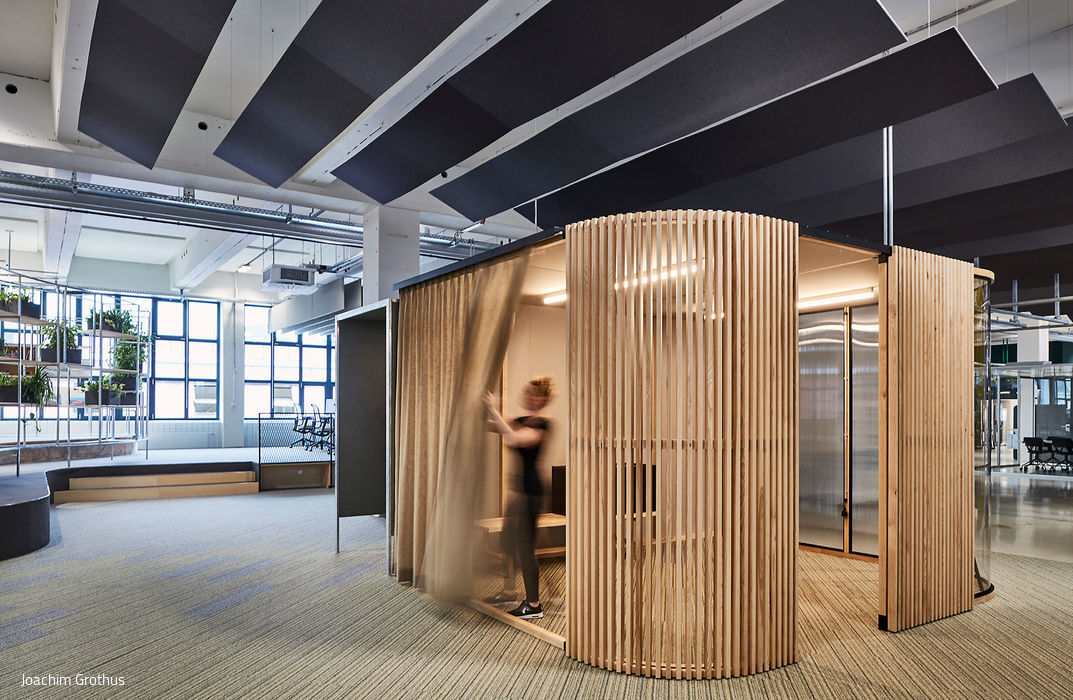
A contemporary workplace where open collaboration zones, focused private offices, meeting pods, and team areas centered around an innovation hub come together.