


Newly Orchestrated, in Color
An apartment as an urban stage for everyday metropolitan life
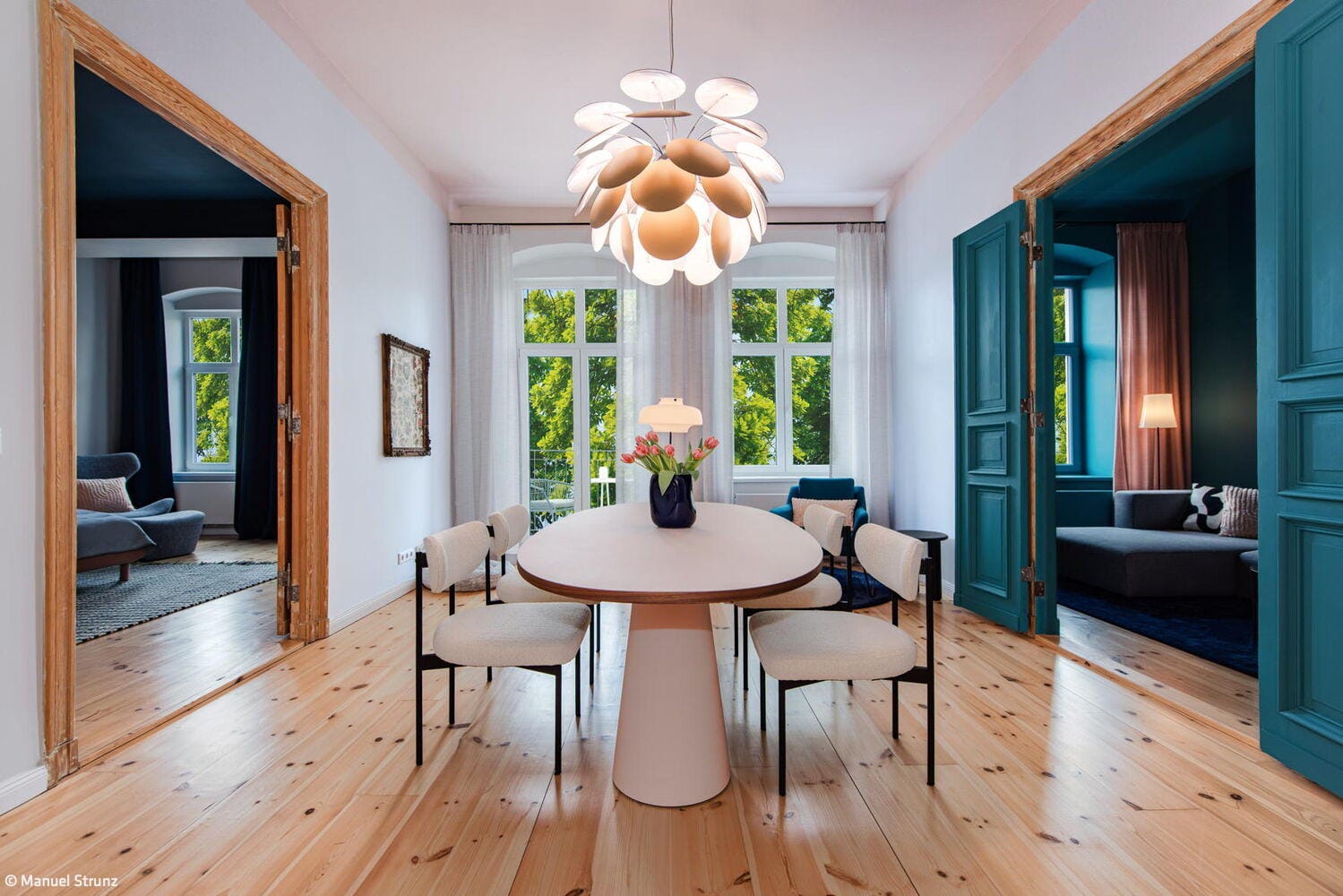
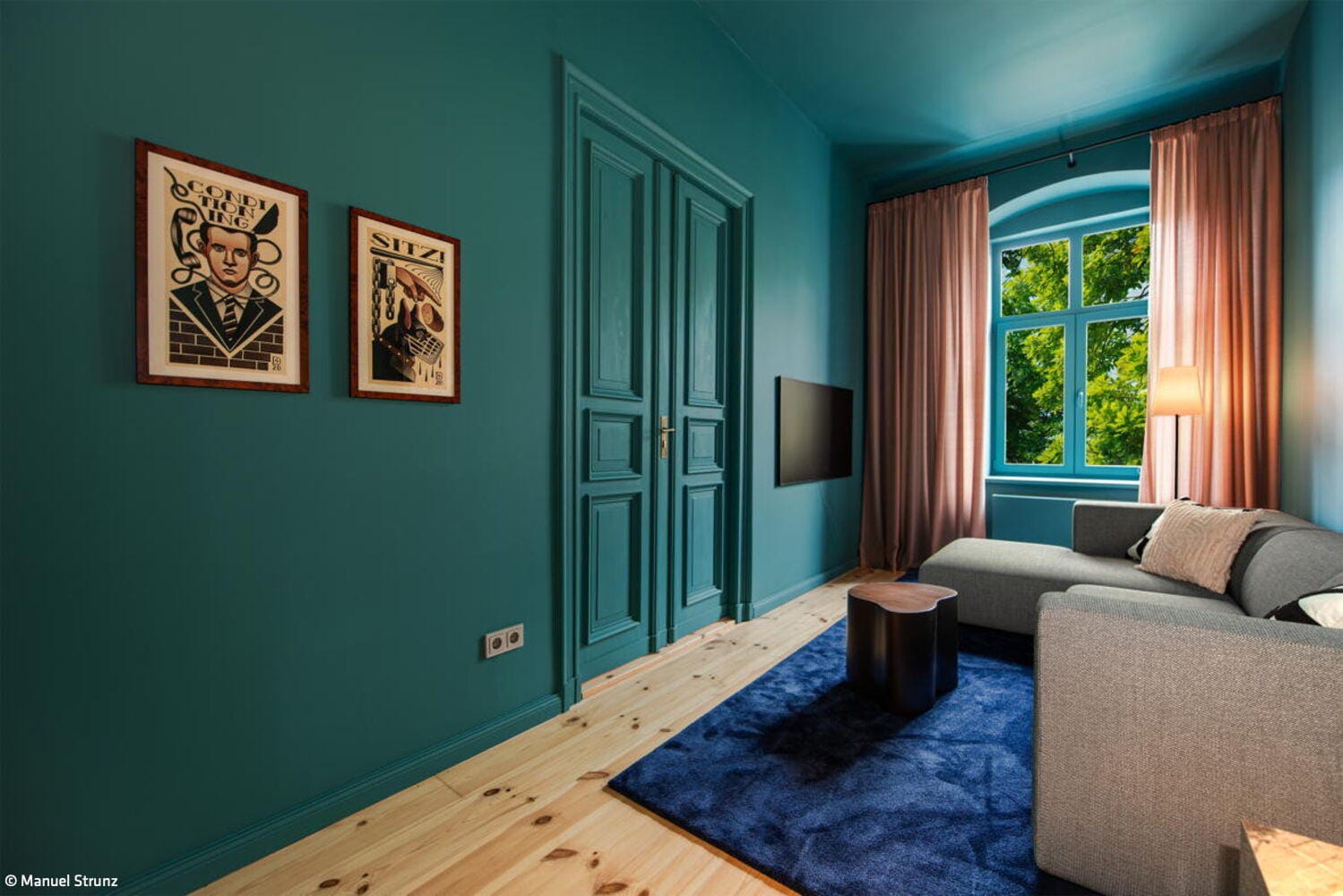
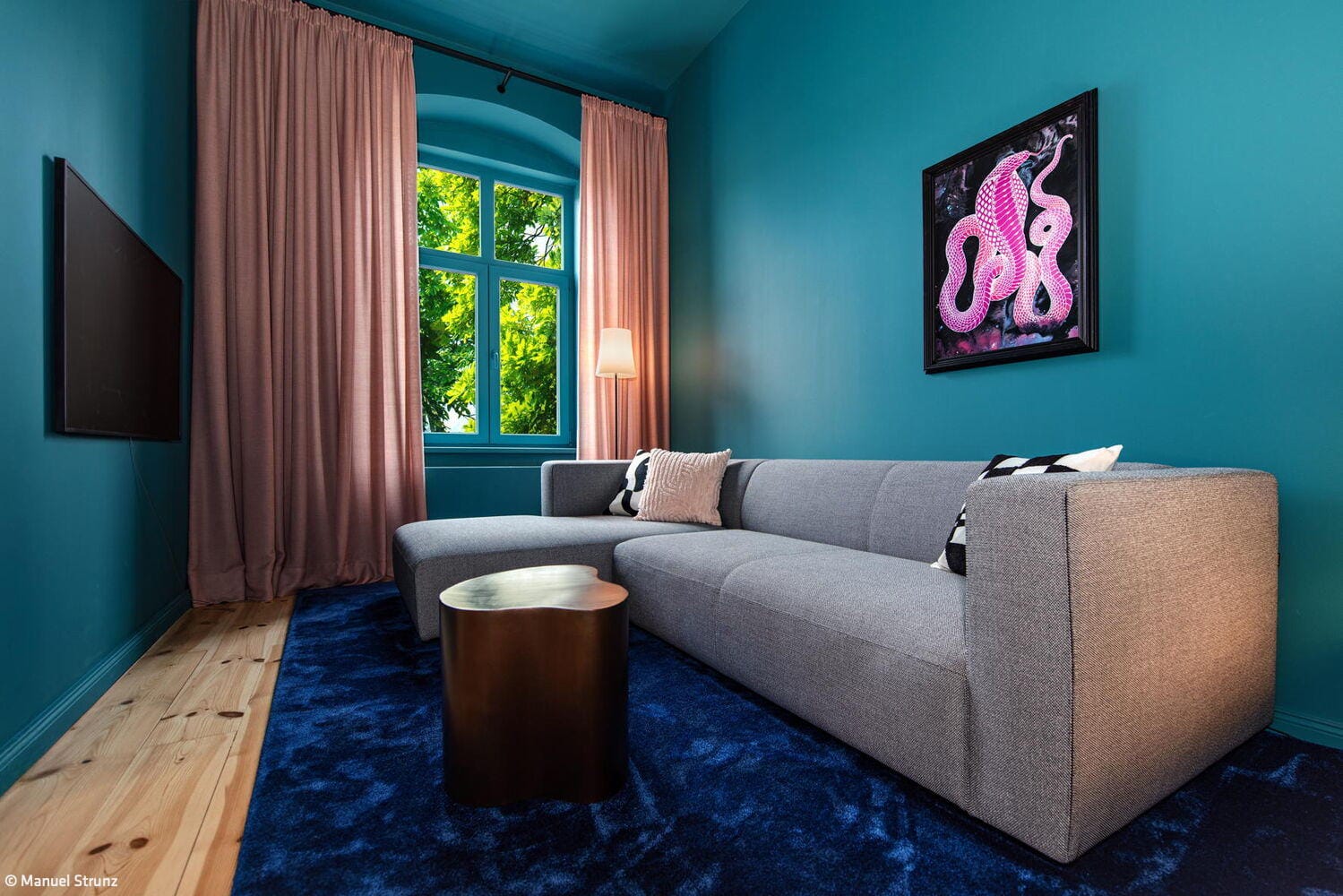

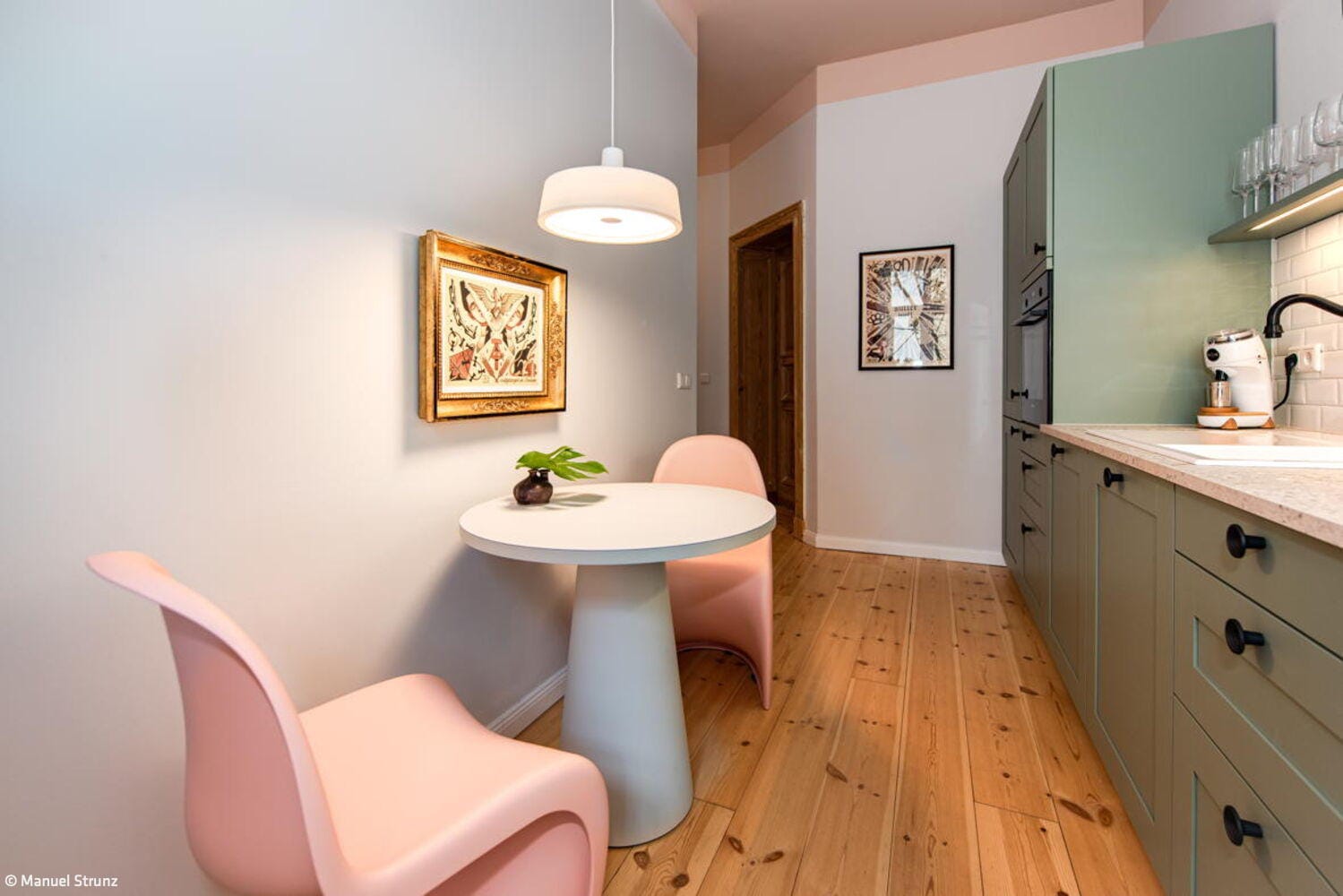
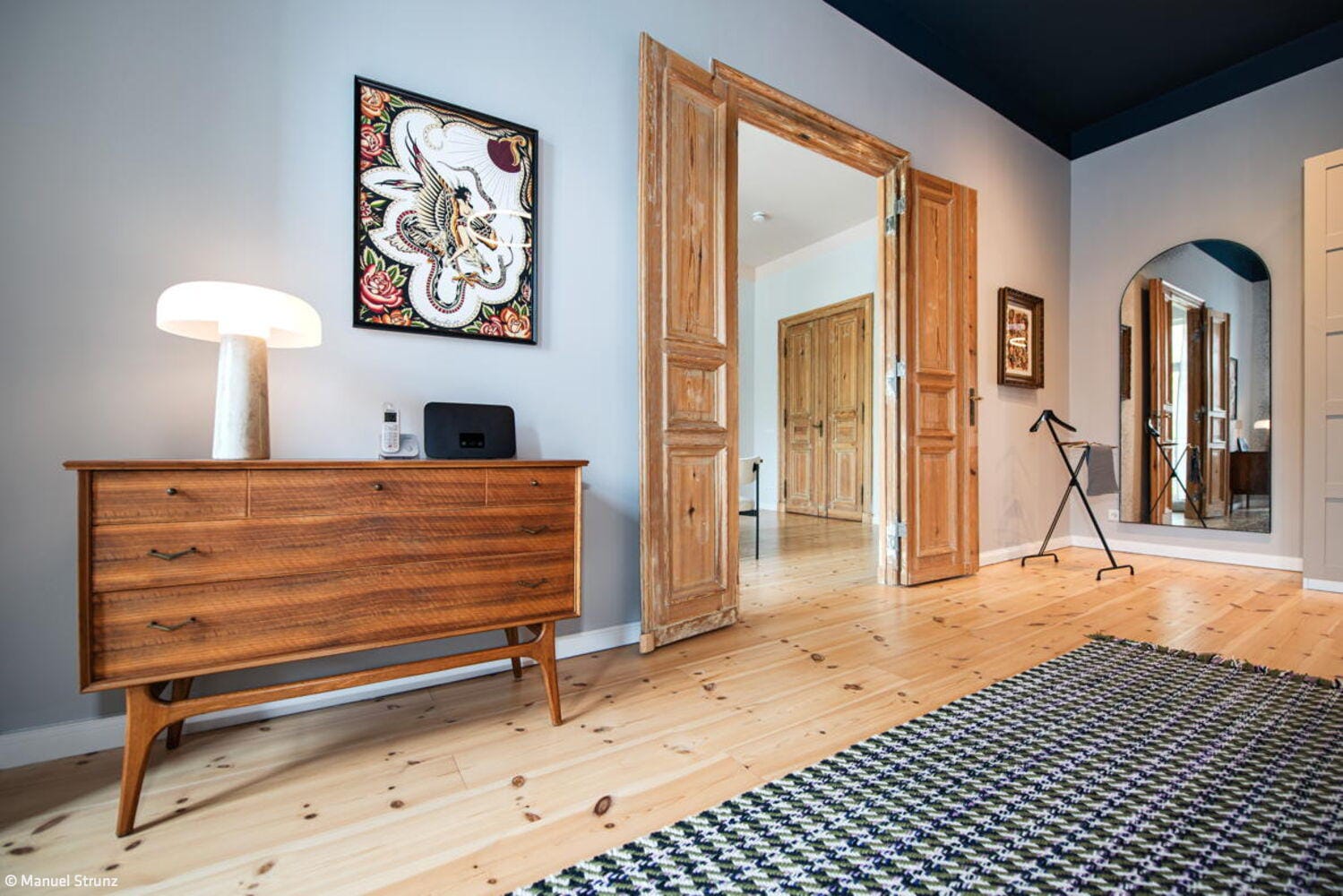


A renovation of the existing structure created expressive, individually characterized rooms, unified by a continuous color dramaturgy throughout. The commission for the Berlin IX apartment was awarded directly, with execution developed in close consultation with the client: "We didn't want interchangeable interior design, but spaces that feel effortlessly right every day while still being distinctive." The client's vision was to create an apartment that presents itself as urban, strong in character, and simultaneously inviting—an independent interior with depth and personality that clearly sets itself apart from standardized residential concepts. Functionally, the apartment needed to be well-organized, practical for daily living, and built to last; aesthetically, however, it required boldness, atmospheric richness, and meticulous attention to detail.
The guiding principle was to create a calm yet expressive urban stage for daily life. Architecture, color, material, and light were not to exist as mere decorative elements side by side, but rather function as a cohesive spatial concept. Each room needed its own distinct mood while remaining part of an overarching design narrative. The design marries clear functional workflows with consistent aesthetic vision and a distinctive design language. The classical Berlin wooden plank floors were comprehensively refinished and resealed throughout. The highlight is the modest yet refined living and television room: color drenching created visual depth and a sense of comfort. The kitchen, previously arranged in a single line, was transformed through the relocation and replacement of a radiator at the window wall; the new built-in kitchen now features an L-shape, offering significantly more storage and work surface than before.
The greatest challenge in realizing the project lay in transforming the existing floor plan, which only partially met the client's new requirements. Of the seven-month construction timeline, four months were dedicated to planning, followed by three months for demolition, construction, and furnishing. Through functional zoning, precise furniture planning, and the deliberate deployment of color and light, the space was ultimately optimized and functional discontinuities resolved: the rooms are now logically organized without sacrificing their openness. Aesthetically, the project draws its vitality from a purposeful interplay of dark tones, warm materials, and strategic contrasts that create depth and visual tension throughout the apartment.
Photos:
Manuel Strunz
www.manuelstrunz.de
(Published in CUBE Berlin 01|26)
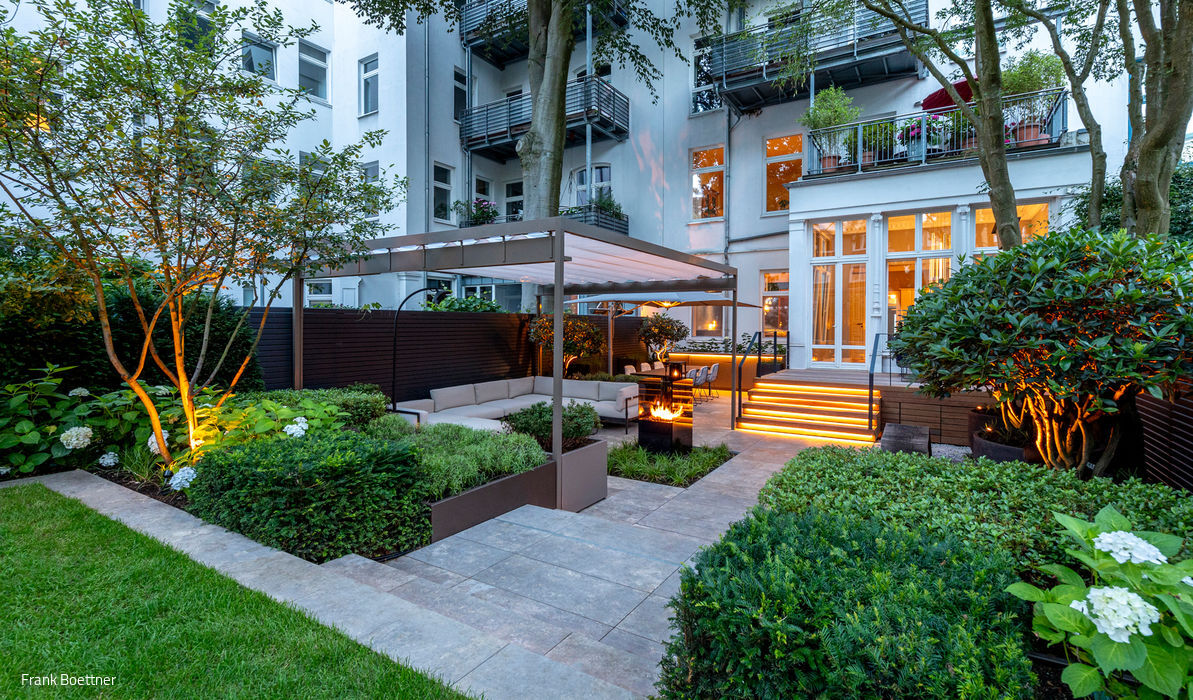
Backyard Idyll
From neglected backyard to vibrant green living space
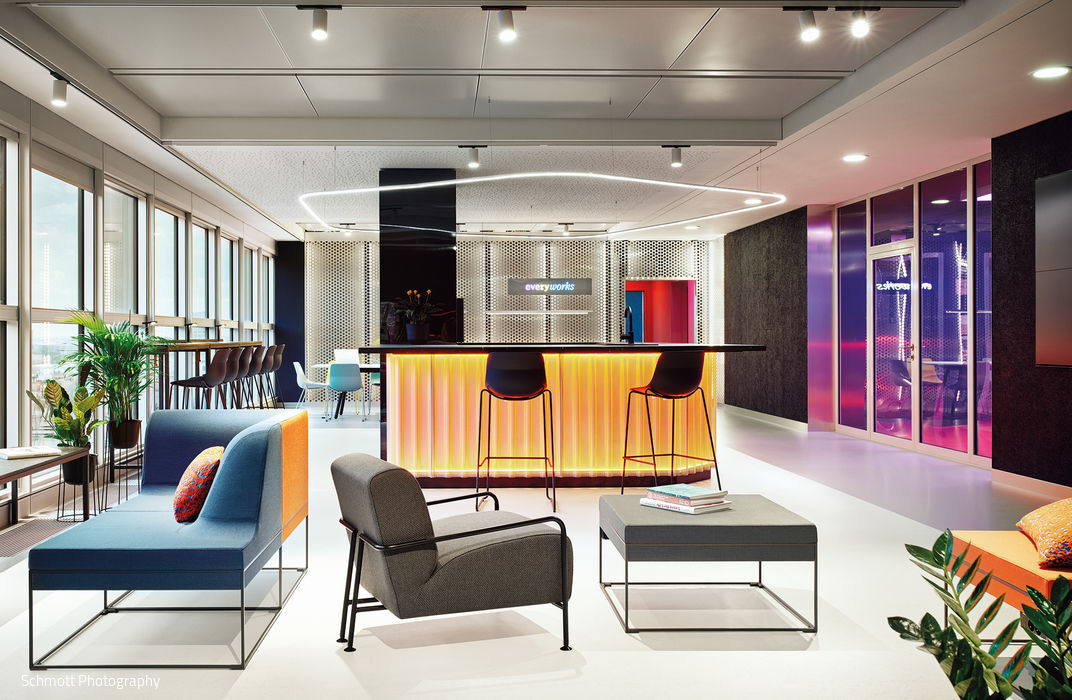
Arriving and Working
Deutsche Bahn's "everyworks" coworking space connects you directly from platform to productivity.

The Many Lives of a Villa
Transformations Across a Westend House's Life
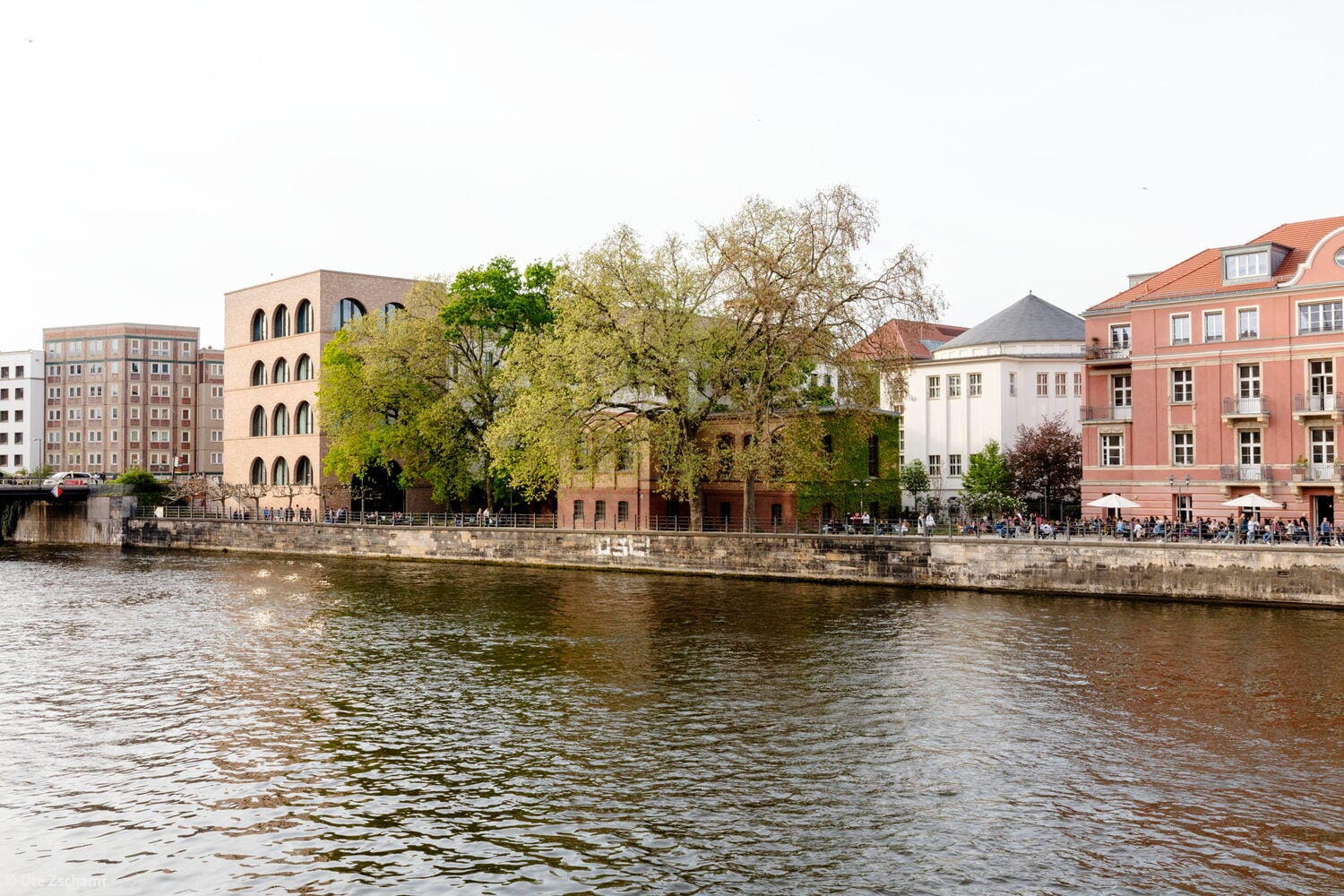
Berlins neue Mitte
Das Forum an der Museumsinsel wertet das historische Zentrum Berlins auf