


More Living on the Same Footprint
Adding stories, renovating, converting, reimagining – strategies for urban densification


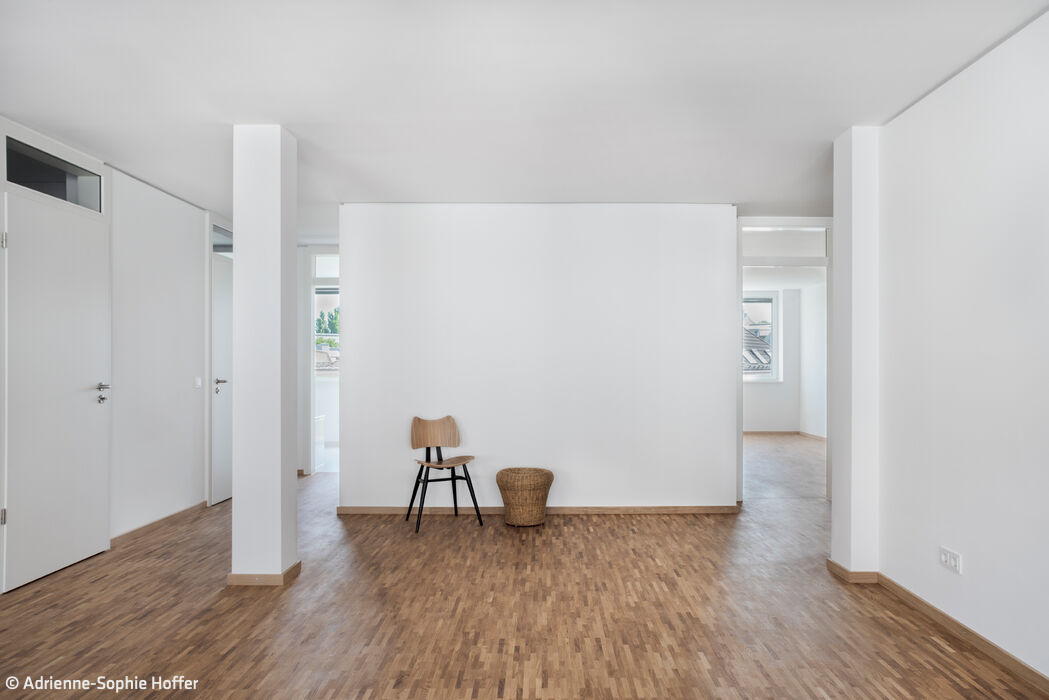


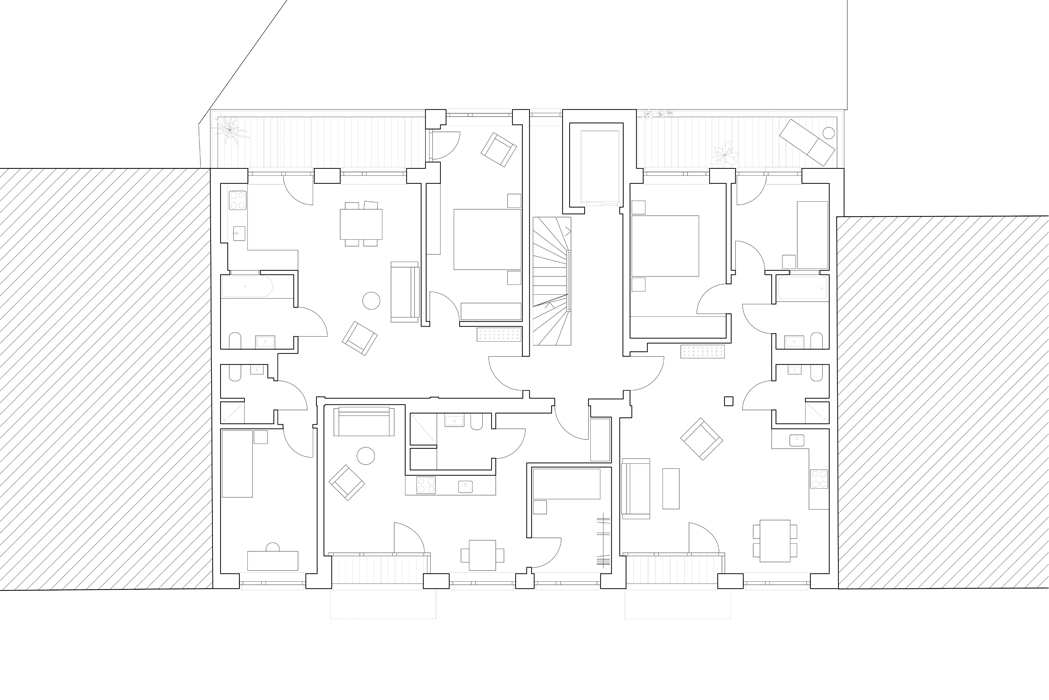
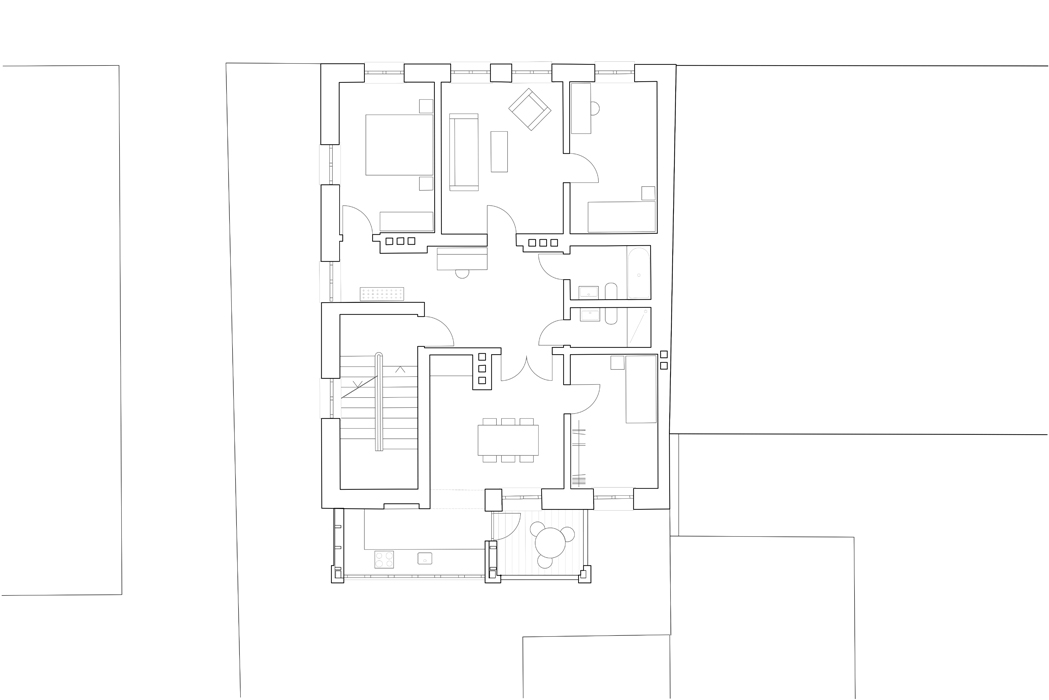
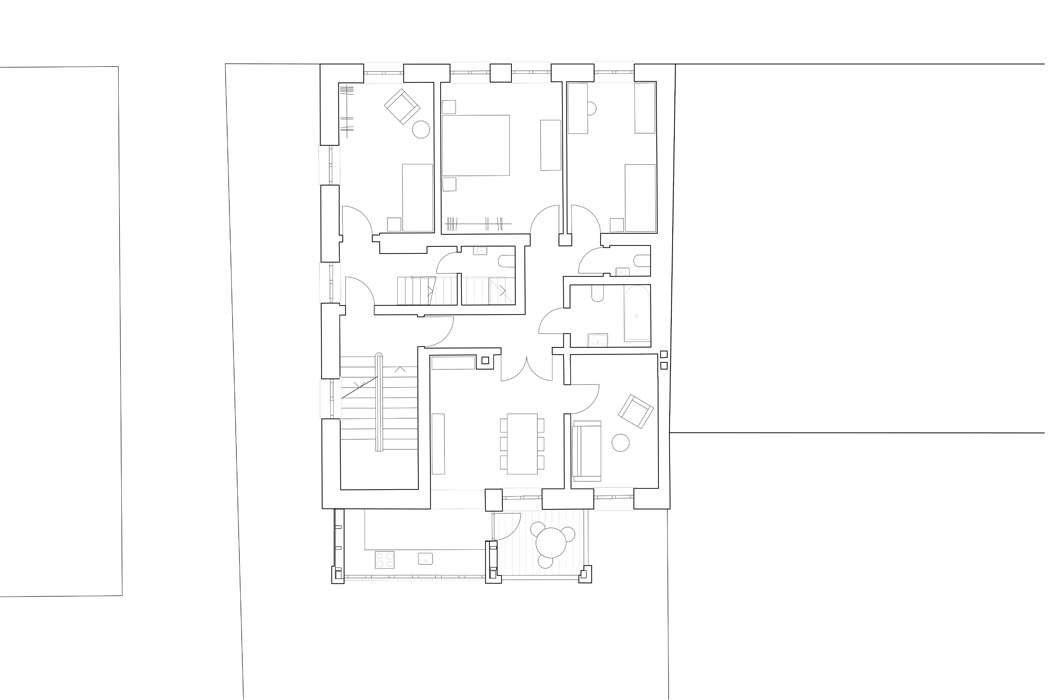

One of today's most pressing architectural challenges—and one we'll face for years to come—is deciding whether to rebuild existing structures or reimagine them as contemporary homes. In Munich's Au district, both approaches converge in a single project: a new multi-generational residence occupies one of the neighborhood's last vacant parcels, connected via a shared courtyard to a meticulously restored nineteenth-century building. The owners envisioned a home where family and friends could live together, and they turned to Munich's Knopp Wassmer architects to realize it. The firm's twin expertise—designing residential buildings and masterfully restoring period structures and protected monuments—proved ideally suited to the task.
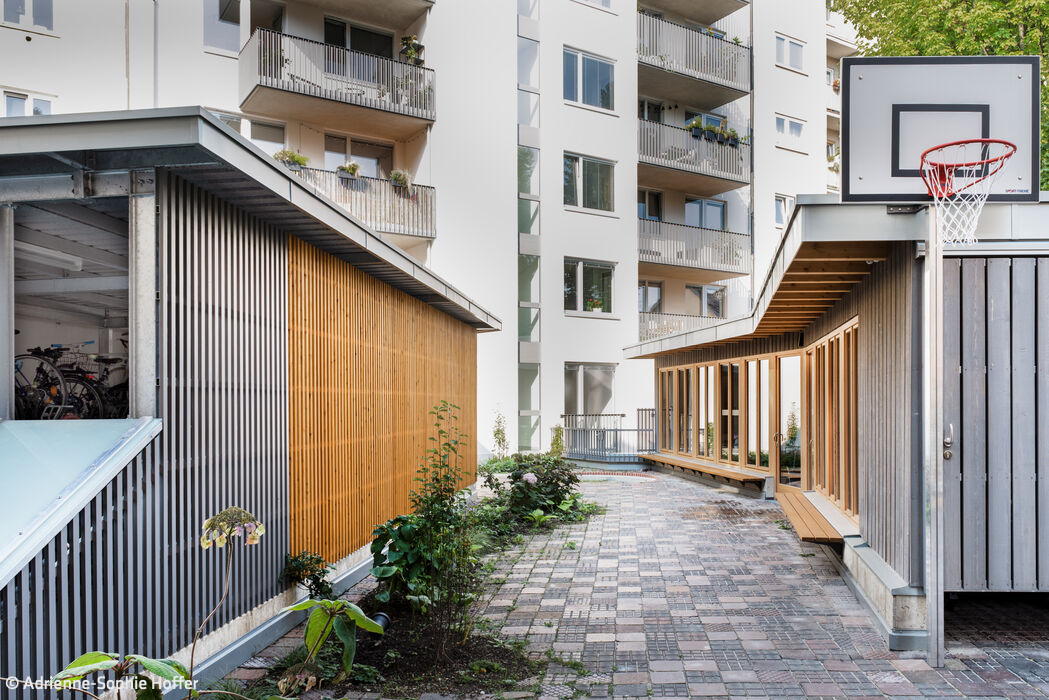
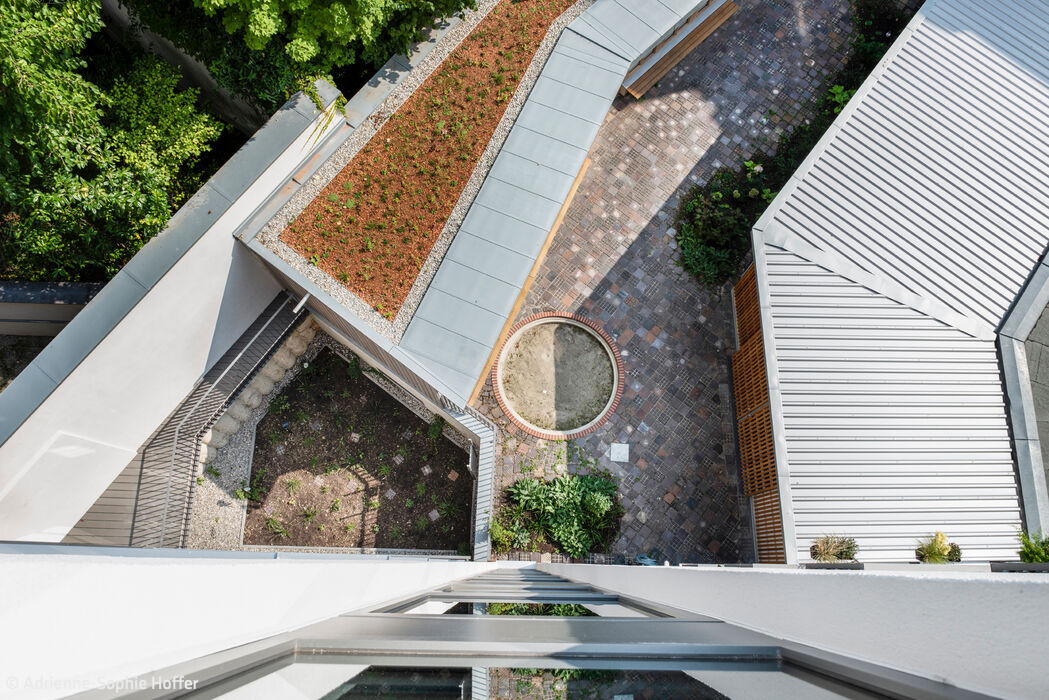
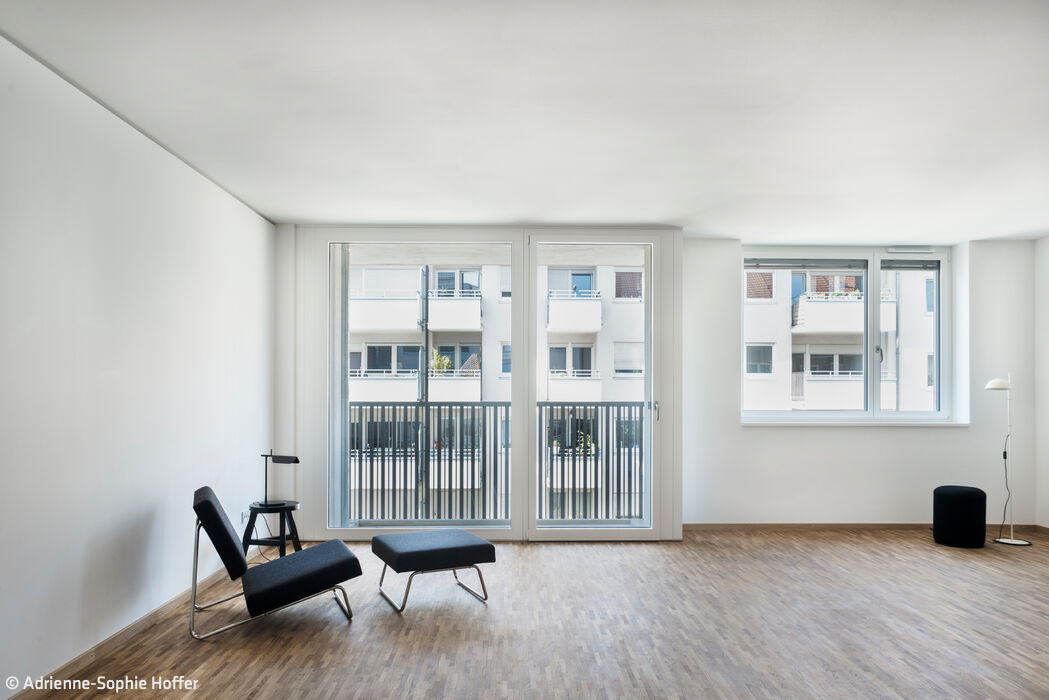
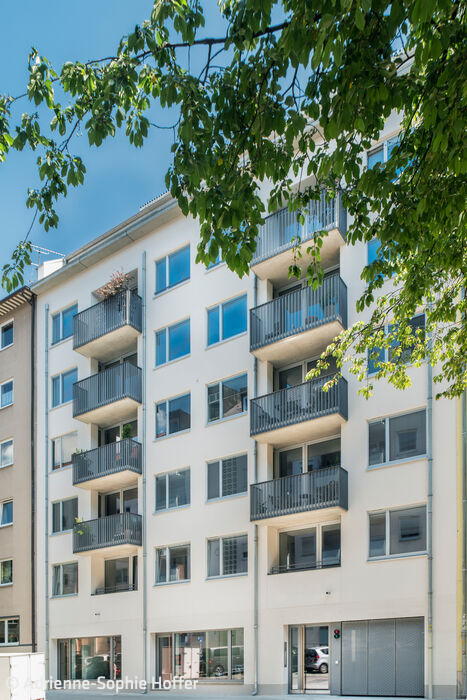
On Kolumbusstraße, the architects created a five-story residence that respects the established roofline of its neighbors. The ground floor houses commercial tenants—a pediatric practice has taken space here—while the upper floors contain apartments of varying sizes and flexible layouts, embodying the multi-generational living concept. The principal floor features the traditional bel étage (piano nobile) with recessed loggias; the remaining stories offer balconies. A maisonette with a private roof garden crowns the composition. The project's real innovation, however, lies in how seamlessly the new and old buildings connect. A path of salvaged red pavers, lined with plantings, threads through the shared courtyard, weaving the two structures together.
Built in 1853 as a carriage workshop, the existing structure on Entenbachstraße – complete with its original courtyard shed – has been meticulously restored and transformed into a diverse residential complex. To maximize density on the site, an additional floor with a maisonette and a new hipped roof were added. A timber annex now anchors the courtyard side, housing kitchens and loggias that open onto the quiet, landscaped courtyard and its communal playground. This thoughtful reconfiguration yields far more than square meters: the original 260 m² has expanded to 518 m², while residents now enjoy a fresh orientation toward greenery and community. The architects' vision extended beyond technical mastery to embrace sustainability in both materials and lifestyle – creating adaptable living spaces for our evolving world. This project exemplifies multi-generational housing as an essential strategy for the future of urban living.
Photography:
Adrienne-Sophie Hoffer
www.adriennehoffer.com
(Featured in CUBE Munich 02|24)
Nature-Inspired and Luxurious
A 5-star lakeside retreat reimagined for the modern era

Like a composition
A musician receives bespoke interior design for his Haidhausen apartment
Function Meets Aesthetics
A Cosmetic Dentistry Concept That Captivates With Inspired Details
The White House
New Residential Building with 14 Apartments in Puchheim