


Optical Levitation
A Floating Villa in Glass, Exposed Concrete, and Steel

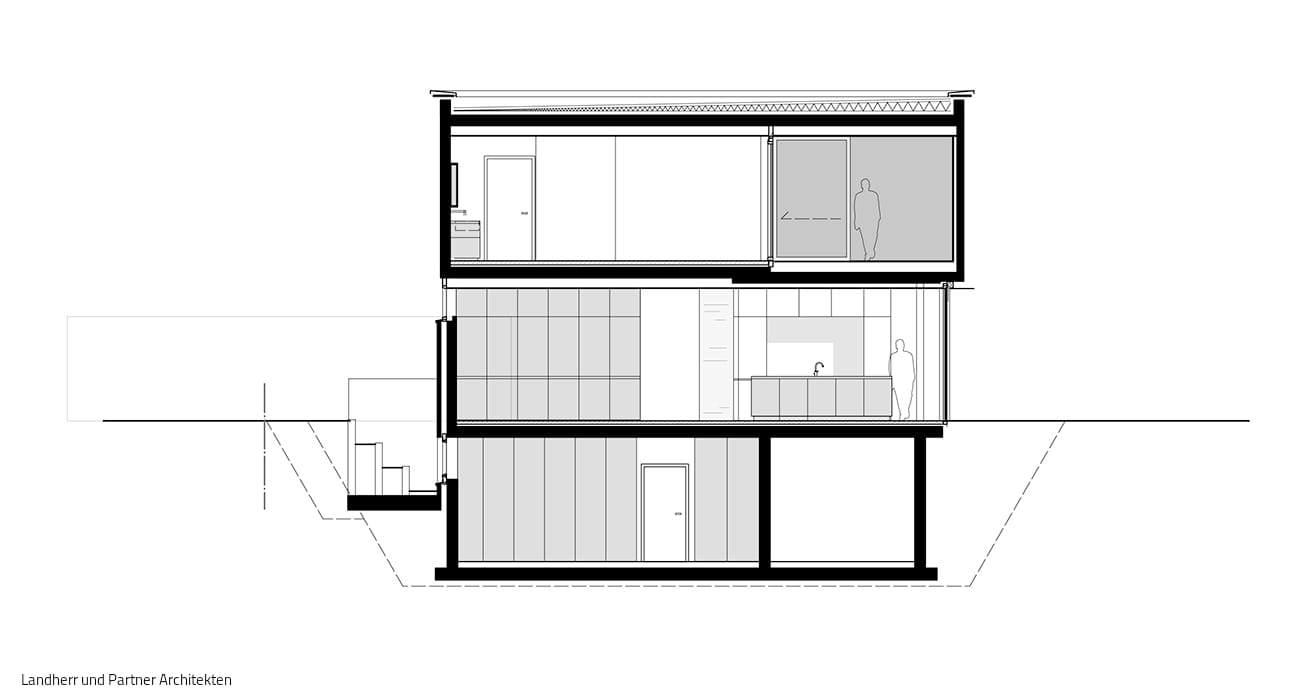
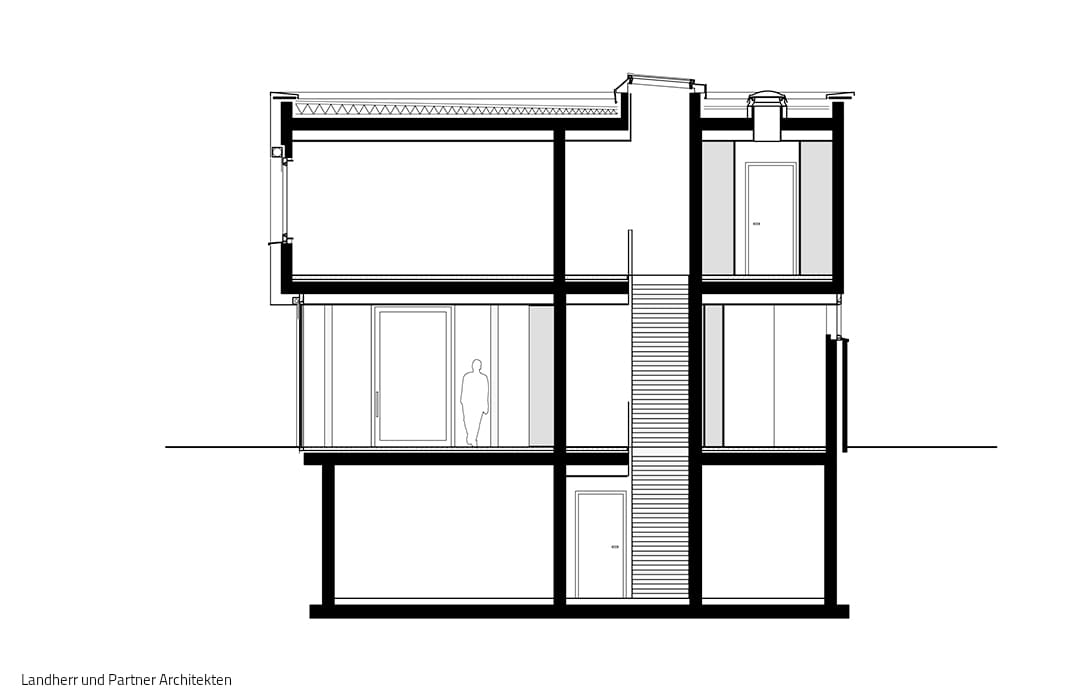
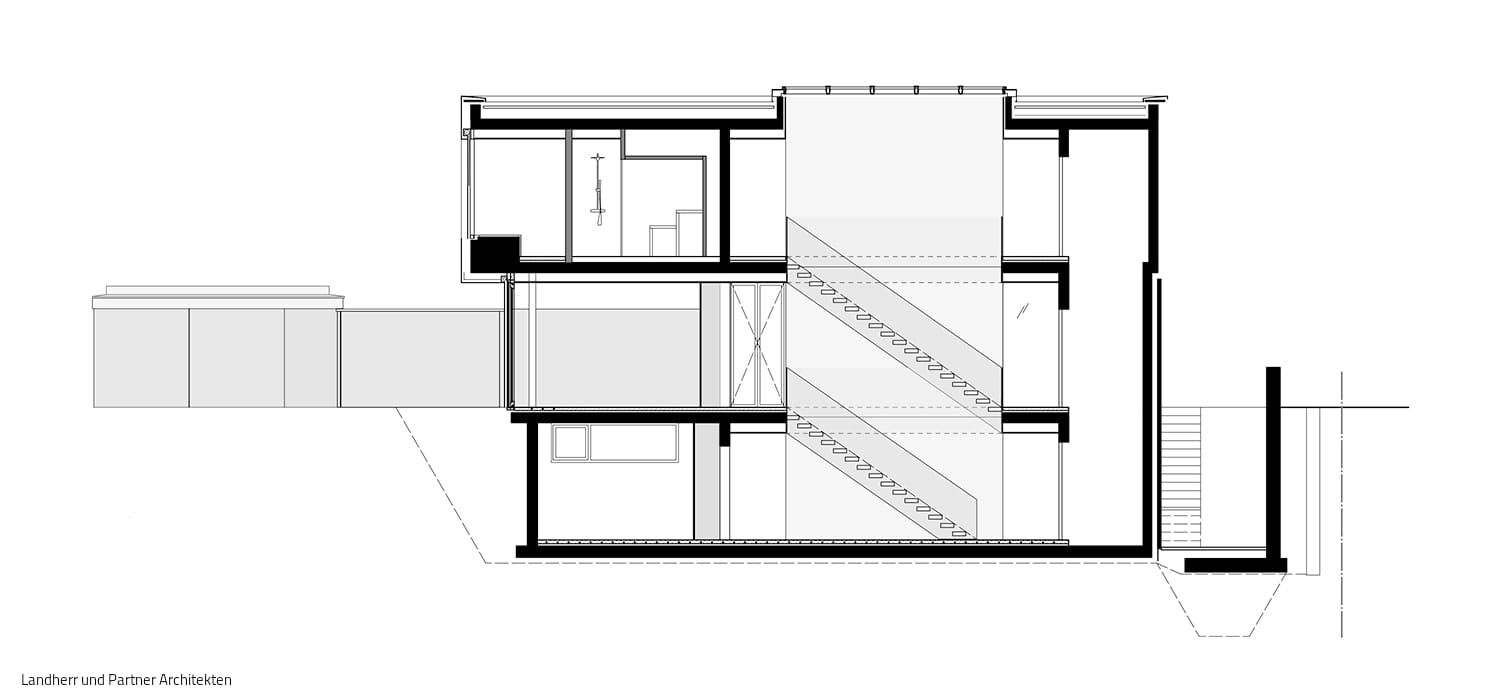
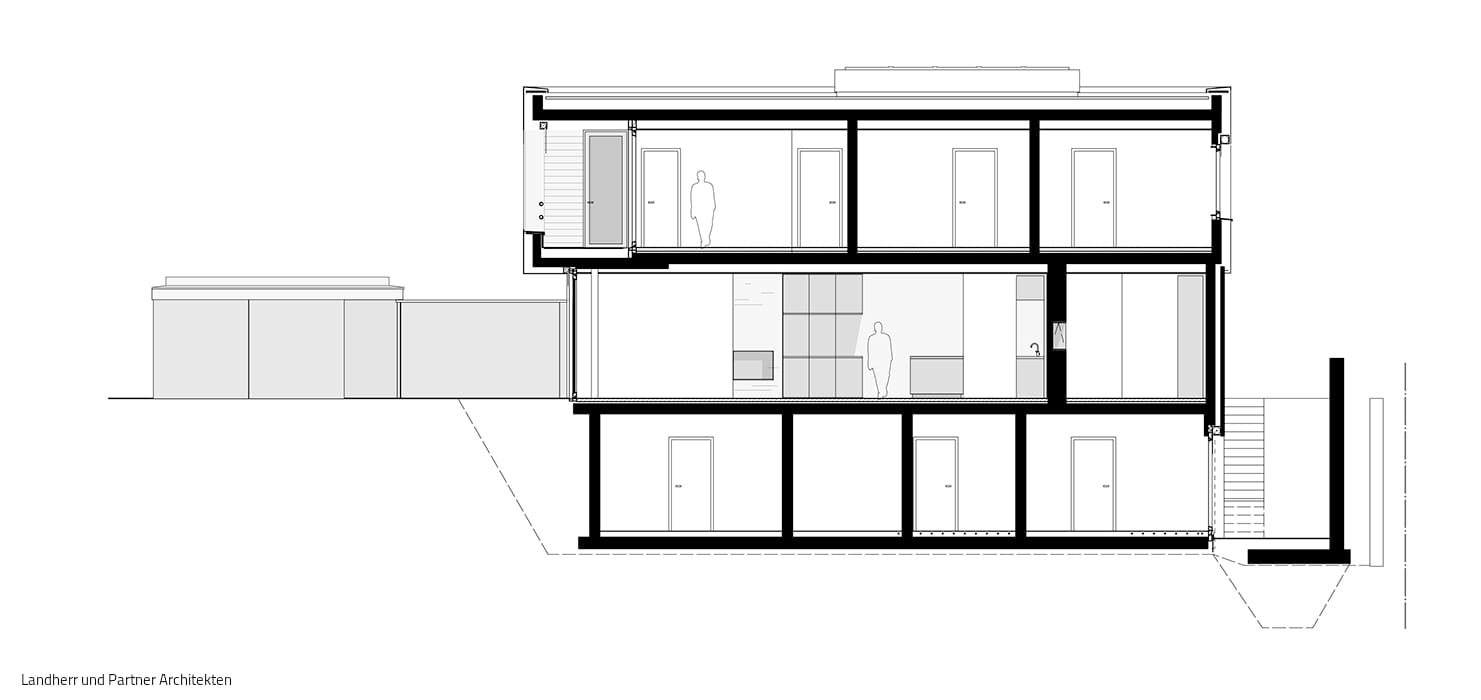

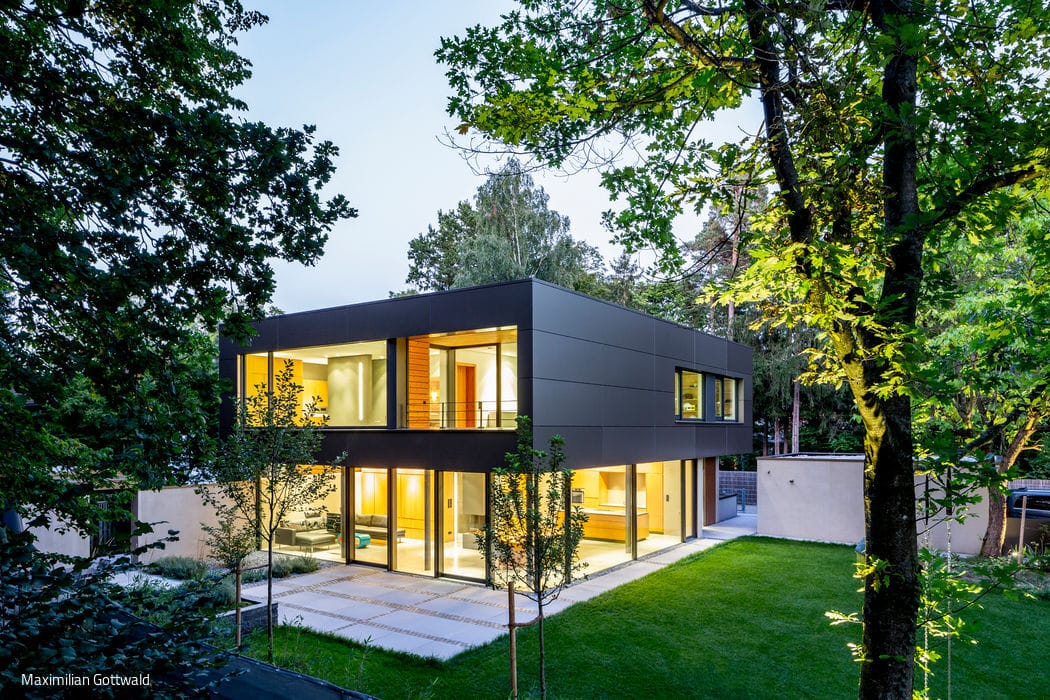

Building plots in Munich are scarce—even in outlying areas. The exception: acquiring an existing property where the current structure lacks historical merit or has deteriorated beyond repair. This was the scenario that led architect Matthias Wendt to design a new villa in Munich's east end, when the original building proved incompatible with the client's vision and was demolished to make way for something entirely new.
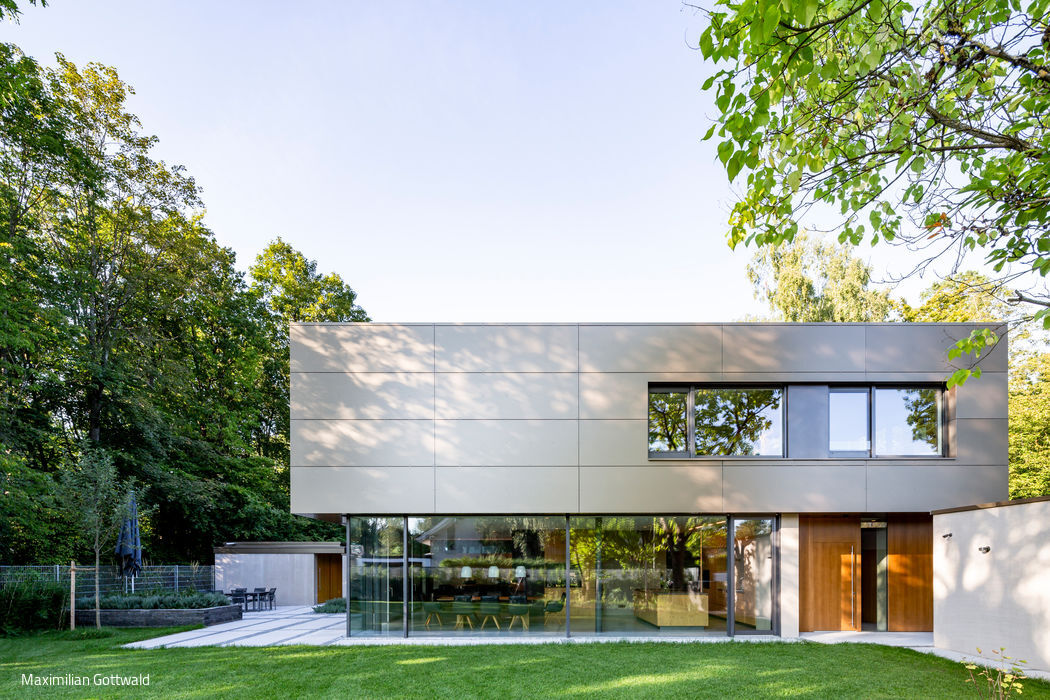
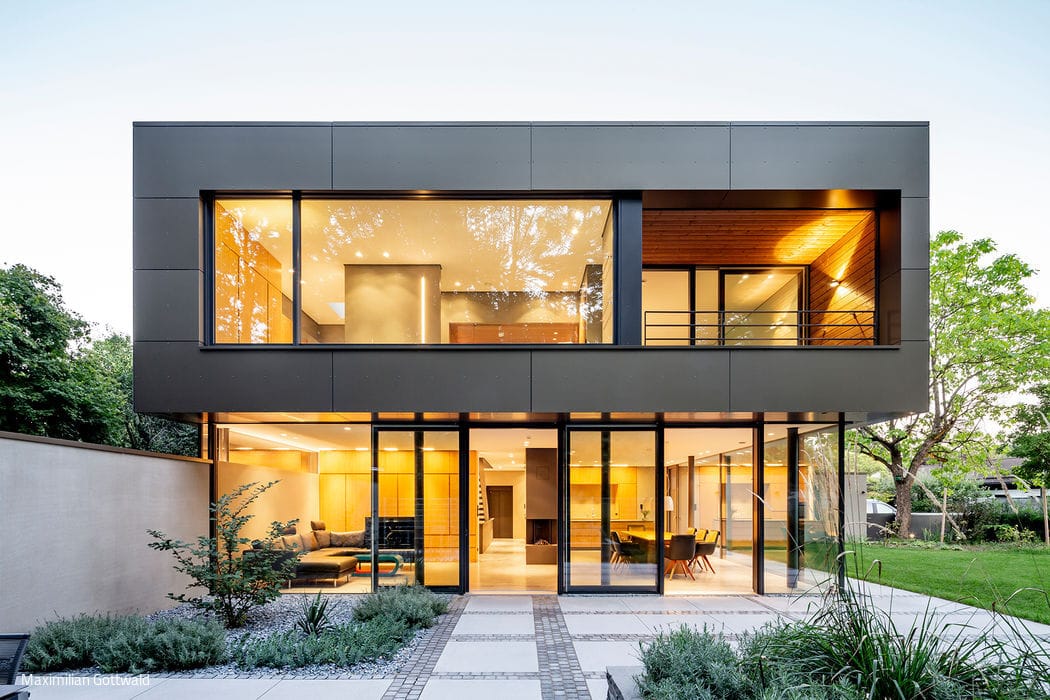
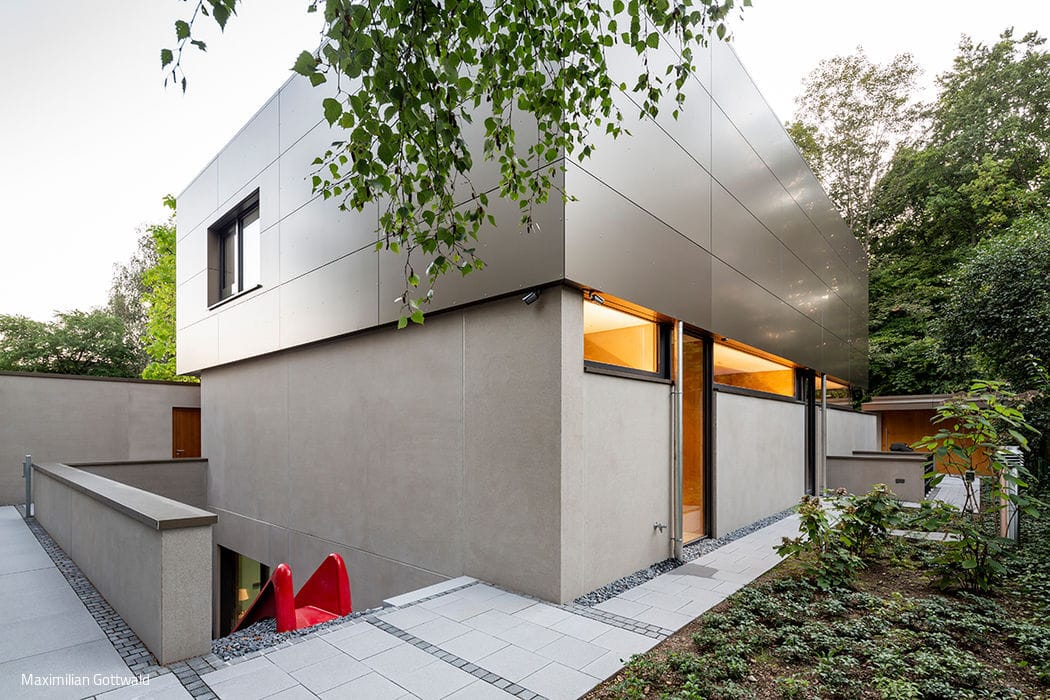
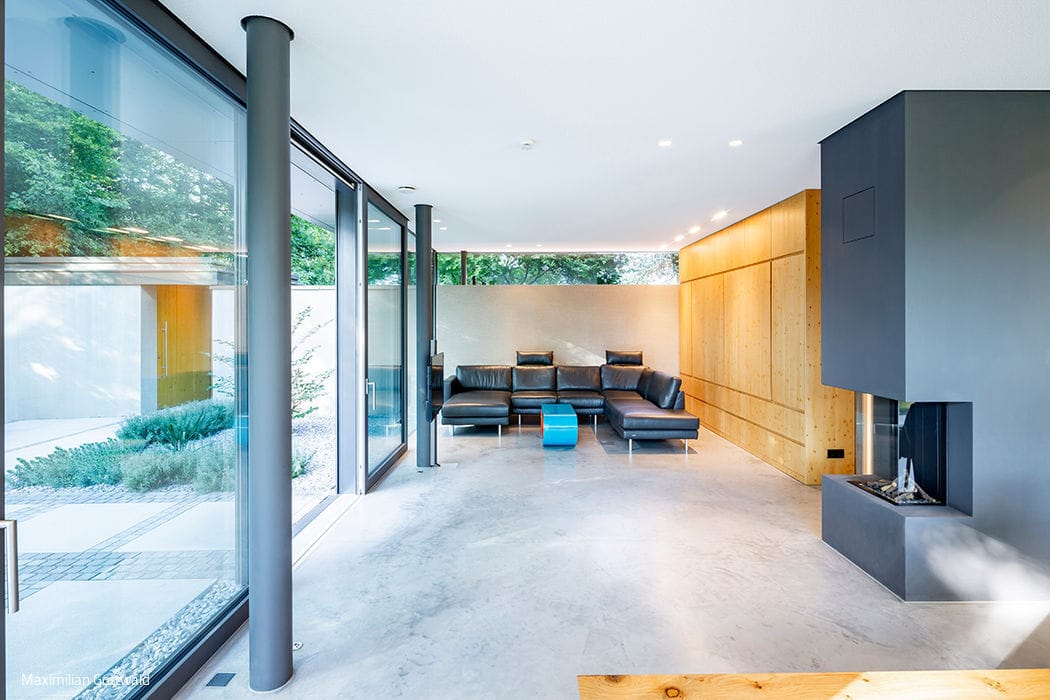
Within a mature suburban neighbourhood of traditional villa-style homes with pitched roofs now stands a remarkably light and contemporary residence crowned with a flat roof. Its sense of weightlessness stems from floor-to-ceiling glazing across the south and west elevations of the ground floor. The gently cantilevered upper storey appears to float above its glass base, seemingly defying gravity itself. The expansive ground-floor layout is punctuated by exposed concrete wall panels in warm sand tones, their surfaces precisely blasted for texture. All load-bearing walls employ triple-shell construction using precast exposed concrete elements filled with site-cast concrete.
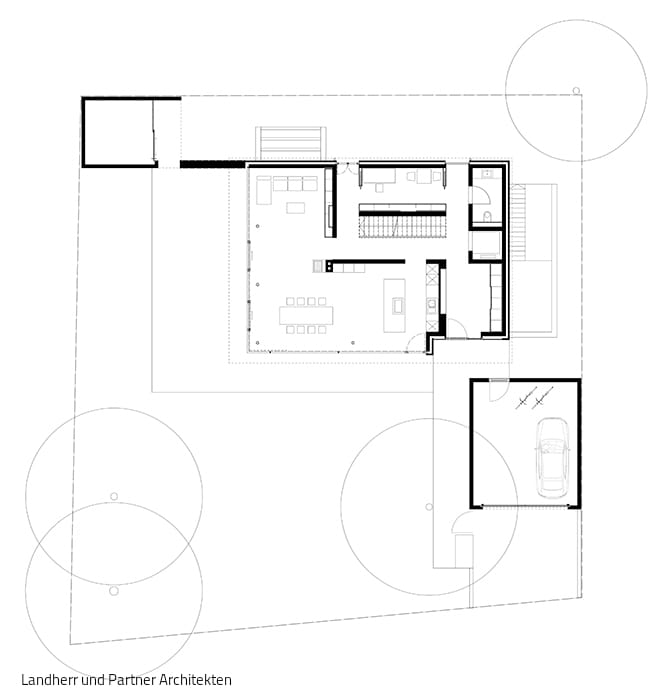
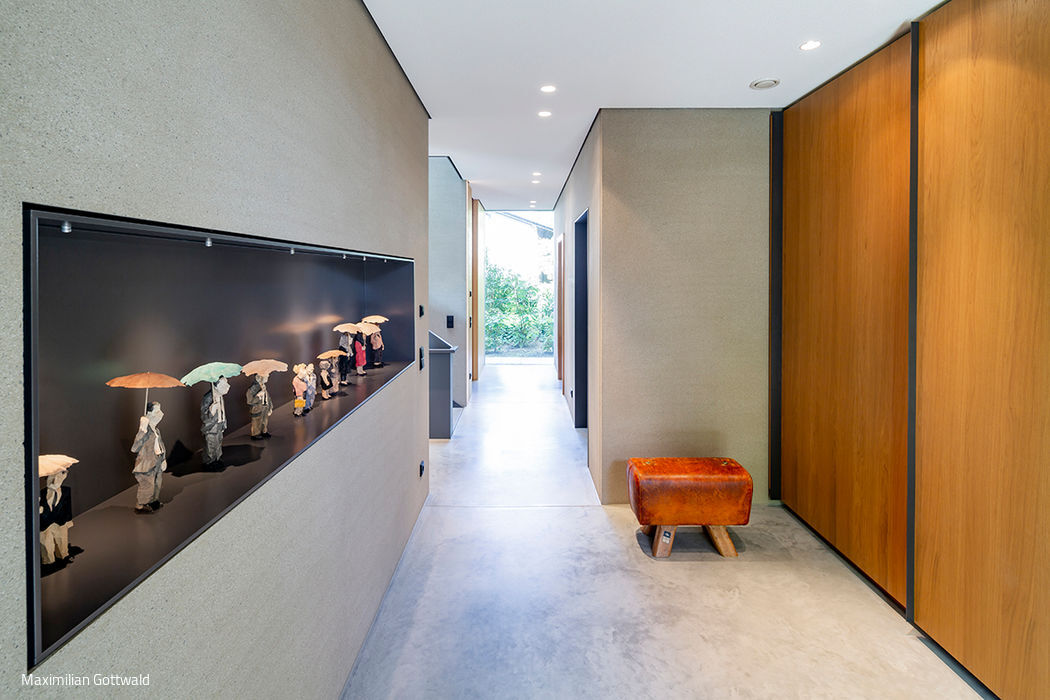
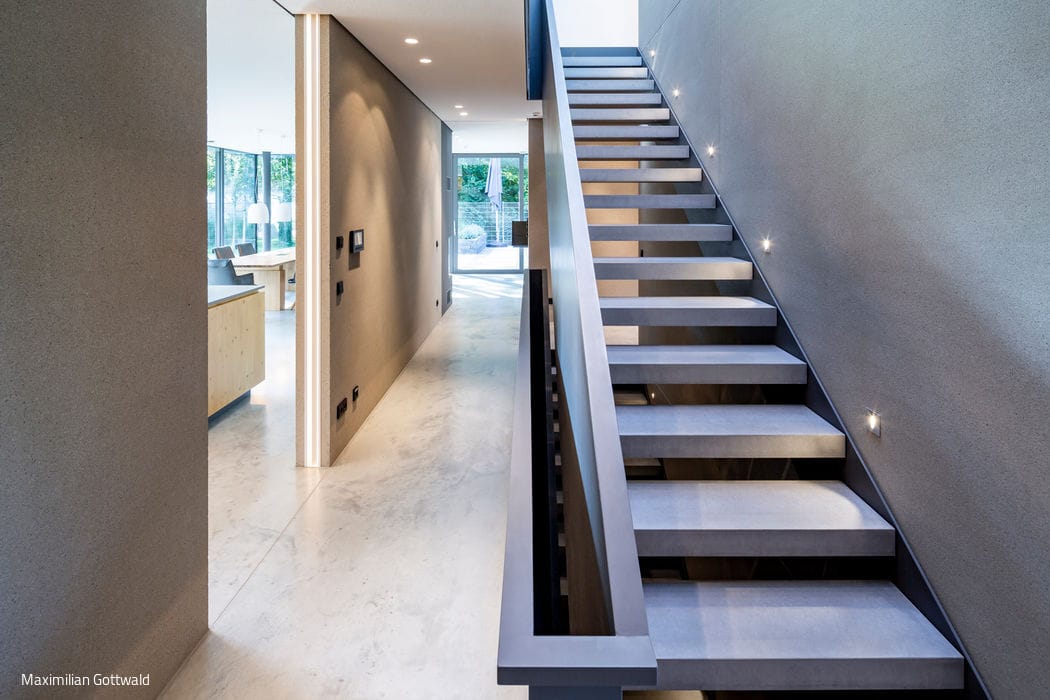
The building's main entrance is accessed from the south. Proceeding from the garage along an exposed concrete wall leads to the entry hall and its adjoining cloakroom. Custom furnishings designed by the architects reinforce the sense of spatial generosity throughout. A small collection of figurative sculptures from the owner's private collection greets visitors from an entrance niche. A linear staircase—fashioned from anthracite-grey steel with inviting concrete treads—ascends to the upper floor.
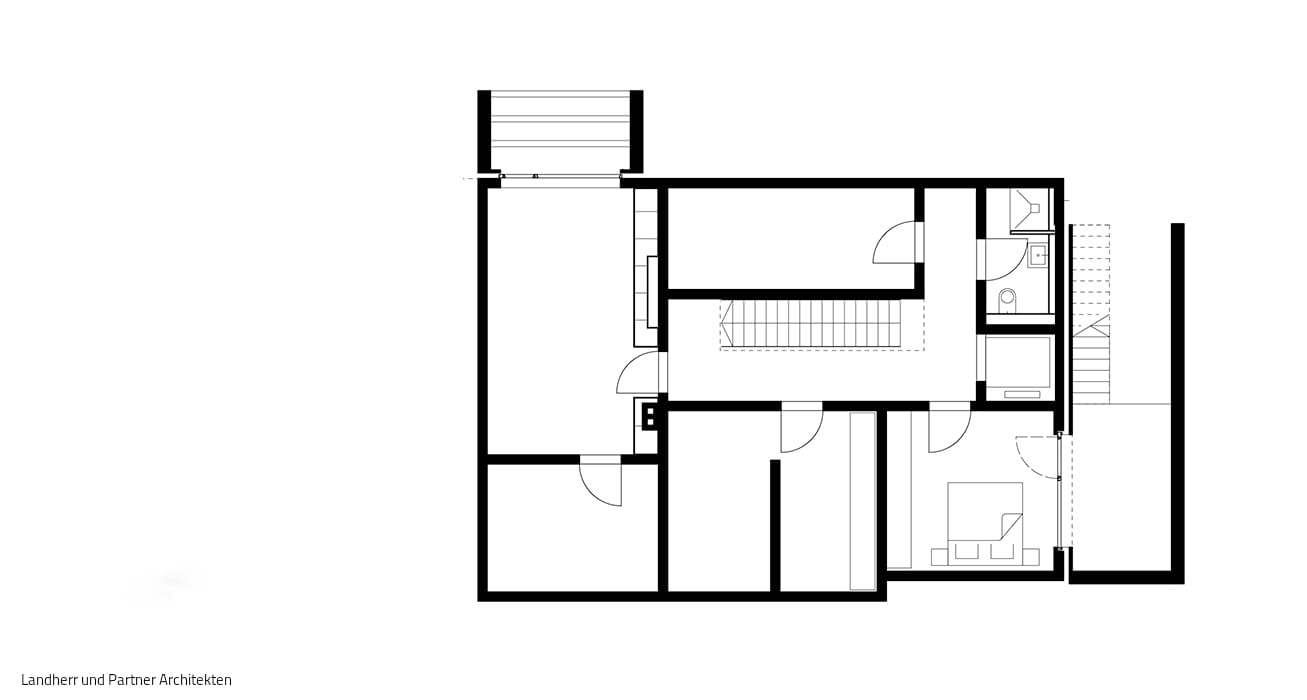
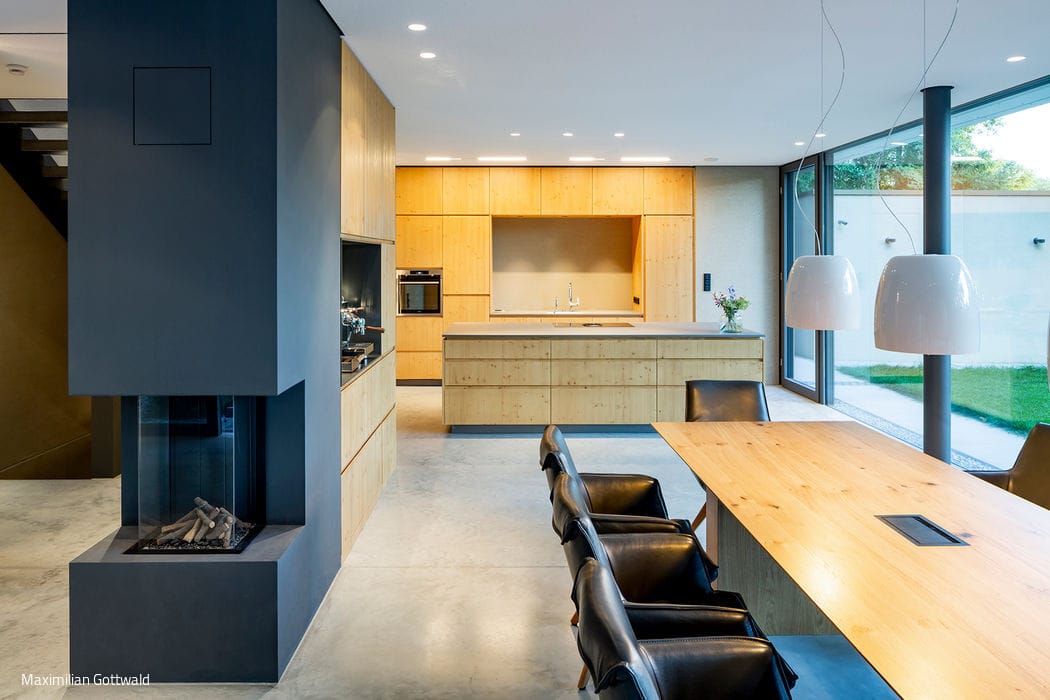
The ground floor's "glass zone," defined by sliding doors opening to the garden, encompasses the kitchen with its freestanding island, a dining area centred on a substantial oak table, and a west-facing living space. Below, the basement houses a self-contained guest suite with its own entrance, technical rooms, and a recreational space—all receiving natural light through integrated courtyards.
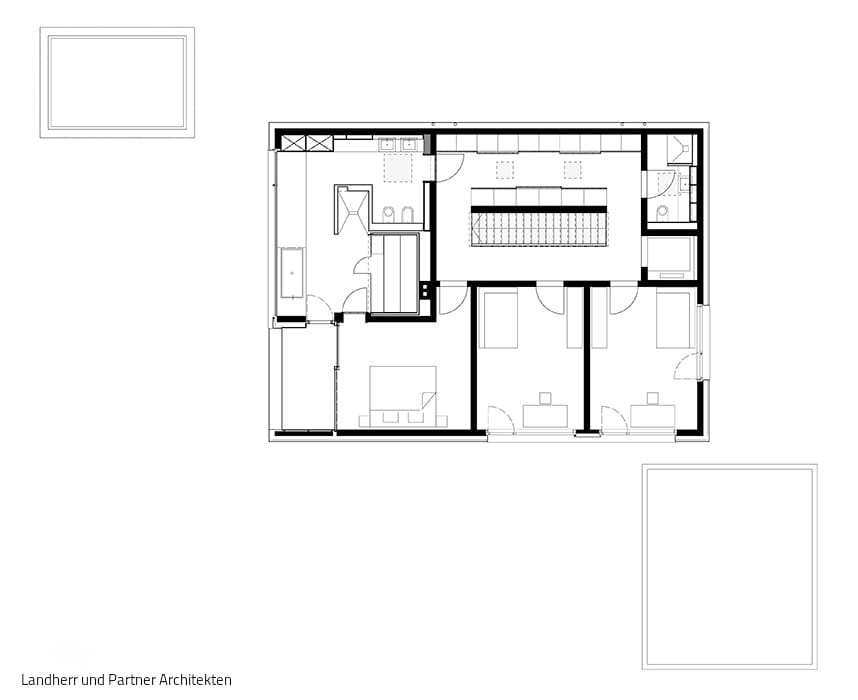
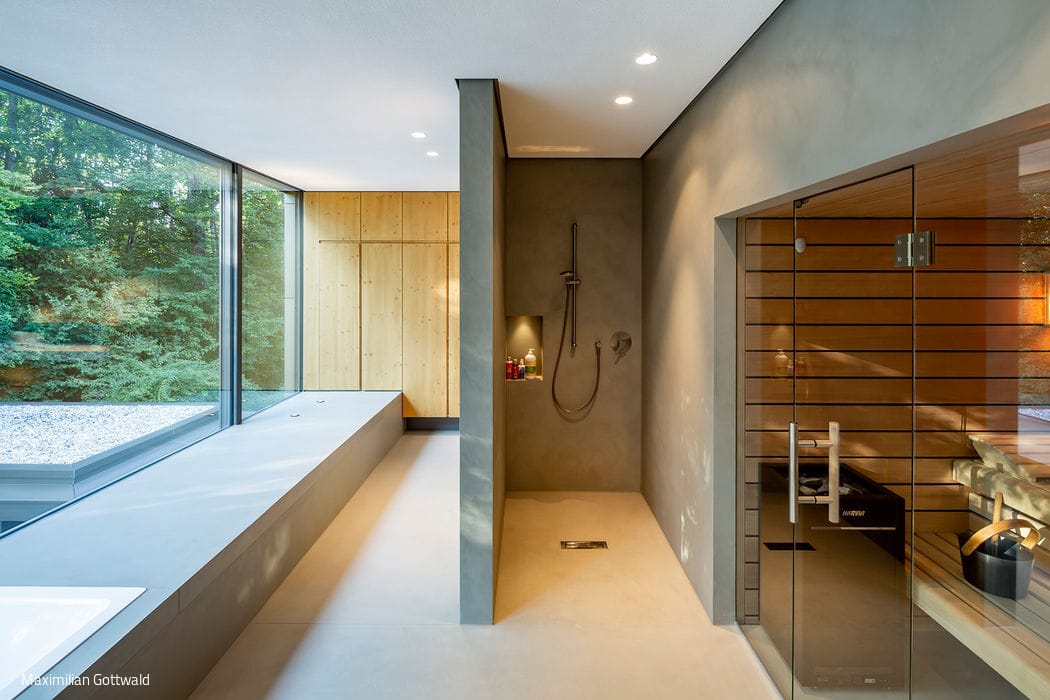
The upper storey emerges as a precise cubic volume, its curtain wall composed of bronze-anodised aluminium composite panels. Save for minimal fenestration, it reads as a sleek floating form. Here reside the private quarters: two children's bedrooms with shared bath, and a generous master suite featuring ensuite facilities, sauna, and a glazed west-facing loggia framed by views of the neighbouring park's mature trees.
Living space: 318 m²
Plot size: 850 m²
Construction period: March 2018–March 2019
Construction method: Solid construction combining in-situ and prefabricated concrete elements
Energy concept: Gas heating with solar thermal system
(Published in CUBE Munich 04|20)
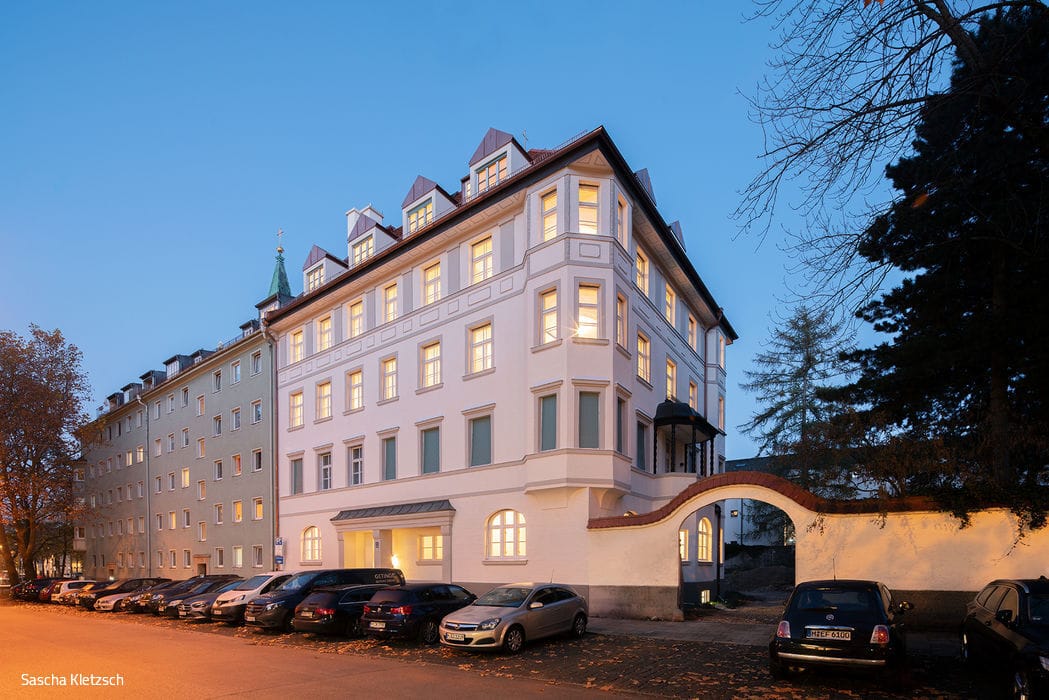
Sacred Becomes Secular
A Heritage Rectory Reimagined as Contemporary Housing
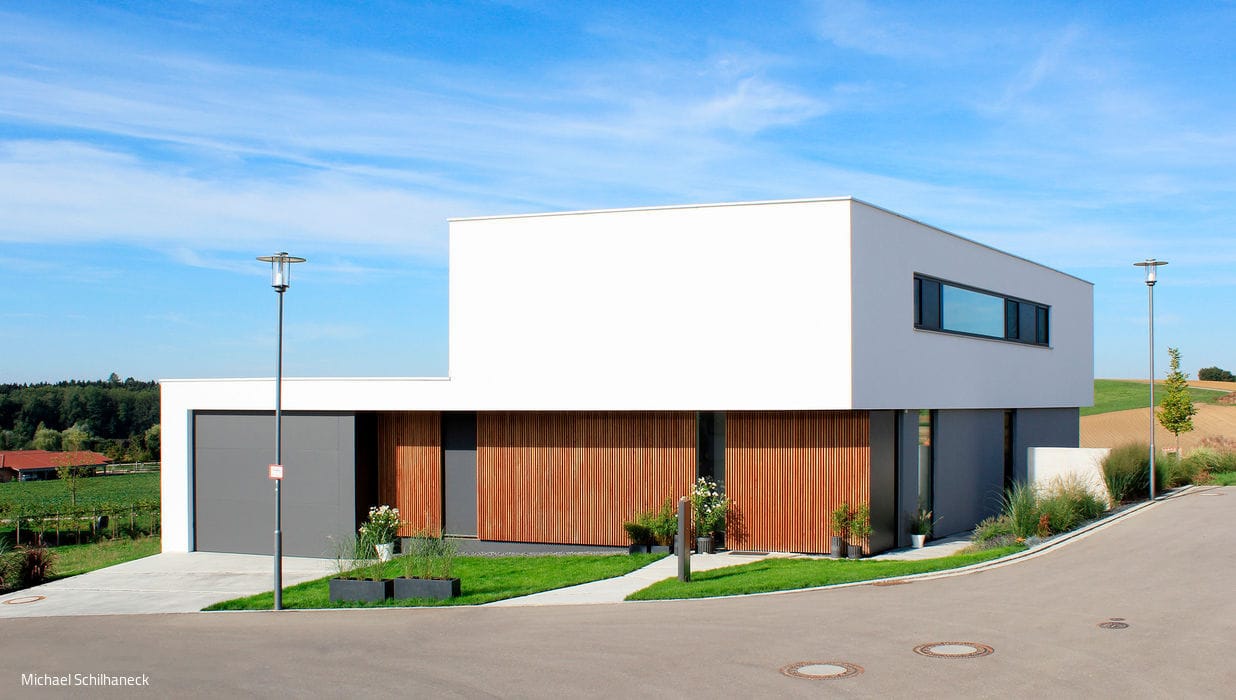
Elegantly Extended
Modern Family Home with Distinctive Presence
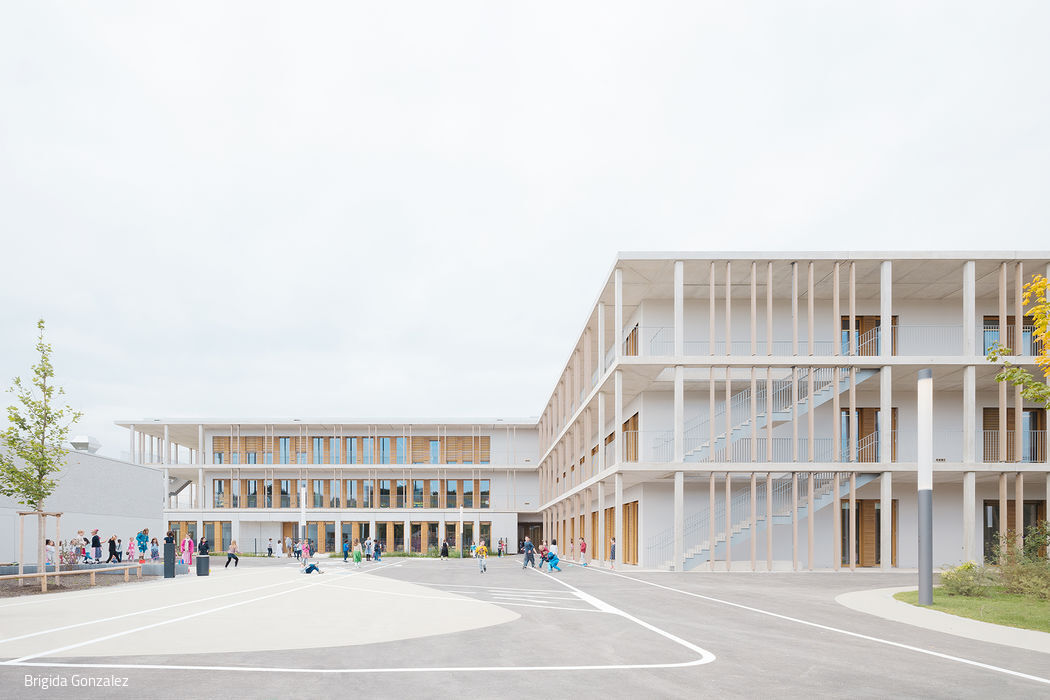
Temporary home with school
Four Primary Schools, Modular Design—Built Fast, Designed Flexible
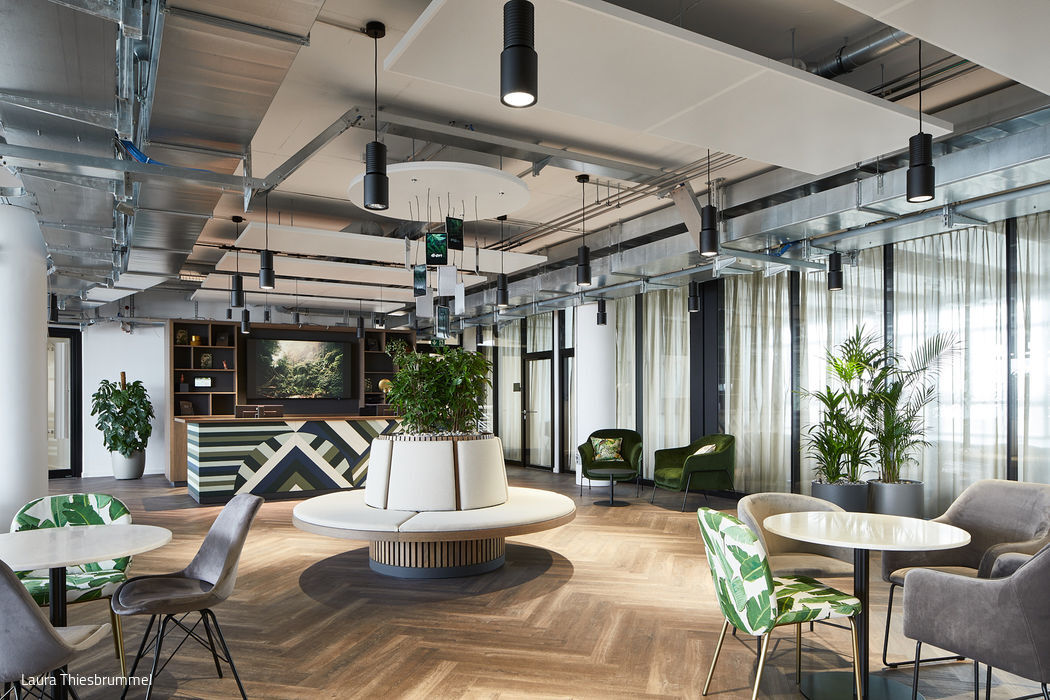
Where Digital Meets Analog
A Munich Digital Agency Discovers Its Inspiring New Workspace