


Child-Centered Design
A school with playground nestled within a historic industrial landmark

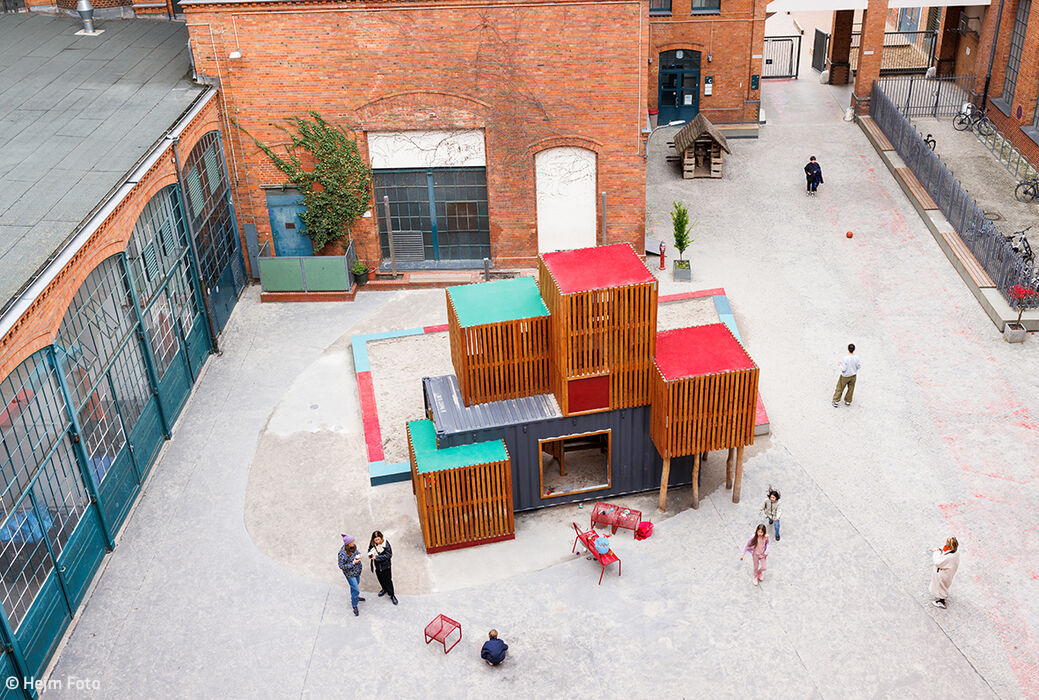



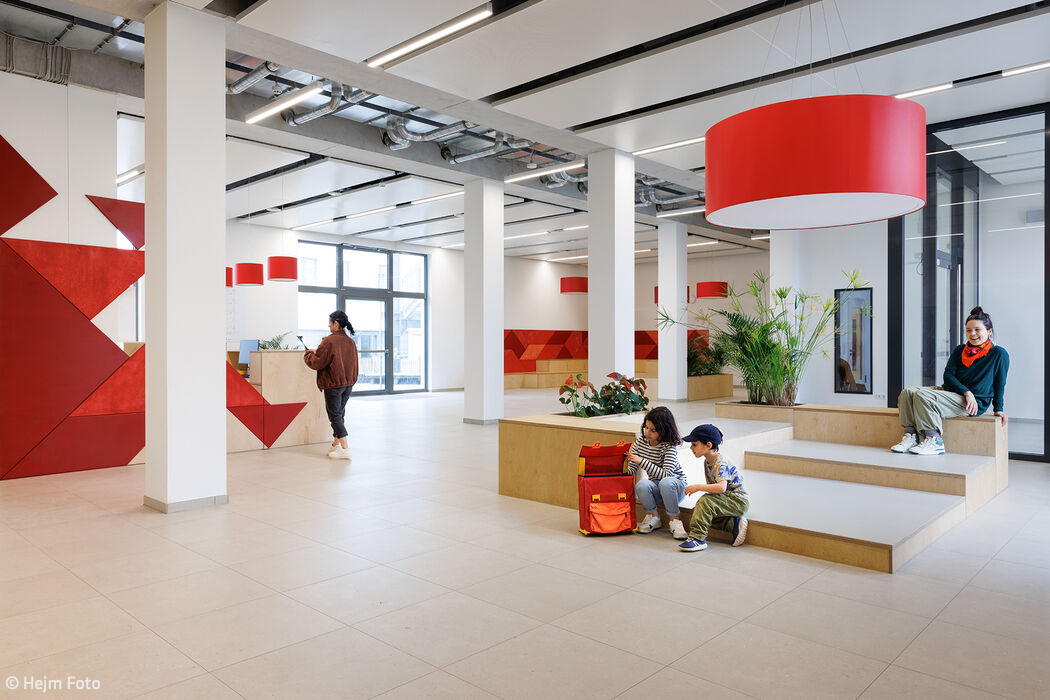

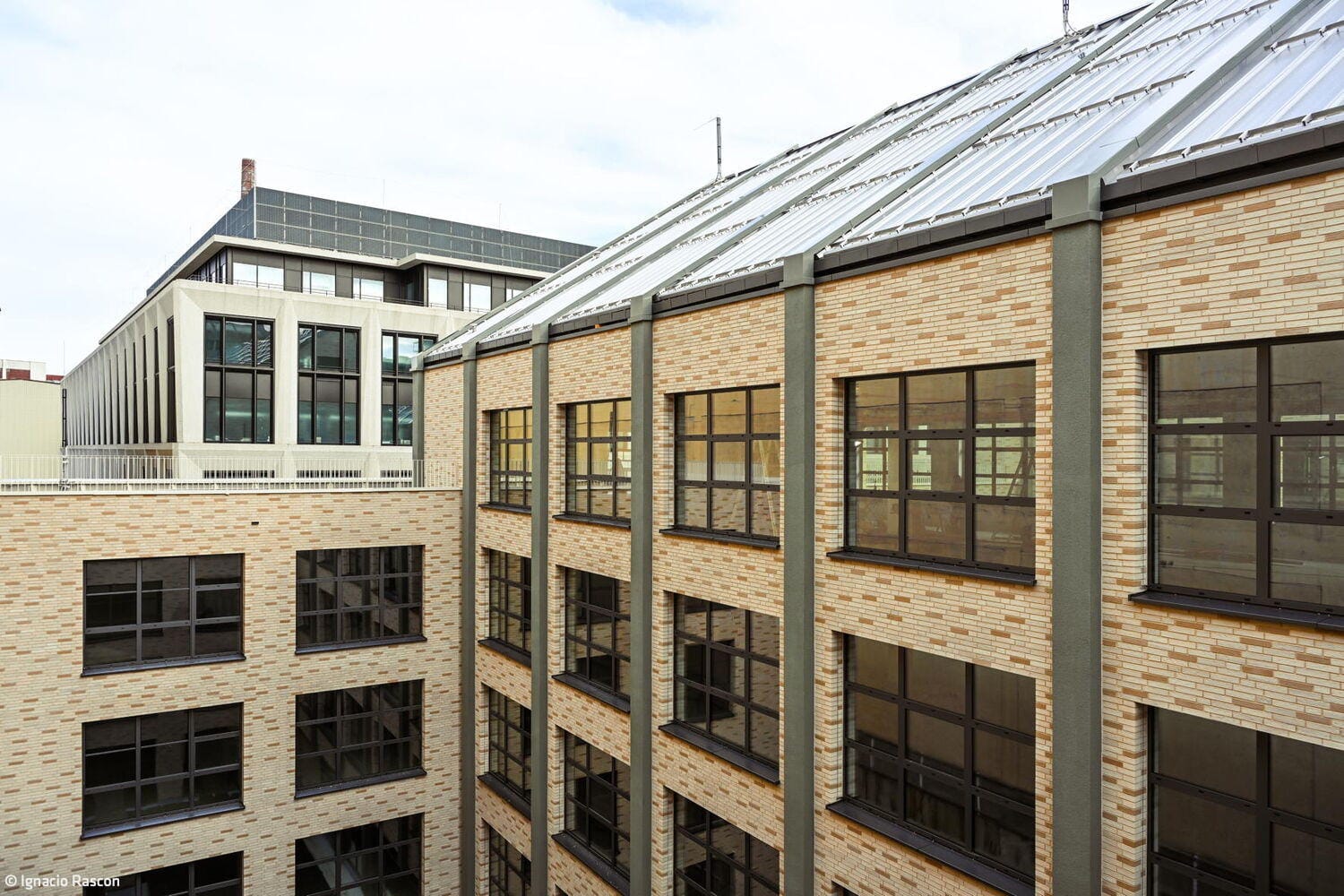
Here, the interplay between small and large takes on entirely new dimensions. Nestled within the courtyard of the former AEG production facilities from 1890—those imposing brick structures that command reverence—the thoughtfully designed playground appears almost miniature. The bilingual Phorms Campus Mitte, where instruction flows in both German and English, brings together a kindergarten, primary school, and gymnasium under one vision.
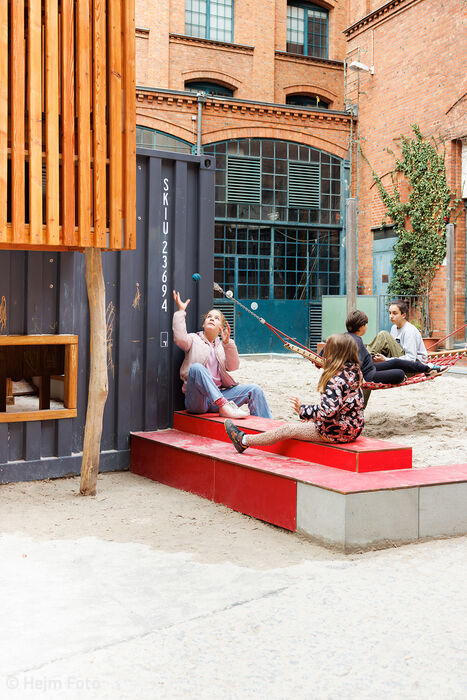
Creating two dynamic school playgrounds within the courtyards of this heritage-listed complex proved to be a significant design challenge, as the architects explain. Numerous constraints had to be carefully navigated. Fire brigade access requirements, for instance, demanded large unobstructed zones, leaving minimal room for play areas. To overcome this spatial limitation, Baukind Architekten embraced a vertical approach rather than spreading horizontally: where a simple sandpit once stood in the first courtyard, they've now designed a striking climbing structure. Repurposing containers, they crafted an exhilarating adventure playground—complete with imaginative cutout openings, winding passages, slides, stairs, and platforms where children can climb, play freely, and discover hiding spots. Atop the raw containers sits a second level of staggered wooden cubes, their wooden-slat cladding filtering light into the interior while infusing warmth throughout. Window openings at varying heights thoughtfully scale to children's perspectives and abilities.
Baukind designed the second courtyard with a sprawling area featuring balance beams amid a growing bamboo forest—a space that nurtures movement, coordination, and imaginative play. The entire courtyard sits above a basement, requiring all play structures, sandboxes, and planting beds to be built up rather than excavated, with each element carefully calibrated to the basement's structural requirements. This constraint became an unexpected advantage: attractive seating areas now surround the beds and sandboxes throughout. Across the two courtyards, the architects created 2,000 m² of open space, plus an additional 5,000 m² of interior area. Baukind's work exemplifies how thoughtful open space design, architecture, and interior planning can actively foster children's development while creating flexible environments that energize or calm, depending on what's needed.
Photos:
Hejm Photo
www.hejm.net
(Published in CUBE Berlin 03|24)

Restrained Elegance
A family home built on the principle of "less is more"
Lifestyle Through Community
A Queer Home: Reimagining Shared Living
Courtyard Architecture Reimagined
Generous Space and Natural Light for Living and Working
Future-Proofed for the 21st Century
Comprehensive modernisation, renovation and expansion of a secondary school