


Symphony of Nature
In the villa garden in Potsdam, every detail has been carefully considered.
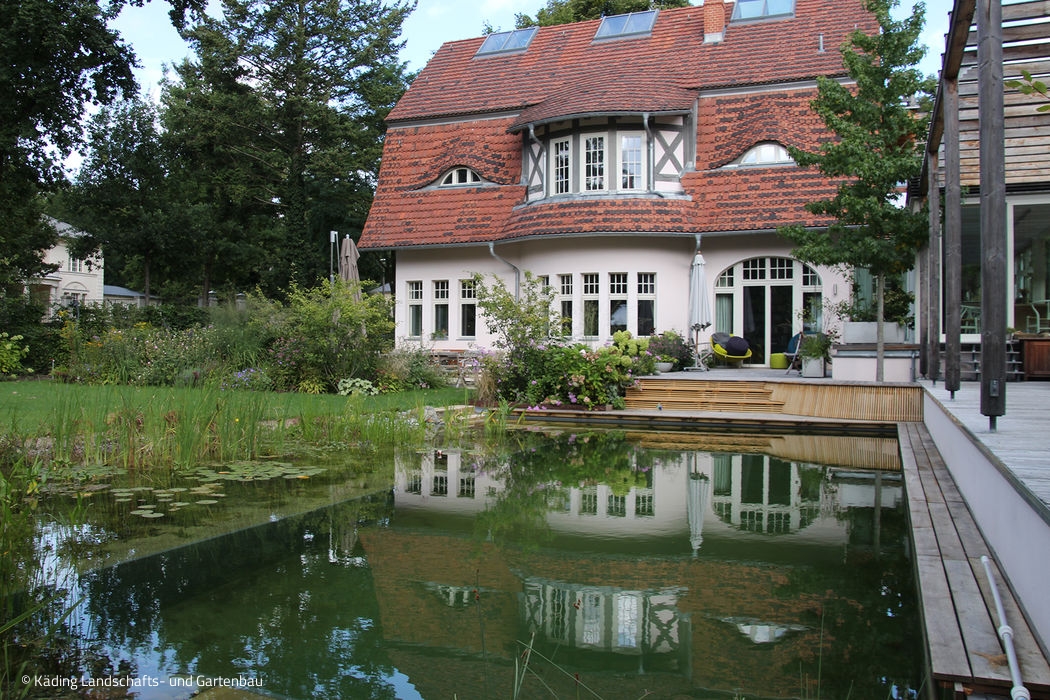
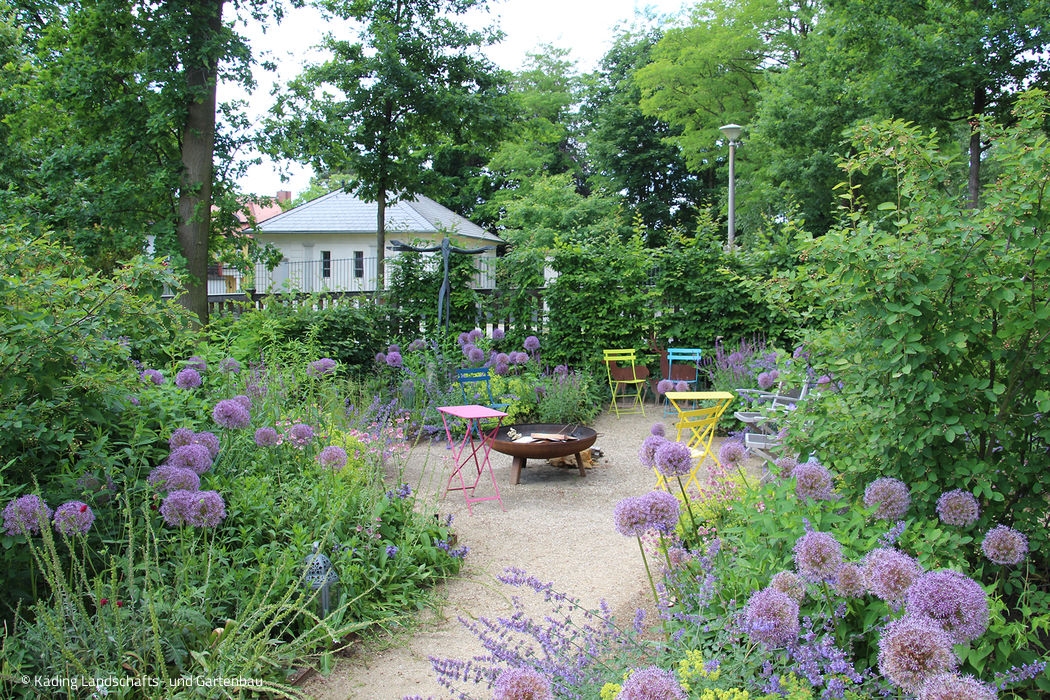
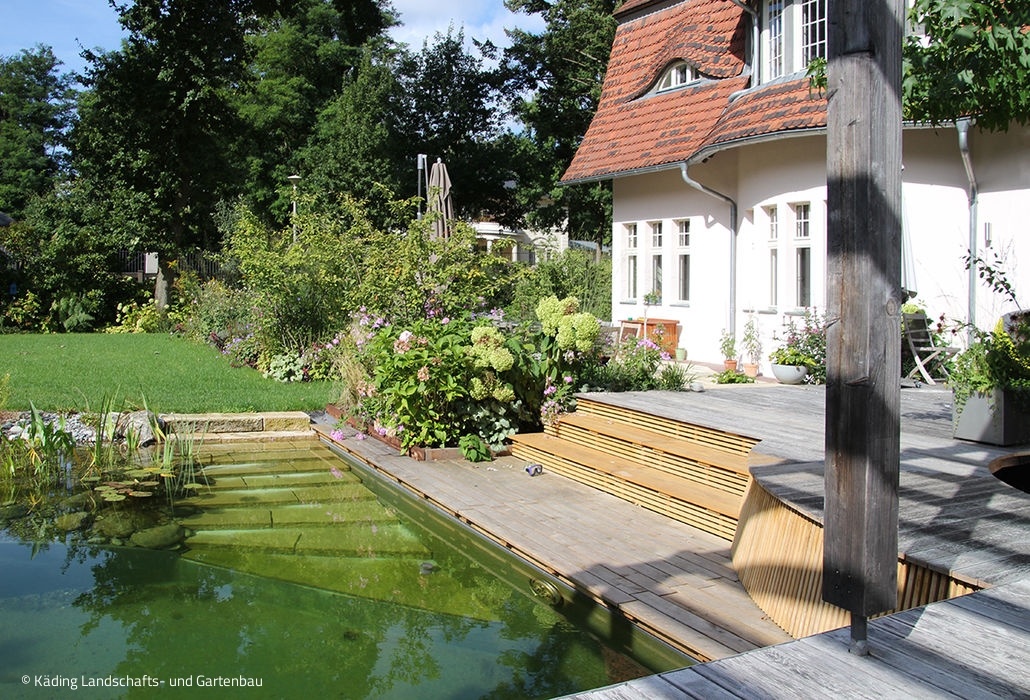
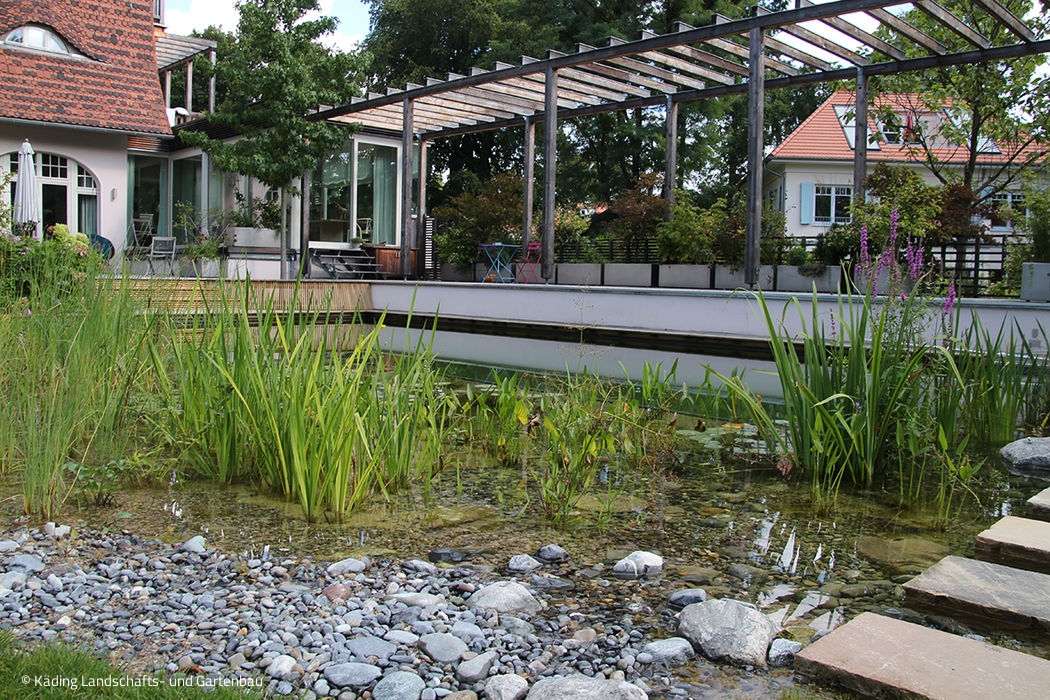
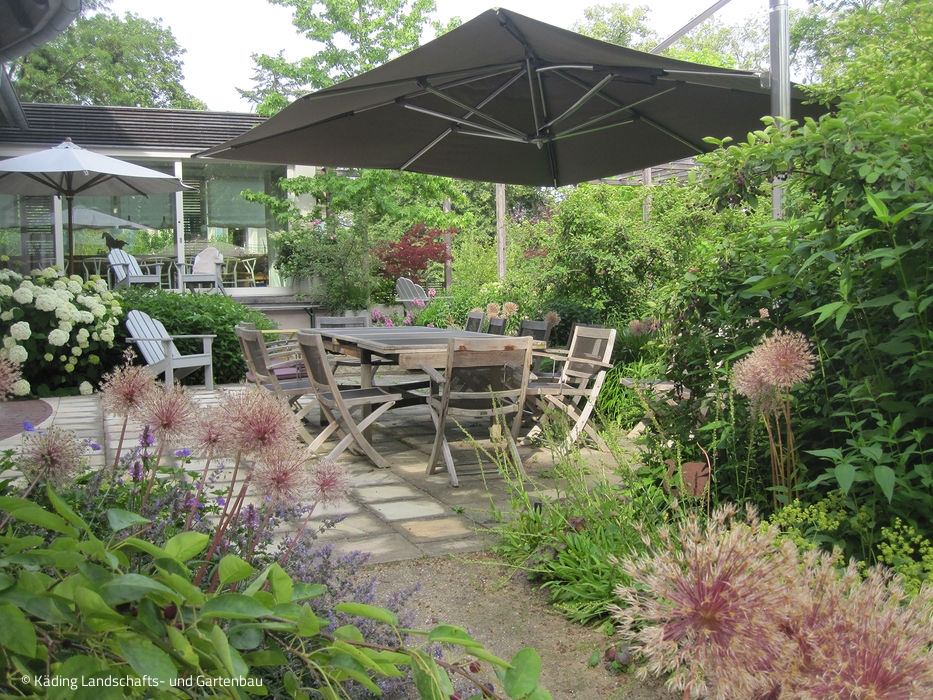
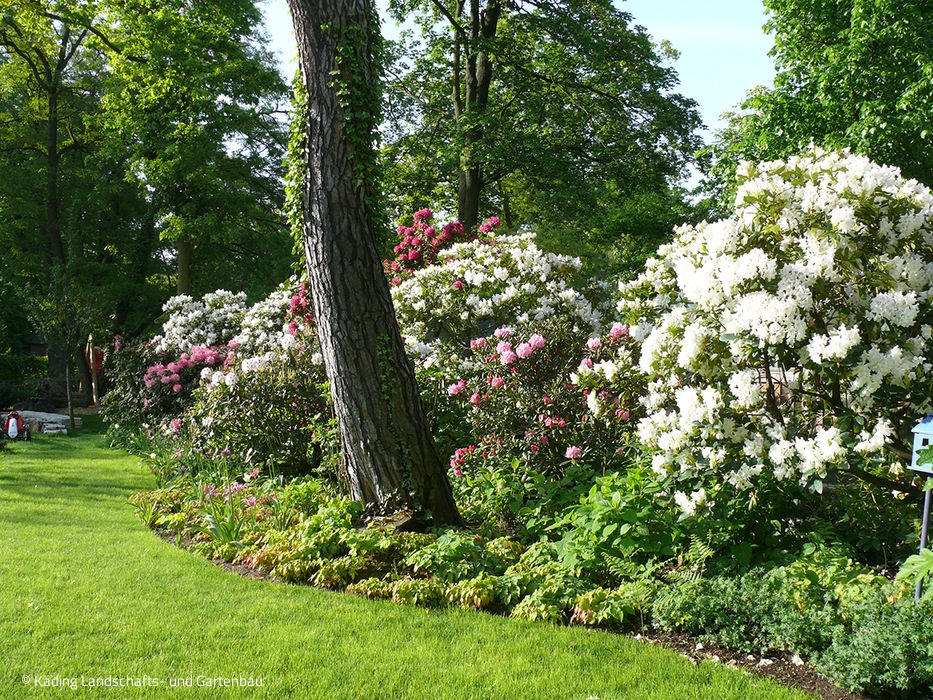
Landscape architect Jörg Käding designed the garden for this historic Potsdam villa. He draws an apt comparison for his work: "Just as an orchestra creates harmony rather than cacophony through carefully coordinated parts, so too must a garden bring all its elements into balance." Where an orchestra follows sheet music, this garden followed a detailed planting plan. The landscape architect specified not only what plants to use and in what sequence, but also their colors, flowering times, leaf sizes, and structural characteristics.
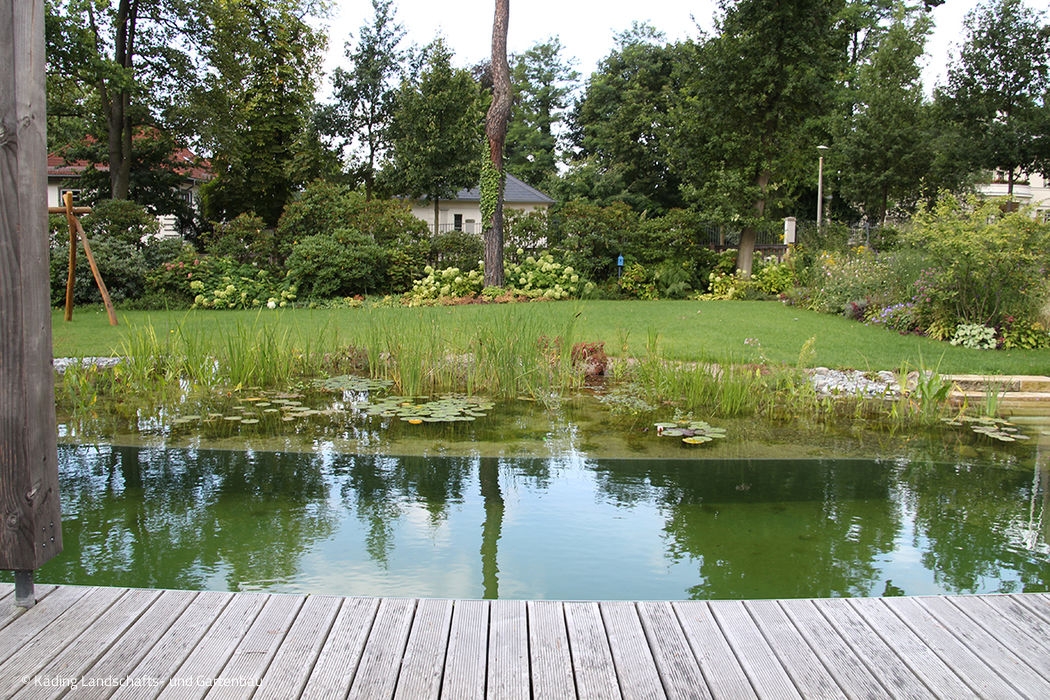
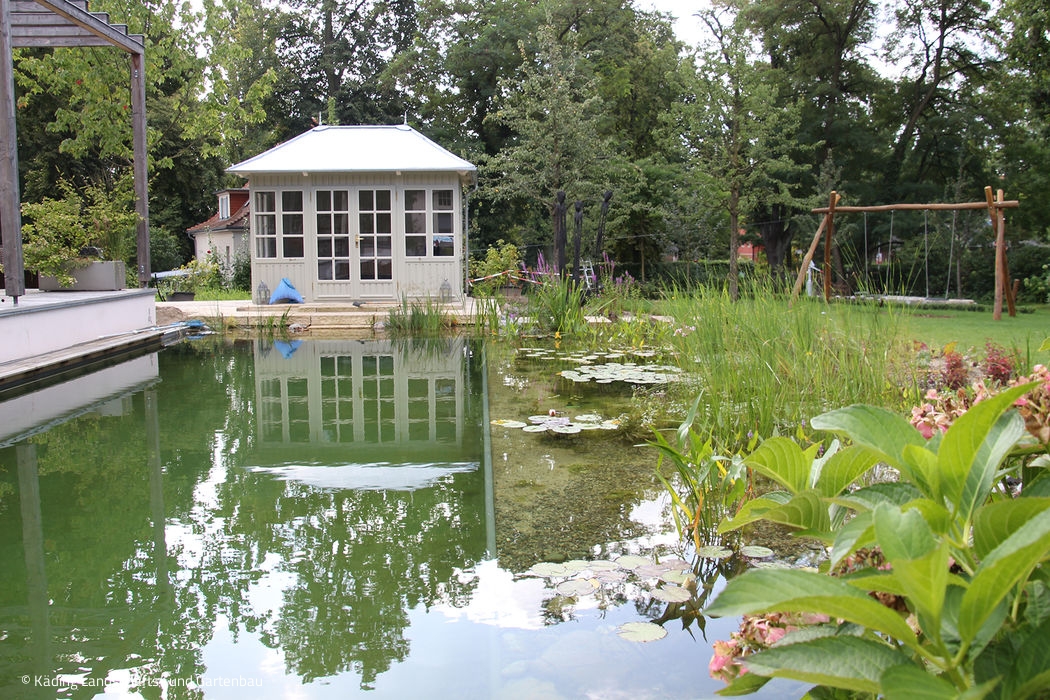
In the villa garden in Potsdam, every element has its purpose. Rhododendron bushes along the property line shield the garden from street views. Dedicated areas for freely growing hedges and wild plantings provide sanctuary for birds, bees, and butterflies. Tulip, daffodil, and ornamental rose bulbs lie dormant underground, ready to bloom in spring. The landscapers also installed substantial new trees, some weighing up to 20 tonnes. Beyond planting, the garden underwent significant structural transformations. The old chlorinated pool gave way to a natural swimming pond complete with a counter-current system—a living biotope where dragonflies and frogs now thrive. The terraces surrounding the pond are finished exclusively in native oak, which offers durability comparable to the larch or bankirei wood typically imported from distant shores. The sloping terrain was terraced using dry stone masonry—a technique perfected by the Aztecs and Mayans. Laid in alternating courses to withstand earth pressure, the walls are built from frost-resistant Jura limestone sourced from Bavaria.
Raw steel edging, 8–10 mm thick, frames the flower beds. Over time it develops a rusty patina while requiring significantly less energy to produce than Corten steel. New pathways meander through the garden, revealing enchanting vignettes among the plantings. The garden paths are paved with reclaimed mosaic stones, lending them an appealing vintage character. According to Käding, a garden composition of this sophistication typically requires around three years to reach its full potential. With proper maintenance, it rewards its users with an ever-changing natural display. Even in winter, when frost and hoarfrost cloak the plants, the garden offers a stunning, wonderfully romantic spectacle.
(Originally published in CUBE Berlin 01|20)

Best views
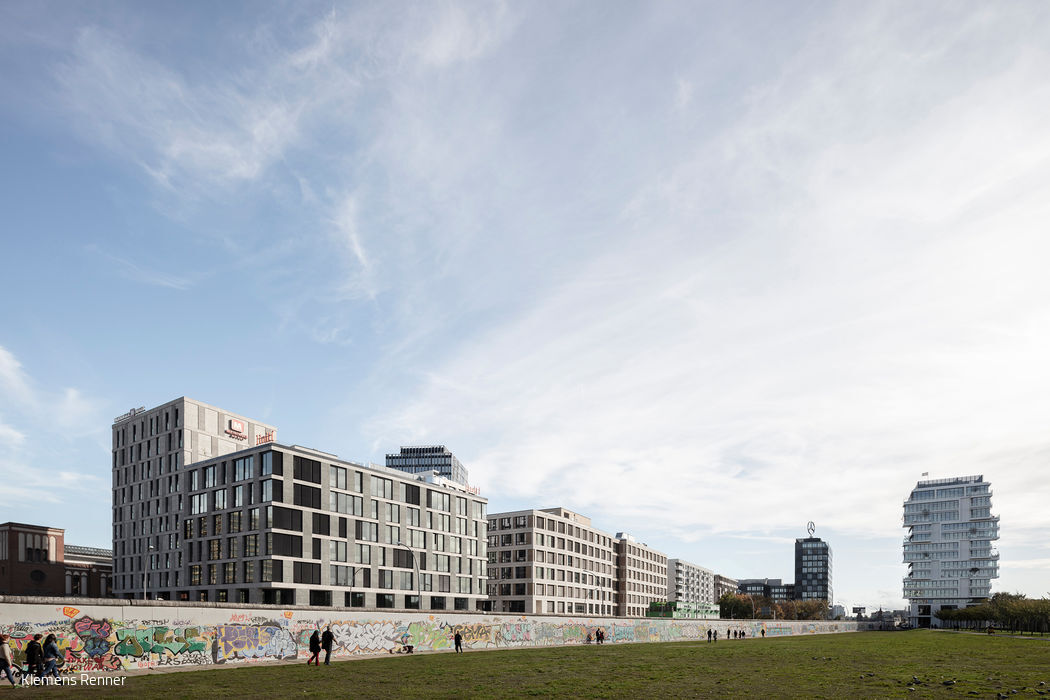
Spreeoffice sits between the East Side Gallery and the Spree riverfront.
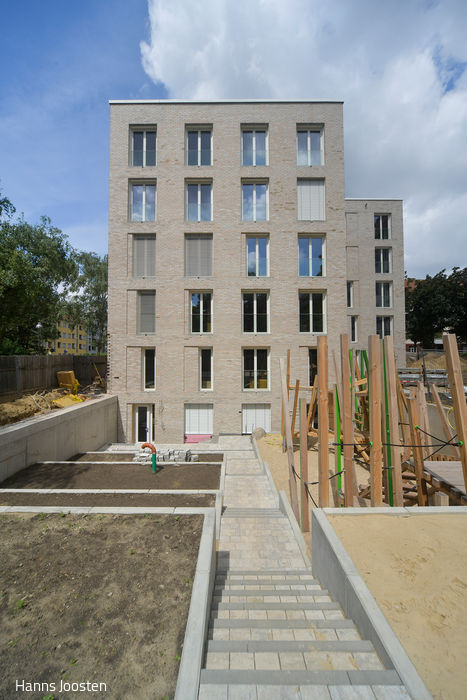
Family-friendly Campus
Childcare and Co-Working Under One Roof: Beuth University of Applied Sciences' New Building
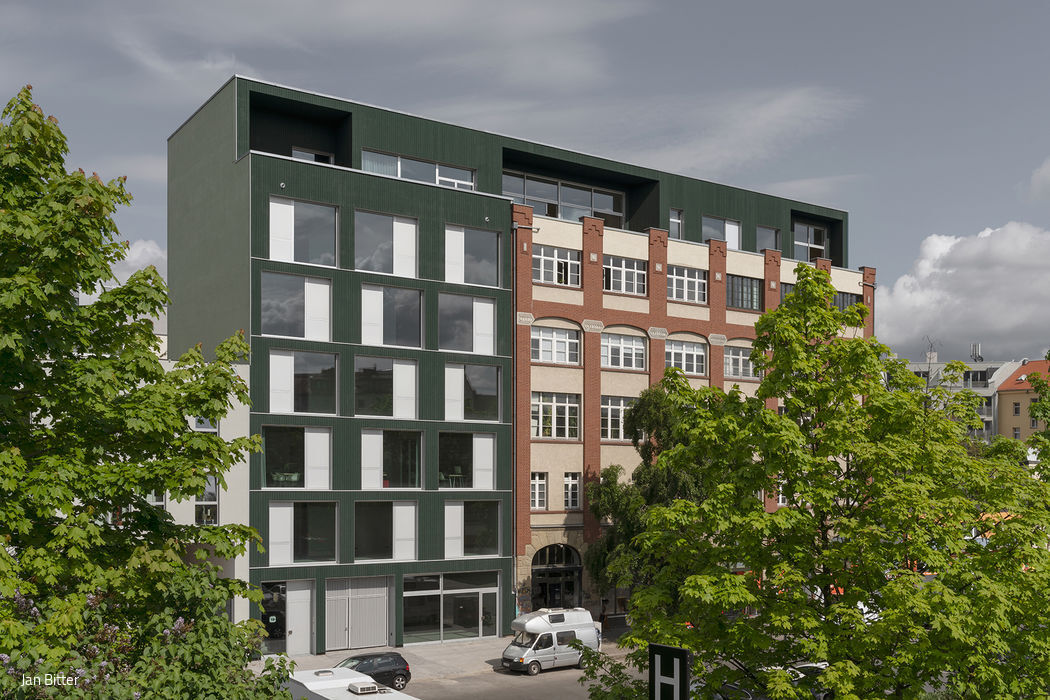
Where Old Meets New
As If Always Meant to Be – Thoughtful Infill in Wedding

The Singing Architects
Building More Than Singing: The Graft Story