


Credible and without compromise
Irina Kromayer crafts authentic film sets and timeless, elegant interiors


CUBE: You design film sets alongside interiors for offices, restaurants, homes, and hotels. How does your approach differ between these worlds?
Irina Kromayer: In film, the script and story drive everything. You serve them both functionally and visually—meaning the locations described on the page must feel real, while the atmosphere reinforces the narrative. Interior design starts differently: function comes first. You identify a need, separate it from storytelling, then develop a concept. How do you influence how someone feels in that space? Should they focus, find peace, or feel at ease? We usually uncover an existing structure that serves as our script. But film is more abstract—you're working from written descriptions that tell a story through a completely different medium. What spaces exist? How do people move through them? What does a detective's apartment look like? The challenge is creating something believable without falling into clichés.
Do you also scout and select the locations yourself?
That's part of set design too. You're responsible for everything the camera sees—except costumes. We work with scouts to find locations, and sometimes you need considerable creativity solving logistical constraints. Maybe you can only use the ground floor because the scene requires two entrances. Landscapes and streets are part of the planning too.
With your other projects, the structure already exists. The goal is to create a cohesive atmosphere. How do you approach that?
We don't have a signature style. Each client demands something different. Some projects have heritage constraints or fixed color schemes. Design work can swing from complete freedom to very tight parameters. I often start by thinking about how people should feel there—though with private projects, you're more careful not to impose. Public spaces give you more room to set the tone.
Can you give us an example?
The Phoenix restaurant in Düsseldorf is perfect. When guests arrive, they should feel inclined to put on a jacket. The space creates that feeling. There's a world of difference between waxed wooden tables and something with more glamour.
What was the guiding concept for Phoenix?
It occupies the ground floor of a 1960s office building with heritage status. We drew on elements of that protected structure—petroleum tones, natural stone floors—and wove them together with contemporary design.
The Château Royal Hotel brings Berlin's 1920s into the present, creating an extraordinary sense of warmth. What were your guiding principles?
Hotels welcome guests from elsewhere—intimate spaces where comfort is essential. The goal was to create a sanctuary that feels like home. The Château's protected historic ensemble offered different possibilities than a grand hotel would. We asked how we could honor the existing architecture rather than fight it.
How exactly?
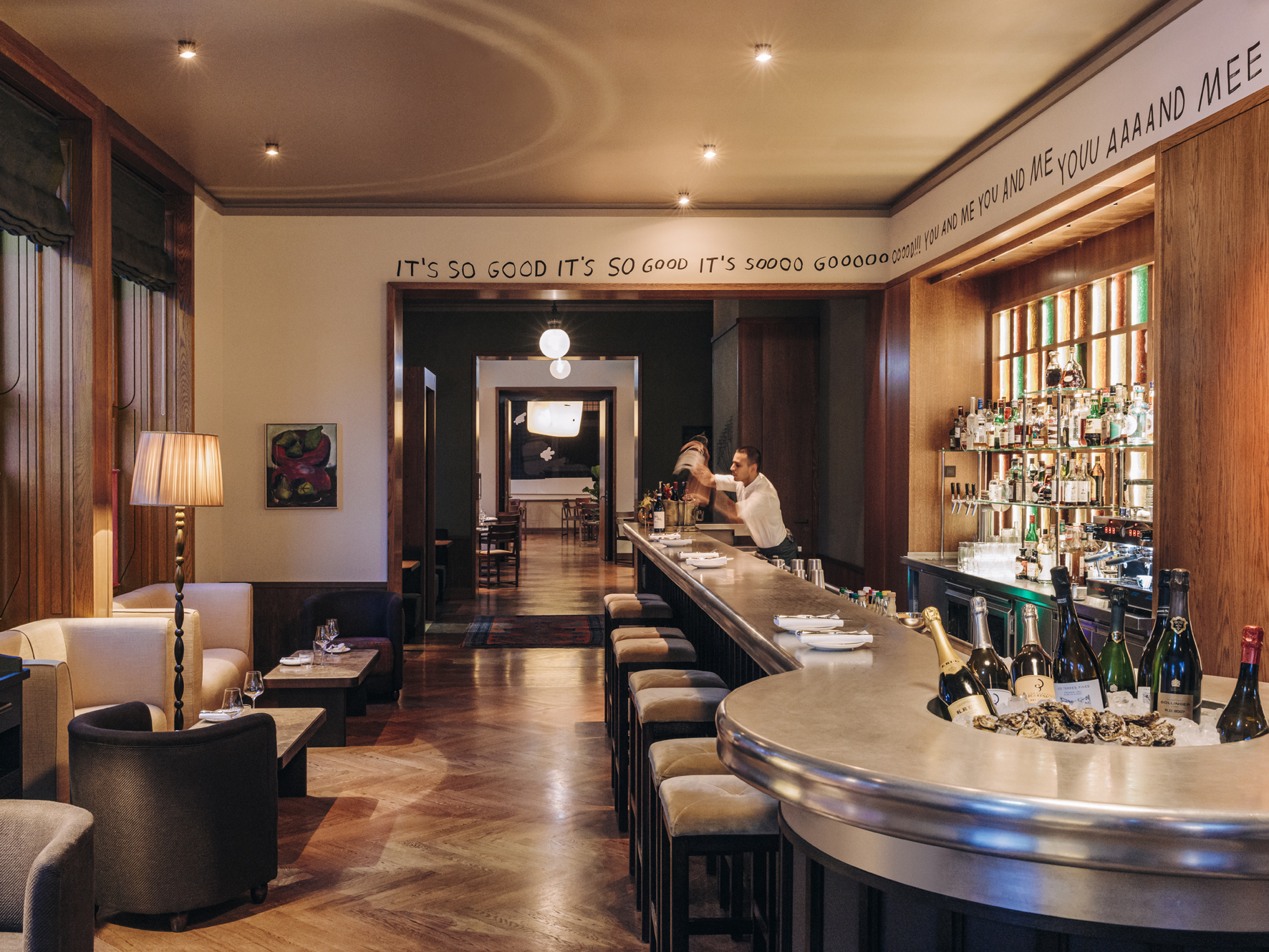
You enter feeling like you're in a private residence with distinct rooms and character. I pushed hard with the operators to avoid a massive reception desk—we didn't want guests feeling like they were at an airport check-in. The lobby flows into the bar, everything merges naturally.
How does your signature come through in the design?
We wanted to honor the past while designing for tomorrow's relevance. It started with furniture—almost nothing comes off-the-shelf; we commissioned nearly everything. Playing with the 1920s doesn't mean creating a retro theme; it means weaving in contemporary sensibility. Instead of copying Art Deco pieces, we build references. I work through references constantly, asking: how would this feel today? Lighting couldn't be trendy. The market offers mostly homogenized options following whatever's fashionable. So we had decorative fixtures custom-made. Colors follow the same logic—not fashion, but what brings warmth to each space. In public areas, we drew inspiration from Expressionist paintings and Bauhaus palettes. The result is restrained tones punctuated by bold accents.
Which materials carry these references?
The pewter bar counter is a good example. Pewter had nearly disappeared; few manufacturers remain. We searched extensively to find someone willing to craft a simple, custom profile. Pewter is traditionally ornate, but stripped of decoration, it becomes timeless. Every material we chose—wood, stone, glass, brass—we borrowed from the past. Bathrooms now trend toward large-format tiles for speed and durability. We wanted to offer an alternative. We used Art Nouveau proportions familiar to Berlin visitors, just without creating a retro bathroom. Colored tiles mixed with colored marble echo that era and give guests a regional connection.
Many of your projects emerge from collaboration with Swiss architect Etienne Descloux. Now you're establishing a shared office. What makes your partnership work?
We met through Berlin friends. I admire Etienne's work—it's refined and distinctive. When Phoenix came my way, I was still heavily invested in film, so I needed an expert partner. That's how it started. We're excellent sparring partners. Sometimes I struggle to articulate my ideas; having someone beside you who feels and thinks similarly helps immensely. We debate and don't always agree, but our fundamental approach to problems is remarkably aligned.
Ms. Kromayer, thank you for your time.
(Published in CUBE Berlin 04|23)
Irina Kromayer
Interior architect and set designer
Creating spaces and films—that's what Munich native Irina Kromayer set out to do. In 1991, she began studying interior architecture in Rosenheim with a focus on set design, then earned a master's degree in architecture from New York on a scholarship. Her subsequent work in cinema and television brought her collaborations with acclaimed directors including Margarete von Trotta, Robert Thalheim, Oliver Storz, and Lars Kraume. The ARD two-part film "Der Verleger" (The Publisher) brought her to Berlin in 2001, where she now lives with her family and works as a set designer and interior architect—frequently partnering with Swiss architect Etienne Descloux. They're currently establishing a shared studio. Among her most recent accomplishments is the welcoming interior design of Berlin's "Château Royal" hotel.

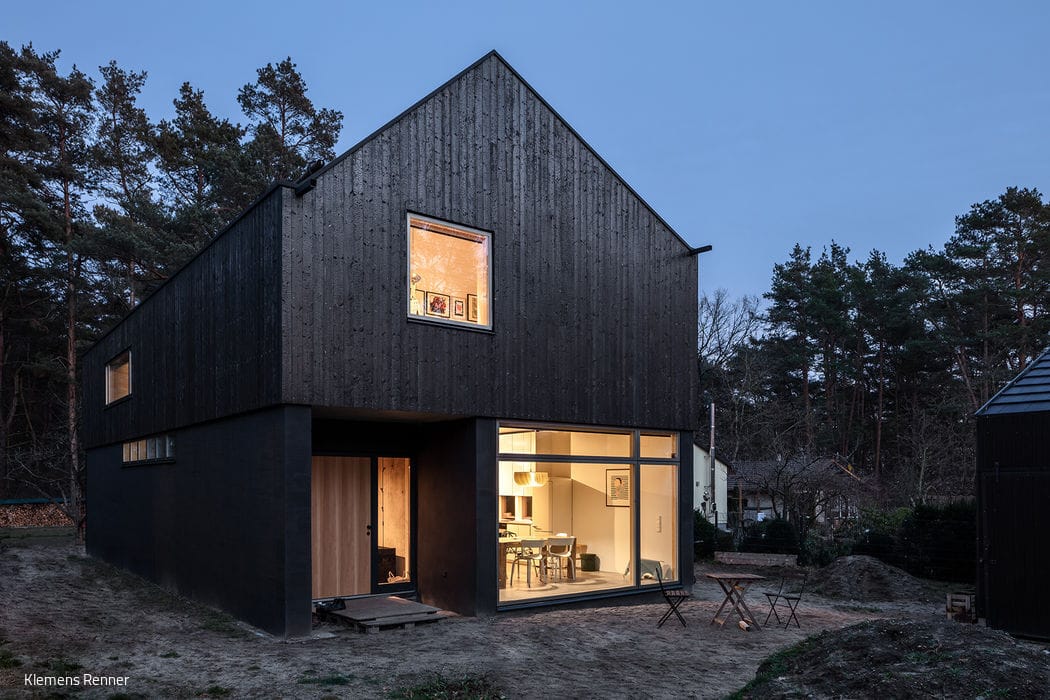
The Charred House
A hybrid structure that combines a solid masonry ground floor with a lightweight timber-frame upper story built atop a concrete deck – the...
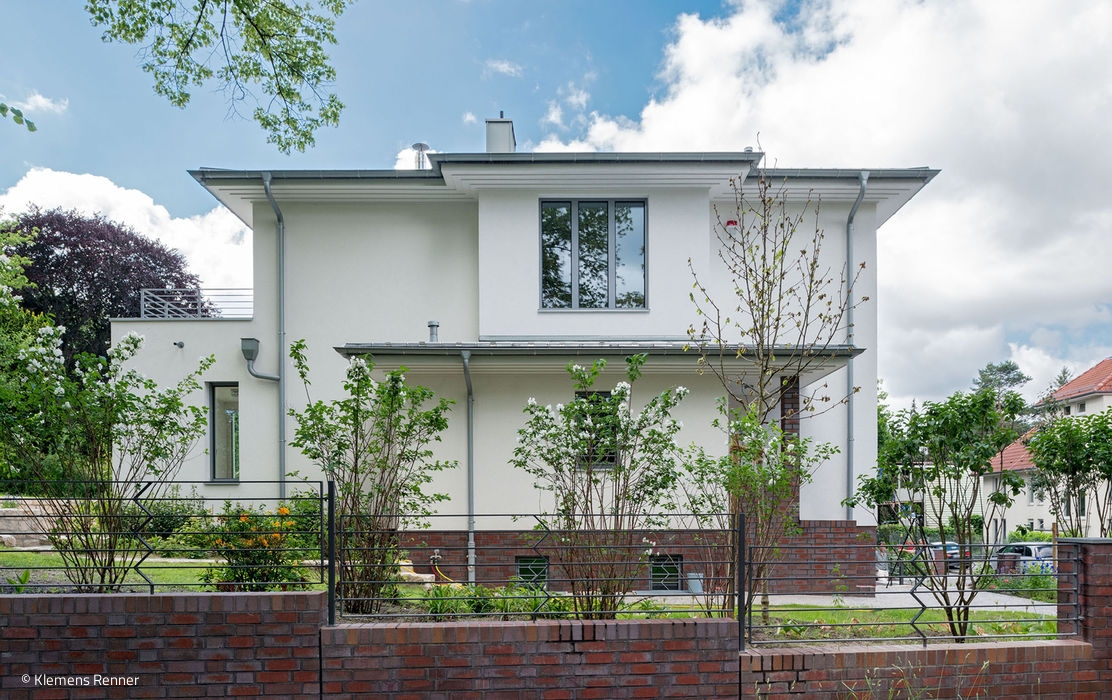
Old Character Renewed
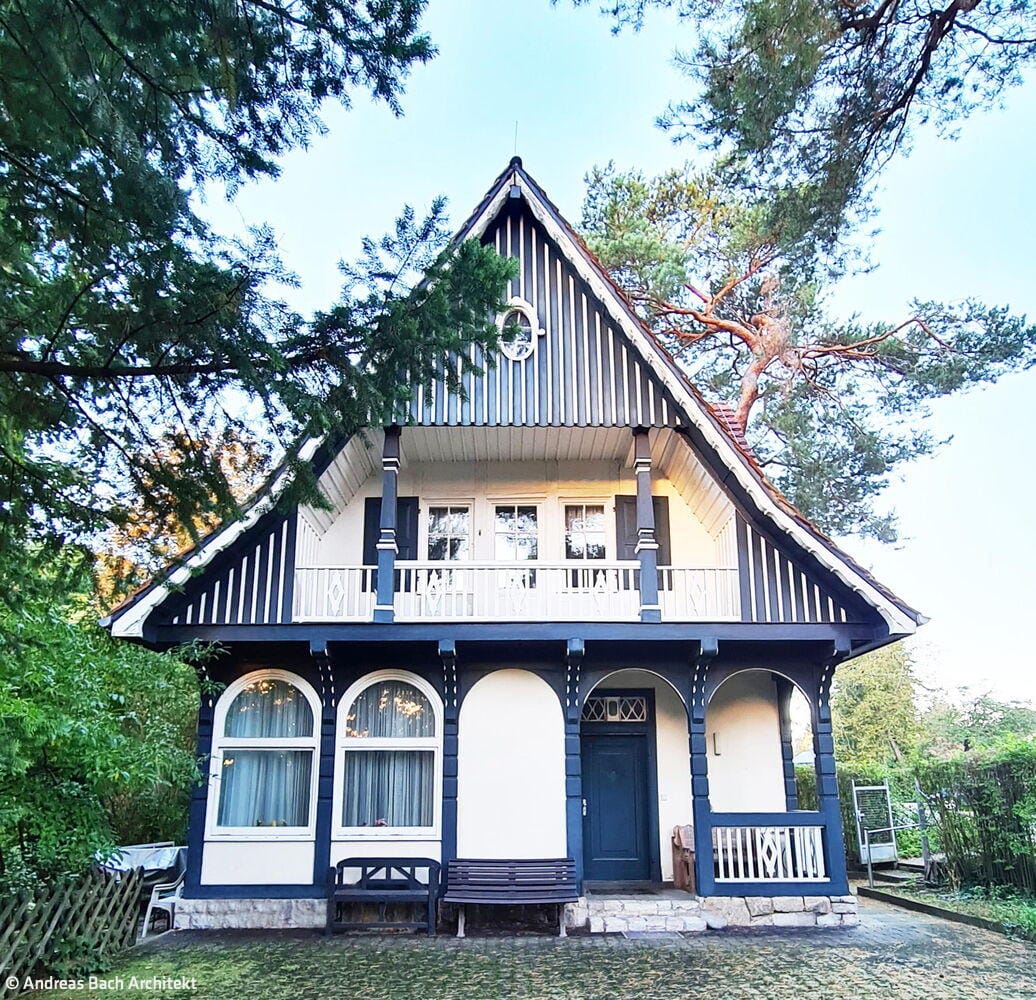
Robert Beyer was tasked with a comprehensive overhaul of this classic 1930s home, carefully preserving and restoring its original character throughout the process...
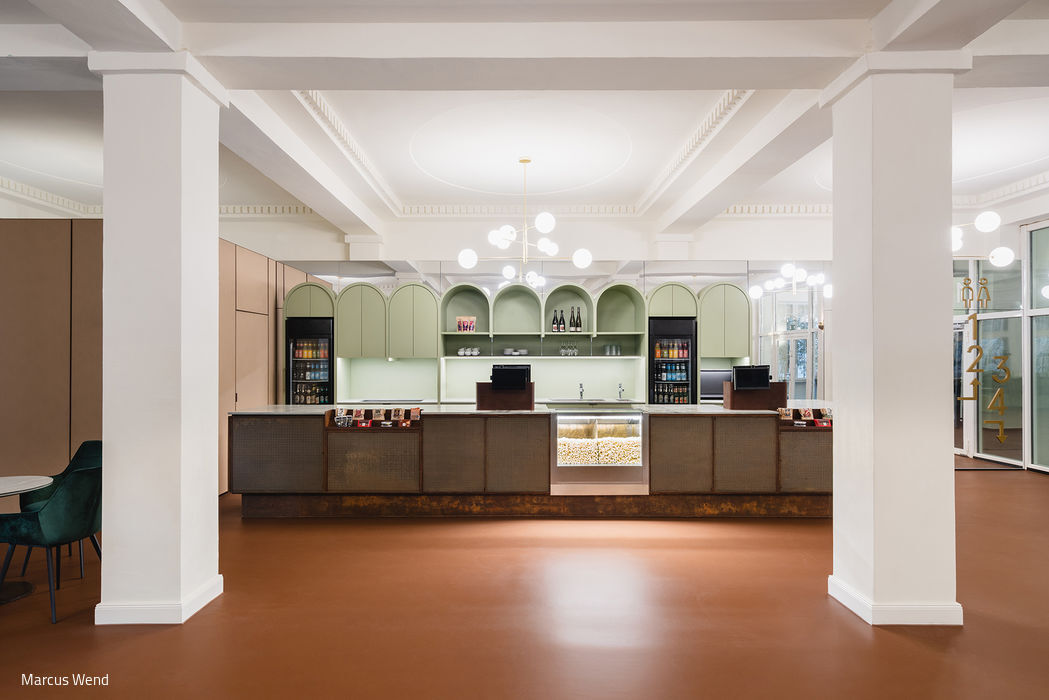
Retro charm
A Historic Cinema Reborn in Radiant New Life
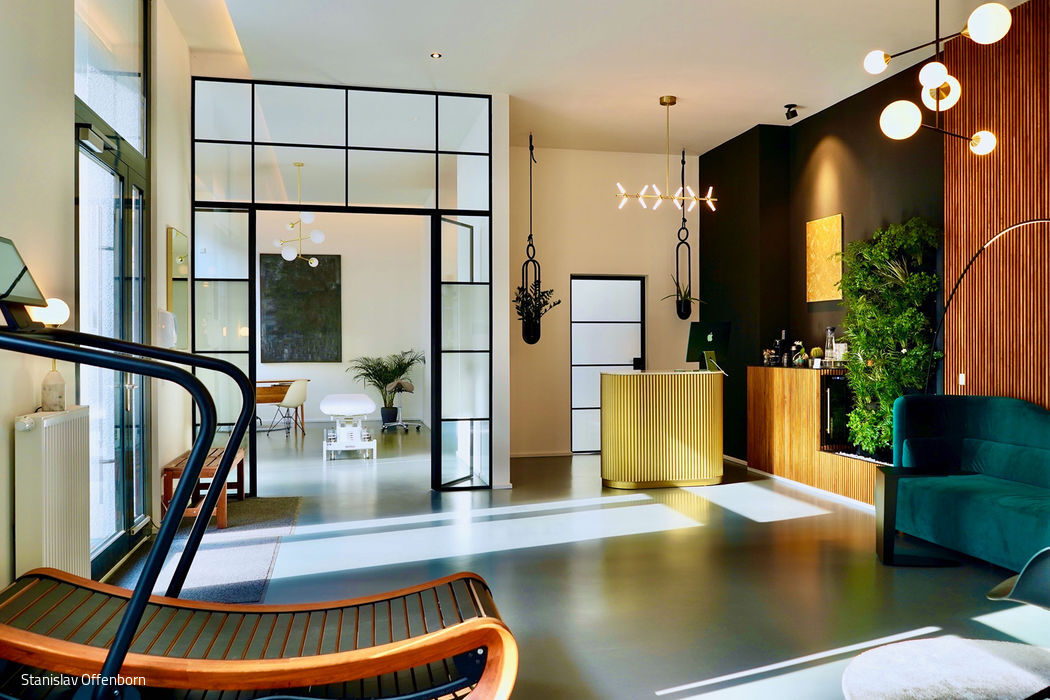
A Sanctuary for Relaxation
Sophisticated and purposeful: An osteopathic practice in Berlin's Tiergarten district