


Heritage meets innovation
Robert Beyer was commissioned to completely renovate this typical 1930s home while thoughtfully restoring its original character.
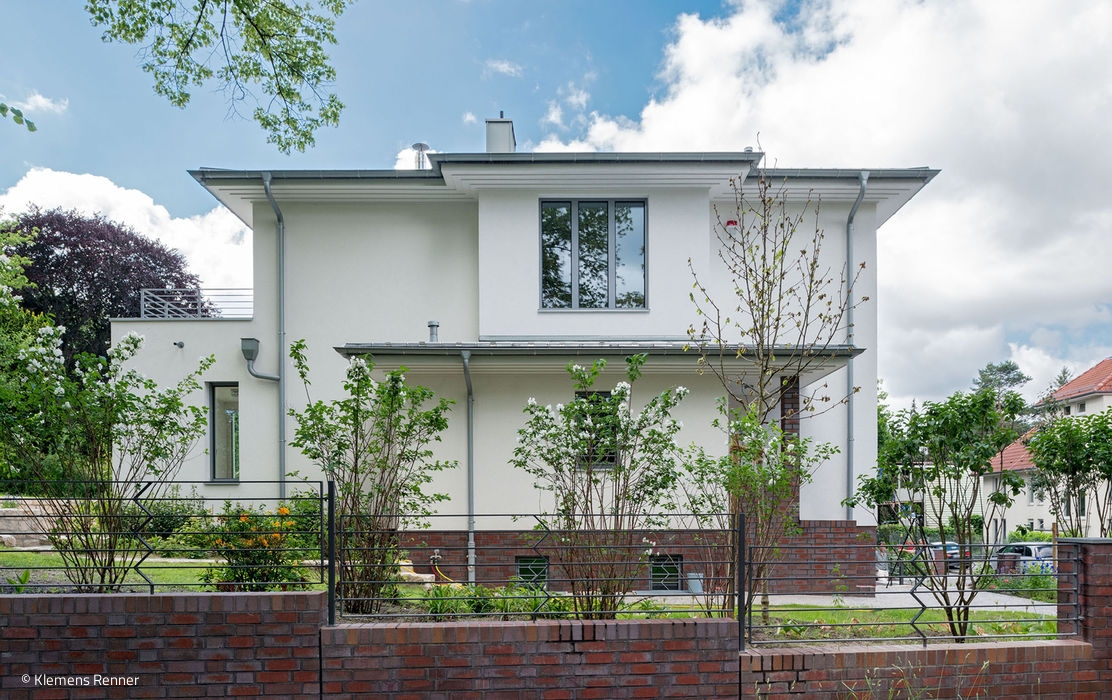
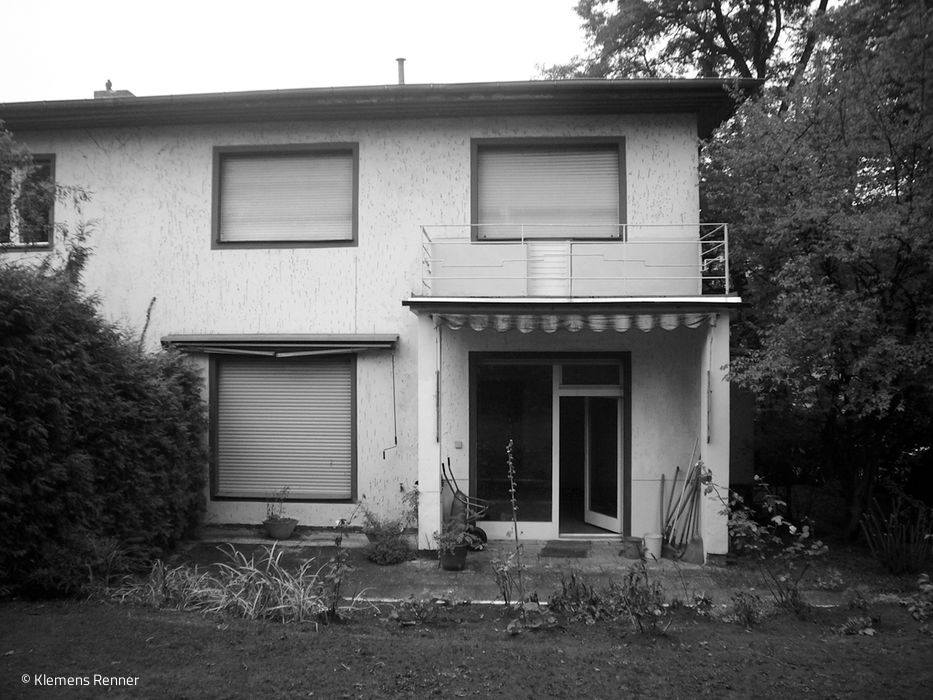
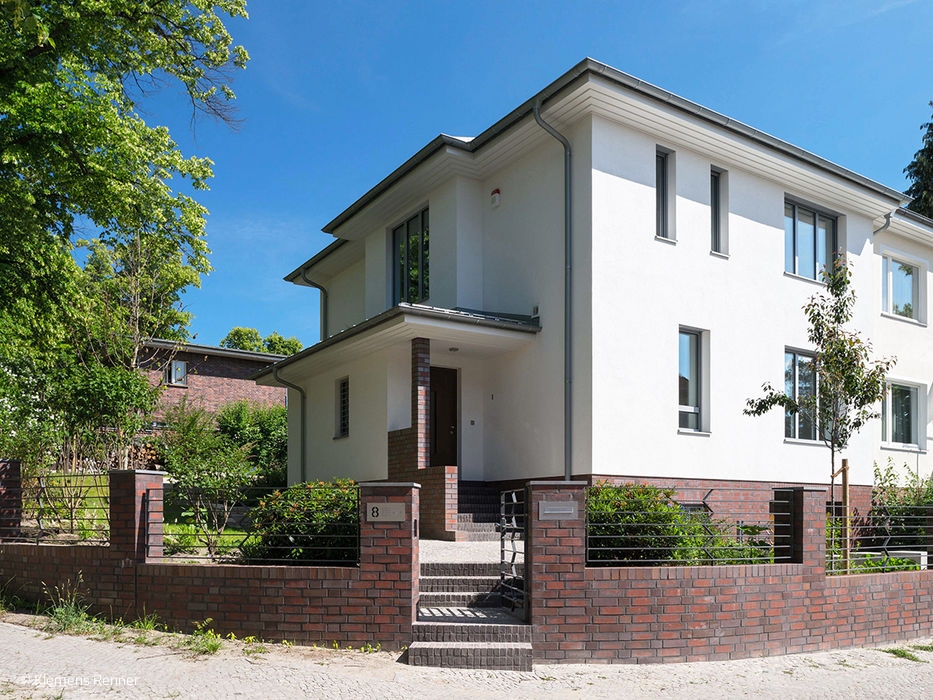
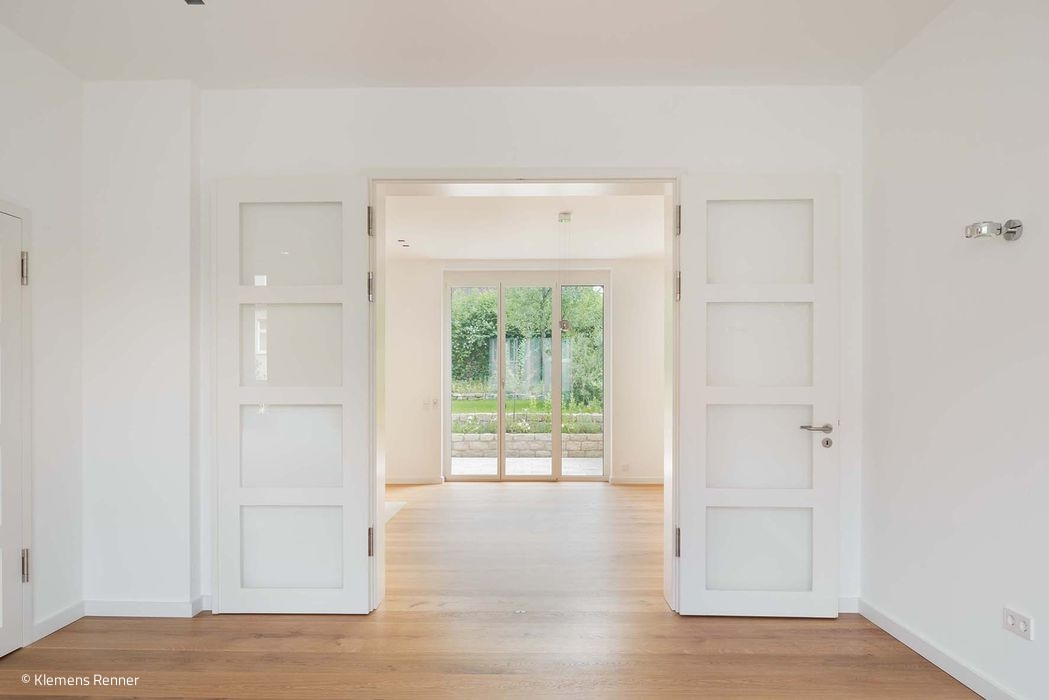
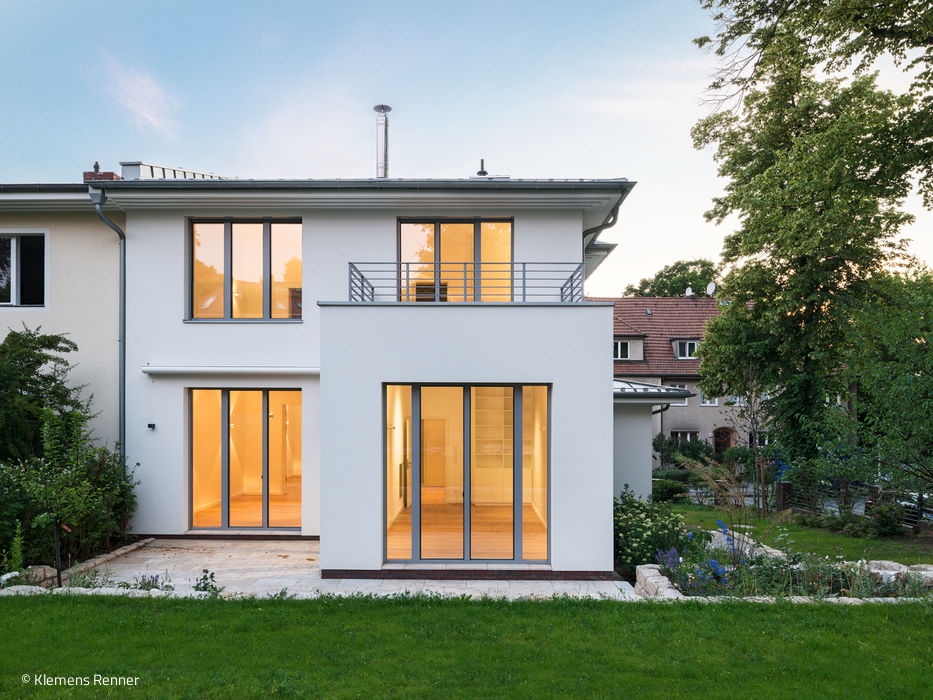
Bei dem Projekt des Architekten Robert Beyer handelt es sich um ein Einfamilienhaus aus der für Berlin so bedeutsamen Zeit der 1920er- und 1930er-Jahre. Die Wohnungsbauten dieser Periode haben die Stadt zu einer modernen Metropole gemacht. Einige der Siedlungen und Quartiere gehören heute zum Weltkulturerbe des UNESCO. Robert Beyer erhielt den Auftrag, das typische 1930er-Jahre Wohnhaus in Zehlendorf von Grund auf zu sanieren und dabei dessen ursprünglichen Charakter wieder herauszuarbeiten. Zu den wichtigsten Maßnahmen gehörte die Erneuerung des Daches mit einem kräftigen Überstand von 60 cm, was den Gebäudekörper des bearbeiteten Hauses wieder mehr zu einer Einheit zusammenfasst. Der Dachüberstand hat eine treppenförmige Unterseite, die den gesamten Baukörper wie ein Gesims umfährt und dessen Eigenständigkeit betont.
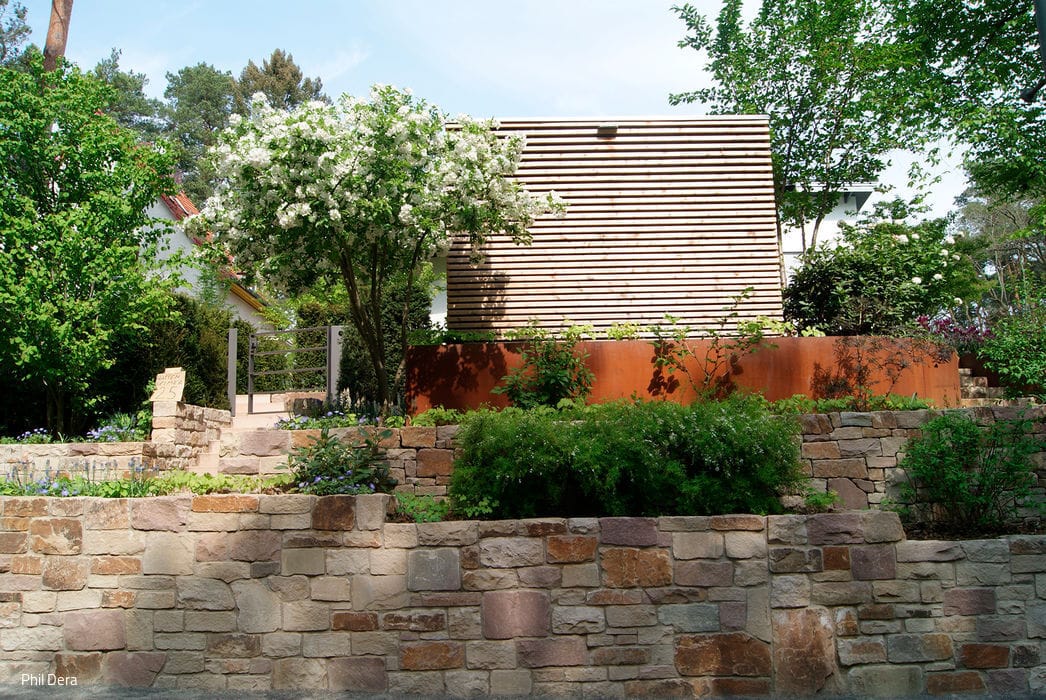
Die Außenanlagen sind neu gestaltet und in ihrer Topografie verändert. Statt der vorher abschüssigen und damit eingeschränkt nutzbaren Rasenflächen ist das Gelände nun terrassenförmig gestaltet. Die Terrasse ist dabei mit einem Travertinstein belegt und in das abschüssige Grundstück eingeschnitten. So bleiben die Bewohner von der Umgebung stärker abgeschirmt. Die Fassade erhielt ein Wärmedämmverbundsystem zur energetischen Ertüchtigung des Gebäudes und wurde neu verputzt. Auf der Gartenseite gab es ursprünglich einen von zwei Pfeilern getragenen Balkon. An dessen Stelle tritt nun einer kurzer Anbau, der das Bibliothekszimmer erweitert und zusätzlich auch seitlich zur Sonnenseite hin belichtet. Die rotbraunen Ziegel des Sockels und der das gesamte Grundstück umgebenden, neu errichteten Mauer sind eine deutliche Referenz an die Bauten der 1930er-Jahre. Auf der Mauer ist ein vom Schlosser angefertigtes Eisengeländer mit Zickzackmuster montiert. Solche expressiven Details sind ebenfalls typisch für die Entstehungszeit des Gebäudes.
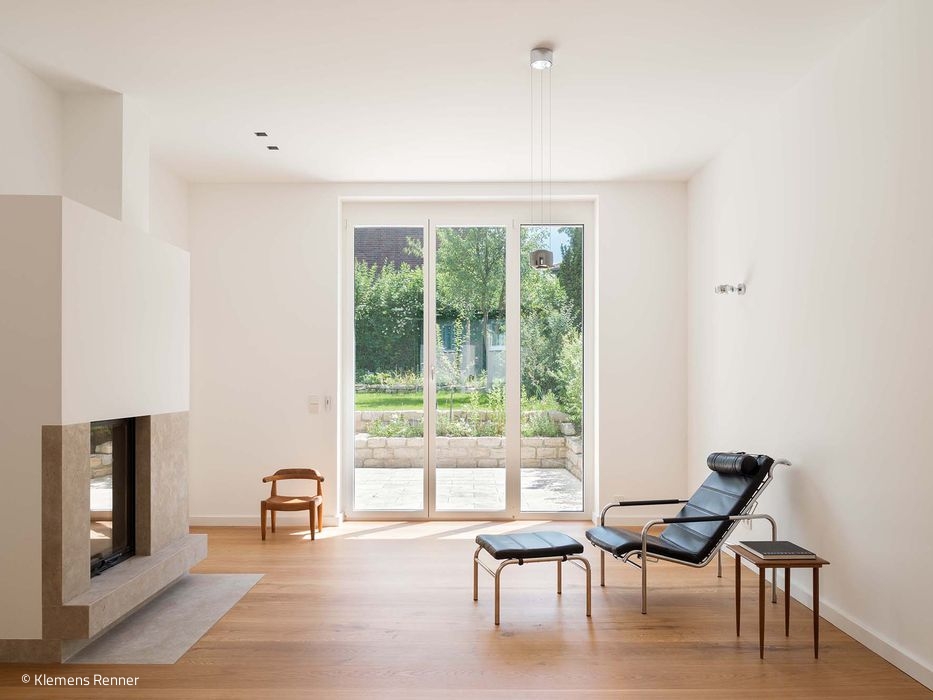
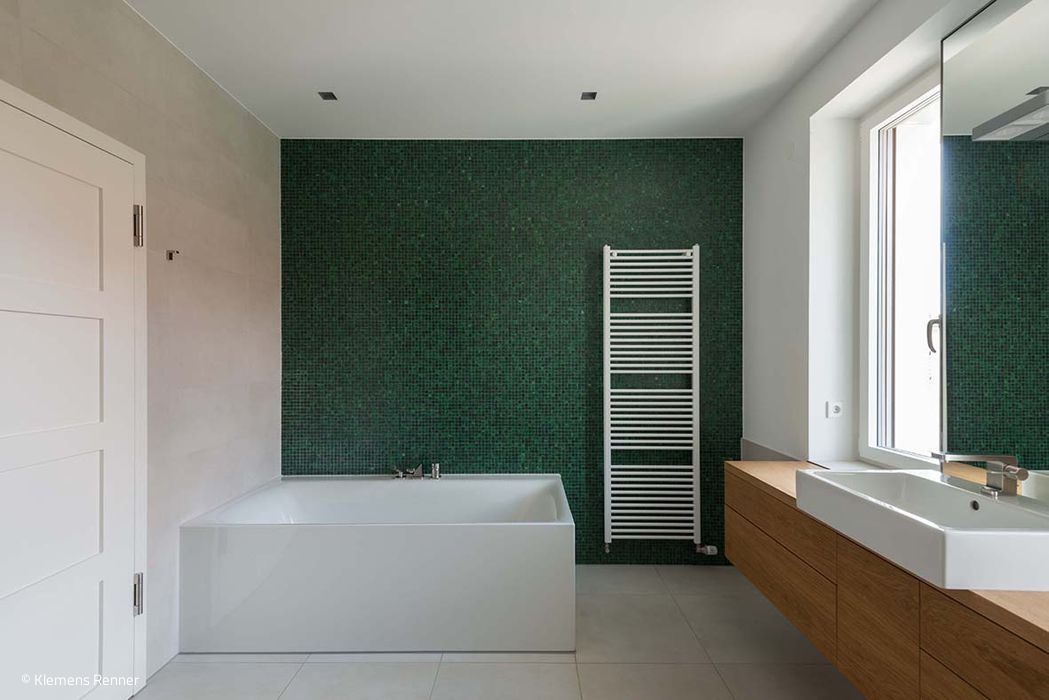
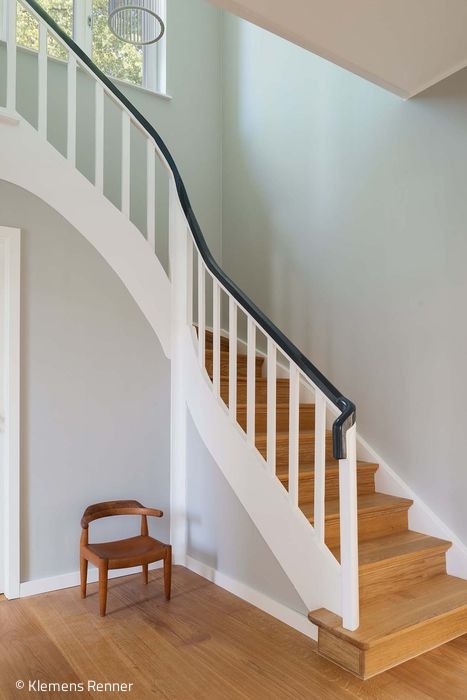
Im Inneren behielt die alte Treppe ihre Position, sie wurde jedoch aufgearbeitet. Im Erdgeschoss öffnete der Architekt die Küche zum Esszimmer und baute zusätzliche eine Garderobe sowie ein Gäste-WC ein. Im Obergeschoss sind zwei vormals kleine Zimmer zu einem großzügigen Masterbad zusammengelegt. Das Bad ist hochwertig ausgestattet mit Glasmosaikfliesen von Bisazza, einer kubischen Badewanne, Eichenholzwaschtisch mit aufgesetztem Becken sowie einer bodengleichen Dusche. Von hoher Qualität sind auch die am Boden verlegten, extrabreiten Schlossdielen sowie die von Tischler neu gefertigten Türen und Rahmen aus Vollholz. Bei dem vom Architekten entworfenen travertinverkleideten Kamin im Wohnzimmer handelt es sich um einen Durchlader mit Glasscheibe auch auf der Rückseite. So können die Bewohner das Feuer sowohl vom Wohn- als auch vom Bibliothekszimmer aus bewundern.
(Originally published in CUBE Berlin 01|20)

Toward the Sun
How a troubled site becomes a haven for children

Tailored to Perfection
A penthouse crowning a landmark historic building on Fischerinsel
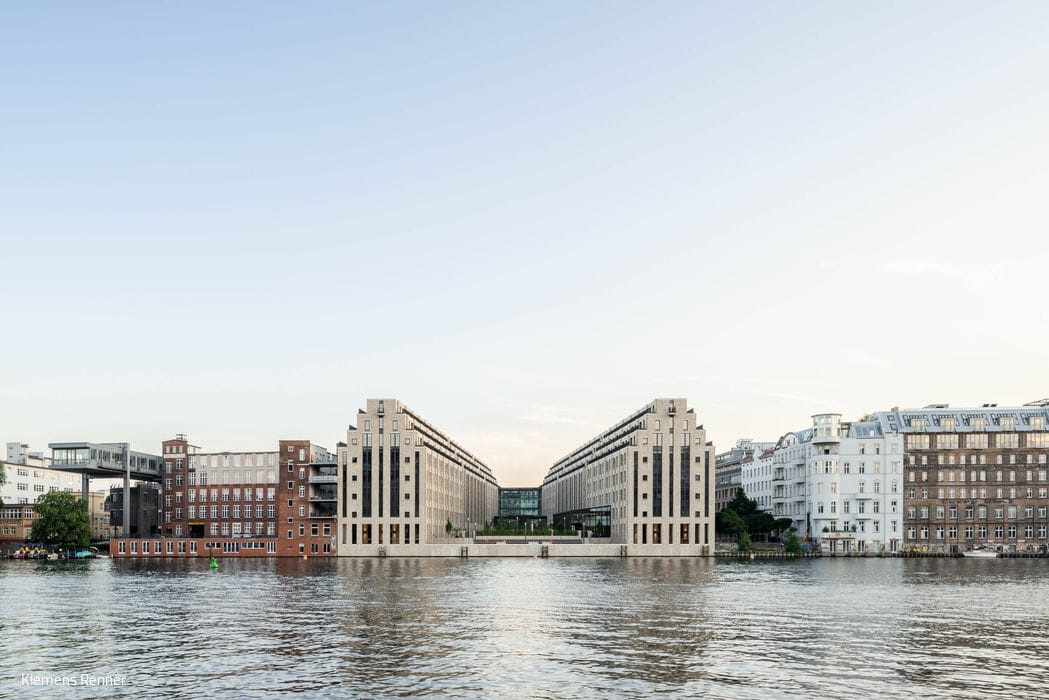
Workspace Instead of Living Space
Cuvry Campus: A Contemporary Multifunctional Office Complex

Following the Firewall
Interior design brings warmth, unexpected alcoves, and even a water feature to this historic apartment