


Bohemian Village
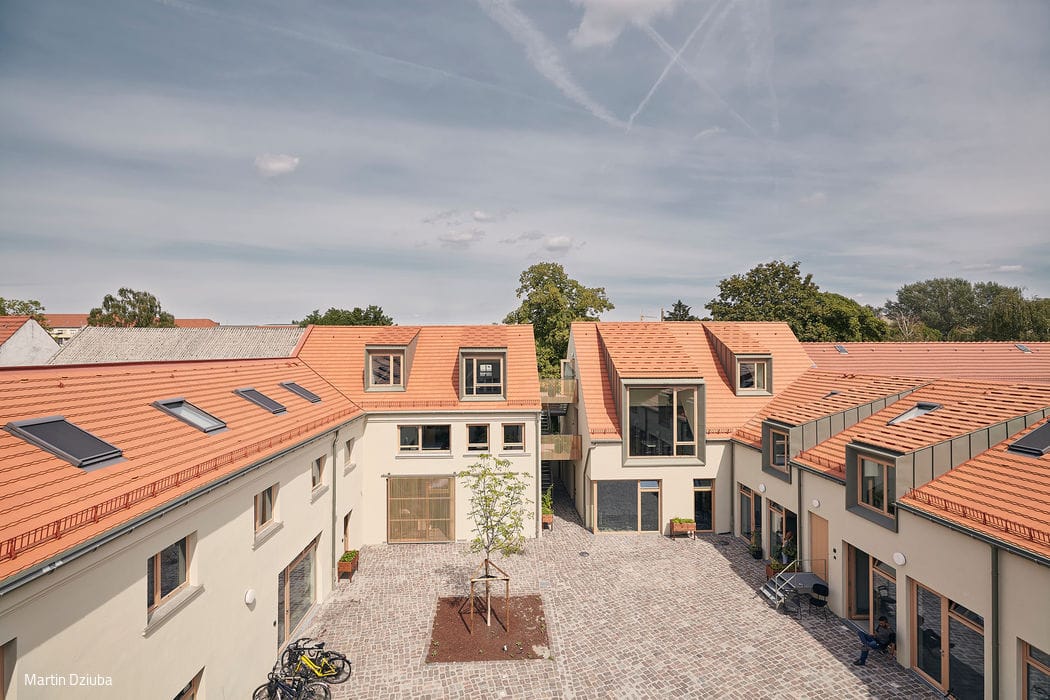
The project encompassed renovating the former car repair shop and courtyard structures, demolishing a rear building and garage complex, and constructing two new buildings.
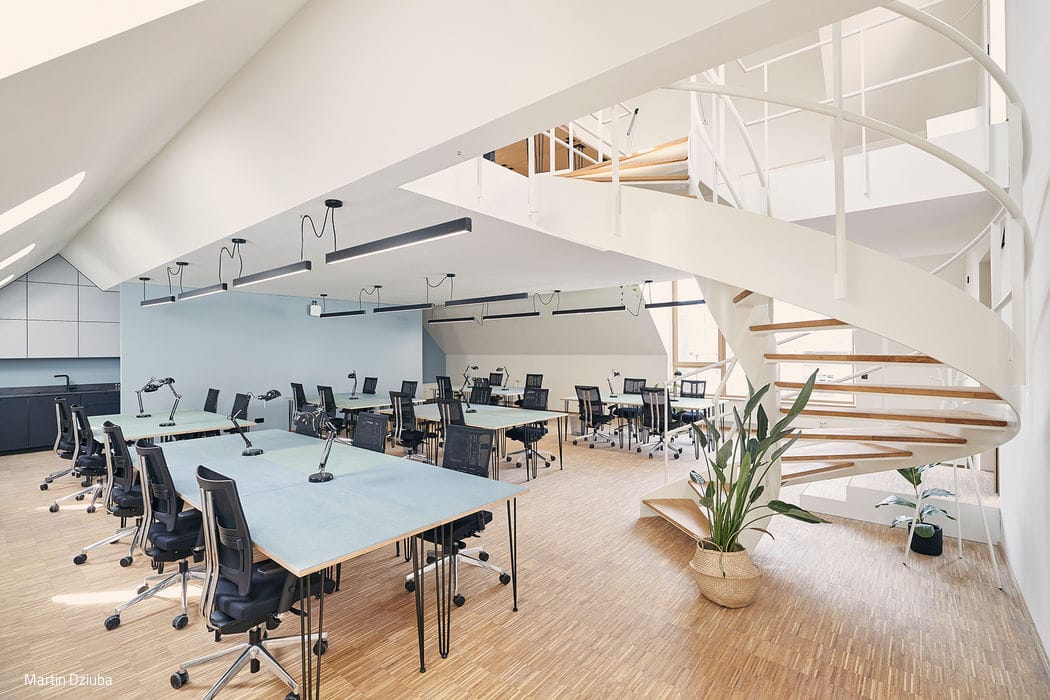
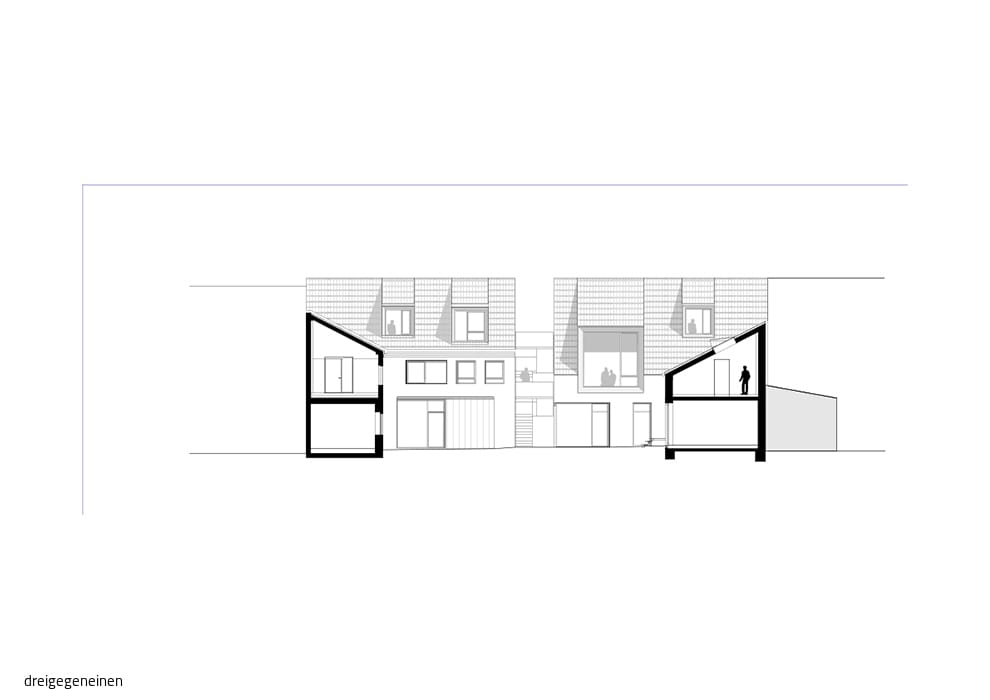
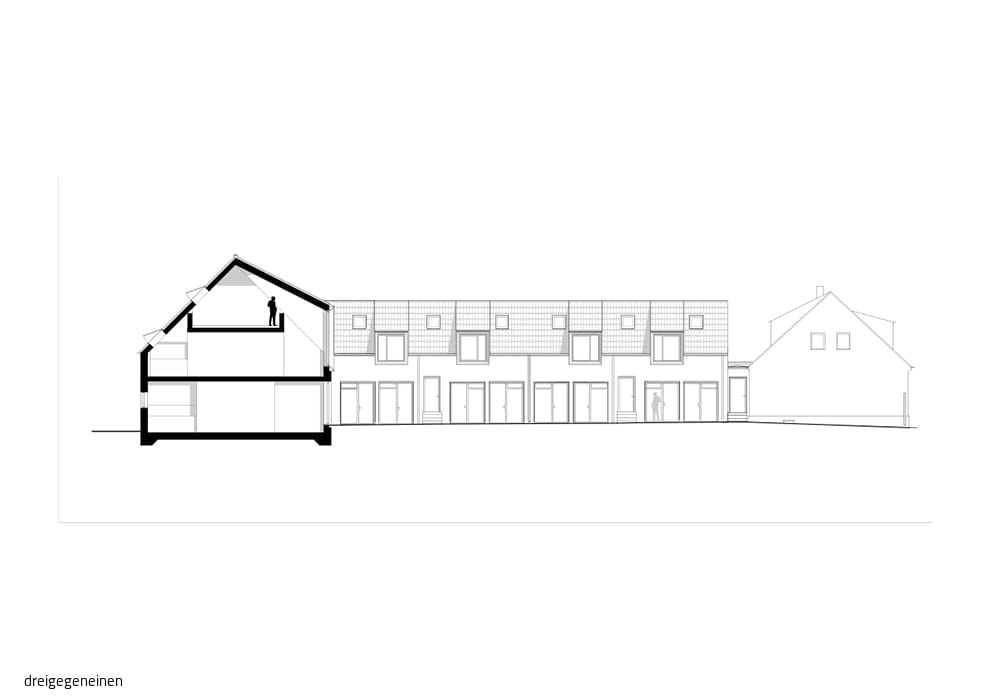
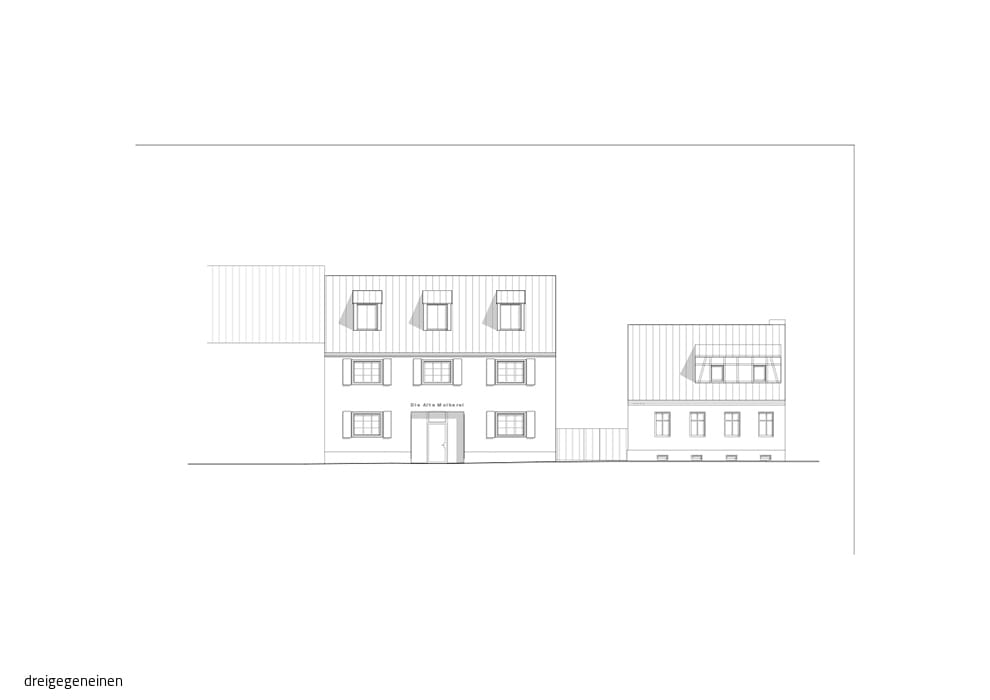
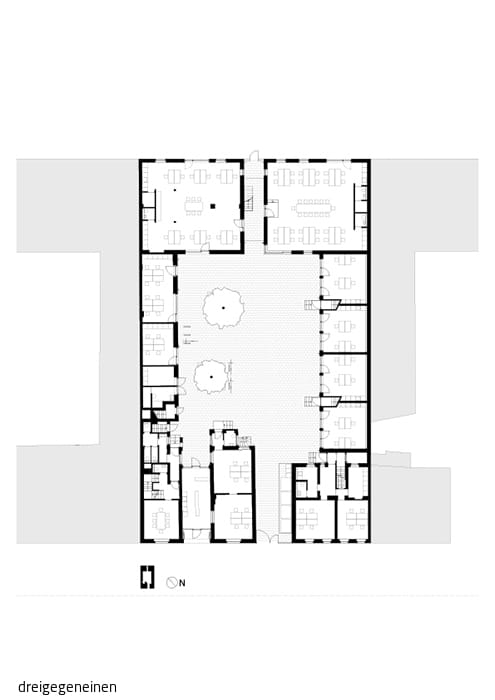
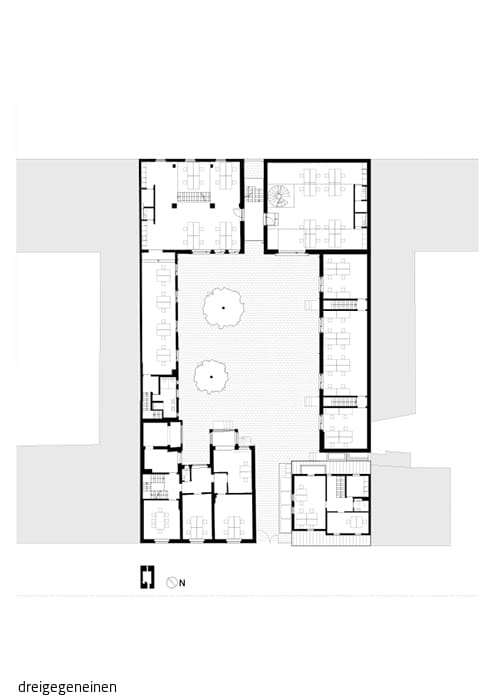
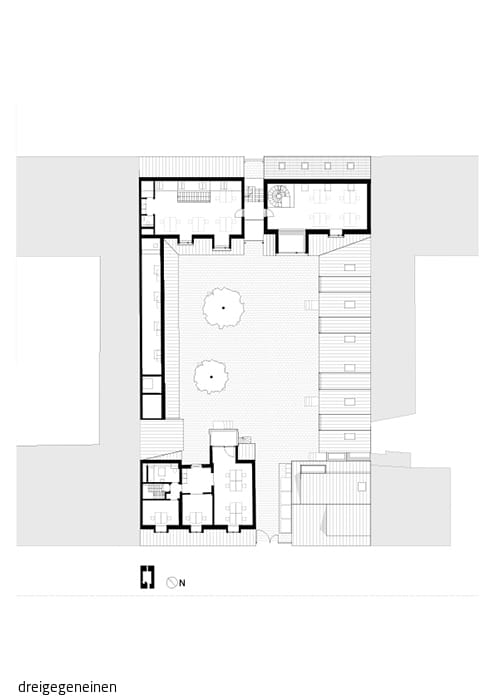
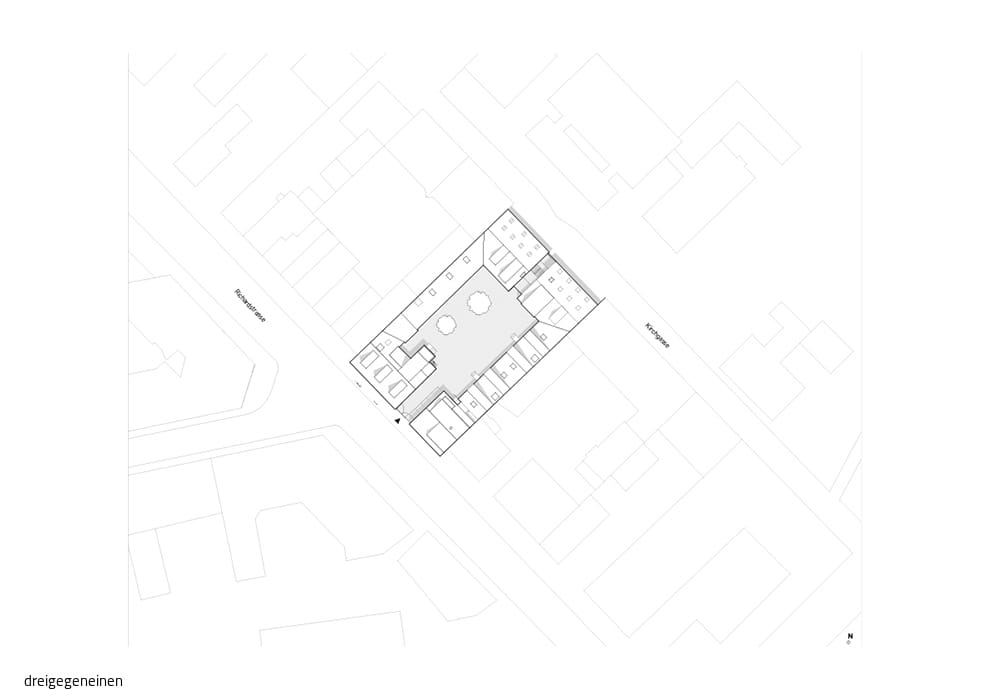
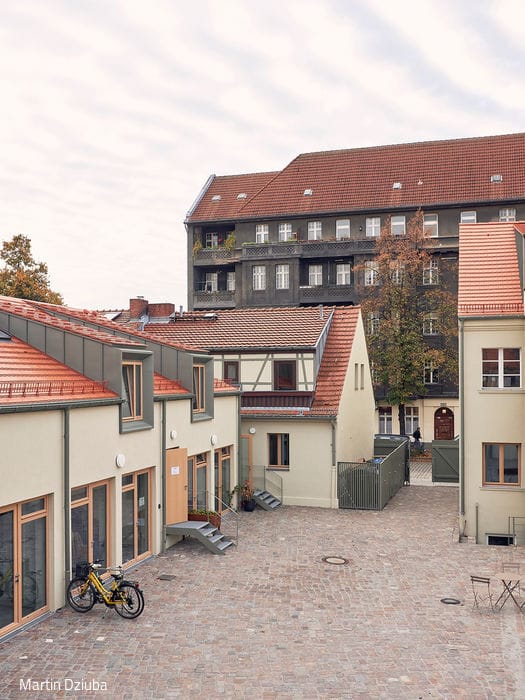
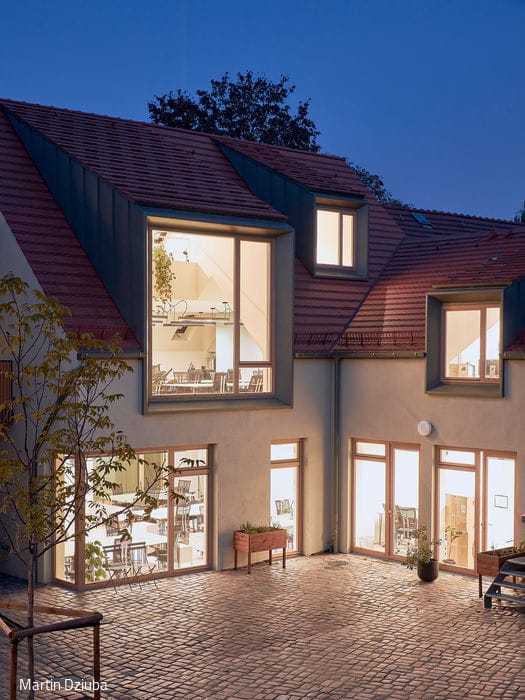
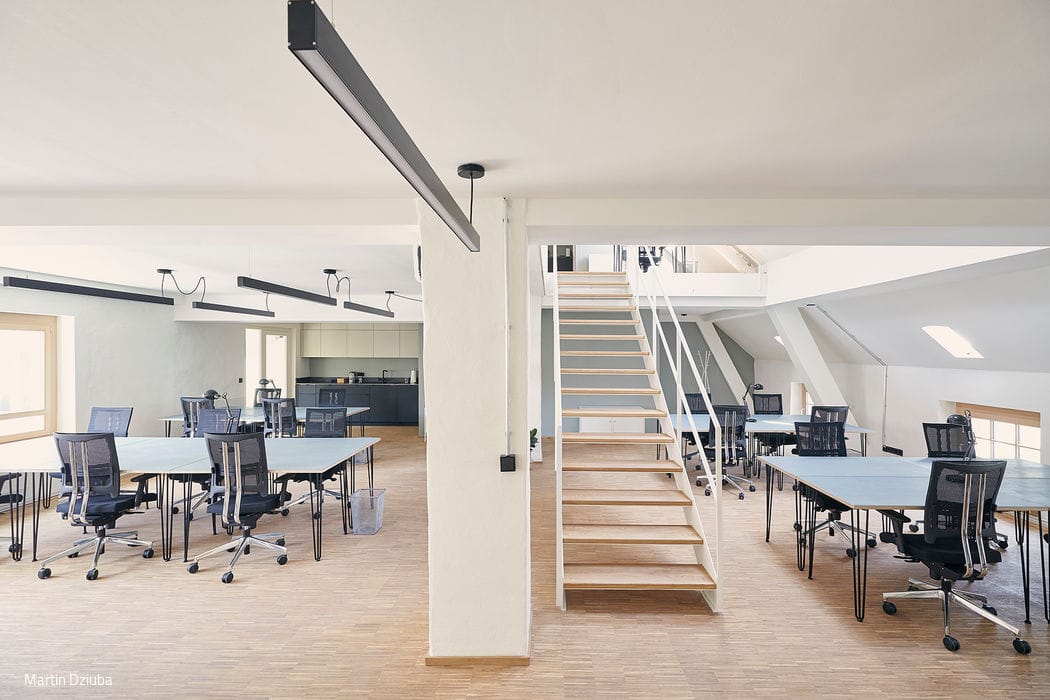
Idyllischer kann ein Arbeitsplatz kaum sein: Auf historischem Grund entstand ein Coworking Space auf 2.200 m² für das auf Schreibtisch- und Bürovermietung spezialisierte Unternehmen Unicorn. Hier ist nichts von trister Arbeitsatmosphäre zu spüren. Das Berliner und Münchner Architekturbüro dreigegeneinen baute das einst zum historischen Böhmischen Dorf gehörende Doppelgehöft der aus Glaubenskämpfen vertriebenen Protestanten, die sich hier im 18. Jahrhundert ansiedelten, um. In den Jahren vor dem Umbau hatte sich hier eine Autowerkstatt mit Garagen angesiedelt, dazu kamen Lager- und Büroflächen. Aufgrund des Denkmalschutzes musste hoch sensibel mit dem Bestand umgegangen werden.
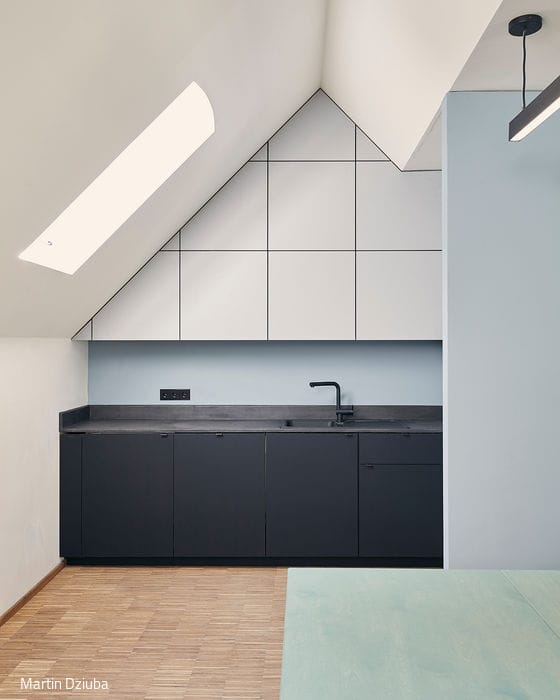
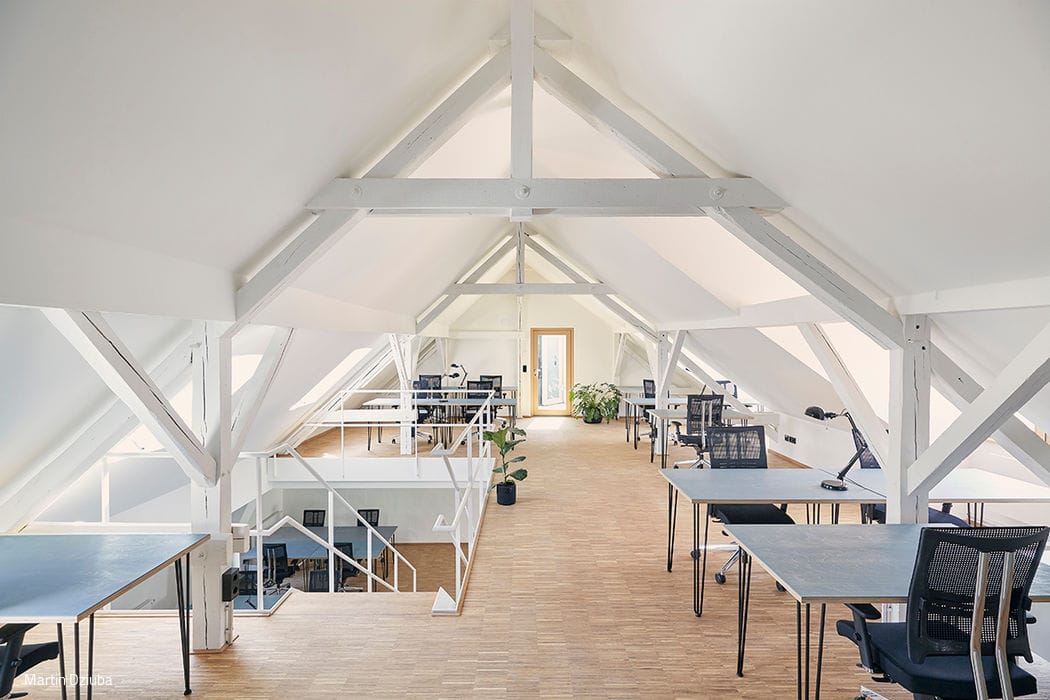
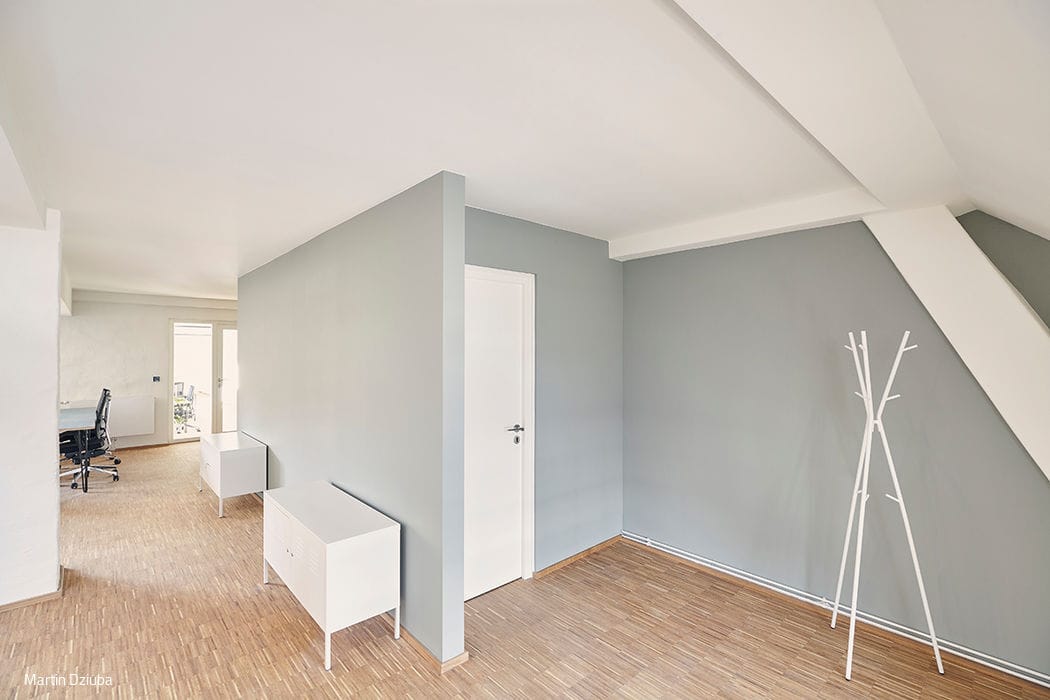
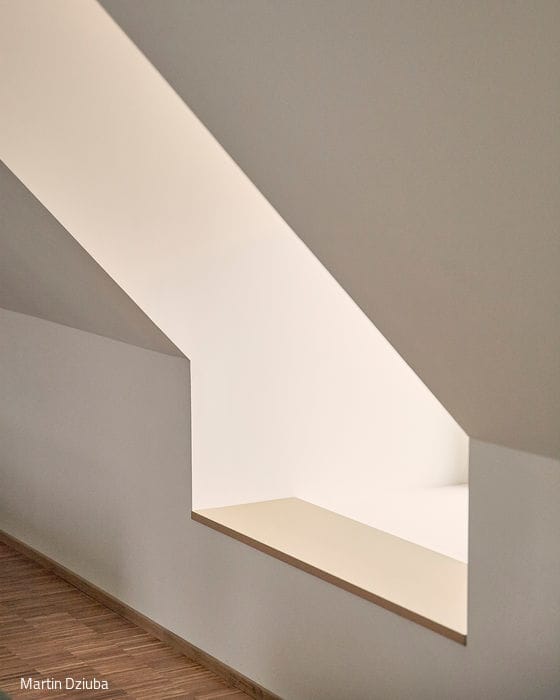
Der Umbau umfasste unter strenger Kontrolle des Denkmalamtes die Sanierung der ehemaligen Kfz-Werkstatt und die als Lager- und Büroflächen genutzten Hofgebäude ebenso wie den Abriss eines Hinterhauses, eines Flachbaus im Hof sowie der Garagenbauten und die Erstellung von zwei Neubauten. Die Neubauten wurden auf den historischen Grundrissen errichtet und entsprechen in Kubatur, First- und Traufhöhe sowie im Erscheinungsbild vollständig den Anforderungen des Amtes. Ein zuvor zugebauter Durchgang zur Kirchgasse auf der Rückseite wurde wieder geöffnet, indem zwischen den beiden neu erbauten Häusern der ursprüngliche Zugang wiederhergestellt wurde. Insgesamt besteht das Ensemble aus zwei Vorderhäusern an der Richardstraße, zwei Seitenflügeln und zwei Hinterhäusern. Zwischen Alt- und Neubauten entsteht ein Spannungsfeld in dem Geviert – sanierte Bestandsbauten links und Neubauten rechts. Ein Café im Hof ist als allgemeiner Treffpunkt eine beliebte Anlaufstelle. Auch die Hoffläche wurde zum Kopfsteinpflaster zurückgebaut. Es handelt sich hier nicht um eine Rekonstruktion, sondern um eine Neuinterpretation. Lediglich der Fußabdruck und die Trauf- und Firsthöhe sowie die Kronendeckung entsprechen in etwa dem historischen Vorbild – abgesehen freilich von den neuen, großen Fenster, Gauben und Glasflächen, die Transparenz unter den hier arbeitenden Menschen schaffen sollen. Im Obergeschoss sind teilweise noch die alten Dachbalken erhalten, neue Fußböden aus Industrieparkett wurden verlegt und die Wände teilweise farbig getüncht. Interessenten können sich hier jetzt einen Einzelplatz, Start-ups ein Großraumbüro mieten.
(Featured in CUBE Berlin 03|20)

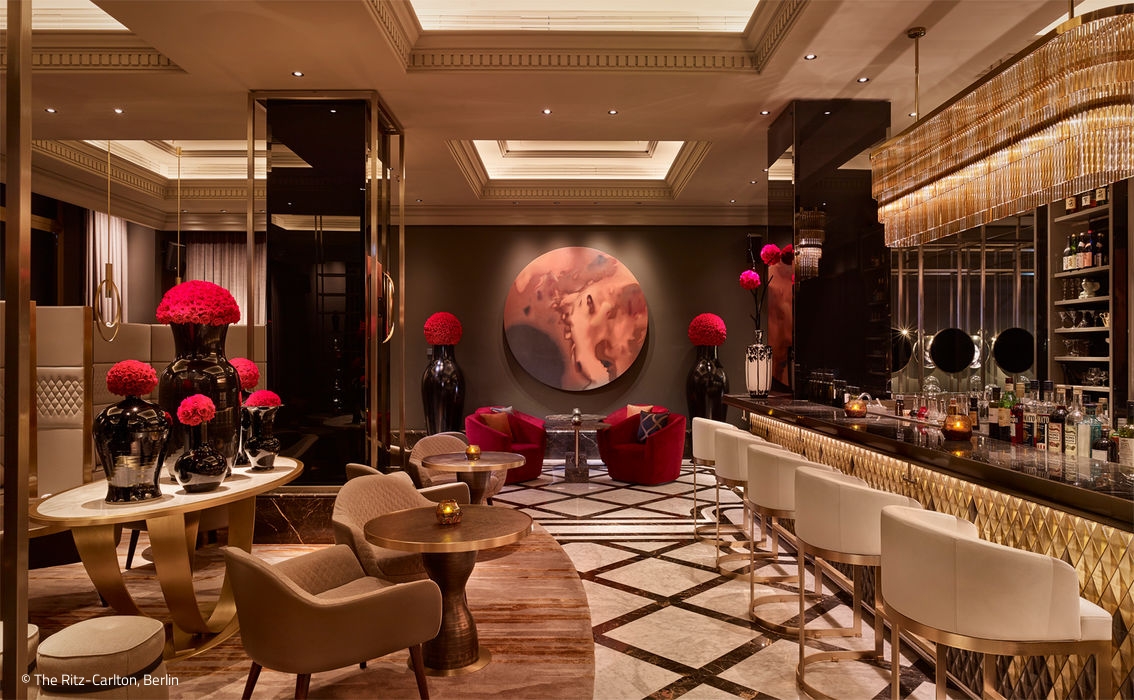
The World of Aromas
Bar Fragrances at the Ritz-Carlton unveils a concept unlike any other in the world.
Making It Your Own
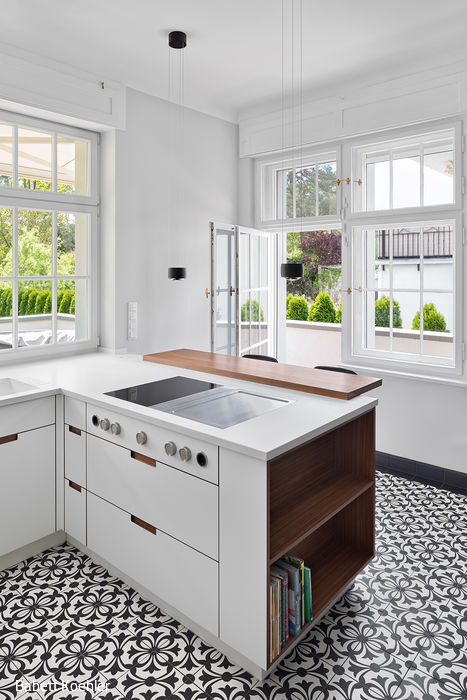
Interior Redesign of a Country House Villa
Reaching New Heights
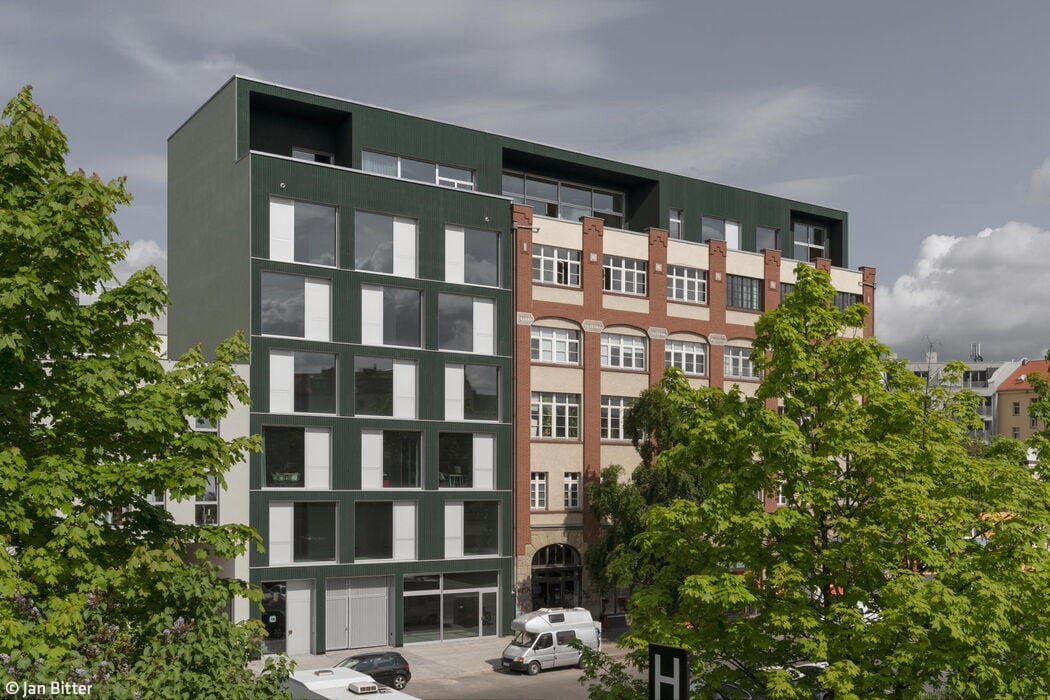
Expanded Office and Residential Space Through New Construction and Vertical Extension
The Future of School Architecture
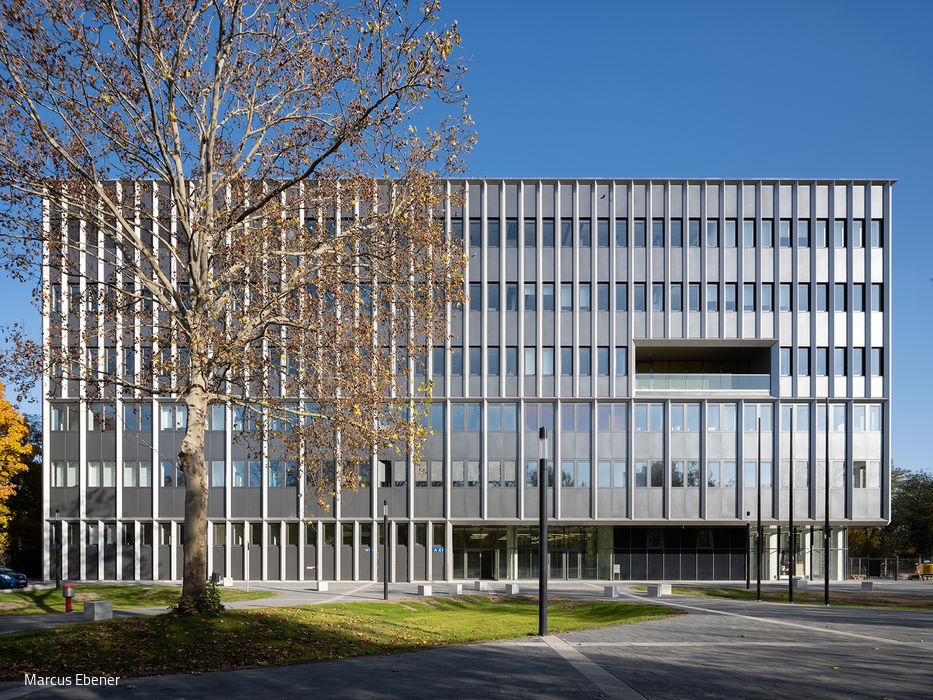
A daring approach to a compact, six-storey square building where circulation patterns and spatial organization are thoughtfully configured...