


"I wanted to create something that would endure"
Marie Aigner discusses her distinctive designs and the power of sound absorption

CUBE: Acoustics is a highly complex field. How much do you really need to understand about physics to tackle sound challenges?
Marie Aigner: You don't need to be a physicist, but you should understand how sound waves behave. Think of it like the ocean—sound travels through space just like water waves, and my job is to reduce their amplitude. I work with porous absorbers, which convert sound waves into heat energy through friction when the waves hit the soft material. Then there are reflectors, which direct sound intentionally—useful in orchestral spaces—and diffusers, which scatter sound waves evenly throughout a room. So while you don't need a physics degree, you do need to know your objective. Mine is straightforward: optimize spaces by improving speech intelligibility so people can understand each other in a restaurant, stay focused in an open-plan office, or hear a speaker clearly in a lecture hall. The solution is simple—reduce reverberation time by increasing absorption surfaces with open-pore materials. That's all.
You design both furniture and large-scale installations to minimize sound. How does your approach differ between the two?
With standalone objects, I'm free from the constraints of any particular space. A chair, for instance—I focus on function and ensure the materials can support someone sitting. It's versatile across different contexts. With installations, the space itself dictates how the design must perform. That's limiting in some ways, but it's also what makes it fascinating—restrictions often spark the most unexpected solutions.
Your sound-absorbing "Knockout Acoustics" range includes furniture like side tables, daybeds, and chairs. How is the collection organized?
The collection has three tiers. Spaces are large, made-to-measure room installations. Editions are limited-edition furniture and lighting pieces. And Collectibles are one-of-a-kind creations made entirely from production scraps and offcuts. They emerged during the pandemic when materials were scarce—and what was born from constraint became visually stunning.
Your pieces have wonderfully evocative names—Stairway to Heaven, Kandinsky, Elton, Last Supper. What draws you to them?
Art and music have always captivated me. The names hint at the playfulness in the design process. Acoustics used to be a neglected discipline, and existing products, while functional, often lacked both material quality and aesthetic appeal. It was serious, dull, grey. I wanted to bring levity to it—to make design feel approachable, to spark curiosity the way this subject sparked mine. The bold colors reinforced that shift, giving each piece a completely different character.
What's the engineering principle behind these elements?
It's an open-pore, sound-absorbing material that's lightweight yet dense—160 kg/m³. Every element is folded, which maximizes acoustic surface area and delivers exceptional absorption efficiency.
You studied architecture originally. When did product design begin to take center stage?
It was always there—even in school when I couldn't decide between sculpture and fashion design. For me, the medium didn't matter; whether it was fabric on skin or an object in space, I had one constant drive: I wanted to make something tangible, something you could see and touch. Architecture came later as the natural vehicle for that vision.
You spend your career battling noise—do you listen to music while designing?
When I'm in the zone, working on concepts without needing to focus intensely, I listen to everything—classical, Kanye West, David Bowie, Coldplay, Talking Heads, Red Hot Chili Peppers. For me, it always comes down to quality.
Ms Aigner, thank you for your time.
Interview by Isabella Singer
Listen to the full interview as a podcast.
(Published in CUBE Munich 04|24)

Respectful Balance
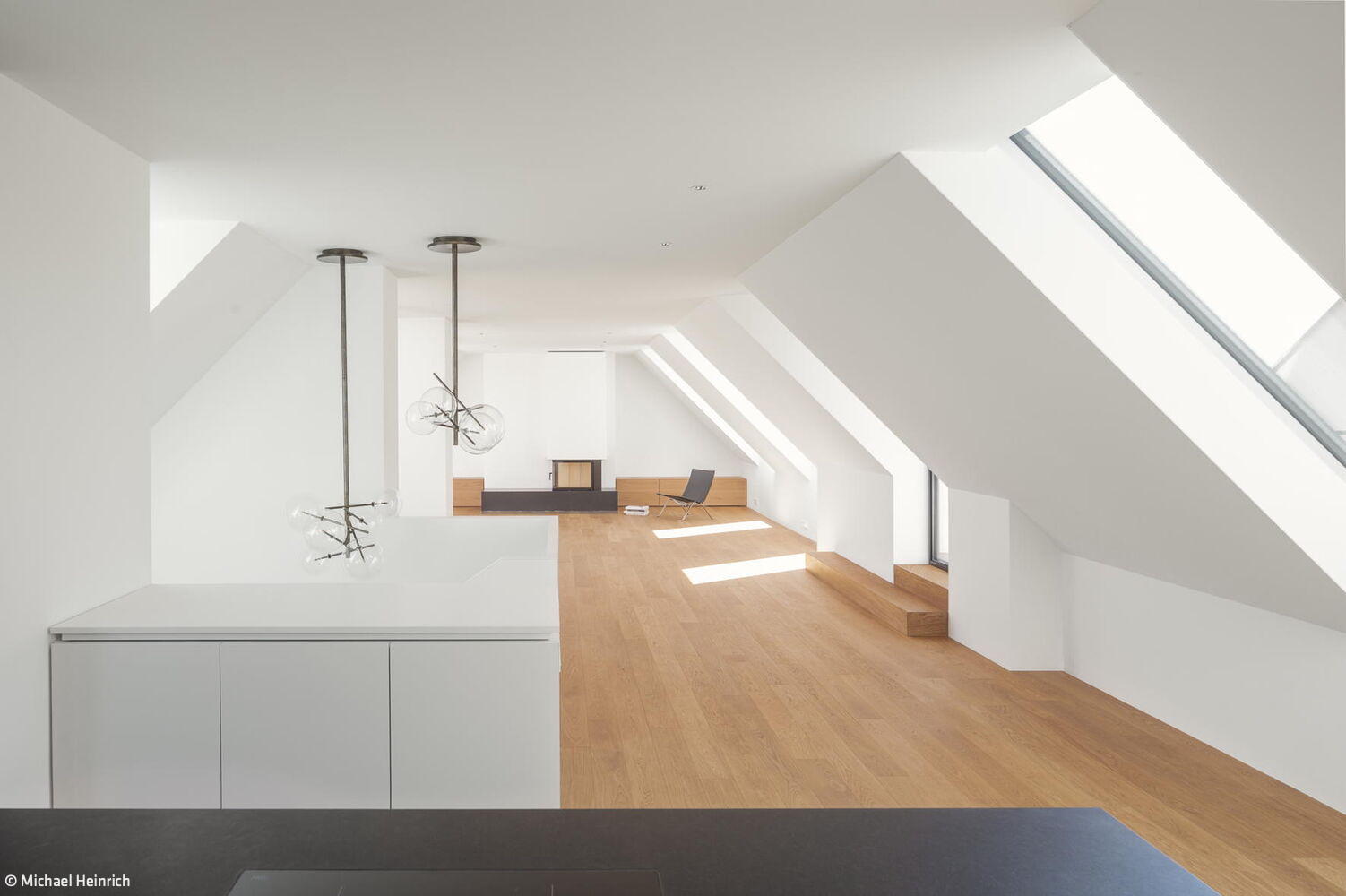
A Gärtnerplatz apartment renovation where past and present meet with intention
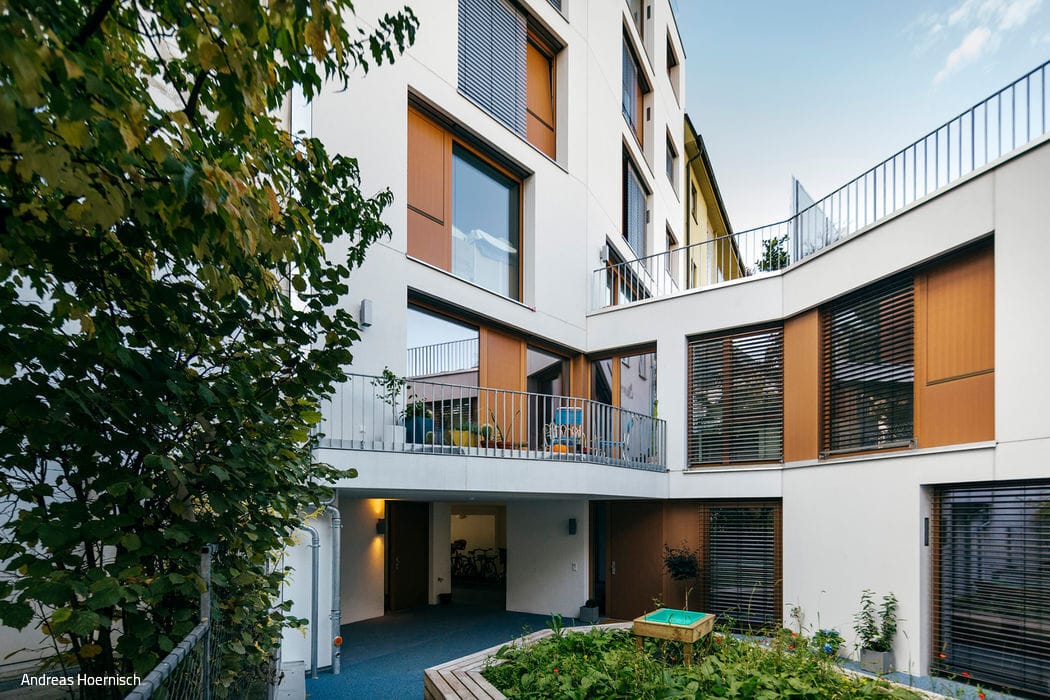
Smart Density
Multi-Story Residences and Townhouses Along the Isar
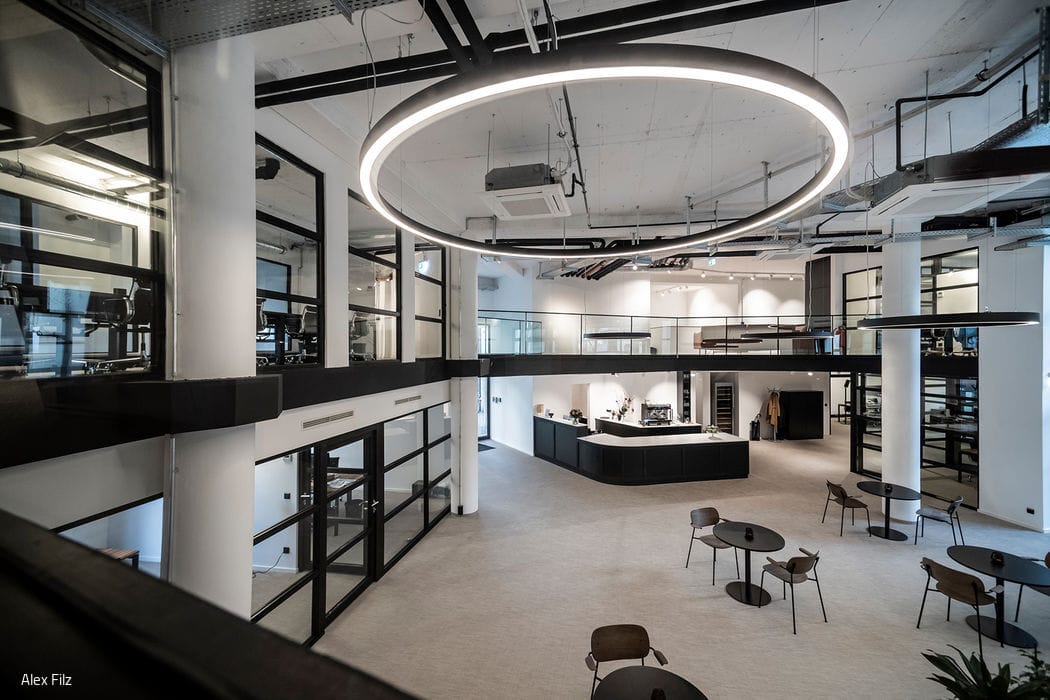
From Boardroom to "Byro"
A Remarkable Transformation in the Glockenbach District
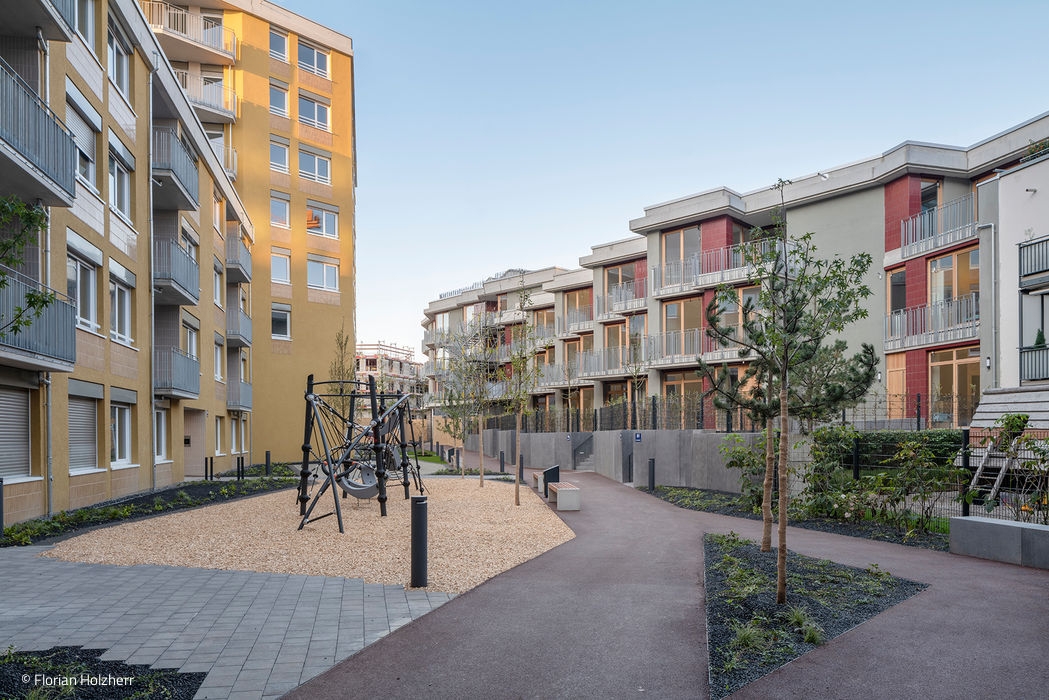
Mediterranean Spirit
Urban district replaces former industrial estate