


A Harmonious Balance
A protected heritage villa in Cologne's south underwent comprehensive renovation and redesign
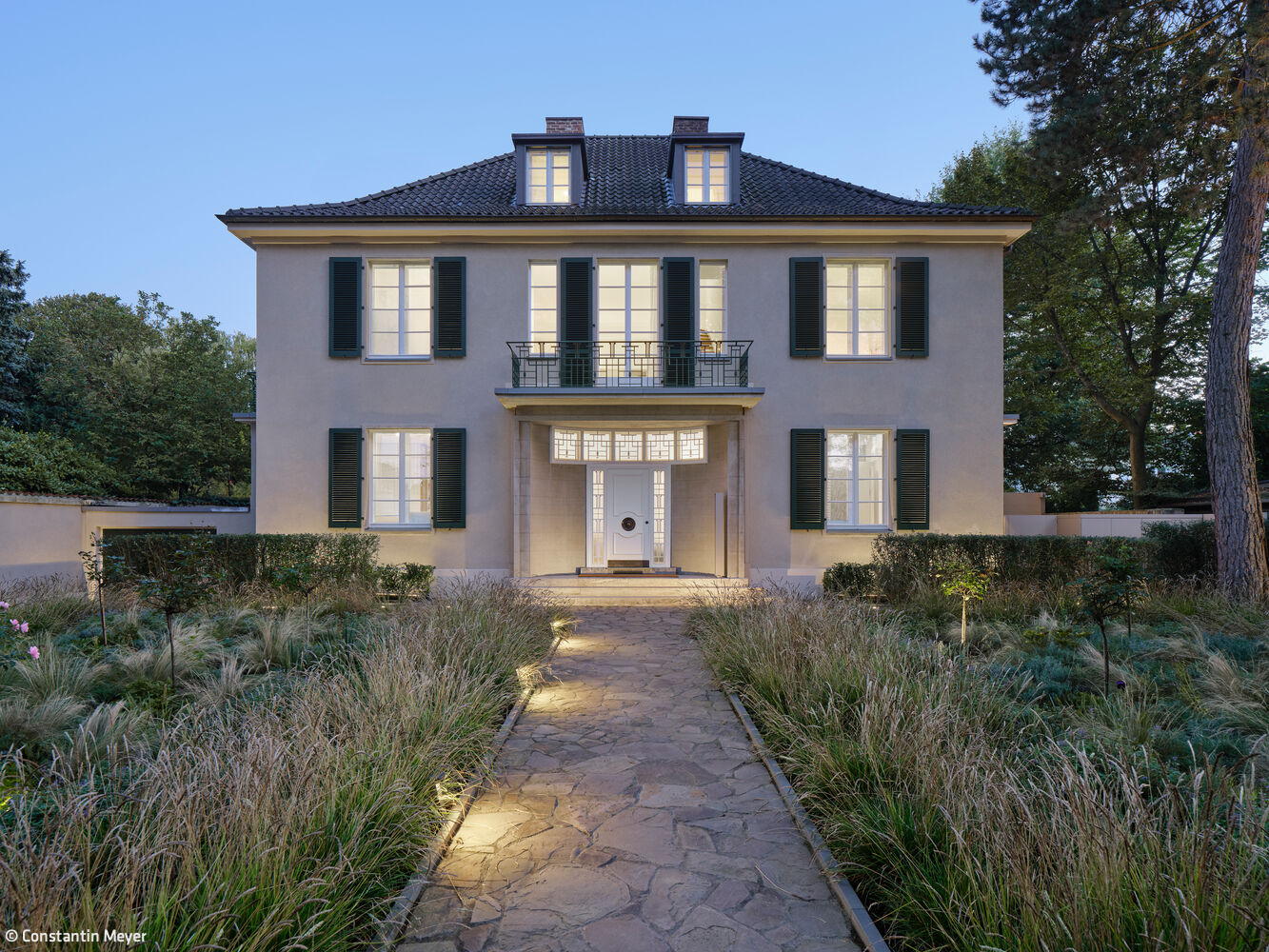
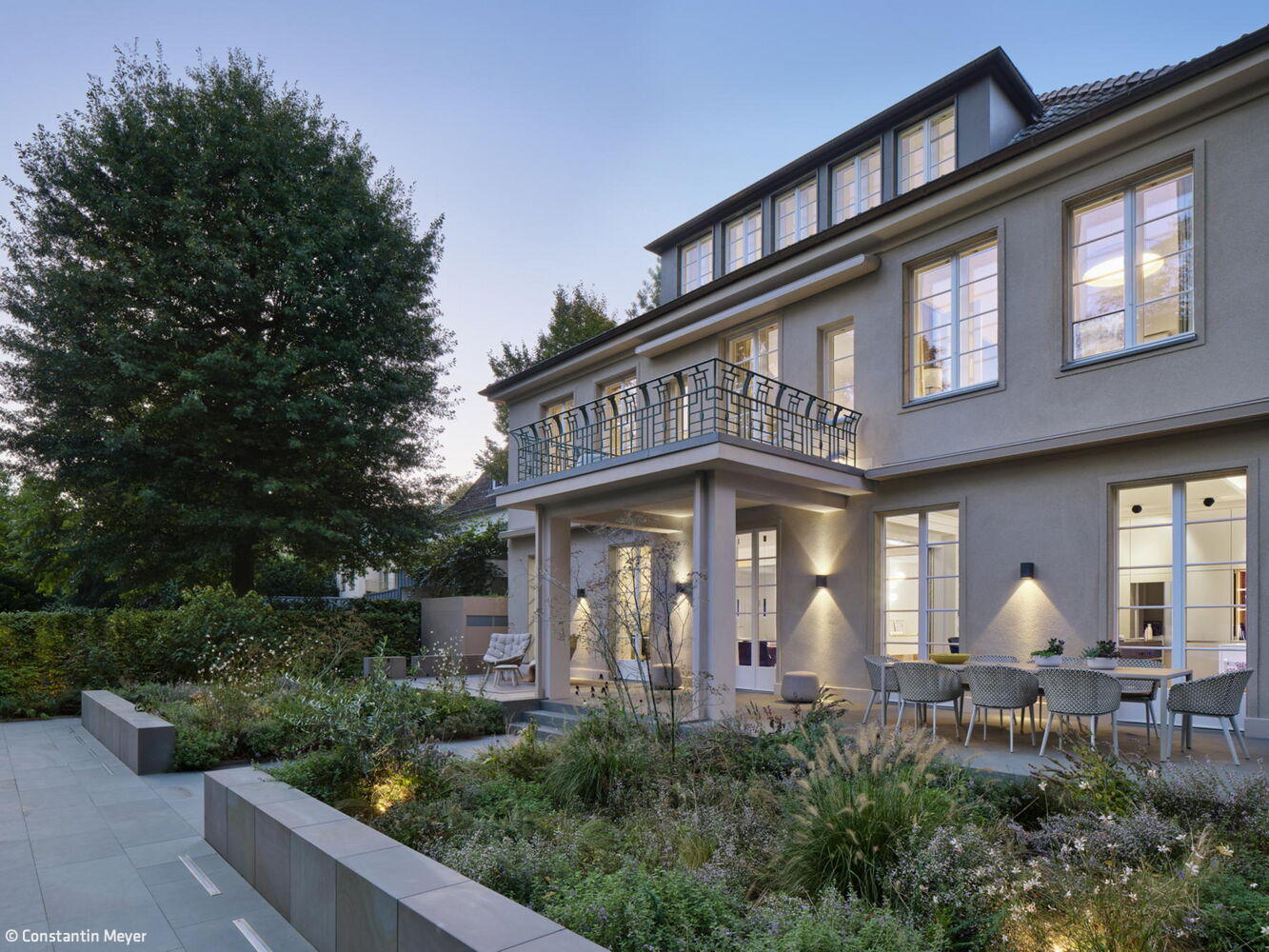
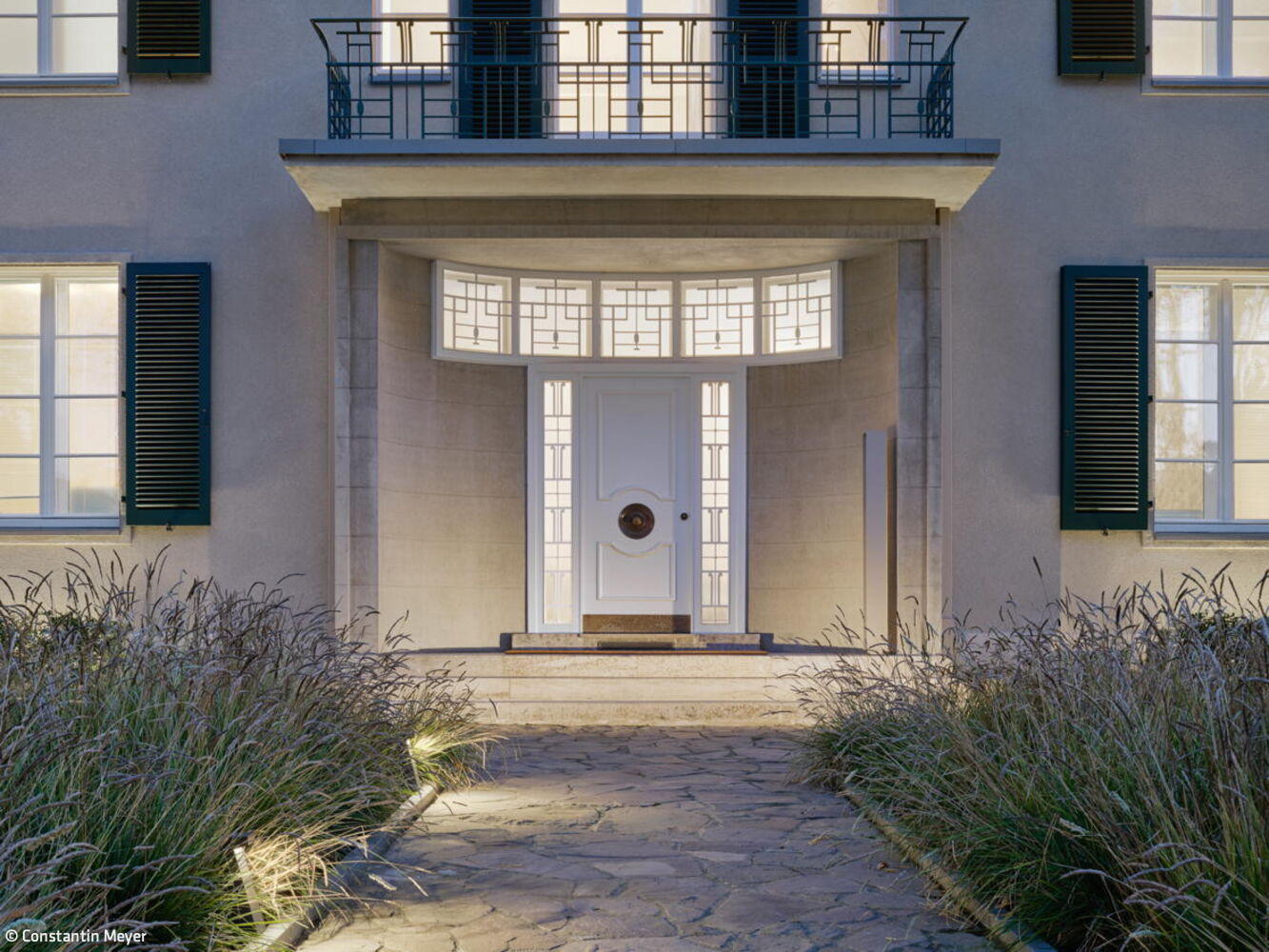

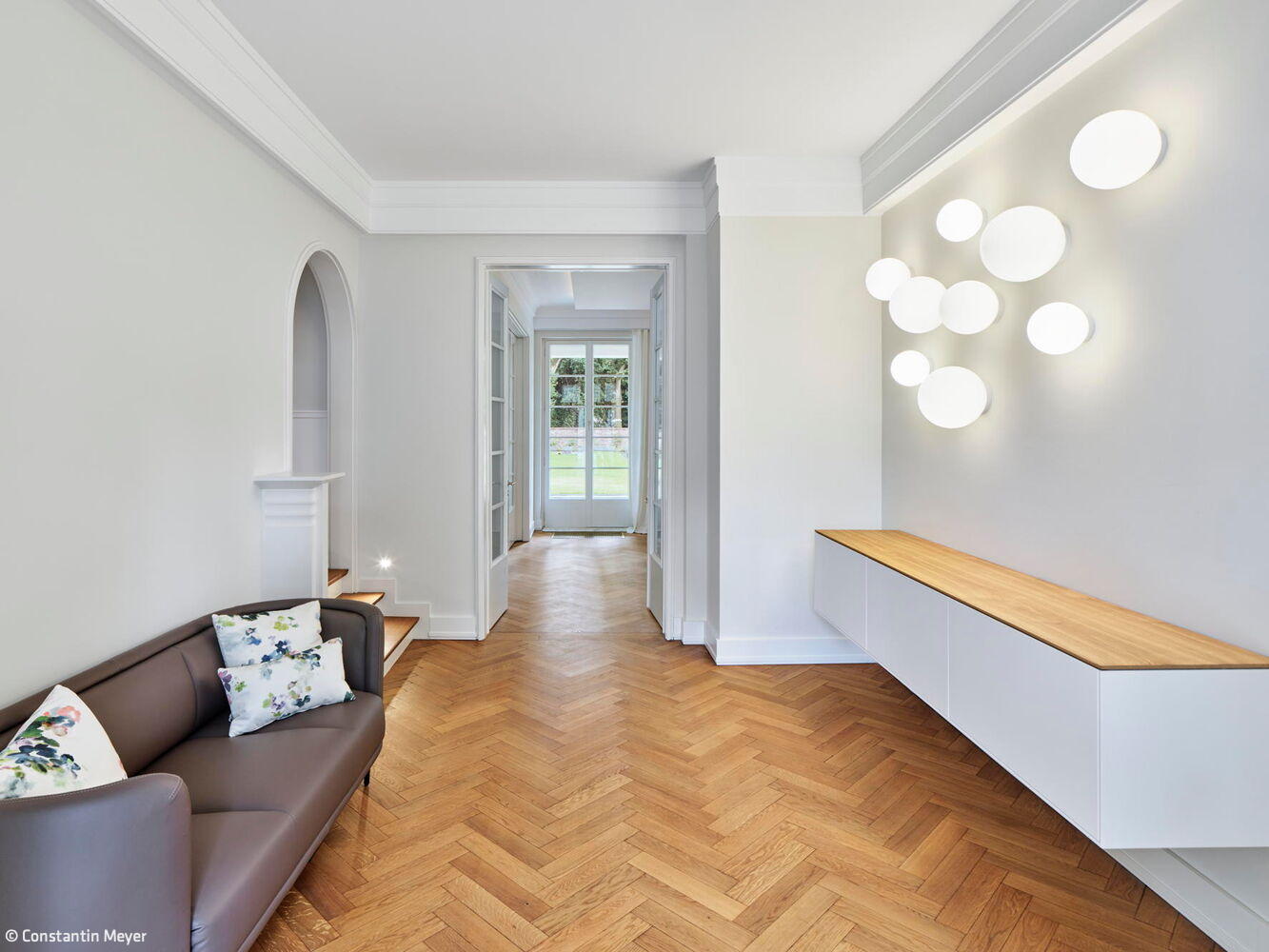
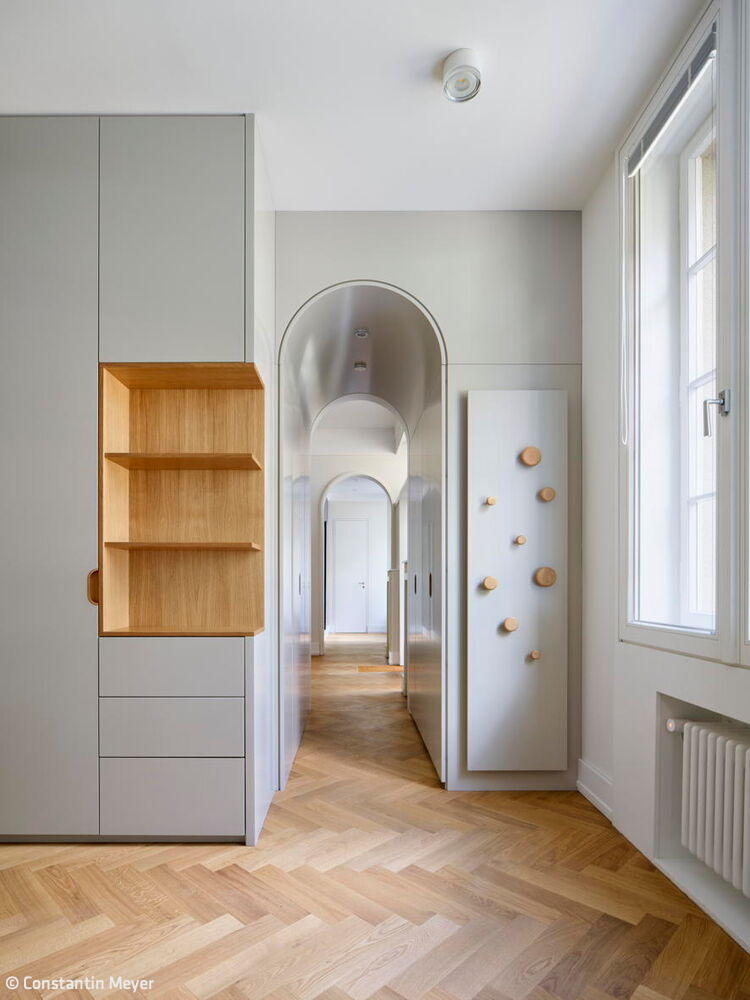
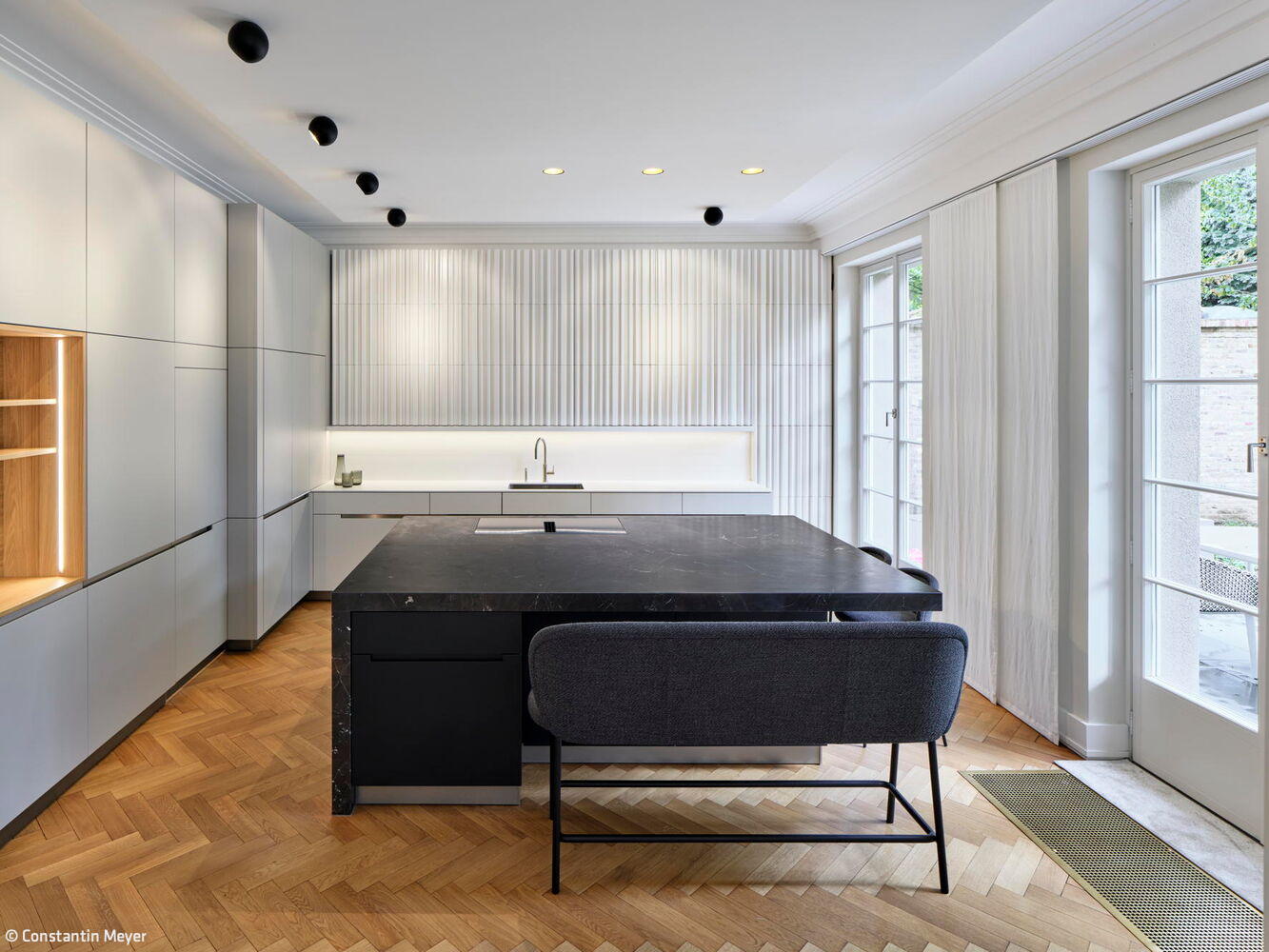
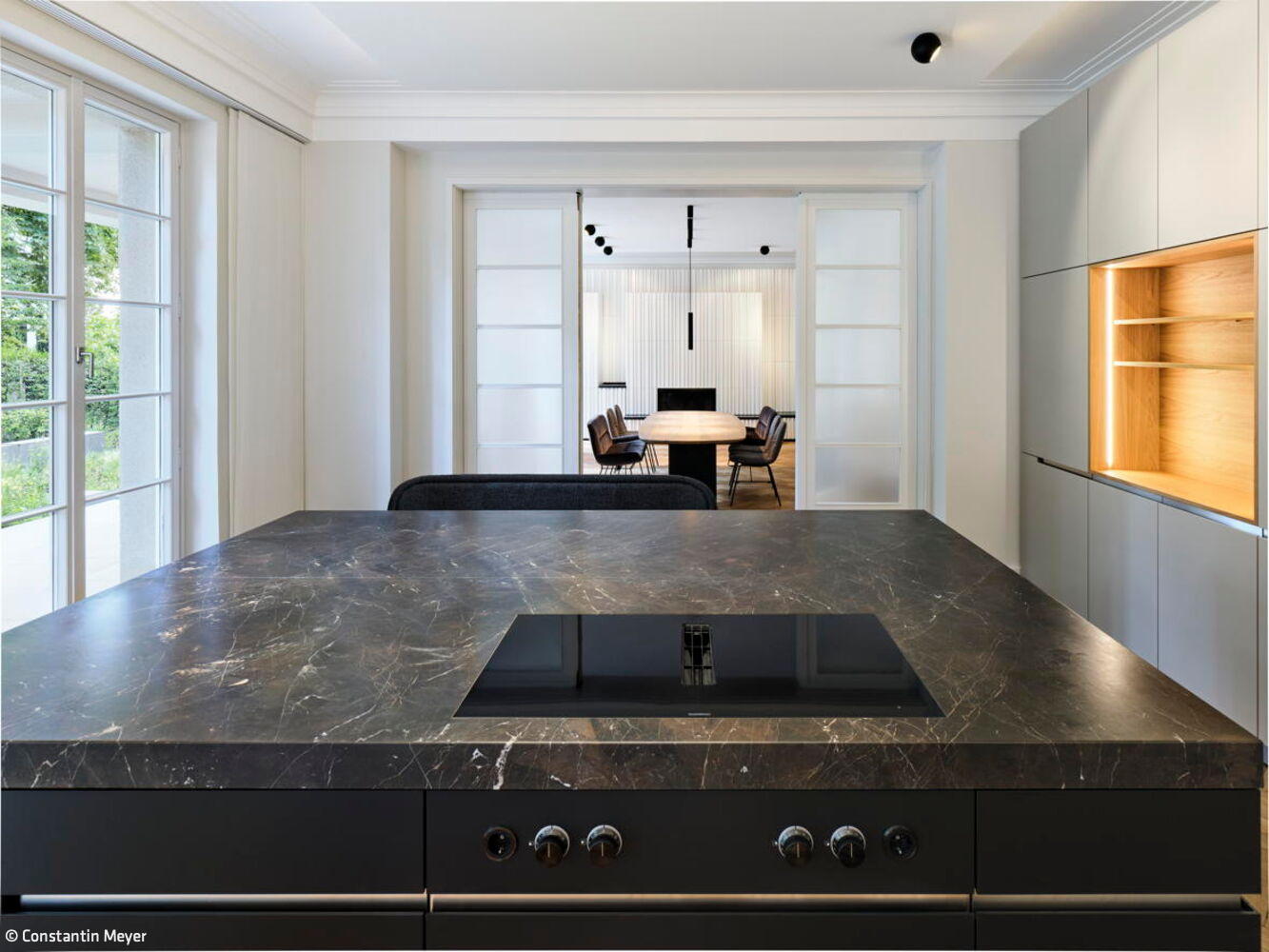
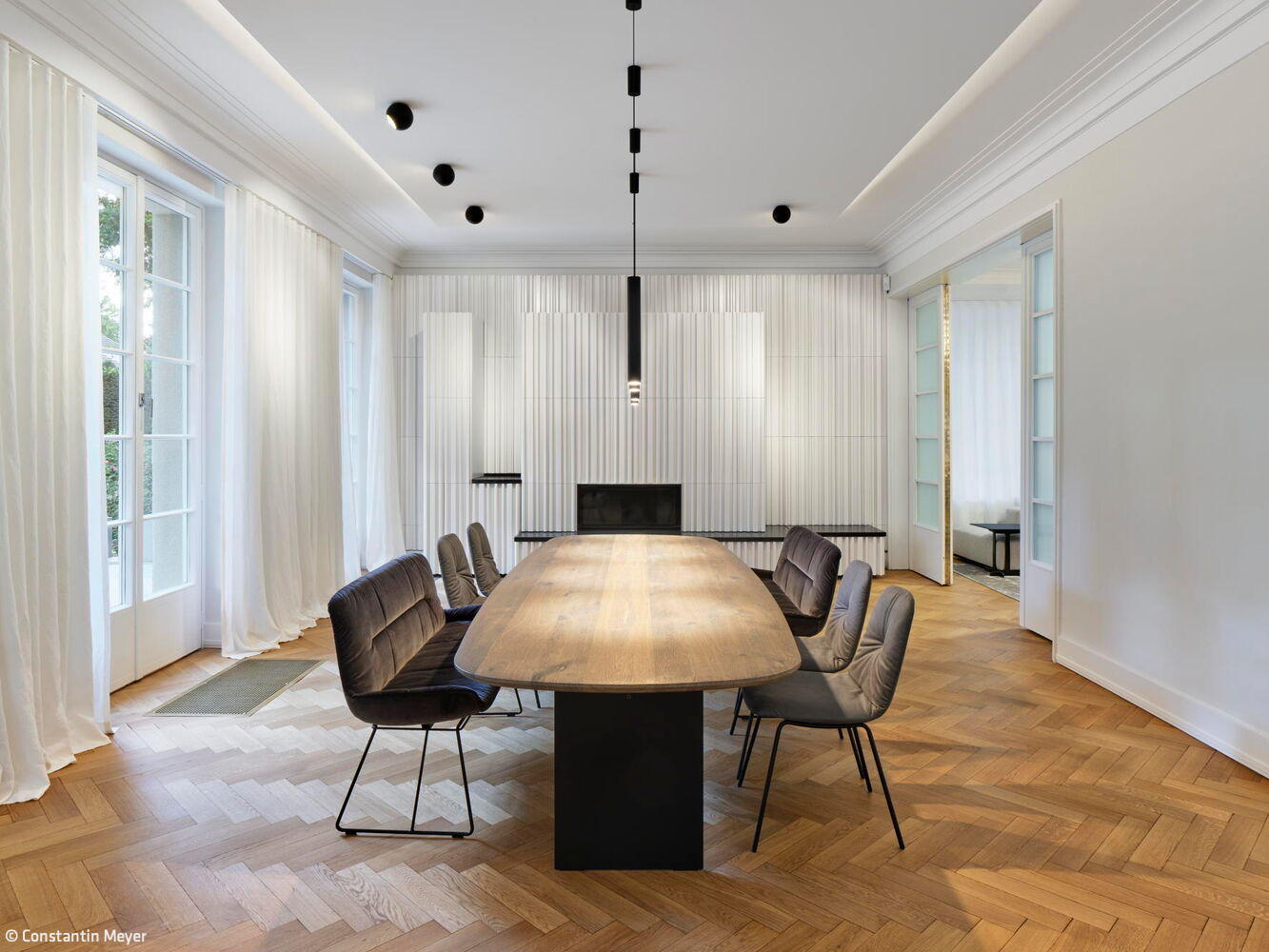
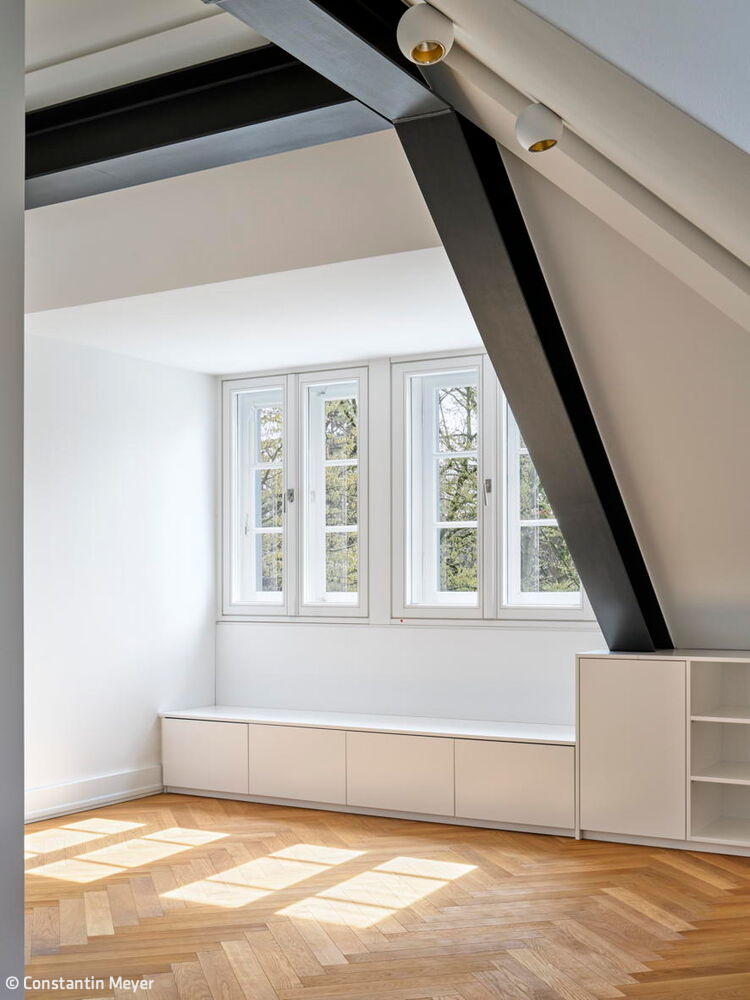
With its square floor plan, striking entrance and garden portal, and hipped roof, the building could have stepped straight out of a classical Palladian architecture textbook. Yet the building records told a different story—this was actually a relatively late replica. Designed by architect Heinrich Benoit (1877–1950), it was completed in 1933, as if the modernist movement of the 1920s had never happened. The Cologne-based firm Wilkin & Hanrath Bauphasen was tasked by the owners with structurally renovating the listed building, upgrading its energy performance, and giving it a contemporary aesthetic. To meet modern comfort and living standards, the interior was thoughtfully reimagined and given a powerful new presence.
The monumental cut-stone entrance portal, set back several metres from the street line, anchors the building's dignified presence. After World War II, Cardinal Josef Frings made it his private residence for decades. In the 1980s, it underwent transformation into an exclusive office building—only to be designated a protected monument in the late 1990s. This protection meant every renovation decision required close collaboration with the city's heritage authority. Preserving the façade's original character called for a slim insulating plaster layer—just four centimetres—that mirrors the original finish exactly. New additions, such as bicycle parking and waste management areas, were incorporated in a restrained, modern vocabulary that respects rather than competes with the existing structure. The gardens, terraces, and courtyard received contemporary treatments in the same spirit. Non-original windows were faithfully replicated, while the original wooden-sash windows underwent an elegant upgrade: interior window units were added to create detailed box windows that enhanced both thermal and acoustic performance—a solution that proved visually persuasive as well.
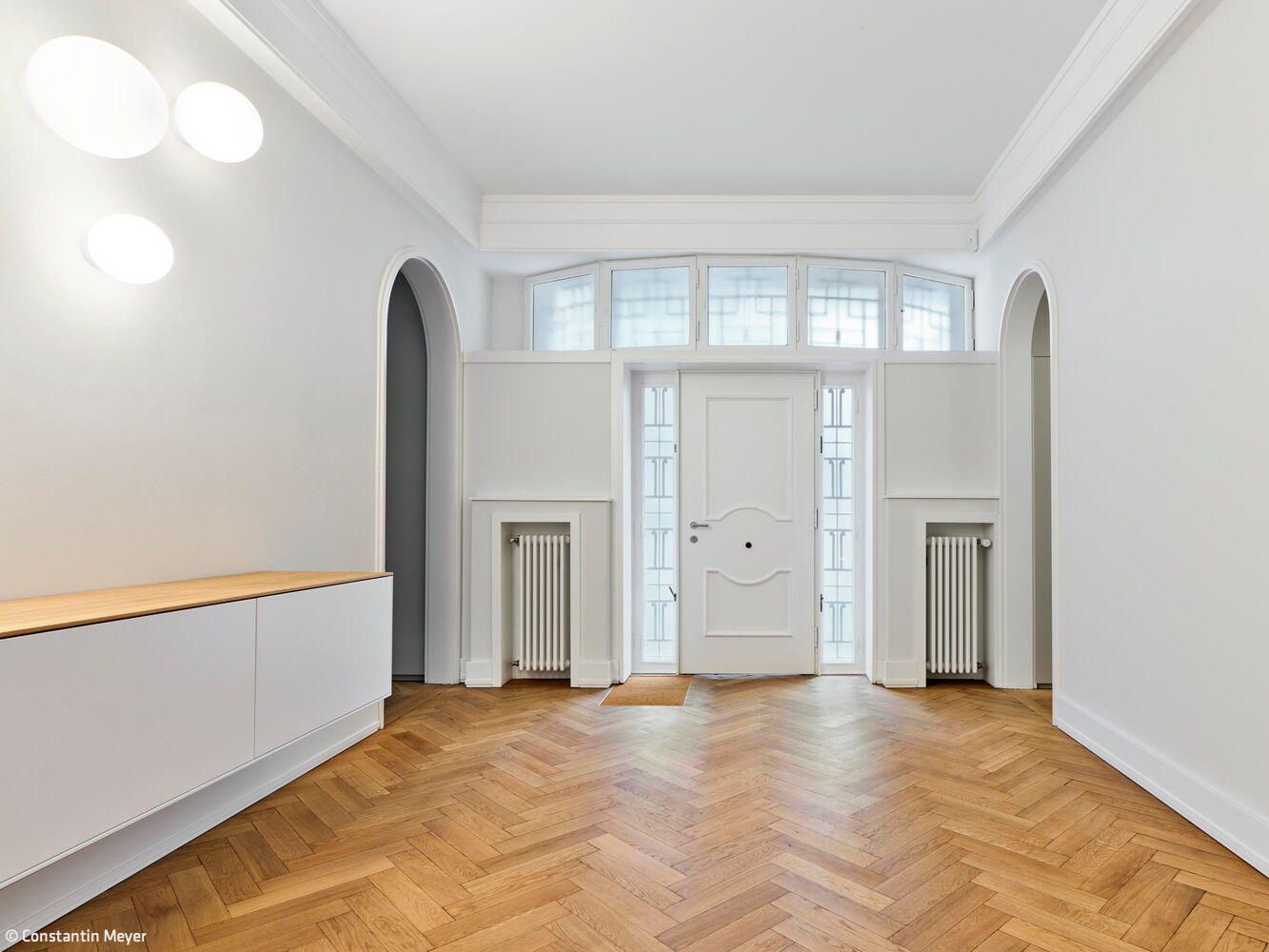
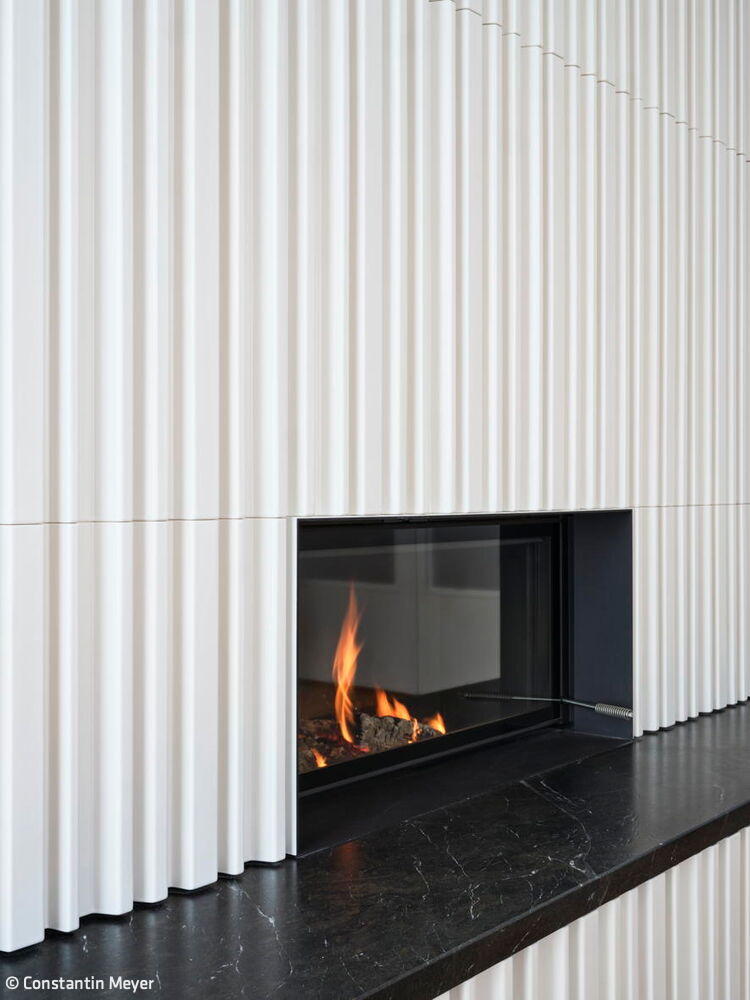
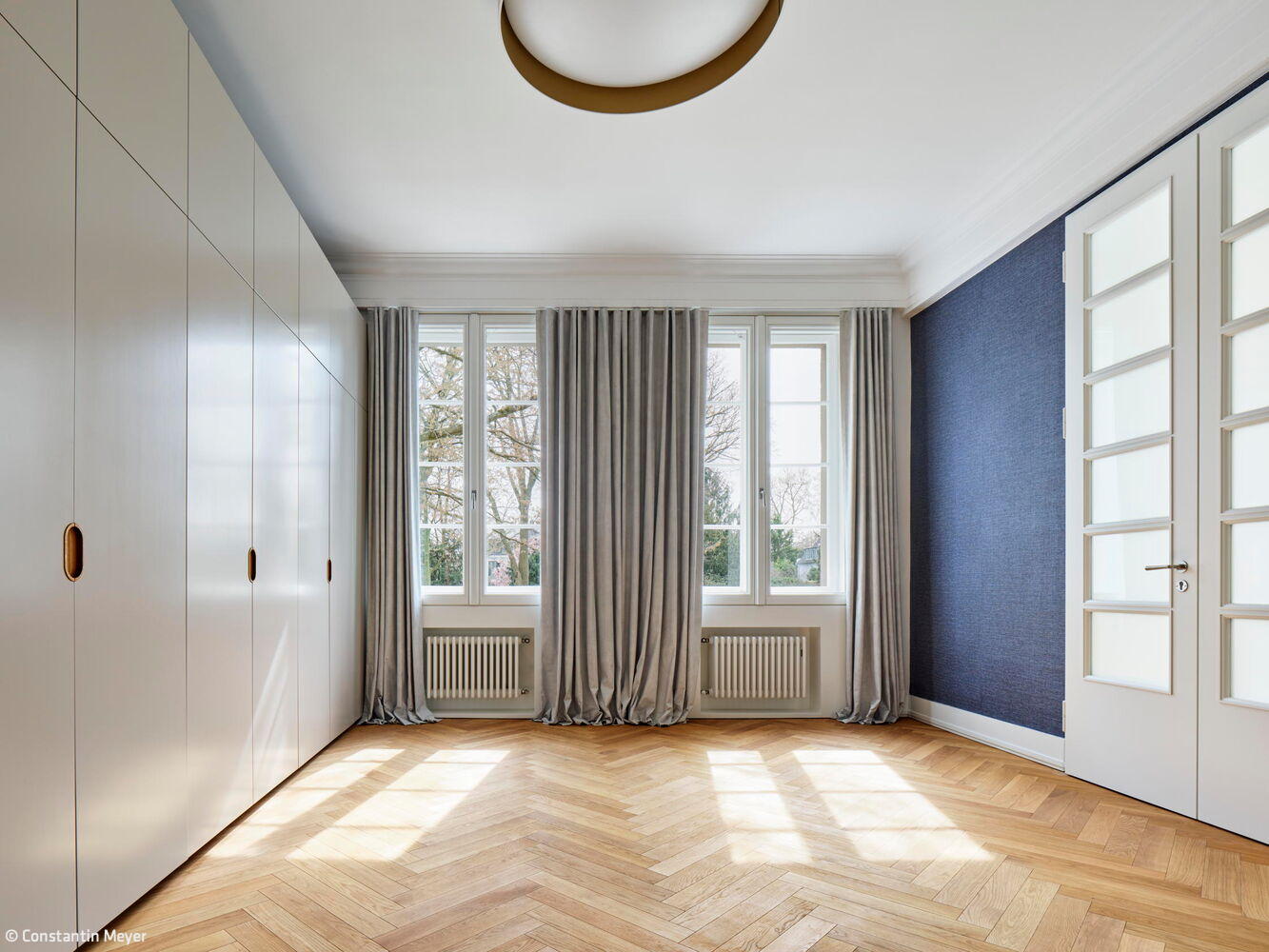
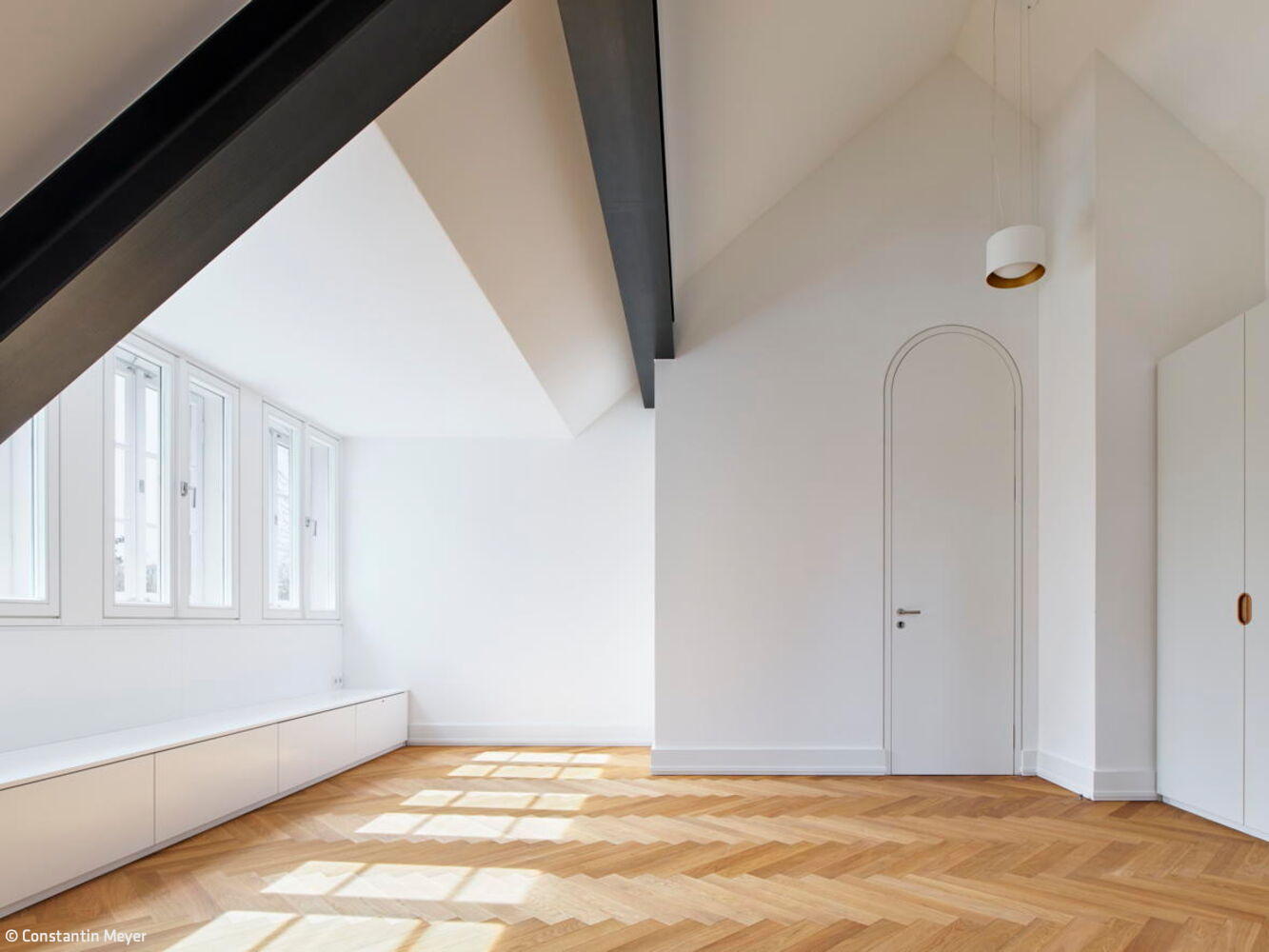
Preserving the existing herringbone parquet floors was non-negotiable, which ruled out conventional underfloor heating and standard sustainable heating systems. Instead, the building benefits from a dual heating approach: gas heating combined with a heat pump. In the living spaces, meticulously restored period radiators work alongside custom-developed ceramic wall panels that radiate warmth across large surfaces—a solution conceived specifically for this building. In the kitchen and along the fireplace wall in the dining area, these panels echo the stucco-ornamented architecture. Throughout, the spatial language is distinctly minimalist: white from the stucco ceilings and modern cabinetry combines with soft grey for walls and fitted kitchen, punctuated by carefully placed black accents that create visual interest. With restrained formal language, this project achieves what seemed unlikely—a serene and effortless marriage of classical heritage and contemporary design.
Photography:
Constantin Meyer
www.constantin-meyer.de
(Published in CUBE Cologne Bonn 04|24)
Thoughtfully Adapted
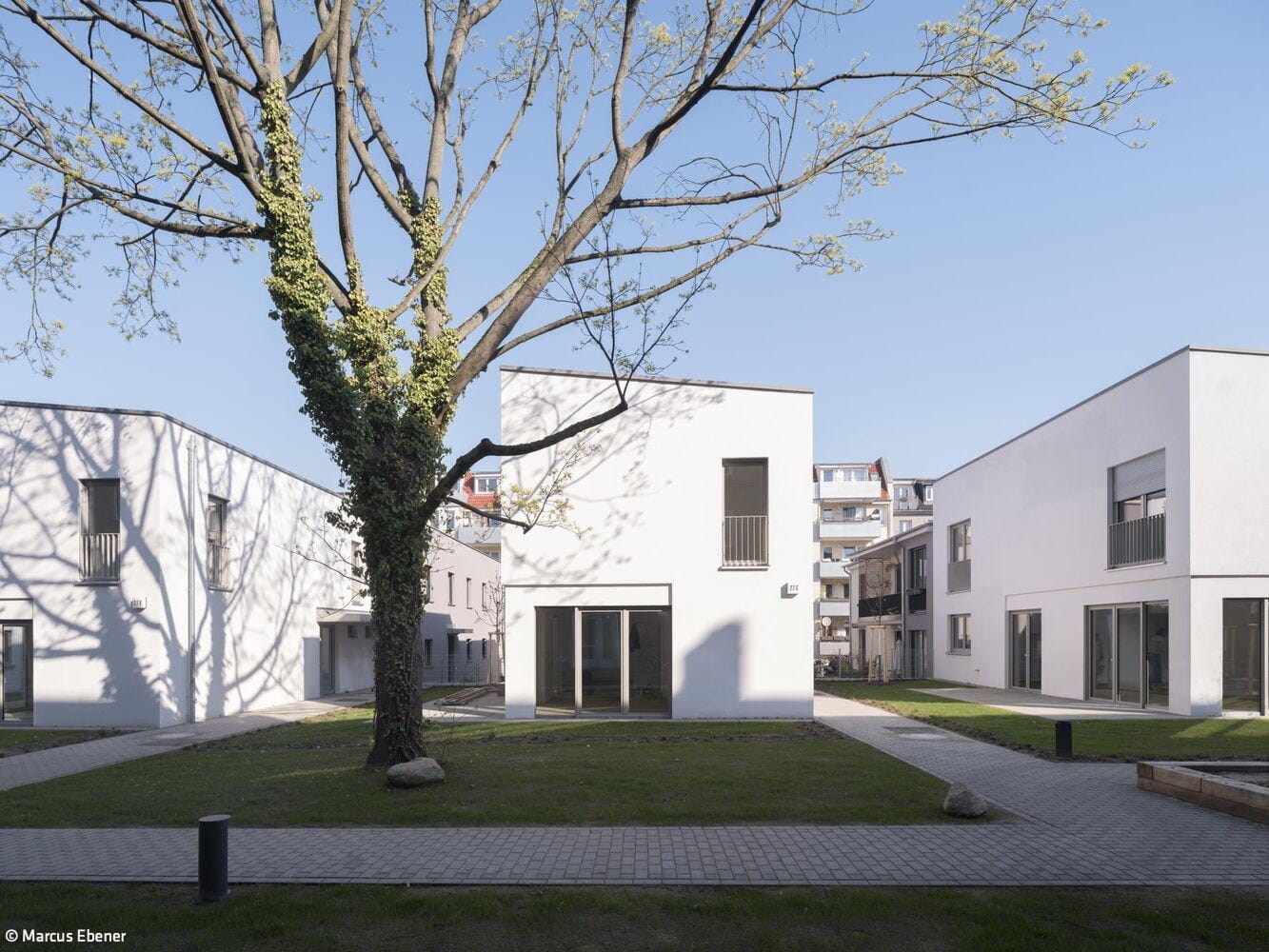
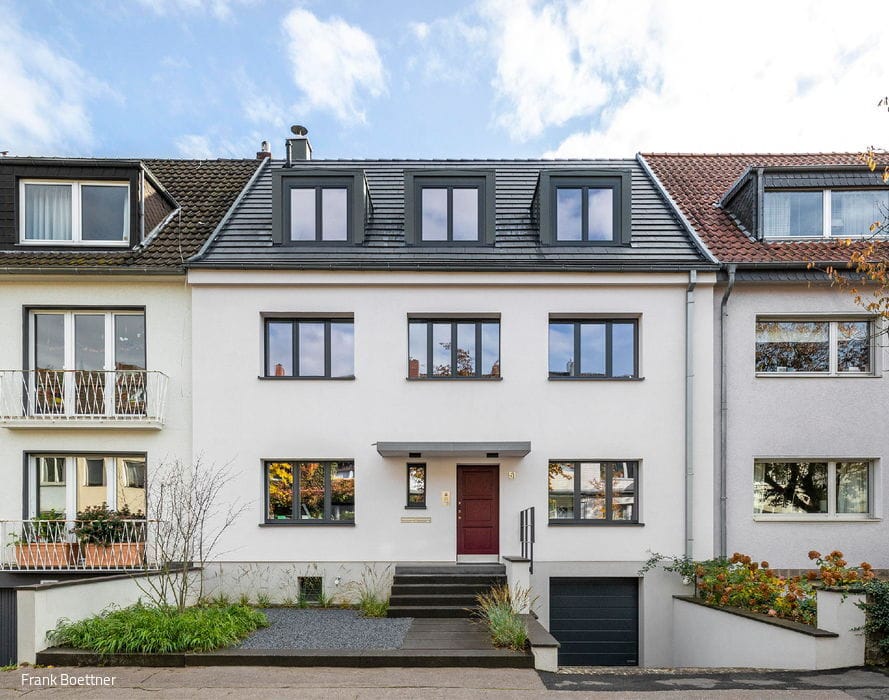
A comprehensively renovated townhouse in Sülz where heritage and contemporary living converge.
Simply Beautiful and Clean
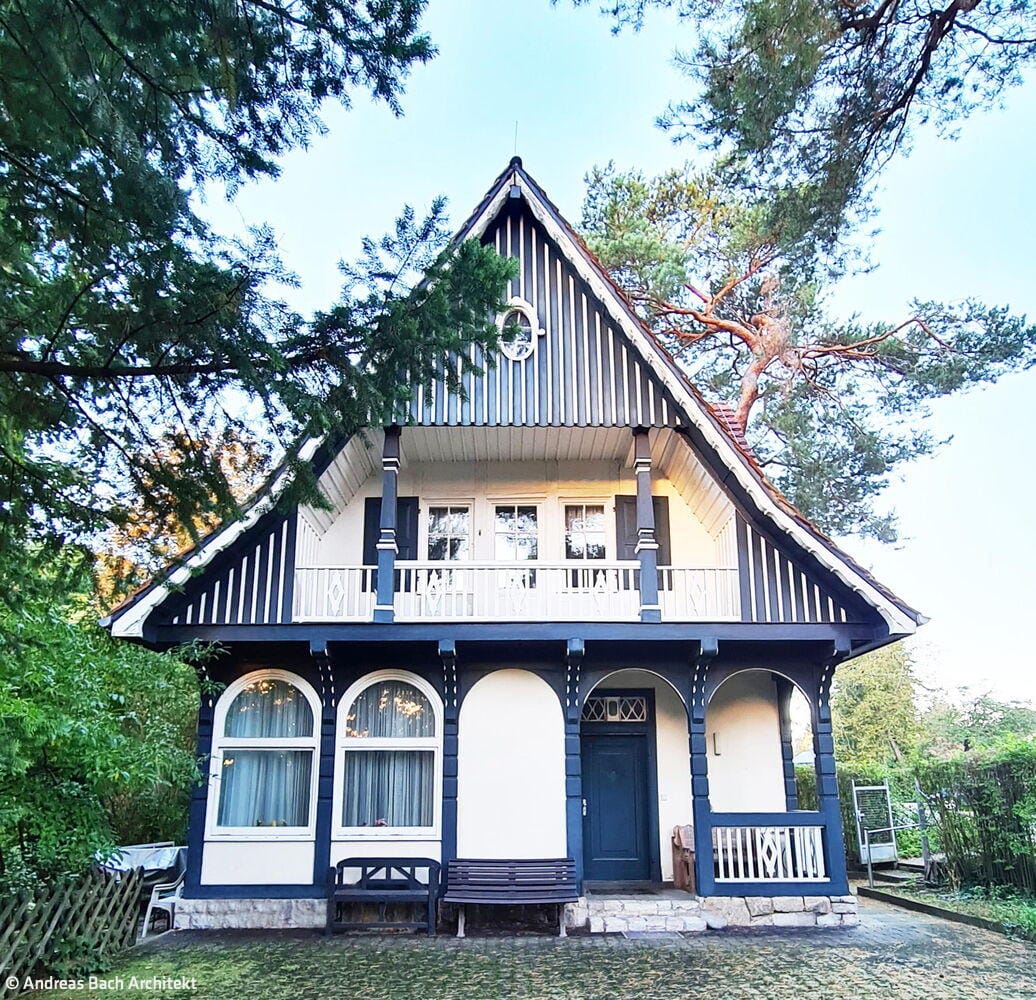
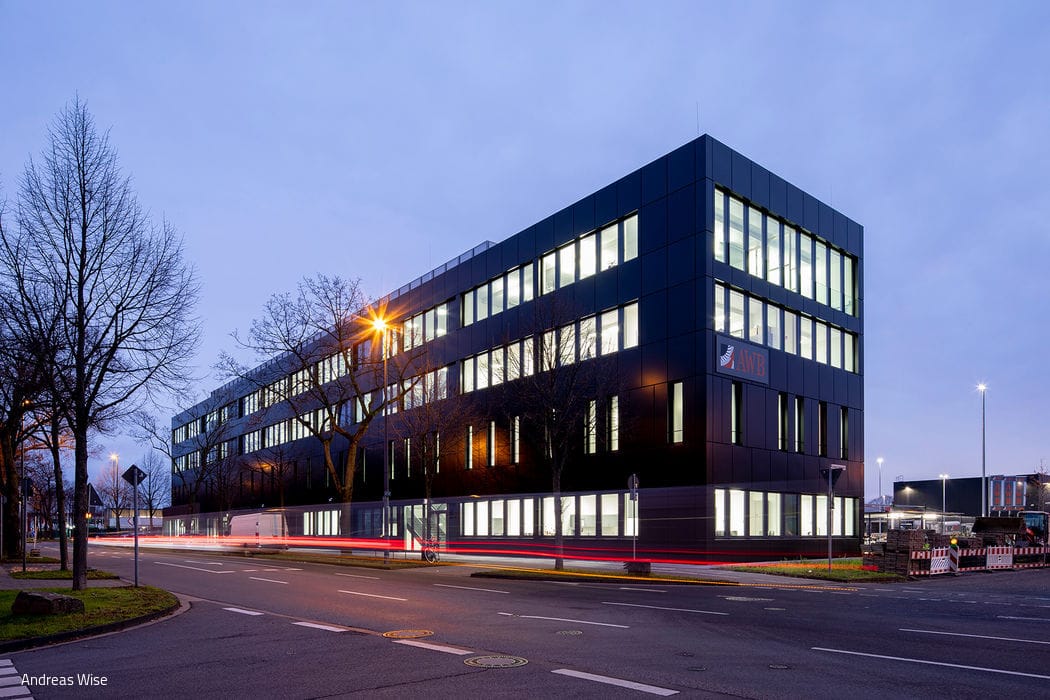
The new AWB depot in Kalk stands as a cohesive architectural statement.
Agile work in motion
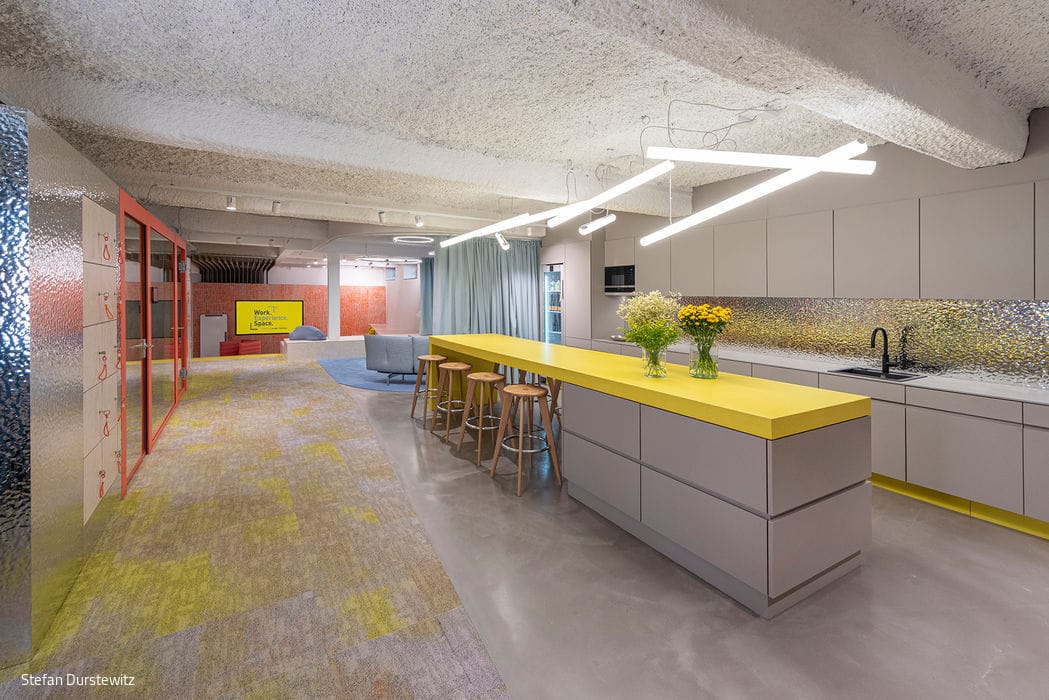
A "Work Experience Space" in the south district gives forward-thinking companies a live testing ground for tomorrow's work methods.
Industrial Charm Preserved
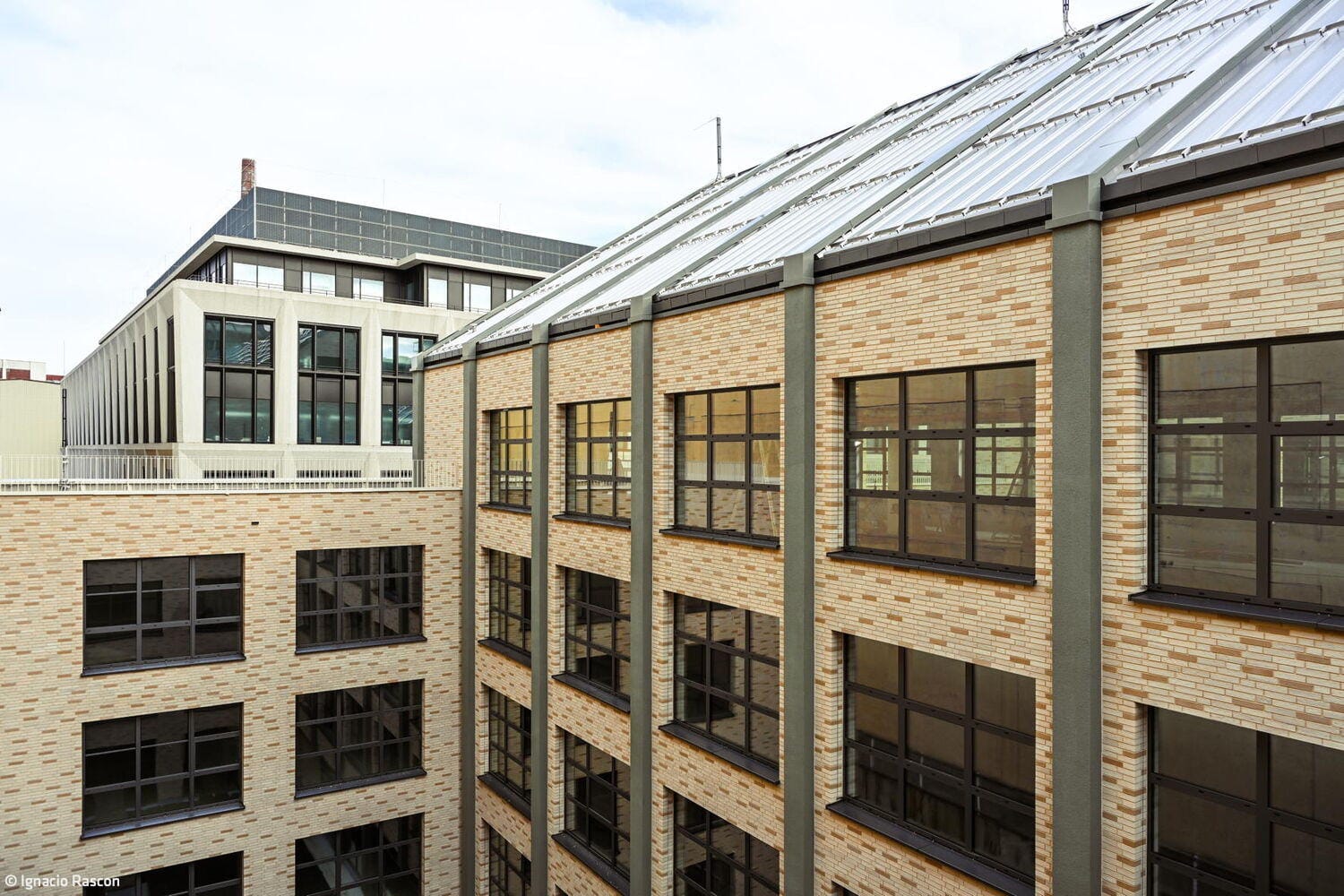
Six floors of bold, future-forward workspace