


Green Axis East to West
Distinctive vitalization through the combination of inner-city spaces
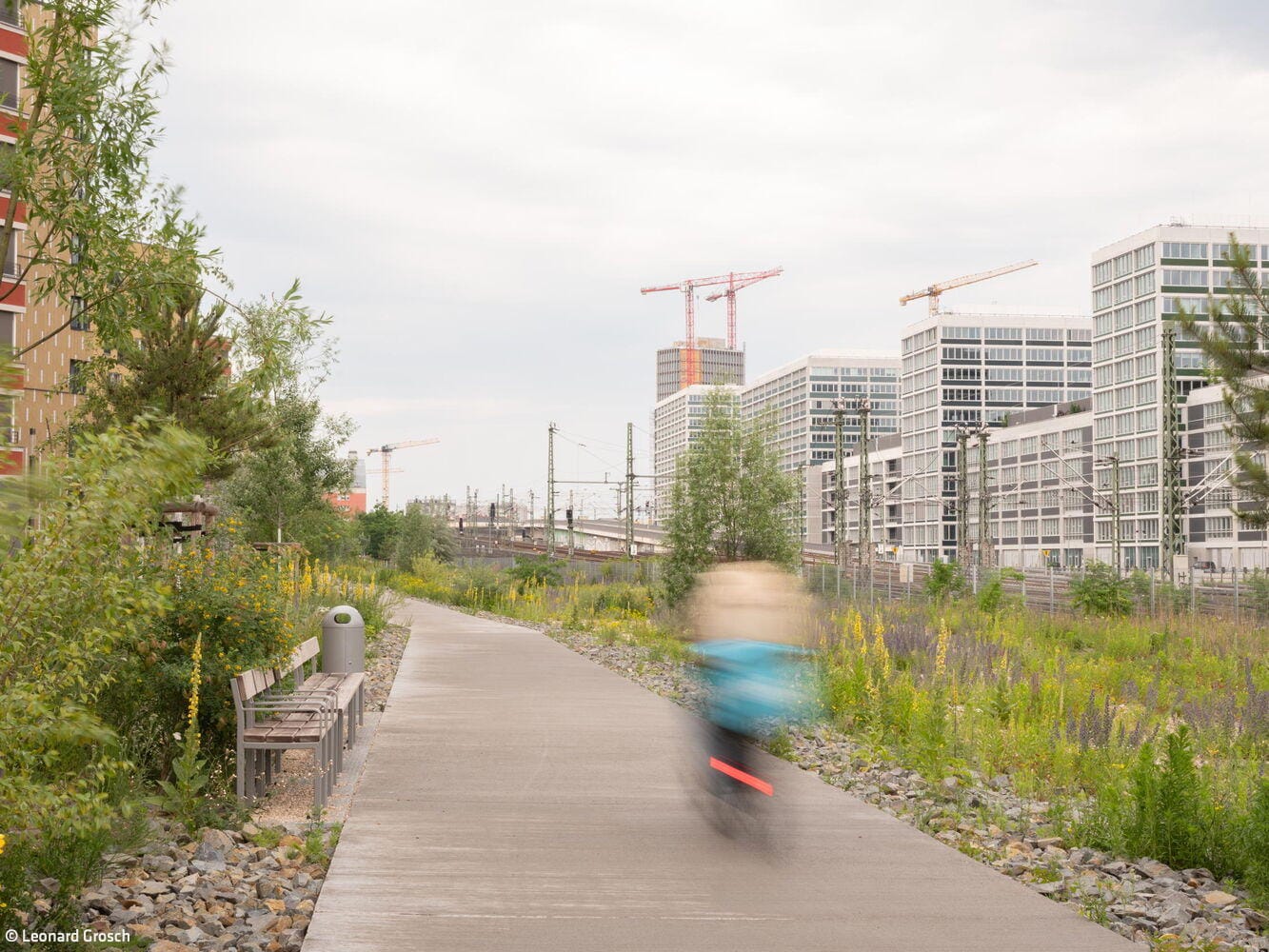
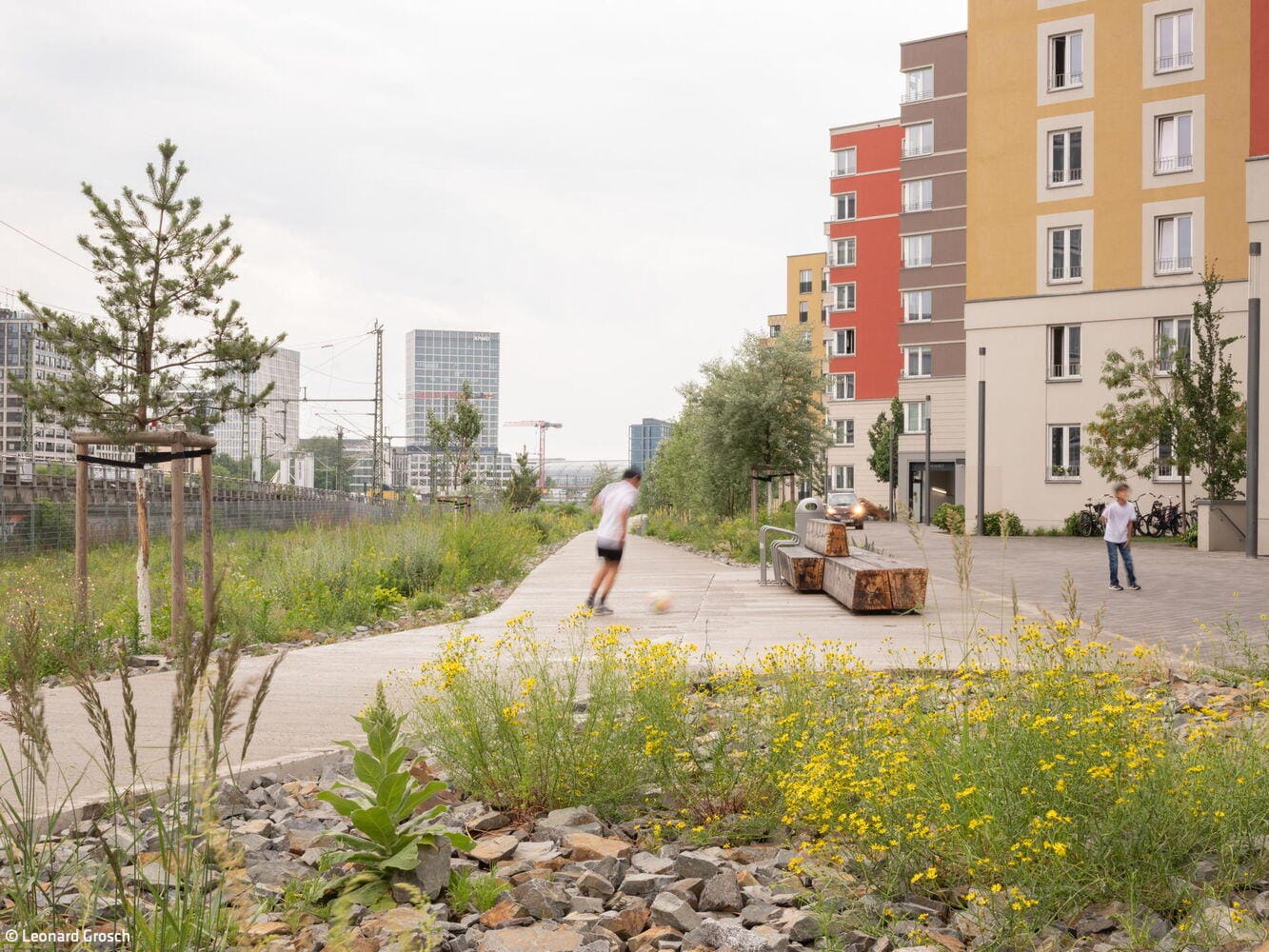
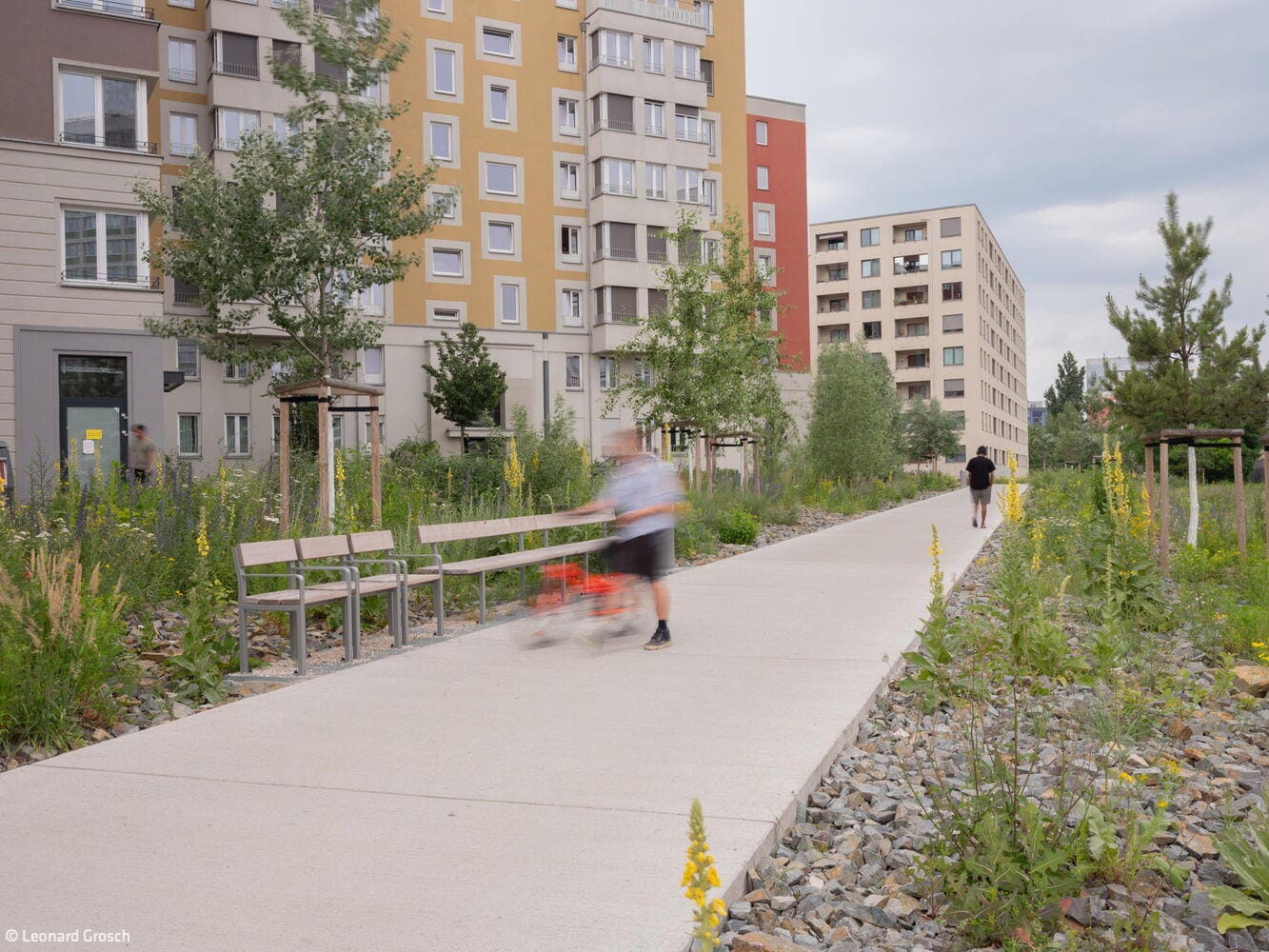
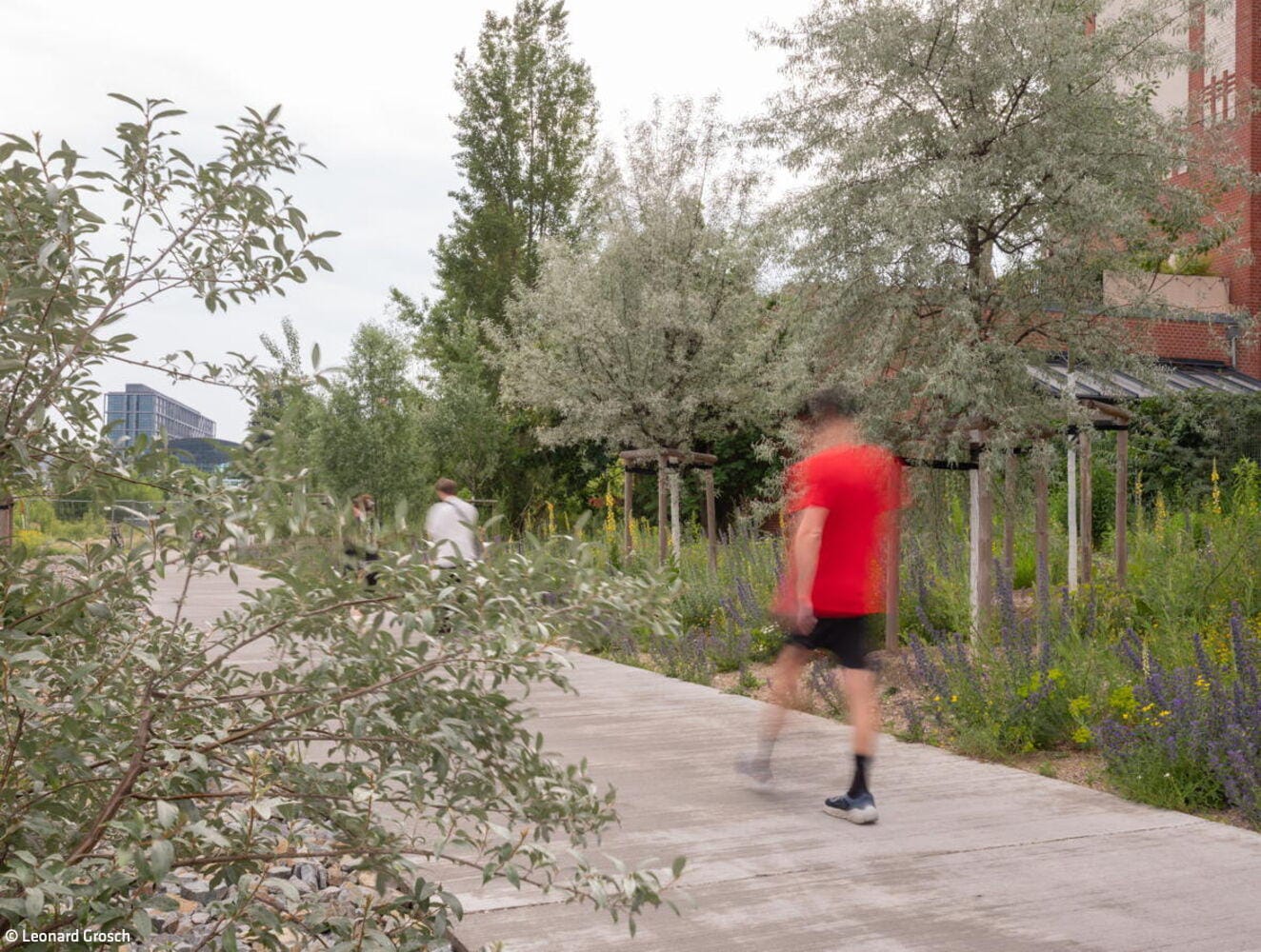
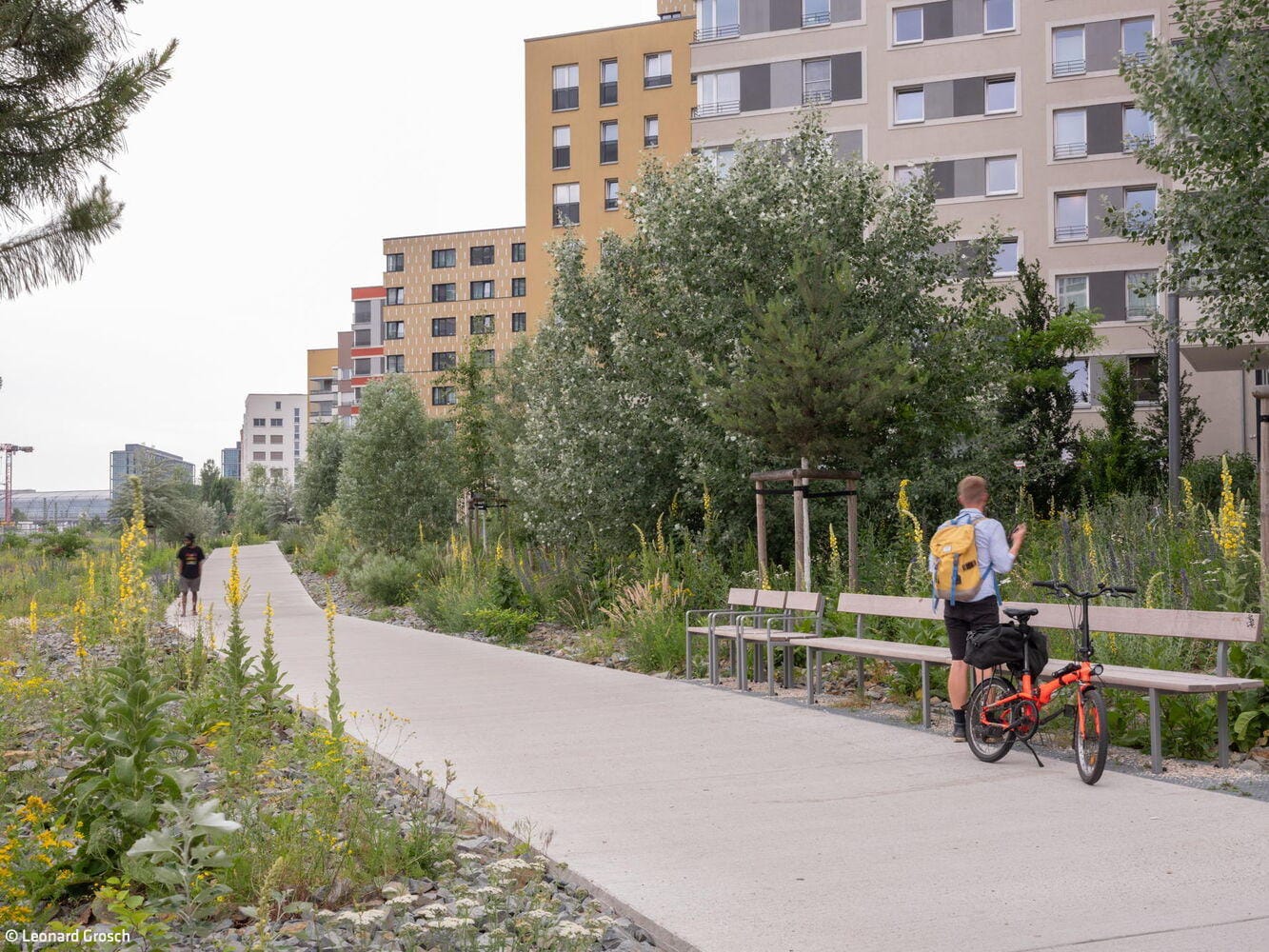
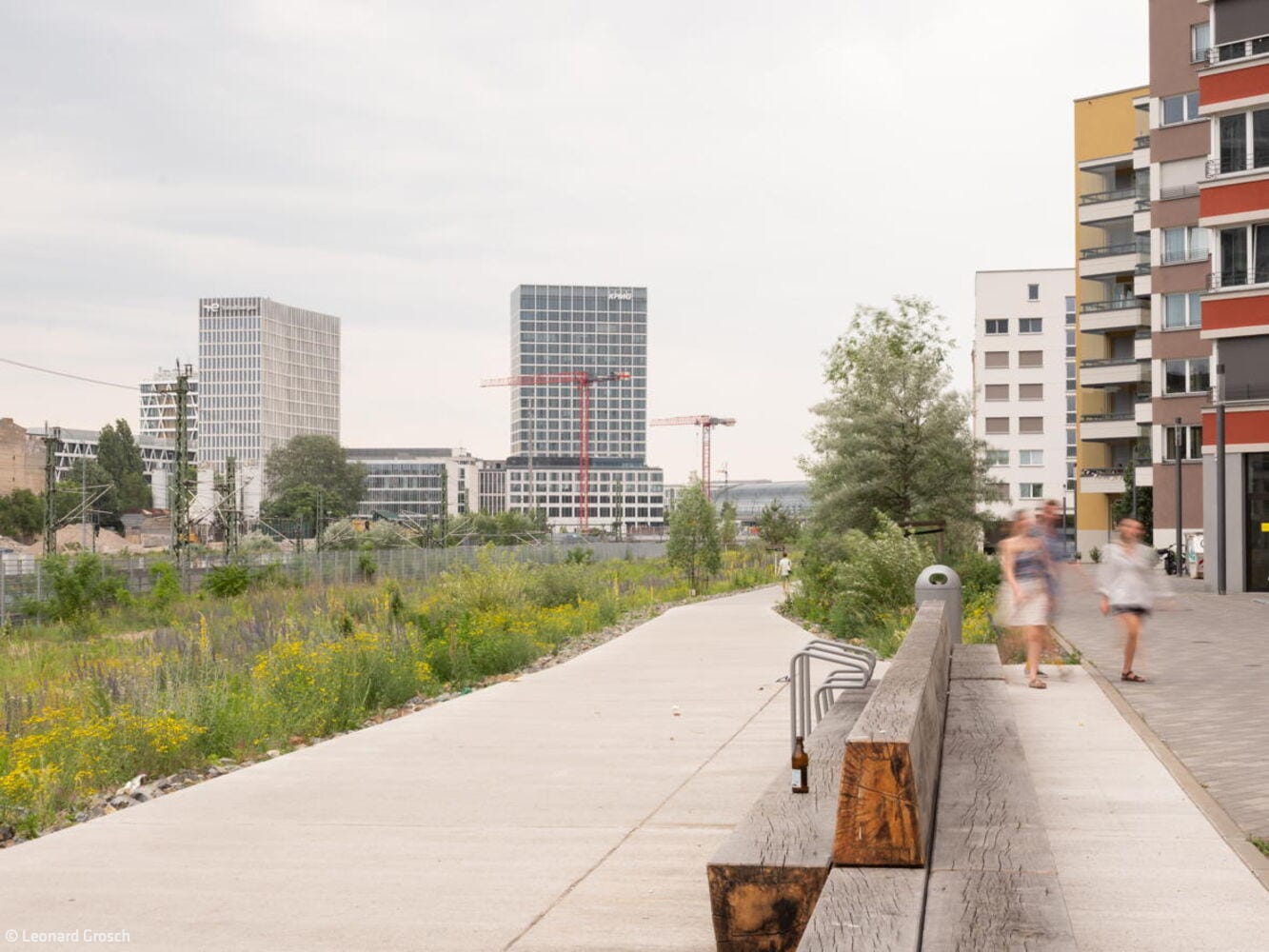
The Döberitzer Green Strip marks the realization of an open-space project that was first conceived for Berlin's inner city nearly three decades earlier. From the outset, the careful development of the site was accompanied by transparent communication and regular engagement with various resident groups. The public open space offers the opportunity to transform a long-dormant and repeatedly altered area into a new transit and recreation destination for commuters and residents alike. Essential new routes for cyclists and pedestrians now connect the previously rail-separated districts between Lehrter Straße and Heidestraße (Europa-City). Within the dense urban fabric, the green strip provides diverse, high-quality gathering spaces and habitats for both people and wildlife. The result is a unique combination of ecologically valuable yet robust landscapes in the urban core, complemented by strategies for long-term maintenance and ongoing development. Both the design and implementation phases were characterized by comprehensive and transparent communication with residents and neighborhood associations. The landscape architects placed particular emphasis on making the ecological focus of the planning clearly understood. Across multiple project phases, on-site walkthroughs were organized where the qualities of the space were transparently discussed together with residents and future users. At the same time, the site's complex history presented considerable challenges. The area had been shaped by industrial use, abandoned railway infrastructure, and major interventions. While the surface initially lay dormant beneath robust ruderal vegetation and dense stands of typical black locusts and sea buckthorn shrubs, extensive debris lay beneath—including entire car wrecks and remnants of buildings and railroad tracks—that required proper removal and disposal.
Today, the Döberitzer Green Strip primarily serves the neighborhood residents, many of whom have advocated for the creation of public open space for decades. Following completion of all construction phases, the site now offers diverse recreational opportunities and gathering spaces—from sports and activity areas to quiet zones for nature observation. Simultaneously, users benefit equally from the new car-free connections running east to west: the green strip creates vital links between neighborhoods on either side of the railway corridor and the major traffic axes north of the main station. Together with the existing community gardens and the contemplative and introverted History Park "Former Prison," this creates an appealing ensemble in which complementary atmospheres can flourish.
Photos:
Leonard Grosch
(Published in CUBE Berlin 02|26)

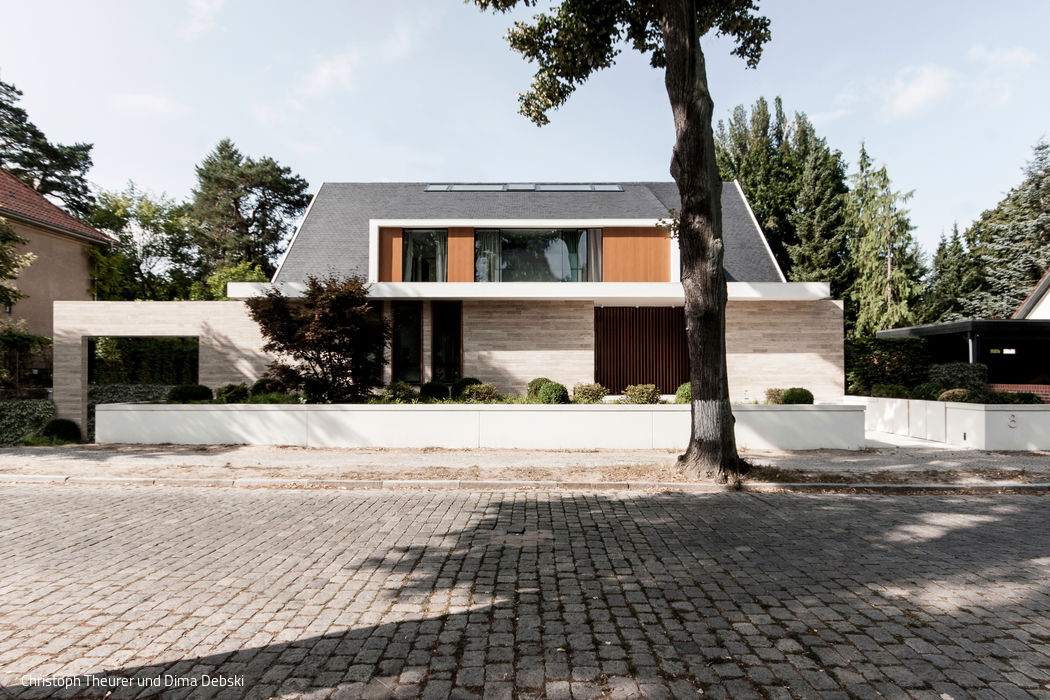
Villa with Grandeur
Exceptional floor plan – exquisite materials – dreamlike setting
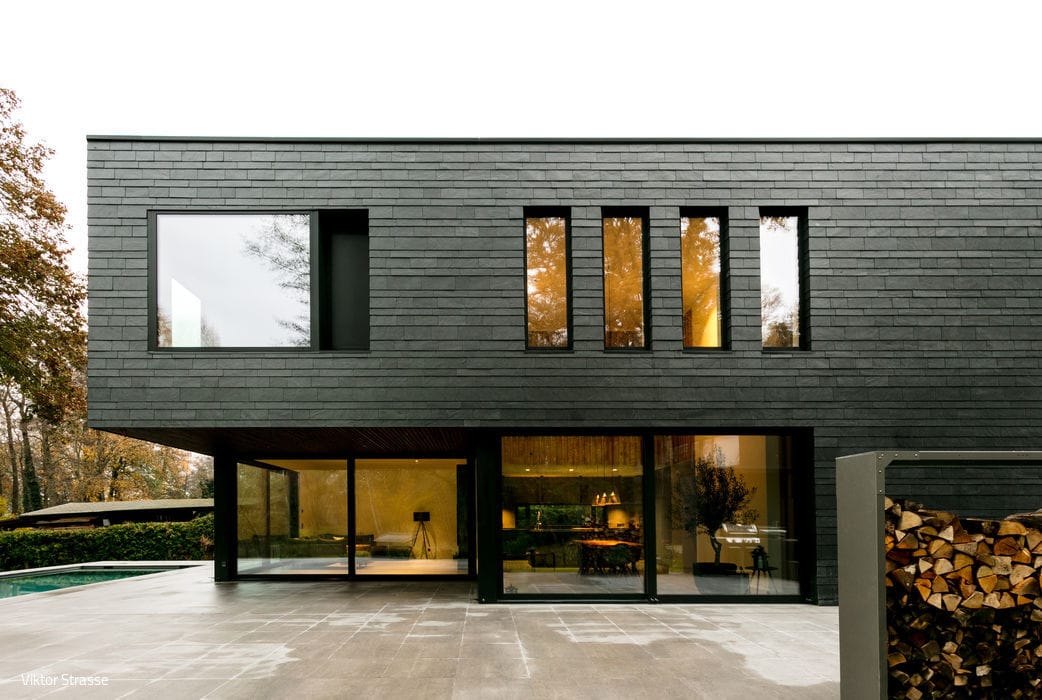
Symphony in Black
A Rarity: Luxury Living in the Capital

Prime Vantage Point Above the City
Bold color and open space: A modern luxury penthouse reimagined in Berlin
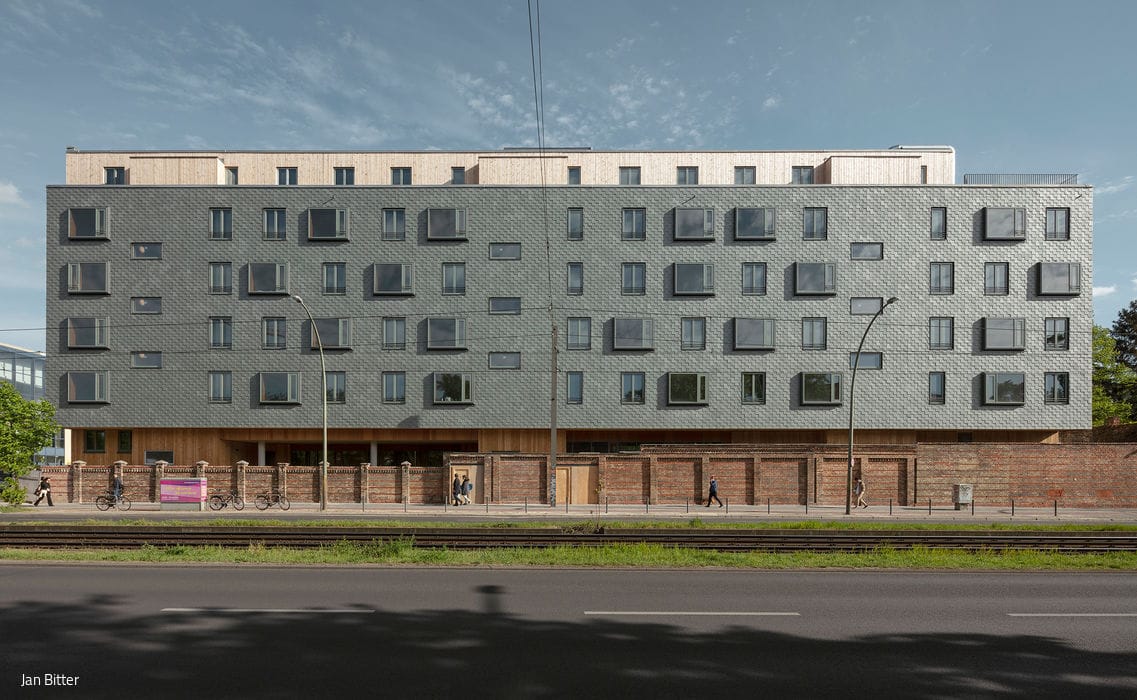
Building with Wood
One of Berlin's largest timber buildings takes shape in Friedrichshain.