


Open-Plan Living
Reinterpreting the Berlin Block through Contemporary Housing Design


A residential ensemble located south of the Spree on Ackerstraße reinterprets the quintessential Berlin block. Comprising a perimeter building along Arcostraße and five individual structures as rear houses with a total of 111 apartments—half of which are subject to rent controls—it integrates small businesses and a daycare center at ground level in the "courtyard."
In contrast to the Berlin buildings from the late 19th century that defined the city's character, the Berlin architecture firm Bruno Fioretti Marquez, whose design prevailed in the competition, replaced the side wings with parallel circulation galleries. These serve as access routes to the apartments, creating a coherent ensemble with a high degree of permeability. Upon realization of the project, the Hamburg-based firm blrm—formerly known as "blauraum"—was commissioned through a competitive bidding process by Gewobag, the municipal housing corporation. The core concept behind this reinterpretation is to break open the rigid, closed form of the traditional Berlin block—a barracks-like perimeter structure. Thus, the street-facing perimeter building takes the form of a sequence of five interconnected individual houses of varying heights, ranging from four to six stories. Behind it—within the interior of the site—five individual houses stand staggered in place of the former side wings. The building on the east side facing Arcostraße shields the five rear structures from street noise. The underlying idea is that the "front houses" appear conventionally accessible via stairs and elevators, yet from the first through fourth upper stories, access galleries lead to apartments in the garden houses. On the remaining open ground area, lawn spaces and a play area were created, featuring a distinctive metal slide descending from the first floor to the sand area. The solution with these access galleries fosters a loose and airy connection between the houses—while also encouraging communication among residents and serving as communal gathering spaces.
Here, an refreshingly unconventional and open-plan approach to urban living was achieved, with opportunities for encounter in the garden or along the terraced walkways.
Photos:
Joshua Delissen
www.joshuadelissen.de
(Published in CUBE Berlin 02|24)


Expertise, Italian Style
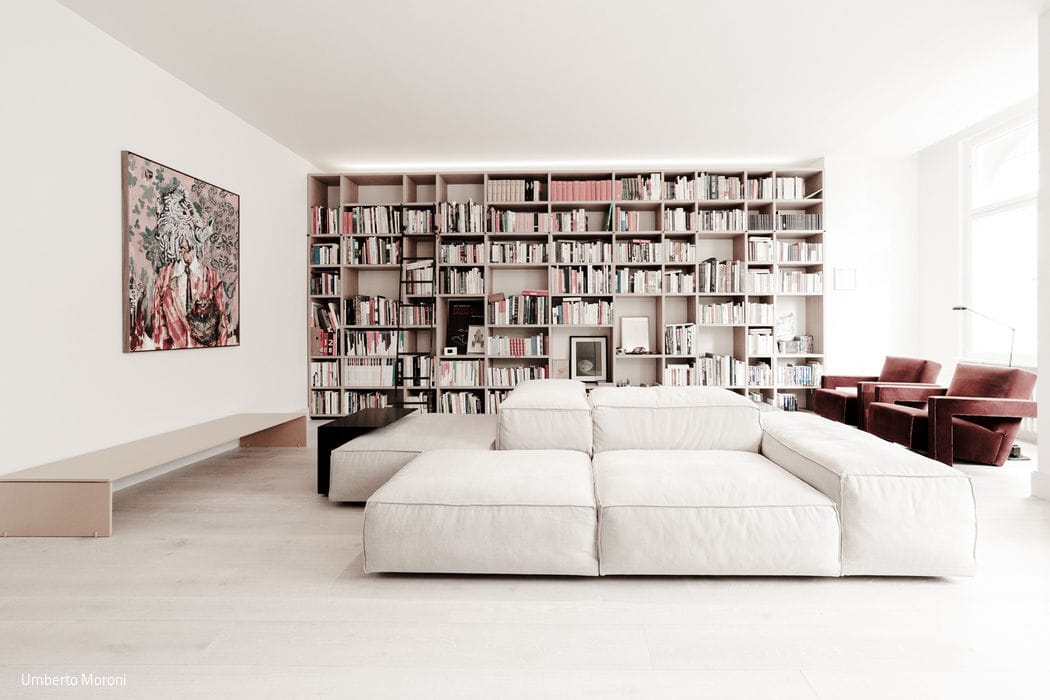
"Made in Italy"—The Mark of Excellence on a Berlin Apartment Renovation
Symphony in Black
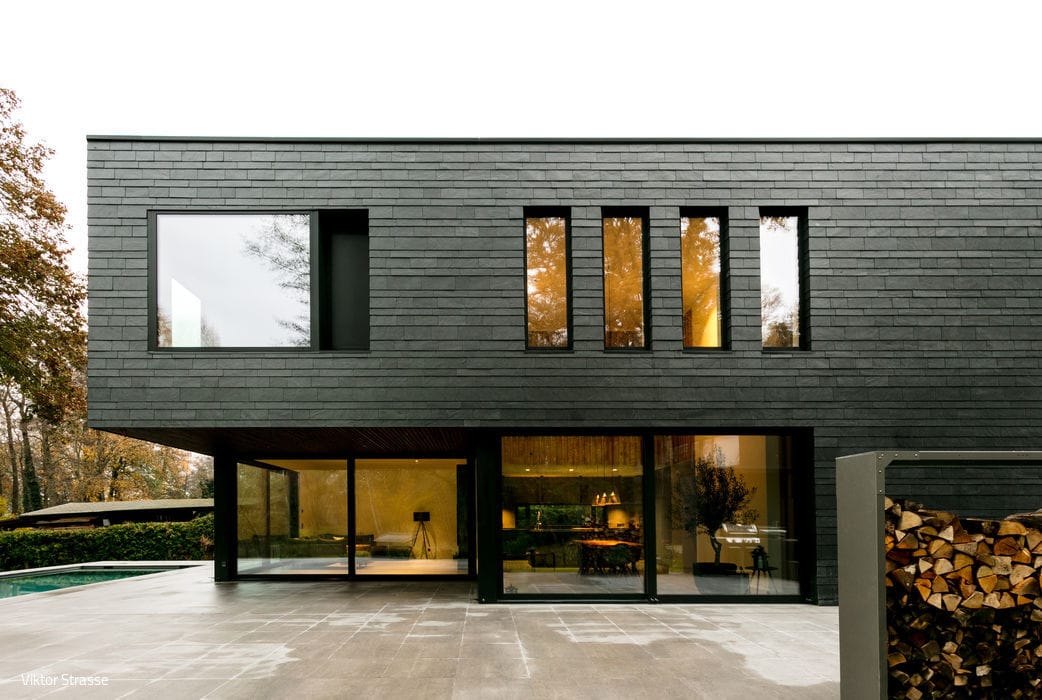
A Rarity: Luxury Living in the Capital
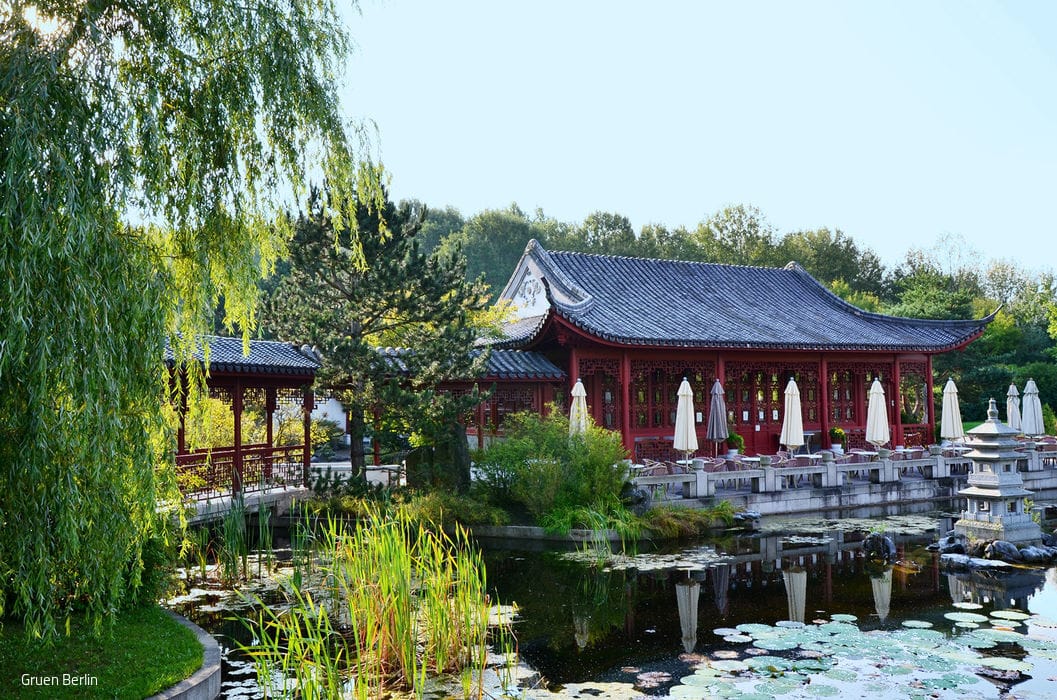
A World Tour in One Day
The "Gardens of the World" Remain an Unforgettable Experience—Six Years After the IGA
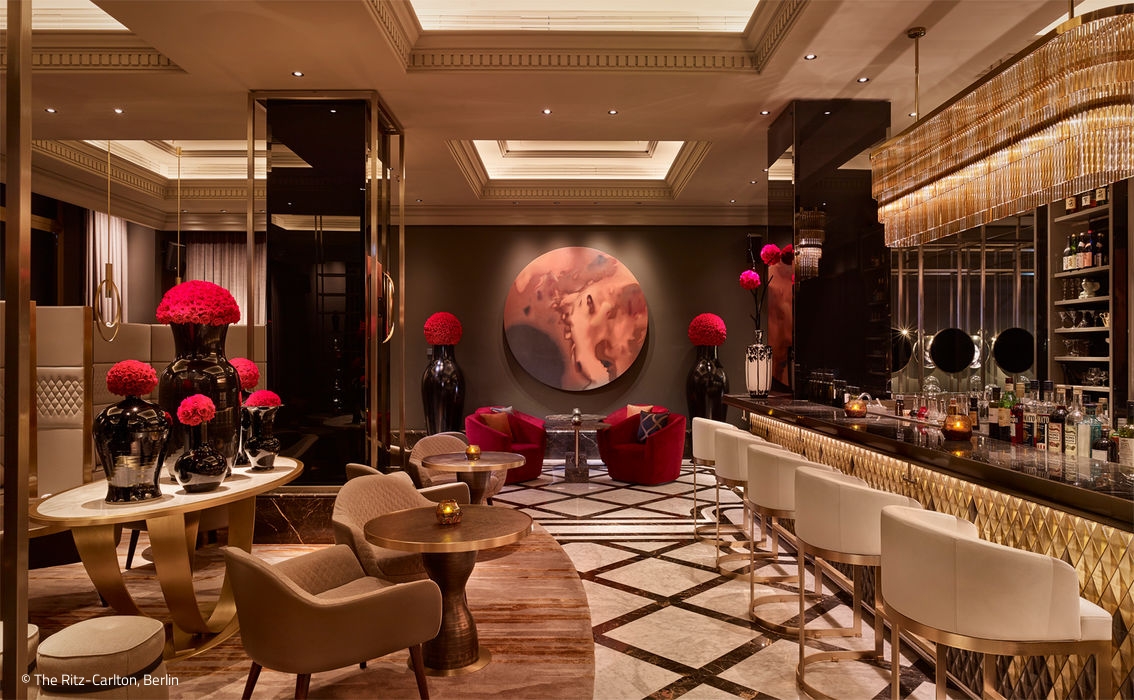
The World of Aromas
Bar Fragrances at the Ritz-Carlton unveils a concept unlike any other in the world.