


Connected by Design
Medical Research Centre I: Fostering Interdisciplinary Collaboration at University Hospital Düsseldorf


The Düsseldorf University Hospital (UKD) campus is largely built-up, with only one significant green space remaining near the Medical, Neurological, and Radiological Clinic. This area is now being developed to accommodate new research facilities. Designed by the Hattingen-based architectural firm BDA RDS Partner, the Interdisciplinary Research Centre for Wet Research marks the first phase of development in the northern section of the site. This new complex brings together 14 clinics and institutes with their laboratory facilities, all subject to strict safety standards under Germany's Genetic Engineering Act.
The building's east-west orientation is served by two pedestrian access routes. The northern axis accommodates all office, seminar, meeting, and break spaces with open access for general foot traffic. Laboratory areas are accessed via the southern route. These two paths converge at three additional structures—arranged in a triadic layout—that house further lab facilities and office workstations. Between them lie two verdant courtyards, providing natural light and ventilation. Utilities and disposal connect to UKD's underground tunnel network for automated goods transport (AWT). Rather than isolating each institute, the floor plan strategically distributes all 14 institutes to foster seamless interdisciplinary exchange. The design also allows flexibility to adapt laboratory uses as research needs evolve. The basement houses "Core Facilities" surrounding the western courtyard—shared laboratory spaces where expensive equipment serves all institutes efficiently. The underlying grid structure unifies the office and laboratory façades: a rear-ventilated skin of white exposed concrete and basalt-grey window frames in mullion-transom construction with seamless structural glazing—aligned with UKD's design guidelines. An external textile screen provides essential solar protection. Fully glazed sections on both north and south façades articulate the building's form, while the entirely transparent main entrance—framed by striking exposed concrete—creates a compelling entry gesture.
Photography:
Architects BDA RDS Partner
(Published in CUBE Düsseldorf 03|24)
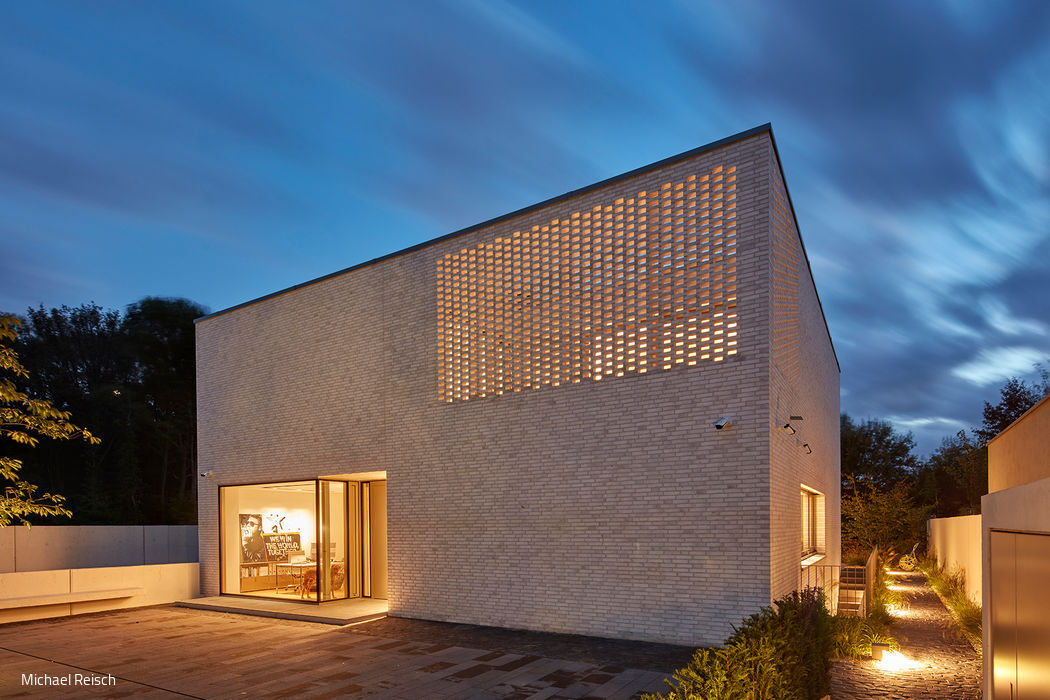
A Cube Full of Surprises
A restrained cubic form that defies its minimalist exterior with a richly layered interior
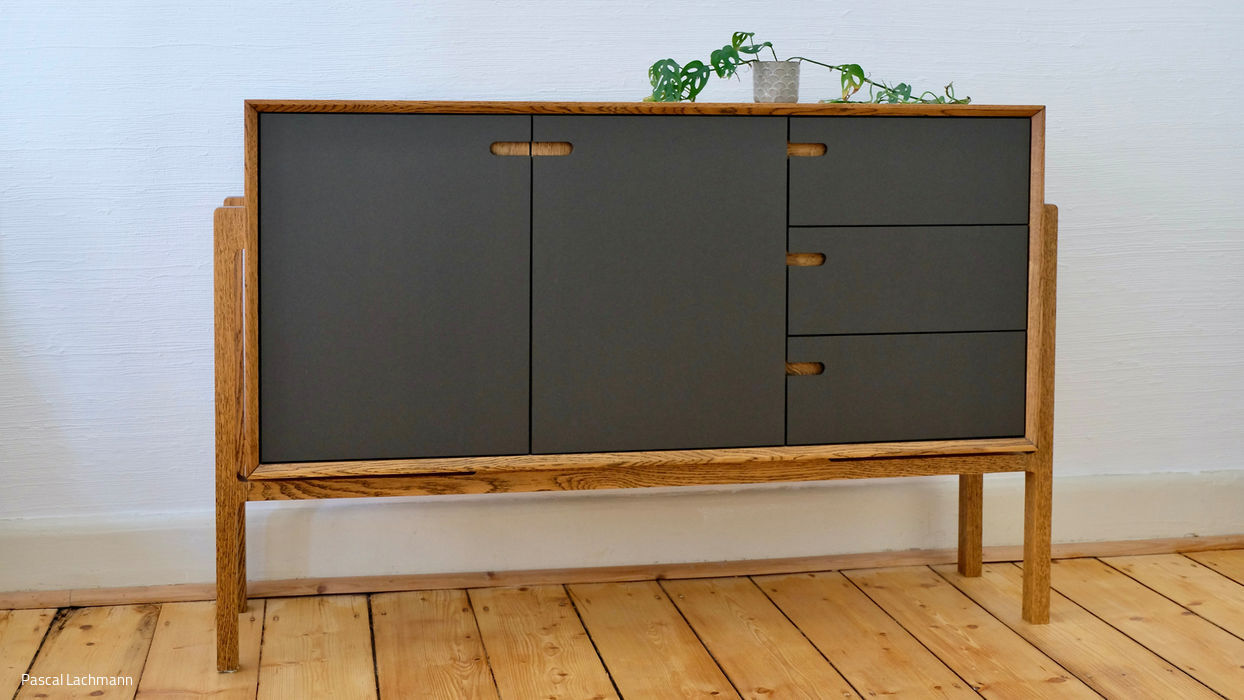
Furniture Built to Last
The productum Furniture Studio: Designing Slow Furniture
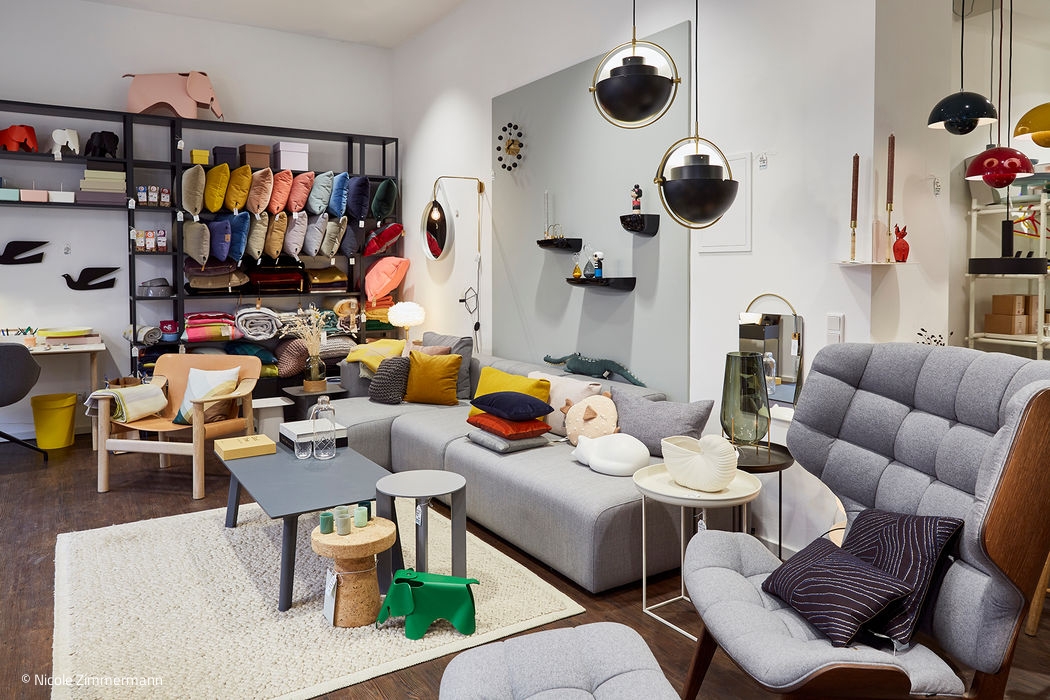
A bespoke furniture shop
thehomestory showcases curated home and interior design trends in Flingern
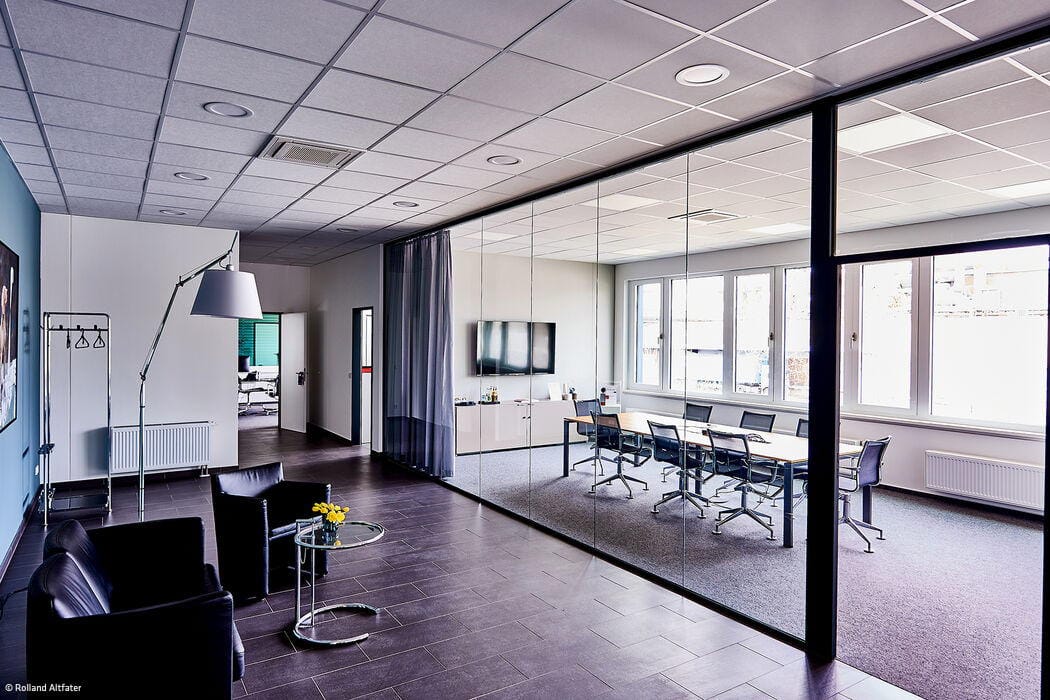
Reduce, reuse, recycle
How one Benrath paper manufacturer champions sustainable reuse in office design