


A labour of love
How a 1746 Frisian farmstead unites history and contemporary design


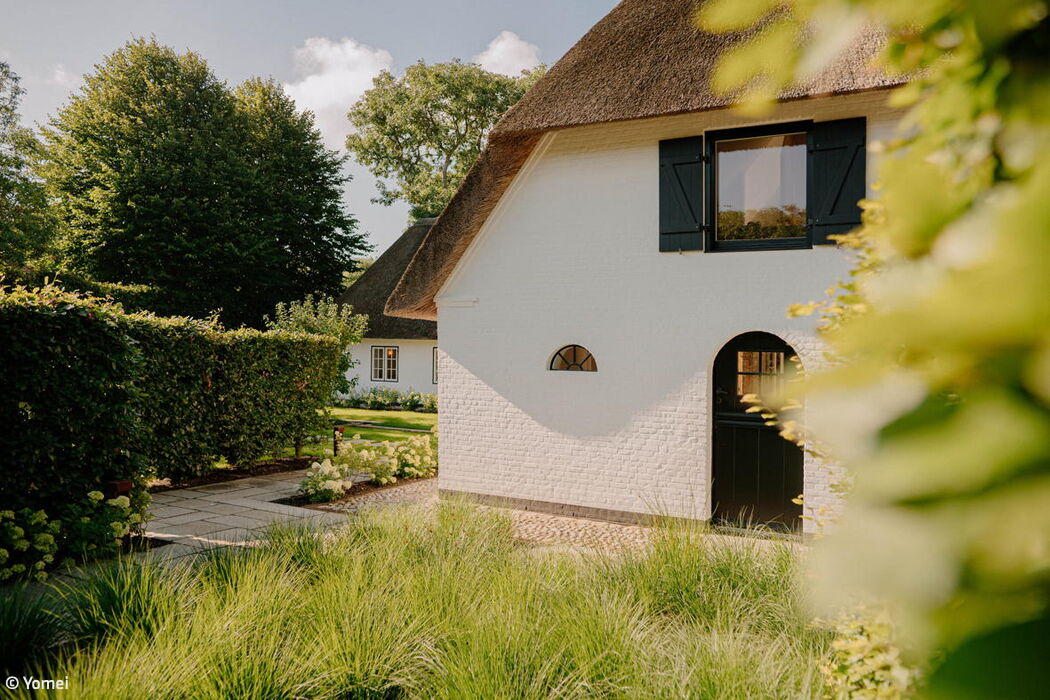



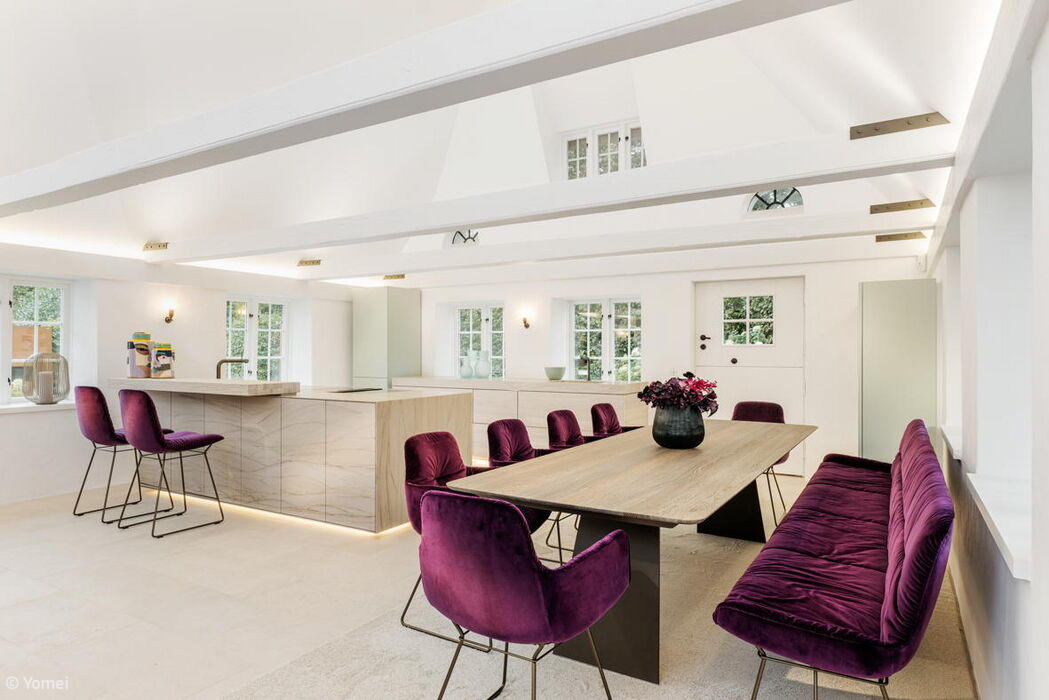


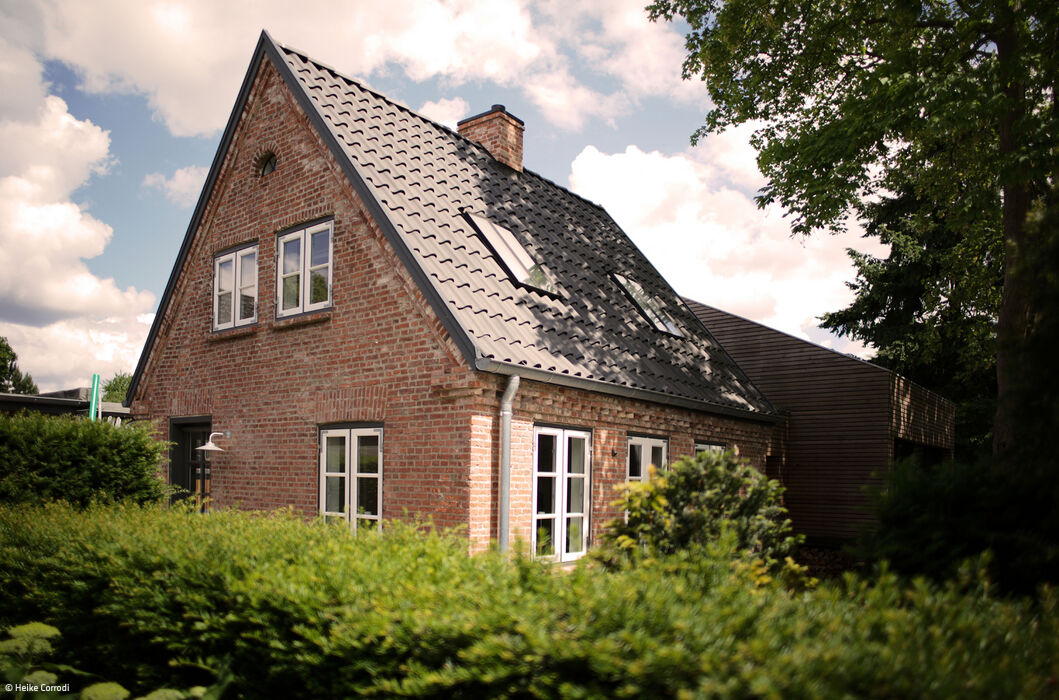
The villages dotting the landscape, with their characteristic thatched Uthland Frisian houses and distinctive gables lining narrow lanes, offer a vivid window into Sylt's bygone era. A couple from North Rhine-Westphalia developed a deep passion for these historic Frisian dwellings, meticulously restoring numerous listed properties on the island using period-authentic materials and original construction methods. Now they've transformed a 1746 farmstead in Keitum into their own personal sanctuary, lovingly renovating it with the same care and attention to detail. The property comprises a protected main house and an adjoining secondary building set at right angles—formerly a barn. Without listed status, the secondary structure had undergone multiple alterations and required complete reconstruction. The owners' vision was clear: revive the farmstead's original spirit while seamlessly bridging old and new. They partnered with local craftsmen steeped in traditional materials and time-honoured techniques, while Yomei from Detmold managed all interior design, construction, and finishing details.
The municipality's strict local design regulations presented a challenge for all involved—four building permits were ultimately required. Construction itself brought its own surprises, including the need to install steel supports in the existing roof for structural integrity. Every original wooden beam and brick was preserved and carefully restored. The walls retain their original slopes, honouring the home's historical character; the existing structure is rendered, while the new section deliberately showcases salvaged stone with only a limewash finish. The interior approach is equally deliberate: the original building uses exclusively period-appropriate materials, while the new wing embraces modern materials and contemporary design language. This contrast remains visually distinct throughout. From the outside, the ensemble speaks unmistakably of 1746—an effect reinforced by the landscape design. Two centuries-old ash trees anchor the garden, complemented by a traditional Sylt farmstead orchard.
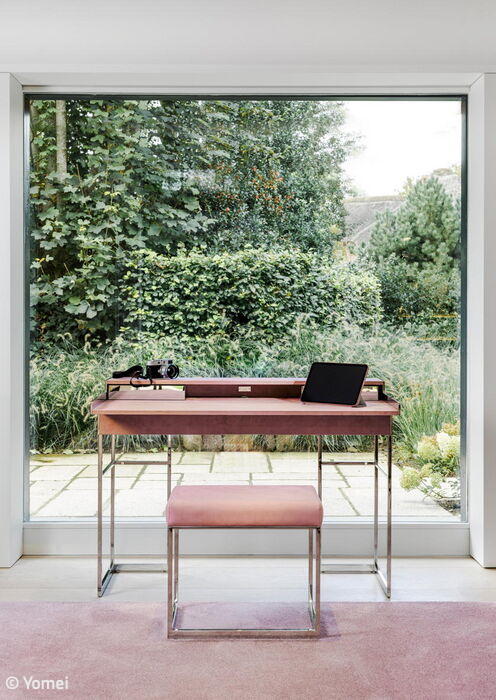
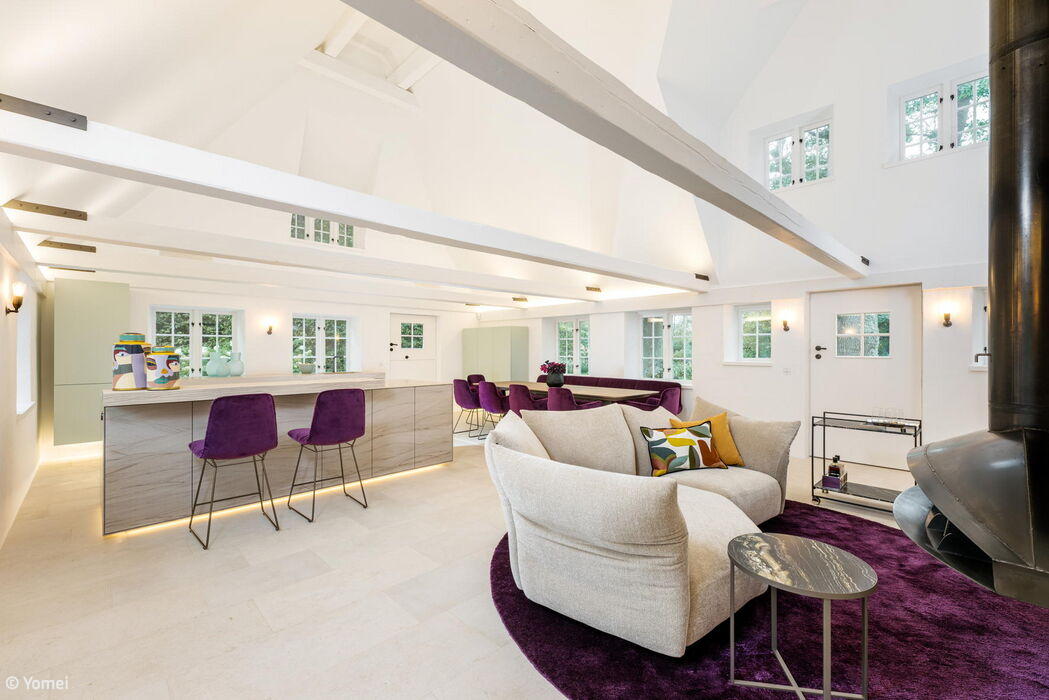
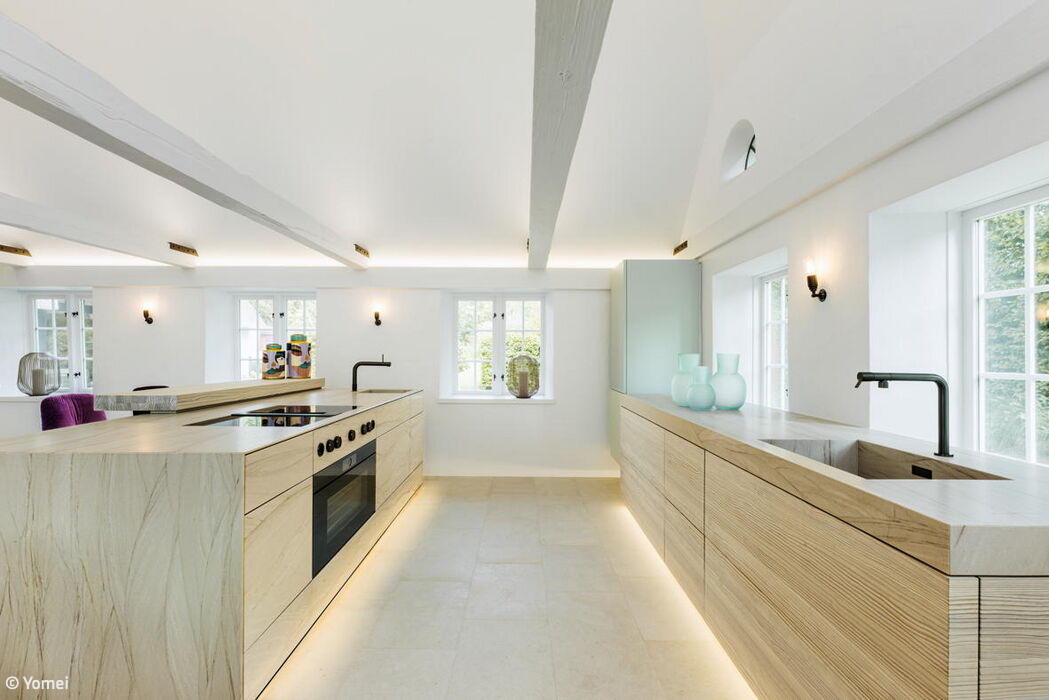
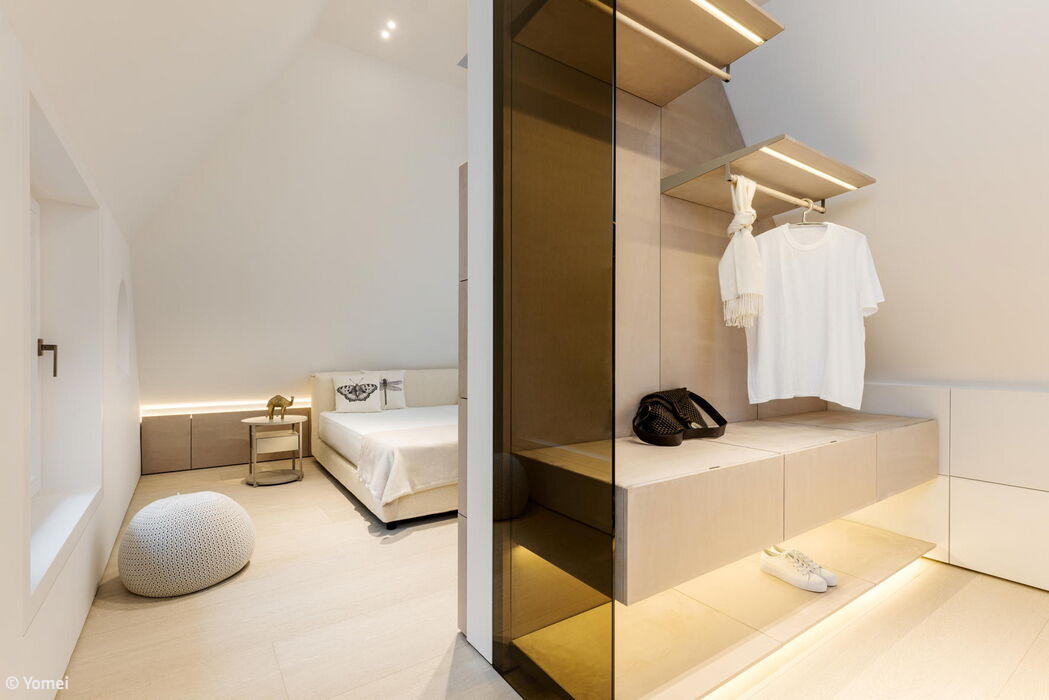
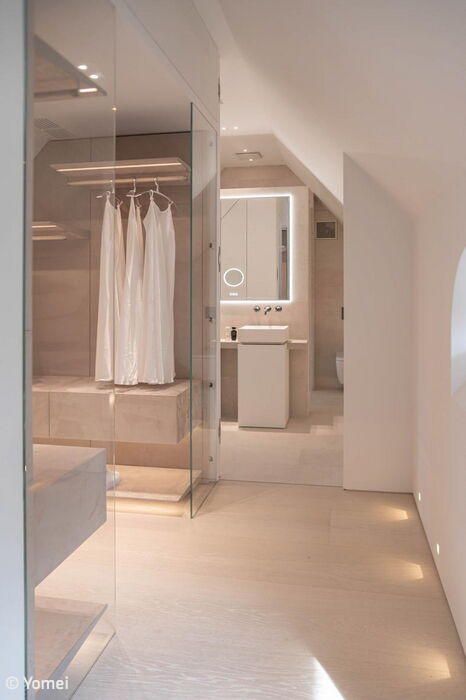
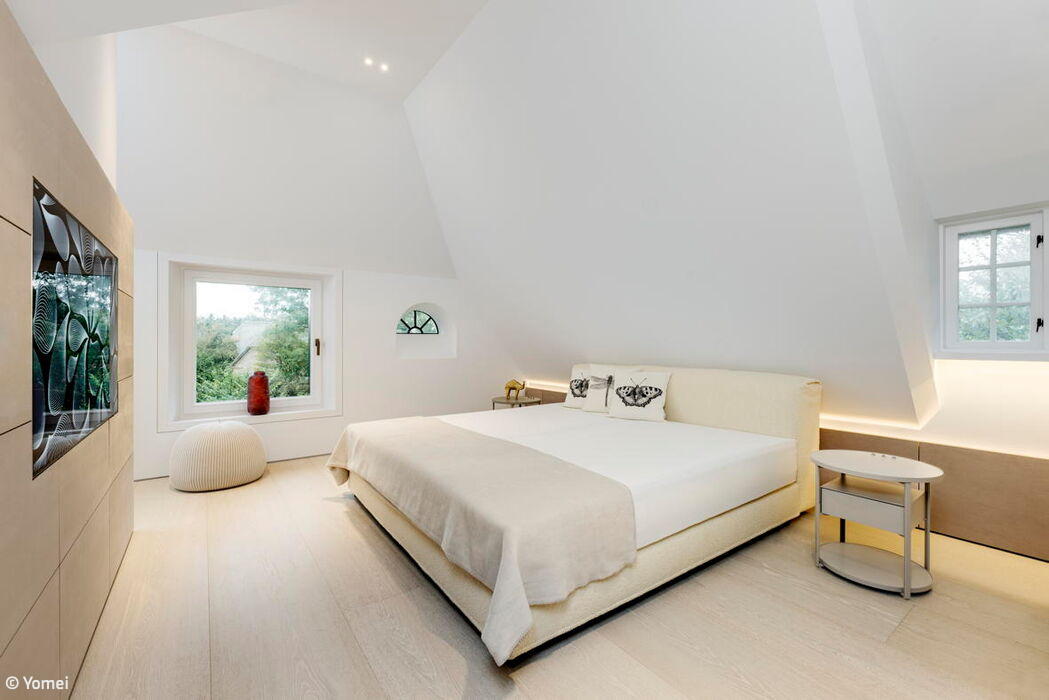
The entrance occupies the threshold between the two structures. The original building showcases a generous 70 m² kitchen and dining space appointed with premium appliances and thoughtfully curated details. Flexible seating arrangements accommodate both intimate gatherings and larger entertaining. A cosy sofa nook anchored by a suspended fireplace adds a singular charm. The space opens fully to the rafters, where original beams and sloping walls define the character. Double-hung lattice windows flood the space with light and frame views into the garden's verdant landscape. The new wing's 60 m² living area is defined by two opposing floor-to-ceiling windows—a quiet reference to the structure's former barn doors—that open seamlessly without visible frames. Unlike the original Frisian farmstead, the new building includes a basement, housing a wellness suite with indoor pool. The upper floor contains the private quarters: bedrooms, dressing rooms, and bathrooms, all custom-designed to suit individual needs.
Yomei's bespoke built-in solutions form the beating heart of the interior design. Every element has been precisely calibrated to its surroundings, with functional details seamlessly integrated throughout. The design language speaks through clean lines, floor-to-ceiling frameless doors, the deliberate absence of skirting boards, and seamless surface continuity, all woven together with a restrained colour palette. From this marriage of function and form emerges an elegance that transcends time.
Photography:
Yomei
(Published in CUBE Hamburg 03|24)
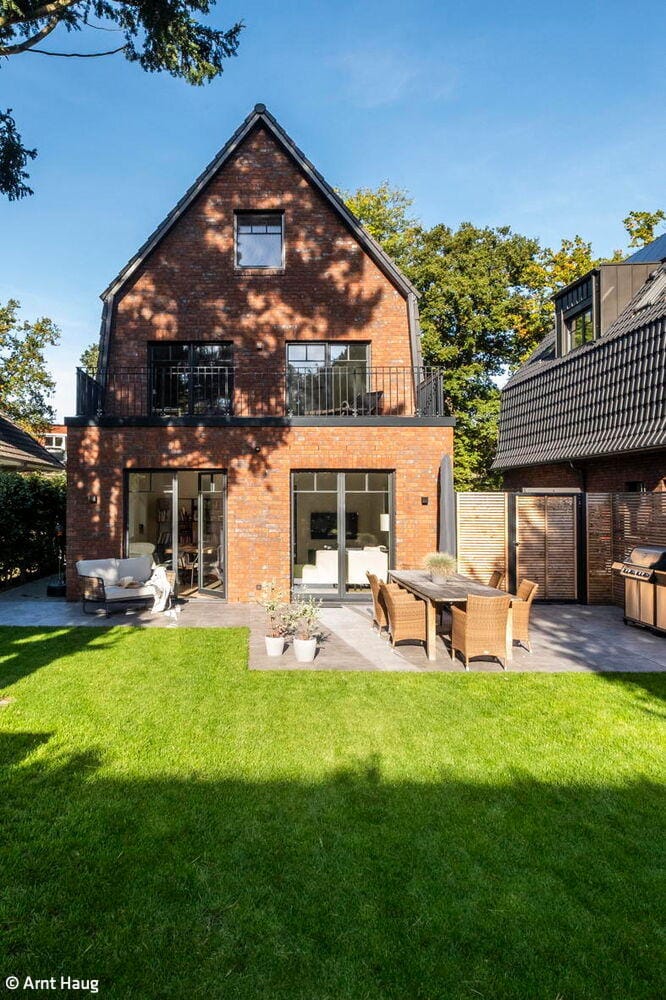
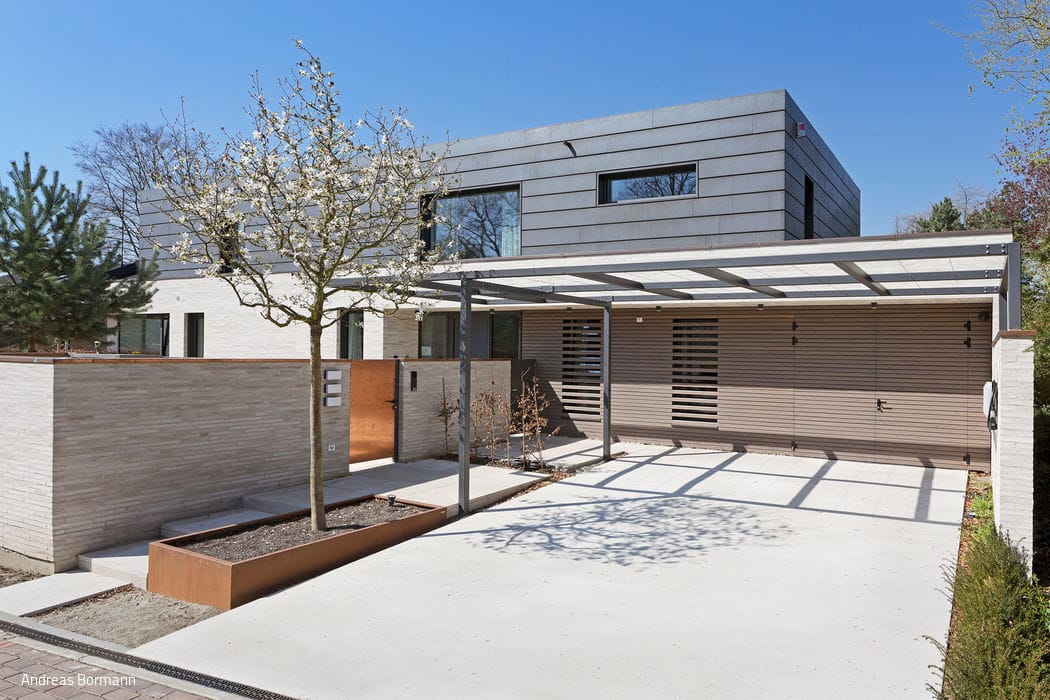
A Northern German Farmhouse
A modern reinterpretation achieving maximum privacy, inside and out
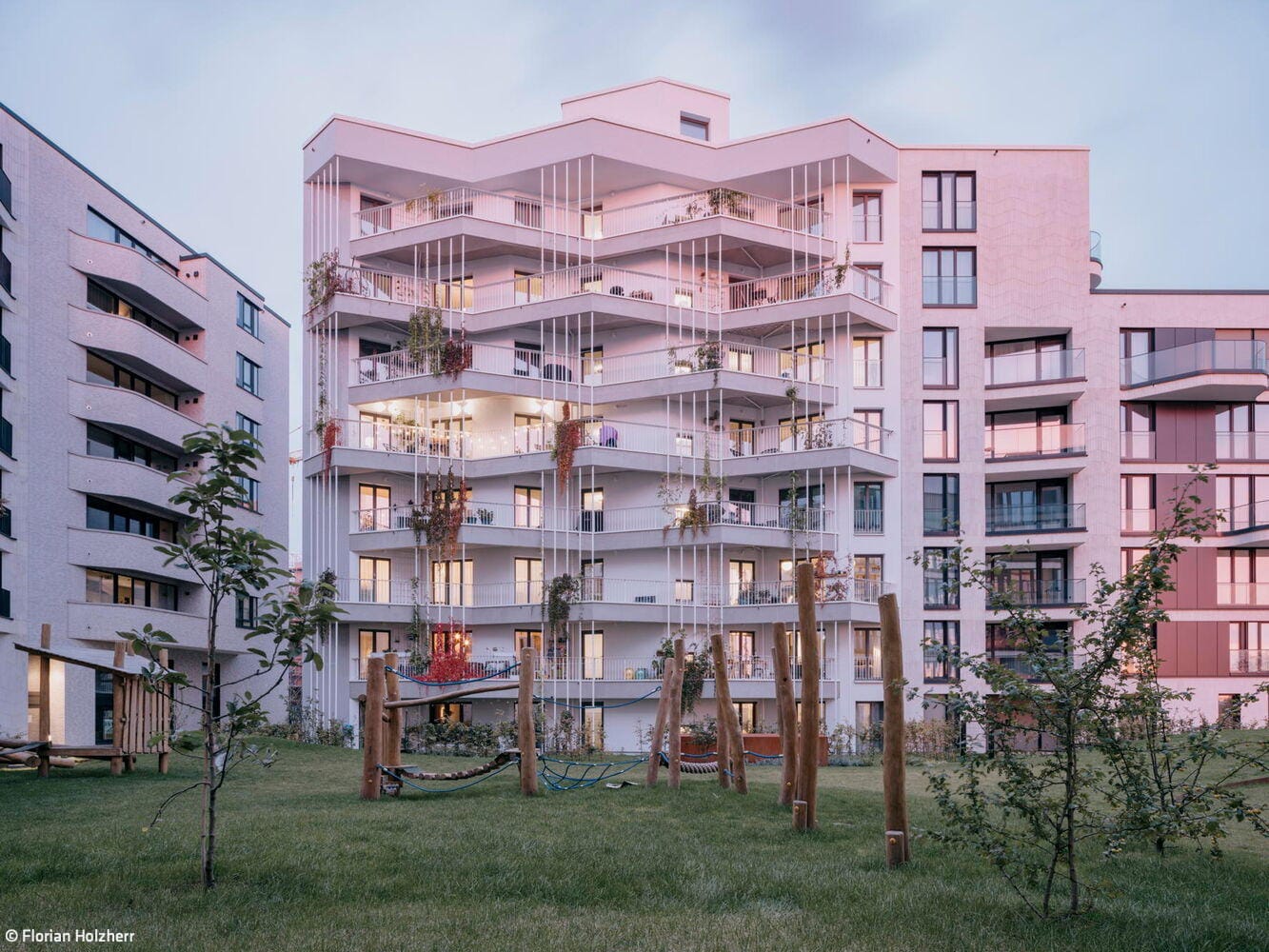
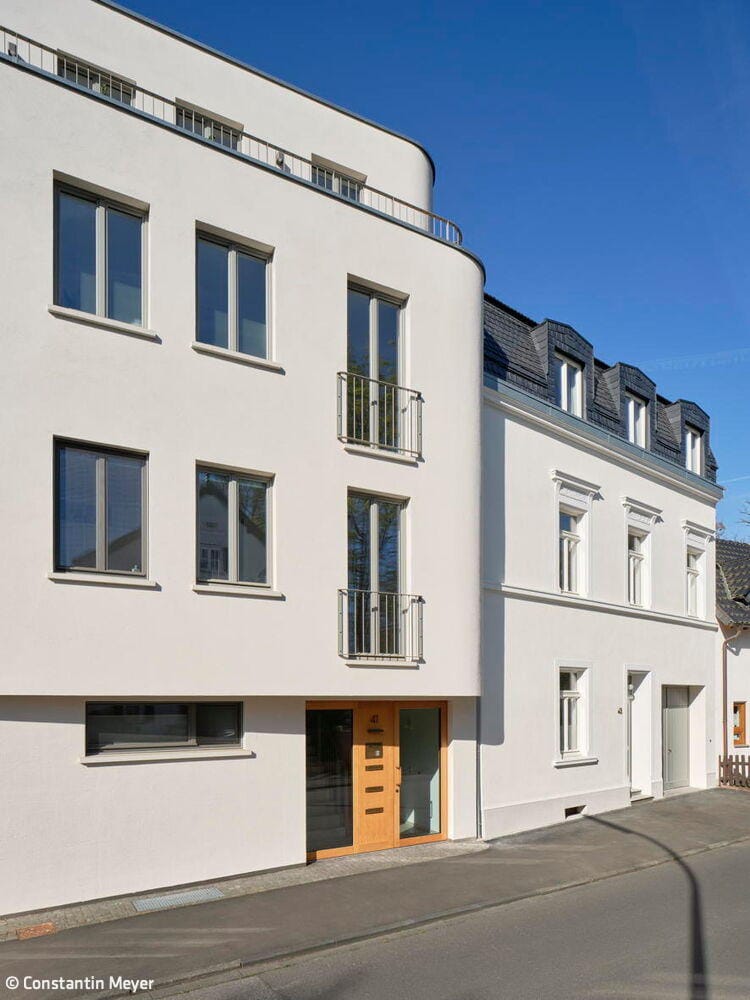
Urban Living Reimagined
How the "Heimatmole" Architecture Fosters Community Connection
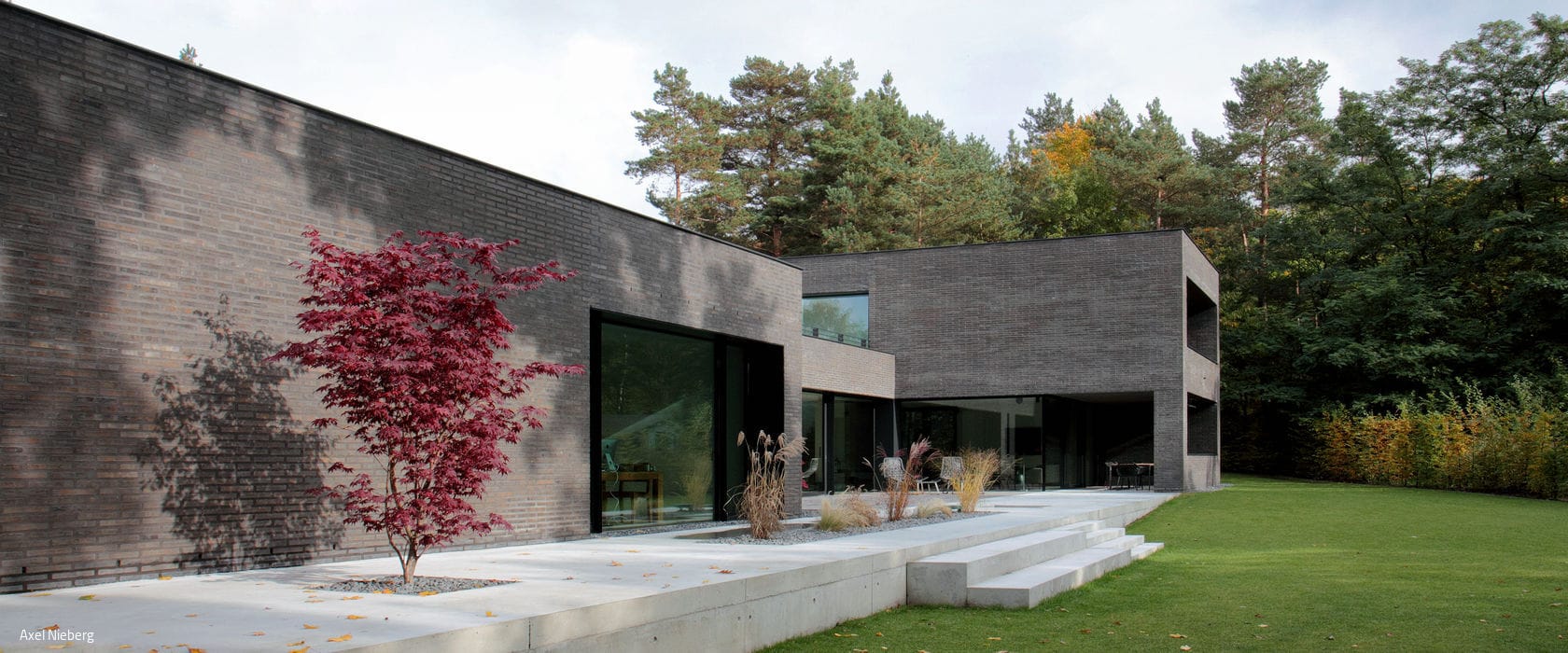
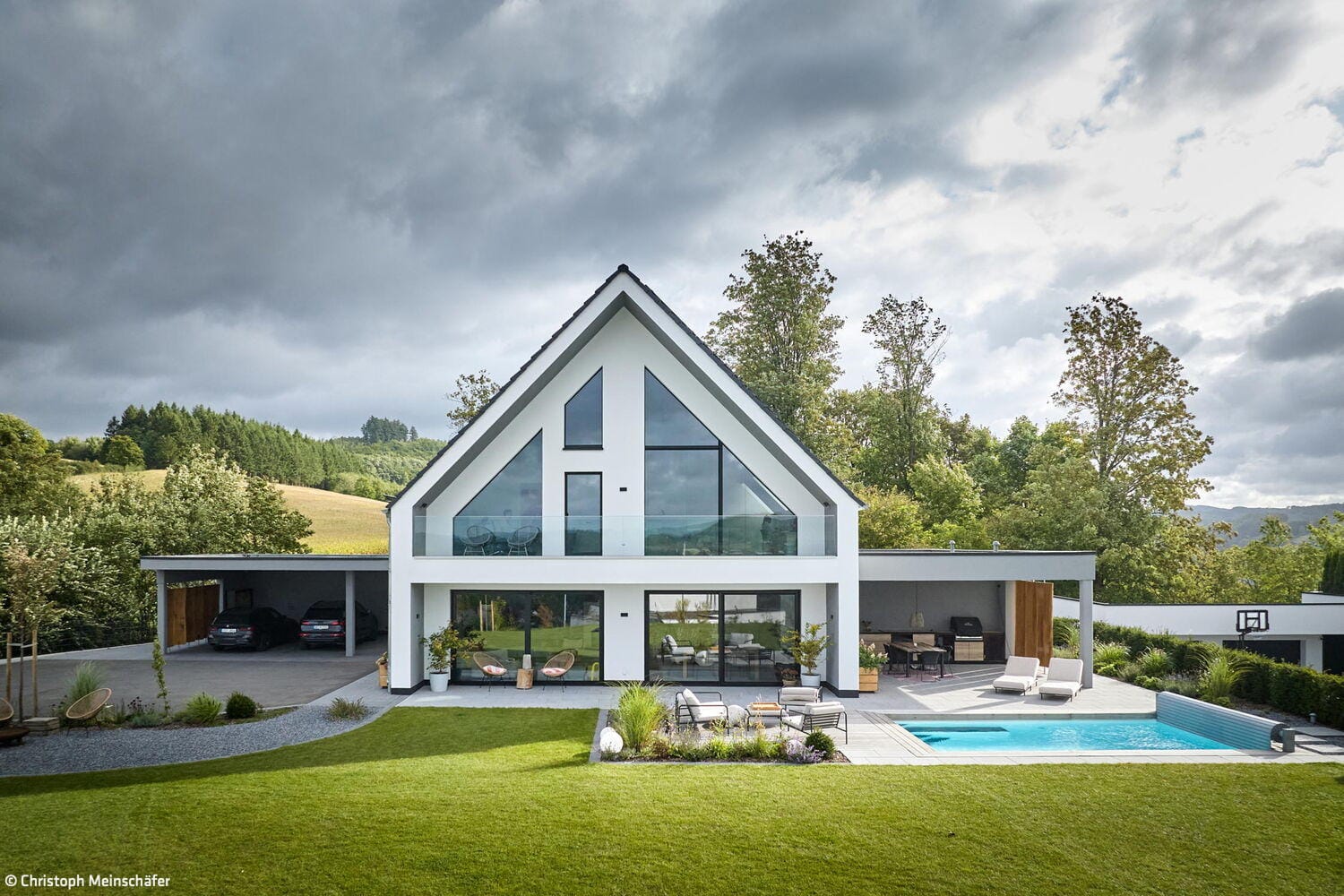
Form and Light in Harmony
Minimalism and Connection to Landscape Define This Villa
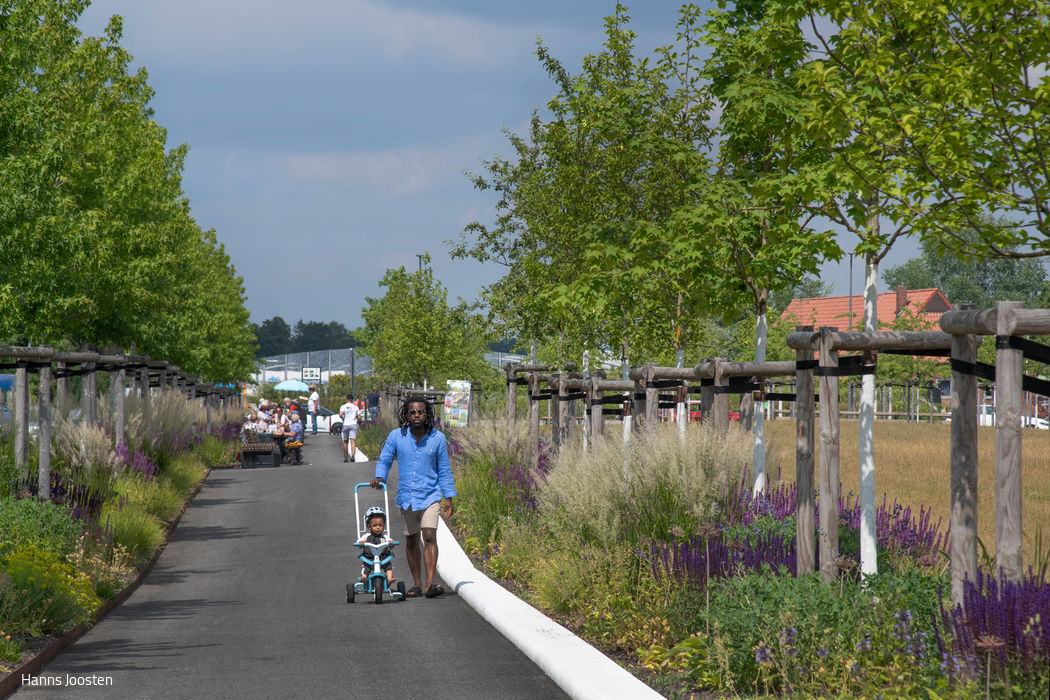
The Green Heart Connects
From roaring traffic to thriving green space – the remarkable reinvention of a fractured city