


A North German Courtyard House
Modern design creates maximum privacy within and beyond
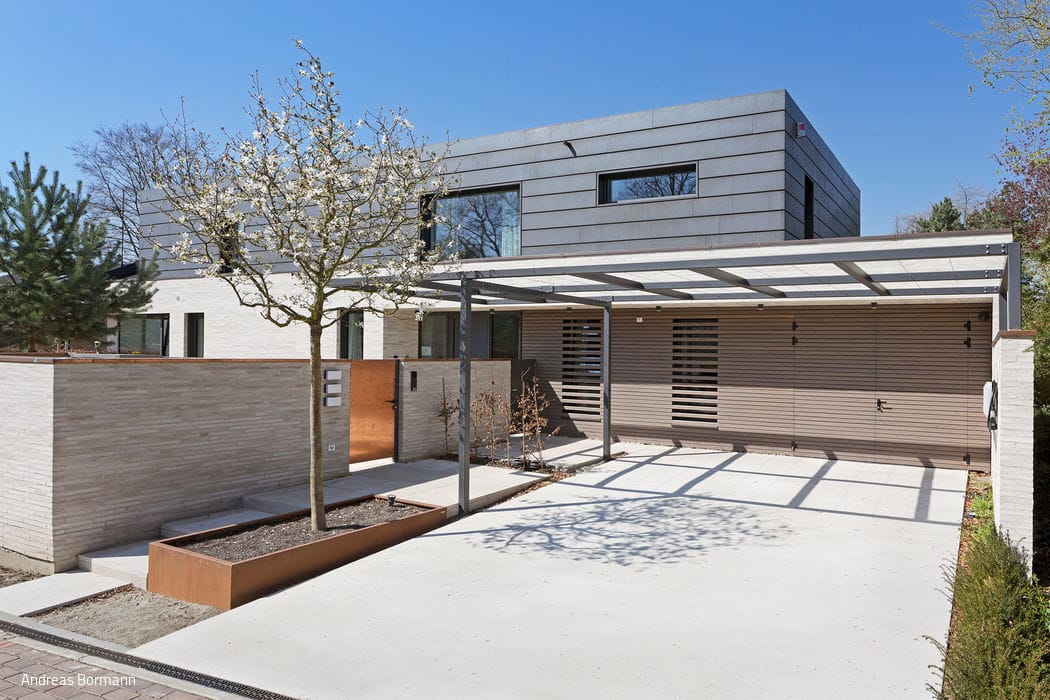
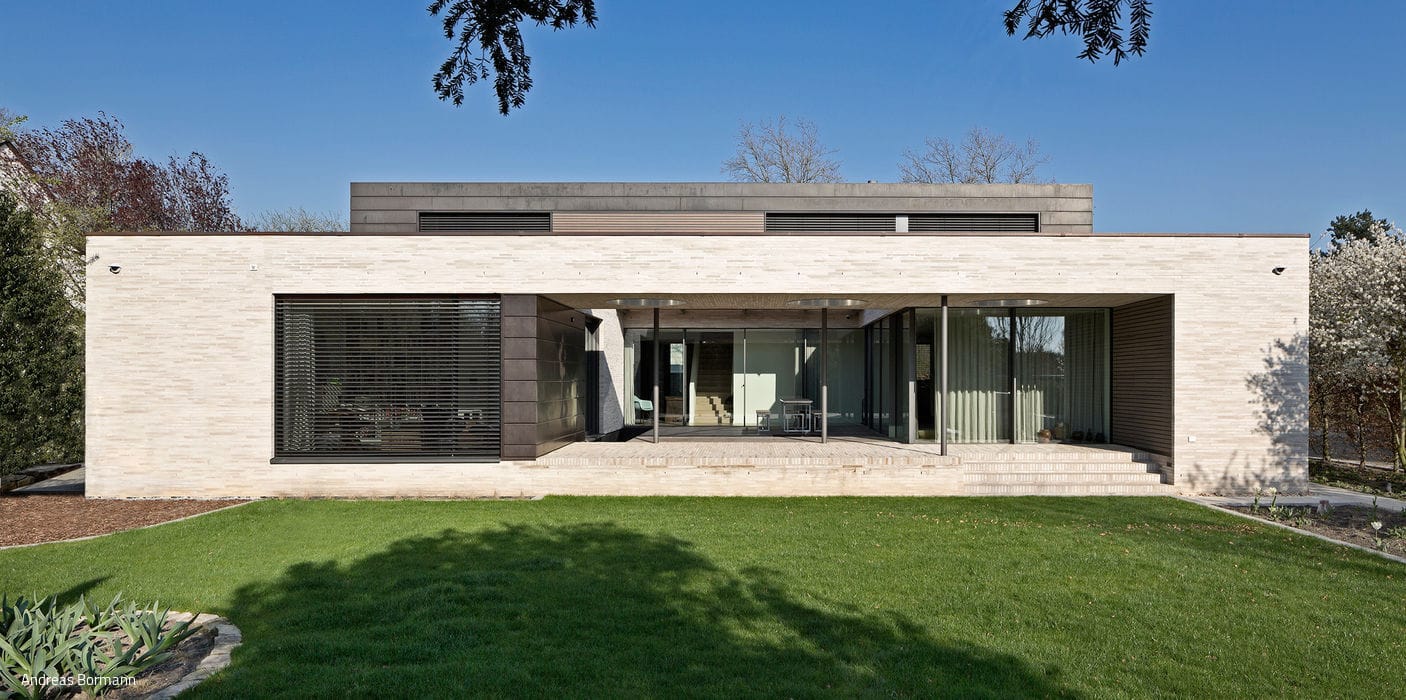
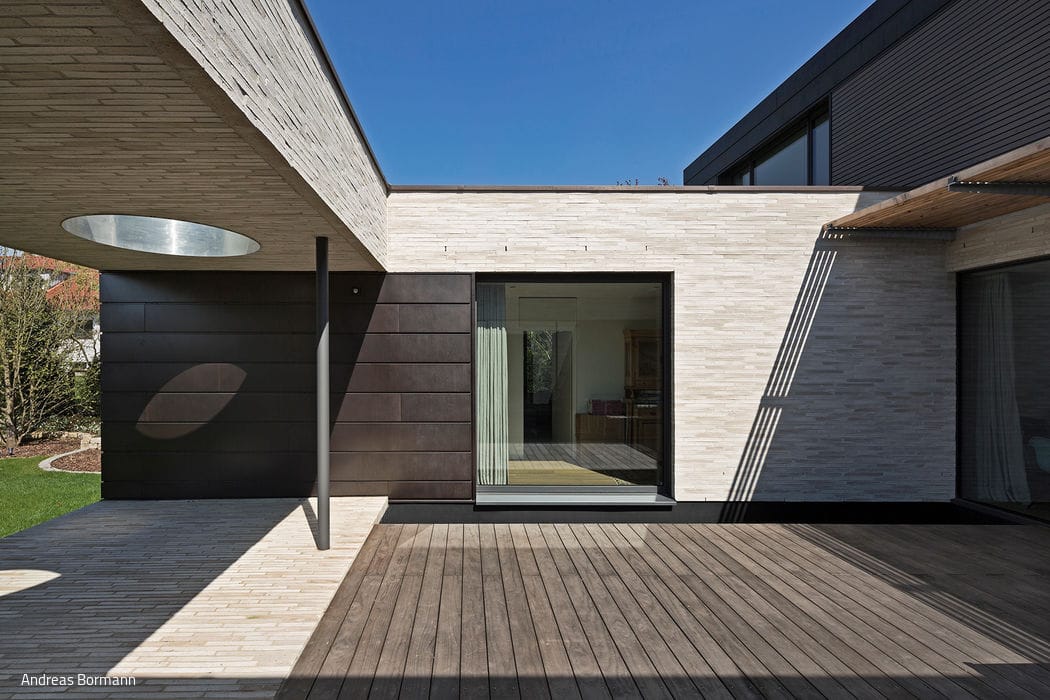
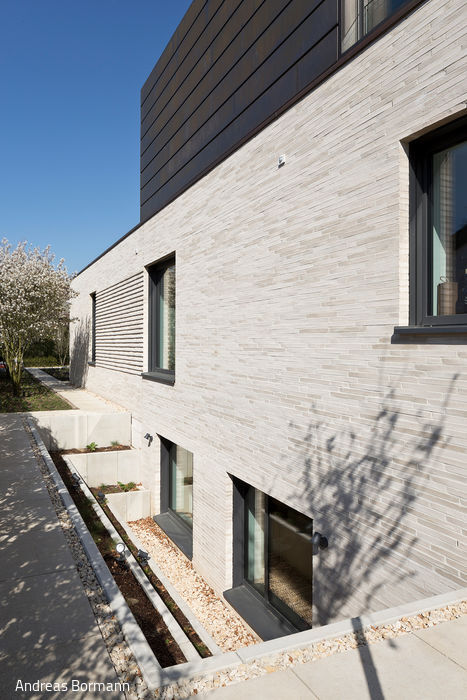
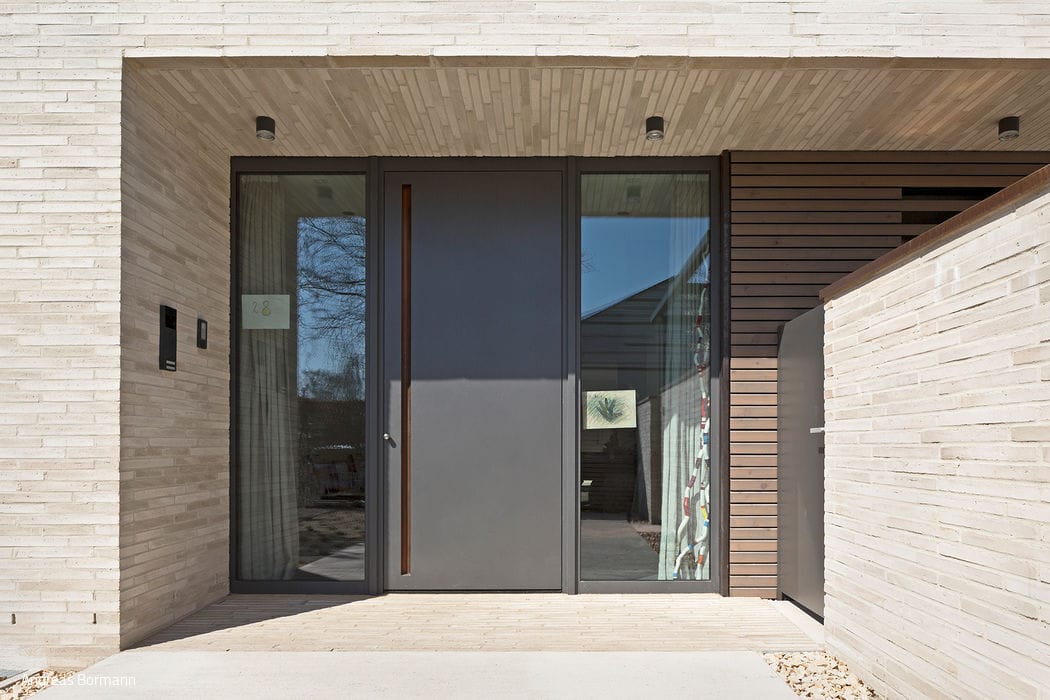
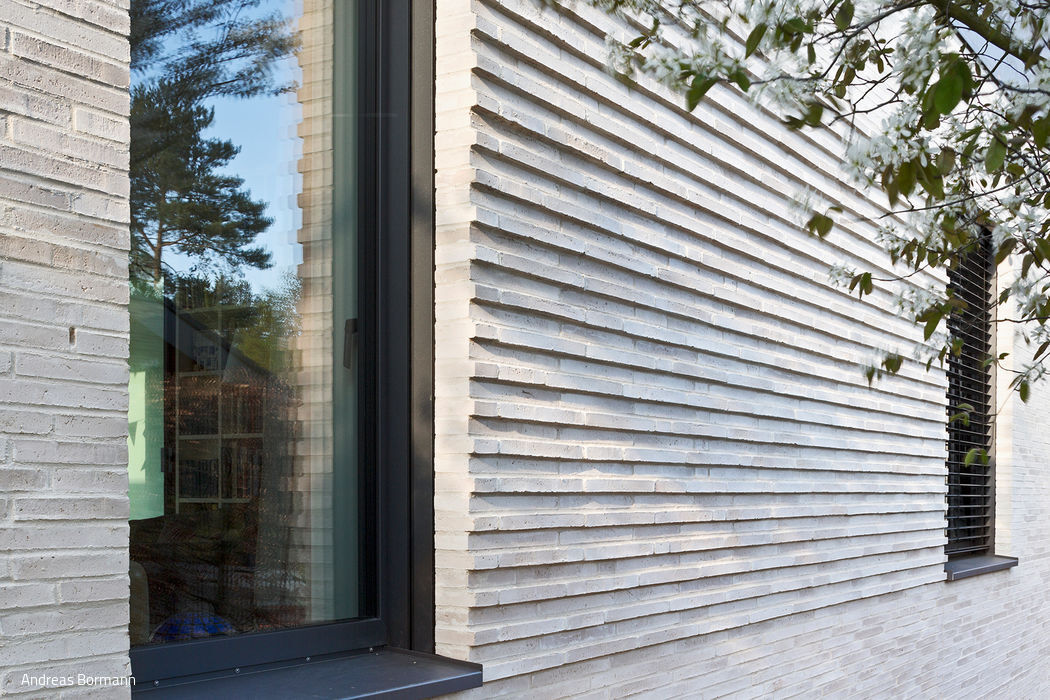
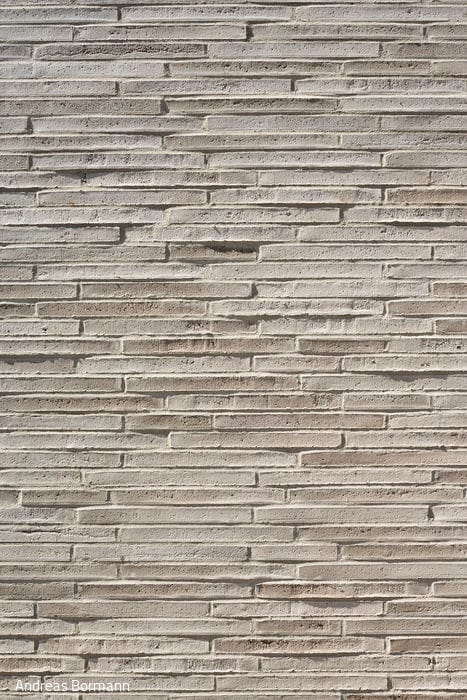
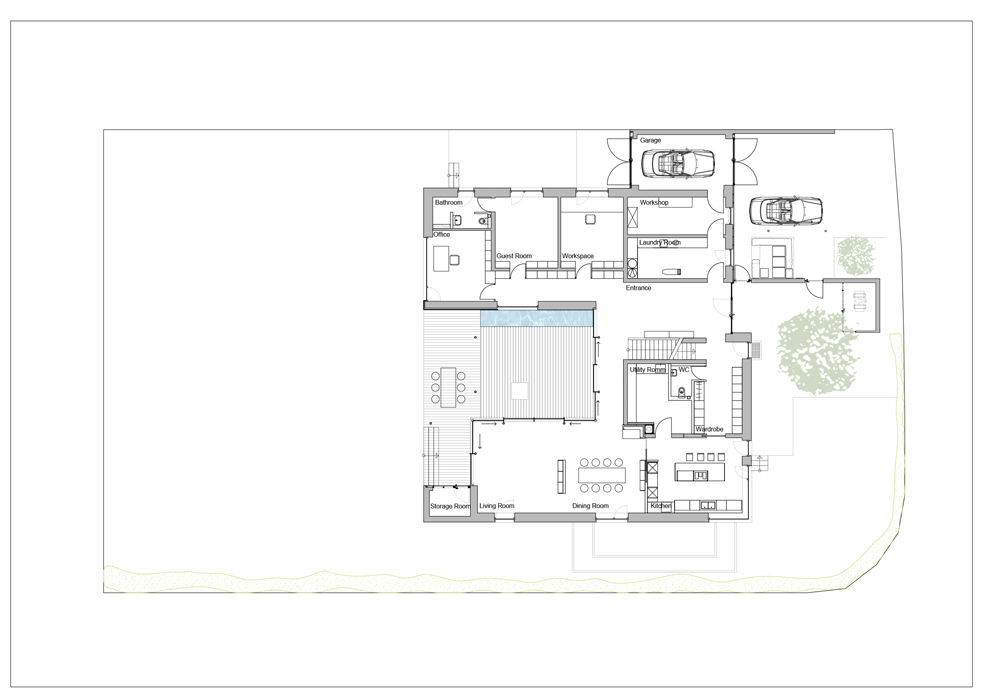
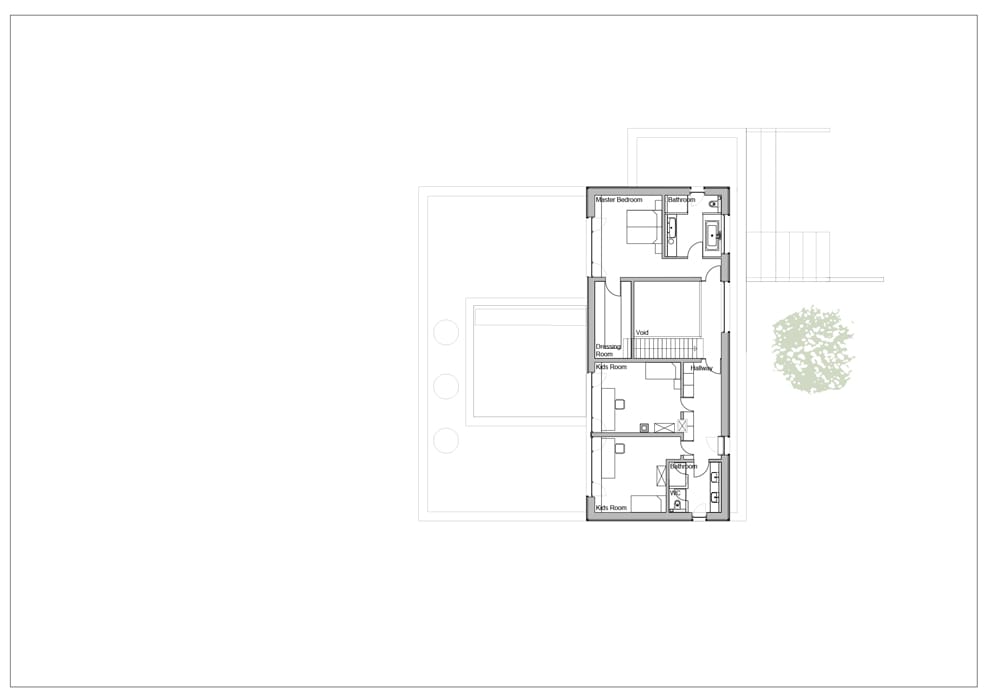
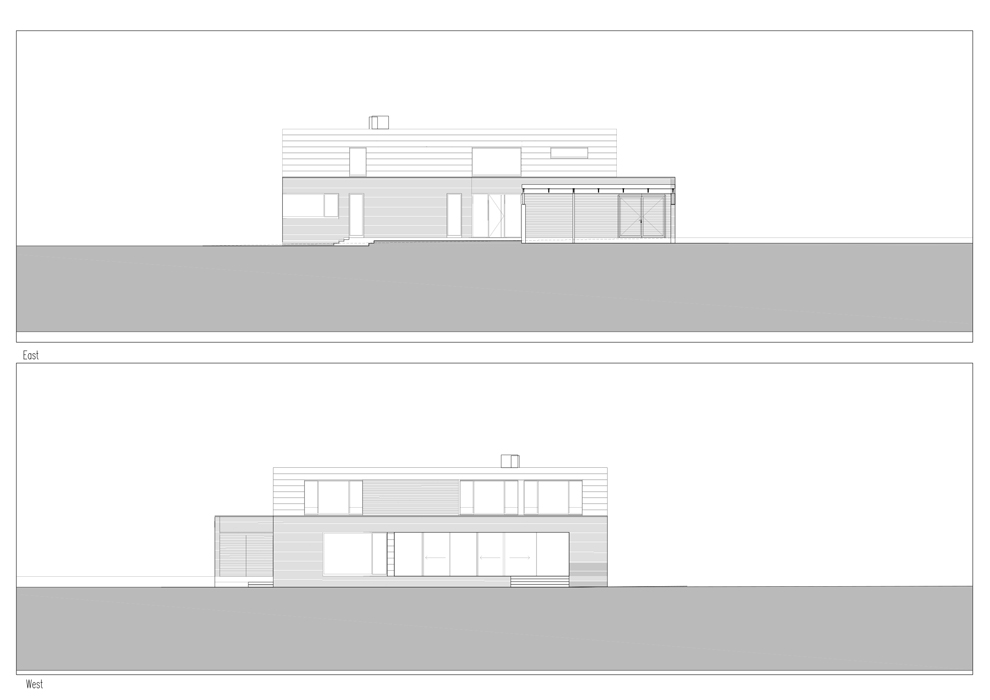
Houses organized around a central open courtyard trace their lineage back to the Roman atrium. This dwelling type has remained a defining feature of Mediterranean architecture. Modernism revisited the concept in the 1920s, and by the 1960s, entire neighbourhoods showcased variations of the garden courtyard house. When a four-person family sought a new home offering genuine privacy—both indoors and out—despite surrounding dense development, Gondesen + Wenzig Architekten BDA of Braunschweig found their answer in a thoughtfully contemporary take on the courtyard house typology.
The structure's visual power emerges from its square plinth—carved by an inset courtyard—with the upper storey cantilevering above. A substantial base clad in elongated, pale Danish brick establishes striking material contrast against the weathered copper panelling of the upper façade. Street-facing, the plinth presents a largely solid exterior punctuated by modest openings; the rear elevation opens generously to the inward-facing courtyard through expansive glazing. A substantial cutout bridges courtyard and garden, framing multiple sight lines from interior to exterior. The home's various functions radiate from the courtyard. The ground floor spans 239 m², with the north wing housing a cloakroom, utility space, workshop, study, and guest quarters; the south wing contains living, dining, and cooking zones. Above, the upper storey accommodates the family's private spaces across 120 m² of living area. A basement adds fitness and mechanical rooms plus storage. Randers Tegl's light-toned, extra-long water-struck brick commands attention through serene presence at distance and rich texture up close—deployed across terrace ceilings and flooring. High-calibre, durable, recyclable materials paired with an air-to-water heat pump and solar array establish the building as genuinely sustainable.
www.randerstegl.de
www.gondesen-wenzig.de
Photography Credits:
Andreas Bormann
(Published in CUBE Hamburg 01|24)

The New in the Old
Strategic Planning: Transforming a Historic Settlement House Into Contemporary Living
Dream Location
Reimagining a Settlement House: How Thoughtful Renovation and Extension Create Space for Growing Families
New Life at a Historic Site
Campus 75 Revitalizes the City Centre
Micro Living in Ottensen
Urban Living: efficient design, delivered on time.