


Measured Confidence
The new school building and the heritage-listed historic structure form a harmonious whole


SBH Schulbau Hamburg, the state authority responsible for Hamburg's school infrastructure, oversees the construction and management of approximately 3,000 school buildings. The open all-day primary school Nettelnburg, located at Fiddigshagen in the Bergedorf district, has been expanded by BKSA Hamburg, a collaboration between BKS Architekten and the assmann gruppe. The project encompassed a new school building including administrative spaces and a two-court gymnasium, as well as the renovation of communal areas and classrooms in the existing structure. The site features buildings from various construction periods, methods, and typologies, with the heritage-listed main building from 1928 serving as its architectural centerpiece.
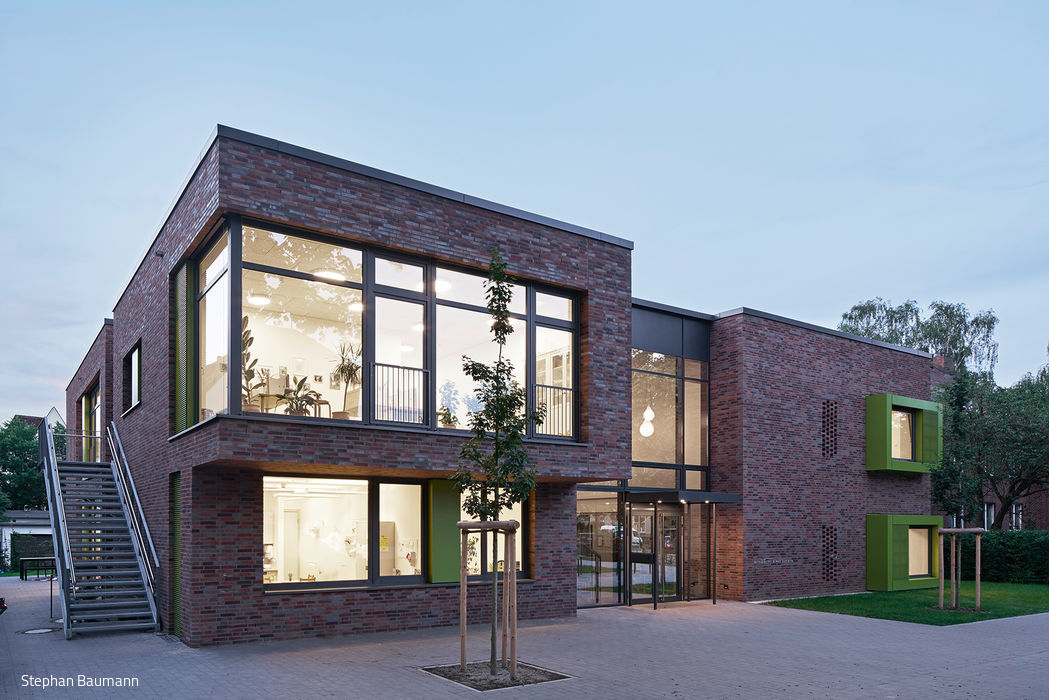
The two-story new building naturally completes the southeastern corner of the school complex by framing the courtyard and providing a defined edge toward the adjacent residential development. In this way, it responds to the expansion structure west of the main building. The courtyard becomes the focal point. The ground floor houses the easily accessible two-court gymnasium with changing facilities and storage rooms. The first upper floor contains new administrative offices and all-day care spaces. As the new building adjoins the heritage-protected main building, careful attention was given to its facade design. The existing brick structure is characterized by a uniformly gridded perforated facade, two distinctive stair towers on the north facade, and white wooden windows. Cornices at the base and eaves further articulate the facades horizontally. In keeping with the main building, the new structure also features a red brick facade.
The linear grid pattern of the existing building's facade is carried forward in the new construction through harmonious window bands and reinterpreted for contemporary use. Selected window types for teaching spaces, auxiliary rooms, and the cafeteria reference the original building. The stairwells and central corridor are expressed on the facade. Projecting bays for the breakout rooms break the rigid grid pattern as distinctive design elements. The new building adopts the central corridor organization and eave height, thereby integrating seamlessly. The glazed facade of the expansion joint between the two structures recesses noticeably behind the facade lines of both new and existing construction, allowing the individual building volumes to read clearly. The transparency of this joint opens the building at this critical juncture. The ensemble achieves unity through material consistency, visual quality, and formal expression.
Photography:
Ralf Buscher
www.ralfbuscher.de
(Published in CUBE Hamburg 03|24)

Art in New Light
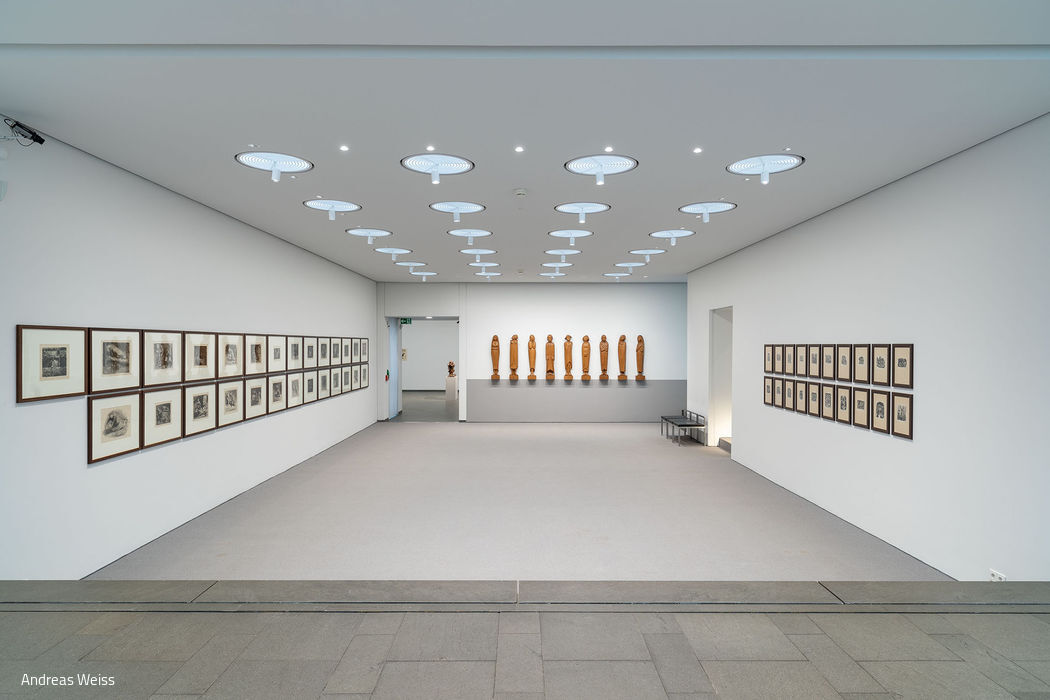
Licht01 reimagined the museum's lighting at the Ernst Barlach House, honoring the building's architectural integrity while optimizing its luminous environment.
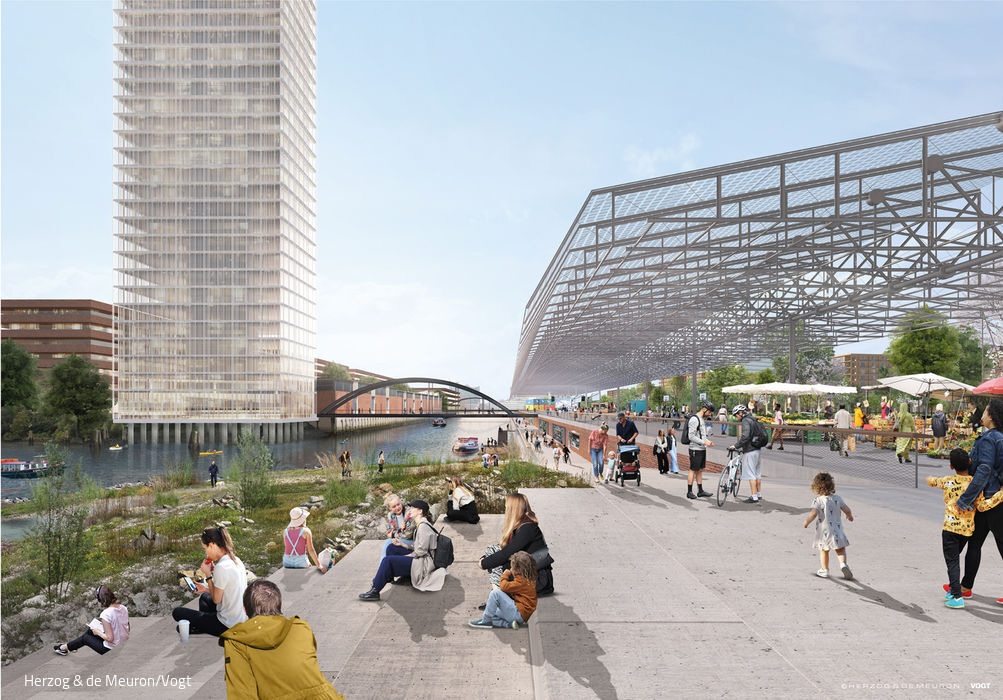
New Grasbrook District
Envisioned as a verdant peninsula between the Norderelbe and Moldauer Harbour, Grasbrook will emerge as a vibrant mixed-use district—a showcase of urban living combined with accessible green space.

L'art pour l'art
A staircase transforms an attic into another world
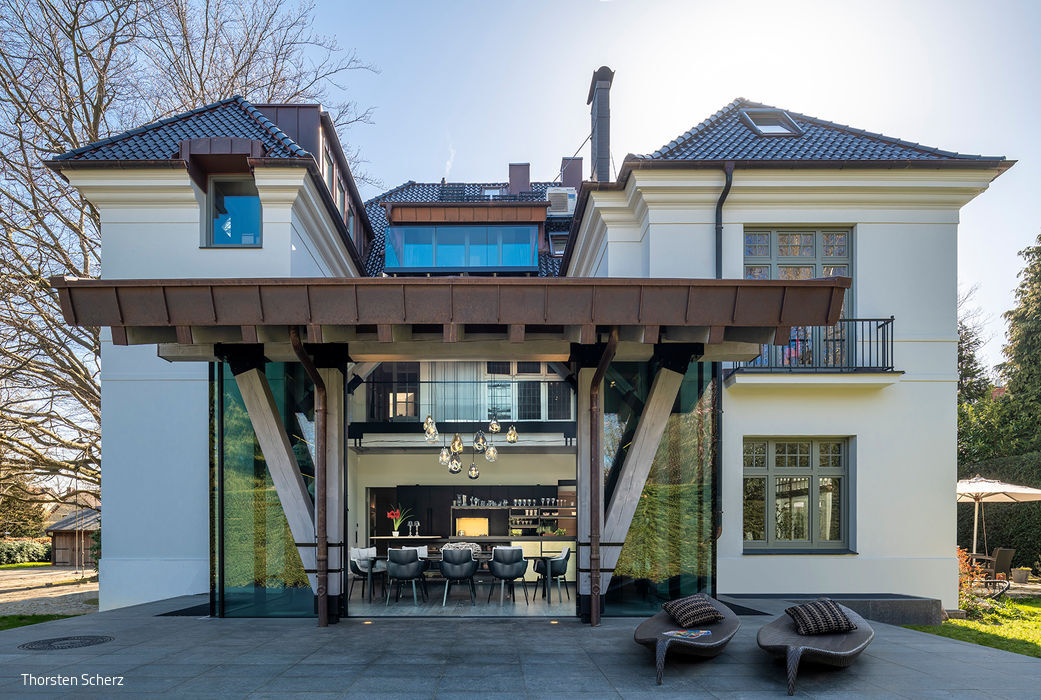
What a Kitchen!
An exceptional solution for a villa in Hamburg's Elbe suburbs