


A House for Everyone
A 1960s Bungalow Reimagined as Inclusive Shared Housing
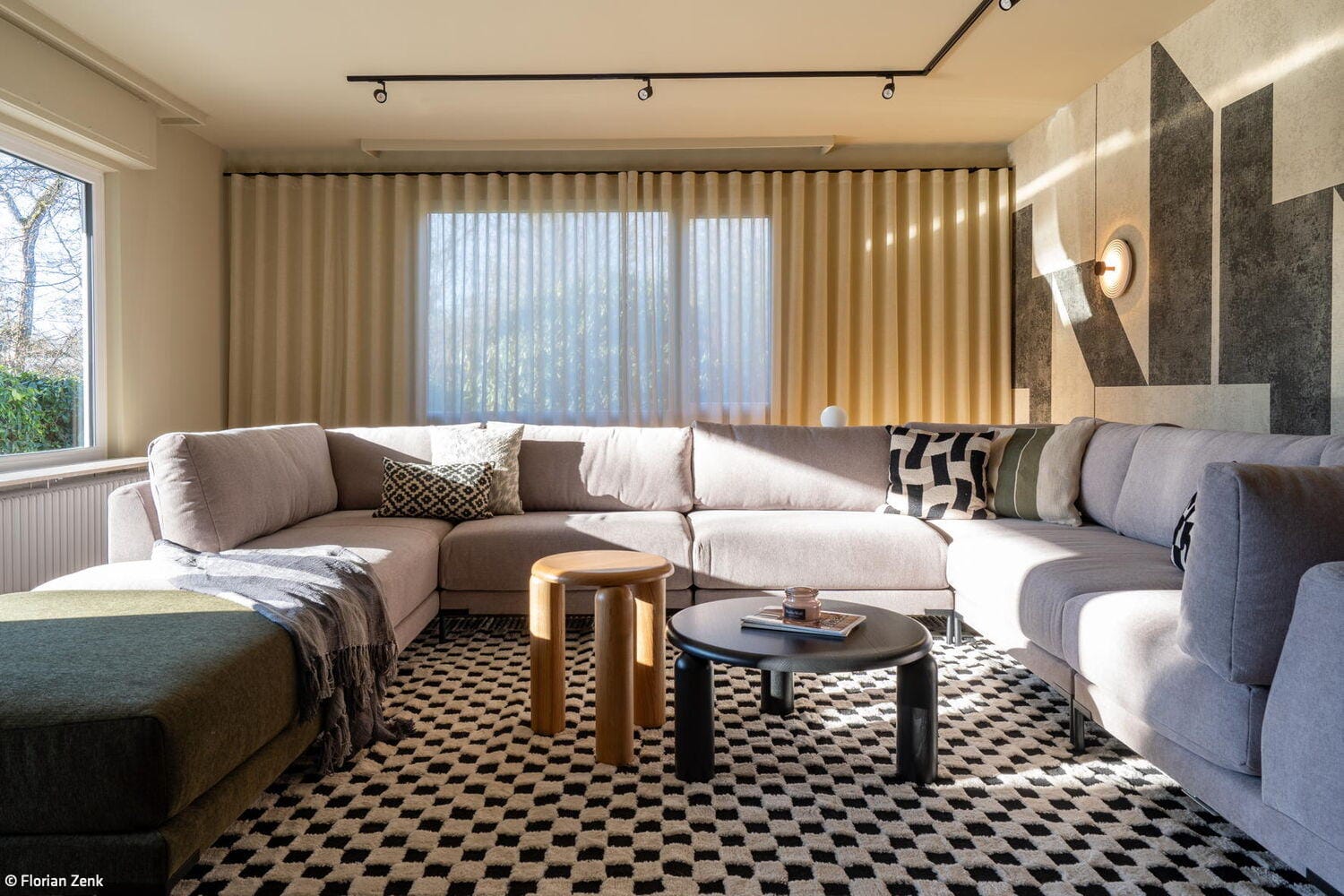
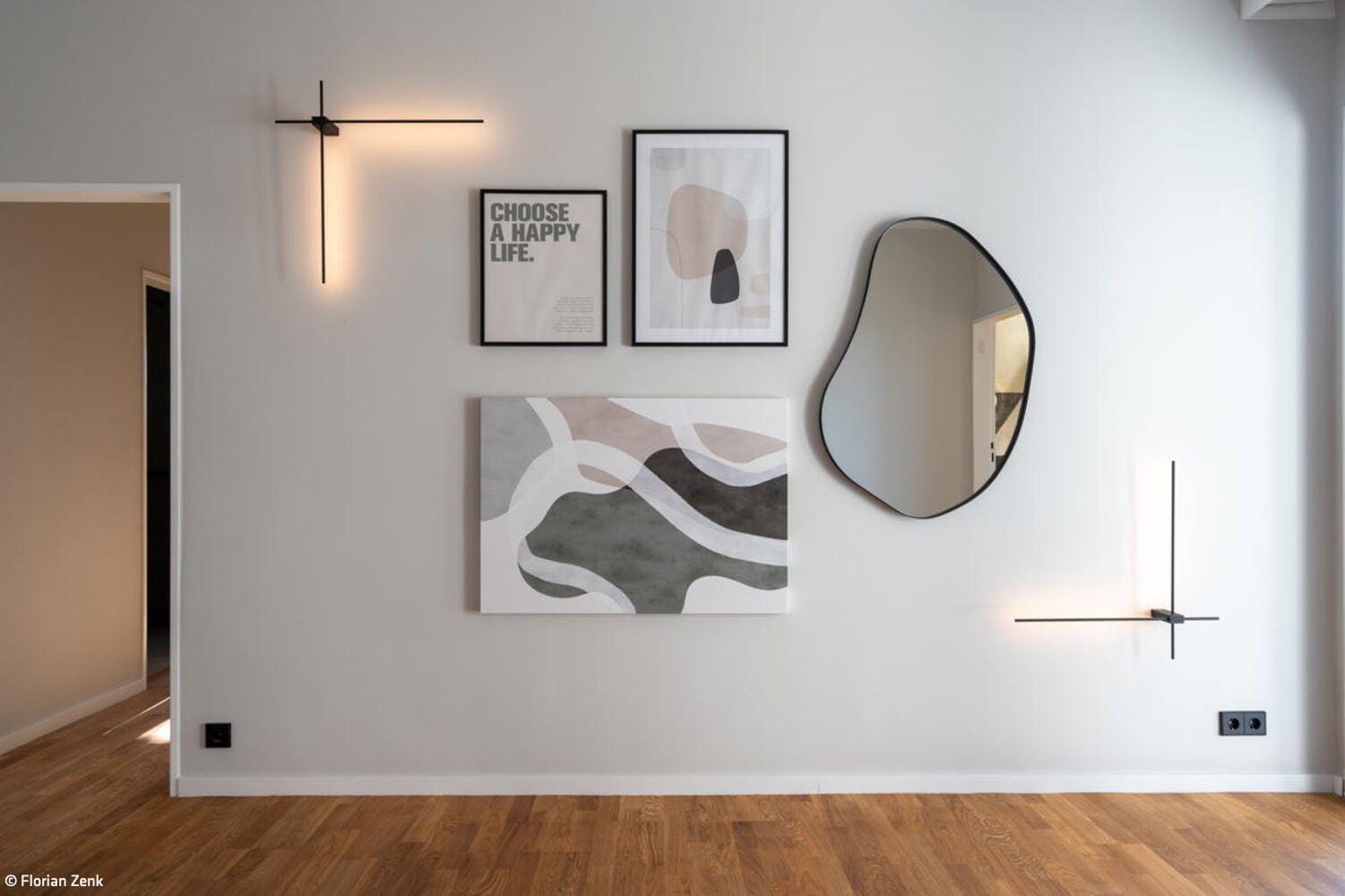
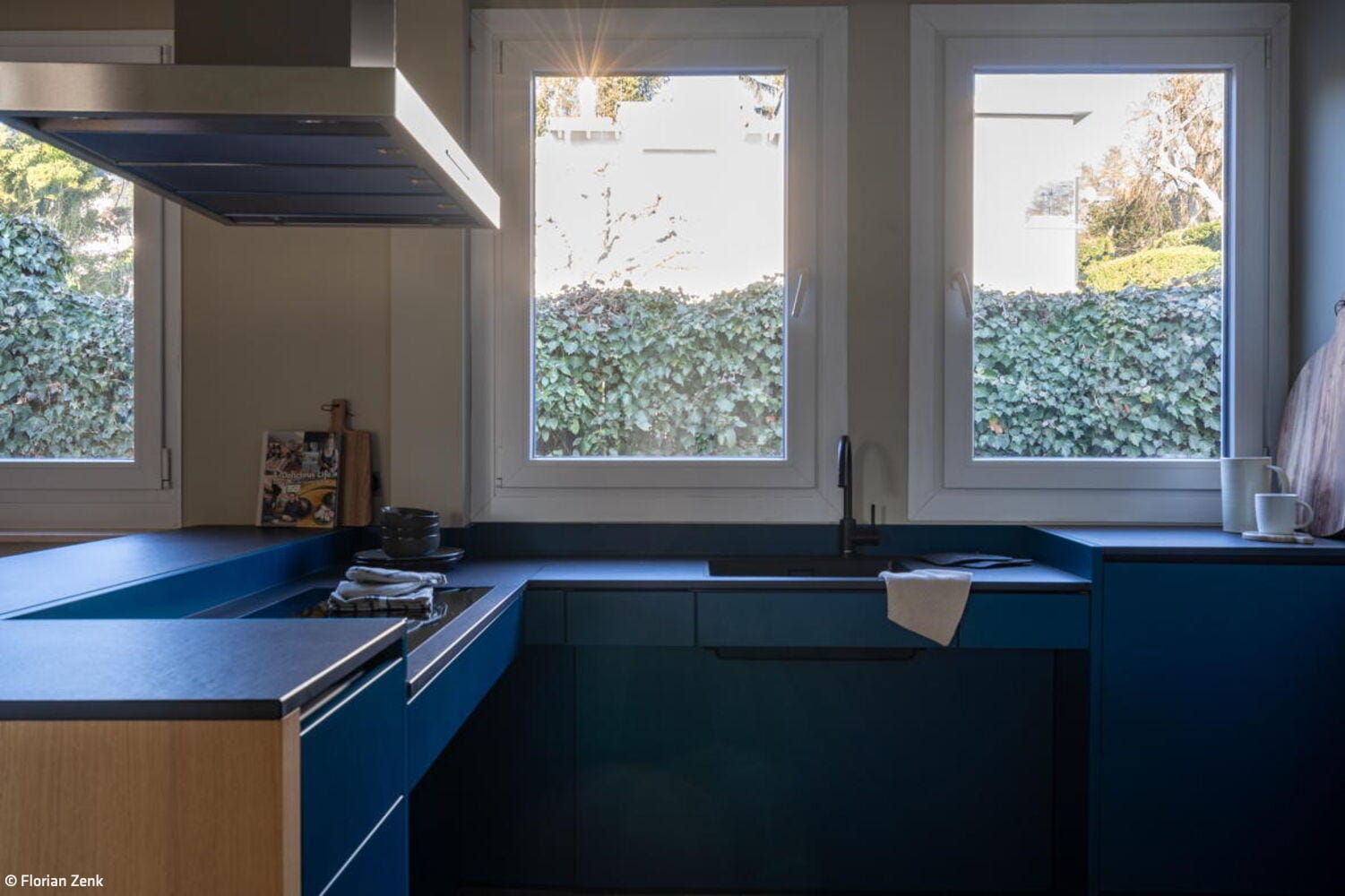
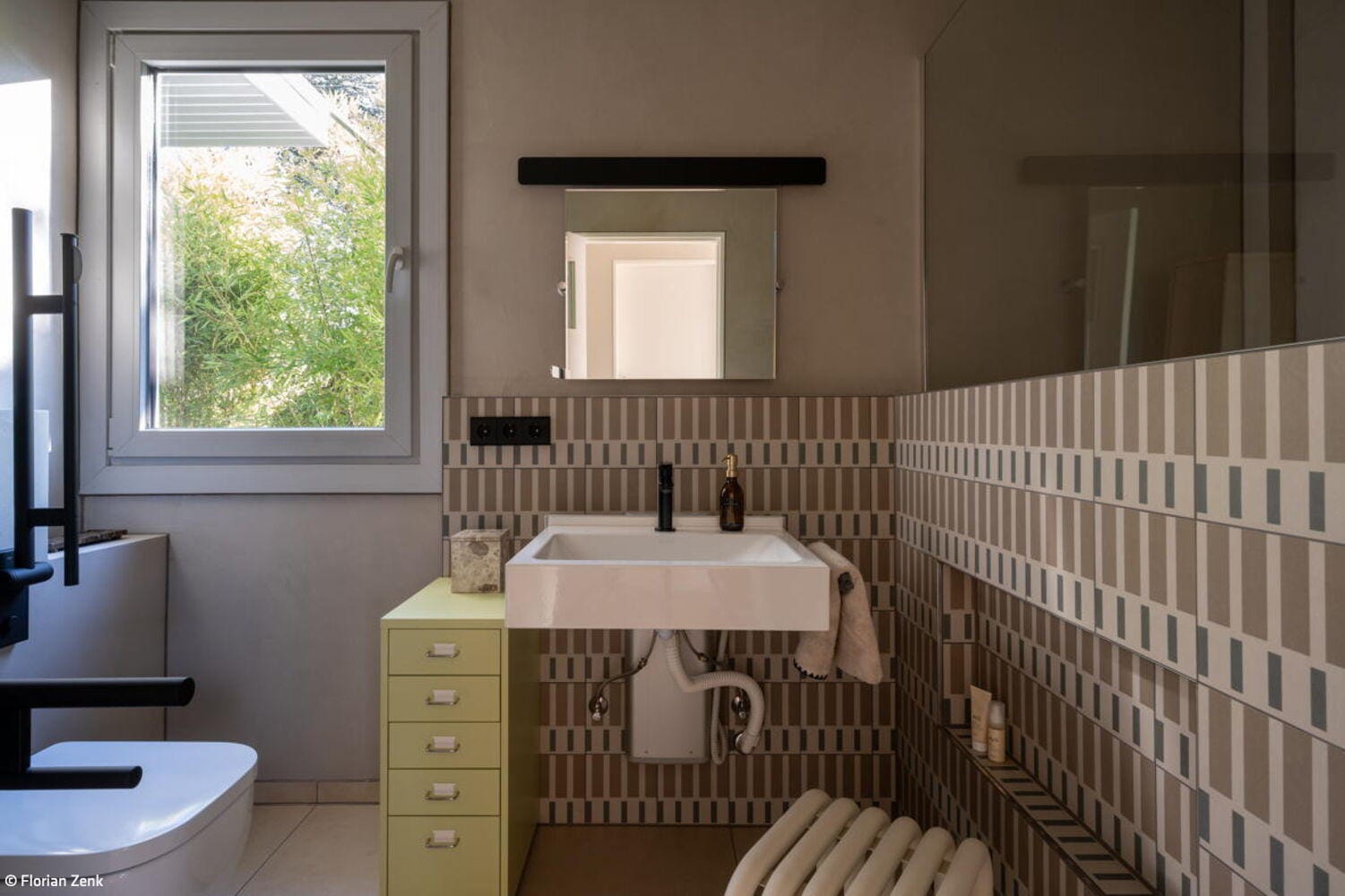
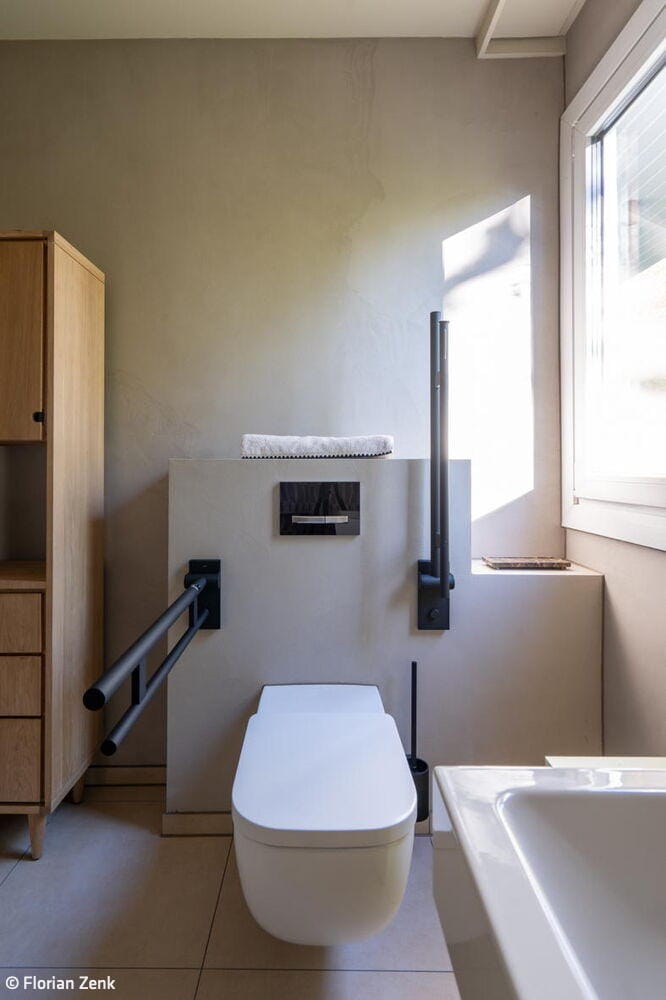
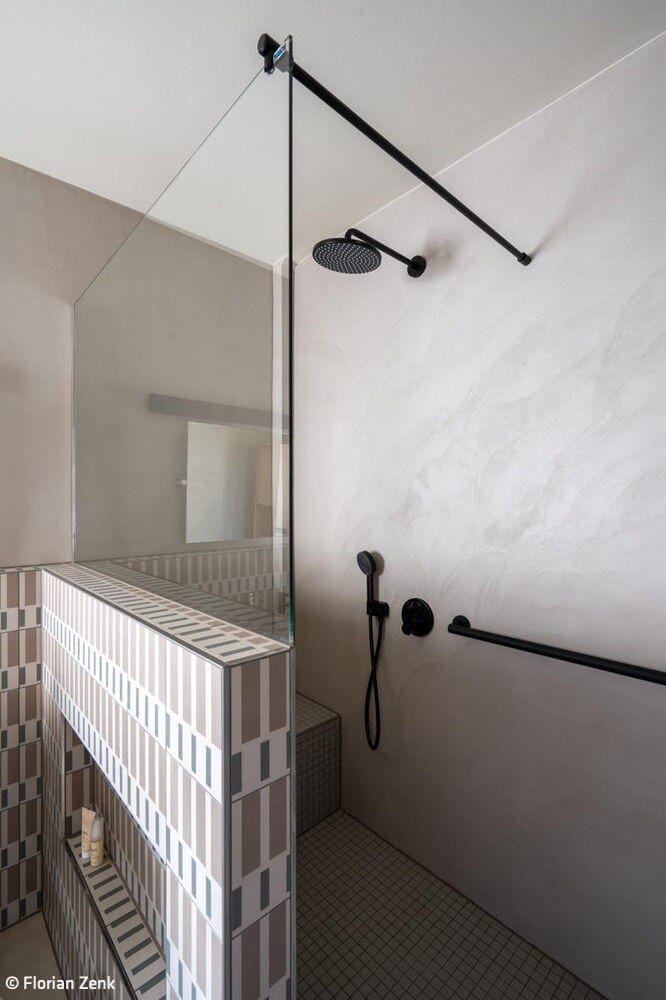
At first glance, it looked like any other prefabricated bungalow from the 1960s—modest, functional, flat. But the owner of this Königstein home saw something more: an opportunity to create a place where her son, who has a disability, could live independently. Together with Studio Wolf, a design practice based in Offenbach, she embarked on a bold transformation—turning a dated bungalow into a modern, fully accessible home for an inclusive residential community. "It was never just about ticking boxes," says Stefanie Wolf, the interior designer who led the project. "We wanted to prove that accessibility and design aren't opposing forces—they're design partners."
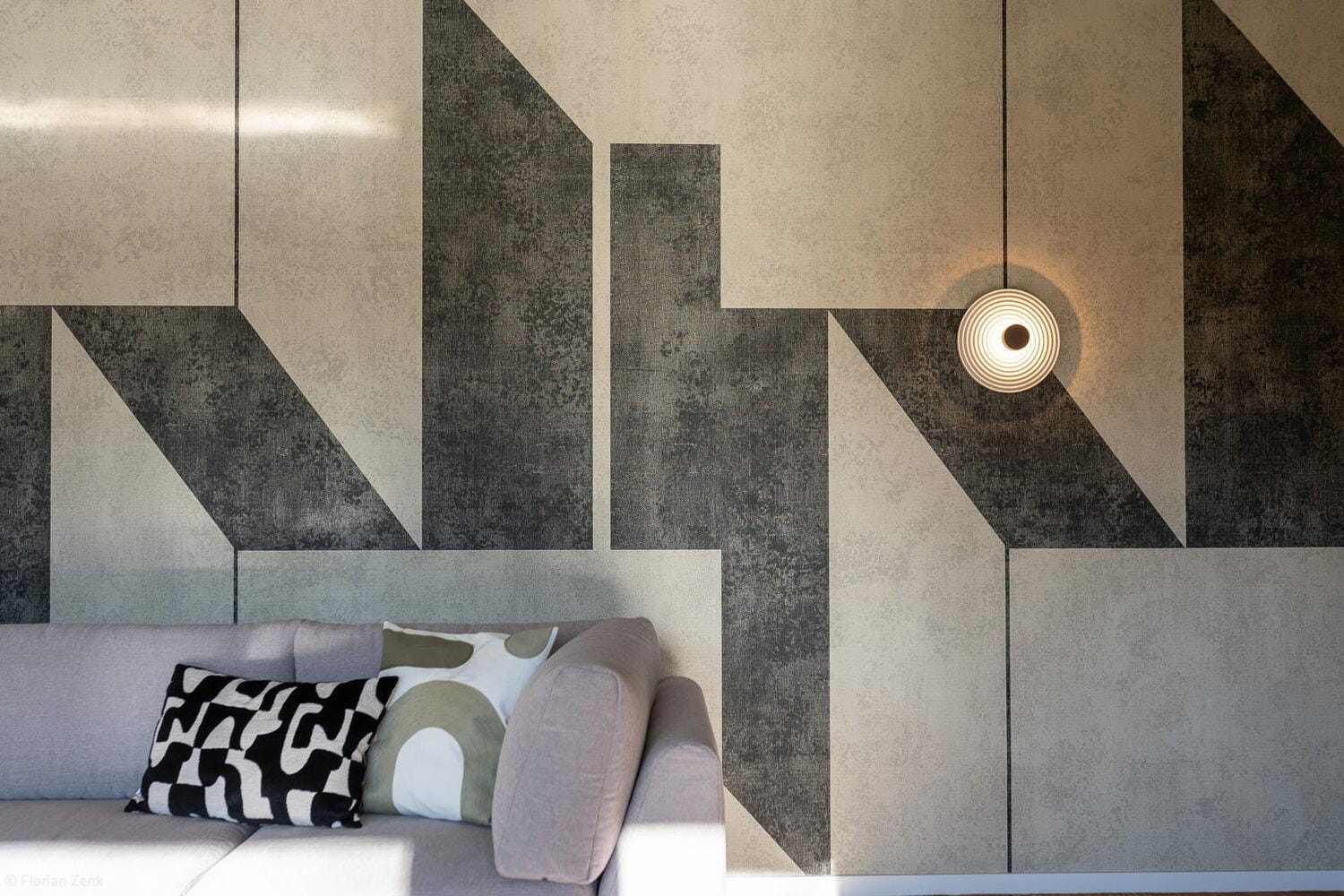
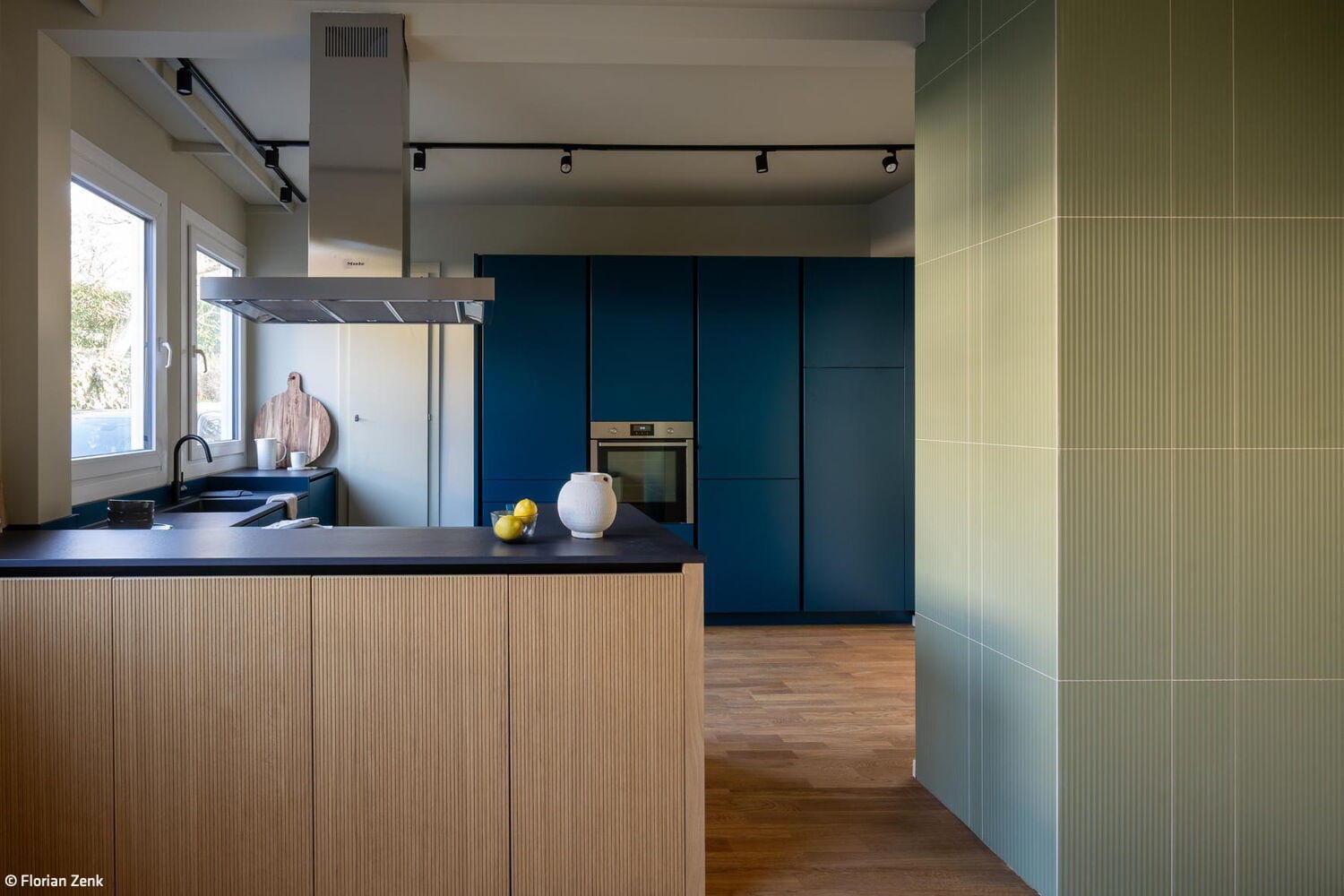
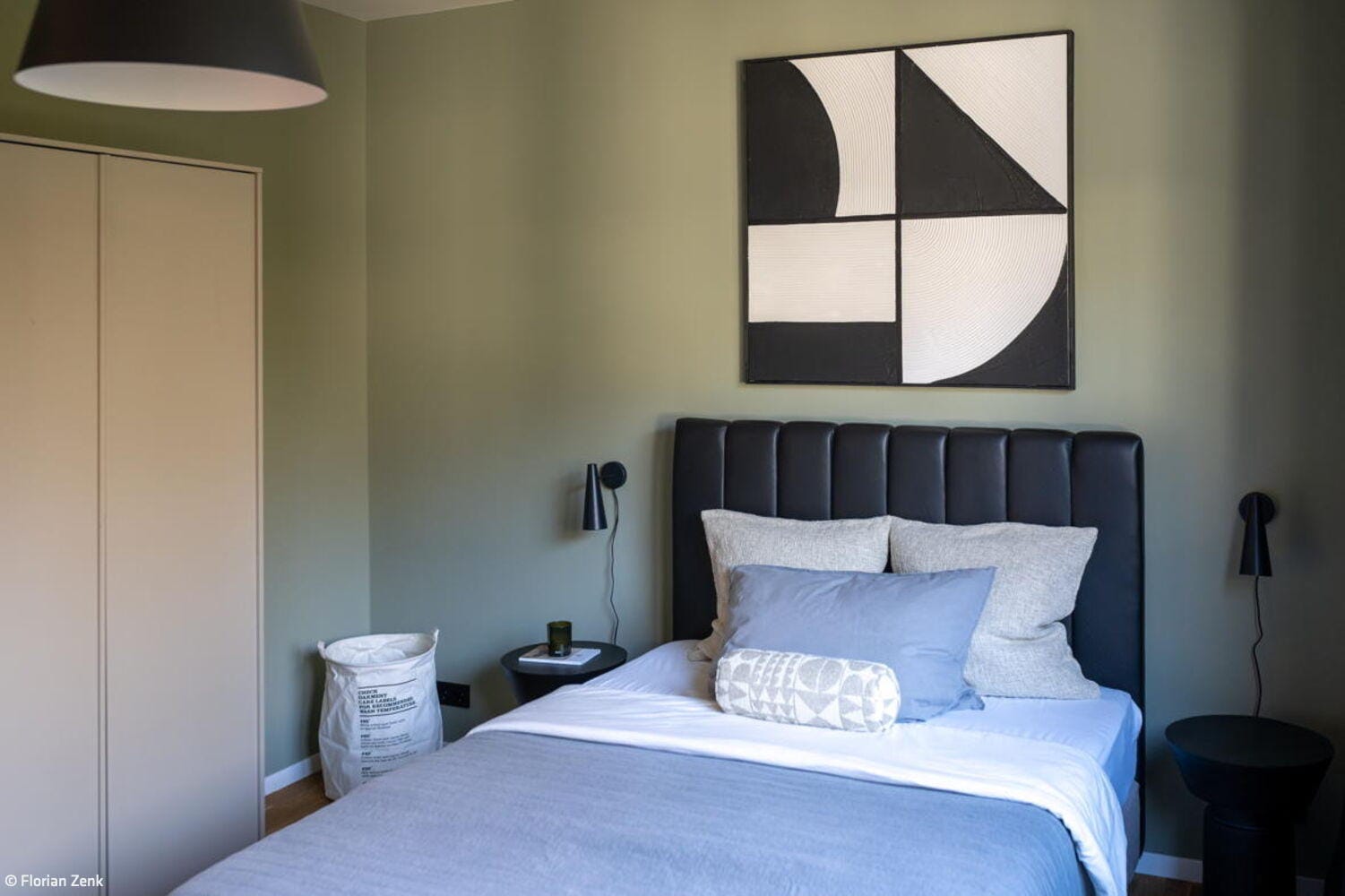
The design team anchored their work in a single principle: create spaces that embody both thoughtfulness and openness—in form and in feeling. The original 1960s structure presented real challenges. The floor plan needed reimagining, level changes had to be smoothed away, and circulation routes had to be generously proportioned. Yet the bungalow's defining character—that open, light-filled sense of living—had to be preserved. The solution was a careful dance between respecting what was and reimagining what could be. Wide passages, flush thresholds, and bespoke built-ins now move freely through the home without compromise. Oak, quartz composite, and softly matte tiles create warmth and a sense of refinement.The kitchen announces itself with confident contrast: deep royal blue cabinetry pairs with portrait-oriented green tiles whose vertical lines echo the subtle fluting of the island. Undercut counters, thoughtful heights, and durable materials merge function with grace. Here, the kitchen becomes what it should be—a gathering place where inclusion is simply how life happens.The bathroom proves that accessibility needn't feel clinical. A lowerable sink, a generous zero-threshold shower, and intuitive movement zones create a space full of softness and calm. In the bedroom, a leather headboard, soft textiles, and a quiet palette work together. By day, a desk transforms the room into a small workspace—a reminder that this home bends to its residents' lives, not the other way around.And the living room? It's where the new spirit of the house comes into focus. A generous lounge, patterned wallpaper, and a graphic rug create a gathering space that feels lively without overwhelming—a room where everyone belongs.
Photography:
Florian Zenk
(Published in CUBE Frankfurt 04|25)
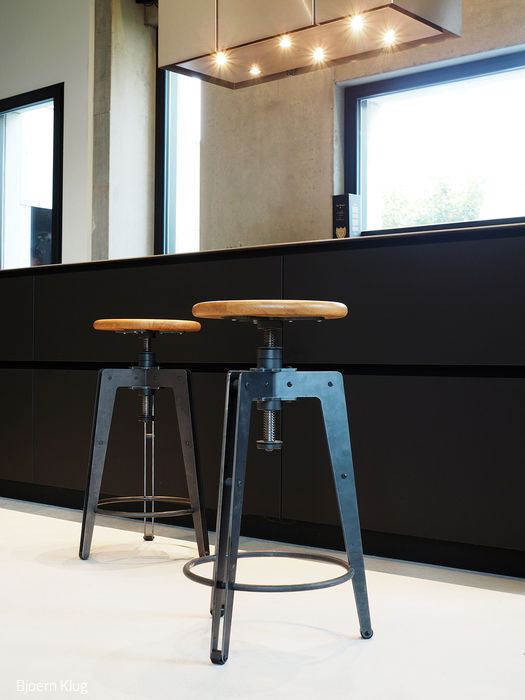
Enduring Craftsmanship
Holger Scharping champions sustainability and refined design in every piece of furniture he creates.
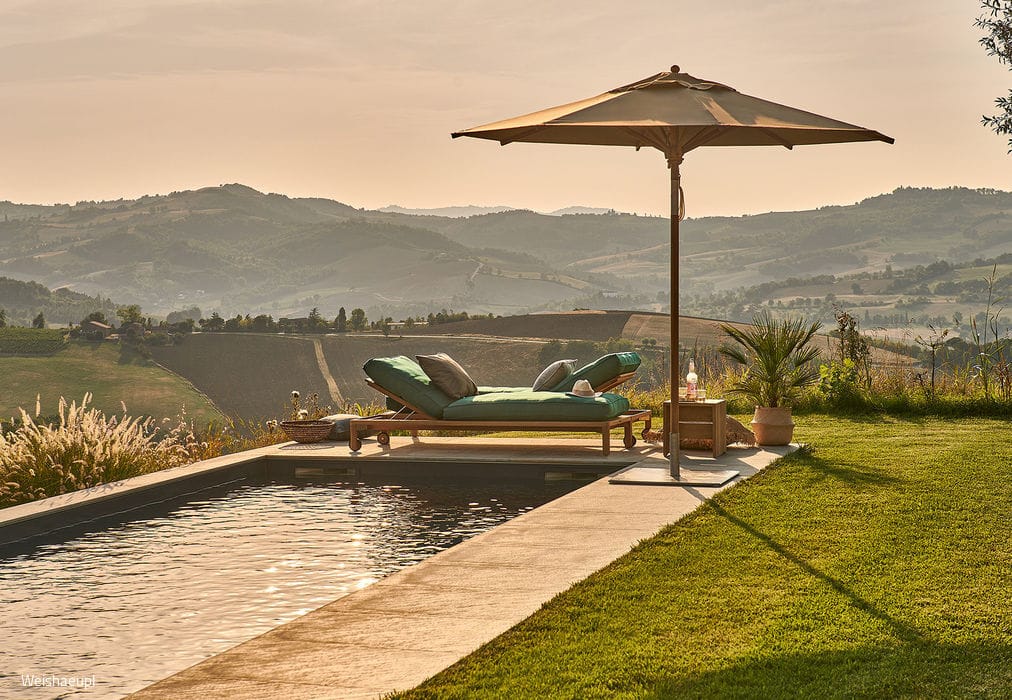
Comfort in every space
This Offenbach furniture house specializes in beautiful pieces for indoor and outdoor living, backed by exceptional service.
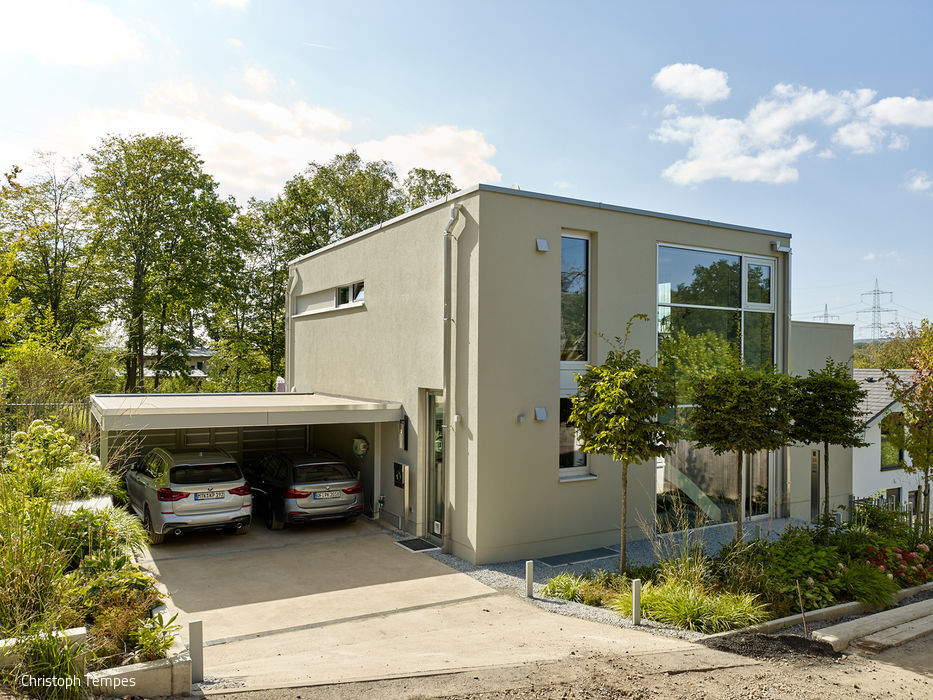
Generously Scaled Gem
Bespoke Family Home Within a Restrictive Master Plan