


A Building With Intelligence
A new administrative building designed from data
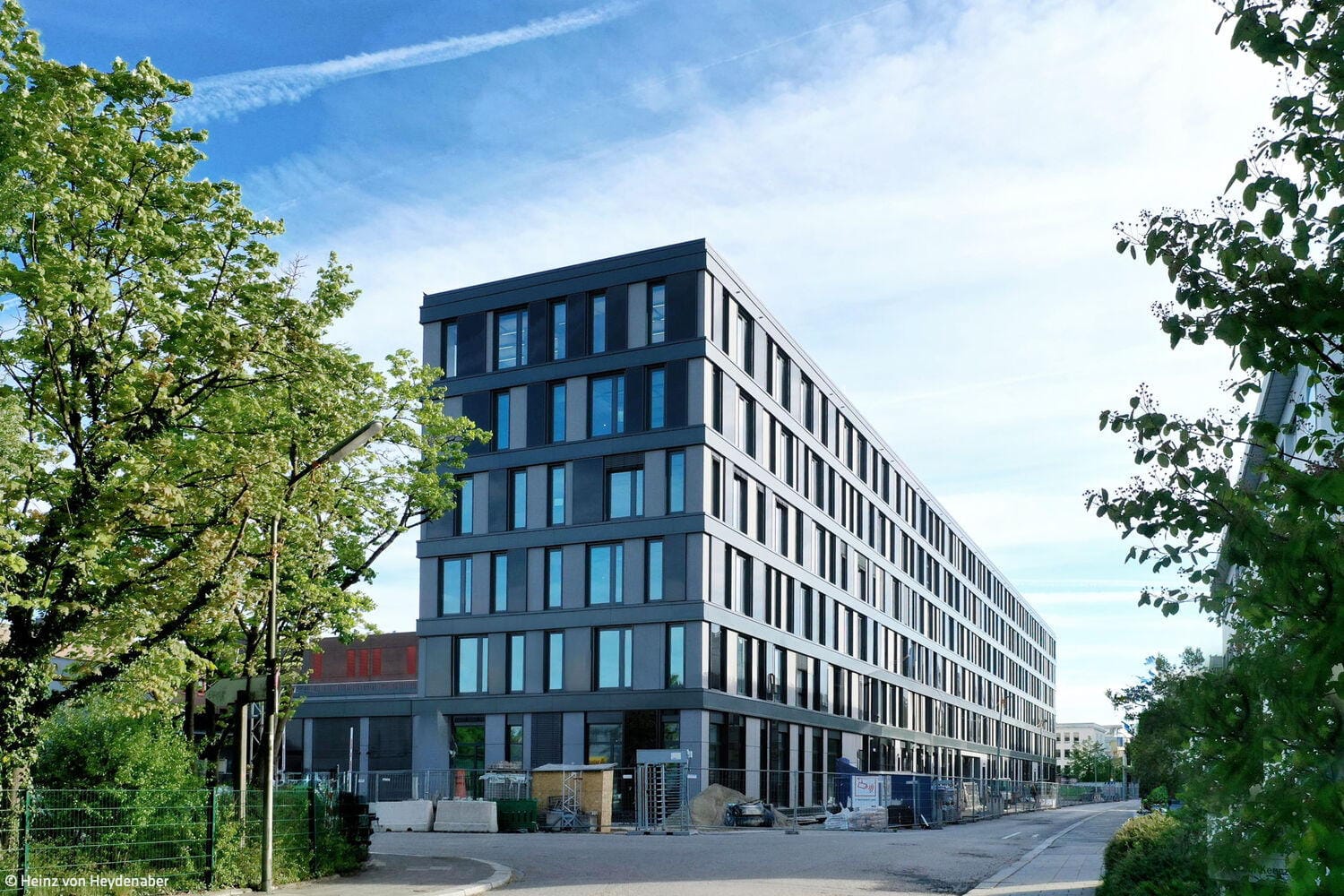
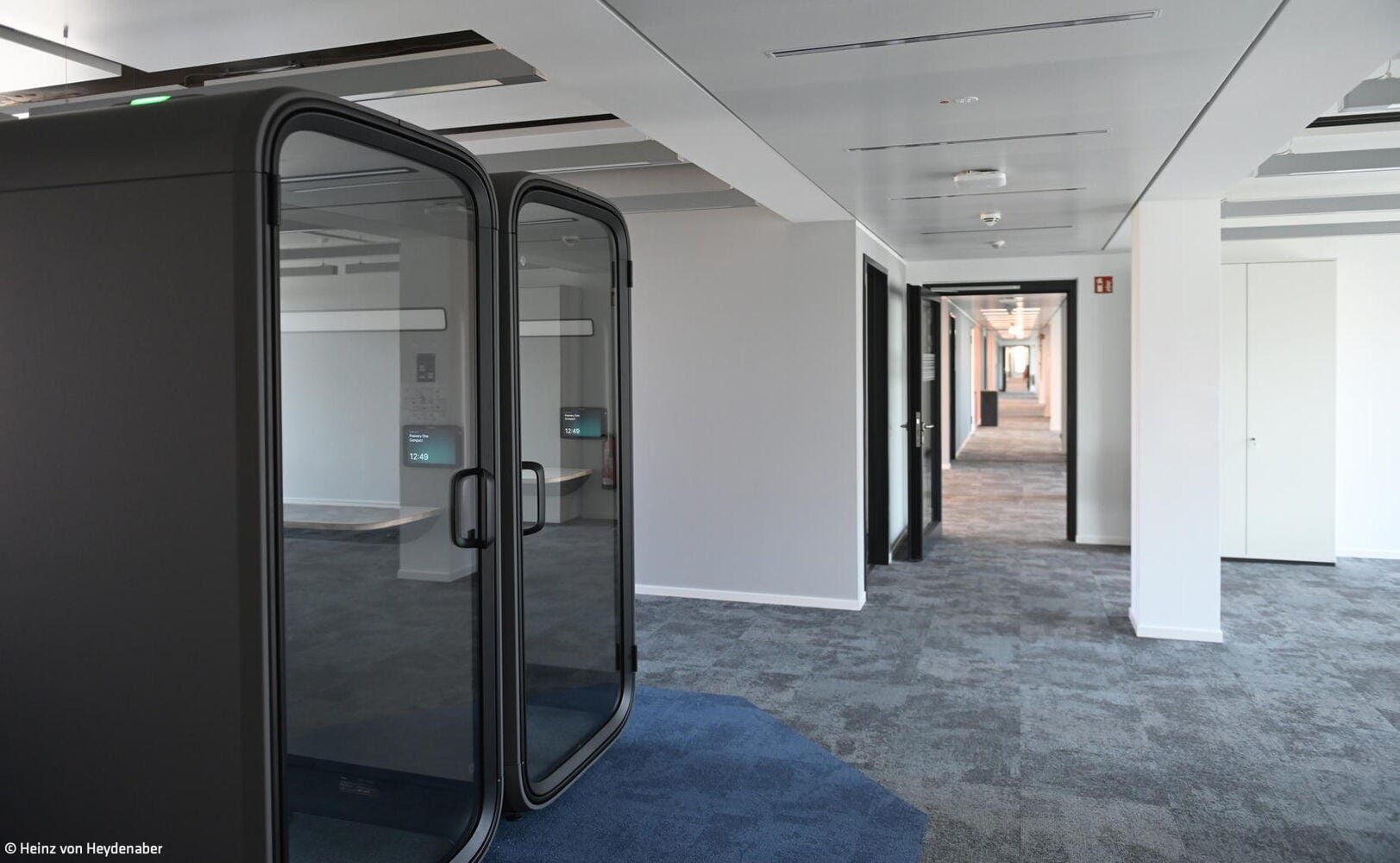
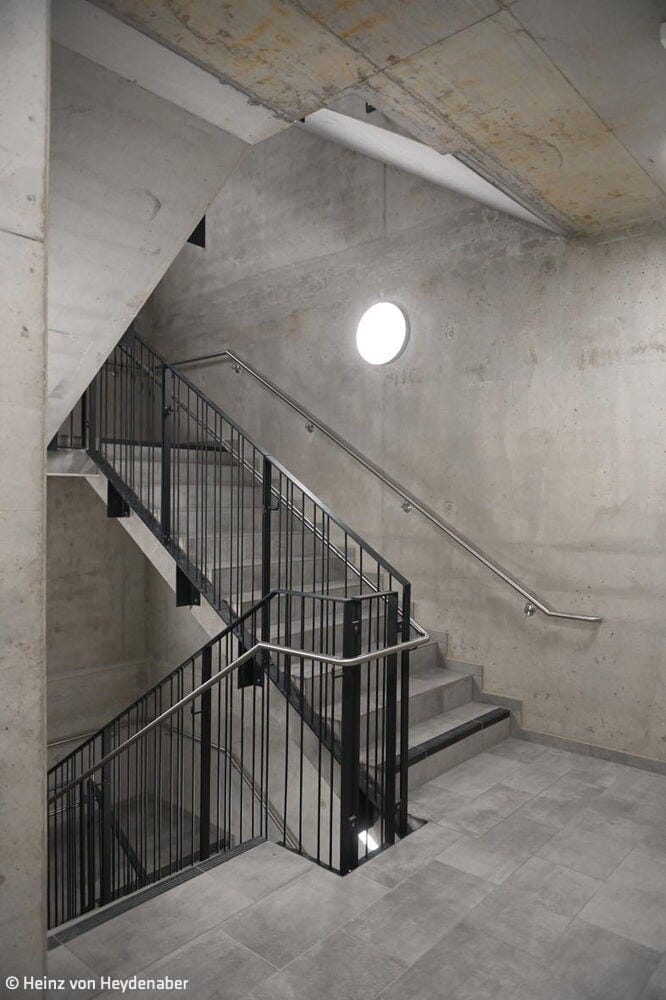
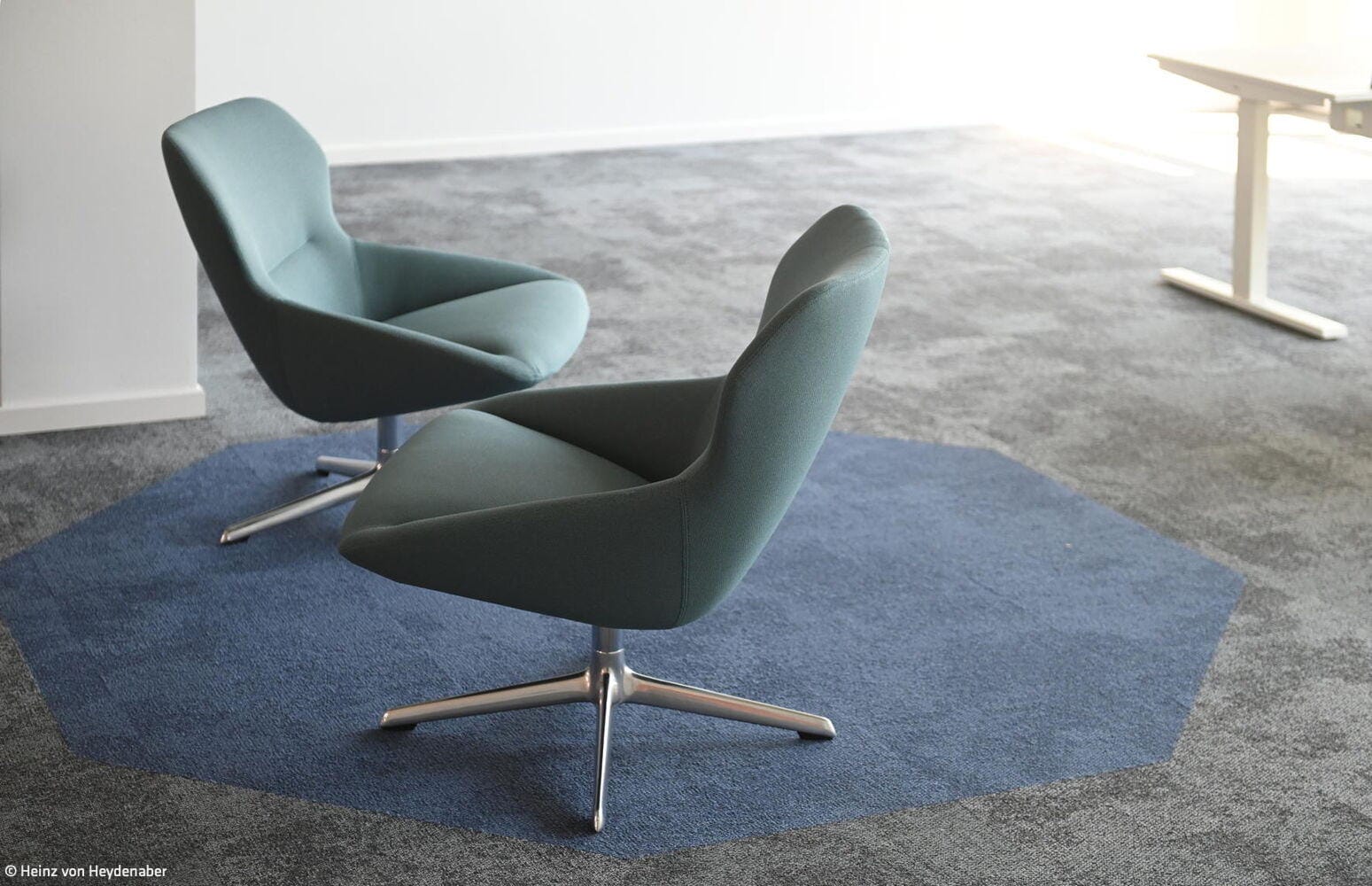
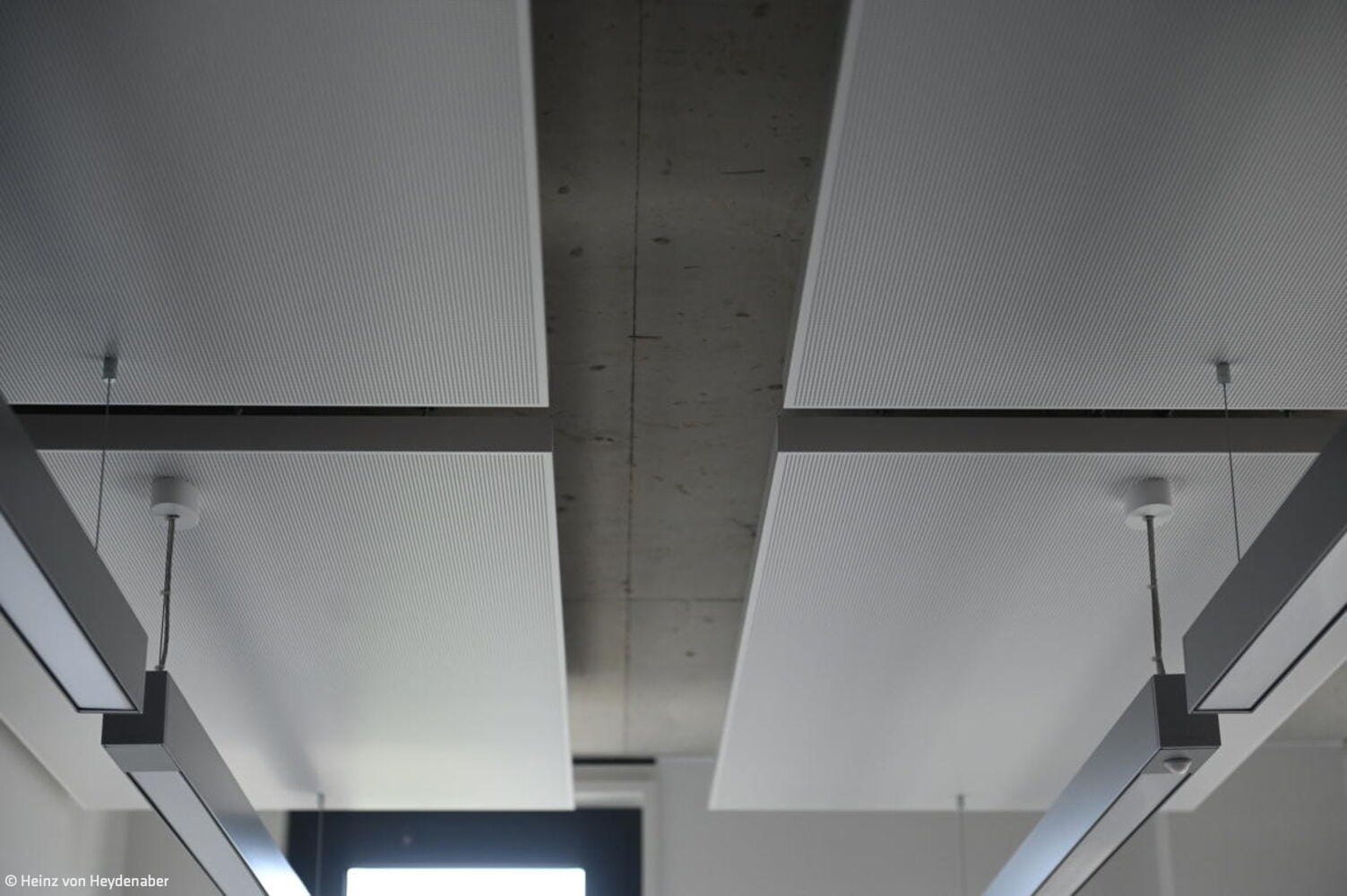
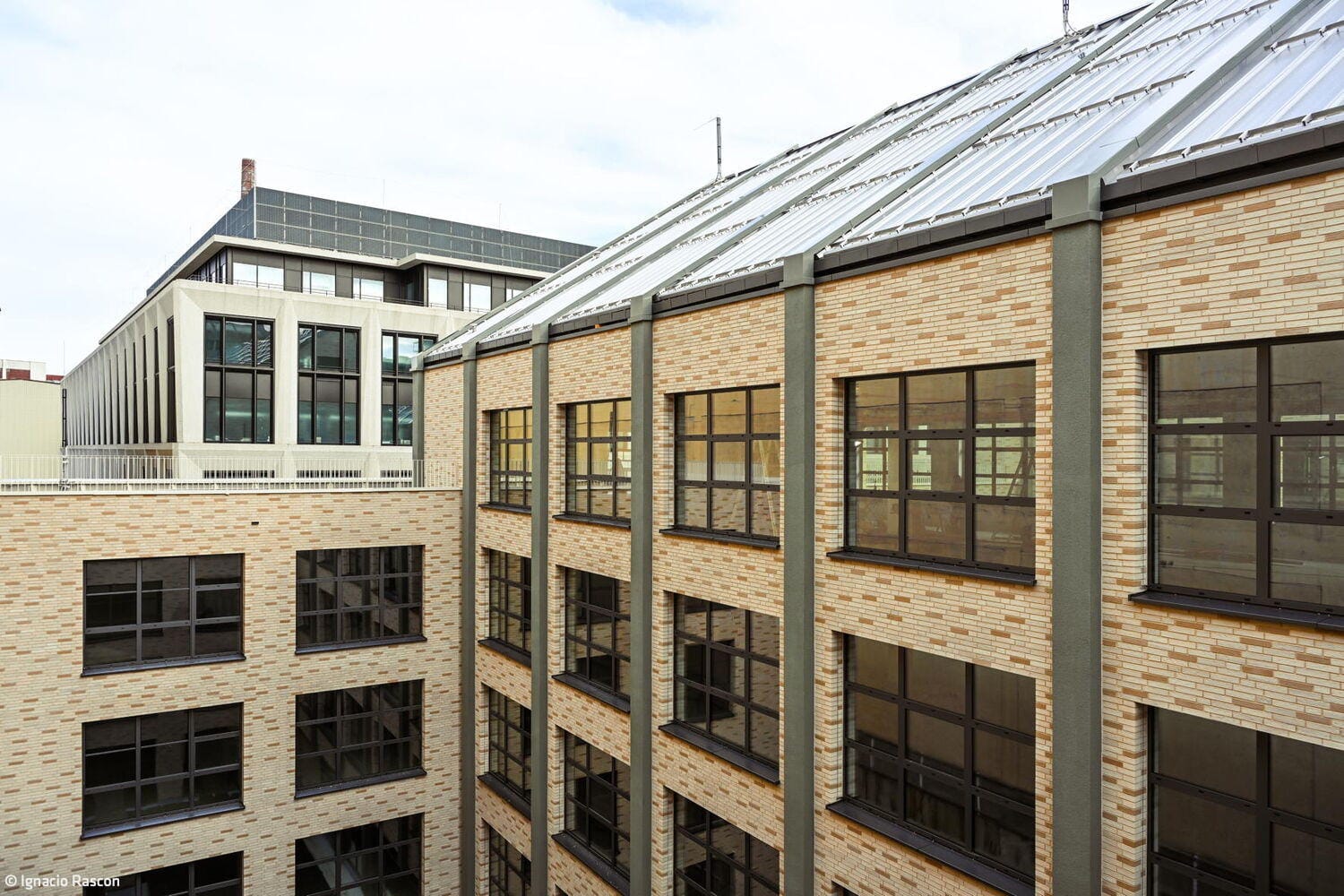
The TÜV Süd campus—anchored by the brick structure on Westendstraße and the iconic yellow-hued edifice by Sauerbruch Hutton—is now complete with a significant addition. The recently commissioned new building is strategically positioned behind the historic main structure, which, though still operational, has reached capacity. Over the years, this original building has undergone multiple expansions and renovations; it now requires comprehensive refurbishment and modernization. The spotlight, however, is on Brückner Architekten's latest addition. This building showcases technical innovations that set new standards for energy efficiency in administrative structures of this scale. Spanning approximately 20,000 m², the office building accommodates roughly 600 workstations. Constructed between 2022 and 2024 using BIM methodology, office owner Laurent Brückner recognized the critical value of this integrated approach from day one and has refined it throughout the project. The outcome is a contemporary office building featuring a parametrically designed, solar-optimized façade that seamlessly marries digital innovation, environmental responsibility, and architectural excellence.
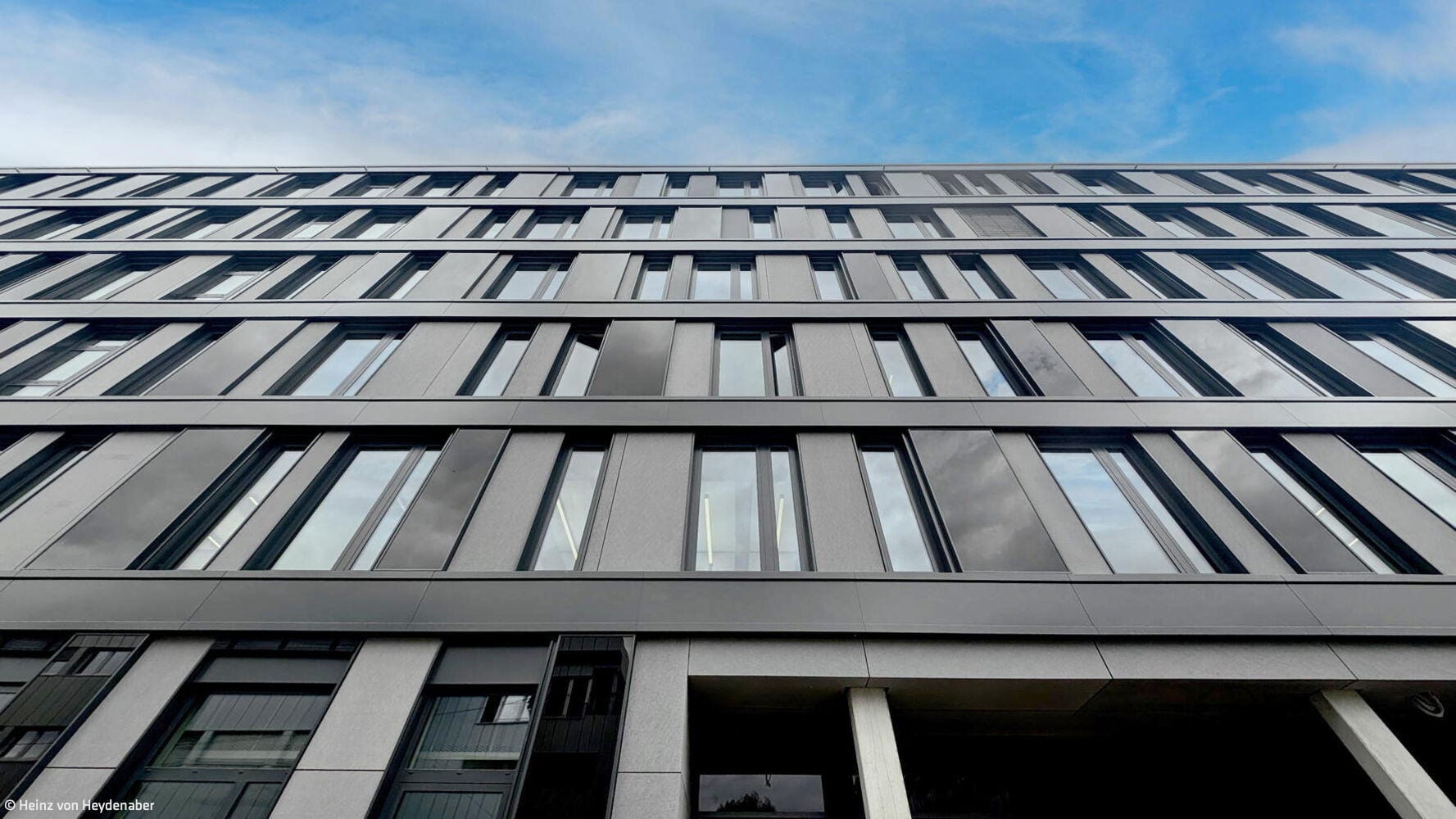
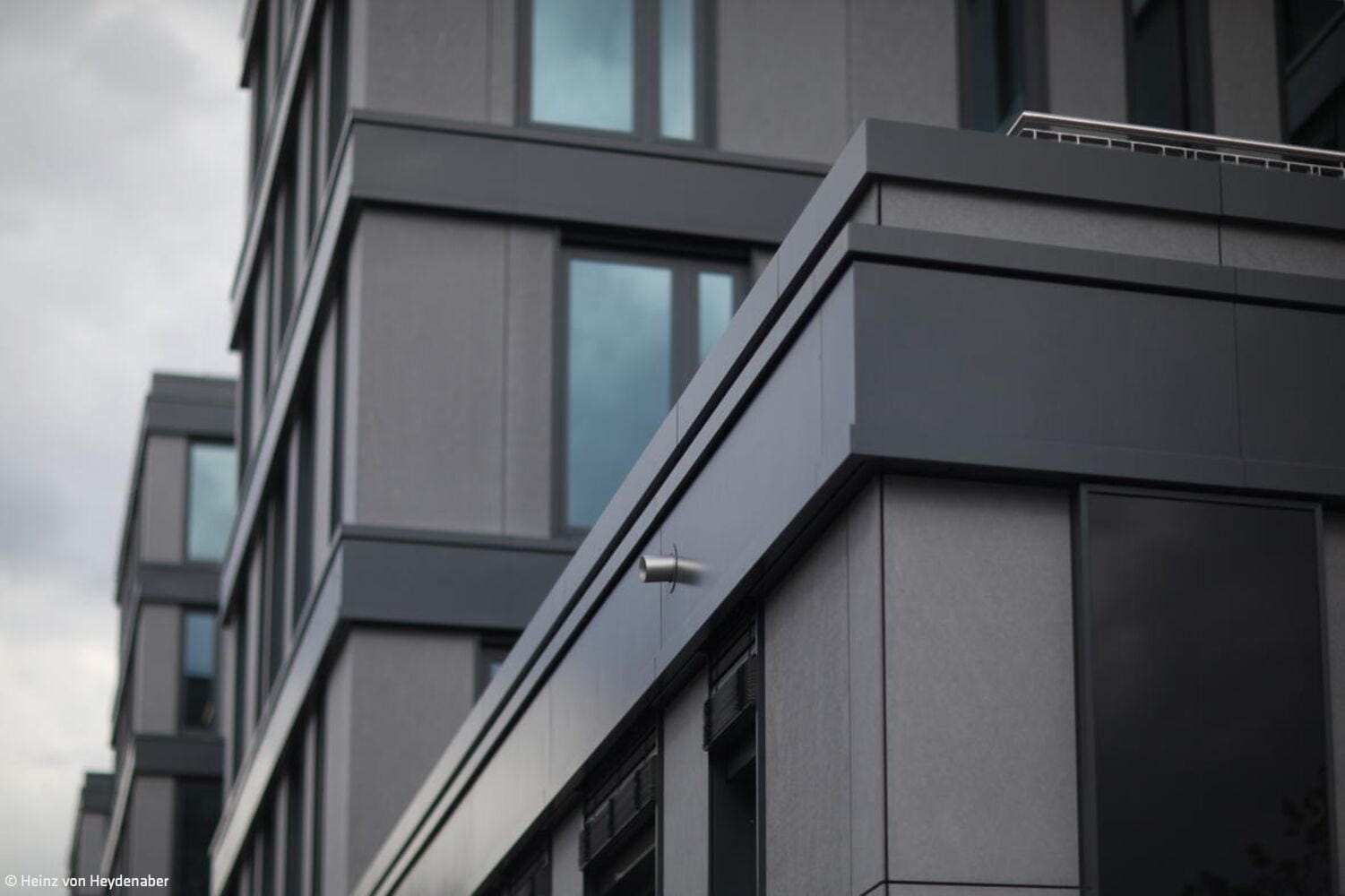
The Office House stands as a powerful statement: sustainability and digital-first working practices go hand in hand. The goal is carbon neutrality, achieved through an integrated energy strategy: groundwater heat pumps handle heating and cooling, supported by photovoltaic arrays and district heating systems. The results speak for themselves—a fully digitalized smart building consumes roughly 70 percent less energy than conventional alternatives, even accounting for its digital infrastructure. Enter Brückner's "parametric façade": algorithms and digital modeling assess critical variables—solar trajectory, wind pressure, neighboring building shadows, and energy demands—then translate these insights into precise design parameters. This data-driven approach determines every aspect of the façade: its form, dimensions, and positioning.
The TÜV Süd building's façade employs timber frame construction and integrates sophisticated solar louvers for dynamic light management. These intelligent shading elements continuously adapt, modulating light and thermal gain to create optimal interior comfort. The result is an elegantly detailed perforated façade—truly the building's intelligent skin. Brückner terms this project "Parametrical Spotlight." And there's more: the entire structure is designed for complete disassembly and material reclamation.
Photography:
Heinz von Heydenaber
www.heydenaber.de
(Published in CUBE Munich 03|25)


Home away from home
Remote work is now the norm—and offices are evolving into genuine extensions of home.
Demolition Is Not the Answer
How a 1970s Office Building Became a Prime Destination
From Monastery to Clinic
Transforming a Friedrich von Gärtner Landmark
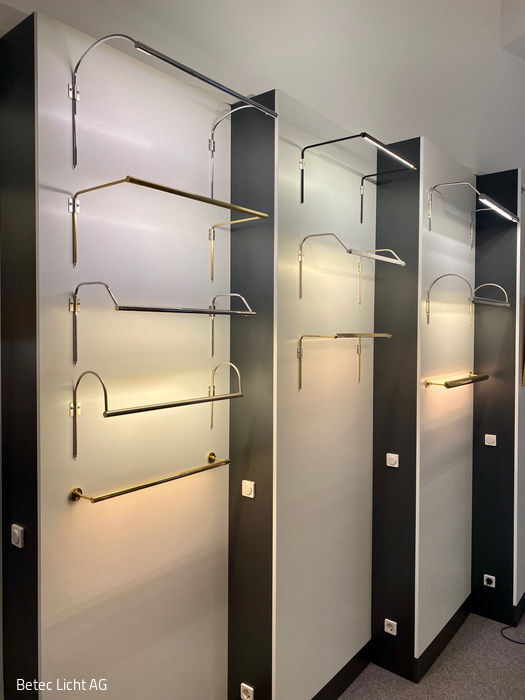
Specialized Lighting from Dachau
Crafted by hand, sought worldwide