


Dynamic and Biodiverse
The Opus administration building marries design excellence with sustainability
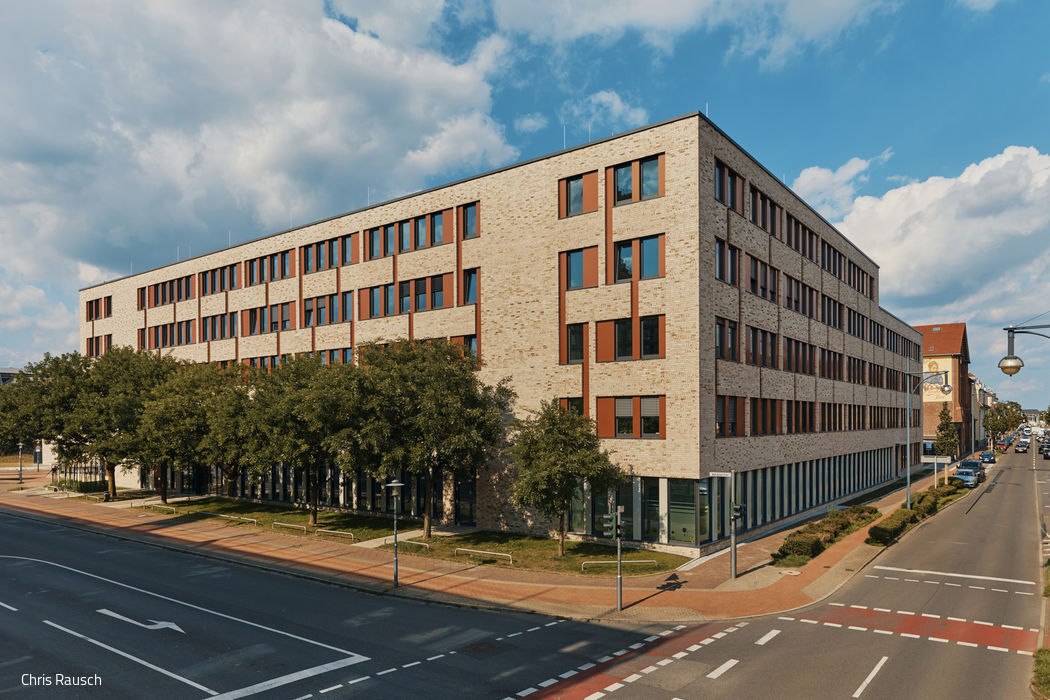
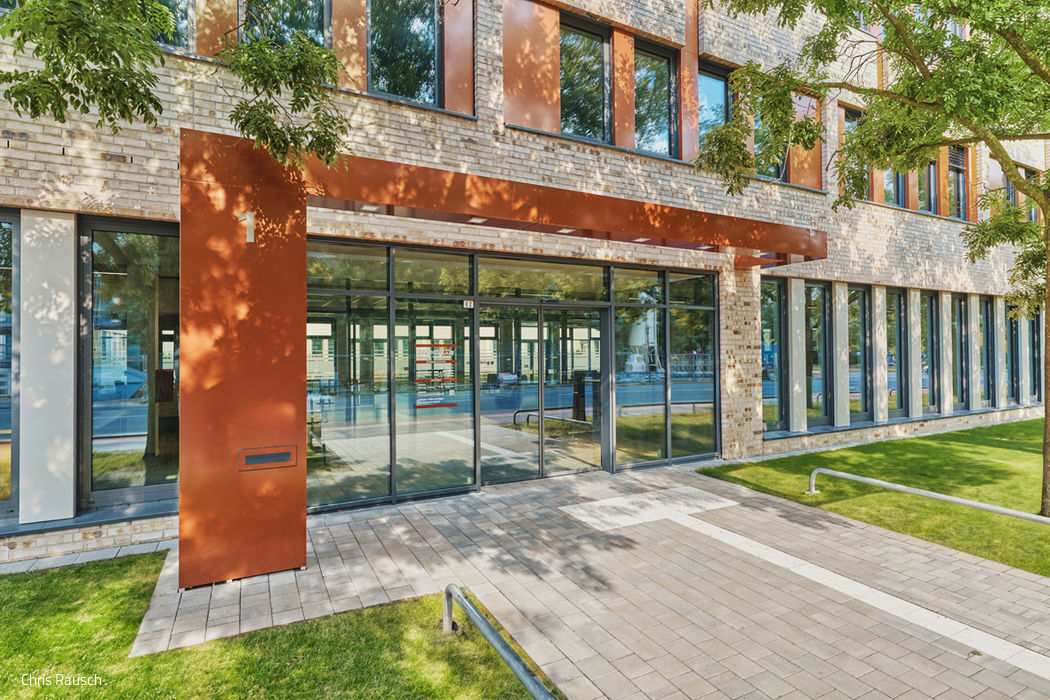
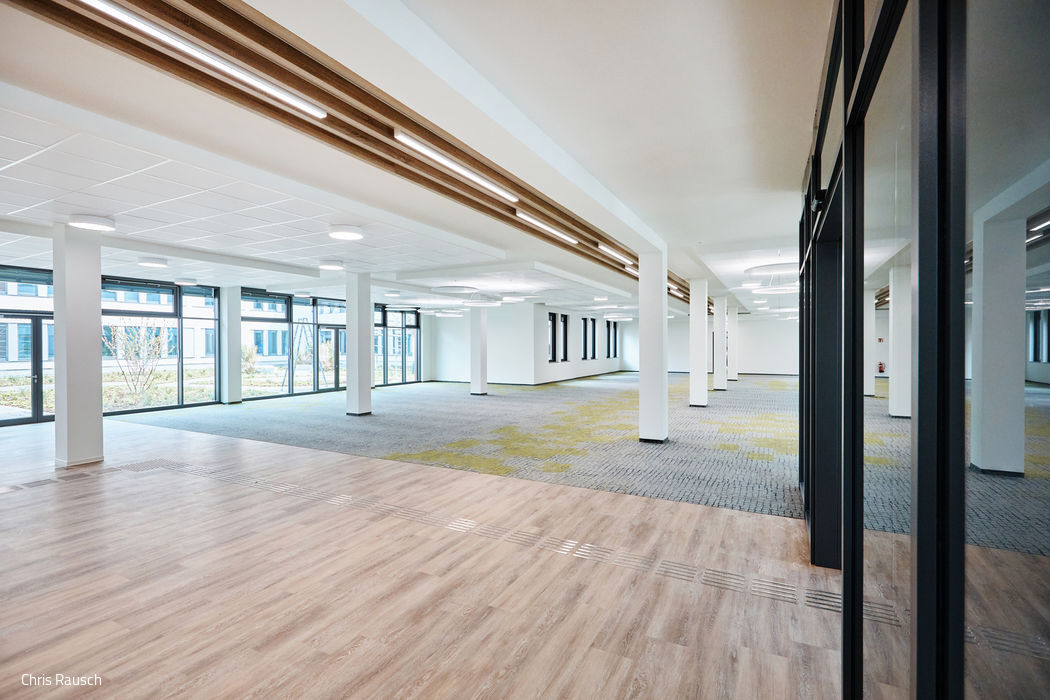
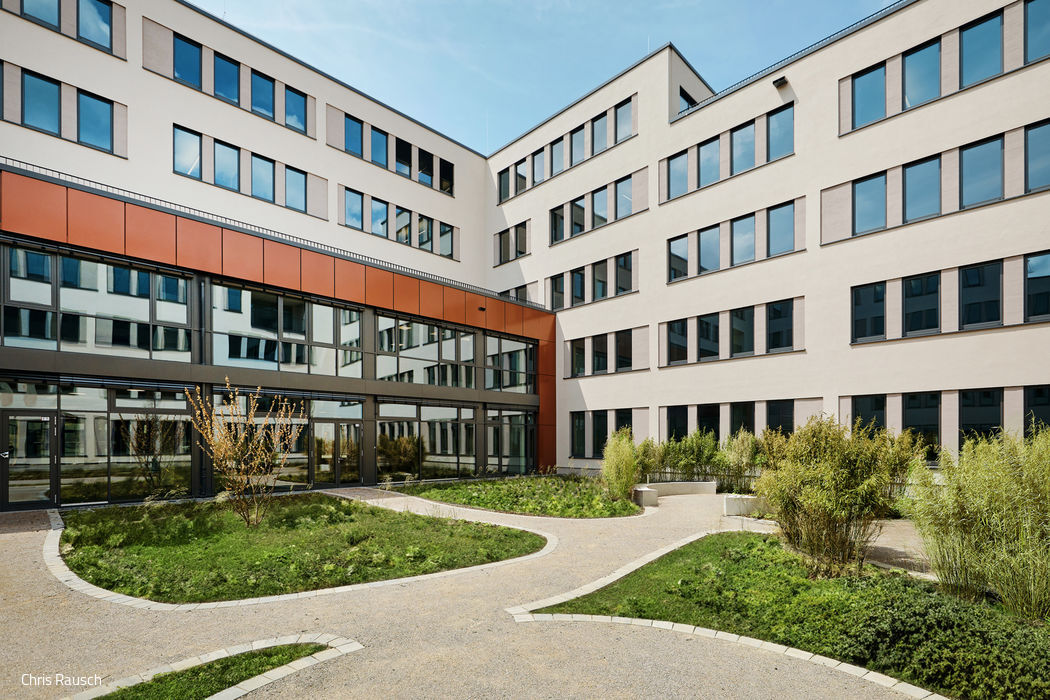
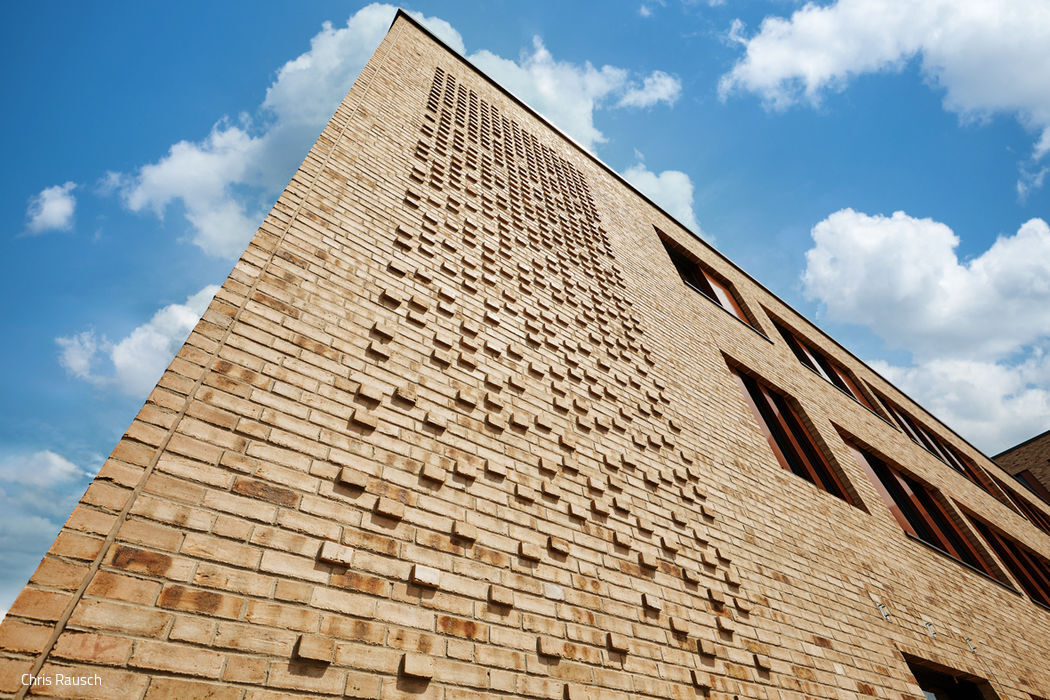
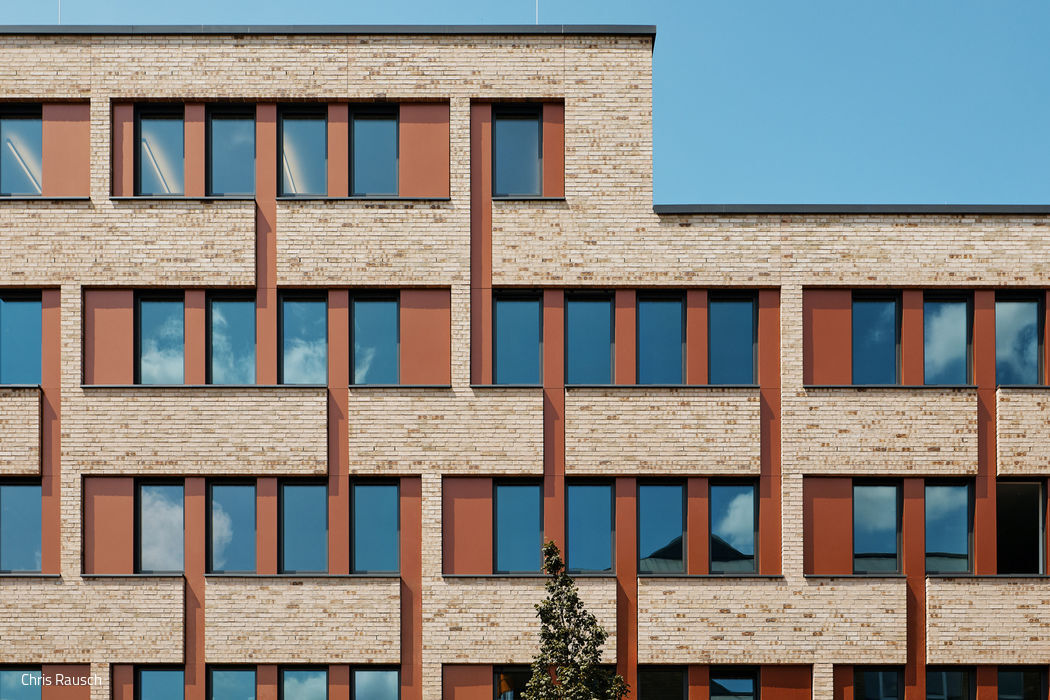
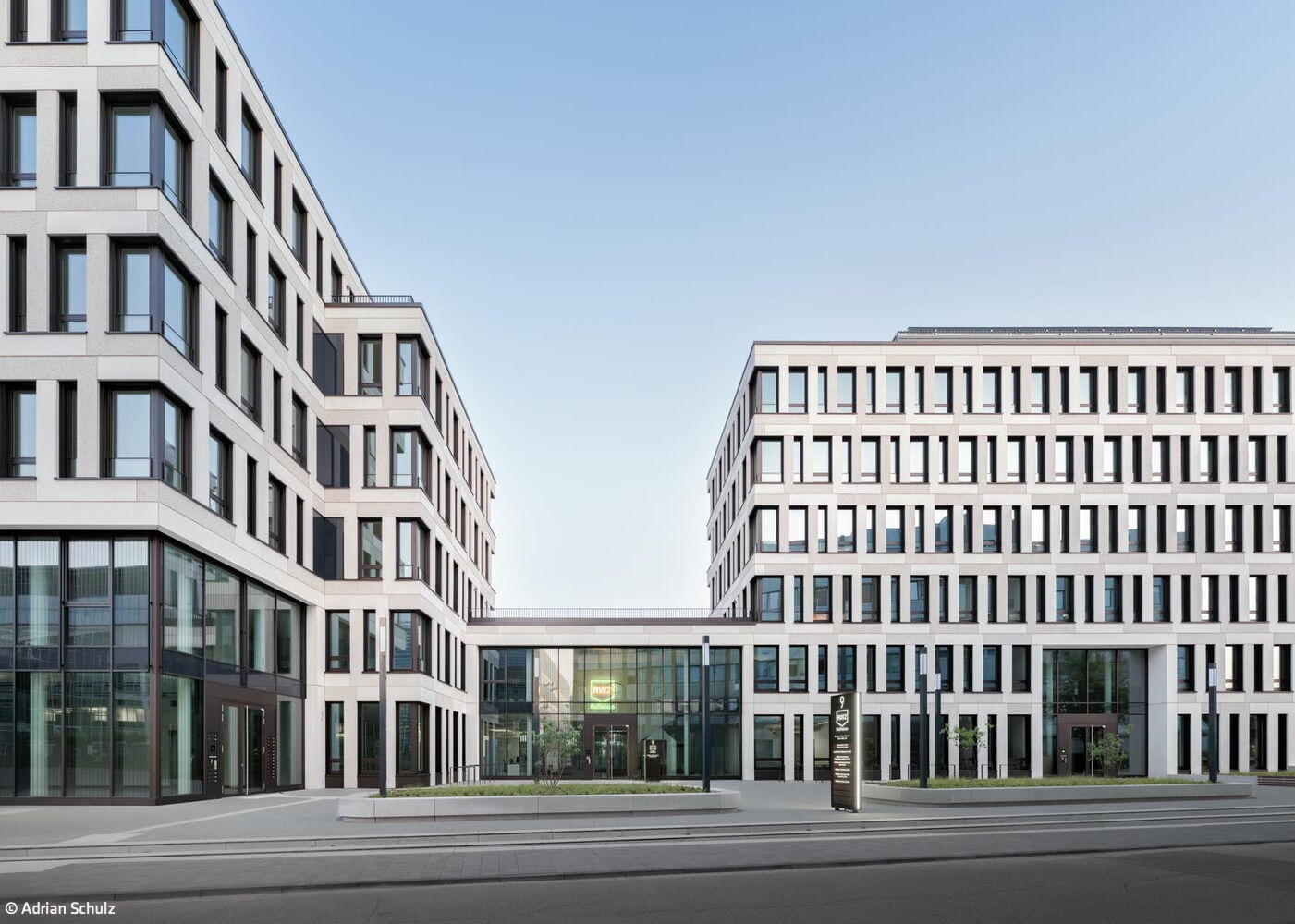
A brownfield site south of Krefeld Central Station has undergone a remarkable transformation. The Opus administration building now anchors the gateway to the new Willy Brand Quarter, standing opposite Platz der Wiedervereinigung alongside a complementary building complex. Commissioned by project developer "die developer," Lindner Architects of Düsseldorf designed a climate-conscious structure that meets the latest energy standards and earned DGNB Gold Certification.
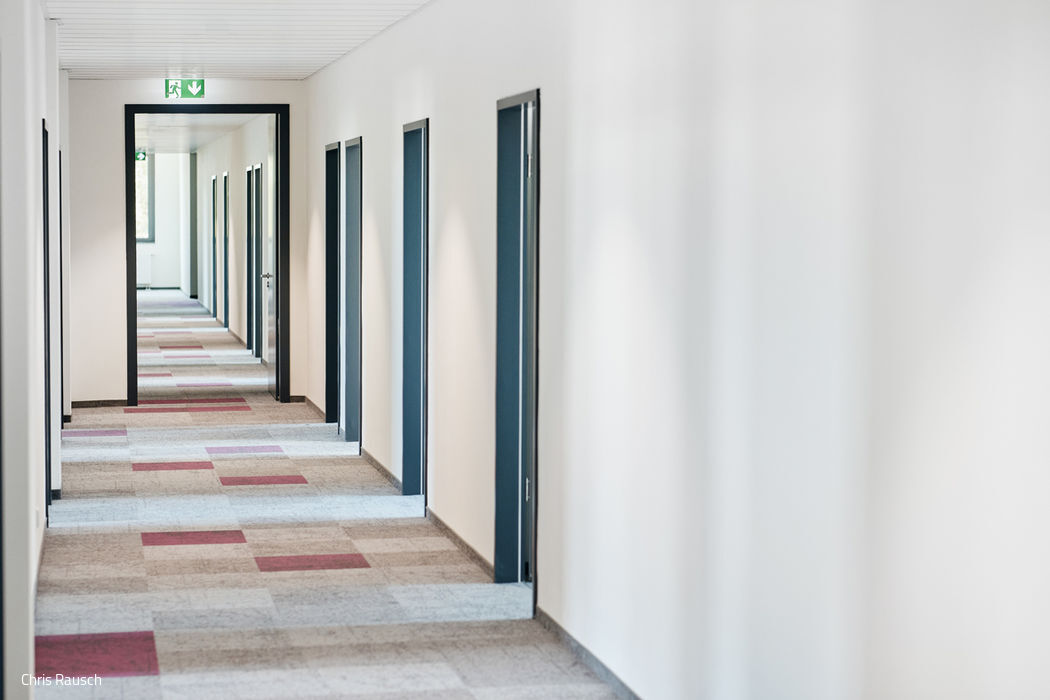
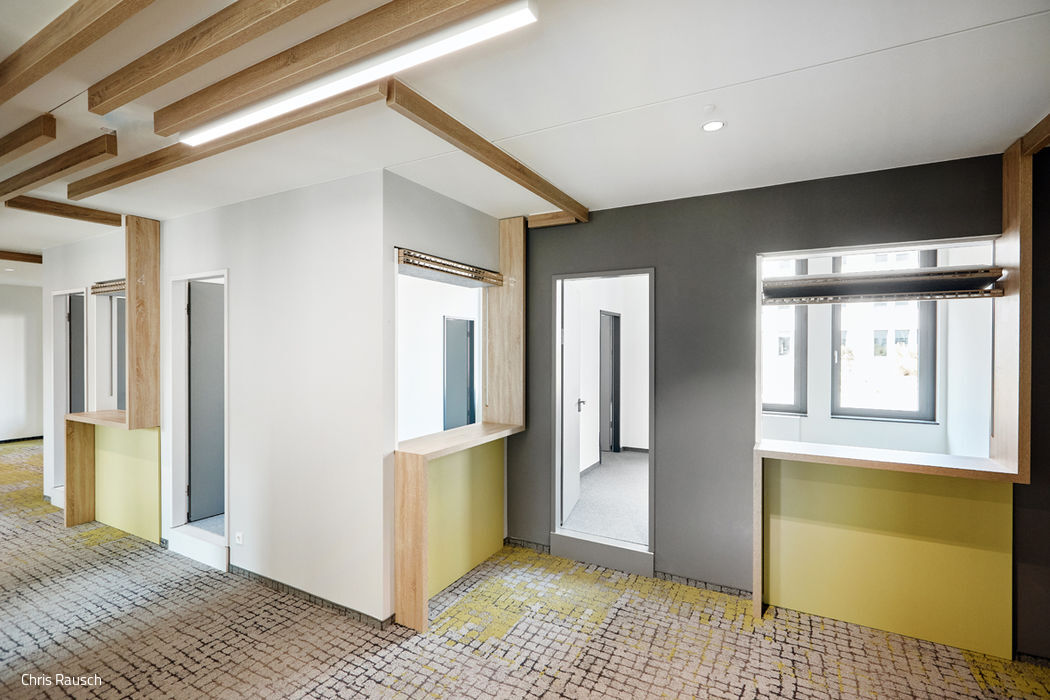
Opus integrates seamlessly into the urban fabric through a carefully orchestrated volumetric composition: five storeys face Willy-Brandt-Platz, stepping down to four on Ritterstraße, then receding to three toward the station—a responsive gesture that opens up the forecourt while respectfully echoing the station's scale. Vertical aluminium elements animate the façade, their tones echoing the neighboring context. These verticals dance across the street-facing elevations like a melodic line, interlocking pairs of levels and interrupting the rhythm of horizontal window bands to create a dynamic relief of advancing and receding planes. Along Willy-Brandt-Platz and Ritterstraße, the warm clinker masonry yields to generous glazing, allowing the building to float weightlessly above its base. Housing the Krefeld Job Centre—providing approximately 400 workstations across nearly 13,500 m² of floor space—the building prioritizes human experience from the moment visitors enter. A generous reception zone welcomes guests, complemented by an intuitive wayfinding system designed specifically for the center's needs. Bright, open office areas are paired with contemporary break rooms featuring adjoining loggias that frame views into the verdant courtyard—a sanctuary reserved exclusively for staff. Here, meeting zones and informal gathering points extend the workplace into outdoor environments. The loggias, roof terraces, and central courtyard embrace biodiversity as a design principle: varied plantings of flora and shrubs create ecological niches for insects and pollinators. Approximately 75 percent of roof surfaces support bioretention vegetation that manages rainwater runoff, while photovoltaic panels crown the uppermost level. Throughout, e-mobility infrastructure—charging stations for electric vehicles and bikes—reinforces the building's commitment to sustainability.
Photography Credits:
Chris Rausch
www.chrisrausch.de
(Published in CUBE Düsseldorf 01|24)

Surprise Element
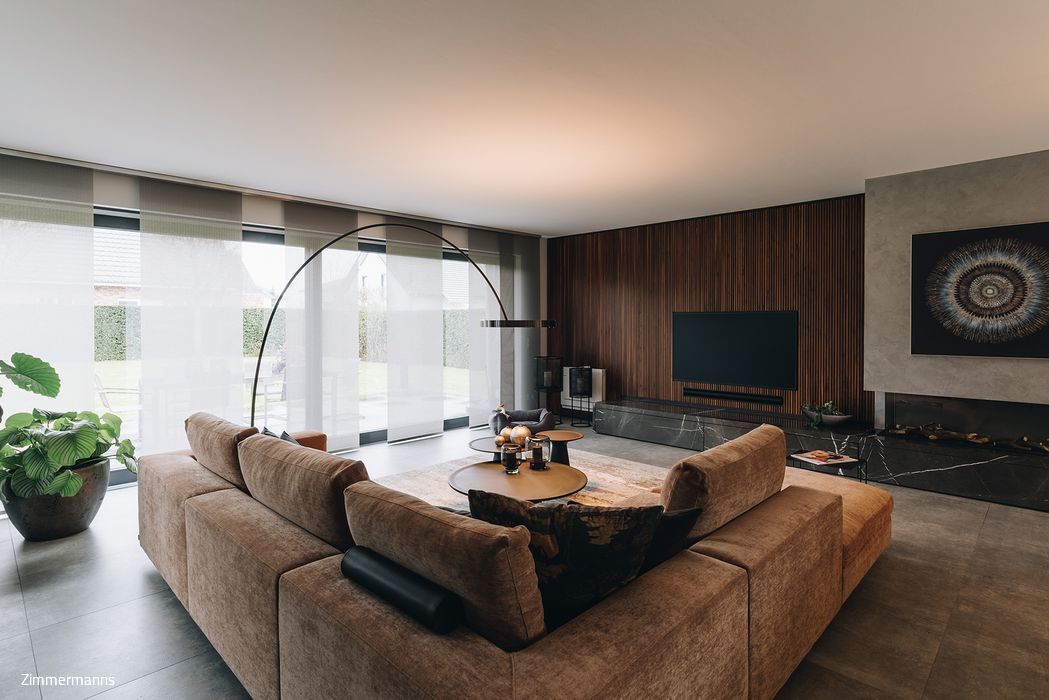
The designers proposed enriching the open-plan spaces with warm accent tones and natural materials.
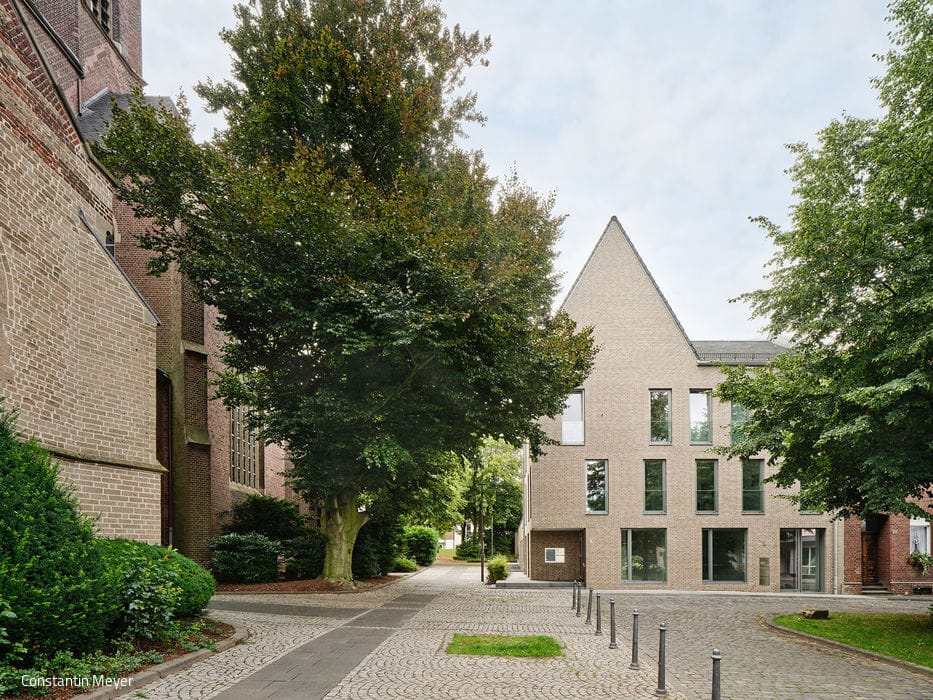
Thoughtfully Integrated
A multifunctional community centre that demonstrates refined urban design sensibility
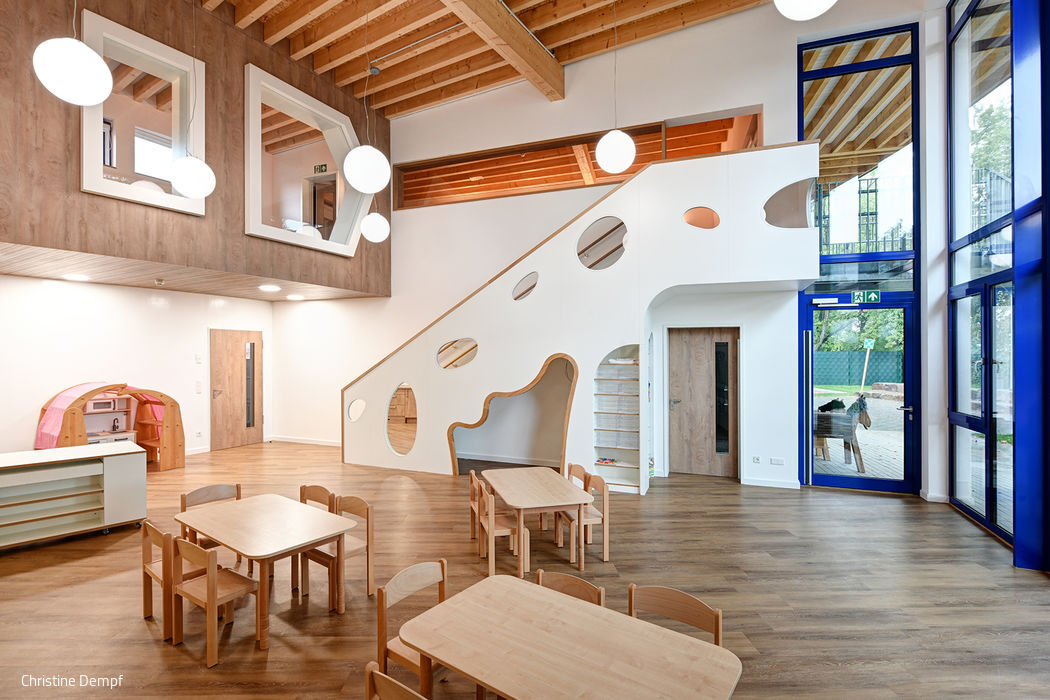
Spreading into the Garden
The ISR kindergarten in Niederkassel captivates with thoughtfully designed, individualized spaces.

Where History Meets Innovation
Modern Interior Design for Office Spaces in a Historic Soap Factory