


A century of vitality
Heritage-sensitive renovation and modernization of the university's main building
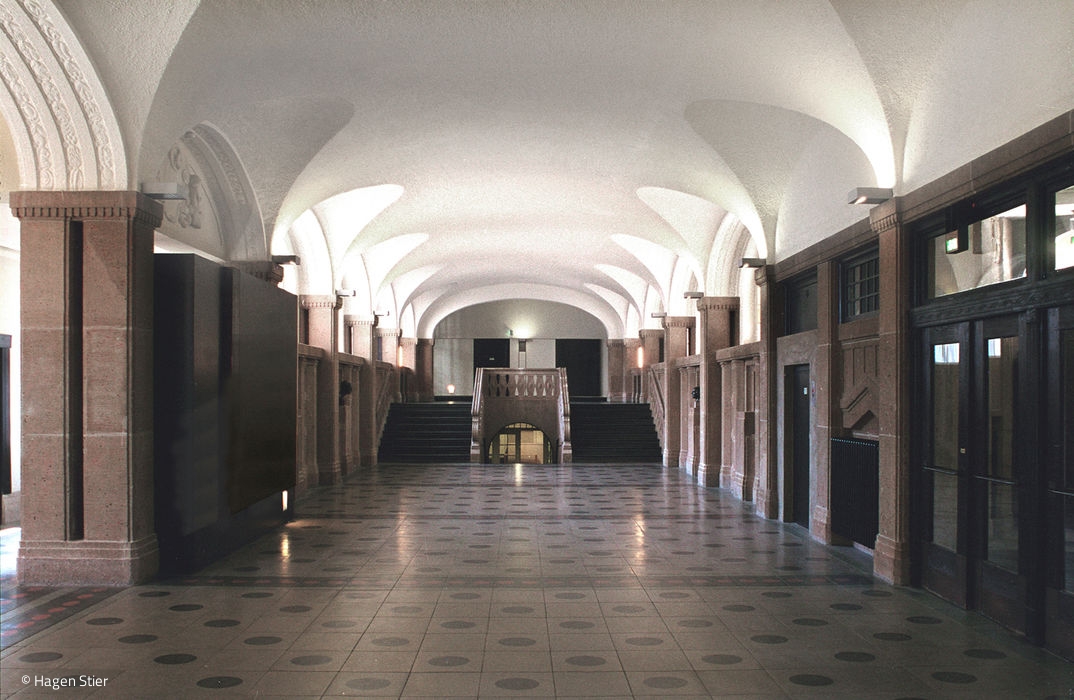
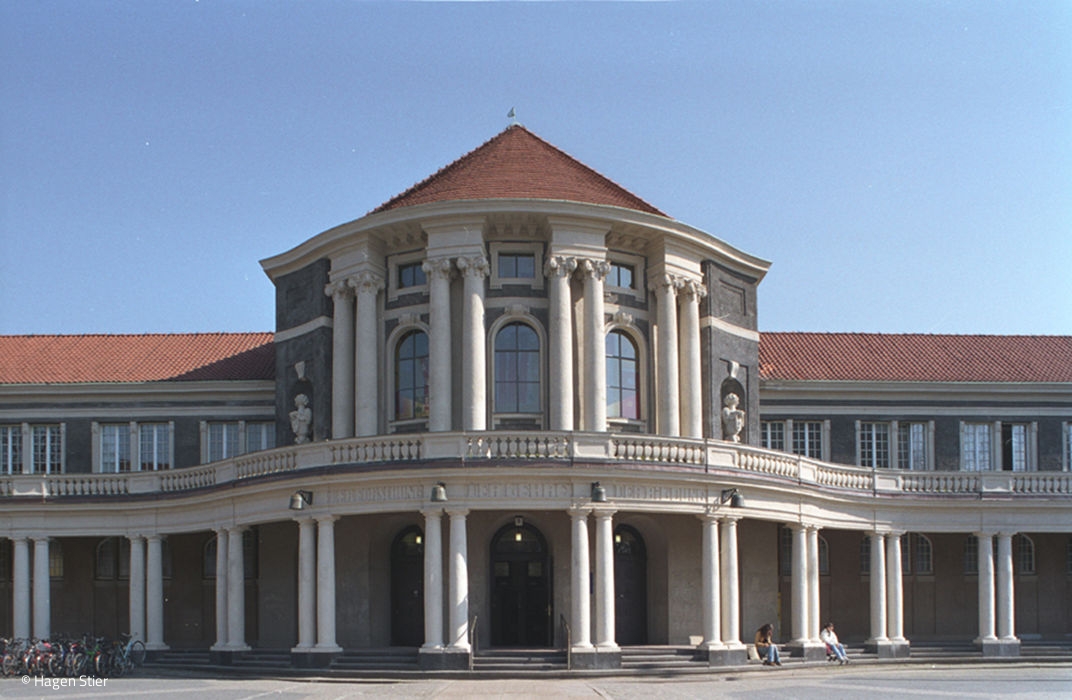
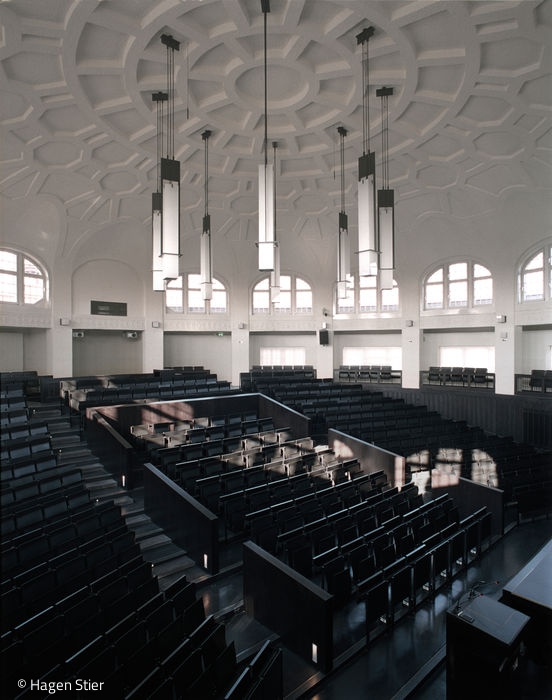
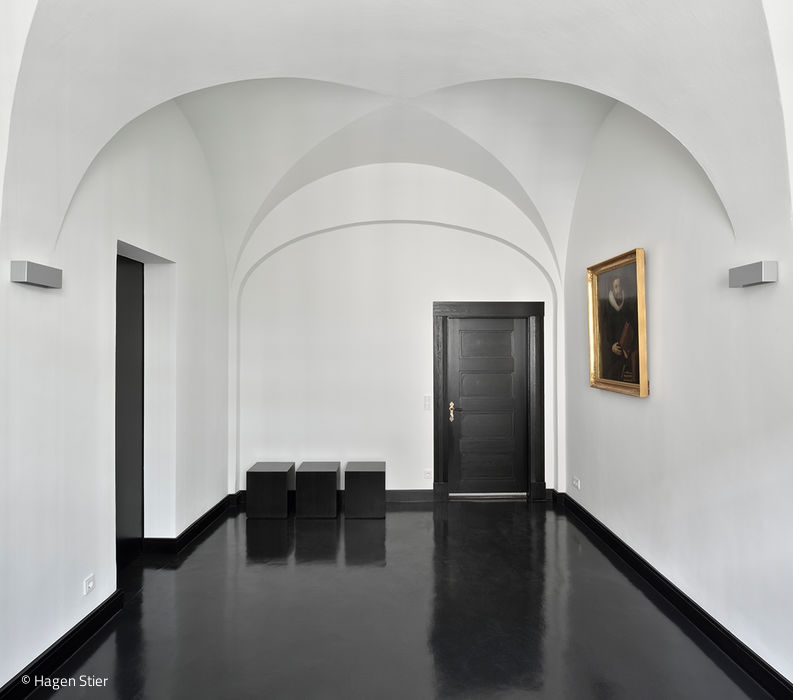
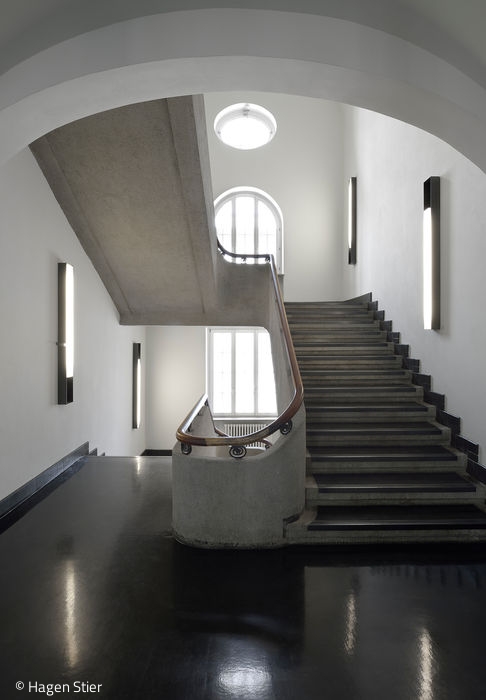
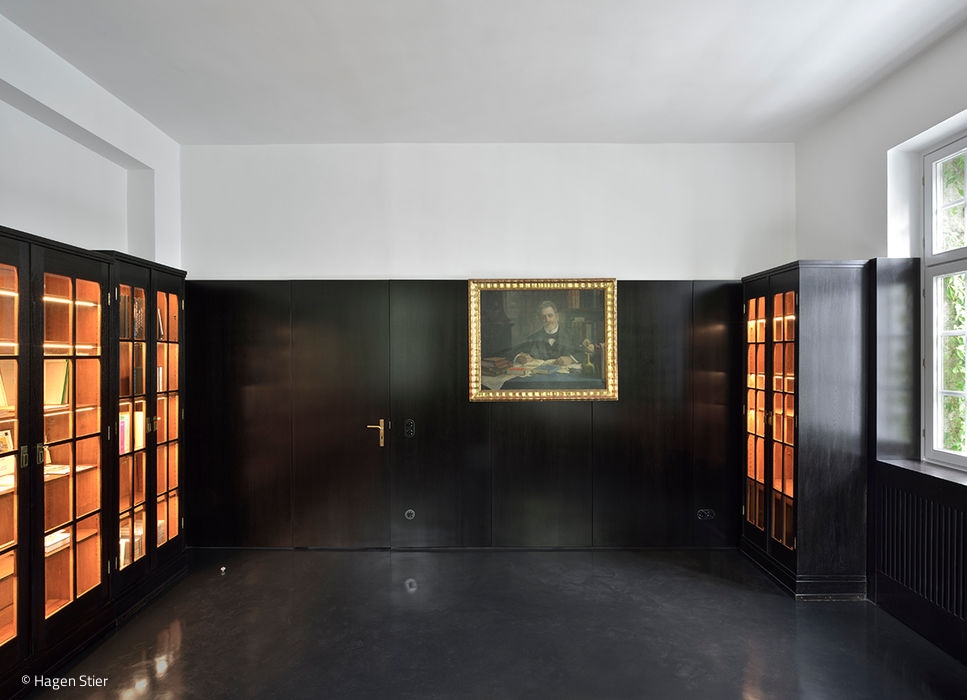
"With the motto I placed above the entrance—'For research, teaching, and education'—I present this lecture hall to our authorities for its intended purpose. May it forever serve Hamburg's greater good." So spoke Edmund J. A. Siemers, the visionary merchant and founder, in 1911. Designed by Hermann Distel and August Grubitz, this axially symmetrical structure crowned by a central dome rose on the Moorweide. Its expansive render façade, articulated by ashlar stonework in late Baroque style, represents a masterful fusion of timeless architectural tradition and contemporary innovation. Serving as the rector's residence, home to the university's central administration, and seat of the state education authority, the building evolved into an enduring symbol of institutional identity.
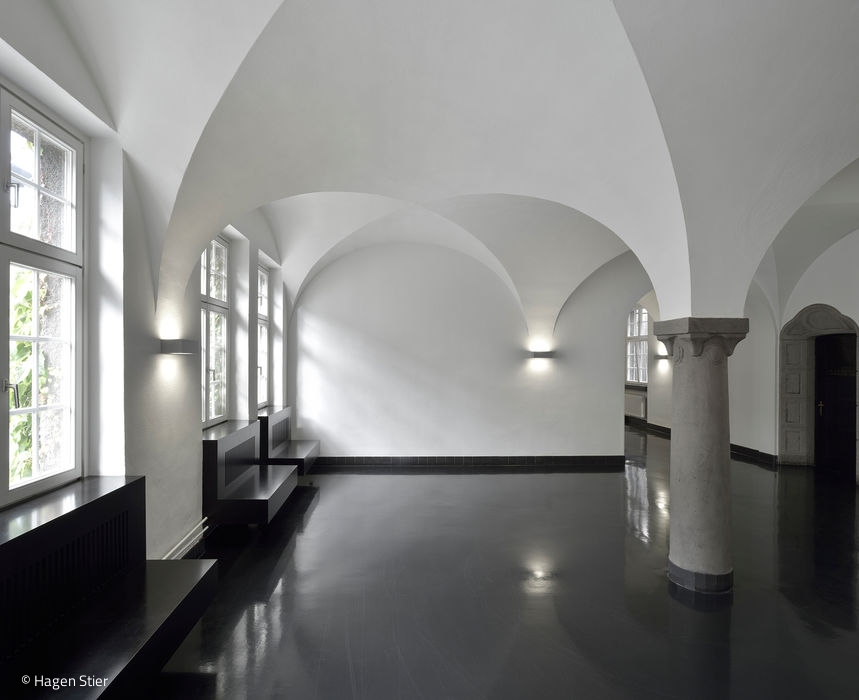
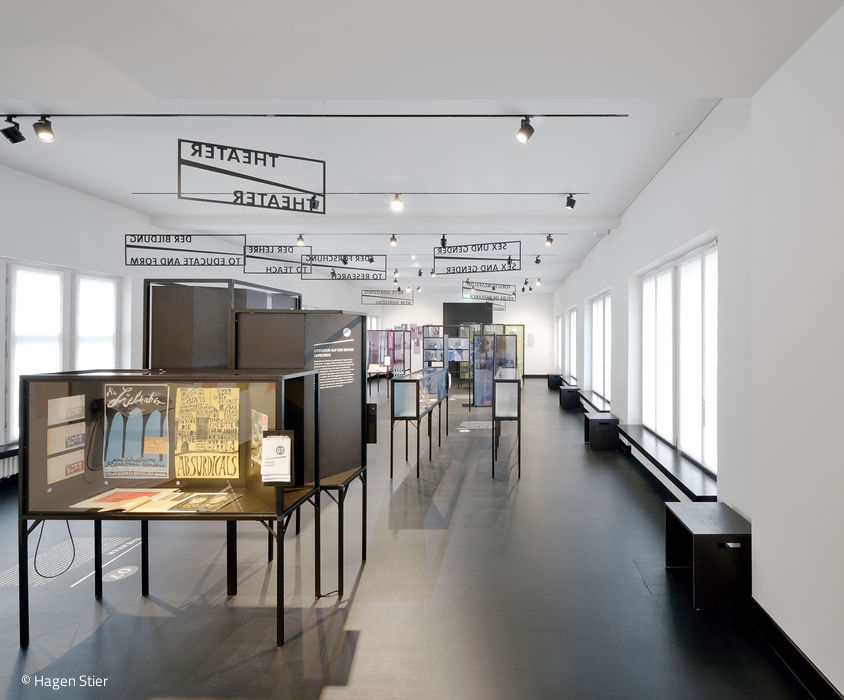
In late September 2019, marking the university's centenary, the newly established university museum opened its doors in the main building on Edmund-Siemers-Allee. Spanning nearly 350 m², the inaugural exhibition presents a compelling narrative of a hundred years of teaching and research, revealing the rhythms of campus life and the character of academic culture. Prior to this opening, the dated office spaces occupying the upper floors behind the building's grand Baroque-inspired columned façade underwent a complete gutting and comprehensive modernization. Executed according to plans by DFZ Architects in close consultation with the heritage protection authority, this work represents the remarkable culmination of eighteen years of thoughtful, phased restoration by the design team.
The central challenge was to systematically renew and modernize the entire complex while preserving its heritage significance—all while the university continued its daily operations. The focus remained steadfast: restore the building to its authentic origins and bring forth the inherent architectural qualities that define it. A 2001 assessment commissioned by the Foundation for Historic Preservation and conducted by DFZ Architects provided the strategic foundation, establishing the guiding principles and comprehensive program that would govern all subsequent interventions.
Photography Credits:
Hagen Stier
www.hagenstier.com
(Published in CUBE Hamburg 01|20)



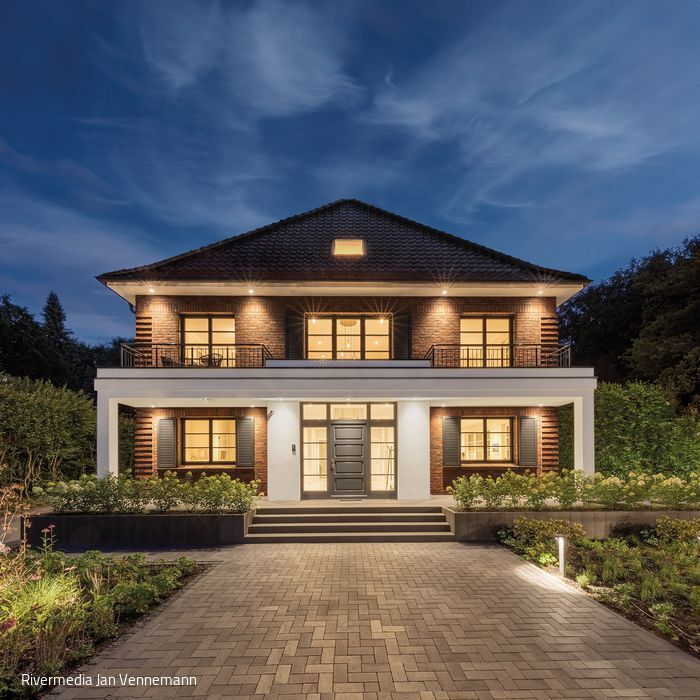
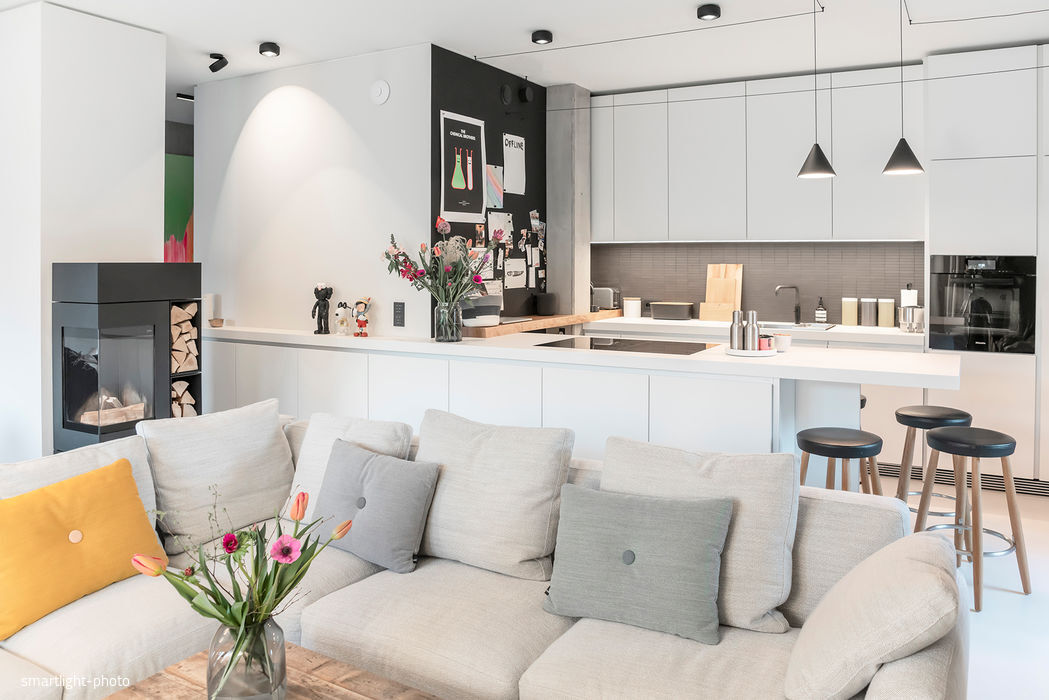
Custom Tailored
A custom-designed sanctuary where a family truly belongs
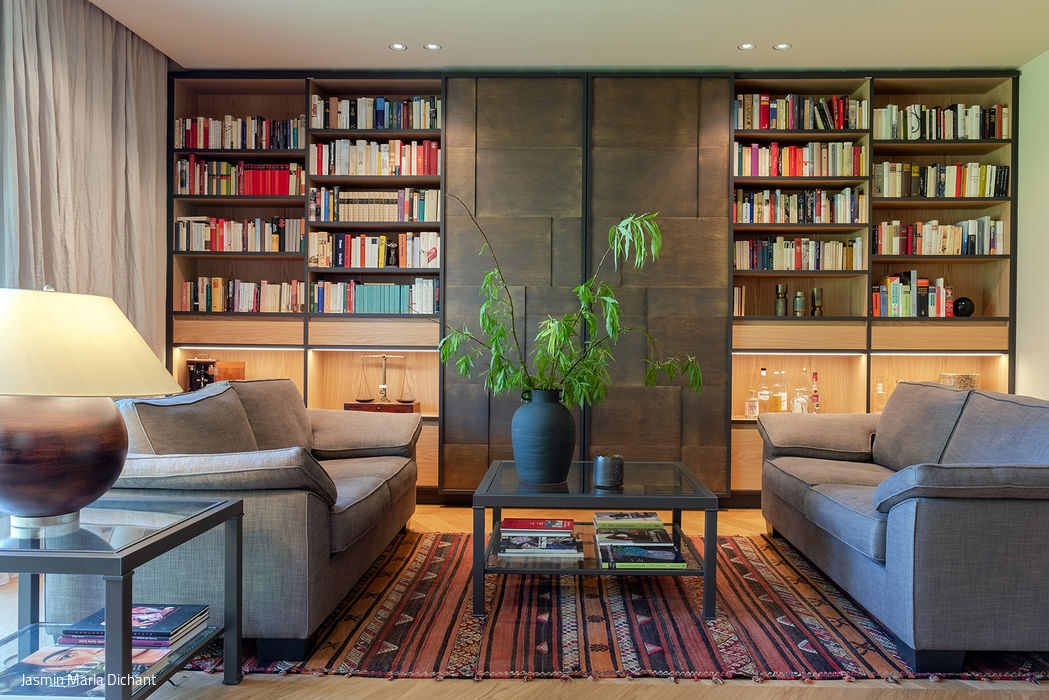
A Welcoming Atmosphere
Form, color, function, and technology in perfect balance
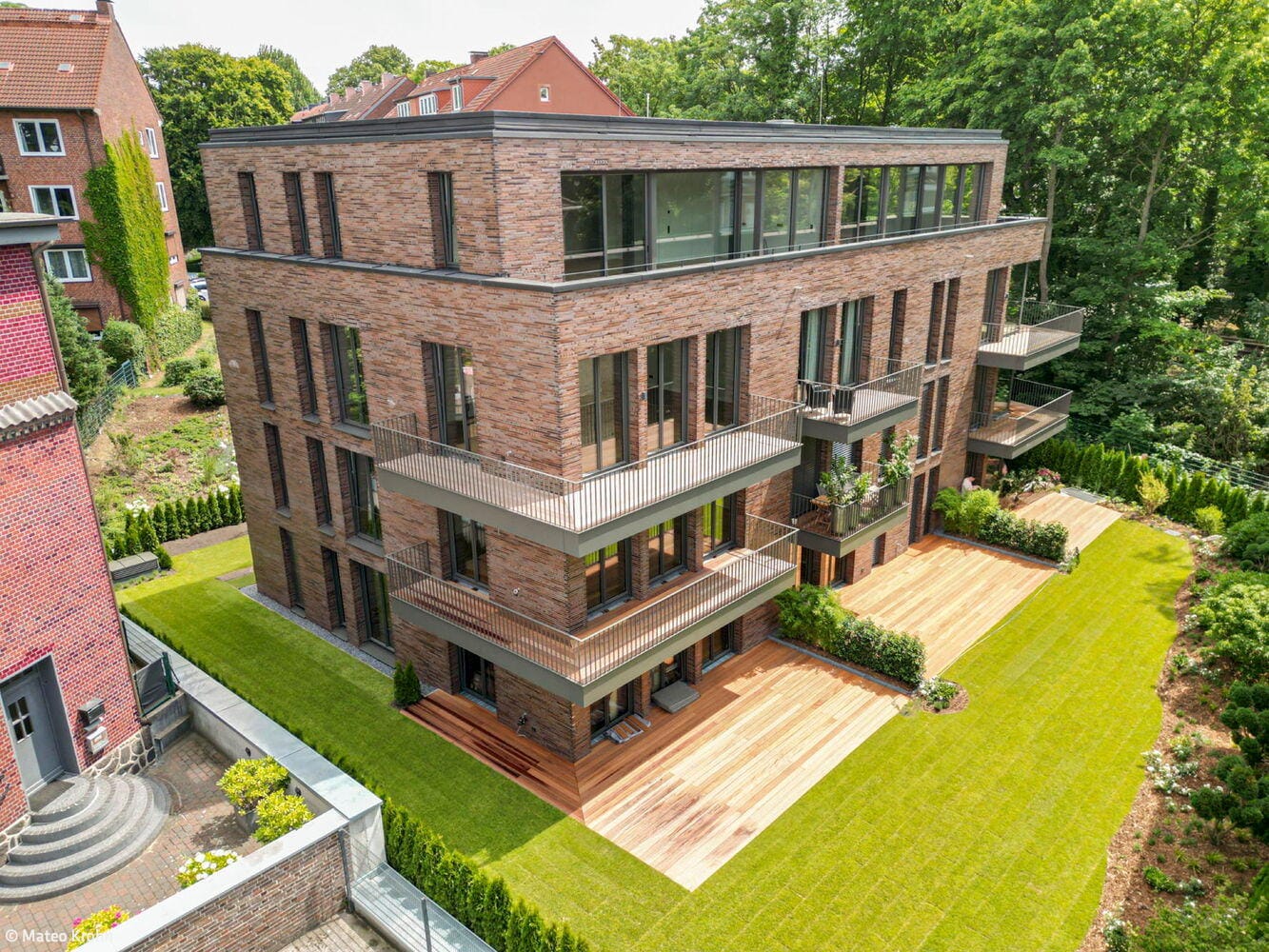
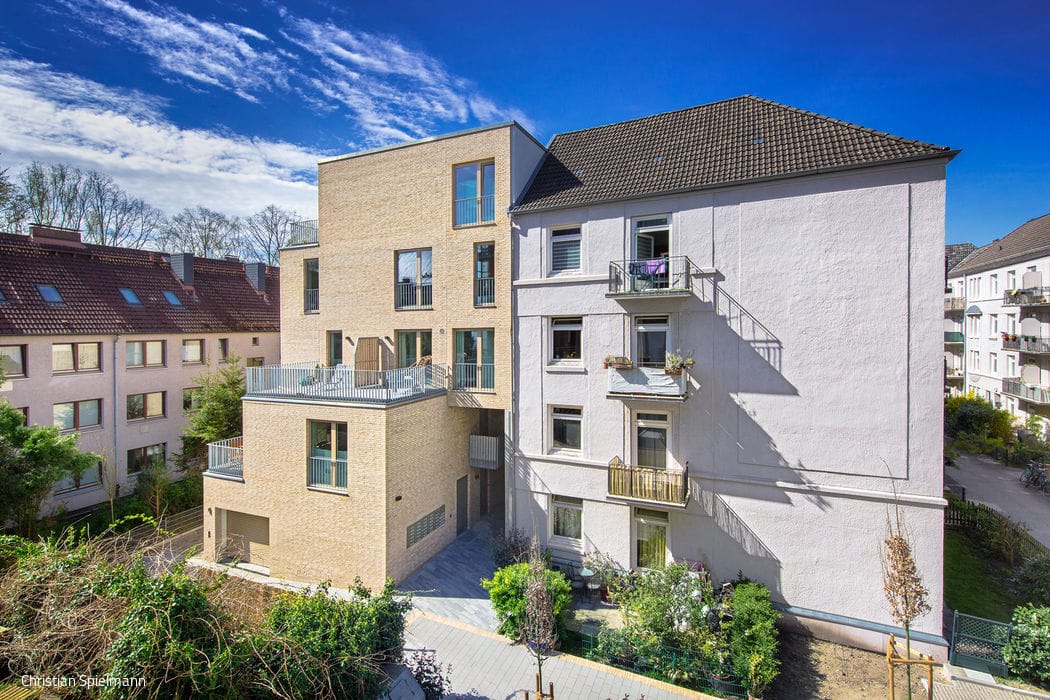
Schöner Wohnen in Winterhude
Auf einer Tiegarage in rückwärtiger Hoflage entstand dieses Haus mit viel Grün
A Nod to Schumacher
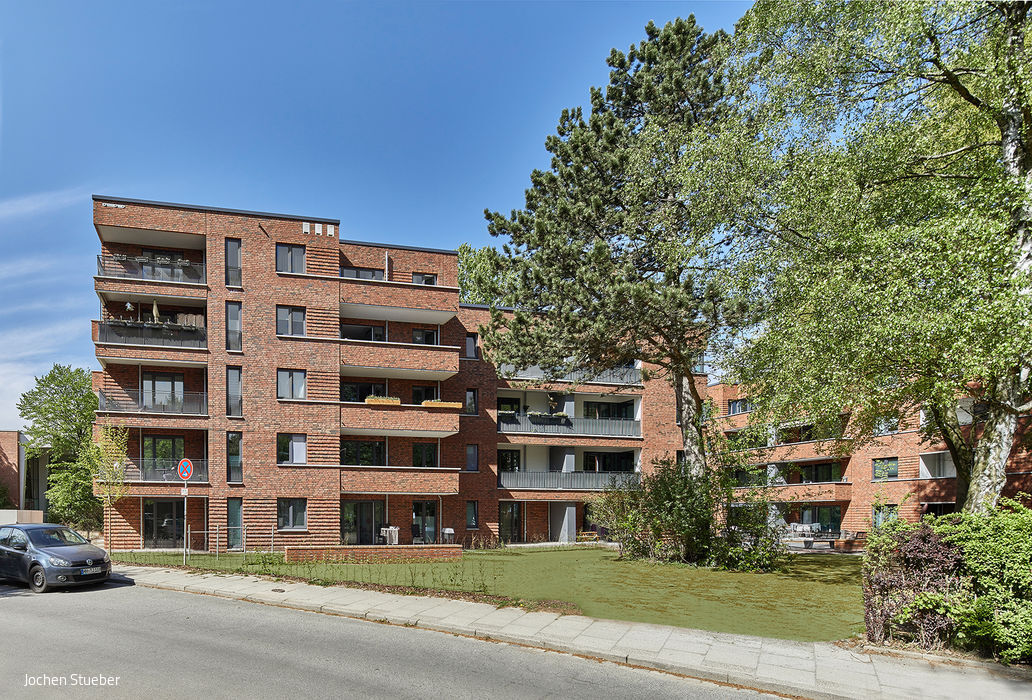
The two three- and four-storey volumes create a distinctive edge to the sports-oriented open space at the settlement's northern boundary.