


House of the Cooperative
The new administrative headquarters integrates seamlessly into the district's fabric


Hamburg's oldest cooperative is the Schiffszimmerer-Genossenschaft (Shipwrights' Cooperative), founded in 1875 initially to purchase and operate shipyards. In 1900, the cooperative built its first multi-family residential building for shipwrights. Today, it stands as one of Hamburg's largest housing cooperatives, with nearly 15,000 members. Its portfolio encompasses around 100 residential complexes containing more than 9,000 apartments.
In Ohlsdorf alone, the cooperative operates 13 residential complexes, with the Rübenkamp Quarter being among the largest. Built in the characteristic linear construction style of the 1950s, this residential compound spans over 45,000 m² between Steenkoppel, Fuhlsbüttler Straße, Buekweg, and Rübenkamp. For over 60 years, the administrative offices have been located here on Fuhlsbüttler Straße. As part of the cooperative's ongoing modernization of this aging quarter, TchobanVoss Architekten has systematically replaced the original buildings with new structures based on a master plan since the mid-2000s—completing six of ten planned phases to date. The accessible and universally designed apartments, ranging from one-and-a-half to five rooms, include both publicly subsidized and privately financed units. The new administrative building represents the seventh construction phase and is situated within the residential quarter itself. Its distinctive red brick façade identifies it as part of the housing complex, while its cubic form and window divisions clearly express its function as an office building. At the corner of Steenkoppel and Rübenkamp, the four-story structure creates an urban focal point. A recessed ground floor opens invitingly and articulates a clearly legible entrance. The central member services area and a spacious assembly hall occupy this representative public zone.
The first and second upper floors accommodate approximately 80 employees from various departments with spaces designed for diverse work styles, along with tea kitchens. The third floor houses the executive level, conference areas, and a generous roof terrace for staff relaxation. A sculptural staircase connects these floors and encourages interaction. A particularly valued feature is the glazed, vegetated interior courtyard that extends through all levels. All communication zones orient toward this central space. Every office enjoys views of the exterior landscape. The underground parking provides 35 spaces for vehicles and a bicycle storage area, both equipped with charging stations for electric vehicles and e-bikes.
Photos:
Daniel Sumesgutner
www.sumesgutner.de
(Published in CUBE Hamburg 03|24)
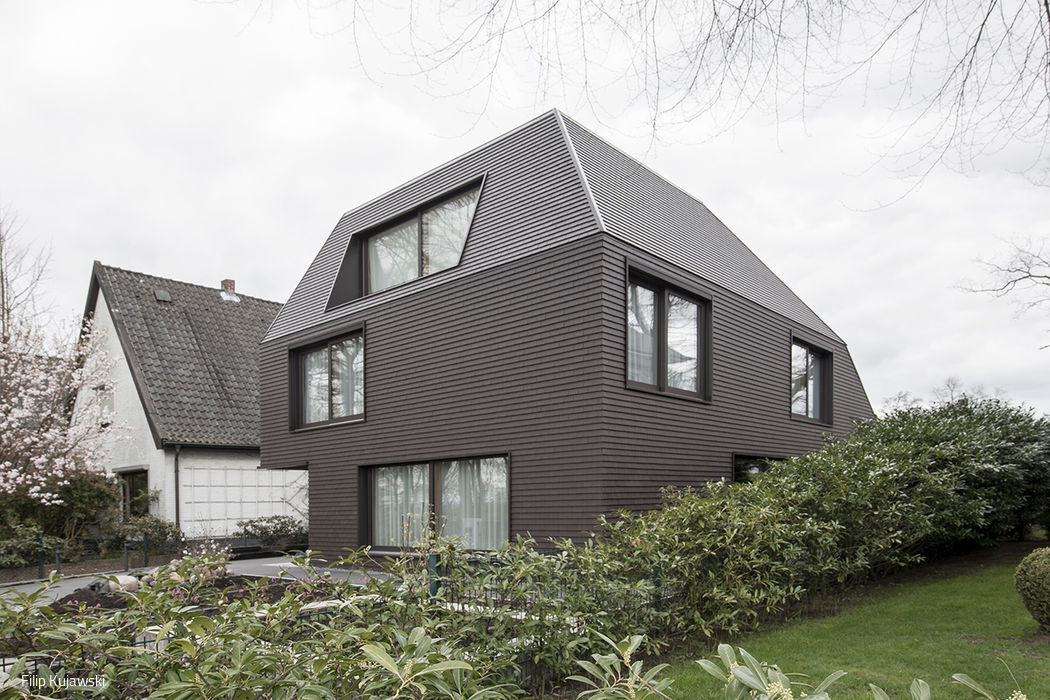
Three Plus Three Makes One
Family Rituals Define a Home Built to Purpose
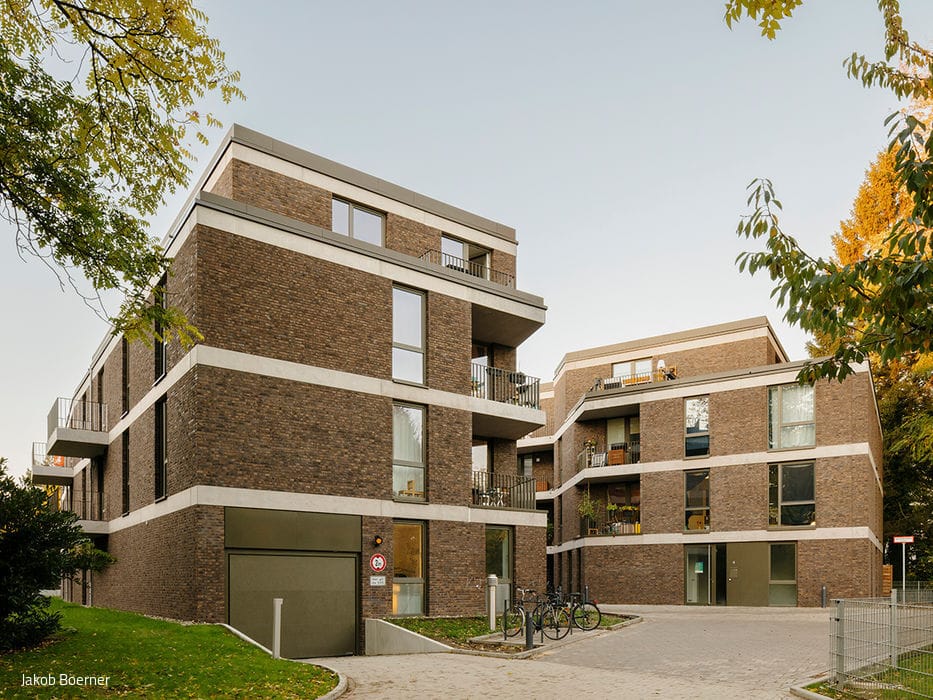
Open and Welcoming
The building embodies the community's distinctive character and shared spirit.
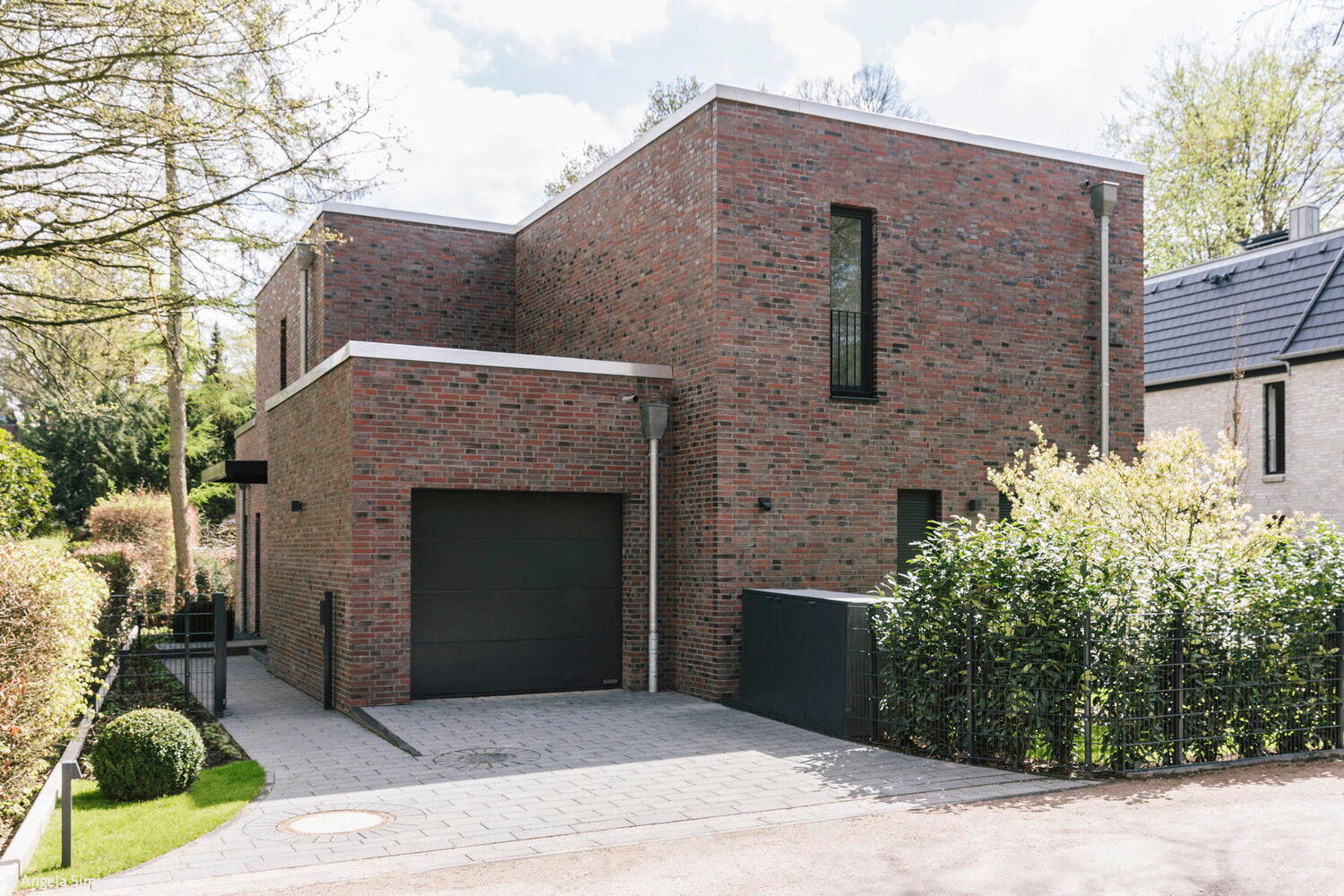
An Attractive Place to Live
Privacy and Spaciousness on a Compact Lot in a Dense Context

Modern and Functional
A minimalist gabled-roof home designed for comfort, space, and family living.