


Unraveling the Maze
The gallery functions as the central access point and main entrance, serving alongside the Archaeological Promenade to connect four of the five museums on the island.
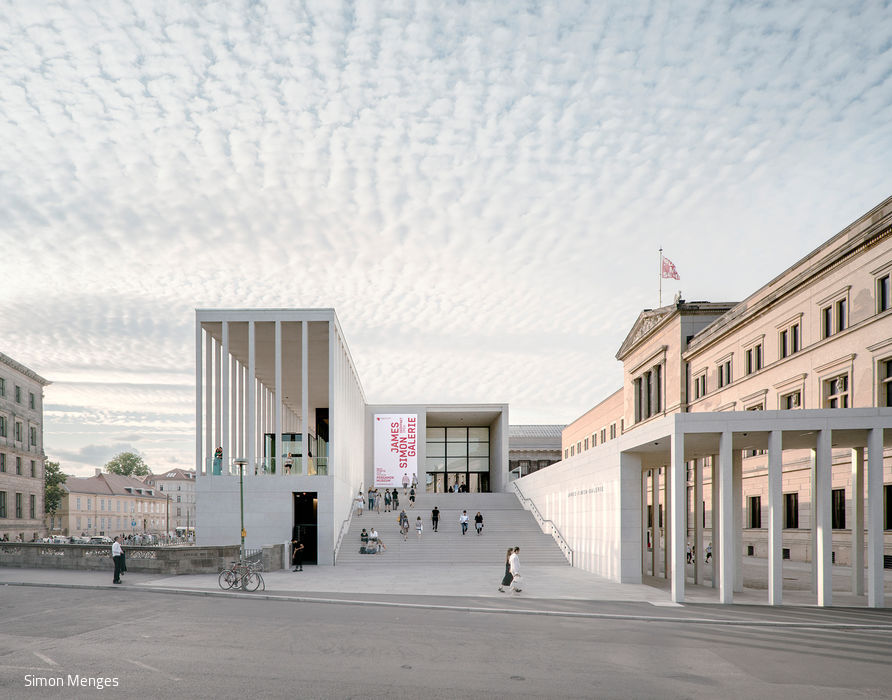
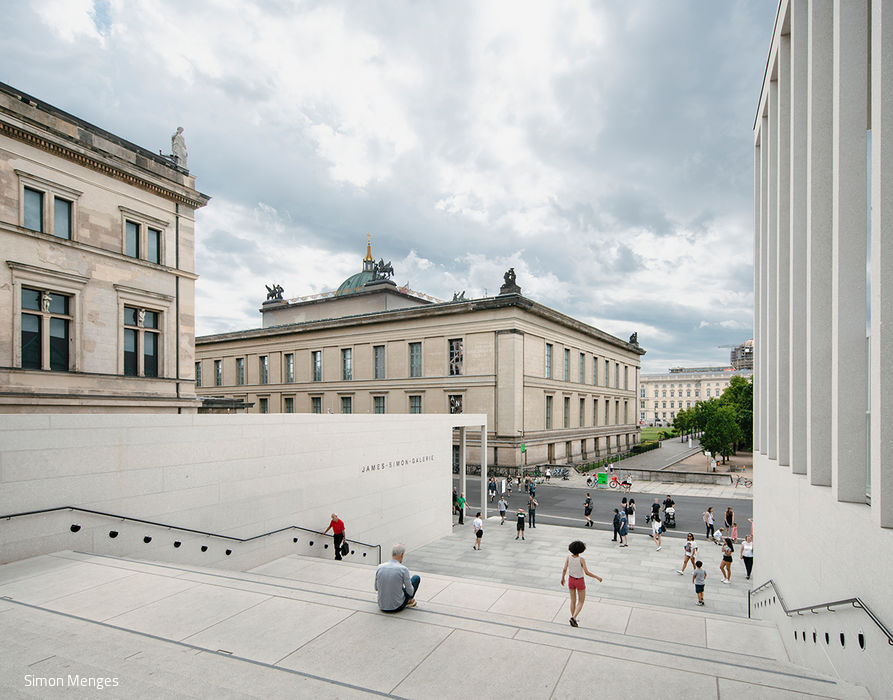
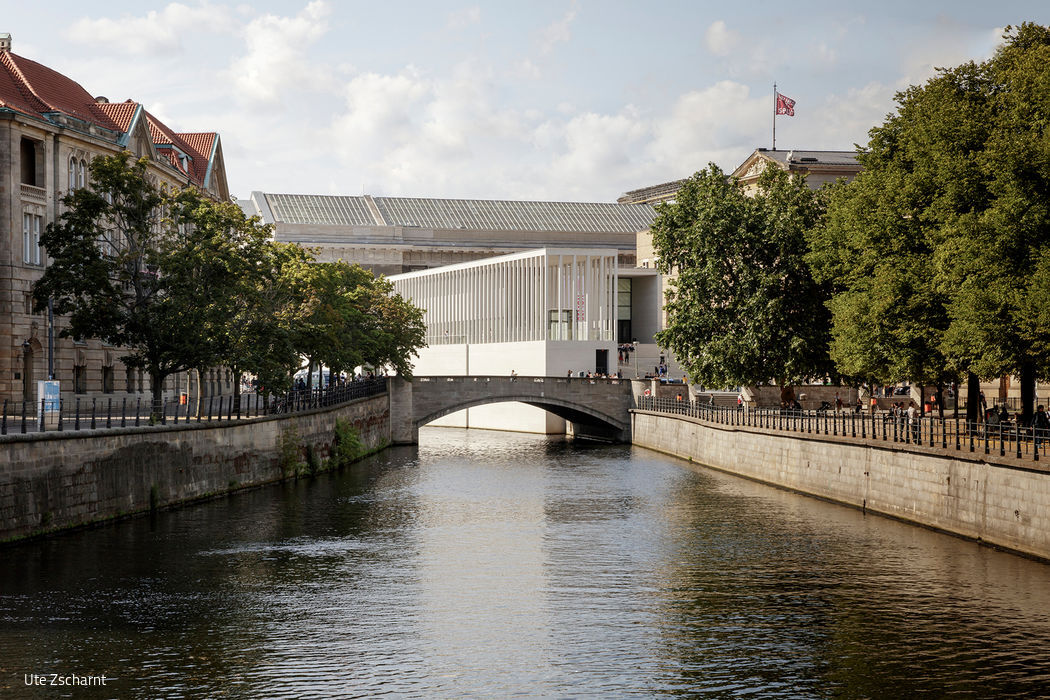
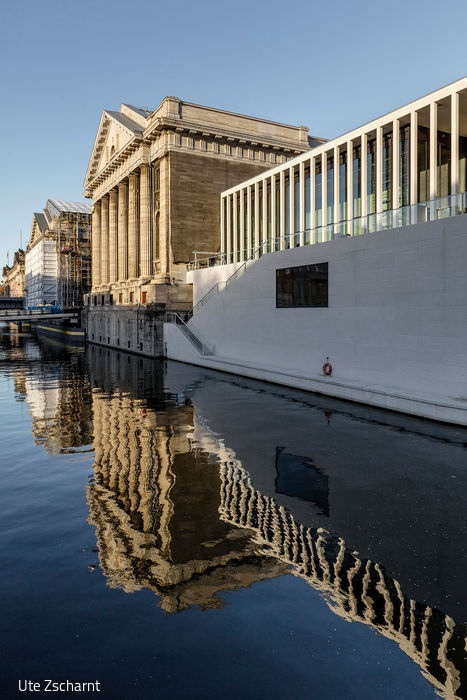
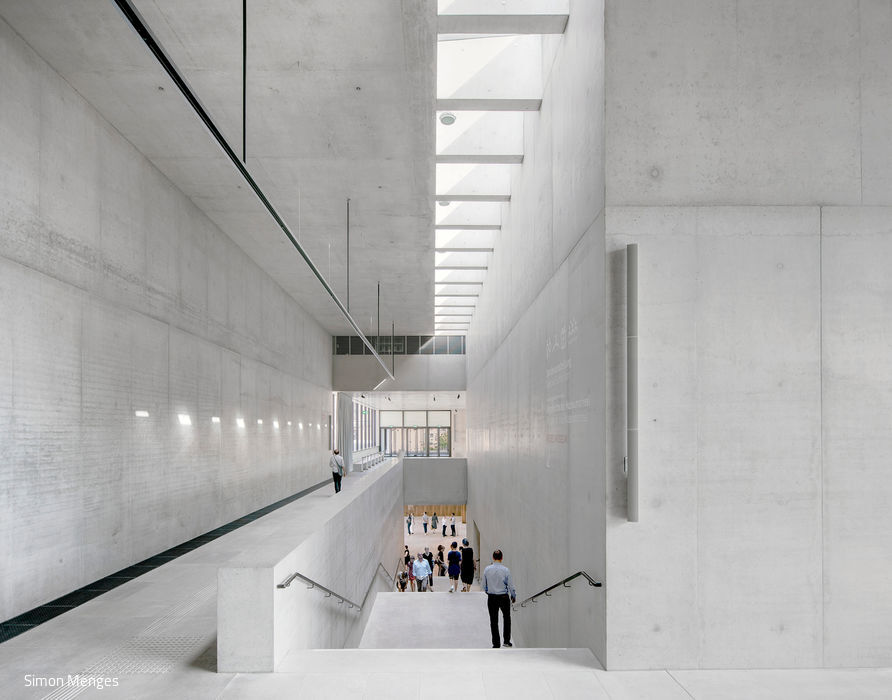
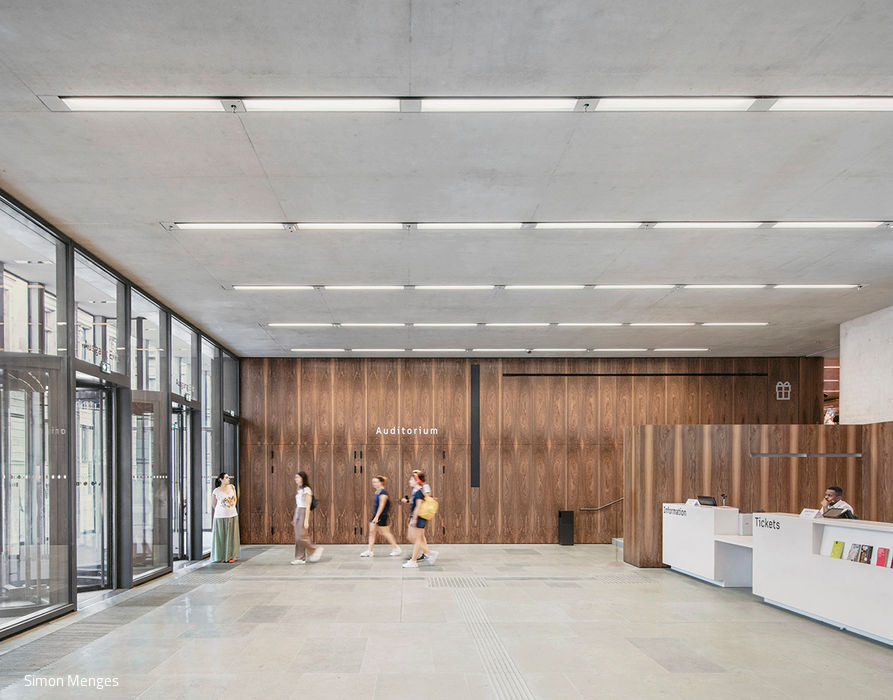
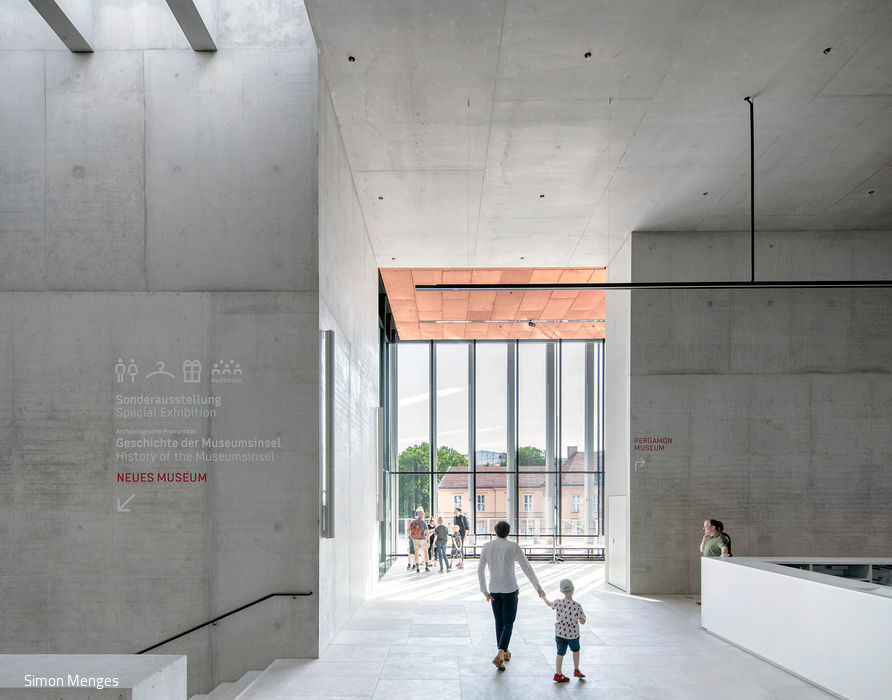
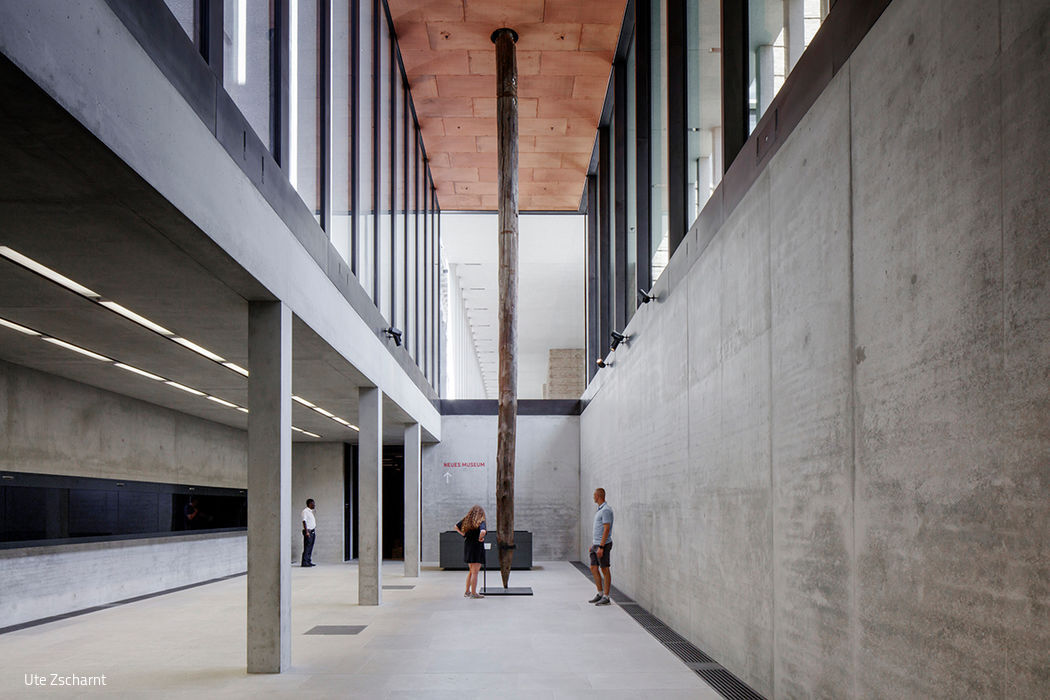
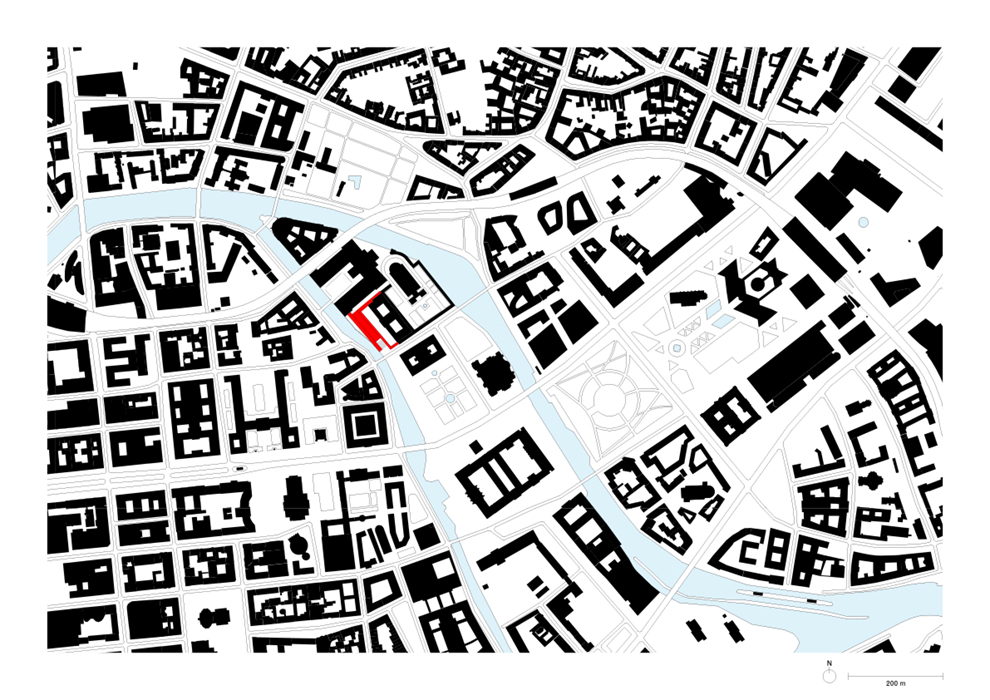
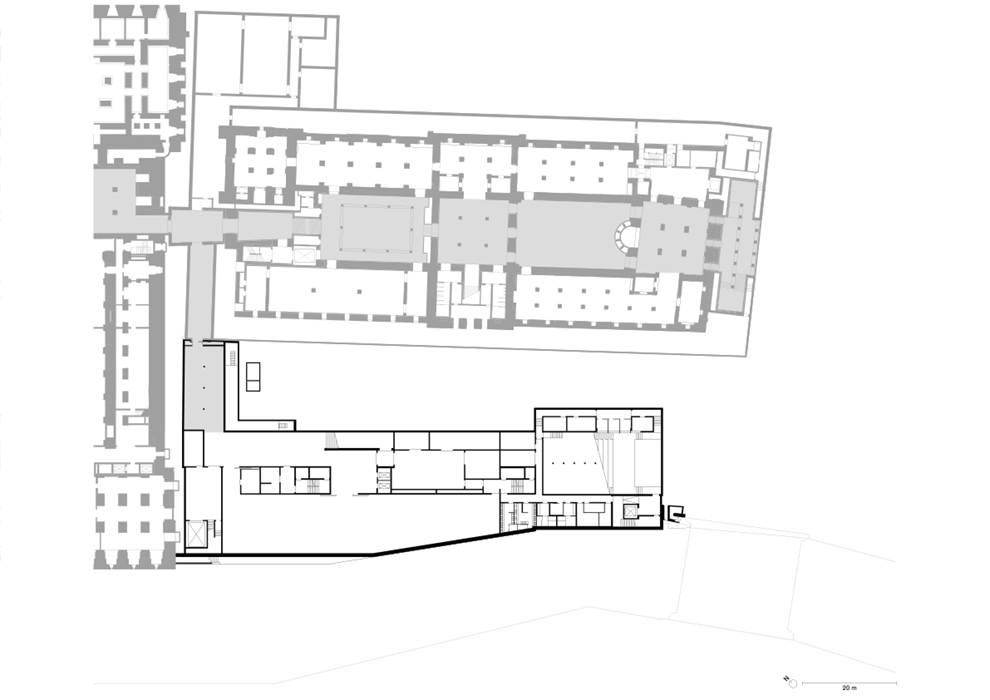
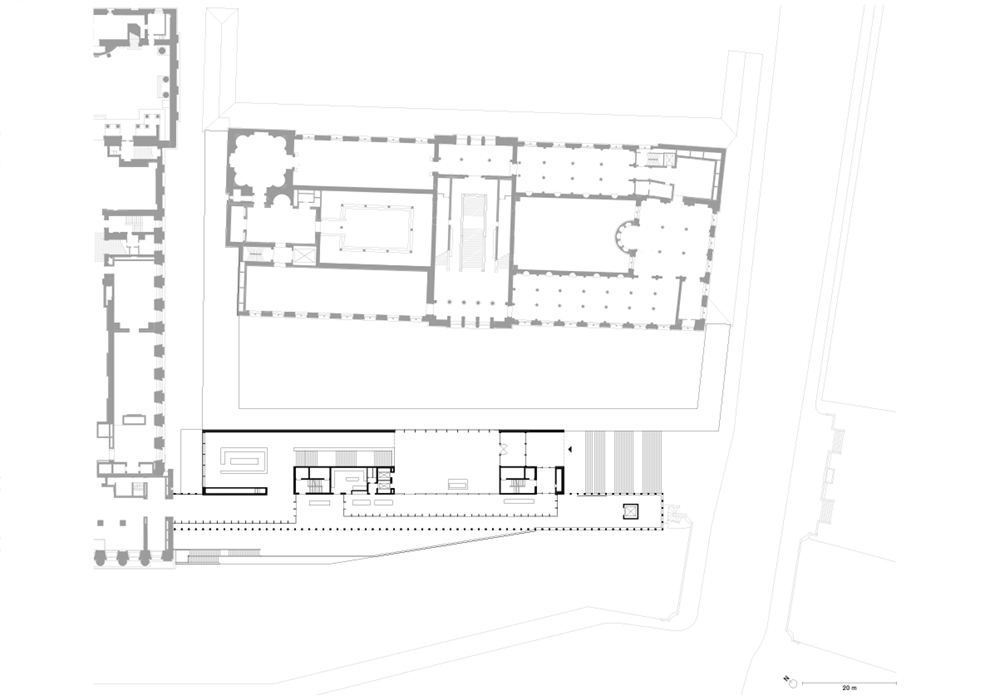
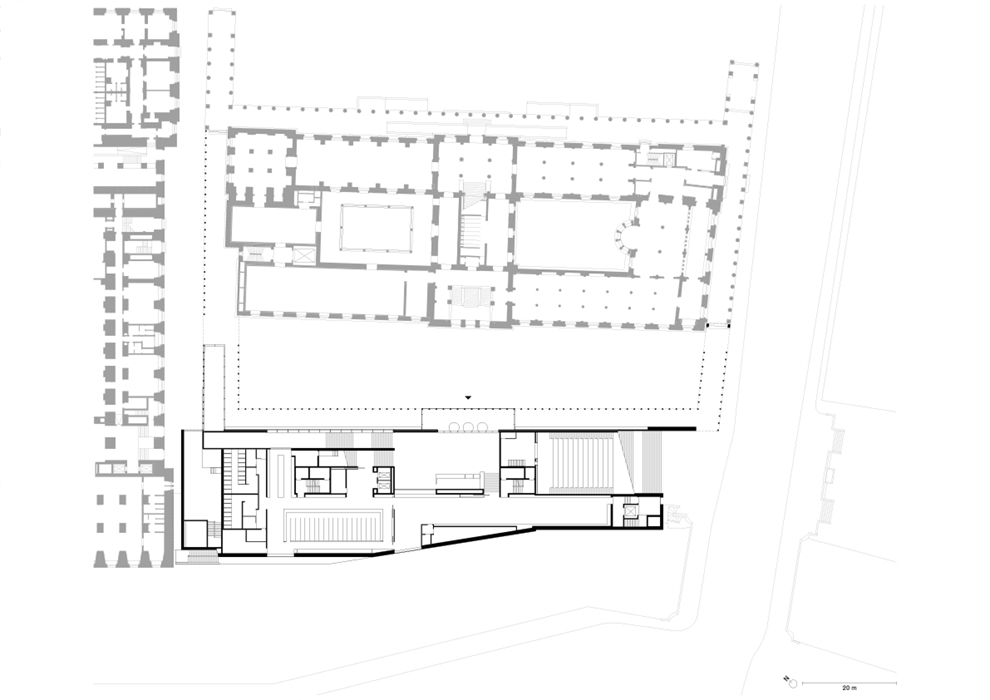
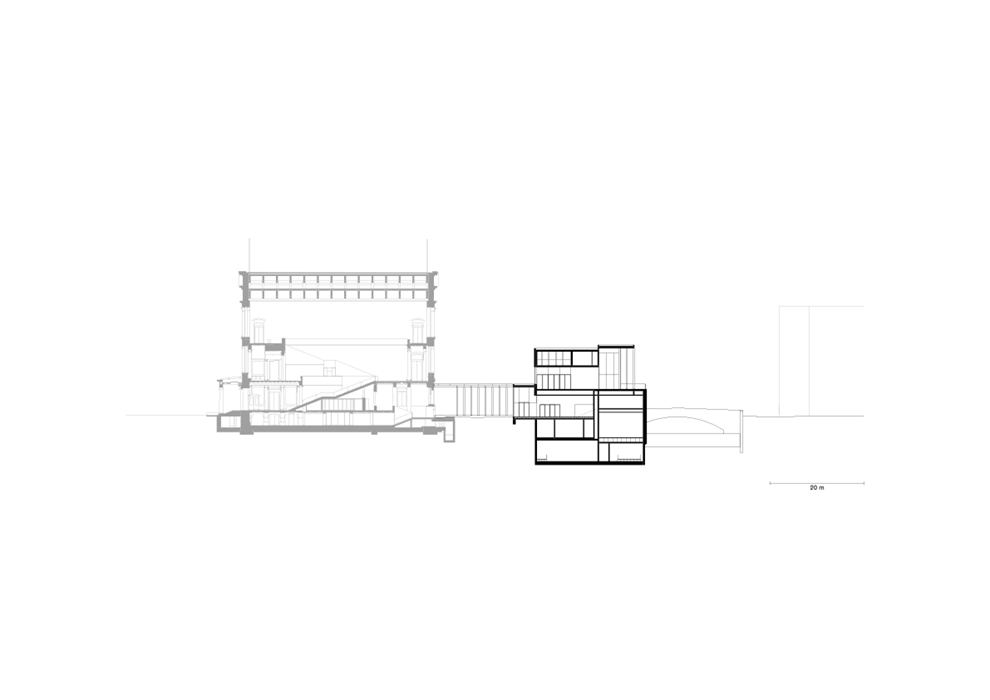
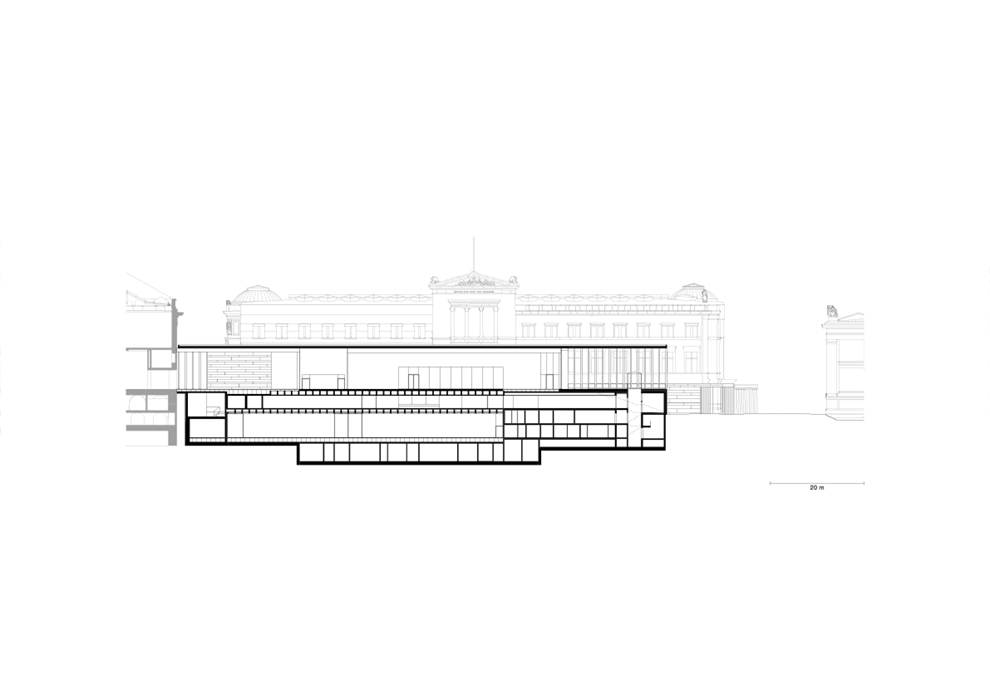
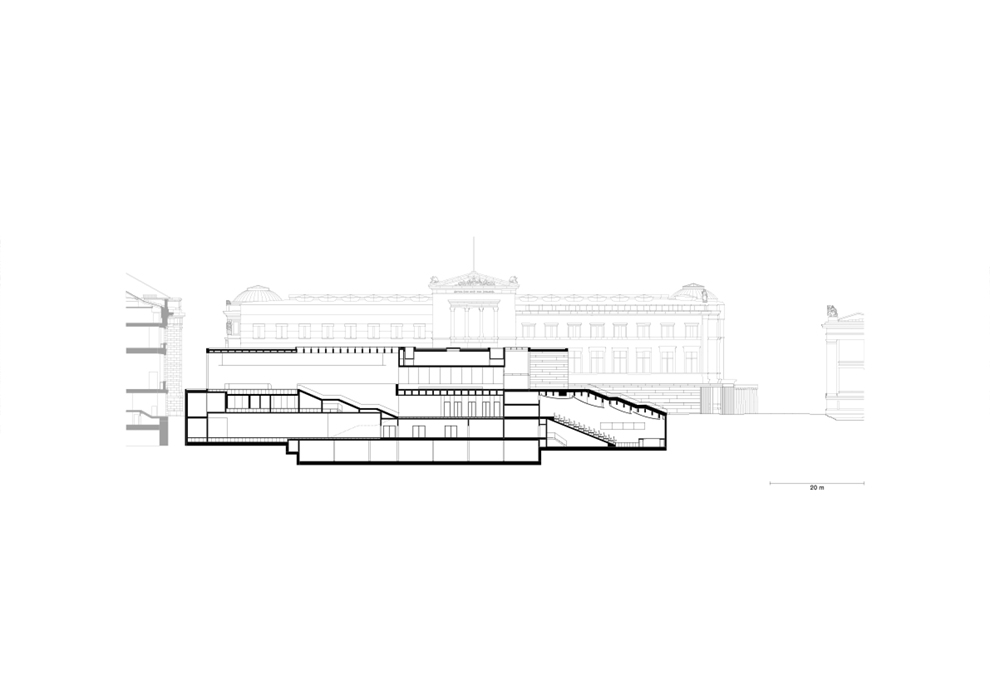
Die 2019 feierlich eröffnete James-Simon-Galerie ist einer der wesentlichsten Bestandteile des Masterplans Museumsinsel, der 1999 beschlossen wurde. Namensgeber für das Gebäude ist der bedeutende Mäzen James Simon, der u. a. dem Ägyptischen Museum die Büste der Nofretete schenkte. Die Galerie fungiert als Erschließungs- und zentrales Eingangsgebäude und verbindet zusammen mit der Archäologischen Promenade vier von fünf Museen auf dem Museumsareal. Das Büro des britischen Architekten David Chipperfield erhielt den Auftrag zum Bau, obwohl dessen Entwurf beim eingeladenen Wettbewerb zunächst nur den Platz 2 hinter Giorgio Grassi belegte. Nach einigen Überarbeitungen überzeugte Chipperfiels Konzept dann doch mehr. Ausgangspunkt des Masterplans war, die aus unterschiedlichen Epochen stammenden und von unterschiedlichen Baumeistern geplanten, unzusammenhängenden Solitäre zu verbinden und durch einen zentralen Zugang quasi zu bündeln und leichter erschließbar zu machen. Dieser Prozess wird allerdings erst abgeschlossen sein, wenn die sogenannte Archäologische Promenade – ein im Sockelbereich verlaufender, durchgehender Verbindungsgang, beginnend beim Alten Museum und endend im Bode-Museum – fertiggestellt sein wird. Der Standort der James-Simon-Galerie gegenüber des Neuen Museums im Osten und entlang des Kupfergrabens im Westen empfängt die Besucher mit einer breiten Freitreppe zum Lustgarten im Süden der Museumsinsel. Sie steht auf dem Grundstück des ehemaligen Neuen Packhofs von Karl Friedrich Schinkel, dessen Reste abgebrochen wurden, da sich das Gebäude auch bereits merklich abgesenkt hatte. Der Baugrund an dieser Stelle setzte höchste technische Anforderungen voraus. Da tragfähiger Baugrund teilweise erst in 40 m Tiefe zu erreichen ist, waren aufwendige Bohrungen und Stabilisierungsmaßnahmen erforderlich. Die Gebäudehülle besteht aus Betonwerkstein mit einem Zuschlag aus weißem Lengefelder Marmorschotter, die Innenräume sind aus poliertem Ortbeton. Die Galerie ist in fünf Ebenen untergliedert: Ein nicht öffentlich zugängliches Untergeschoss mit Technik- und Depoträumen. Auf Ebene 0 befindet sich ein Saal für Wechselausstellungen und von hier aus führt ein Verbindungsgang zum Neuen Museum und der Archäologischen Promenade. Die Ebene 1 besteht aus einem Foyer und einem Auditorium auf der Eingangsseite, das sich zum Teil unter der Freitreppe erstreckt. Im darüberliegenden Mezzaningeschoss sind ein weiteres Foyer, ein Museumsshop, die Garderobe und die Sanitäranlagen untergebracht. Ebene 2 ist schließlich das Hauptgeschoss mit einem Foyer, einer Terrasse, einem Restaurant/Café und dem Eingang zum Pergamonmuseum.
Photography Credits:
Simon Menges
www.simonmenges.com
Ute Zscharnt
www.gutegestaltung.de
(Featured in CUBE Berlin 03|20)

Working in the Creative Quarter
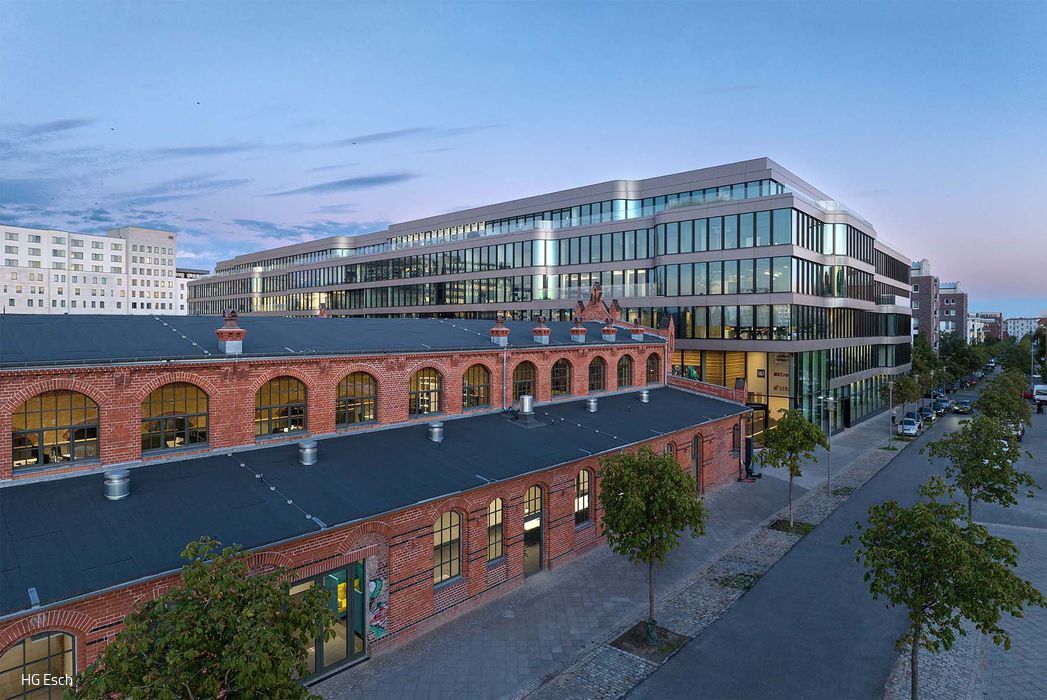
DSTRCT – the newly completed office, retail, sports and event district now shaping the Prenzlauer Berg neighbourhood.
Timber Excellence
Extension and Renovation of Berlin Metropolitan School
Not Just for Princesses
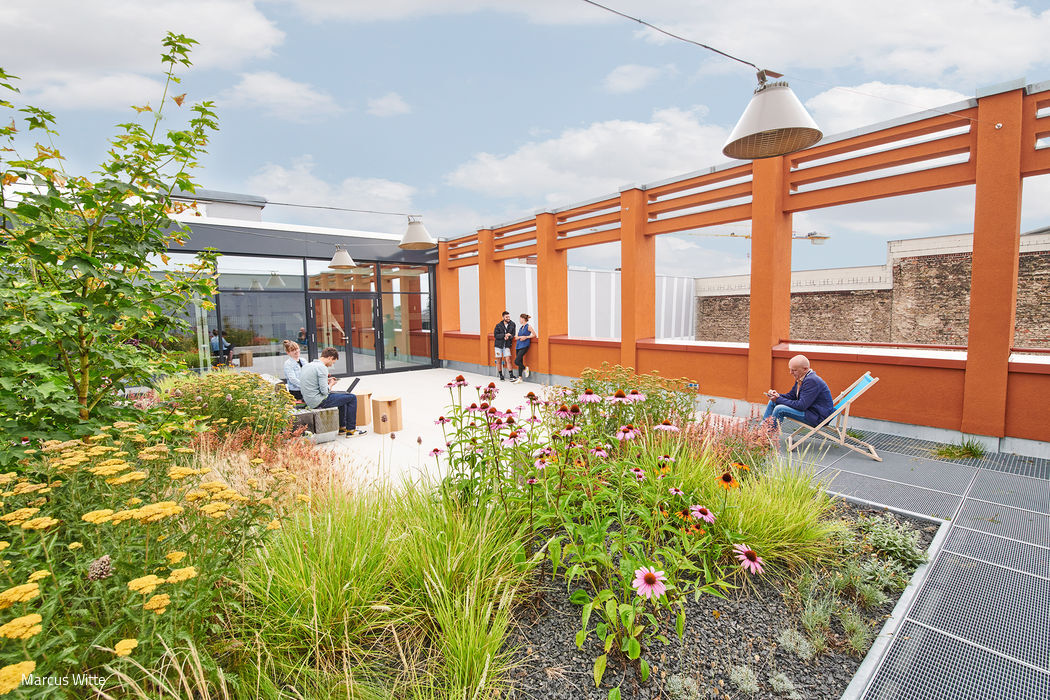
Sustainable Rooftop Garden: Balancing Green Space with Versatile Function
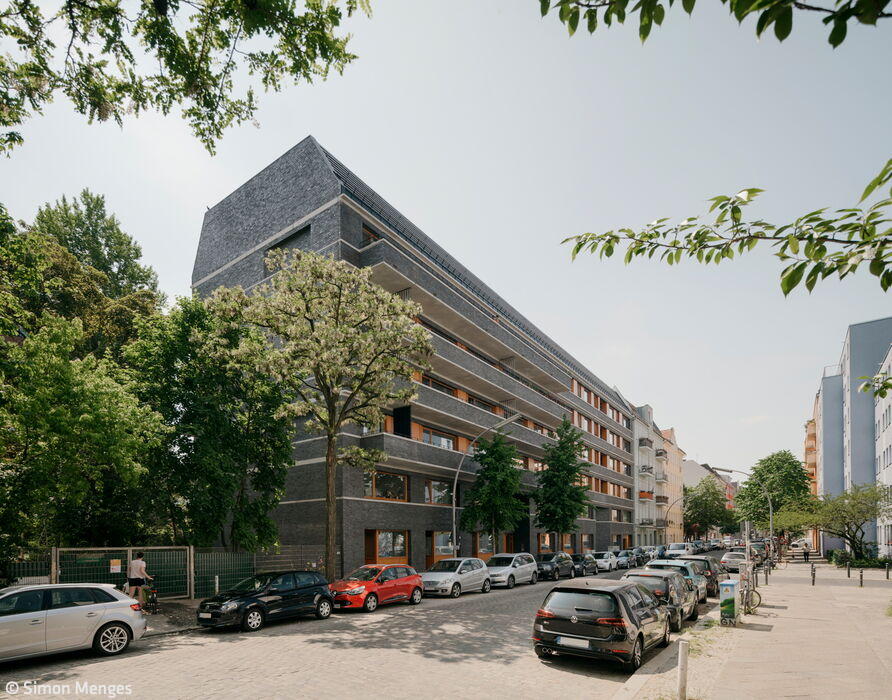
Black brick at the gasometer
A residential building unconventional in both concept and expression