


Who's the villain? Rethinking the landlord narrative
For years, landlords have borne the brunt of criticism—cast as the villain in an endless story. Or perhaps it's the state with its tax demands? The reality, however, is far more nuanced. Yes, rents in major metropolitan areas have climbed steeply over recent years and decades, especially for new construction. Munich leads the pack, with new leases now averaging over €20/m².
Even in the existing rental market, landlords have often maximized their rent increases under German civil law provisions—both through comparable rent adjustments and modernization-related increases—in tight housing markets. Yet this overlooks a crucial point: parts of the rental market still grapple with oversupply, varying by region. In these areas, landlords continue investing in their properties simply to compete for tenants.
The debate around index-linked rents suffers from similar blind spots. Rising prices affect landlords just as they do everyone else in a market economy. Why should private landlords alone shoulder the burden of inflation while unions demand double-digit wage increases? Major developers haven't halted construction projects out of lost interest—they've stopped because rising building costs would price units beyond what the market can bear.
The real story, however, gets lost in heated discussions about high base rents. The state is quietly increasing operating costs—the so-called "second rent"—through controversial property assessments. These updated land valuations will inevitably drive up property taxes, potentially by up to 20 percent. And under German law, landlords can pass these added public charges directly to tenants. So, who's truly the villain in this tale?
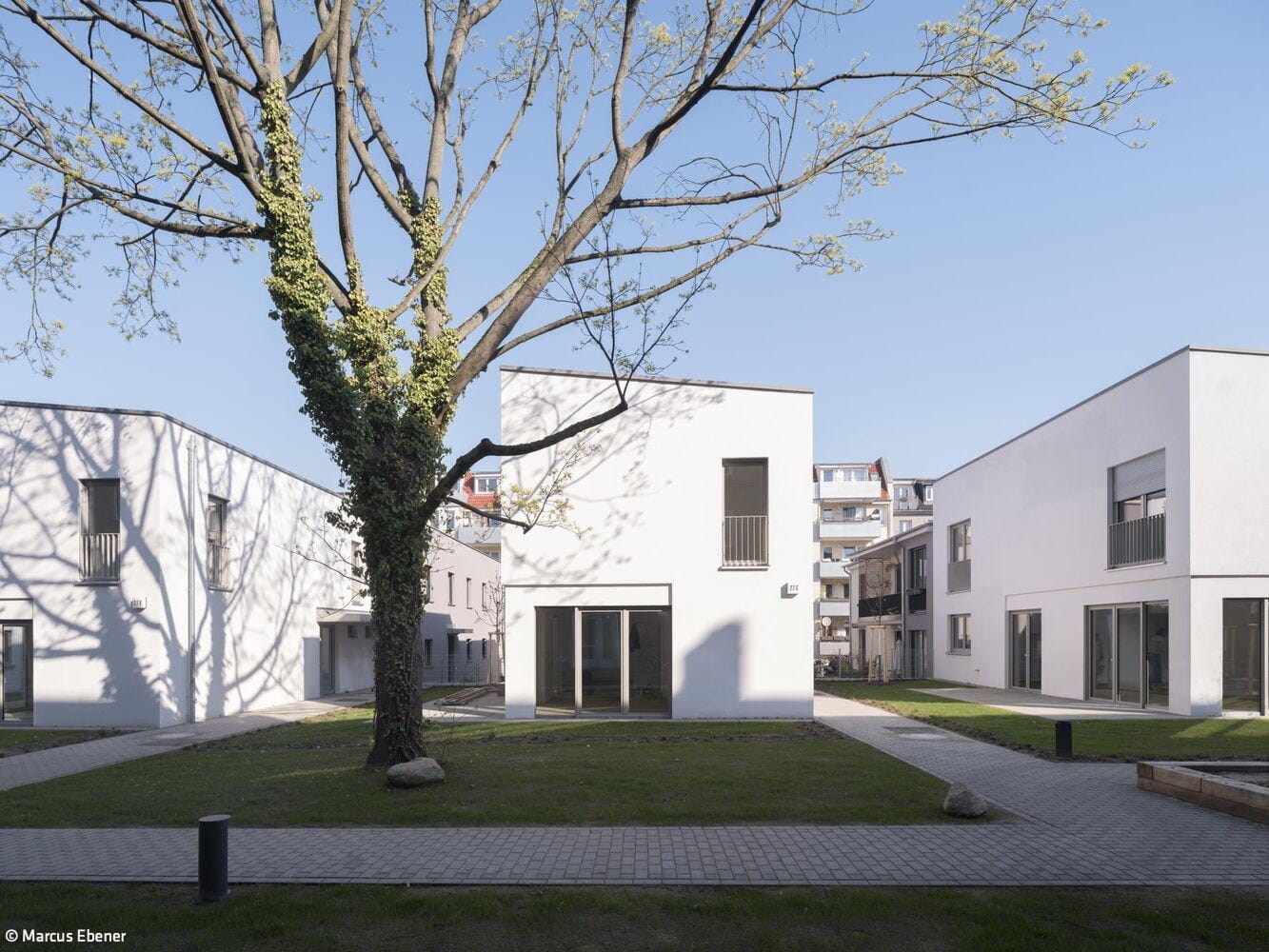
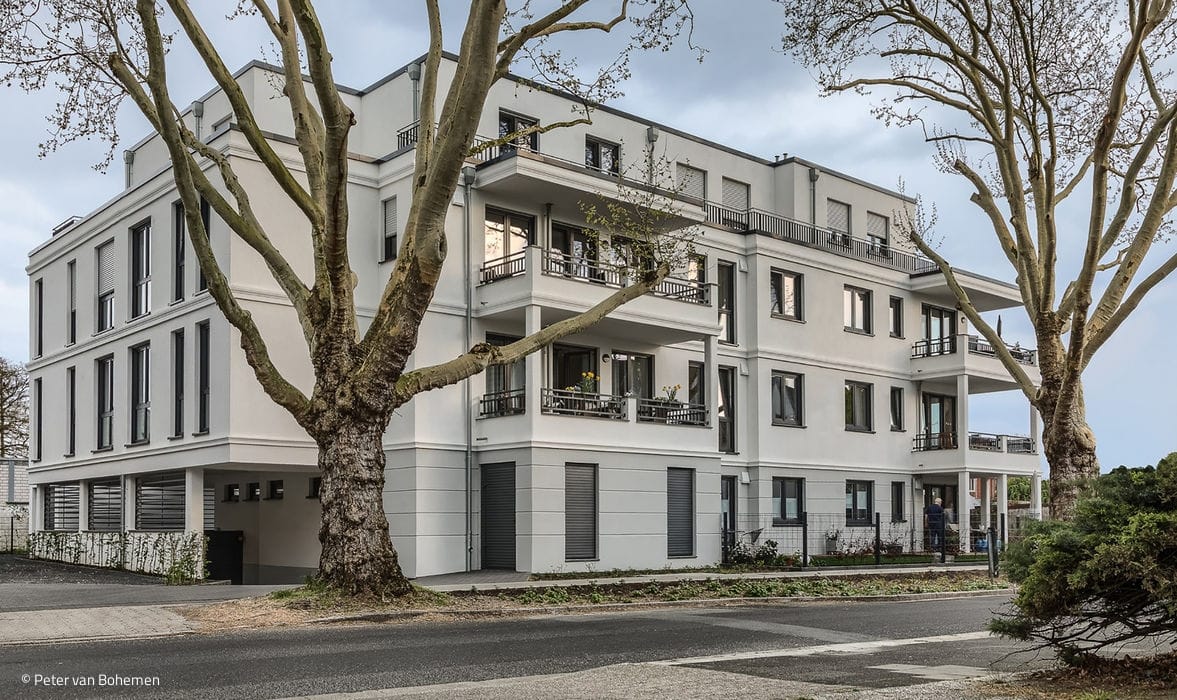
Nature as Partner
Designing around heritage: how plane trees shaped this Moers residential complex
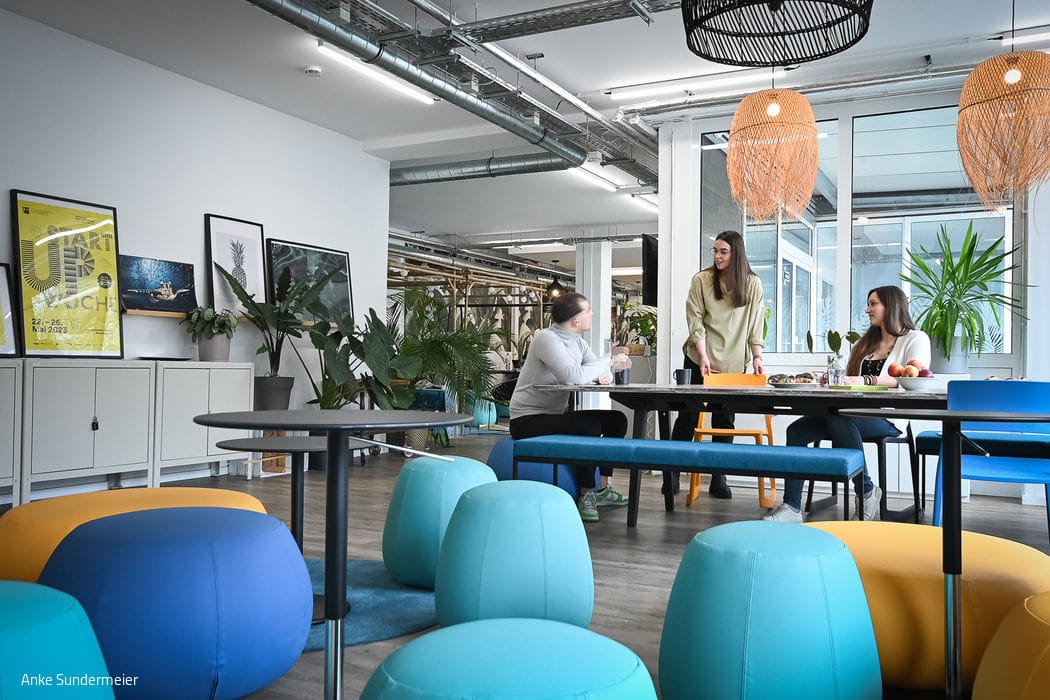
Palm trees, mountains and sport
Three Coworking Spaces in Bochum—Each with Distinct Character
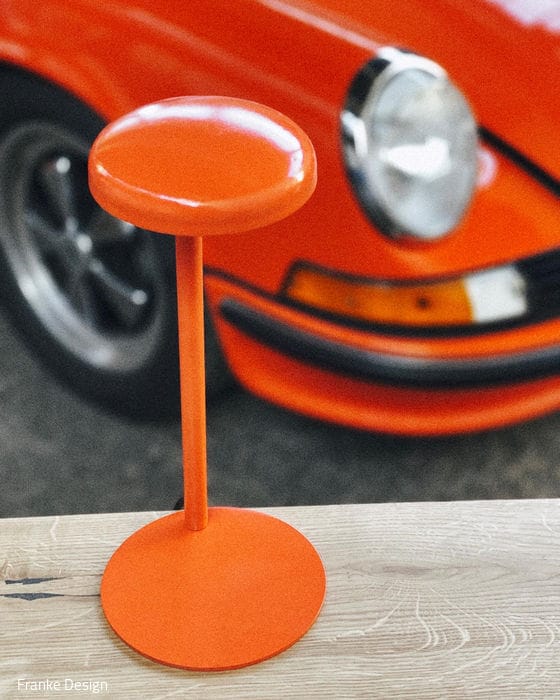
One of a kind, every time
Kai Franke creates durable furniture that merges steel, wood, and tiles into timeless pieces.
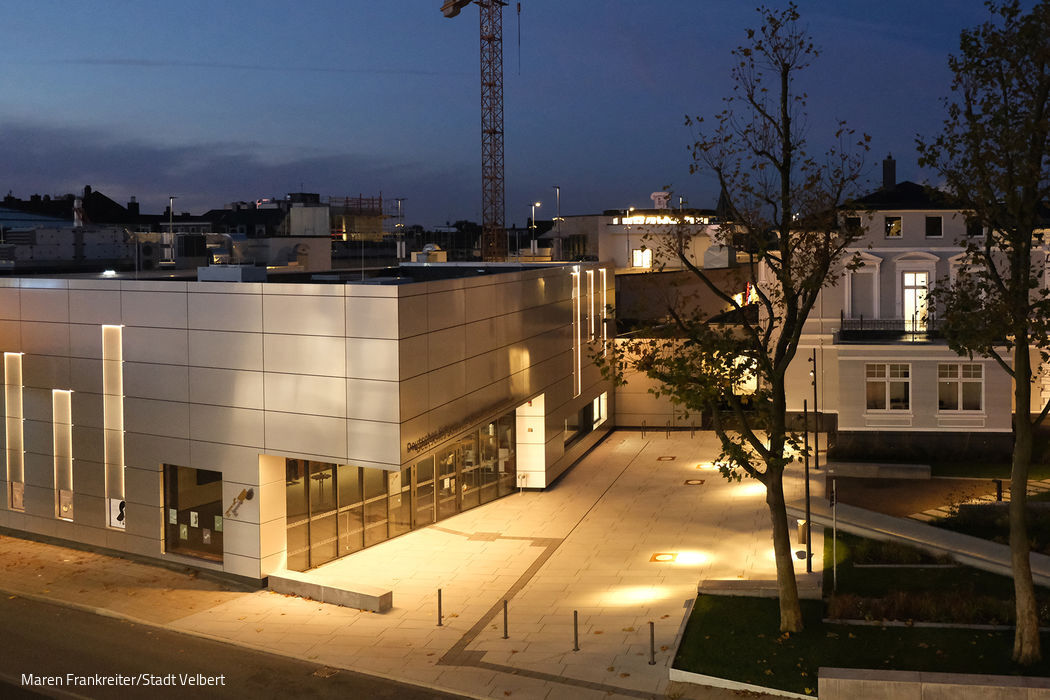
Bridging Old and New
Velbert's German Lock and Fittings Museum Expands with Striking New Addition